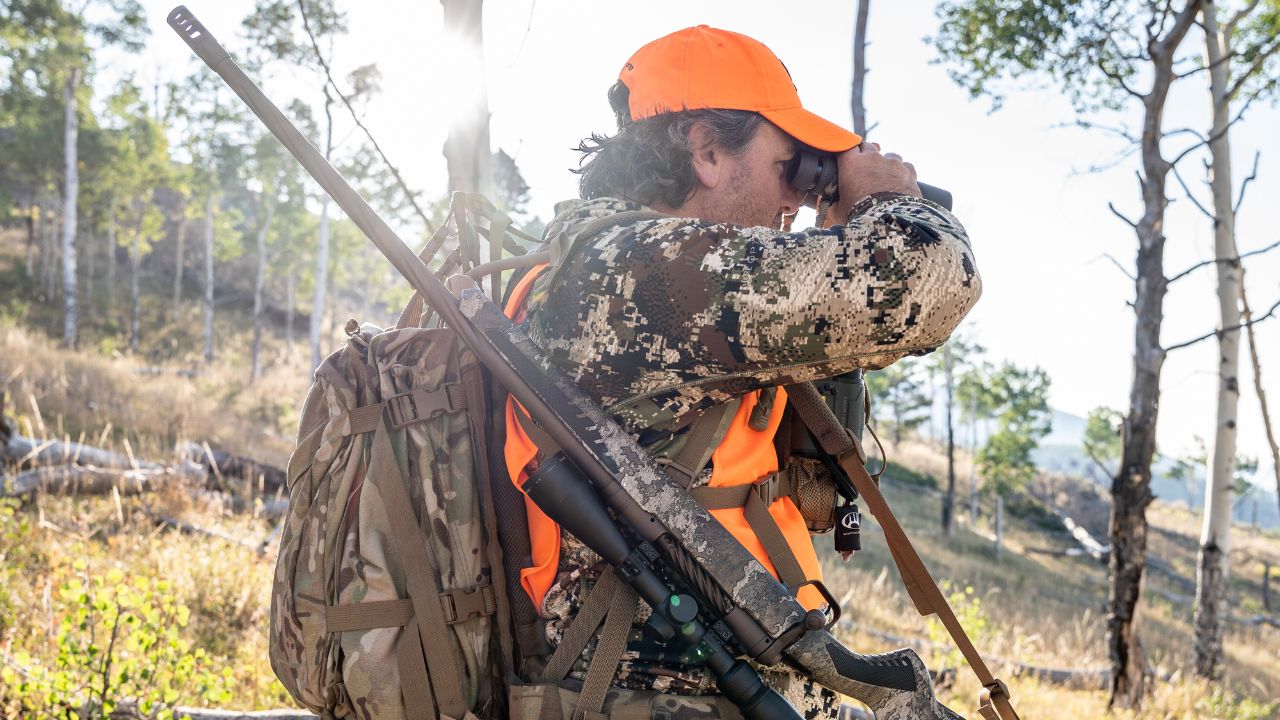
Photo credit: Savage Arms
Resident hunter numbers don’t fall off a cliff in one year. They drift. A couple percent here, a few thousand tags there, and pretty soon state agencies are talking about funding gaps, access issues, and “R3” programs to claw people back into the woods. Nationally, license data shows a small, steady slide since the COVID bump, with resident hunting licenses down a few percent from 2018 levels.
Zoom in and the picture gets sharper. Some states are holding strong or even growing hunters, but others have graphs that pretty much lean one way: down. The exact numbers bounce with winters, regulations, and pandemics, but the long-term direction is clear. Here are 15 states where resident hunters have been slipping away over the last couple of decades, and what that means if you hunt or care about how game management gets paid for.
Pennsylvania: Big tradition, smaller resident base

Pennsylvania still feels packed on opening day, but the resident base isn’t what it was. State and national summaries note that resident hunting license sales dropped from roughly 946,000 in 2006 to about 886,000 in 2017—around a 6% slide. Broader estimates suggest Pennsylvania had about a million hunters in 2001 and closer to 850,000 today.
That’s still one of the biggest hunter pools in the country, but it’s trending older. More posted land, suburban sprawl, and shifting culture mean fewer new hunters stepping in to replace retirees. You feel it in the license revenue conversations and in the push for Sunday hunting, mentored hunts, and R3 programs aimed at propping the numbers back up.
Wisconsin: Deer country feeling the age curve
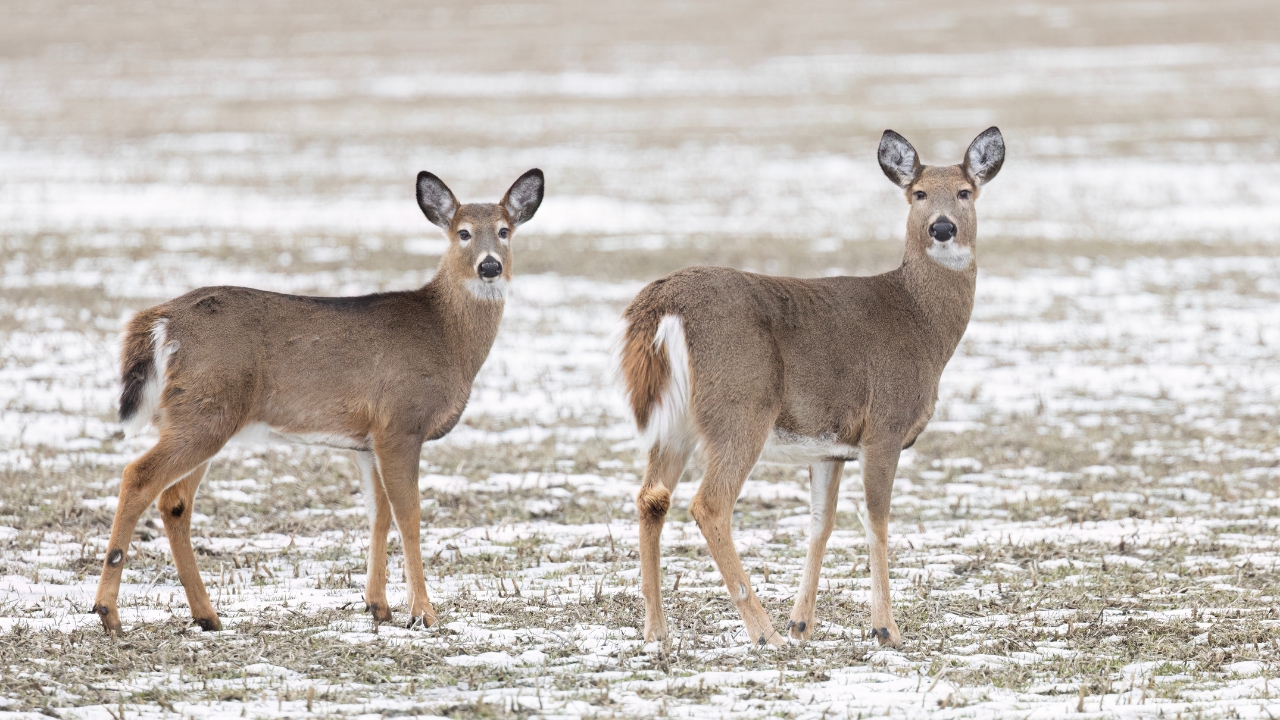
Wisconsin is a case study in what an aging hunter base looks like on paper. A recent analysis of resident male deer hunters found a 17% decline between 2005 and 2022, dropping from about 568,000 to 473,000. At the same time, gun deer license sales have slipped about 4% since 2018, enough to help blow a multimillion-dollar hole in the state’s fish and wildlife budget.
The deer are still there, but the classic “everyone in camp” culture isn’t. Fewer teenagers pick up tags, and more land is locked behind “no trespassing” signs. When the state starts talking about suspending doe seasons in some zones and scrambling for replacement funding, you’re looking at what declining resident hunters actually mean on the ground.
Michigan: Small-game drop mirrors a bigger pattern

Michigan still sells a pile of deer licenses, but small-game tags tell a long story. Biologists there have been pointing out that small-game license sales have slipped about 2% a year on average since the mid-1950s. In 2011, hunters bought about 256,000 small-game licenses—down again from the year before.
Small-game is often the entry point: kids with a .22, a hand-me-down shotgun, and a father or uncle who has time. When those numbers slide for decades, it’s a sign the pipeline is drying up. You can still fill a buck tag in Michigan, but there are fewer residents chasing grouse, rabbits, and squirrels, and that usually means fewer all-around hunters a decade later.
Minnesota: Firearm deer hunters peeling off

Minnesota’s deer woods still see plenty of orange, but not like they used to. Reporting out of the state shows regular firearms deer licenses falling 43% since 2016, with one local piece calling out a “staggering” drop in firearm deer hunters over the last couple decades.
Some of that is demographic—older hunters aging out, younger ones busy or uninterested. Some is tied to tough winters, predator debates, and changing attitudes in the northern forest. Either way, when a traditional deer state sheds that many resident tags, it changes how crowded camp is, and it changes how the DNR funds everything from CWD testing to access.
Ohio: License slide in a deer powerhouse

Ohio still produces big whitetails and draws plenty of attention, but resident license numbers haven’t been bulletproof. Commentary that pulls from state data notes roughly a 32% drop in resident annual hunting license sales over about a decade, used as a warning sign about “better management” decisions and access issues.
The tags are still there, and nonresidents still show up, but fewer in-state hunters buying licenses compounds other deer problems—disease, suburban refuge herds, and less political weight for hunters. When residents walk away from the counter year after year, it slowly shifts who actually gets a say in how Ohio’s deer are managed.
Indiana: Quietly losing locals

Indiana doesn’t show up in national doom-and-gloom headlines, but local coverage points out that the state is “struggling with a declining number of licensed hunters,” even as it still ranks high for license holders per capita.
That’s the pattern you see across the Midwest: strong hunting culture, good habitat, decent access—but a slow bleed of resident hunters as farms consolidate, kids move to cities, and other hobbies crowd in. For deer and turkey management, it means fewer people carrying the load on license sales and Pittman–Robertson dollars, even if total harvest looks fine for now.
Illinois: Short-term drops on top of long-term pressure

Illinois reports that resident hunting license sales fell about 3% in a single recent season, from roughly 242,000 in 2021–22 to 235,500 in 2022–23. On its own, that one-year dip doesn’t sound huge—but stack it on top of years of concern about aging hunters, shrinking access, and tight deer regulations, and you see why managers worry about the trend line.
Illinois has already watched deer numbers and hunter satisfaction bounce with CWD zones, EHD hits, and access fights. When resident license buyers drift downward at the same time, it narrows the base that cares enough—and pays enough—to keep the program healthy.
Vermont: Long slide in a small state

Vermont is a textbook “slow decline” case. Analyses of state data show hunting license sales dropping in every county between 2016 and 2018, with the broader trend reaching back to the late 1980s. A recent breakdown notes that the decrease has been steady for decades, driven by urbanization, gun-law changes, and an aging rural population.
In a small state, a few thousand resident hunters walking away shows up fast. Fewer licenses mean fewer dollars for habitat work and less political clout for hunters when regulations, access, or predator policy come up. Vermont’s still a hunting state—but not the way it was 30 years ago.
Maine: Long decline with a recent bump

Maine’s story has two parts. On the long-term side, regular resident hunting licenses fell from about 181,900 in 1993 to roughly 131,400 by 2019—a big drop for a state that lives and dies by deer, bear, and moose seasons. On paper, that’s tens of thousands fewer Mainers buying tags each fall.
The twist is recent years: while hunting license sales are down nearly 10% nationally since 2018, an op-ed citing state figures notes Maine’s licenses actually grew about 7% in that same window. So you have a long slide being met by serious efforts to bring people back. It’s still a state that lost a lot of resident hunters—just one that’s fighting hard not to lose more.
Virginia: Herds without hunters

Virginia’s own deer managers have been blunt. A long-running analysis of license data notes that licensed deer hunter numbers dropped about 26% from the early 1990s into the 2010s. Legislative reports also show overall hunting license revenue falling about 20% between 2009 and 2018.
When a state loses roughly a quarter of its deer hunters over a couple decades, it changes how management works. Agencies lean harder on fewer paying customers, and deer herds near suburbs or in tough terrain can be harder to control. That’s why you’re hearing more about “herds without hunters” and fewer kids growing up with a rifle in the closet.
North Carolina: Effort and spending sliding

North Carolina’s not in collapse, but the warning signs have been there a while. A study looking at 1996–2006 found that days afield and dollars spent on hunting both declined over that decade, threatening jobs and license-funded conservation programs that lean on those resident hunters.
Less time in the woods usually leads to fewer licenses bought, plus a weaker case for keeping hunting access when land changes hands or gets developed. The state still has strong pockets of deer and bear hunters, but the data backs up what a lot of locals feel: compared to the ’90s, fewer residents are actually buying tags and making the drive before first light.
Arkansas: The Southeast outlier

Most big Southeastern hunting states have either held steady or grown hunter numbers over the last decade. An American Hunter look at FWS data pointed out one main exception: Arkansas, which is singled out as the only major Southeastern state in that sample that actually lost hunters since 2011.
In a region that usually bucks the national decline, that’s a red flag. Duck and deer hunting are still huge, but fewer resident hunters mean fewer folks funding the work on public land, waterfowl habitat, and chronic wasting disease management. It’s a reminder that even in the “strong” regions, some states are quietly slipping.
West Virginia: R3 built on a shrinking base
West Virginia’s wildlife agency has been pretty open about its situation. An R3 (Recruitment, Retention, Reactivation) situation analysis spells it out: hunting and angling participation in the state “continue to decline,” and the department is trying to reconnect residents with the outdoors before the drop gets worse.
When the agency starts building entire strategic plans around stemming the loss of resident hunters, it’s not guessing. Fewer locals buying licenses hits budget lines first, but it also means fewer voters who care about game laws, habitat projects, and access fights. In a place built on deer camps and trout streams, that’s a big cultural shift.
California: The long slow fall

California might be the cleanest “declining license” graph in the country. A state upland game report notes that hunting license sales dropped from about 767,000 in 1970 to roughly 268,800 by 2021. That’s losing roughly two-thirds of your licensed hunters over 50 years.
Some of that is politics, some of it is access, and a lot of it is sheer population growth in people who don’t hunt. For resident hunters still there, it means less crowding in some places but also less clout when predators, gun laws, or habitat issues hit the ballot. When fish and game starts talking about “recruiting and reintroducing hunters,” it’s because the old base has shrunk that far.
Nevada: Desert state, disappearing regular licenses
Nevada doesn’t have the whitetail culture of the Midwest, but it’s still a stark example of resident hunter slippage. A legislative report from the early ’90s noted that resident regular hunting licenses had dropped from about 43,500 in 1981 to roughly 21,000 by 1991—cut in half in a decade.
Those numbers are old, but they’re the start of a pattern: more competition for tags, more nonresident demand, and fewer year-in, year-out resident license buyers. Western big-game systems can hide that behind limited quotas and point schemes, but from a funding and tradition standpoint, it’s still a slow leak of local hunters.
Like The Avid Outdoorsman’s content? Subscribe to our newsletter so you never miss an article.
Here’s more from us: