Photo credit: Amy Lutz/Shutterstock.com
If you want a realistic shot at a book-caliber deer, some regions simply give you better odds. Boone and Crockett’s recent whitetail data (2020–2022) and longer-term per-square-mile rankings show which areas keep stacking entries, not just one freak buck every decade. Here’s where the numbers say big antlers are showing up the most.
Wisconsin’s river country and farm belt
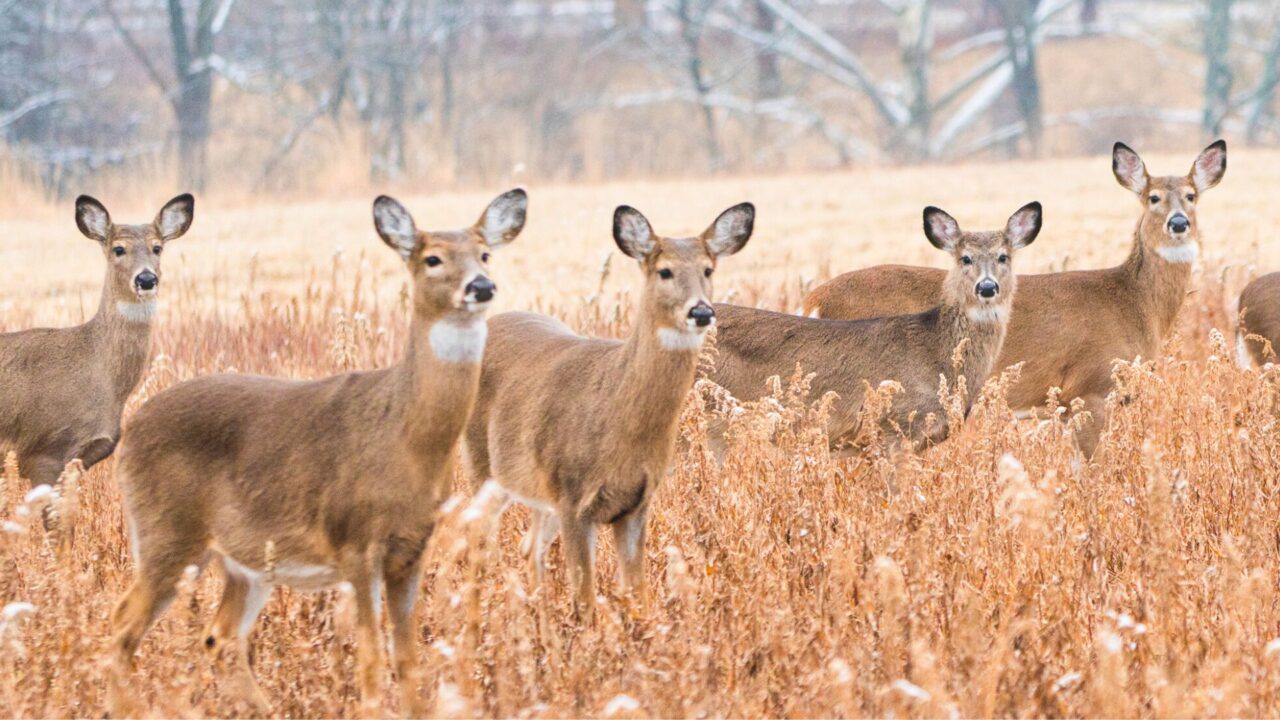
Wisconsin still sits at the top of Boone and Crockett’s rankings, with more whitetail entries than any other state and 125 new entries from 2020–2022 alone. Counties like Buffalo and Polk remain hotbeds, thanks to broken ag, river bottoms, and steep timber that let deer age. It’s not just one county anymore—big deer are scattered across the southern and western farm belt, and the density of record entries per square mile is higher than almost anywhere.
The Ohio–Indiana–Kentucky “new golden triangle”
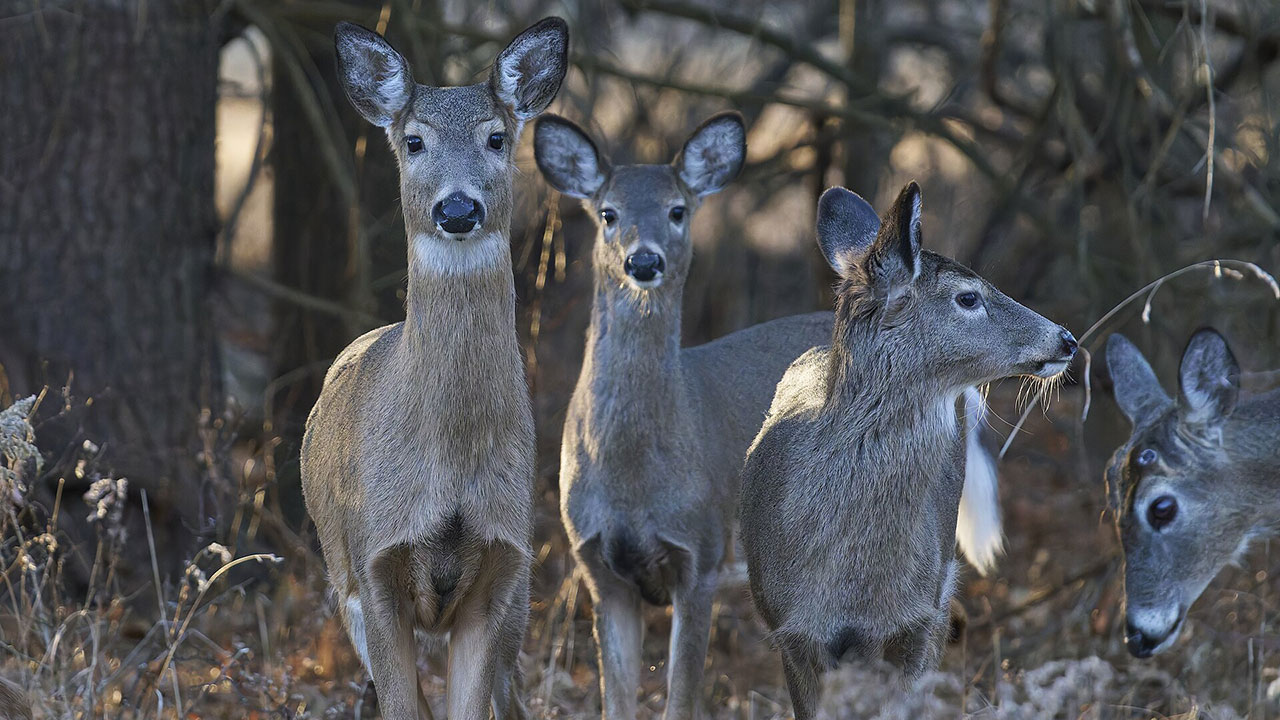
Looking at recent data, the new power triangle runs through Ohio, Indiana, and Kentucky. All three rank near the top for record-book entries from 2020–2022 and for entries per square mile over the last decade. Boone and Crockett even calls out Indiana’s “big buck revival” as a deliberate management success story. This mix of river-country ag land, timber, and evolving seasons has turned the central Ohio Valley into one of the most reliable regions for modern record-book deer.
Iowa’s ag–timber whitetail zone

Iowa slid a bit in the latest three-year tally but still ranks high for both all-time and recent whitetail entries. Limited tags, shotgun/muzzleloader seasons, and serious food sources mean bucks grow old and heavy here. The farmland-and-draws layout across southern and eastern Iowa continues to produce long-tined giants every season. Even with more pressure and publicity than in the past, the core genetics and age structure keep the region firmly in the record-book conversation.
Illinois–Missouri river corridors

Illinois and Missouri may not dominate like they once did, but the big-river corridors still crank out trophies. Both states sit in the top 10 for total record-book whitetail entries and still rank high for entries per square mile. The Mississippi, Illinois, and Missouri river bottoms and adjacent ag ground keep producing heavy-framed bucks. Even with changing access and pressure, those transition zones between crops and timber remain some of the best big-deer real estate in North America.
Minnesota’s farm-and-woods band
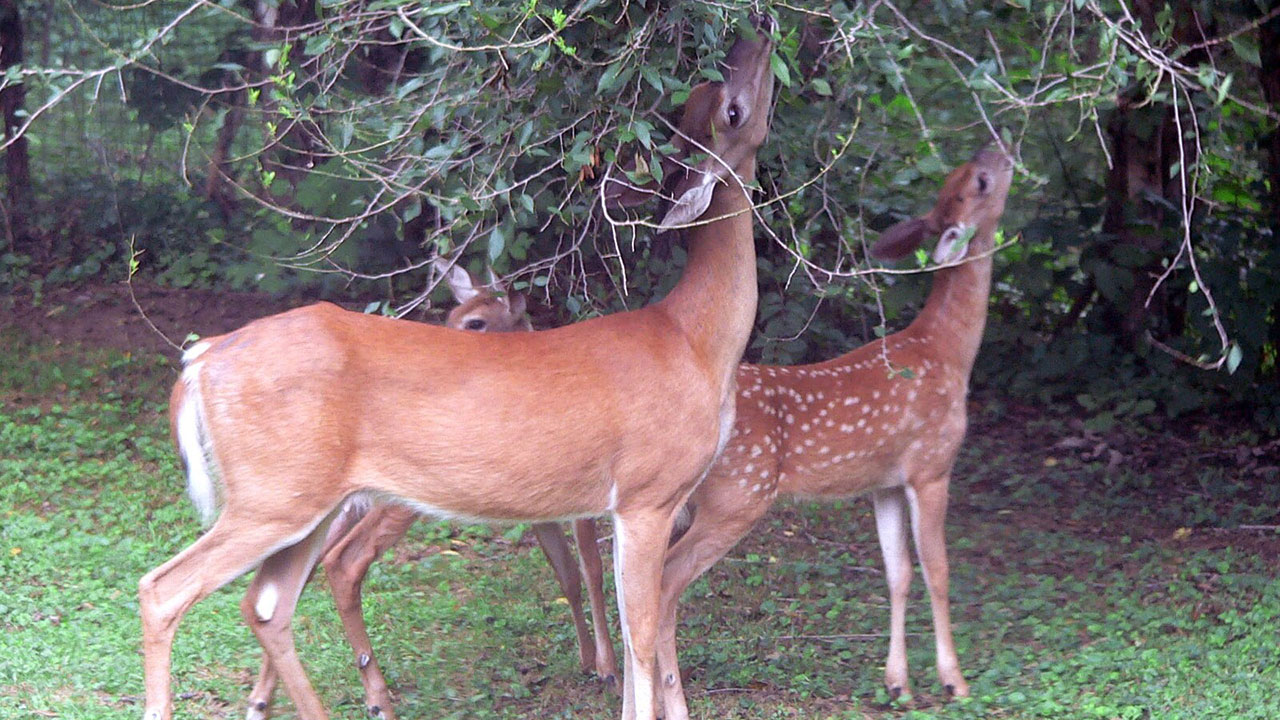
Minnesota doesn’t always hit the headlines, but it holds a strong all-time record-book whitetail tally and continues to add respectable numbers. The real engine is the central and southeastern band where ag fields meet rolling woods and bluff country. Gun pressure is real, but pockets of limited access and smart hunters let bucks survive. B&C entries from counties like Dodge show that this mix of habitat still punches above its reputation.
Kansas and Nebraska plains country

Kansas and Nebraska show up high in both all-time and recent whitetail record lists, especially when you adjust for land area. River corridors, shelterbelts, and irrigated ag create perfect food and cover, and relatively low hunter density helps more deer reach maturity. Between bowhunters sitting creekbottom funnels and rifle hunters working open edges, this central plains strip has become one of the most consistent places to see record-class frames with real width and mass.
Texas brush country and South Texas ranchlands

Texas ranks near the top for trophy entries over time and continues to add big bucks at a steady clip. South Texas brush country and neighboring ranchlands lead the way. Decade after decade of protein feed, strict culling on some properties, and conservative harvest on others have turned the region into a kind of live laboratory for maximizing antler potential. Not every tag is punched on a giant, but the odds of seeing true record-level genetics are higher here than almost anywhere.
Arkansas–Mississippi Delta and hill country pockets

Arkansas and Mississippi don’t match Midwestern states in sheer entry totals, but both land in the top 20 when you look at entries per square mile. Bottomland hardwoods, ag ground along big rivers, and managed private timber create sneaky-good whitetail country. Mississippi’s high percentage of mature bucks in the harvest, and Arkansas’s antler-restriction history, help feed the record books with occasional freaks that remind everyone the South isn’t just “meat deer” ground.
Mid-Atlantic micro-hotspots: Delaware and Maryland

On paper, Delaware and Maryland don’t look like trophy destinations, but the per-square-mile math says otherwise. Both states crack the top 15 for Boone and Crockett whitetail entries when you adjust for size. Limited land, strong ag, and suburban edge habitat let deer live older than people expect. The record data shows that if you can find access in the right county, your odds of seeing a true giant are better than the small acreage numbers would suggest.
Michigan’s managed farm country

Michigan gets hammered with pressure, but it still shows up in the top 20 for record-book whitetail entries and per-square-mile rankings. The big drivers are managed corners of the southern Lower Peninsula and parts of the north where antler point restrictions and cooperative management are common. In those pockets, bucks regularly make it to 3½ and 4½, and good genetics come through. Statewide averages hide it, but the record data proves there are real hot zones here.
Pennsylvania’s ridge-and-valley big-buck strip

Pennsylvania has quietly climbed the record lists, landing in the top 20 for whitetail entries and showing strong buck harvest numbers season after season. Antler restrictions let more bucks reach maturity, especially in certain ridge-and-valley and farm-country regions. It’s still one of the most heavily hunted states in the country, but entry data shows that tight habitat, good food, and older age classes are producing record-level deer more often than in the past.
Upper Midwest mixed-bag zones
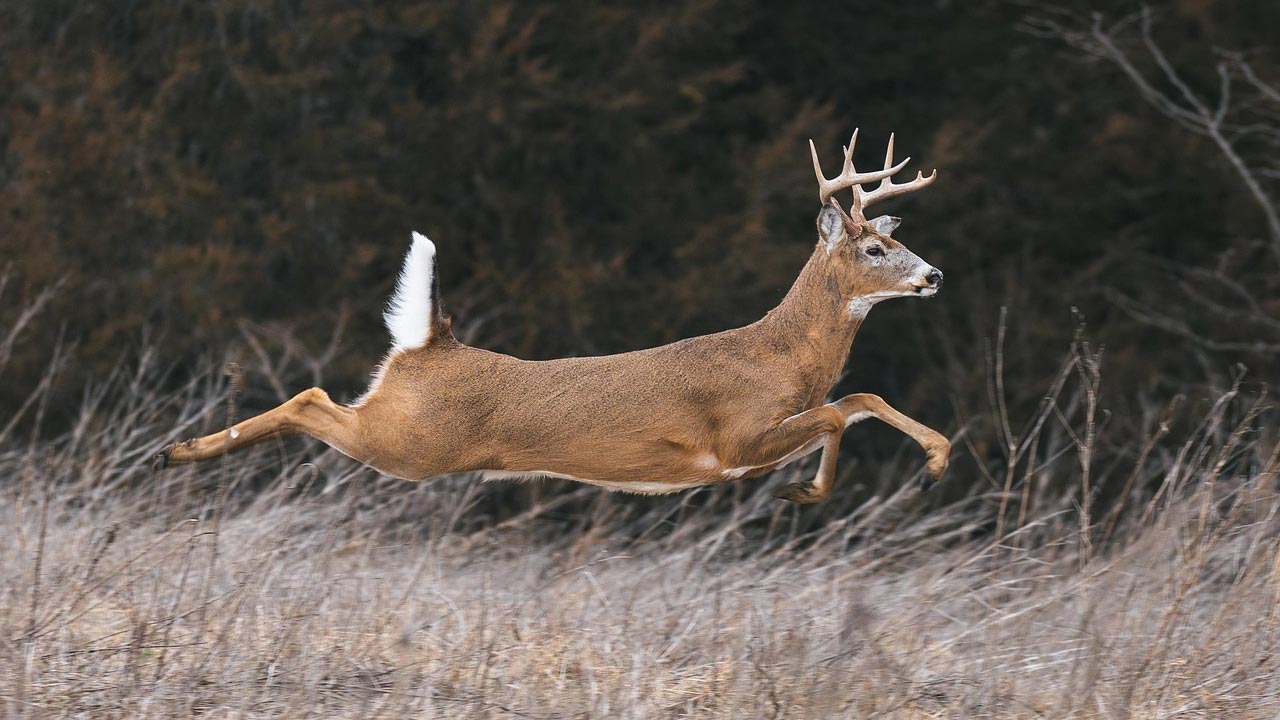
Look at the broader Upper Midwest—Wisconsin, Minnesota, Michigan, and neighboring states—and you see one big block of record-class potential. All of them sit high on the all-time Boone and Crockett whitetail list, and several stay near the top when the focus shifts to the last 10–15 years. The combination of high-quality ag, timber, and conservative seasons in pockets keeps generating entries. It’s less about one county now and more about a whole belt of proven habitat.
Canadian prairie provinces: Saskatchewan and Alberta
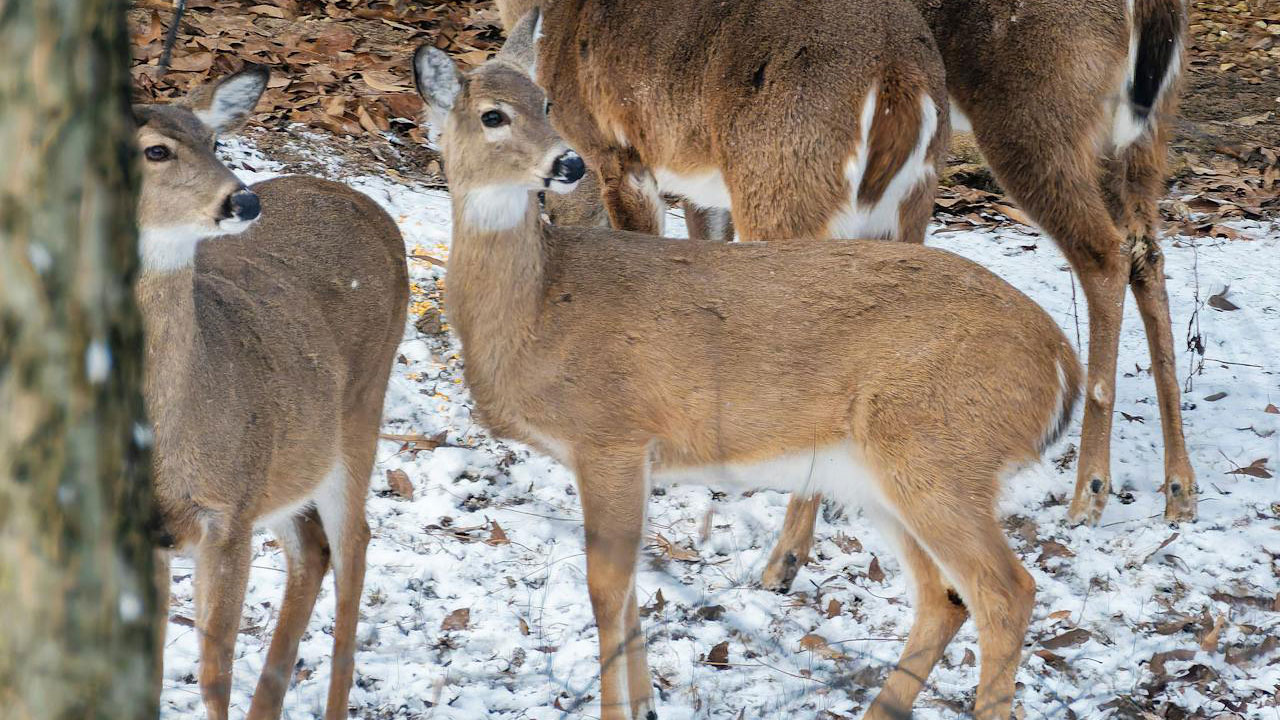
If you zoom out beyond the U.S., Saskatchewan and Alberta still produce some of the heaviest-antlered whitetails and big game in North America. Both provinces rank high in Boone and Crockett records overall and continue to show up near the top when new entries are logged. Low hunter density, big tracts of ag-and-bush country, and brutal winters that cull weaker animals combine to push surviving deer and other big game toward record-class potential.
Western mixed-bag big-game regions

Boone and Crockett records don’t stop with whitetails. Western states like Montana, Wyoming, and Colorado have long records for elk, mule deer, pronghorn, and other big game, and they continue to add new entries across multiple species. While whitetails grab more headlines back east, the overall record-book density for big game in key western mountain and high-plains regions stays strong. If your goal is to put any animal in the book, not just a whitetail, these mixed-bag regions are still prime.
The emerging “sleeper” belts

Finally, the record data hints at emerging belts of opportunity: places like parts of Virginia, West Virginia, and the Carolinas that now show up in top-20 per-square-mile entry lists. Those states don’t match the Midwest’s totals, but modern management and hunters willing to let young bucks walk are changing the outcome. When you start seeing these names appear alongside Kansas and Missouri in the numbers, it’s a sign that their “sleeper” status may not last much longer.
Like The Avid Outdoorsman’s content? Subscribe to our newsletter so you never miss an article.
Here’s more from us: