Photo credit: mark byzewski, CC BY 2.0/Wiki Commons/Unsplash.com
Elk numbers aren’t moving in one simple direction. Some herds are booming, pushing past objectives and opening more tags. Others are getting hammered by winter, habitat loss, predators, or plain old human pressure and sliding below the goals biologists set for them. Pulling agency reports, recent news, and RMEF updates together gives a pretty clear map of where the trend lines are up and where they’re bending down.
For hunters, that’s not just trivia. Growing herds usually mean more opportunity and new seasons; shrinking herds mean tighter quotas and tougher odds. Here’s a look at the places where elk are clawing their way back—and the spots where numbers are under real pressure.
Kentucky’s coal country — expanding
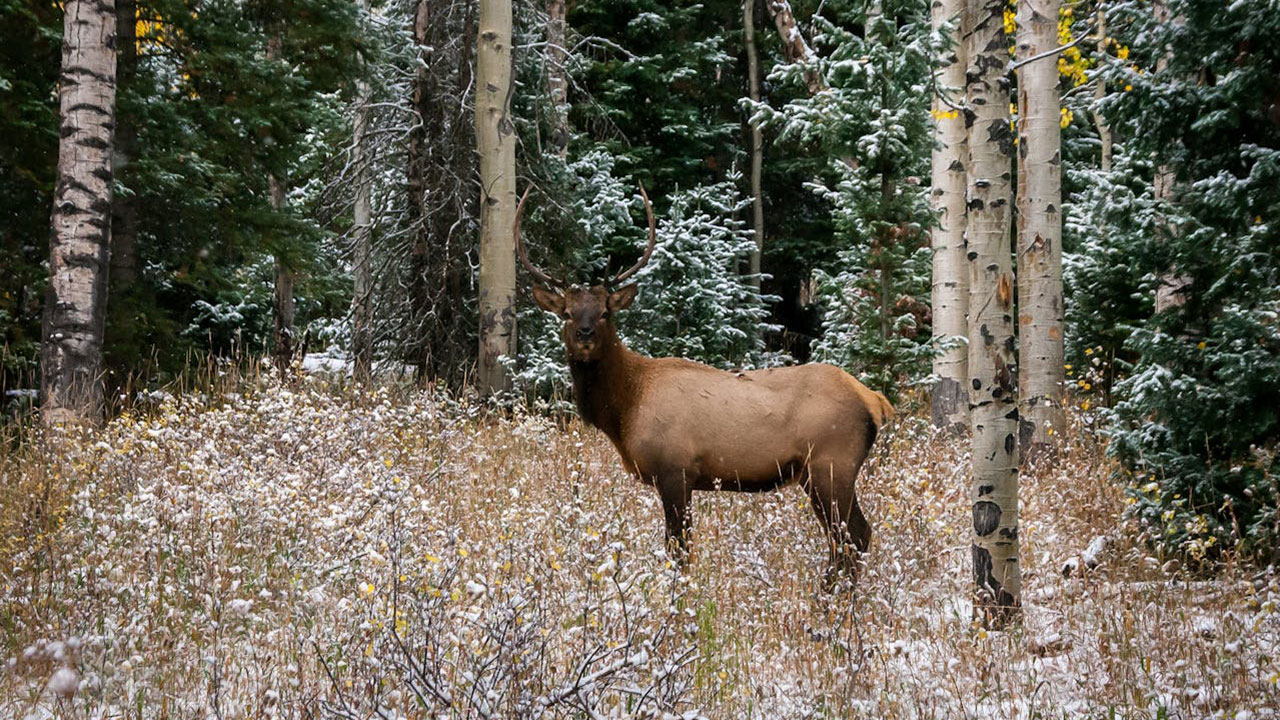
If you want a success story, Kentucky is still the flagship. The state took in more than 1,500 translocated elk between 1997 and 2002 and has turned that into the largest elk population east of the Mississippi. Recent state and RMEF writeups peg the herd at roughly 10,000–13,000 animals in a 16-county restoration zone, with models in the 2024 elk report estimating “over 10,000” elk on the ground.
Those animals didn’t just survive—they’ve filled in old mine lands and rough country that used to be dead quiet. Tag demand is through the roof, but biologists still describe the herd as healthy and growing, and success rates have stayed solid. For hunters, that means long odds in the draw but real chances at mature bulls if you get lucky and put in the scouting time.
Virginia and Tennessee elk zones — expanding
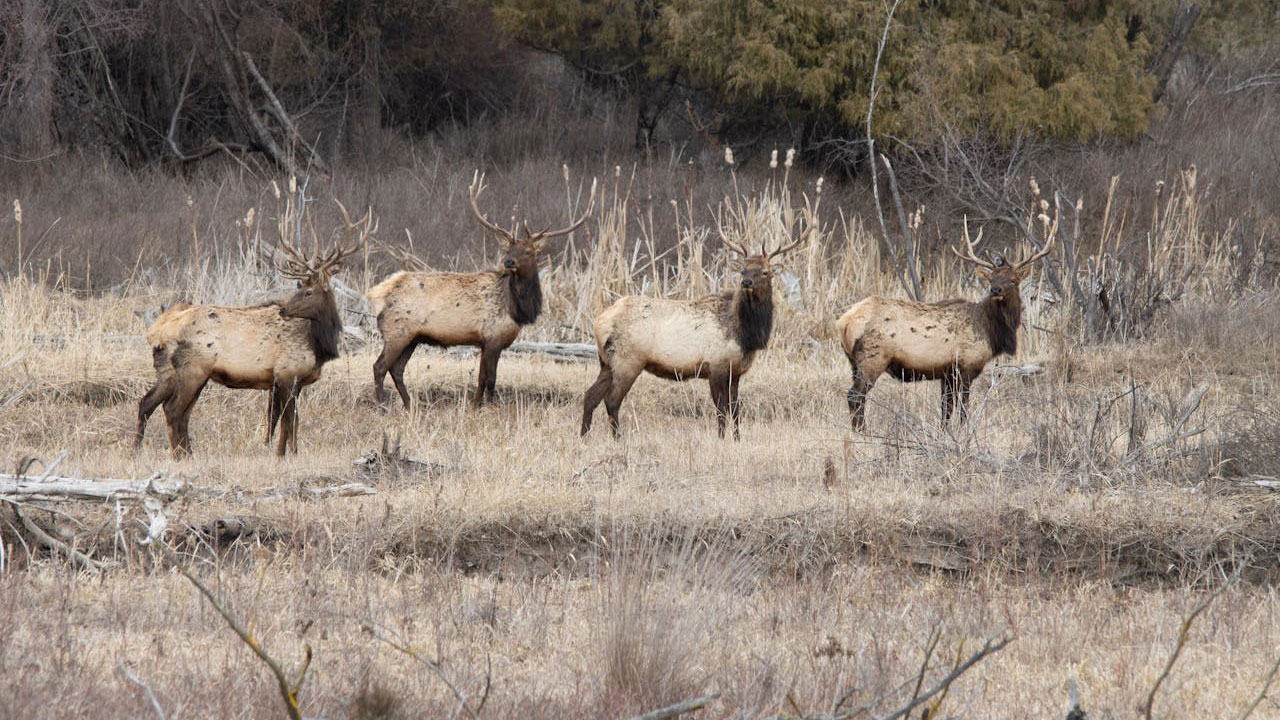
Virginia and Tennessee started with Kentucky’s playbook: bring in western elk, fence out domestic disease risk, and let them work in big, rough restoration zones. Both states now report small but growing herds anchored to reclaimed mine country and surrounding forest. The National Fish and Wildlife Foundation and RMEF both point to thriving elk pockets in these states riding the same Central Appalachian recovery wave as Kentucky.
Numbers are still in the hundreds, not thousands, but they’re headed in the right direction. Regulations stay tight and heavily controlled, which is exactly what you want when you’re trying to build a huntable herd from scratch. If you draw here, you’re hunting a young success story, not a novelty herd.
North Carolina’s Smokies herd — expanding

North Carolina’s Smokies herd is small but clearly growing. A 2024 DNA-based estimate put about 240 elk in western North Carolina as of 2022, with a heavy skew toward cows—178 of those animals were female, which is exactly what you want in a building herd.
RMEF flags North Carolina as one of the Appalachian states where elk numbers are “growing,” and new habitat projects are aimed at keeping that trend going. Hunting remains limited and tightly managed, but for folks who remember when elk were totally gone from this country, seeing cow–calf groups on old logging roads is proof the comeback is real.
West Virginia’s transplants — expanding
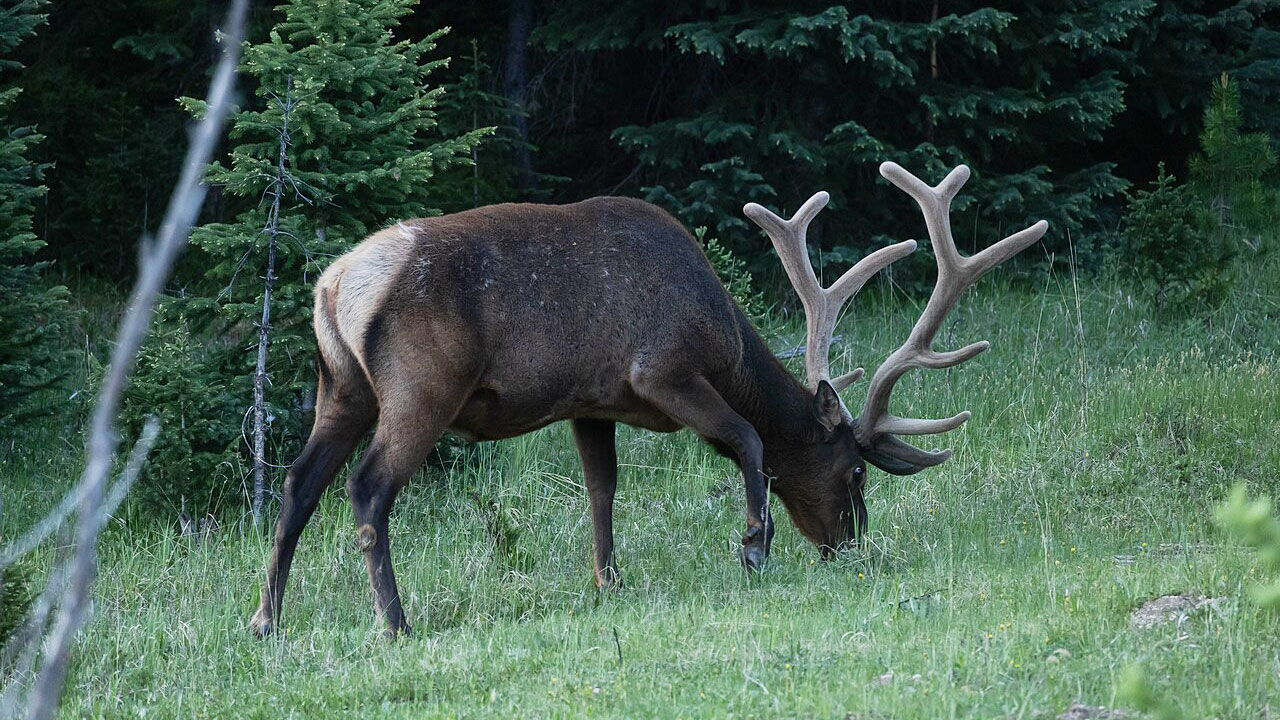
West Virginia was a late starter in the elk game, but it’s leaning in now. The state has been building its herd with transplants and habitat work in the southern coalfields, and a 2024 announcement from the governor laid out plans to bring in 40 more elk and invest in viewing infrastructure around a growing herd in Logan County.
The actual head count is still under 100 by some recent estimates, so you’re not looking at huge numbers yet. But the trajectory is up, not flat, and the state is clearly treating elk as a long-term wildlife and tourism asset. For hunters, that means “watch list” for now—but it’s one more sign that elk are quietly reclaiming slices of their old range back East.
Missouri and Arkansas Ozarks — expanding
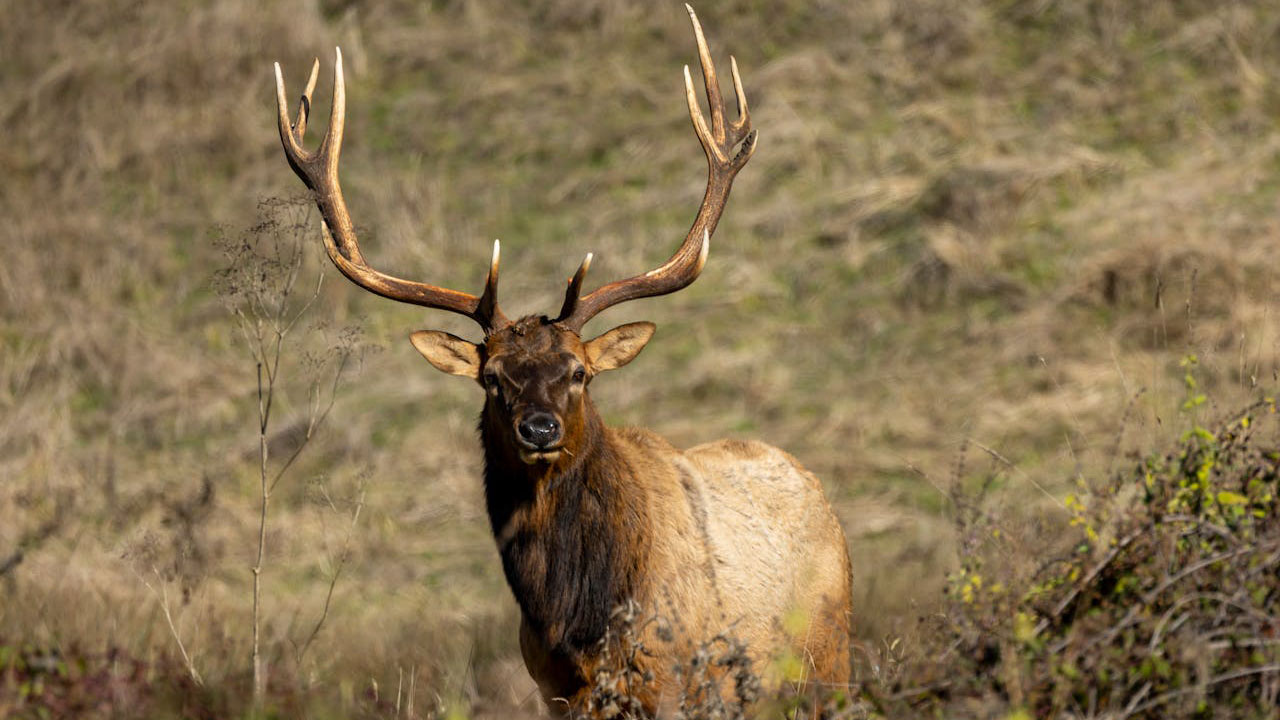
Missouri and Arkansas both sit in that “small but building” category. Missouri’s Peck Ranch restoration started with about 110 elk moved in from Kentucky between 2010 and 2012, and early reports suggested slow but steady growth with a hunting season held off until the herd filled its zone. Arkansas is part of the same broader Appalachian and Ozark push to bring elk back to rugged, low-density human country.
None of these herds are going to rival Western numbers, but that’s not the point. They’re proof that with time, decent habitat, and tight regulations, elk can re-anchor in country they’d been gone from for generations. For hunters, seasons are limited and highly controlled, but the odds of seeing elk sign in the Ozarks are a lot better than they were 30 years ago.
Midwest pockets in Michigan and Wisconsin — expanding
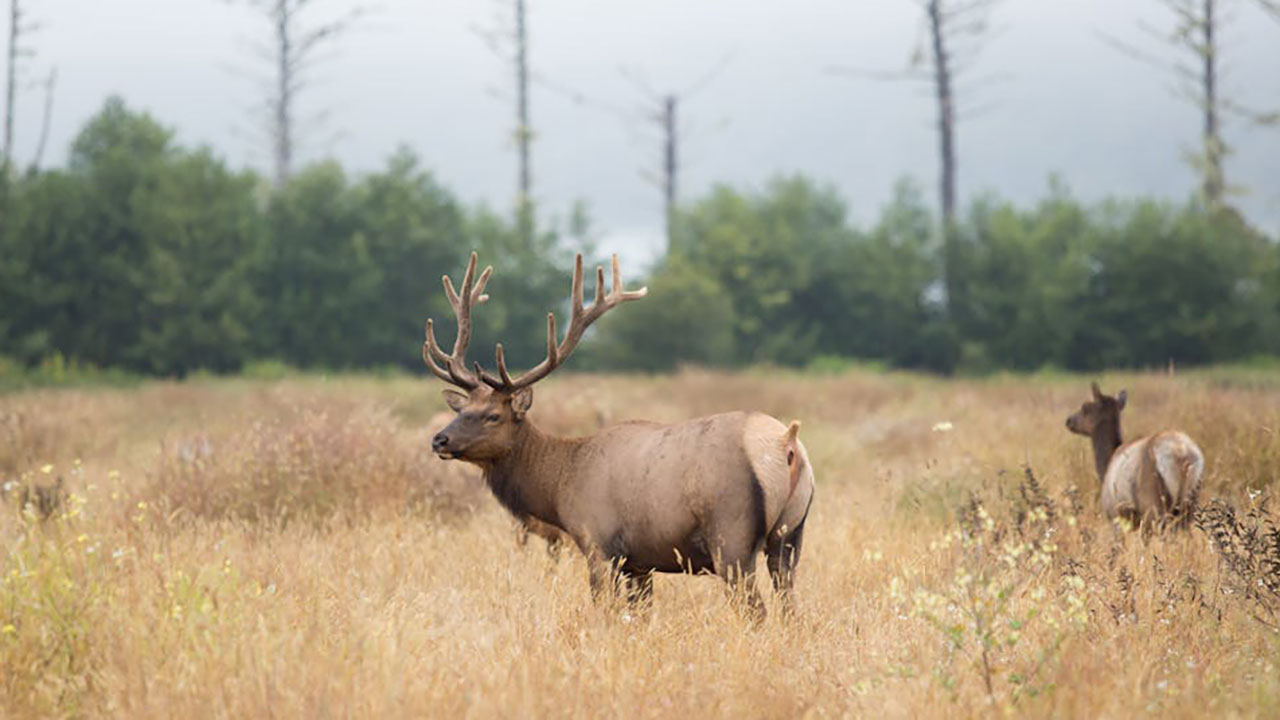
Michigan and Wisconsin aren’t just deer states anymore. Michigan’s elk herd is pegged around 1,000 animals in recent population tables, and a 2024 season recap showed 180 elk harvested on 250-plus tags with success rates in line with long-term averages—evidence of a herd that’s stable to slightly growing under tight control. Wisconsin’s free-ranging herd is smaller on paper, but state and RMEF updates describe it as expanding, with hunts scaled to keep growth in check.
These aren’t “every county” herds; they’re specific zones with strong habitat and decades of work behind them. But if you live in the upper Midwest, the odds of drawing a once-in-a-lifetime elk tag are better now than they were when elk were just a rumor on old maps.
Wyoming herds over objective — expanding
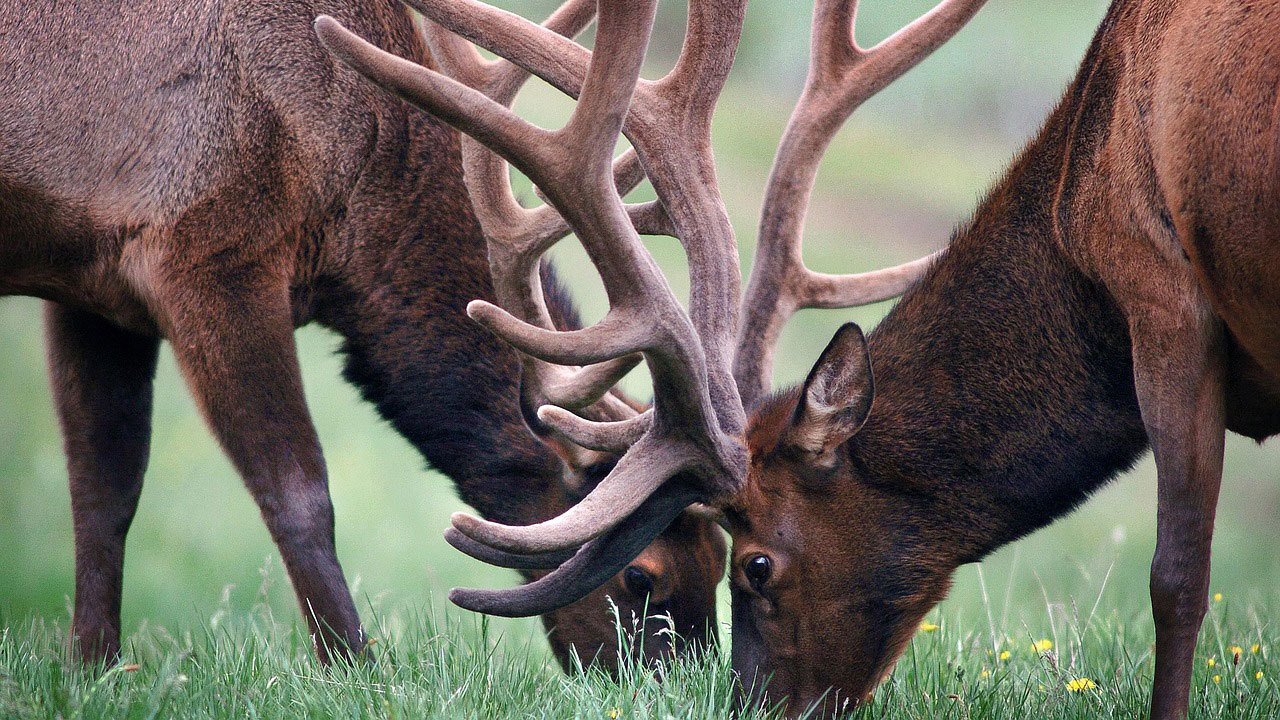
Wyoming might be the single best example of Western elk thriving. Game and Fish estimates about 109,000 elk statewide, and multiple agency and media pieces note that elk populations have “thrived” over the last two decades, with some herds well over objective and creating crop and fence damage issues.
The state set a new elk harvest record in 2023–24 with nearly 29,000 animals taken, and long-term trend lines show harvest increasing over the last decade, not shrinking. For hunters, that’s about as clear a green light as you’ll get: elk are doing well enough here that agencies are leaning on bigger seasons to keep them from overrunning winter range and private land.
Idaho’s general-season engine — expanding
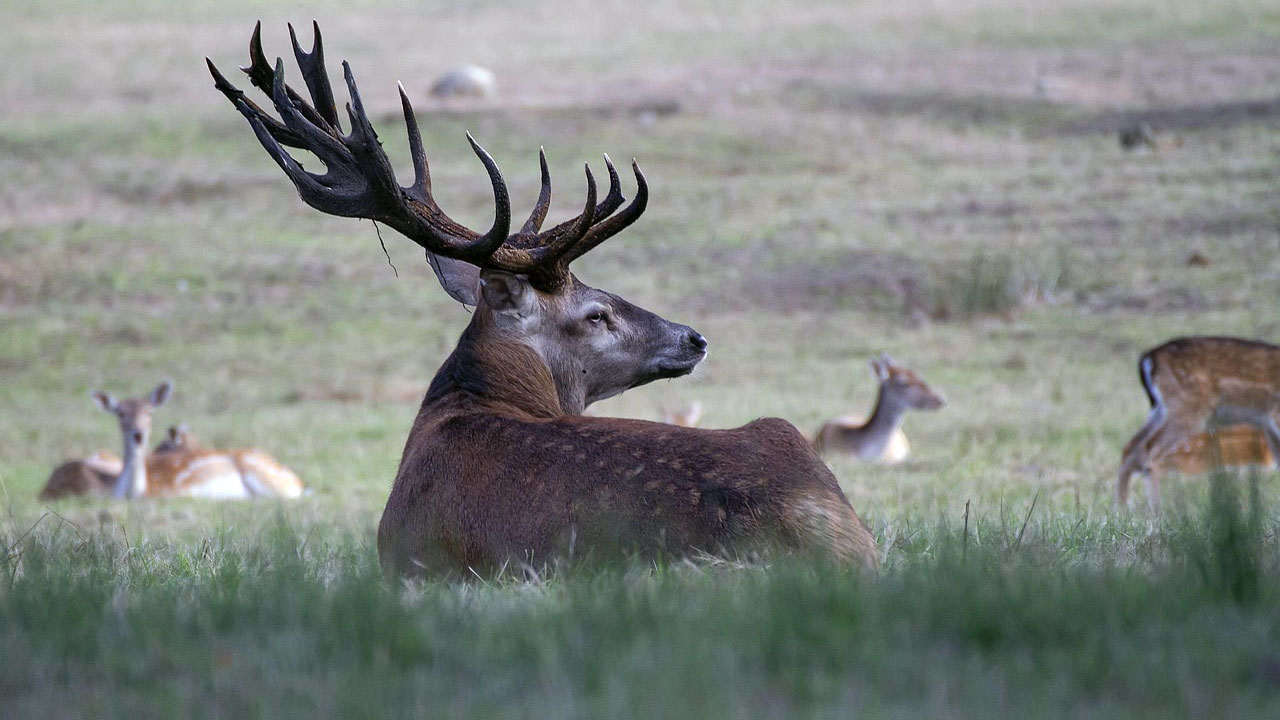
Idaho’s latest elk management plan spells it out: at the statewide level, elk numbers are “robust,” with harvest exceeding 20,000 elk in 8 of the last 10 years. Some zones are at or above objective, some are stable, and a few need work—but the overall picture is a state where elk are holding or ticking up, not collapsing.
Recent outlooks talk about “stable or slightly increasing” herds in several zones and expanding opportunities for antlerless hunts where the habitat can handle more pressure. For hunters, Idaho remains one of the last best places to chase elk on a mix of general and controlled tags and know there are still plenty of animals on the landscape.
Northwest Colorado after the 2022–23 winter — shrinking
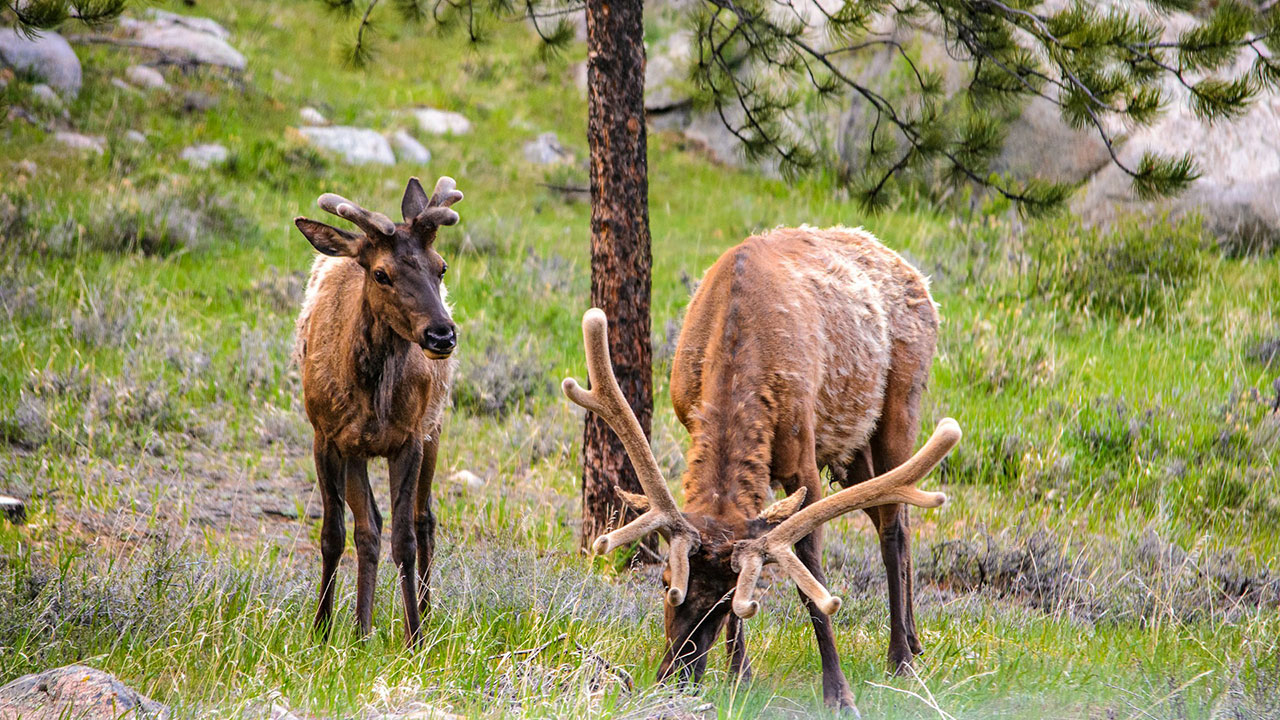
Now for the tough side of the ledger. Northwest Colorado’s big herds got drilled by the brutal winter of 2022–23—record snowpack, cold, and wind that hammered survival. Colorado Parks and Wildlife and local coverage describe entire deer and elk herds in that corner of the state dropping hard, with some of the biggest herds now below long-term objectives.
The state responded with conservative tag cuts and ongoing monitoring, but recovery takes time. You’ll still find elk in that country, and there’s cautious optimism about a bounce-back, but anyone who’s hunted there a long time can see the difference in numbers compared to pre-winter. This is one of the clearest “shrinking” examples on the map right now.
Other under-objective Colorado herds — shrinking
It isn’t just the far northwest. Colorado’s own habitat and big-game action plans flag several elk herds as under objective or trending down, thanks to a mix of development pressure on winter range, recreation impacts, traffic on migration corridors, and changing climate patterns.
TRCP highlighted that some Colorado elk herds were already shrinking before the big winter, prompting tag reductions and concern about long-term resilience. For hunters, that means you can’t just assume every Colorado unit is on the same trajectory. Some will see tighter quotas, fewer cow tags, and a bigger emphasis on letting herds rebuild.
Washington’s Blue Mountains herd — shrinking
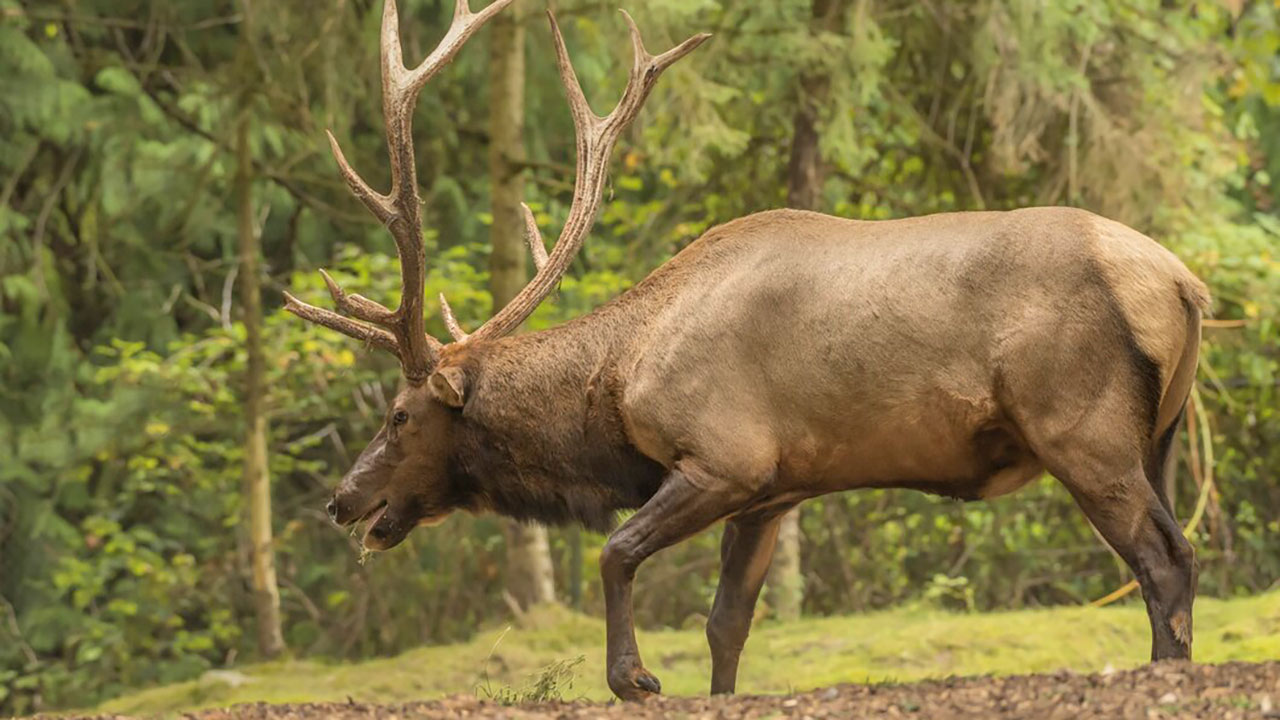
Washington’s Blue Mountains elk herd is one of the most heavily watched “problem” herds in the West right now. WDFW designated it “at risk” after numbers fell roughly 20% below objective—dropping from about 5,700 elk in 2016 to 3,600, with calf recruitment too low to rebuild.
A multi-year study found extremely low calf survival in drought years and heavy predation pressure, and even as calf survival ticked up in 2023–24, survey ratios still looked weak. Hunting tags for cows have been slashed, and the state is deep into research on what’s driving the decline. If you hunt there, you’re living in a live case study of how fast a once-strong herd can slide.
Struggling Roosevelt elk pockets in western Oregon — shrinking

Oregon’s overall elk picture is mixed, but state reports and hunter groups call out struggling Roosevelt elk in some western units. Recent ODFW population tables and 2025 updates note that while total numbers hover in the mid-50,000 range for Roosevelts, some coastal and Coast Range herds are under pressure and “struggling in some areas.”
On-the-ground coverage out of places like Zumwalt Prairie also points to local elk drops—from around 4,500 animals to roughly 2,600 over recent years in that specific area—with a mix of hunting, habitat, and predator factors in the conversation. For hunters, the message is you can’t judge the whole state by one drainage; some herds are fine, others need a lighter touch.
Zumwalt Prairie and some Northeast Oregon herds — shrinking

Zooming in on Zumwalt and parts of northeast Oregon, biologists and local observers have documented a clear downtrend. Estimates in that prairie country have fallen by almost half over recent years according to local reporting, and state data show elk numbers in some sub-herds slipping below targets.
At the same time, managers are trying to balance elk damage complaints from private ground with the need to keep numbers from sliding further. That tension—farmers and ranchers staring at elk in their fields while surveys say the wider herd is fragile—is going to shape tag decisions and management plans in that corner of the state for a while.
Yellowstone’s northern-range elk — smaller but stabilized
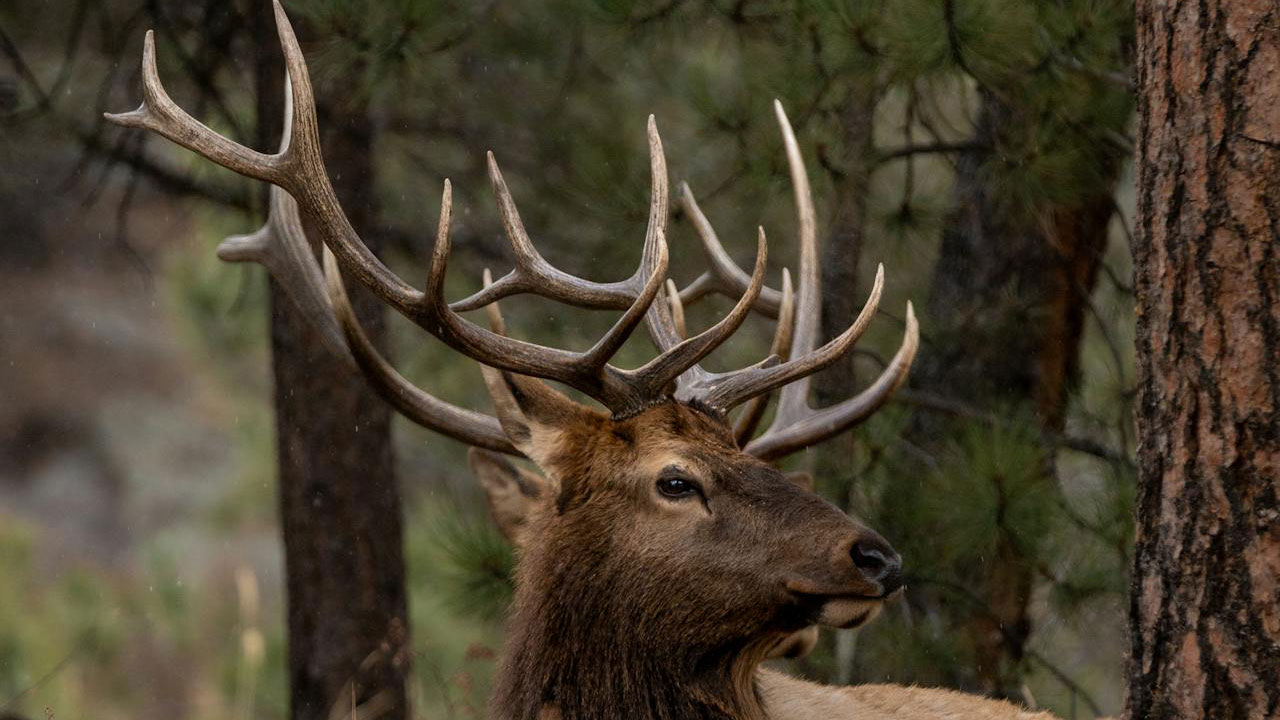
Yellowstone’s northern-range elk are the classic example of a herd that shrank hard, then found a new balance. Before wolves came back, the northern herd ran as high as ~18,000 elk and was chewing aspen and willow into the dirt. After wolf reintroduction, predation plus hunter harvest outside the park knocked those numbers way down—into the low thousands—allowing aspen to finally regenerate.
For hunters, that means fewer elk than the old days but a herd that now fits the habitat better and feeds predators in a more natural way. Wyoming and Montana managers still tweak outside-the-park seasons in response to migration and winter counts, but the story here is less “ongoing collapse” and more “smaller, more balanced herd than the 1980s peak.”
What this mix means for the next decade
Put it all together and you get a split map: elk are booming or stable in places like Wyoming, Idaho, and parts of the East, while specific herds in Colorado, Washington, and Oregon are under real strain. None of that stays static. CWD, winter severity, predator management, and human pressure on winter range will all push those lines up or down over the next 10–20 years.
If you’re planning hunts, you want to track those trends, not just legacy reputation. Look at current herd objectives, recent harvest reports, and biologist notes instead of assuming “it’s always been good there.” The best opportunities are shifting, and the places where tags are tightening often need hunters to support habitat work more than they need one more cow in the freezer.
Like The Avid Outdoorsman’s content? Subscribe to our newsletter so you never miss an article.
Here’s more from us: