Photo credit: VITALII MIKHAILIUK/istock.com
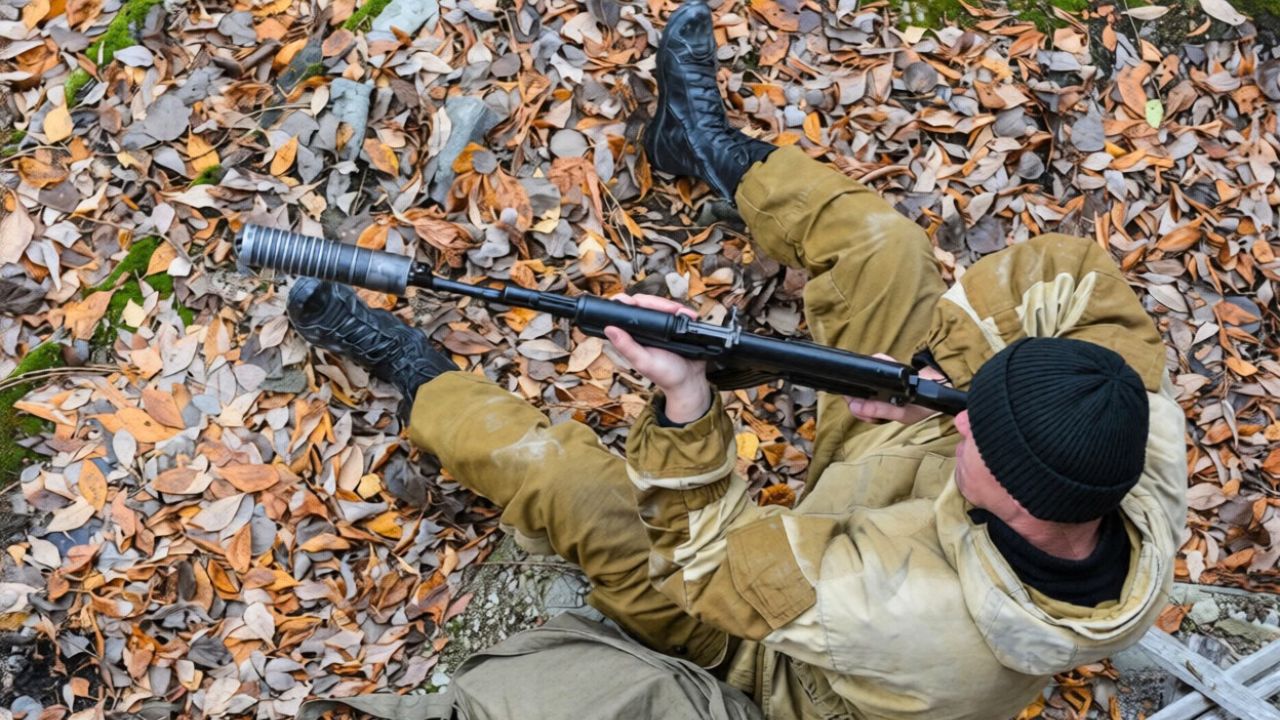
For decades, suppressors sat on the edge of the hunting world. Plenty of shooters liked the idea of reducing blast and protecting their hearing, but the federal process, extra costs, and lingering misconceptions kept suppressors from becoming truly mainstream hunting gear. That situation shifted dramatically entering 2026. A major federal tax change removed one of the biggest financial barriers to suppressor ownership, and the response from hunters was immediate. Dealers reported buying surges, manufacturers accelerated new product launches, and more hunters started looking at suppressors as practical field equipment instead of a niche accessory.
The result is a category that suddenly feels much bigger than it did even a year ago. Suppressors are showing up more often in deer camps, predator setups, and long-range hunting rigs, and the industry is clearly preparing for a wave of new buyers who previously stayed on the sidelines.
A long-standing cost barrier disappeared in 2026
The biggest trigger for the surge was the elimination of the long-standing $200 federal suppressor tax stamp. The change came after Congress passed and President Donald Trump signed legislation in 2025 that removed the tax beginning January 1, 2026. The suppressor transfer process under the National Firearms Act still exists, but the additional $200 fee that had been attached to each suppressor purchase for decades dropped to zero.
For many hunters, that tax had been the biggest psychological and financial hurdle in the entire process. A suppressor purchase already involves the cost of the device itself, mounting hardware, and sometimes barrel threading or additional gunsmith work. Adding another $200 government fee on top of that pushed many potential buyers into the “maybe later” category.
Once that fee disappeared, suppressors started looking more like a normal equipment decision rather than a specialty purchase. Industry groups quickly reported a wave of new interest from buyers who had been waiting for the rule change to take effect.
Early numbers show a rush of new buyers
The buying response arrived almost immediately in early 2026. The National Shooting Sports Foundation reported a surge in suppressor sales at the beginning of the year, with many buyers who had delayed purchases in 2025 jumping into the market once the tax was removed. Some of that demand had been building quietly for months as hunters and shooters waited for the calendar to turn.
American Hunter also reported a sharp spike in suppressor applications through the federal eForms system. According to that report, roughly 30 percent of suppressors are now being used for hunting, highlighting how quickly the category has expanded beyond its earlier tactical and range-focused reputation.
The timing of the surge is not surprising. Lower costs combined with faster approval systems made suppressor ownership feel more achievable than it had in years. While federal paperwork still exists, improvements in electronic filing had already shortened wait times in many cases compared with earlier years.
Suppressor hunting was already growing before the tax change
Even before the federal tax disappeared, suppressor use in hunting had been expanding across the United States. State-level laws changed steadily over the past decade, allowing more hunters to legally use suppressors in the field.
In 2011, only 22 states allowed suppressor use for hunting. By 2024, that number had climbed to 41 states. Vermont also permanently legalized hunting with suppressors in 2024, adding to the sense that the legal environment was moving toward wider acceptance.
That shift meant suppressors were already gaining traction among hunters before the federal tax change arrived. Many sportsmen had started recognizing the practical benefits: reduced noise, less recoil impulse, easier communication between hunters, and better hearing protection during long days in the field.
Once the tax disappeared, those advantages became easier to justify financially.
Manufacturers are responding with new hunting-focused suppressors
The industry is clearly betting that the hunting suppressor boom is real. Several companies unveiled new suppressor designs in 2026 that specifically target hunters rather than tactical shooters.
Daniel Defense introduced its Mute30Ti suppressor, designed to balance sound reduction with lightweight construction for hunting rifles. Dead Air also launched a Nomad Ti over-the-barrel suppressor intended to reduce the additional length suppressors normally add to a hunting rifle. That design approach helps maintain maneuverability in tight terrain such as thick woods or elevated blinds.
Companies are also experimenting with suppressors designed for shotguns and other hunting platforms. YHM introduced a modular 20-gauge suppressor, reflecting growing interest in suppressed hunting beyond traditional centerfire rifle setups.
The pattern is clear: suppressor manufacturers are no longer treating hunting as a side market. They are designing products specifically for it.
Suppressors are moving toward the hunting mainstream
Despite the tax change, suppressors are still regulated under the National Firearms Act. Buyers must still complete the federal application process and receive approval before taking possession of a suppressor. In other words, the buying process did not become identical to purchasing ordinary firearms or accessories.
But removing the $200 tax removed one of the most visible barriers that had discouraged casual interest. Combined with faster digital processing and wider state-level legality, suppressors now look far more approachable to the average hunter than they did even a few years ago.
That shift is already showing up in the market. Dealers are reporting increased demand, manufacturers are launching hunting-specific models, and more hunters are exploring suppressed rifles as part of their regular field setups.
For a category that spent decades on the margins of the hunting world, 2026 may end up being the year suppressors finally moved into the mainstream.
Like The Avid Outdoorsman’s content? Subscribe to our newsletter so you never miss an article.
Here’s more from us: