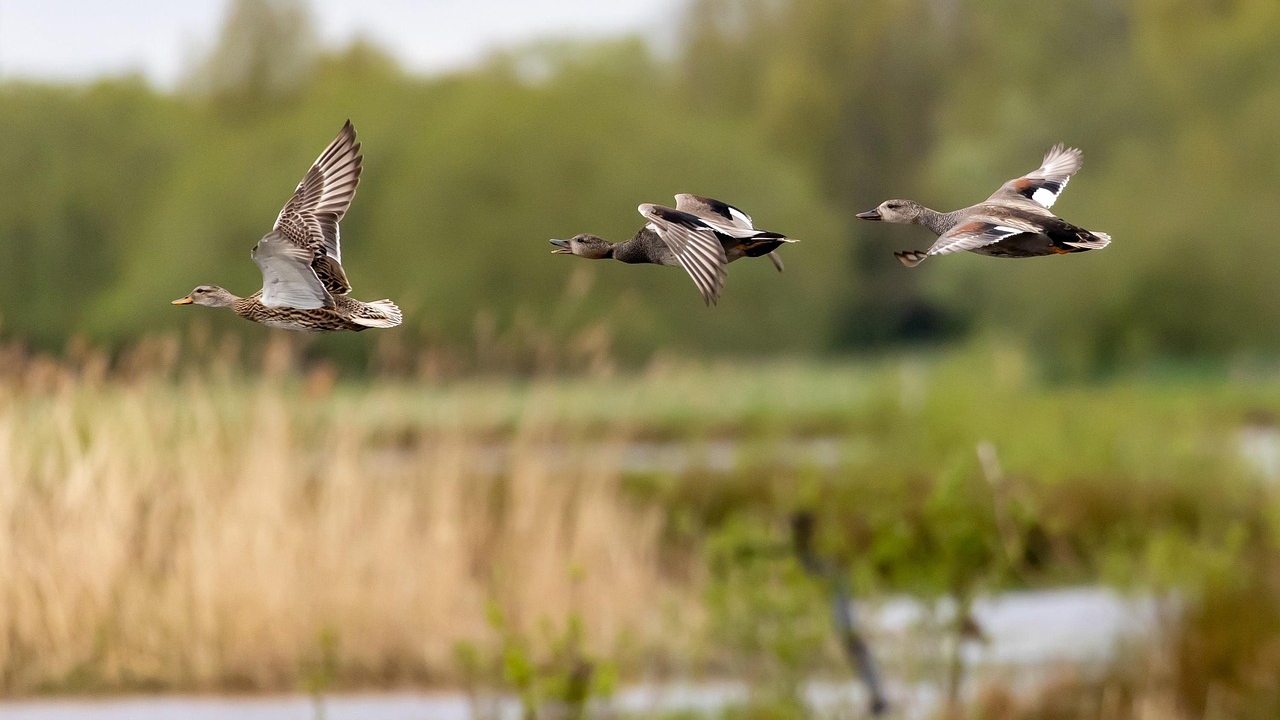
Photo credit: TheOtherKev/Pixabay.com
Wildlife agencies across the United States are beginning the annual process of reviewing waterfowl hunting regulations, and hunters are being invited to weigh in on proposed changes that could shape upcoming duck and goose seasons. State agencies coordinate closely with the U.S. Fish and Wildlife Service each year to set season frameworks for migratory birds, but final season dates, bag limits, and special hunting zones are determined at the state level after public feedback and biological review.
That means hunters across several states are now seeing surveys, public meetings, and comment periods open as wildlife departments gather input before finalizing regulations for the next season. These discussions often focus on balancing hunter opportunity with long-term conservation goals, particularly as waterfowl populations and migration patterns continue to shift across North America.
Annual framework process drives state decisions
Each year, the U.S. Fish and Wildlife Service establishes federal frameworks that set the outer limits for migratory bird seasons. Those frameworks determine maximum season lengths, allowable bag limits, and general timing windows that states must follow. Within those boundaries, state wildlife agencies develop their own season structures based on regional migration patterns, habitat conditions, and hunter participation.
This process typically unfolds through spring and summer. Federal frameworks are announced first, and states then begin evaluating how to structure early, regular, and late waterfowl seasons. Wildlife biologists analyze long-term survey data, including breeding population counts and habitat conditions across key nesting areas such as the Prairie Pothole Region. Those biological indicators help determine whether seasons remain stable, expand slightly, or tighten to protect bird populations.
Hunters are often asked to provide input during this stage because their preferences can influence how states divide available hunting days across early teal seasons, regular duck splits, and special goose hunts.
Public feedback helps shape season timing
Many wildlife agencies collect hunter feedback through online surveys, public meetings, and advisory committees made up of hunters, conservation groups, and landowners. Those responses can influence decisions about season splits, opening weekends, and regional zones designed to match migration timing.
For example, hunters in southern regions often prefer later season dates when migrating birds arrive from northern breeding grounds, while hunters farther north may favor earlier openers when local birds are still present. Agencies try to structure seasons that maximize opportunity across those different conditions.
In recent years, some states have also adjusted zones within their borders to better match migration patterns that have shifted due to weather changes, habitat loss, and agricultural practices. These adjustments can significantly affect where and when hunters see the most activity during the season.
Wildlife officials say the feedback process helps them balance biological science with real-world hunting experience.
Waterfowl management tied to long-term conservation goals
Season decisions are closely tied to the broader North American conservation framework that manages migratory bird populations. Waterfowl species such as mallards, pintails, teal, and Canada geese move across international borders throughout the year, meaning hunting regulations must align with population monitoring conducted across the United States and Canada.
Much of that monitoring falls under the North American Waterfowl Management Plan, a decades-long cooperative effort between government agencies and conservation organizations designed to protect waterfowl habitat while supporting sustainable hunting.
When surveys show healthy populations, frameworks may allow longer seasons or higher bag limits. When certain species decline, restrictions can follow. Hunters have seen those adjustments play out in recent years, particularly with species like northern pintail, which has faced tighter limits due to population concerns.
Because these changes affect millions of hunters across the country, agencies say public input helps ensure that final regulations reflect both conservation science and the realities of modern hunting.
Participation from hunters remains a key part of the process
Wildlife officials consistently emphasize that hunter participation plays a critical role in shaping regulations. Surveys and comment periods help agencies understand how hunters use public lands, which dates align with migration peaks, and which season structures provide the best experience in the field.
In many states, advisory committees made up of hunters and conservation advocates review proposed regulations before they reach final approval by state wildlife commissions. That collaborative process helps maintain broad support for hunting while ensuring that regulations remain grounded in biological data.
Officials say the current round of feedback will influence waterfowl seasons scheduled for the upcoming fall and winter, with final rule announcements expected later this year once federal frameworks are finalized.
Hunters interested in participating are encouraged to monitor announcements from their state wildlife agencies, where surveys and public meeting schedules are typically posted as the rulemaking process moves forward.
Like The Avid Outdoorsman’s content? Subscribe to our newsletter so you never miss an article.
Here’s more from us: