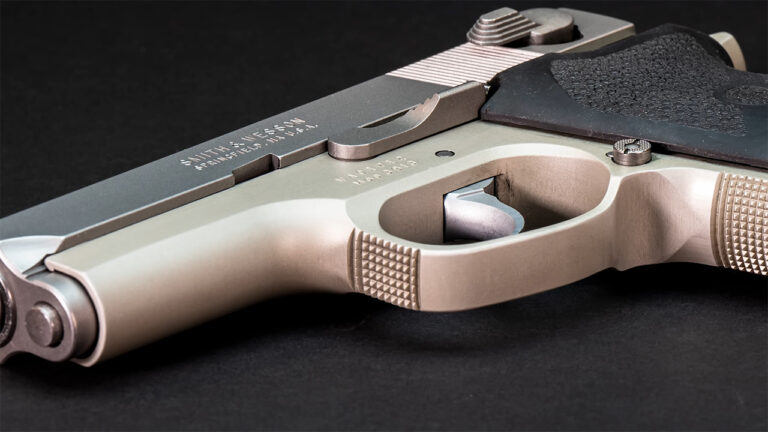
Photo credit: Buck Creek TV /YouTube
Some guns get labeled “reliable” like it’s part of their name—but put anything other than premium ammo through them, and they start choking. They run great in clean, controlled environments with top-shelf brass, but throw in some steel case or dirty range ammo and things fall apart fast. If you’re the kind of shooter who trains often and doesn’t want to pay $1 per round, these guns can turn into a real headache. Here are 13 that claim to be dependable but fall short when the ammo gets cheap.
Kimber 1911s

Kimber makes nice-looking 1911s, but they’re picky eaters. Run anything less than high-quality brass, and you’re asking for stovepipes, nose-dives, and failure to return to battery.
Some shooters swear by them—after tuning, polishing, or breaking them in with a few hundred rounds of expensive ammo. But right out of the box, most Kimbers don’t love steel case or budget reloads. For something labeled high-end, that’s frustrating.
Walther PPK/S
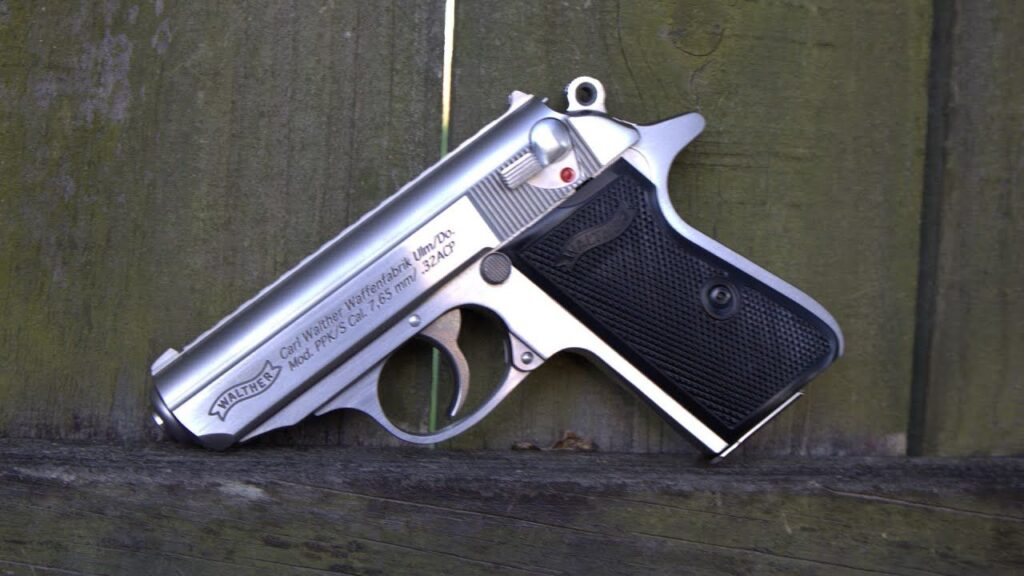
The PPK/S has history behind it, but reliability isn’t its strong suit—especially with cheap ammo. The .380 chambering already has a reputation for being finicky, and low-pressure rounds only make things worse.
Jams, failures to feed, and stovepipes aren’t uncommon when you use bulk-pack stuff. It’s a beautiful gun, but it takes more maintenance and better ammo than most expect. Not ideal for those who want to shoot on a budget.
Ruger SR22

The SR22 is a fun plinker—until you feed it dirty or underpowered .22LR. It prefers high-velocity stuff, and once you drop down to budget bricks, malfunctions start popping up fast.
Failure to extract and failure to feed are the most common issues. It’s not unusable, but it’s definitely not one of those .22s that eats everything. If you’re shooting bulk rimfire, you’ll probably be clearing jams more than you’d like.
Springfield XD-M Elite

The XD-M Elite is smooth and accurate, but it’s not the most forgiving on steel or reman ammo. It’ll usually run fine with clean brass, but once you step down in quality, the reliability starts slipping.
Ejection can get weak, feeding gets inconsistent, and you start noticing more stoppages over time. It’s a solid gun with good features—but calling it “flawlessly reliable” doesn’t hold up if you’re not shooting premium stuff.
CZ 75 SP-01

The SP-01 is well-made and smooth-shooting, but it likes hotter loads and quality brass. Use cheap steel or soft target rounds, and it may start to stumble—especially in the first few hundred rounds.
The tight slide-to-frame fit doesn’t help when tolerances meet underpowered ammo. It’s a great range gun when fed right, but it’s not as ammo-agnostic as people make it out to be.
Beretta M9/92FS

The M9 platform is solid overall, but it doesn’t play well with all types of ammo. Use weak target loads or out-of-spec brass and you’ll start seeing feed issues and weak ejection.
A clean M9 with good ammo runs great—but throw in some cheaper stuff, and it’ll remind you fast that it’s a military pistol made for NATO-spec loads. It’s less of a problem if you clean it often, but still something to keep in mind.
Glock 44

You’d think a Glock in .22 would eat anything, but the 44 has a rough track record with bulk rimfire. It’s picky about velocity and ammo type, often jamming on lower-end rounds right out of the gate.
Misfeeds, stovepipes, and light strikes are all common. It runs better with CCI Mini-Mags or similar—but if you’re trying to shoot budget bricks, expect frustration. For something that’s supposed to be a training tool, that’s a letdown.
Smith & Wesson M&P22 Compact

Like most .22 pistols, the M&P22 Compact can be touchy with ammo. It’s lightweight and fun to shoot, but low-velocity or dirty rounds cause all kinds of issues.
Stovepipes, failure to fire, and inconsistent ejection all crop up when you go cheap. It’s manageable if you stay selective, but it’s not that “runs everything” pistol many expect it to be.
SIG Sauer P238

This .380 pistol is compact and sharp-looking, but it’s not forgiving when it comes to ammo. Use steel case or low-pressure loads and you’ll start getting failures to feed and eject.
It’s a carry gun with tighter tolerances, which makes it more sensitive to how clean or well-lubed it is—plus what you’re feeding it. If you’re not using high-quality defensive ammo, don’t expect flawless function.
Taurus G3C

The G3C has built a name for being affordable and reliable—but that reliability can dip when you start feeding it steel case or dirty reloads. It’s not as bad as some others, but it’s not immune either.
Magazine feed angle and chamber tolerances don’t always play nice with inconsistent rounds. It’s not unusable with cheap ammo, but it’s definitely not the “eats everything” pistol some folks make it out to be.
FN Five-seveN

The Five-seveN is expensive and unique, but ammo is already a limiting factor—and when you try to use off-brand or reloaded 5.7x28mm, reliability tanks fast.
Most issues come down to pressure sensitivity. The round itself isn’t forgiving, and the gun was designed around a very specific spec. If you try to cut corners with cheap imports or reloads, expect stoppages and feed failures.
Bersa Thunder 380

The Thunder 380 is often recommended for budget carry, but it’s one of those guns that runs best when fed right. Cheap .380 ammo causes failures to feed and extract more often than you’d hope.
It’s not poorly made, but the .380 platform in general tends to be finicky—especially when you combine it with budget components. You can make it work, but you’ll probably be clearing a few jams along the way.
FN 509
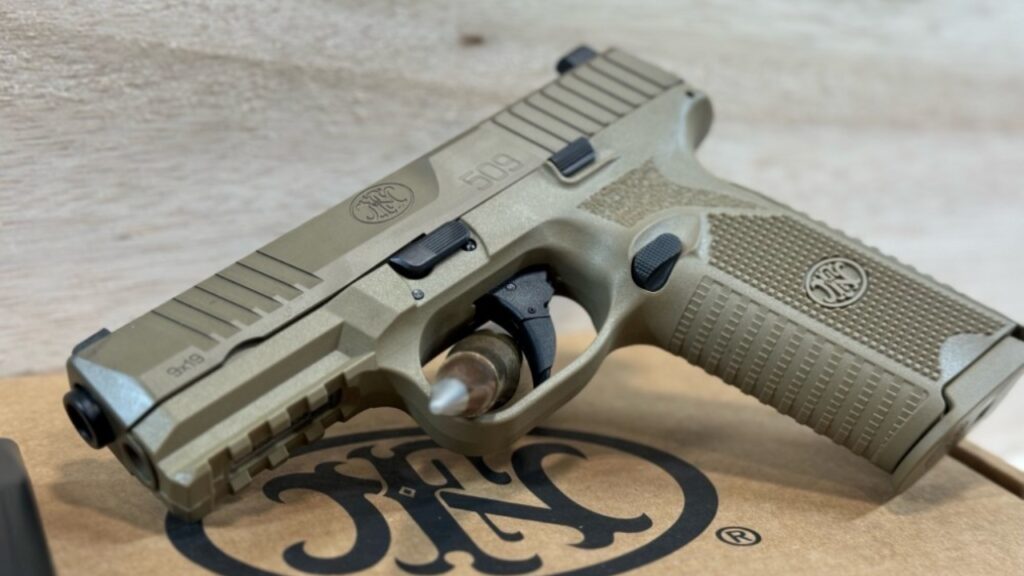
The FN 509 has solid ergonomics and good reviews, but it’s another pistol that doesn’t always perform well with lower-quality ammo. It prefers hotter, cleaner rounds, and starts showing hiccups with weak reloads or dirty steel.
It’s not a failure by any means, but for a duty pistol that markets itself as ultra-reliable, the finickiness with cheap stuff catches some shooters off guard. It’s great when clean and well-fed—but you’ll notice a drop if you try to cut corners.
*This article was developed with AI-powered tools and has been carefully reviewed by our editors.