Photo credit: Academy Sports
Walk into enough pawnshops and you start noticing the same patterns. A row of polymer pistols that all look like they were bought on payday and traded in when the novelty wore off. A stack of “budget” hunting rifles that came with a mystery scope already loose in the rings. A few shotguns that have lived hard behind a truck seat and now rattle when you shake them.
This is not a knock on pawnshops. Pawnshops are where a lot of honest working folks turn a safe queen into rent money or flip a gun they just never warmed up to. But if you’re shopping the used racks, it helps to know which models show up over and over for a reason. Here are 20 that seem to breed under fluorescent lights, and what to look for before you talk yourself into a “deal.”
1. Taurus PT111 Millennium G2

This one is everywhere because it hit that sweet spot of cheap, compact, and “good enough” on paper. Folks buy it as a first carry gun, shoot a couple boxes, then realize the trigger feel is not their favorite and the confidence just isn’t there. It’s also common to see them with mismatched mags or a holster thrown in like an apology.
Some run fine. Some don’t. The pawnshop problem is you rarely know which one you’re holding, and you’re not getting a long test drive. If you’re tempted, check the sights, check the magazine fit, and don’t confuse “it’s small” with “it’s easy to shoot.”
2. SCCY CPX-2
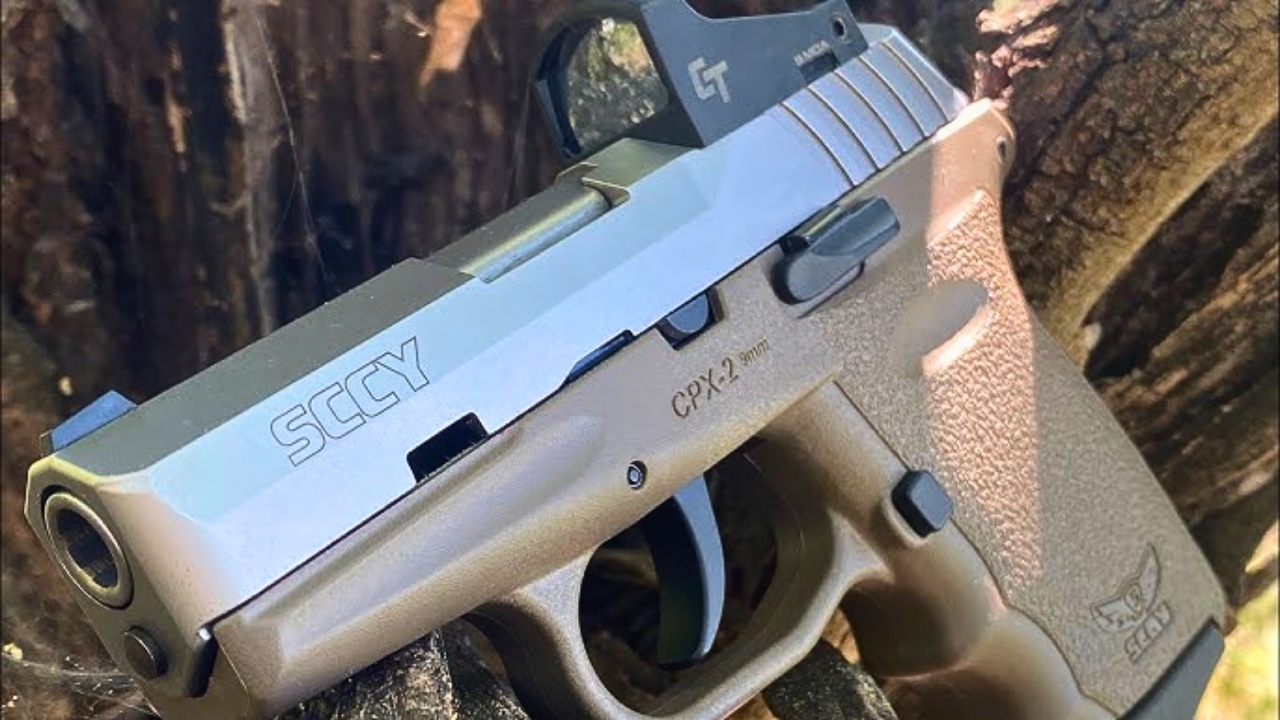
I get why these sell: price tag, lifetime warranty talk, and it feels like a responsible purchase when money’s tight. Then you go to the range and find out the trigger is long in a way that wears you out. The guns themselves aren’t always disasters, but they’re not forgiving.
Pawnshop CPX-2s tend to have honest wear fast—shiny spots, carry lint, and sometimes a slide that looks like it rode in a glove box. If you’re buying one, be realistic: it’s a budget tool, not a magic talisman.
3. Hi-Point C9
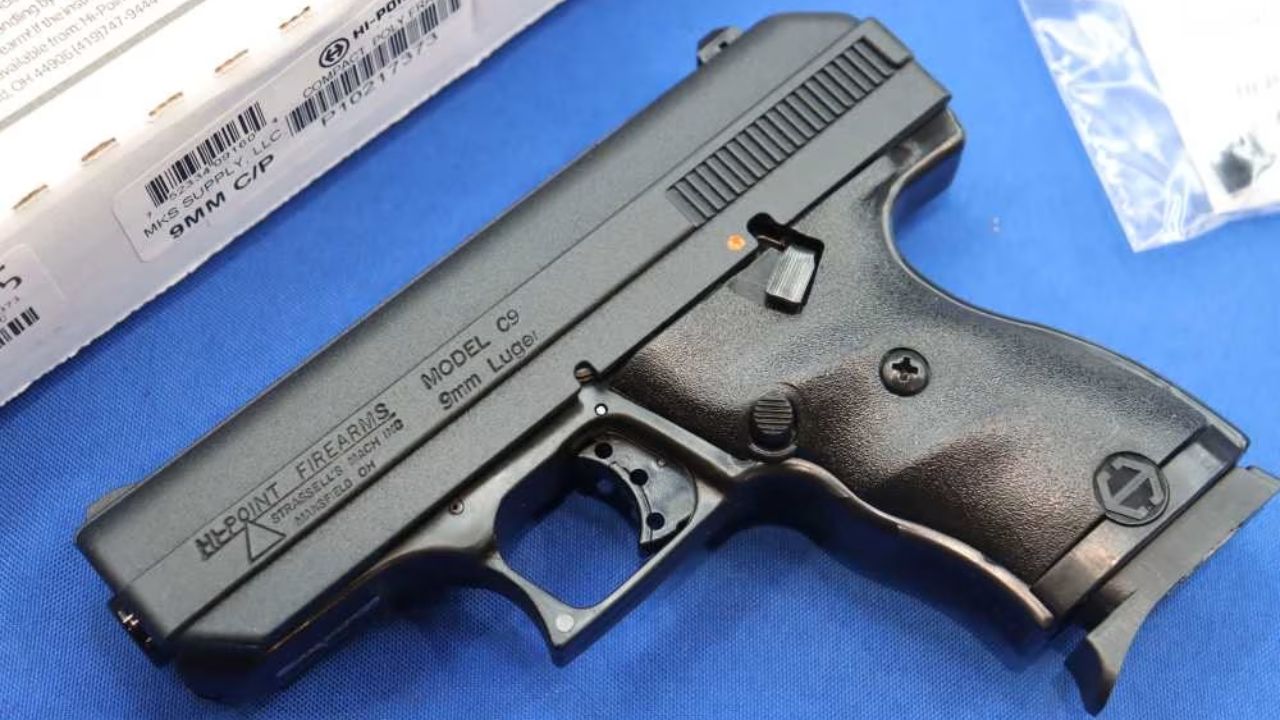
These stack up in pawn cases like bricks because they kind of are. They work more often than the internet jokes will admit, but they are bulky, heavy, and awkward to carry. A lot of folks buy one thinking “cheap insurance,” then realize they never actually want it on them.
As a range beater, fine. As a daily companion, it’s a commitment. In a pawnshop, make sure the magazine isn’t bent and the gun hasn’t been “polished” by someone who watched one too many videos.
4. Ruger EC9s

The EC9s is one of those pistols that makes sense until you shoot it next to something slightly nicer. It’s thin and light, which is great for carry, but the sights and trigger can feel pretty basic. That leads to trade-ins after the first “upgrade” itch hits.
Used ones are often perfectly serviceable, and parts/support are solid. Just don’t expect it to shoot like a bigger gun. If your hands don’t love tiny grips, you’ll learn that quickly.
5. Smith & Wesson SD9VE
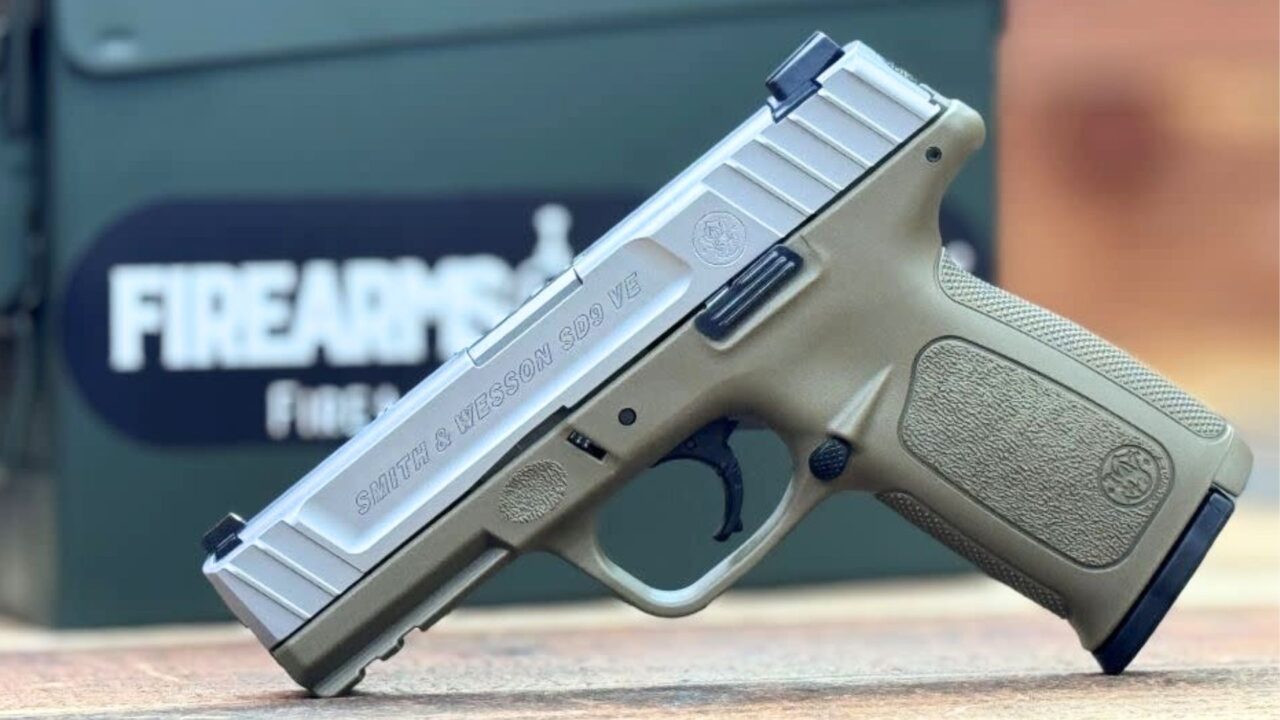
This is the classic “I wanted a Glock but my wallet said no” purchase. They’re reliable enough in a lot of cases, but that trigger is the whole story. Plenty of folks buy it, tolerate it for a while, then decide they’d rather pay more for something they actually enjoy shooting.
Pawn racks are full of SD9VEs with barely any holster wear because they didn’t get carried much. If you find one cheap, budget for lots of range time to prove it to yourself. A gun you don’t practice with is just extra weight in the nightstand.
6. Kel-Tec PF-9

The PF-9 was the “thin 9mm” answer before micro-compacts got refined. It’s light, it’s flat, and it is not gentle. I’ve watched people shoot a magazine, rub their hand, and quietly decide they don’t need a pistol that punishes them for practicing.
Pawnshop PF-9s often show peening and rough wear because they’re shot a little and then abandoned. If you’re recoil-sensitive, you’ll hate it. If you’re not, you still might hate the trigger.
7. Kel-Tec P-3AT
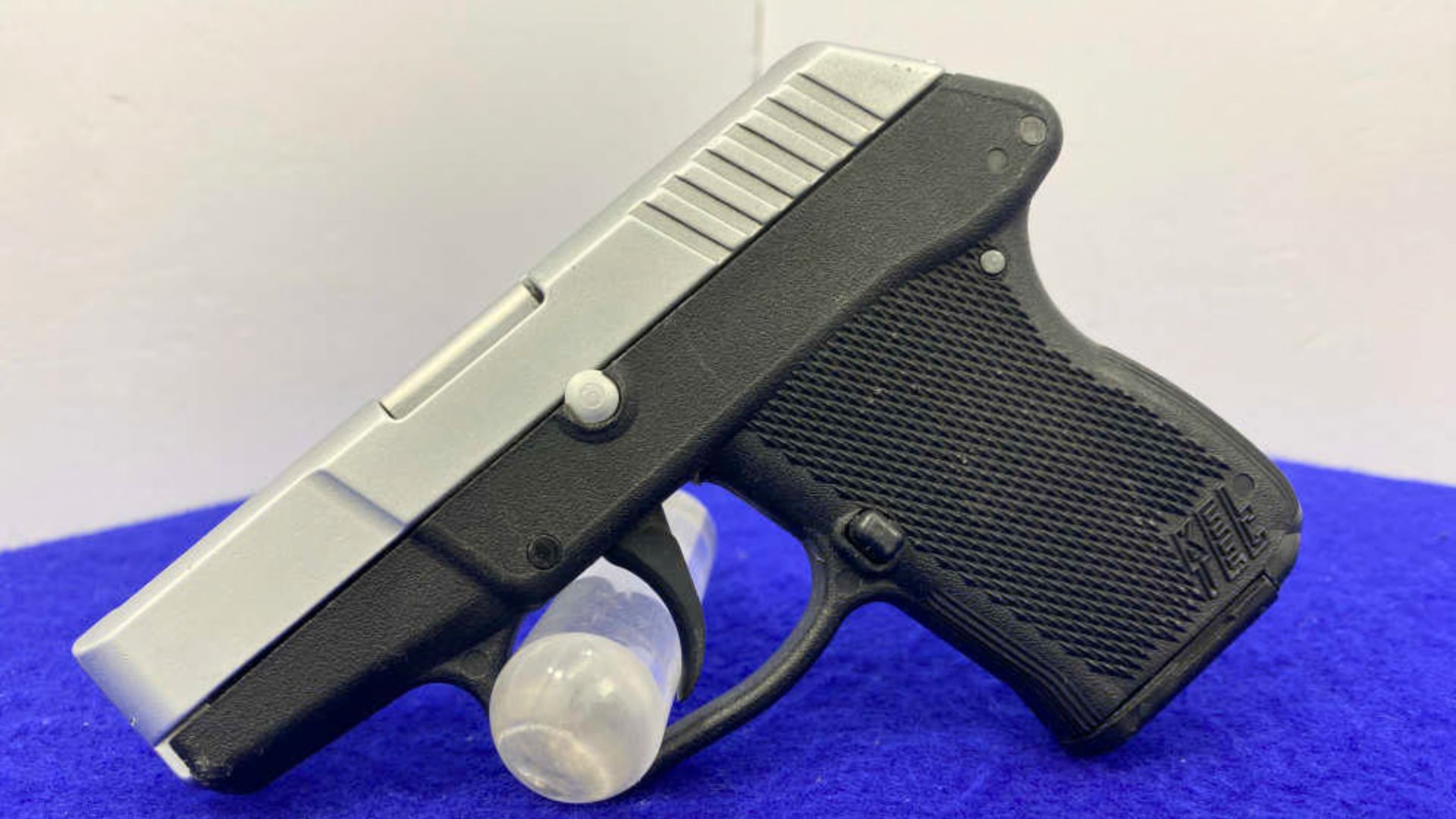
Every pawnshop seems to have one of these .380s in a little plastic box that looks like it’s been opened 200 times. They’re tiny, which is the point, but they’re also snappy and not fun. Folks buy them as “always gun” insurance and then discover that small guns demand more practice, not less.
Look close for rust and pocket lint in every crevice. These lived in pockets and consoles. The P-3AT can fill a role, but it’s not a range toy and it’s not a confidence builder for new shooters.
8. Remington 770

This rifle has probably put plenty of deer in the freezer, but it also shows up traded in a lot. The action tends to feel gritty, the factory scope setups can be questionable, and when something feels off, folks would rather dump it than tinker. That’s how they end up behind glass with a “great for hunting” tag.
If you’re considering one, cycle it hard and slow. Check the scope mounts and ring screws. The real cost is not the pawn price—it’s what you spend chasing accuracy you assumed you already bought.
9. Remington 710

The 710 is the older cousin to the 770, and it’s another repeat visitor. When they shoot well, they’re fine. When they don’t, they frustrate people. The feel is just not what most shooters expect from a bolt gun, and the aftermarket love is limited.
In a pawnshop, I’m looking at the bolt lift and the condition of the crown. If the muzzle looks like it kissed a concrete floor, walk. These rifles don’t always bounce back from neglect.
10. Savage Axis (original Axis)

The Axis line can be a smart buy, but the older, base models end up traded because they feel cheap in the hands. Light stocks, basic triggers on early versions, and a general “this is fine” vibe that stops being fine once you shoot a buddy’s nicer rifle.
Here’s the thing: an Axis that’s been cared for can shoot lights out with the right ammo. Pawnshop ones are a coin flip. Check for stock cracks around the recoil lug area and make sure the scope isn’t some bargain-bin special already maxed out on adjustment.
11. Mossberg Patriot

Patriots show up because they’re priced to move and they look like a “real rifle” at the counter. Then you get them in the field and the stock feel and bolt travel remind you where the savings came from. Some folks keep them forever. Others hunt one season and swap.
Used Patriots often have ring marks and boogered screws from a rushed scope install. That’s not the gun’s fault, but it tells you about the owner. If the mounts look abused, assume the whole setup was treated the same way.
12. Winchester SXP (field models)
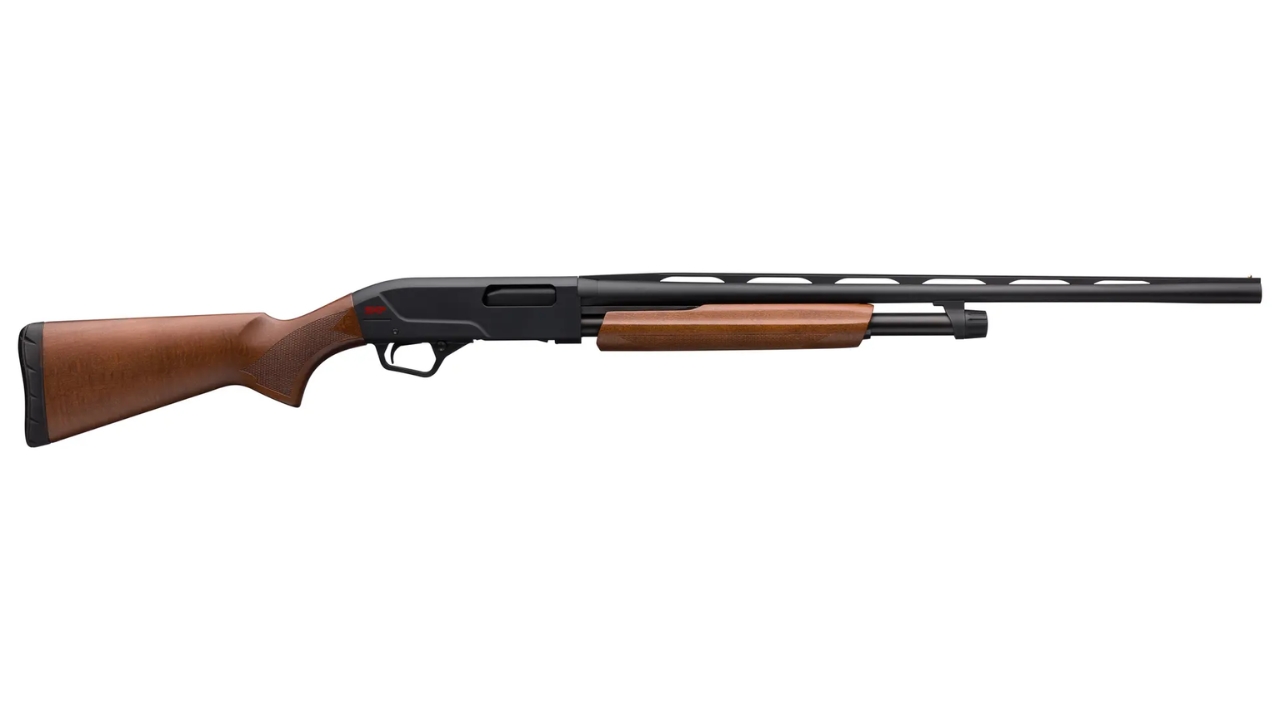
The SXP is fast-cycling and it can run, but it’s also a shotgun that gets bought for a season and traded when someone decides they want a smoother pump or they’re finally going semi-auto. I see a lot of these with camo wear and a few dings like they rode in an ATV scabbard.
On the used rack, pay attention to the forend slop and how the action bars feel. If it sounds like a bucket of bolts, you’re not imagining it. A pump should feel like a tool, not a maraca.
13. Stevens 320

These come in as “home defense builds” with bargain accessories that don’t help anything. A cheap light mount, a side saddle half screwed in, and sometimes a coating of dust that says it sat more than it trained. Folks buy them because they’re affordable, then realize they don’t shoot them much because they don’t enjoy them.
If you want a basic pump, there are worse choices, but inspect it like you would a used chainsaw. Check the safety, the shell stops, and the loading gate feel. If it’s already finicky at the counter, it won’t get better at midnight.
14. Charles Daly 301 (youth and turkey models)
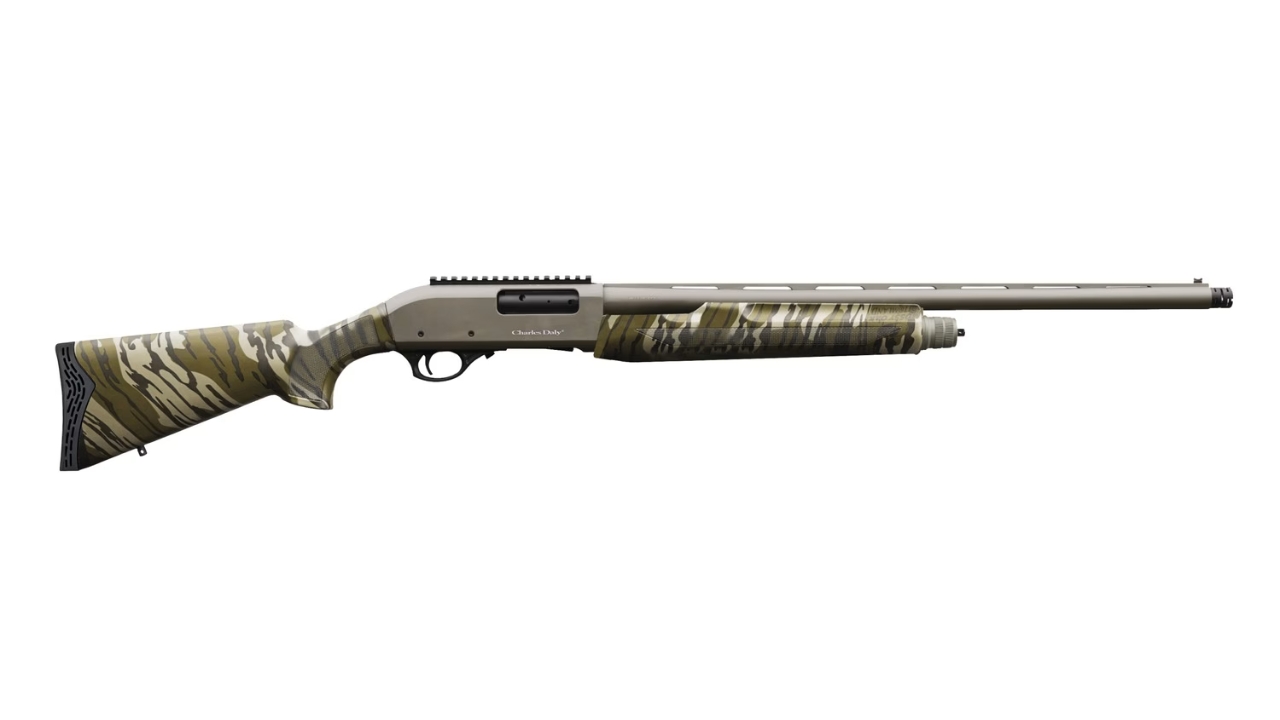
These little single-shots and budget pumps are popular for kids, turkey woods, and “just in case” guns. They also get traded fast because the novelty wears off, or a kid outgrows it, or someone decides they want a nicer shotgun after missing a bird.
A used 301 can be a decent farm gun. Just make sure the choke tubes aren’t seized and the threads aren’t chewed up. Turkey hunters are hard on gear, especially when a gobbler is making them impatient.
15. Glock 22 (Gen 2/Gen 3 police trade-ins)

Pawnshops love police trade-in .40s because they’re steady inventory. Shooters buy them because the price is right, then remember why .40 fell out of fashion for a lot of people. Snappier recoil, slower follow-up shots for some, and ammo costs that don’t always make sense compared to 9mm.
That said, a used Glock 22 is usually a known quantity. Check the night sights (many are dead), check the magazines, and look for frame rail wear that suggests a very hard life. If you don’t mind .40, it can be a workhorse.
16. Smith & Wesson M&P Shield .40
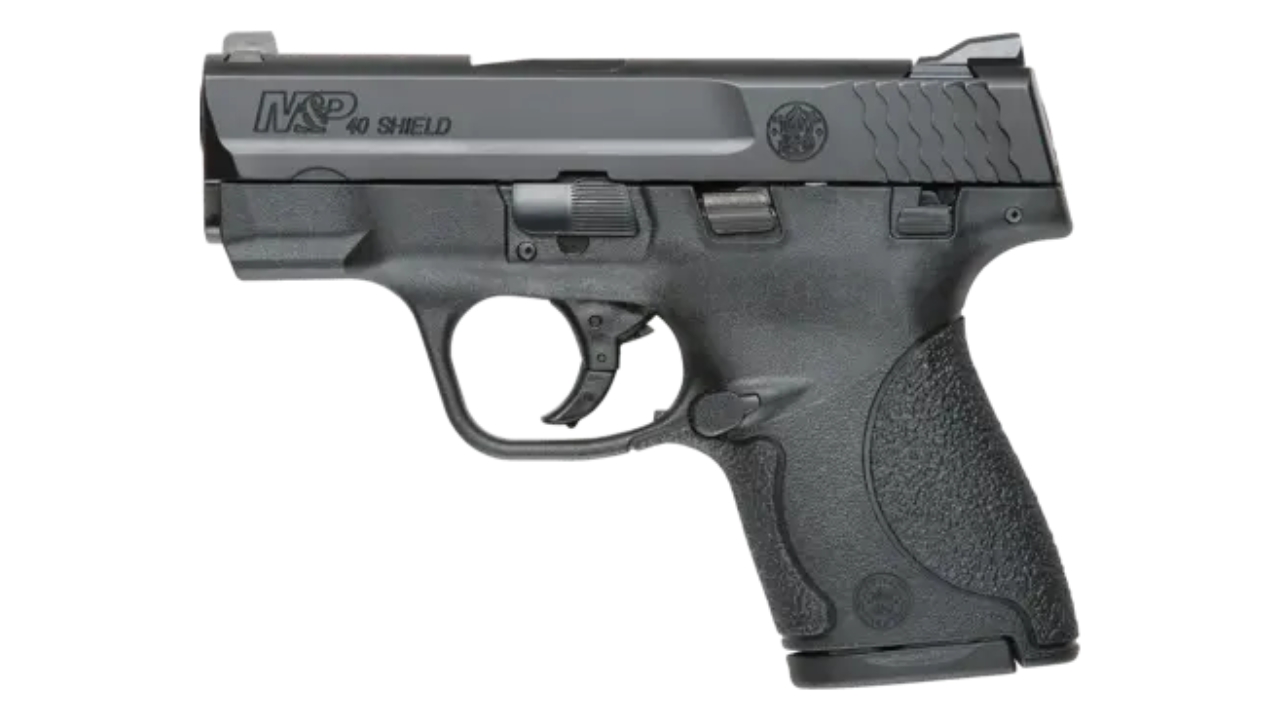
The Shield is a great carry shape, but in .40 it can be a handful. A lot of them get bought during a “bigger is better” phase and then traded when the owner realizes practice sessions are shorter than they should be. If you dread shooting your carry gun, that’s a problem.
Pawnshop Shields are often in great cosmetic shape because they got carried more than they got shot. Make sure the mags are included—replacing them adds up. And be honest about recoil tolerance, because the gun won’t change for you.
17. Springfield Armory XD-S .45 ACP

Skinny .45s sound tough until you actually run a few boxes through them. The XD-S is compact and capable, but it’s a lot of cartridge for a small frame. Many owners figure that out after the first range day where their palm is done before the ammo is.
In pawn cases, XD-S pistols sometimes come with every accessory ever made for them, which tells you the owner tried to make it work. Check recall status if you’re looking at an older one and pay attention to how it fits your hand. A .45 you don’t shoot is just a loud paperweight.
18. Kimber Custom II

Used Kimbers show up because 1911 expectations are high. When a guy drops real money on a pretty pistol, he wants it to run like a sewing machine. Some do. Some need a little more attention than the buyer expected, and that disappointment sends them straight to consignment.
Look for amateur “tuning” marks, chewed screw heads, and odd extractor behavior if you can inspect closely. A good 1911 is a joy. A picky one will make you question your life choices at the range.
19. Rossi Circuit Judge
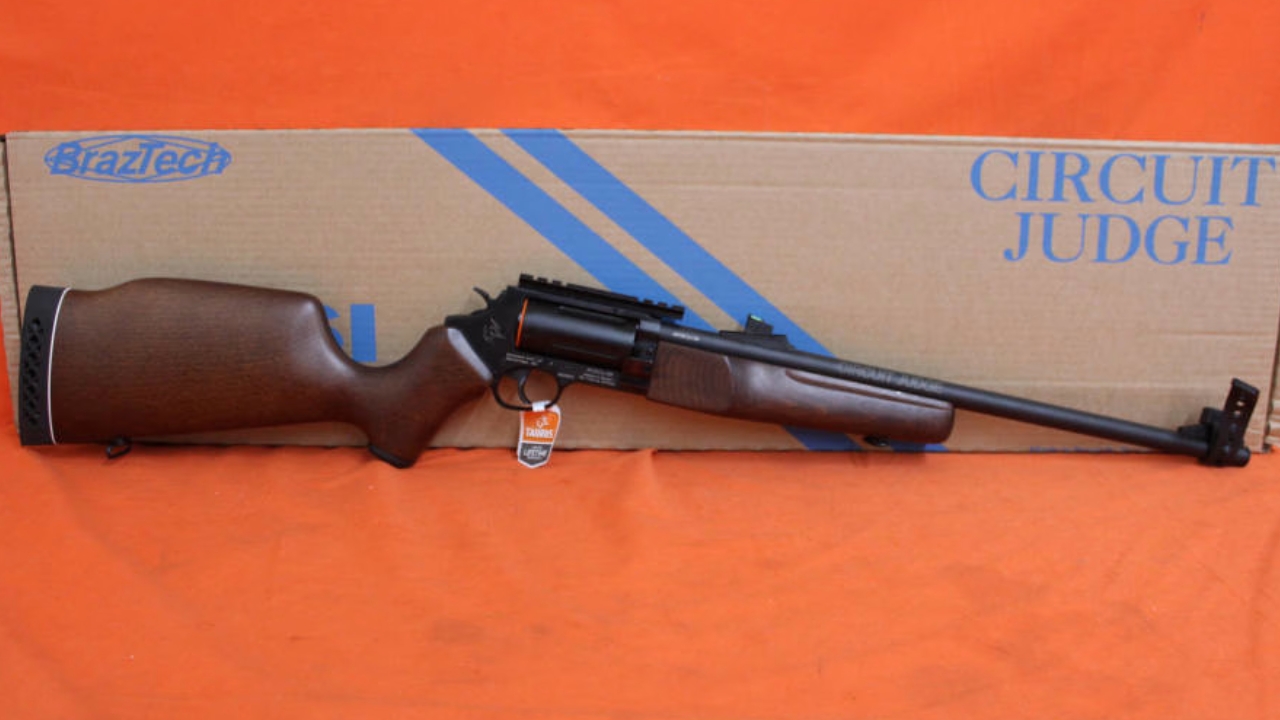
This one sells on pure idea: a revolving carbine that can shoot .410 and .45 Colt. It looks like something you’d keep behind the door for varmints, snakes, and whatever else pops up. Then reality hits—patterning can be odd, triggers can be heavy, and it’s a niche tool.
Pawnshops end up with them because the owner realizes they’d rather have a simple .22 or a basic shotgun. If you want a fun ranch gun, maybe. If you want a serious problem-solver, there are cleaner answers.
20. Remington Model 870 Express (rough-condition examples)

The 870 Express isn’t a bad shotgun, but a lot of the ones in pawnshops are tired. They’ve been in humid closets, under truck seats, and leaned in corners after rainy dove hunts. Rust freckles show up, actions get sticky, and the finish tells the story of a gun that worked until it didn’t feel smooth anymore.
Here’s the part that hurts: the older, well-made 870s are getting harder to find at fair prices, and the Express name covers a wide spread of quality depending on era. If you find one that cycles slick and isn’t pitted, don’t overthink it. If it looks like it was stored in a tackle box, leave it there.
A pawnshop rack is a real-world survey of what sounded good in the moment and what actually stayed useful. None of these models are automatically junk, and a few of them are downright solid if you know what you’re looking at. The trick is not getting hypnotized by a low price tag and a “barely used” label. Shoulder it, work the action, check the basics, and buy what you’ll actually shoot and carry—because the used counter is full of guns that were “a great idea” right up until range day.
Like The Avid Outdoorsman’s content? Subscribe to our newsletter so you never miss an article.
Here’s more from us: