Photo credit: Browning
Some handguns get written off before they ever get a fair range day. The brand is wrong, the timing is bad, the design looks odd, or buyers decide the pistol cannot possibly compete with whatever is already popular. Once that opinion hardens, it can take years for the gun to shake it.
But some pistols keep proving themselves anyway. They shoot better than expected, run longer than critics predicted, or fill a role that people did not understand at first. These are the handguns that made early doubters look too quick to judge.
CZ 2075 RAMI

The CZ 2075 RAMI had a tough job from the start. It was a chunky little double-stack carry pistol in a market that kept pushing lighter, thinner polymer guns. A lot of buyers looked at it and saw an odd compact that did not fit the trend.
Shooters who spent time with it knew better. The RAMI carried CZ’s excellent grip feel into a smaller package, and the added weight helped tame recoil. It was not the thinnest carry gun, but it shot like a real pistol instead of a tiny compromise. Years later, people understand why loyal owners never treated it like a mistake.
Smith & Wesson 915
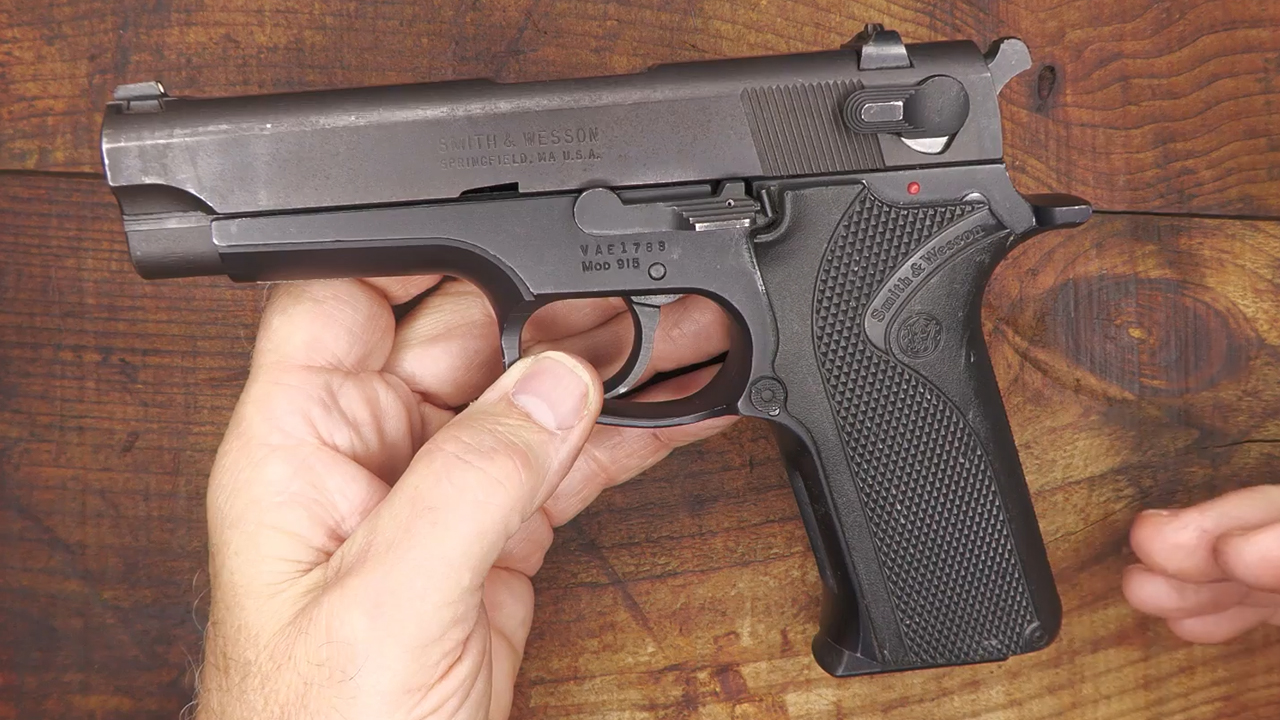
The Smith & Wesson 915 was easy to dismiss because it looked like the budget version of the company’s third-generation pistols. Buyers who wanted polished stainless models often walked right past it.
That was unfair. The 915 gave shooters a reliable, full-size 9mm with good capacity, solid handling, and old Smith duty-gun bones at a lower price. It was not fancy, but it worked. As more shooters started appreciating third-generation Smith autos, the 915 began looking less like a compromise and more like a smart, practical pistol that critics underrated.
Ruger SR40c
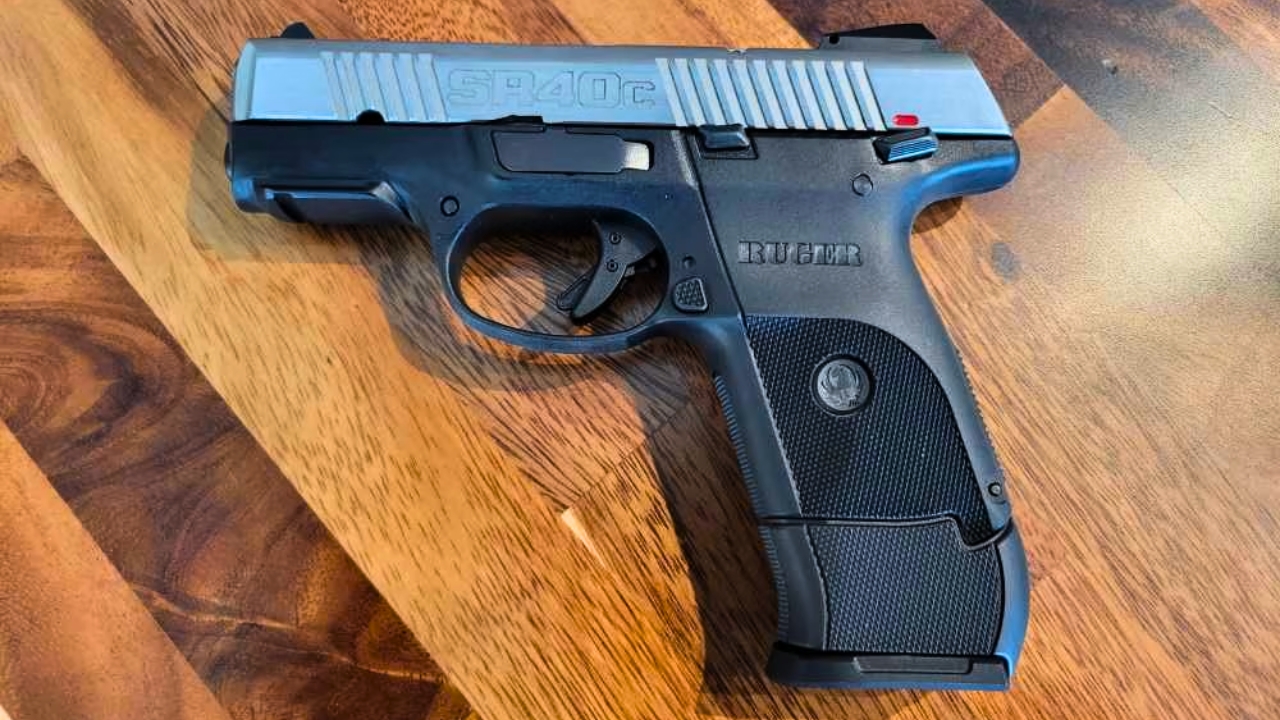
The Ruger SR40c arrived during the tail end of the .40 S&W carry era, and plenty of people wrote it off once 9mm took over again. A compact .40 from Ruger did not seem like something that would age well.
For the right shooter, though, it proved more useful than expected. It had a slim profile, decent capacity, and enough grip to manage the cartridge better than many small .40 pistols. It was not soft, but it was controllable with practice. Owners who learned it well often found it more capable than the crowd admitted.
Beretta Cougar 8040

The Beretta Cougar 8040 suffered because it lived in the shadow of the 92 series and later got overshadowed by polymer pistols. Its rotating barrel system looked interesting, but many buyers did not give it much thought.
That was a mistake. The Cougar handled .40 S&W surprisingly well, and the compact shape made it feel solid without being oversized. The rotating barrel helped smooth out the recoil impulse, giving it a calmer feel than many competing .40s. It proved that Beretta had more than one good service-pistol idea, even if the market was slow to notice.
Star Firestar M43

The Star Firestar M43 looked too heavy for its size and came from a Spanish maker many American buyers did not understand well. Some shooters dismissed it as a budget oddball instead of judging it at the range.
Then they shot one. The weight that looked like a drawback made the pistol steady and pleasant for a compact 9mm. It had a solid single-action trigger, all-steel construction, and a confidence-building feel that tiny modern pistols rarely match. It was not perfect for daily carry, but it proved small pistols did not have to feel cheap or punishing.
FN Forty-Nine
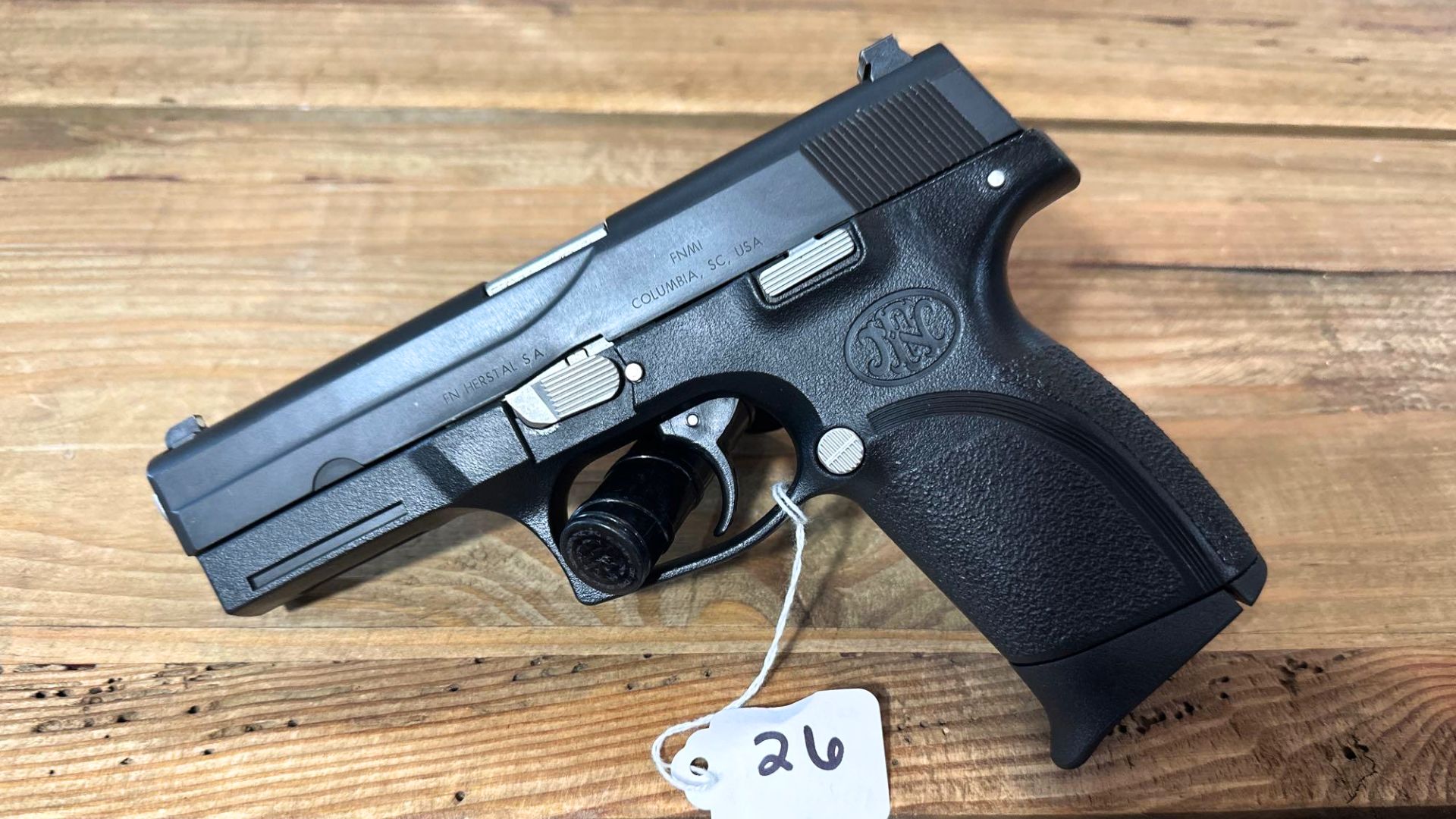
The FN Forty-Nine never got the attention FN probably hoped for. It entered the polymer service-pistol world before FN had the stronger American handgun reputation it enjoys now, and buyers mostly ignored it.
Looking back, it deserved a fairer shake. The pistol was simple, durable, and built around practical defensive use. It was not flashy, and the trigger system was not everyone’s favorite, but it showed FN was serious about modern handguns before the market fully listened. It proved that a quiet launch does not always mean a weak pistol.
Walther P5 Compact
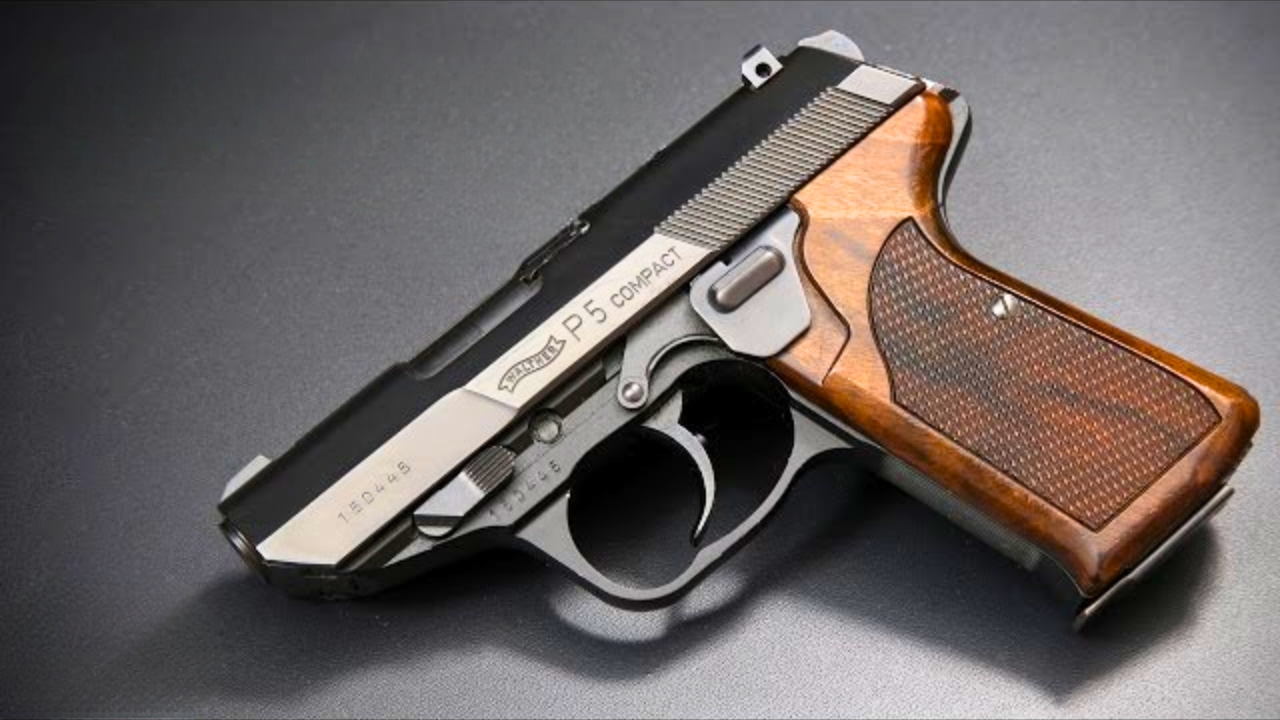
The Walther P5 Compact looked unusual beside more common carry and service pistols. Its controls, ejection pattern, and overall design felt different enough that many buyers never warmed up to it.
That difference is exactly why it stands out now. The P5 Compact was beautifully made, accurate, and easier to carry than the full-size version. It had the refined feel people expect from classic Walthers, but in a handier package. Critics who ignored it because it was odd missed a serious pistol with real engineering behind it.
Colt Double Eagle
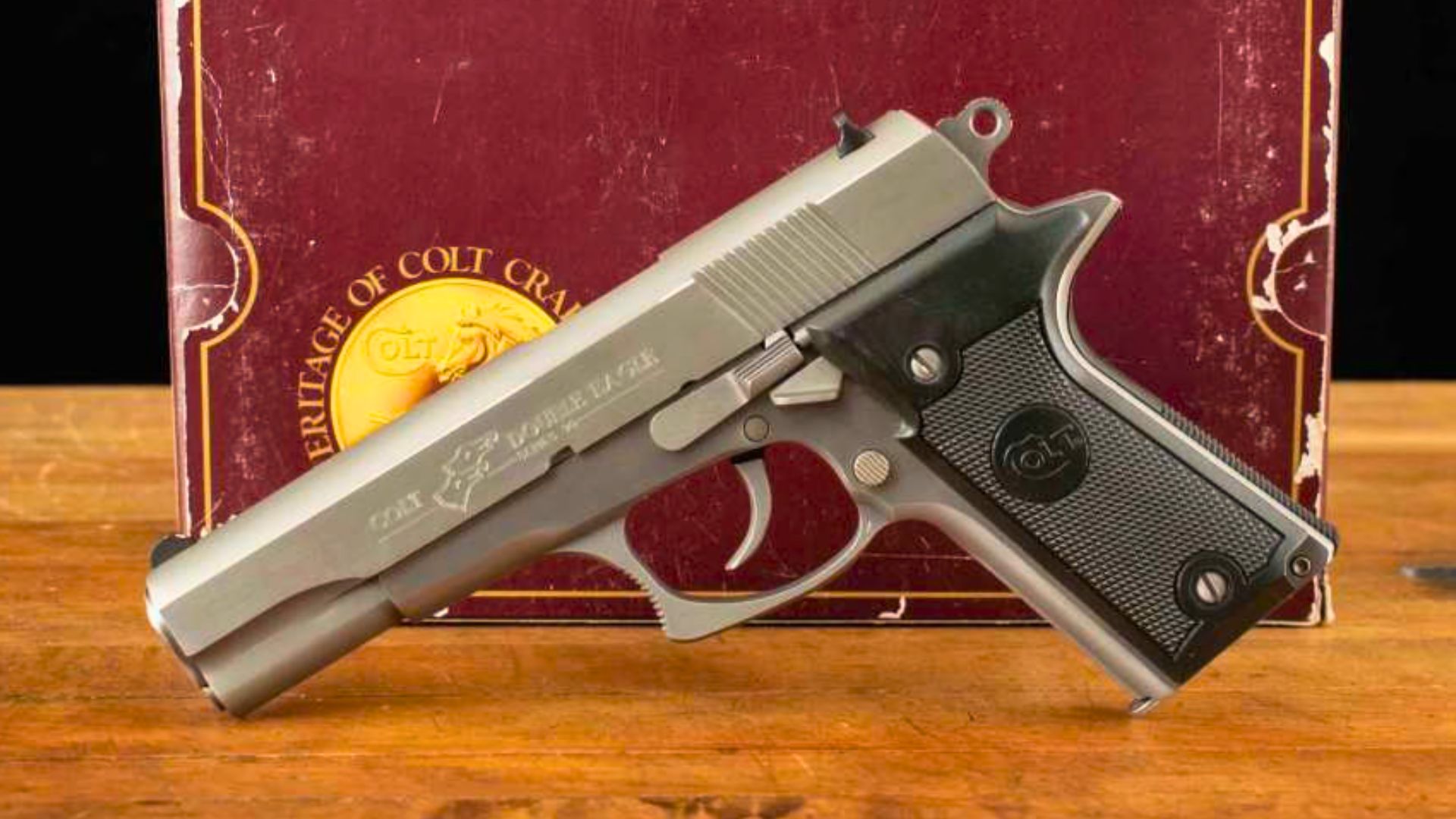
The Colt Double Eagle got criticized hard because it tried to bring double-action operation to a 1911-like package. Traditional 1911 buyers did not fully want it, and double-action pistol buyers had other choices.
Even so, it proved more interesting than the jokes suggest. The Double Eagle had Colt build quality, familiar 1911 lines, and a unique place in handgun history. It was not the cleanest answer to the problem, but it was far from boring. Today, it looks like a brave experiment from Colt rather than just a failure people mocked too easily.
Bersa Thunder 9 Ultra Compact Pro
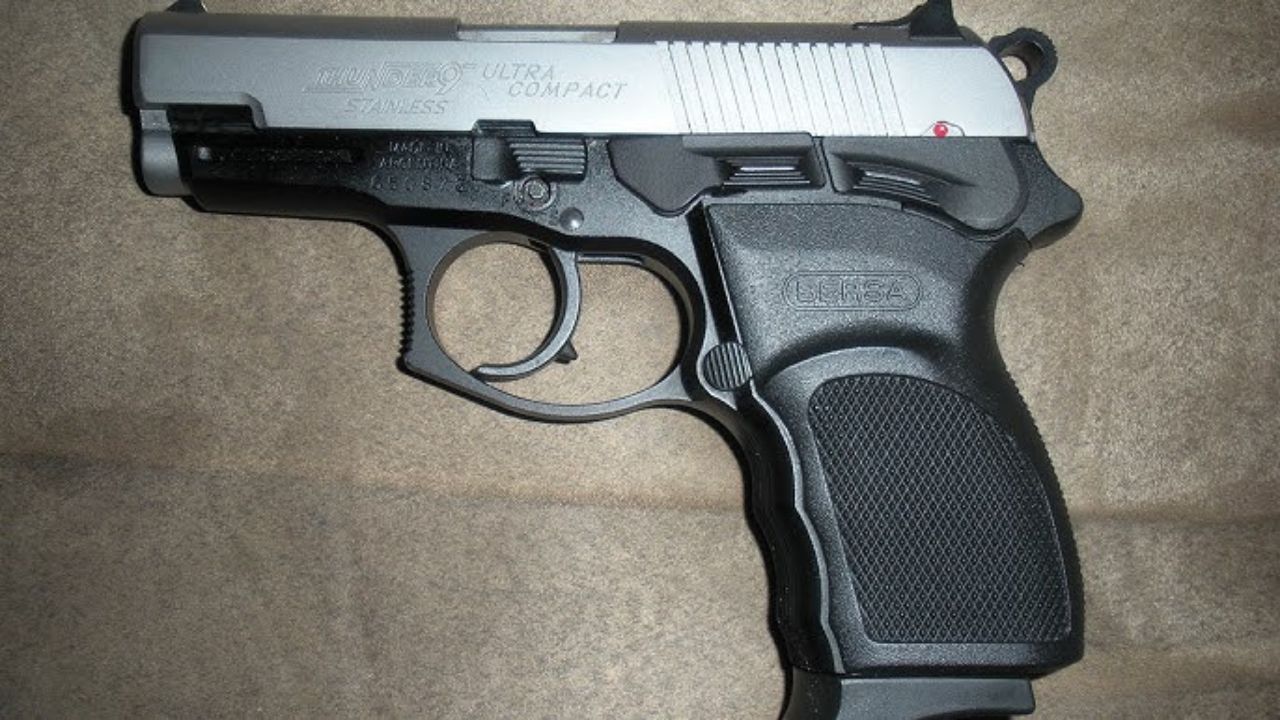
The Bersa Thunder 9 Ultra Compact Pro had to fight the Bersa name and a crowded compact 9mm market. Many buyers assumed it was just a budget pistol that could not compete with bigger brands.
Owners often found something better than expected. The pistol had useful capacity, solid controls, and a substantial feel that made it easier to shoot than smaller carry guns. It was not as sleek as trendier options, but it worked well for people who valued function over status. It proved Bersa could build more than affordable .380s.
EAA Witness Compact Steel

The EAA Witness Compact Steel was easy to overlook because the Witness line always seemed confusing to buyers who did not follow Tanfoglio pistols. Different importers, versions, and calibers made the whole family harder to understand.
The compact steel models proved themselves by shooting well. They had CZ-like ergonomics, enough weight to settle recoil, and a comfortable grip that made range work easier than expected. They were not the lightest carry guns, but they felt serious. For shooters who gave them a chance, they proved the Witness line deserved more respect.
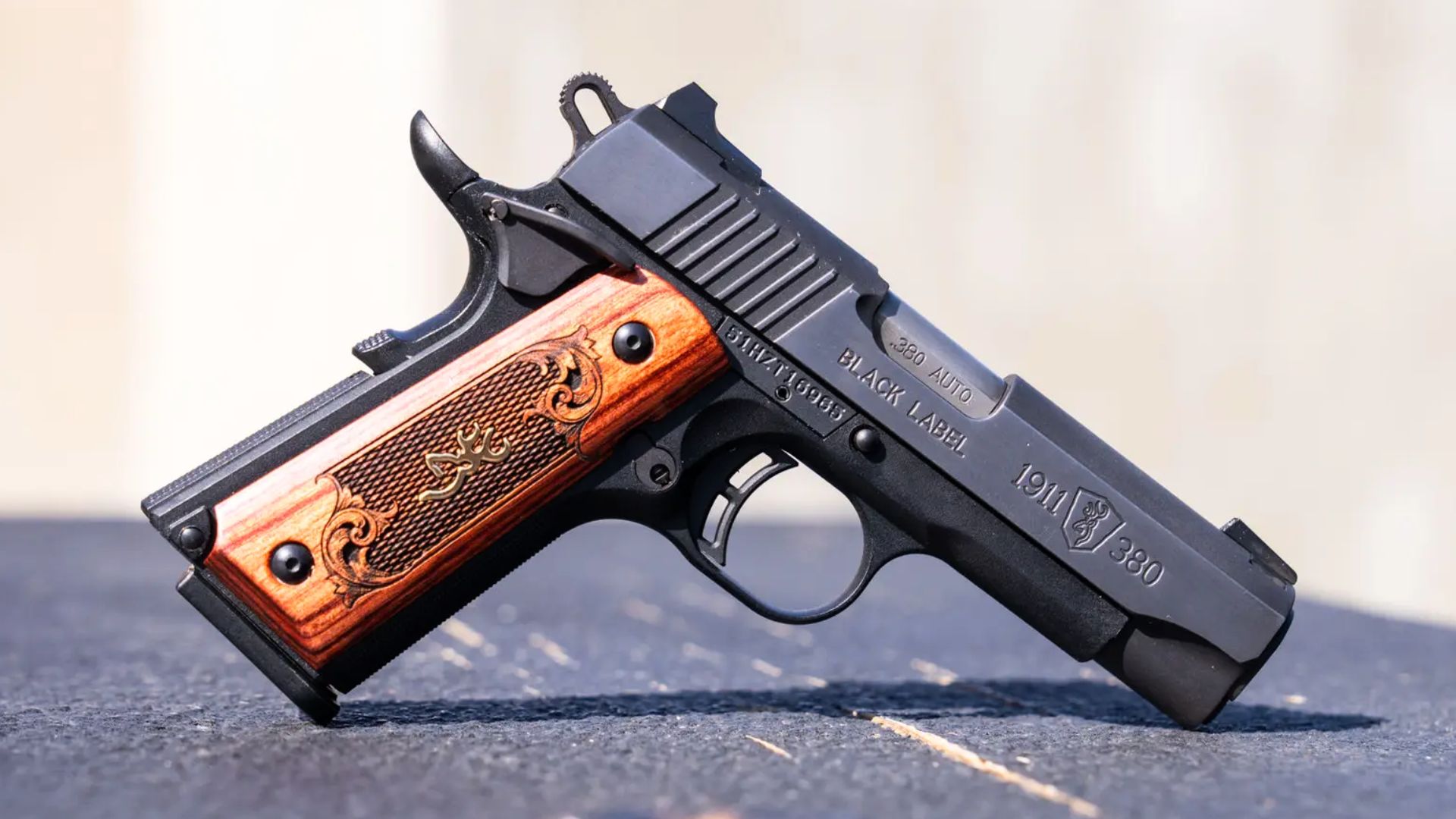
Browning 1911-380

The Browning 1911-380 sounded like a novelty to a lot of people. A scaled-down 1911 in .380 ACP did not seem serious compared with modern micro 9mms or traditional full-size 1911s.
Then owners realized it was not trying to be either one. It was light, easy to rack, easy to shoot, and familiar for people who liked 1911-style controls. For recoil-sensitive shooters or anyone wanting a softer training and carry option, it made sense quickly. It proved that mild recoil and good handling still have a place.
Kahr T9
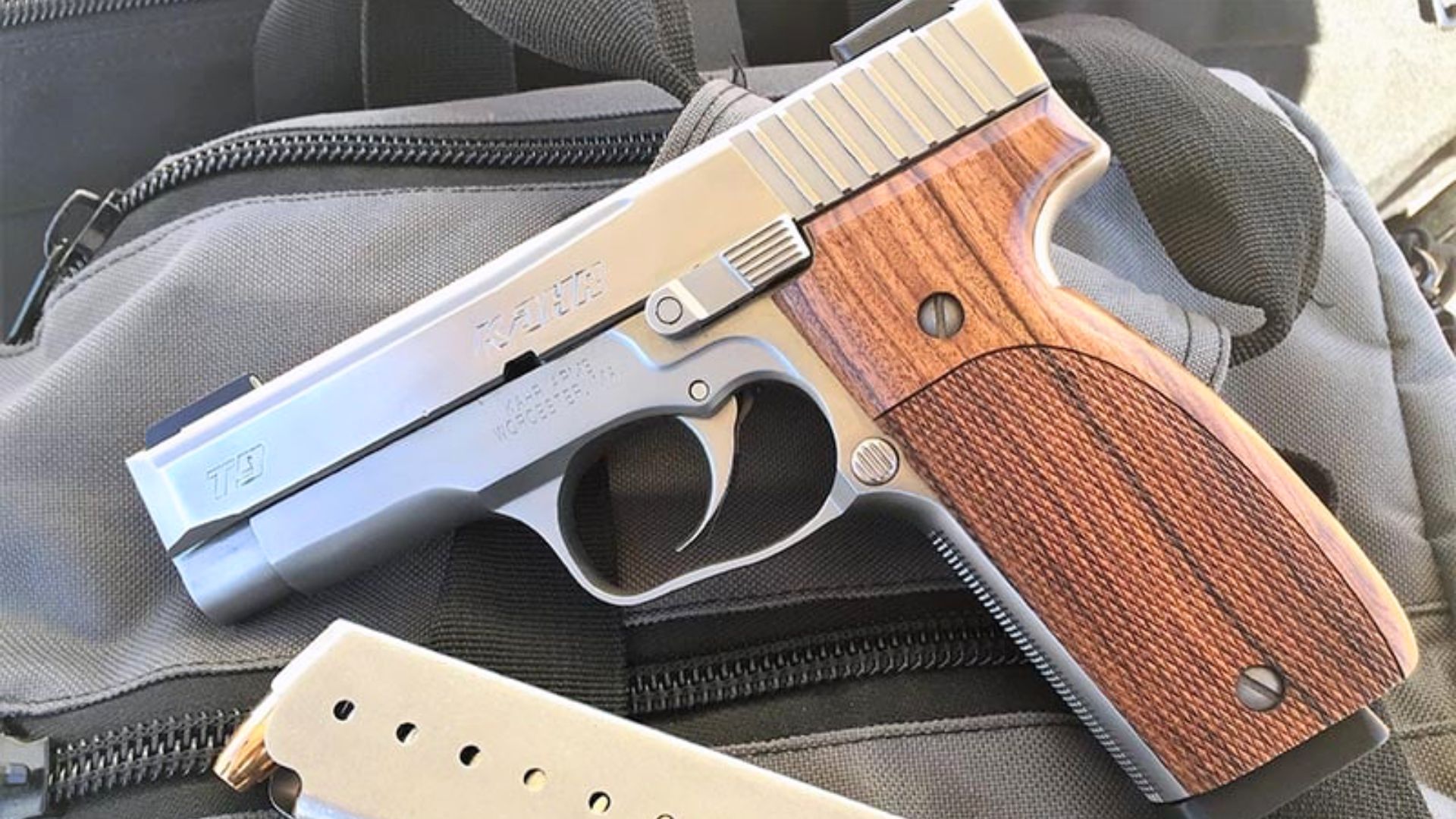
The Kahr T9 never got the attention it deserved because it was expensive, single-stack, and traditional at a time when buyers were chasing capacity and polymer frames. A heavy 9mm carry pistol sounded backward on paper.
On the range, though, the T9 made critics rethink that. Its steel frame gave it a smooth, steady feel, and the long double-action trigger rewarded disciplined shooting. It was slim enough to carry but pleasant enough to practice with. It proved that capacity is not the only thing that matters when a pistol fits the hand and shoots cleanly.
Jericho 941
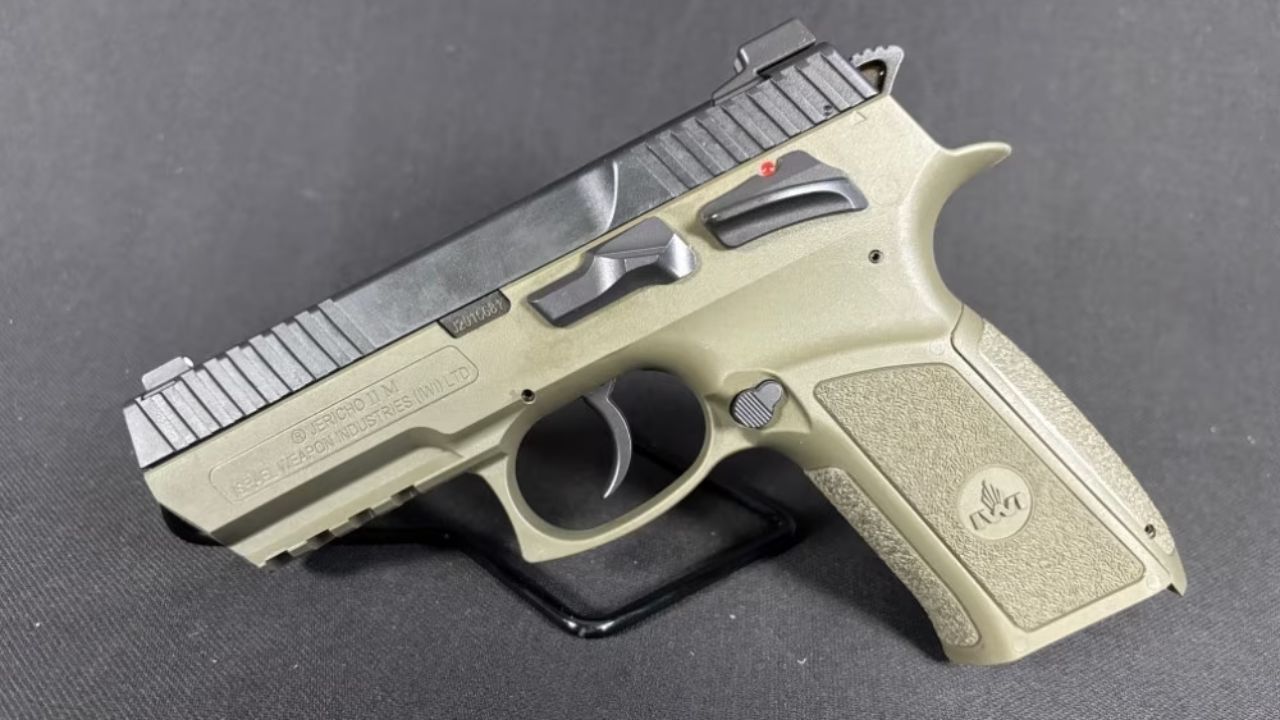
The Jericho 941 had a loyal following, but plenty of buyers dismissed it for years as a heavy, foreign CZ-style pistol. It looked bulky compared with newer polymer duty guns and did not have the same mainstream momentum.
That weight became part of why people liked it. The Jericho shoots softly, points naturally, and feels built to last. Its all-steel frame gives it a calm recoil impulse that makes range time easy. It proved that older-style metal service pistols still had real appeal, especially for shooters who cared more about shootability than shaving ounces.
Smith & Wesson CS9
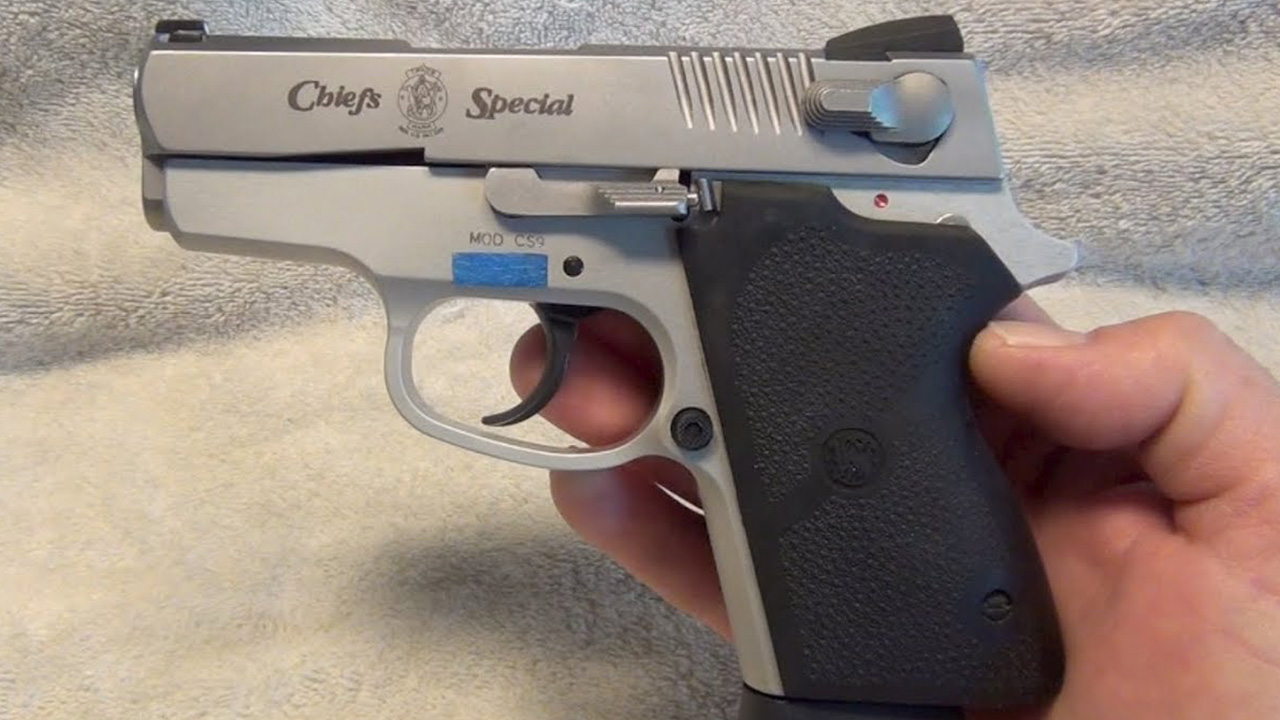
The Smith & Wesson CS9 was easy to miss because it arrived before the modern micro-compact wave. It was small, metal-framed, and lower in capacity than many later carry pistols, so some buyers moved past it quickly.
That was too quick. The CS9 carried well, shot better than its size suggested, and brought third-generation Smith quality into a compact package. It felt sturdy instead of disposable. As shooters started missing well-built small metal pistols, the CS9 looked smarter with age. It proved that compact carry guns did not have to be plastic to make sense.
Ruger LC9s Pro

The Ruger LC9s Pro had to overcome memories of the original LC9’s long trigger. Some shooters wrote it off before realizing how much the striker-fired version changed the gun.
The Pro model gave buyers a cleaner trigger, no manual safety, a slim carry profile, and Ruger reliability in a simple package. It was not a high-capacity wonder, but it carried easily and shot far better than many expected. For people who dismissed it because of the older model’s reputation, the LC9s Pro proved Ruger had fixed the part that mattered most.
Like The Avid Outdoorsman’s content? Subscribe to our newsletter so you never miss an article.
Here’s more from us: