Photo credit: AI-generated image created using ChatGPT. Illustrative only
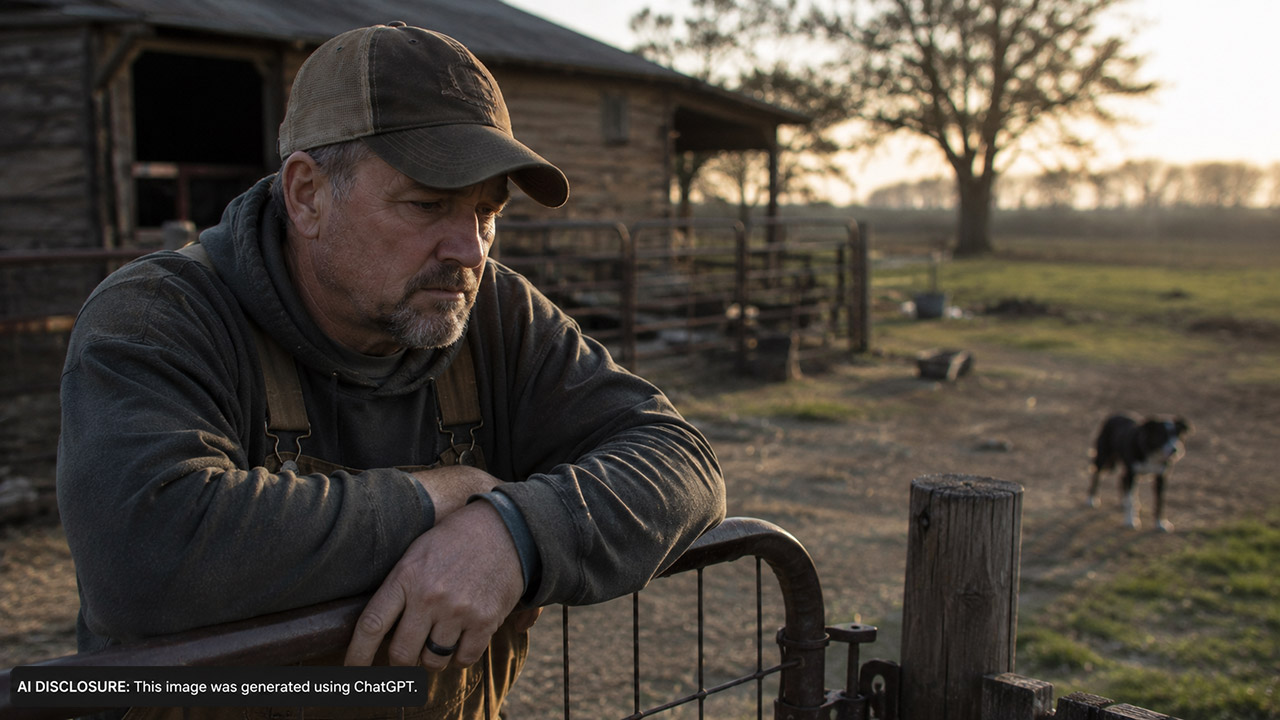
If you keep livestock long enough, you eventually learn two hard lessons: predators don’t always have four legs, and fences don’t stop trouble if the neighbor won’t control what’s theirs. One homesteader in Texas learned both the expensive way after three loose dogs got onto a fenced property and killed sheep—then the real fight started.
The attack happened behind a fence, not out on open range
The homesteader’s backstory was straightforward and familiar to anybody who’s kept animals in the country. A neighbor’s three dogs came onto the homesteader’s fenced property and killed sheep. There was no “they got out once” excuse that fixed the loss, just dead animals and that sick feeling you get when you realize it didn’t have to happen.
Animal control was called, but the response didn’t go anywhere. The owner of the dogs was asked to reimburse the loss and reportedly fired back with excuses, including “I have 4 kids” and “you should have shot them,” instead of taking responsibility.
They hardened the property the way rural folks usually do
After the attack, the homesteader didn’t wait around for the system to solve it. They tightened up their woven wire fence so it had no give—no easy spot for a dog to wriggle under—and added a guard donkey. After that, there were no further issues on their place.
That’s a pretty common rural progression: first you try to rely on the basics (fence, boundary lines, neighbor decency), and when that fails, you add a living deterrent and make the physical barriers “dog-proof,” not just “livestock-proof.” The frustrating part is that those upgrades cost money too, and they don’t bring back the animals you already lost.
Loose dogs kept roaming, and the problem wasn’t just one farm
Even after the homesteader reinforced their setup, they continued seeing the neighbor’s dogs roaming the streets. They called animal control again when they saw the dogs out, but said the timing never worked out—animal control was “always off duty” when they called.
Eventually, the neighbor had to get rid of the dogs because they killed other people’s livestock too. That detail matters. It wasn’t a one-time freak incident; it was a pattern, and patterns are what get somebody hurt when the next “attack” is on a kid at a bus stop, a jogger, or someone trying to break up a fight in the yard.
Small-claims court delivered a win, but not peace
Six months after the attack, the homesteader finally got their day in court. They presented evidence, won the case, and were awarded a judgment of about $700—roughly $500 for the sheep and about $200 for court costs.
On paper, that’s a win. In real life, it’s the kind of win that makes you realize why so many rural folks throw their hands up. After the trial, the neighbor sounded amicable about paying in installments, so the homesteader tried to do the neighborly thing in the courthouse lobby: mend fences, shake hands, and suggest $100 per week until the debt was paid.
It went sideways fast. The neighbor reportedly blew up again, said the homesteader had wasted his time by taking him to court, and went back to the “I have kids to take care of” line. When the homesteader responded, “you killed my sheep. I’m the victim here, not you,” the neighbor told them to go away or “there’d be a problem”—and this was still in the courthouse.
The real cost wasn’t the sheep—it was the follow-through and the risk
That’s the part that should make any landowner pause. A judgment doesn’t magically turn into cash. If the other party refuses to pay, you’re left choosing between more legal steps, more time off work, and potentially putting yourself in a bad situation trying to collect.
The homesteader said that if they wanted to see any money, they’d have to go to the neighbor’s house and ask him to pay. After being threatened in a public building, they didn’t feel safe doing that. And most folks wouldn’t either. The homesteader compared it to a system where victims would have to handcuff their assailant after an assault—because that’s what chasing down a judgment can feel like when the court hands you a “useless paper” and the rest is on you.
They also pointed out the tough reality of collecting judgments in Texas. In their understanding, it can be difficult to lien a primary residence, wage garnishment isn’t a simple switch you flip, and many types of property can be exempt from collection efforts. So even when you’re right, you can still get worn down until you decide it’s not worth another ounce of energy.
A late update offered one practical path: clouding the title
In an update, the homesteader said they called the court to ask about next steps and learned there’s a 21-day appeal period. If the neighbor doesn’t appeal, the homesteader can request an abstract of judgment and file it in their county to place a lien on the neighbor’s home.
Even if it’s a homestead, the homesteader noted that the lien can create a “cloud” on the title that may have to be dealt with when the property is sold. That kind of pressure sometimes works when a person won’t pay out of decency but will pay to avoid a headache later. For a lot of rural folks, that’s the sweet spot: a legal route that doesn’t involve doorstep confrontations.
If you want the full rundown from the homesteader, you can read the source post for the details they shared.
The takeaway here isn’t that courts are pointless or that you should ignore the legal system. It’s that prevention and documentation matter, because recovery is often slow and personal safety has to stay at the top of the list. Tight fences, guardian animals, and a paper trail don’t guarantee justice—but they can keep one bad neighbor from turning into a repeating tragedy on your place.
Like The Avid Outdoorsman’s content? Subscribe to our newsletter so you never miss an article.
Here’s more from us: