Photo credit: Academy Sports
Most of us have handled a handgun at a gun counter that felt like it was made for our hand. Good texture. Clean lines. Slide feels like it’s on glass. Then you get it to the range, run a couple boxes the way you actually shoot, and the honeymoon ends fast.
Sometimes it’s reliability. Sometimes it’s accuracy that goes missing the moment you speed up. Sometimes it’s a “carry gun” that’s miserable to practice with, so it never gets practiced with. Here are 20 that tend to charm folks in the shop and disappoint once the timer, heat, and real round counts show up.
1. Remington R51

The R51 is one of those pistols you pick up and think, “Why doesn’t everybody carry this?” It’s slim, points naturally, and the lines are clean in a way most modern pistols aren’t.
Then you start running it. The early guns especially built a reputation for being finicky, inconsistent, and just plain frustrating. When a pistol makes you dread the next magazine, it stops being a tool and turns into a project.
Even when you find one that “works,” the parts/support ecosystem isn’t what you want for something you may stake your hide on.
2. Taurus PT-709 Slim
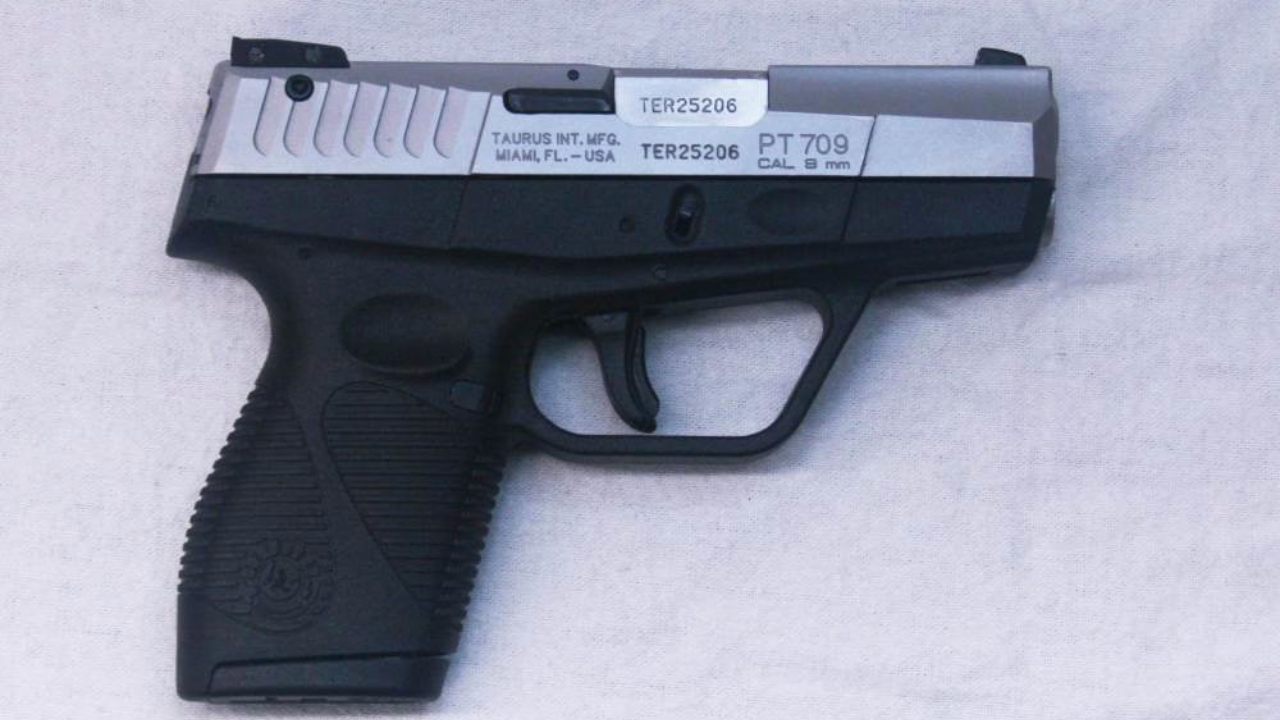
At the counter, the 709 sells itself: thin, light, simple. It feels like a smart compromise between a pocket gun and a duty pistol.
On the range, the trigger can be a real trip wire for consistent shooting, and the reliability can vary from one sample to the next. Some run fine. Some don’t, and they don’t in the exact moment you wanted to trust them.
It’s not that it can’t work. It’s that you end up doing a bunch of “testing” that you shouldn’t have to do with a basic carry pistol.
3. SCCY CPX-2

I get why these move. Price tag is friendly, and in the hand they feel like a straightforward little 9mm with decent grip texture and a simple layout.
But once you start shooting, the long trigger and small sight picture can turn groups into patterns, especially when you pick up speed. Add in spotty magazine quirks and the occasional feeding drama, and you’ve got a gun that makes practice feel like work.
If a handgun makes you avoid range days, it’s not doing the main job you bought it for.
4. Kimber Solo Carry

Kimber knows how to make a pistol look and feel “premium.” The Solo Carry has that upscale vibe, and it sits in the hand like a high-end compact ought to.
What bites folks is ammo sensitivity and inconsistent behavior once you stop babying it. When a pistol demands a narrow diet of specific loads to be happy, it turns a simple carry choice into a constant experiment.
That one hurts, because it’s exactly the sort of gun that convinces you you’re buying quality before you ever fire it.
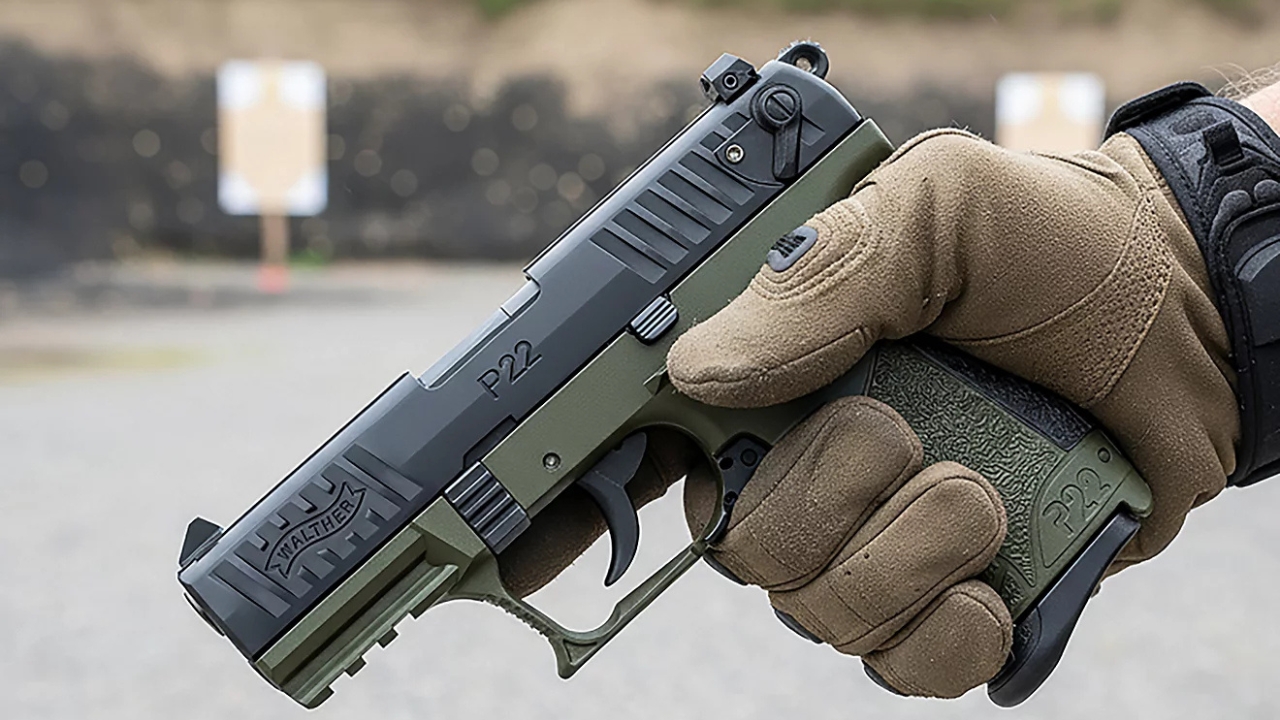
5. Walther P22

The P22 feels like a fun little trail gun at the counter. Light. Handy. Controls that feel “real pistol” instead of toy-ish.
At the range, a lot of them are picky about ammunition and magazines. Rimfire is rimfire, sure, but there’s a difference between “a .22 hiccups sometimes” and “this one is always asking for attention.”
For plinking and camp chores, you want boring reliability, not a gun that needs a pep talk every other mag.
6. SIG Sauer Mosquito

This one has lured plenty of folks who wanted a .22 trainer that matched the feel of a larger SIG. In the hand, the idea makes sense.
In actual use, the Mosquito has a history of being ammunition-sensitive and fussy. You can spend more time sorting loads and cleaning than you do shooting.
A .22 pistol should be the relaxing part of the day. If it becomes the problem child, it won’t see daylight.
7. Ruger LCP (original)

The original LCP is a classic “feels perfect in the pocket” pistol. Disappears in a holster, rides light, and makes you think you finally solved the summer carry problem.
Then you shoot it like you should. It’s snappy, the sights are minimal, and long practice sessions can beat up your hands. The gun isn’t broken—it’s just hard to shoot well, and that matters.
Plenty of folks carry them. Plenty of folks also don’t practice with them nearly enough because it’s not enjoyable.
8. Taurus Spectrum
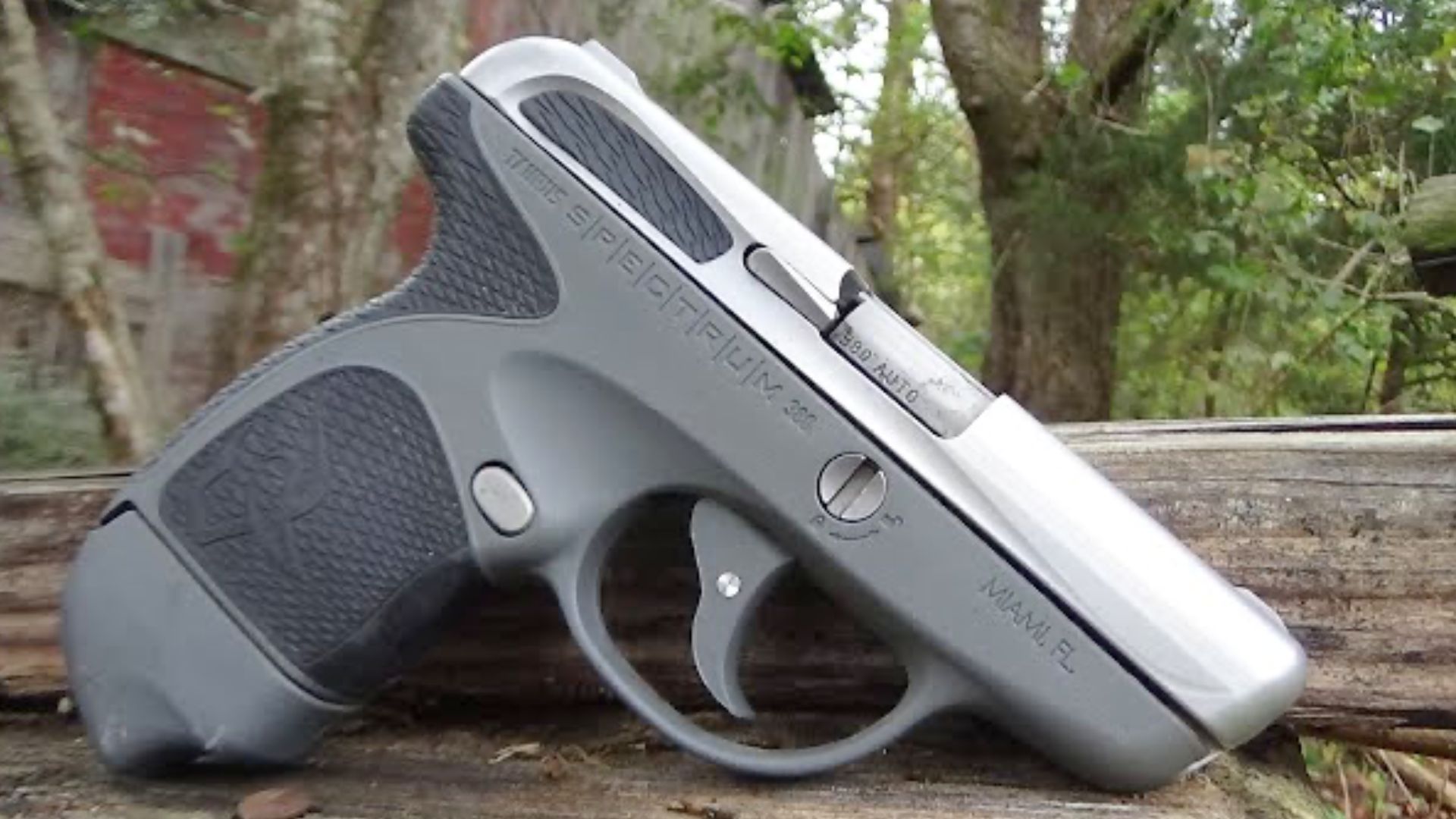
Soft-touch grip, rounded edges, sleek little package. The Spectrum feels like a modern answer to deep concealment, and it’s comfortable to hold at the counter.
On the range, reliability complaints piled up for a reason. Light guns with tiny slides don’t have much room for error, and the Spectrum has had too many examples that simply don’t inspire confidence.
If your “always gun” becomes a “maybe gun,” you’ll eventually move on—usually after wasting time and ammo.
9. Springfield Armory XD-S (early .45 models)

The XD-S in .45 feels like a miracle when you first pick it up. So much power in such a small package, and it still points like a “real pistol.”
Then you run a couple boxes of .45 through it and realize the size-to-caliber math isn’t free. The recoil can be sharp enough that your follow-up shots get slow and sloppy, and the gun can be less forgiving of grip technique than folks expect.
It’s not that it can’t work. It’s that most shooters are better served by a gun they can run fast and accurately, not just carry easily.
10. Kahr PM9

Kahr pistols feel slick and trim, and the PM9 in particular feels like it was designed for real concealed carry. In the hand, it’s hard not to like.
At the range, the long, smooth trigger can be a love-or-hate deal, and some samples go through a “break-in” phase that makes new owners nervous. If your carry gun needs a probation period, you have to be honest about whether you’ll do the work.
When they’re right, they’re nice. When they’re not, you’ll spend time chasing reliability that should’ve been there from the start.
11. Beretta Nano
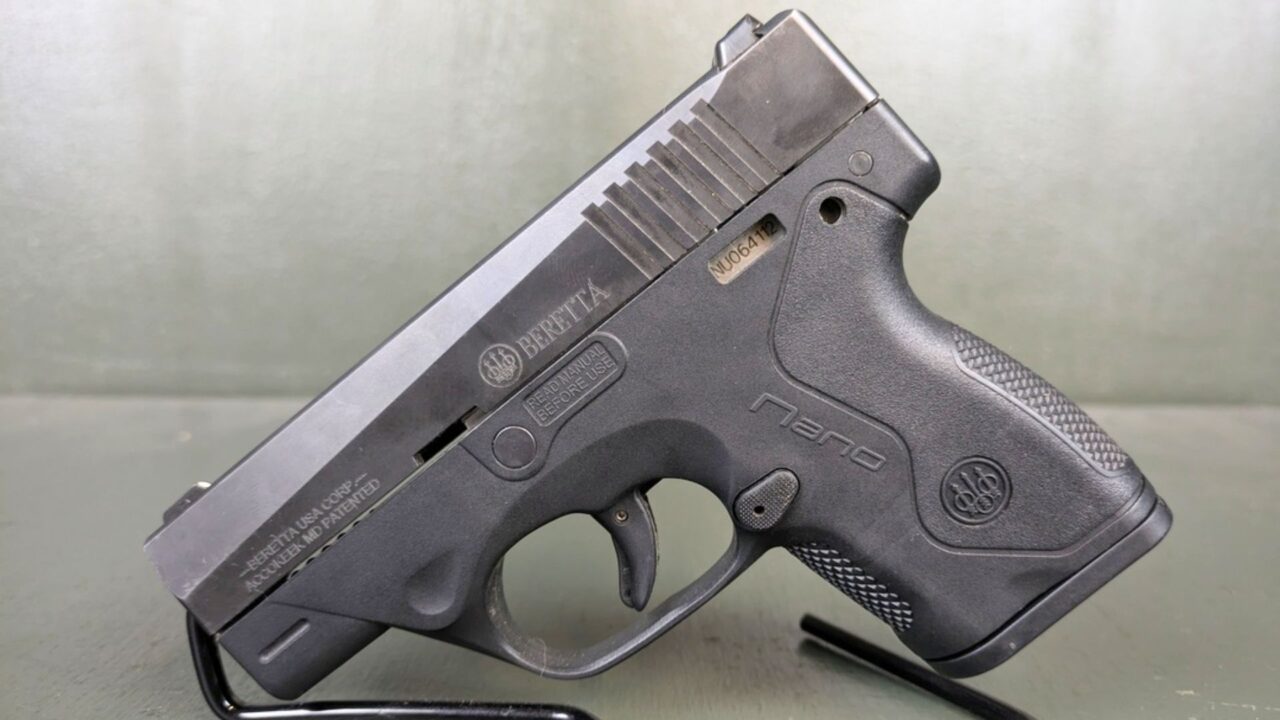
The Nano is one of the smoothest little guns to handle dry. Clean exterior, no snags, and it sits in the hand like a compact bar of soap—in a good way.
But it’s also a pistol that can feel “dead” in recoil with a trigger that doesn’t help you. Add a small sight picture and you’ve got a gun that’s easy to carry and harder to shoot well than you expected.
Ergonomics can fool you. Shooting performance is where truth lives.
12. Colt Mustang (modern pocket .380s in general, this one specifically)

The Mustang feels like a classy little throwback. Light, slim, and the controls make sense if you’re used to 1911-ish guns.
The trouble is that small .380s can get temperamental with certain hollow points, and the short sight radius punishes sloppy fundamentals. When a gun is this small, tiny issues become big issues fast.
If you buy one, you need to be the kind of person who actually tests your carry ammo and doesn’t assume.
13. Charter Arms Undercover (lightweight snub-nose variants)

A snub-nose revolver feels reassuring at the counter. Simple manual of arms, no magazine drama, and it drops into a pocket holster like it belongs there.
Lightweight snubs can be rough to shoot, and with some budget revolvers the fit-and-finish can show up as timing, trigger, or consistency issues over time. A revolver that’s even a little out of sorts is not something you ignore.
I’m not against snubs. I’m against snubs that don’t hold up to real practice.
14. Rossi RP63
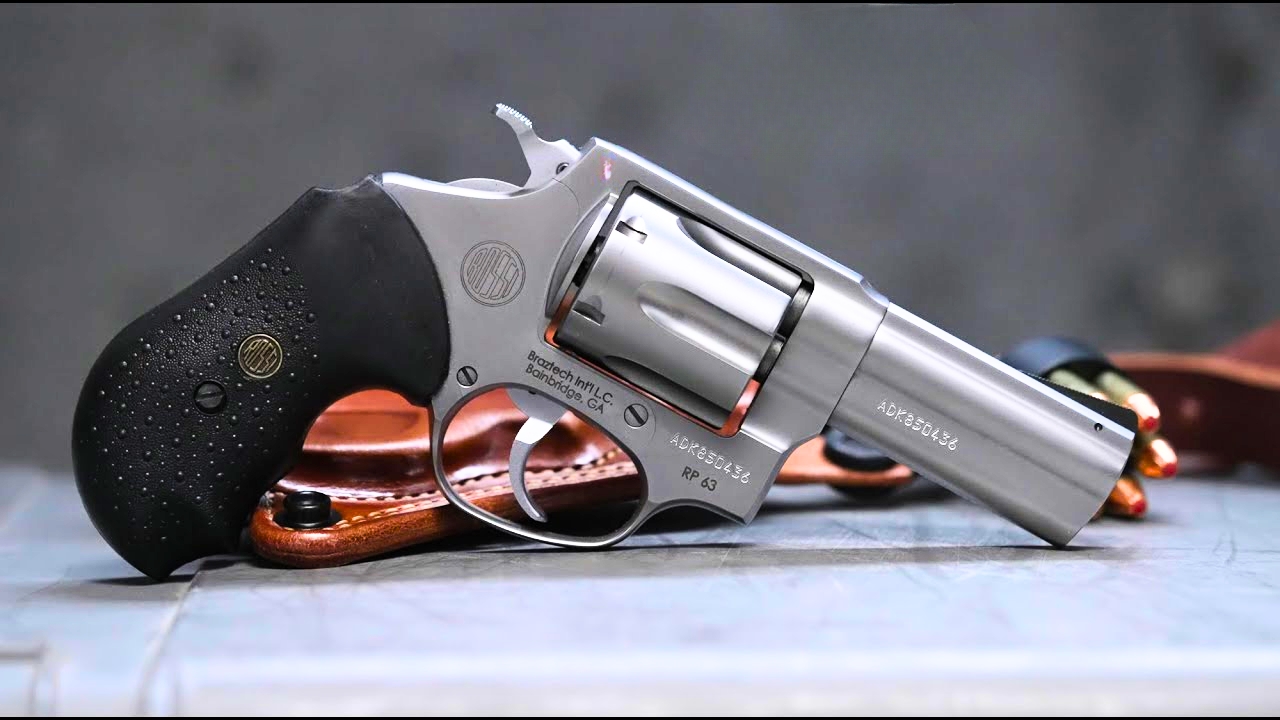
On paper, a budget .357 snub sounds like the ultimate “truck revolver.” In the hand, they often feel decent, and the price makes it easy to justify.
At the range, the trigger can be heavy enough to wreck your accuracy, and the recoil with real .357 loads is a quick reminder that short barrels don’t do you favors. Add inconsistent QC and you get a gun that’s hard to trust without a lot of vetting.
If you end up only shooting .38s because .357 is miserable, you’ll wonder why you bought a .357 snub in the first place.
15. Cobra Firearms CA-380

These little pistols can look like the answer for someone who just wants a cheap, tiny gun for a tackle box or glove compartment. They’re small, light, and the price is tempting.
Then you find out why they’re cheap. Rough triggers, inconsistent reliability, and questionable durability aren’t just annoyances—they’re deal breakers in a defensive firearm.
There are places to save money. This isn’t one of them.
16. Hi-Point C9
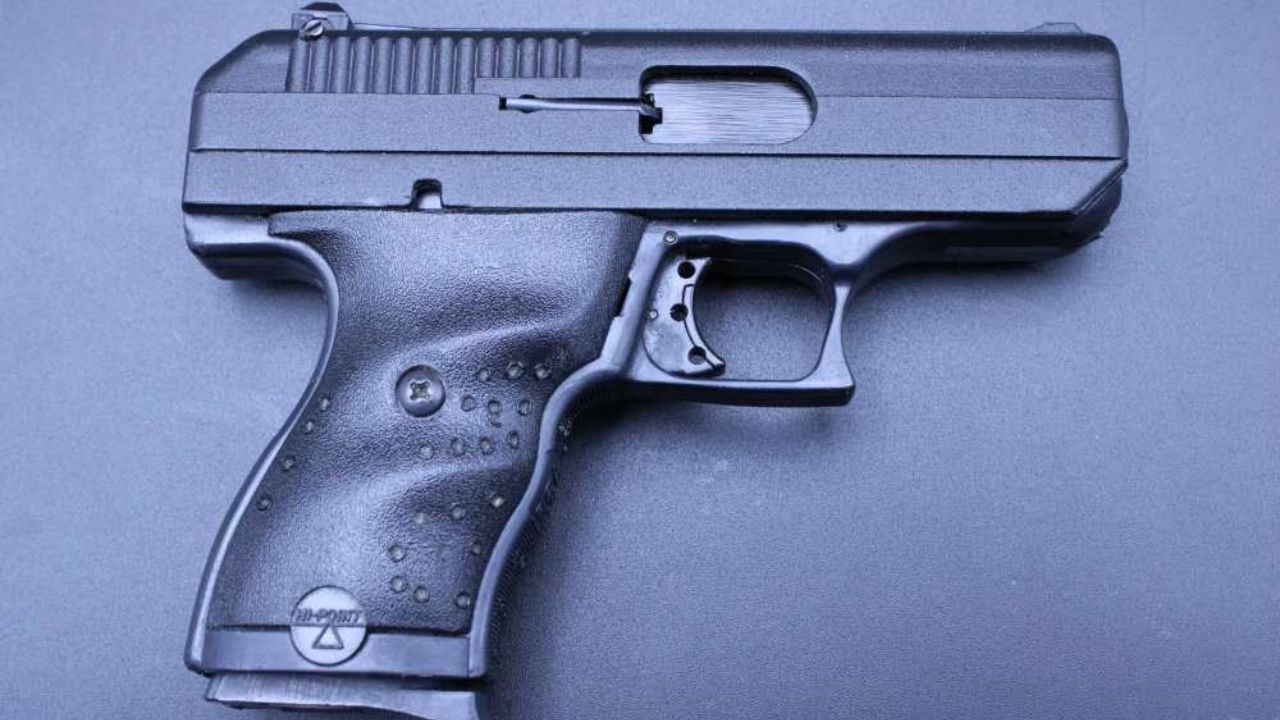
I’ve seen Hi-Points run, and I’ve seen them run longer than folks expect. At the counter, the chunky slide and simple controls can actually feel confidence-inspiring to a new shooter.
But the weight, the clunky handling, and the overall shootability keep it from being a gun you enjoy training with. The ergonomics aren’t kind, and the gun is big for what it is.
As a “better than nothing” home gun, fine. As a range companion you’ll love? Most folks don’t stay in that marriage.
17. AMT Backup (various calibers)

The AMT Backup has an old-school cool factor. Stainless, compact, and it feels like something a guy would’ve carried when nylon windbreakers were still in style.
Range time is where the romance fades. Many of them are unpleasant to shoot, and reliability can be hit-or-miss depending on the individual gun and its history. Parts and magazines can also be a scavenger hunt.
Collectors can enjoy them. Folks wanting a dependable daily tool usually learn a hard lesson.
18. North American Arms .22 Magnum Mini-Revolver

These tiny revolvers are neat. They’re well-made for what they are, and at the counter they feel like the ultimate “always” gun because they’re so easy to carry.
At the range, the reality is you’re trying to shoot a very small handgun with tiny sights, a tiny grip, and a manual of arms that demands attention. They’re not range guns, and they’re not forgiving.
If you buy one thinking it replaces practice with a normal handgun, you’ll be disappointed.
19. Smith & Wesson M&P Bodyguard .380 (original)
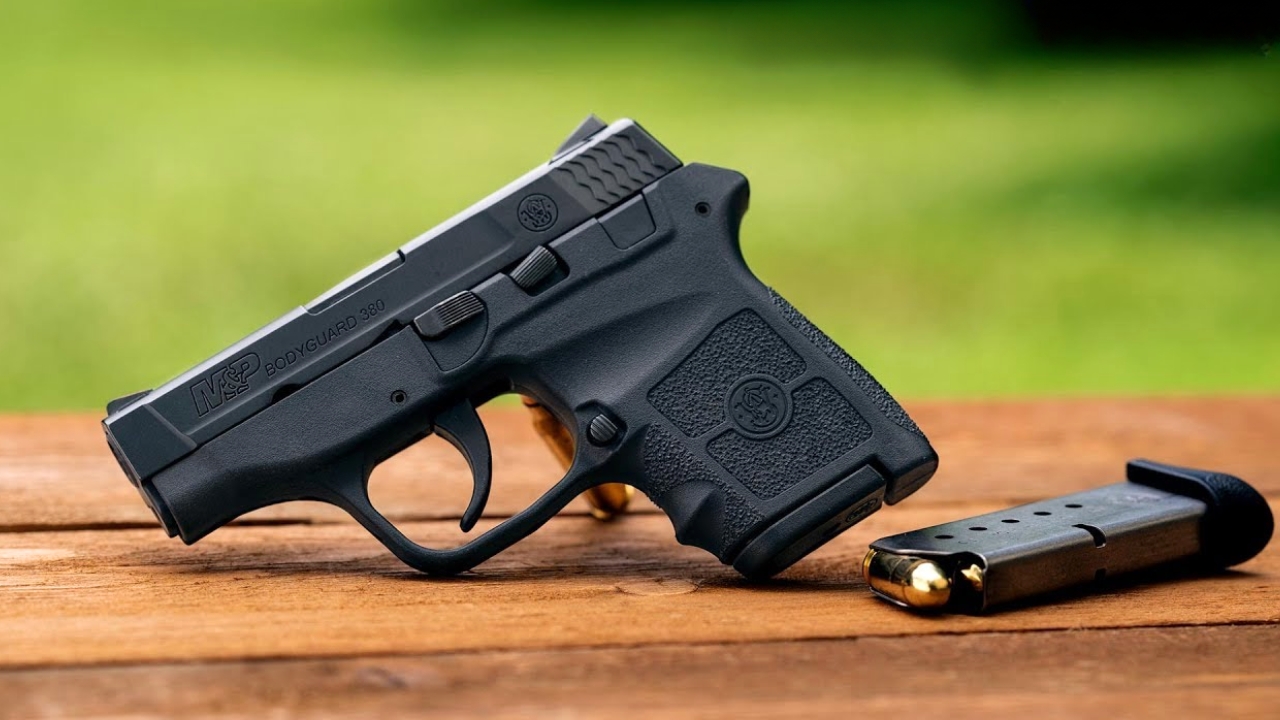
The Bodyguard feels like a smart pocket pistol. The size is right, the grip texture is decent, and it has that big-name comfort factor.
The trigger on many of them is where enthusiasm goes to die. Combine that with snappy recoil and small sights, and it becomes a gun that’s hard to shoot well beyond close distances. You can learn it, sure, but many don’t.
It’s not useless. It’s just not as easy as it feels when you’re standing at the counter imagining how it’ll carry.
20. Kel-Tec P-11

The P-11 has been around long enough to earn a certain respect for being early to the “small 9mm” party. At the counter it feels like a simple, utilitarian carry piece that won’t break the bank.
On the range, the long, heavy trigger and blocky ergonomics can make accurate, fast shooting a chore. Some run reliably, but shootability still matters, especially if you’re trying to build skill instead of just owning an object.
If you finish a range session feeling like you fought the gun the whole time, it’s probably not your forever pistol.
The common thread with most of these isn’t that they’re all junk. It’s that they’re easy to fall in love with before you’ve proven them the only way that counts: by shooting them, a lot, with the ammo you plan to use. If you’re shopping for a handgun, try to budget for a real range day and a couple different loads before you call it “good.” The counter can lie to you. The range usually doesn’t.
Like The Avid Outdoorsman’s content? Subscribe to our newsletter so you never miss an article.
Here’s more from us: