Photo credit: Seven4Para/Youtube
Most gun guys don’t hate change. We just hate the kind of change where a rifle that used to be boring-reliable turns into a coin flip, or a pistol that used to run on any ammo suddenly needs “the right magazines” and a prayer. A brand gets sold, new management shows up, the bean counters start measuring everything in pennies, and the customer becomes the test department.
This isn’t about nostalgia for blued steel and walnut, either. Plenty of modern stuff is excellent. This is about those specific moments when a company’s name stayed the same, but the feel, the finish, and the trust went somewhere else. Here are 20 American gun brands and product lines that a lot of shooters swear took a step backward after ownership changes, private equity involvement, corporate reshuffles, or “cost optimization.” Not every gun under these names is bad. But if you’ve spent time behind a counter, on a range, or in a deer camp, you’ve seen the patterns.
1. Remington (late-era Freedom Group/RemArms transition years)
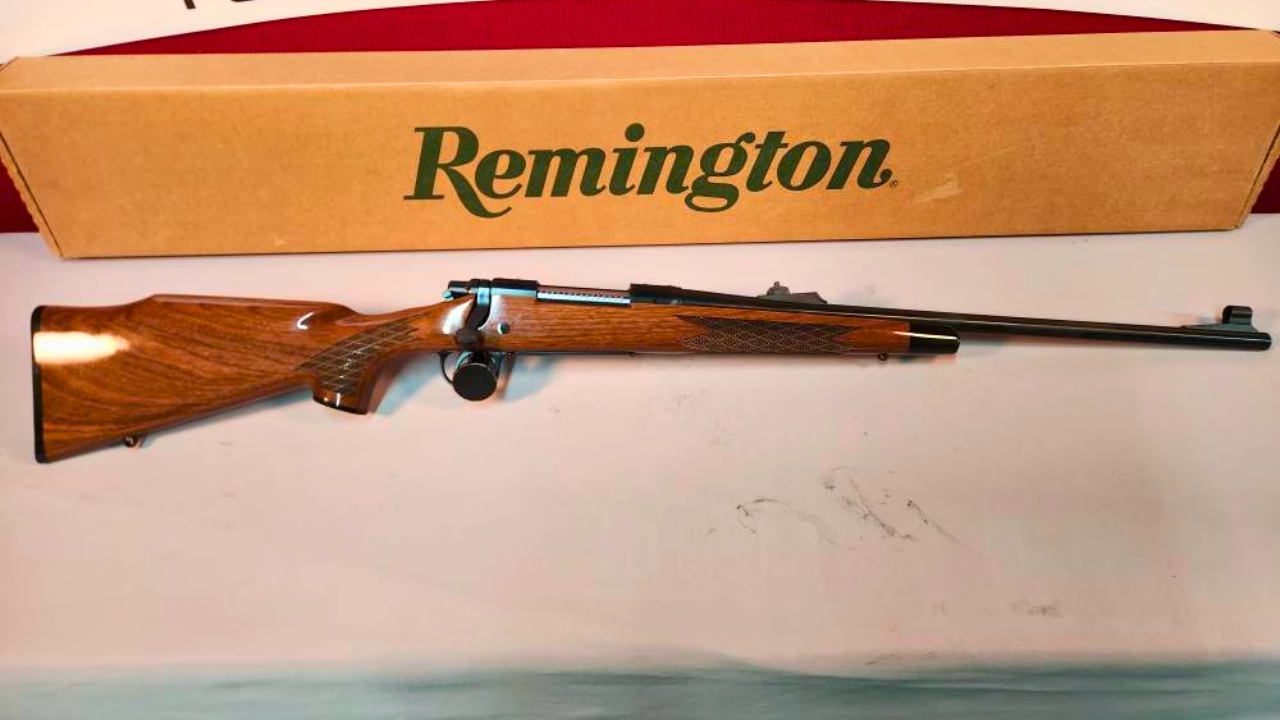
Remington used to be the safe bet. A 700 in the rack meant somebody was going to kill a deer and not talk about their rifle all week because it just did rifle things. Then came years where you’d pick up a new one and the finish looked thin, the action felt gritty, and the stock fit could be all over the place.
The hard part is Remington’s name still carries weight, so folks kept buying based on what Grandpa’s rifle did. I’ve shot great newer Remingtons and I’ve handled some that should have never left the building. When you can’t assume consistency, that brand advantage is gone.
2. Marlin (later “Remlin” period before the turnaround)
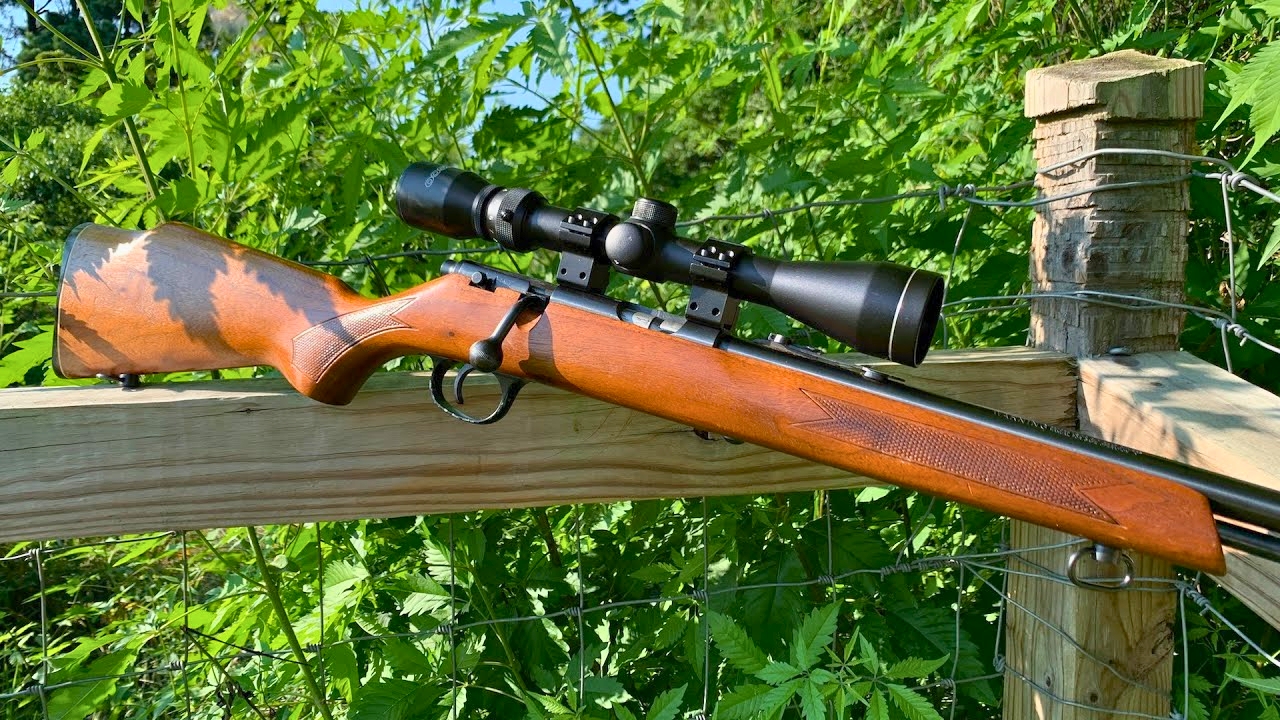
Marlin lever guns are the kind of rifles you hand down because they’re handy, accurate enough, and they just feel right in the woods. During the rougher years after the buyout, you started hearing the same complaints: canted sights, rough actions, wood-to-metal gaps you could catch a fingernail on.
That one hurts because a .30-30 or .45-70 lever gun is a working tool in a lot of deer camps, not a safe queen. When a lever gun feels like it needs a gunsmith before it needs a scope, folks notice. The more recent improvements have been real, but that middle chapter did damage.
3. H&R / New England Firearms (end-of-line years under larger corporate ownership)
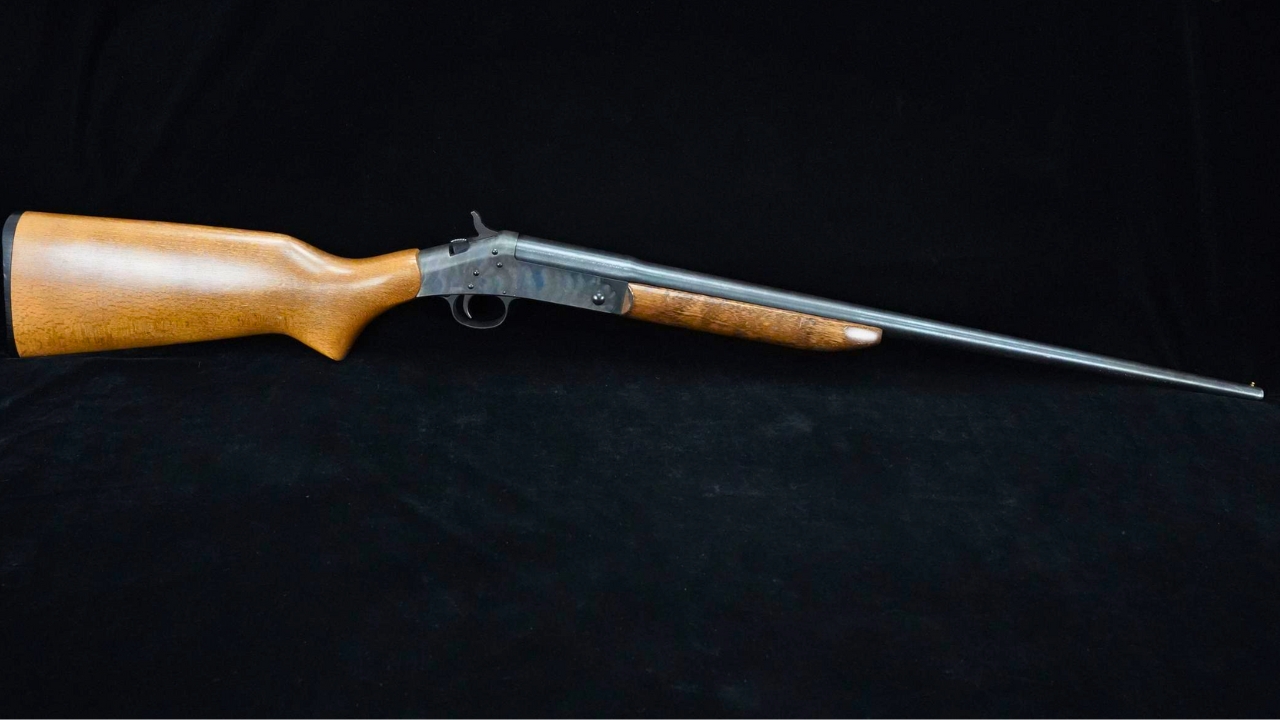
Those simple single-shots were never fancy, and that was kind of the point. A break-open rifle or shotgun that you could toss in the truck, teach a kid with, or use as a “backup gun” for a season of hard weather. Toward the end, availability got weird and support got thinner, and it felt like the line was just being kept alive on a slow drip.
When a brand becomes an afterthought inside a big corporate umbrella, the customer feels it first in parts, service, and consistency. A single-shot is supposed to be the opposite of complicated. When it starts getting complicated to keep running, the value disappears.
4. DPMS (post-acquisition consolidation era)

DPMS ARs filled a lot of gun safes because they were affordable and usually ran fine for normal range use. After the corporate reshuffling, the identity got muddy. Models came and went, specs varied, and it became harder to know what you were actually getting.
An AR is an ecosystem gun. When the brand’s QC and parts standardization feel uncertain, you wind up chasing little problems that shouldn’t exist. A budget rifle can still be a good rifle, but “budget” can’t mean “mystery.”
5. Bushmaster (post-buyout reputation slide)
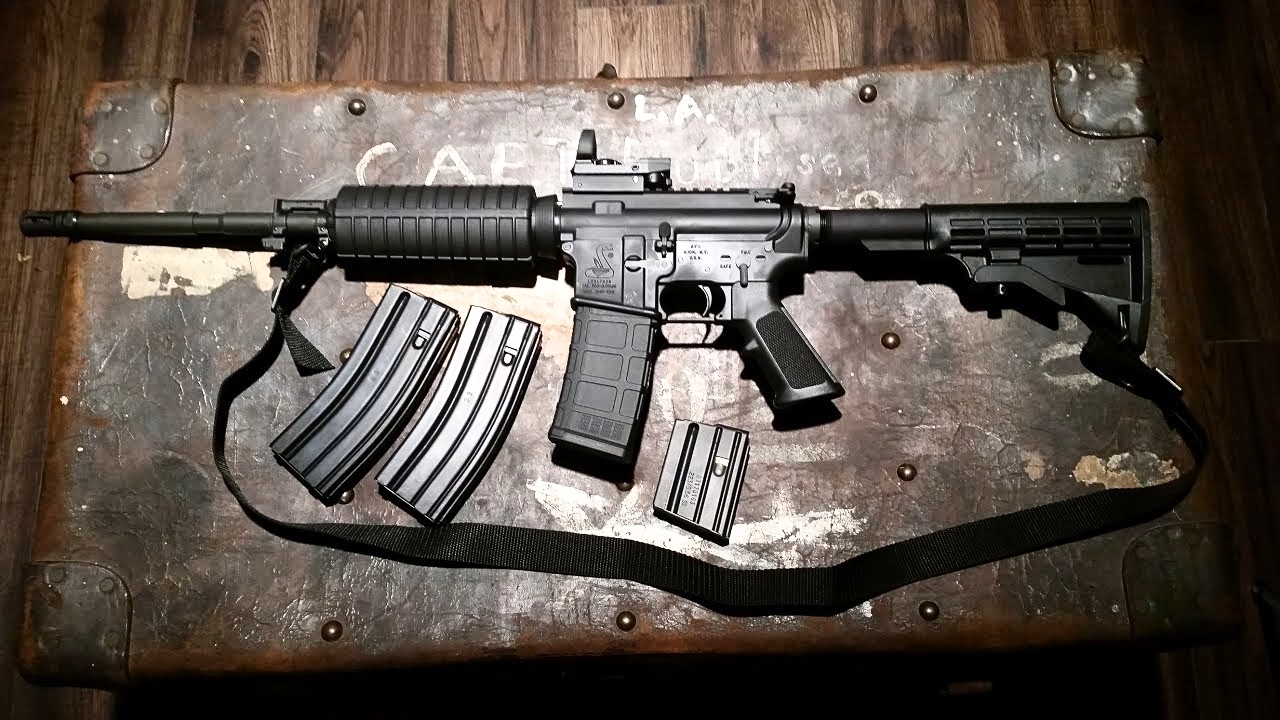
There was a time when seeing that snake on an AR meant something pretty straightforward: decent rifle, decent parts, decent chance it’ll eat whatever brass you bring. Later on, the name stuck around, but the confidence didn’t. You’d hear more about out-of-spec oddities and less about “it just runs.”
That’s the death of a working-man AR brand. Nobody expects perfection at a mid-tier price. They expect predictability. When the same model name can mean two different levels of quality depending on the year, it’s hard to recommend without caveats.
6. AAC (after being folded into larger corporate structures)
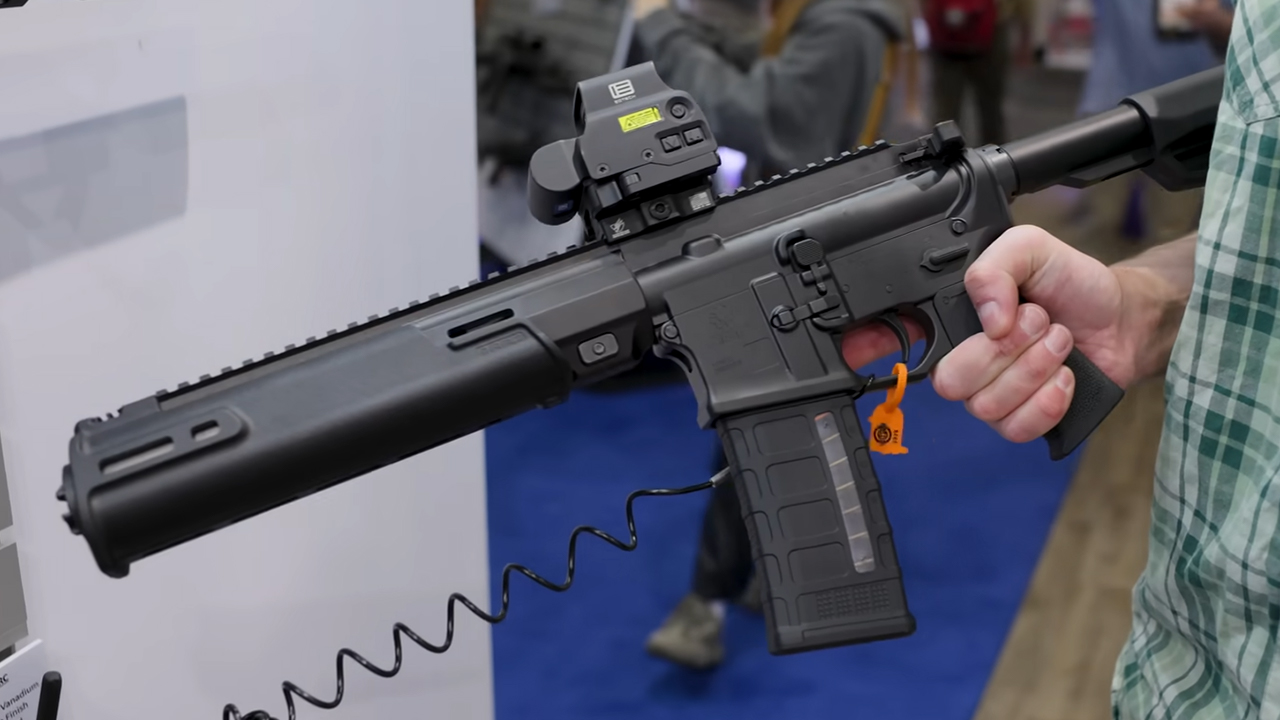
AAC helped build the suppressor world into what it is now. Then came the era where customers started talking more about backorders, shifting product focus, and support frustrations than the cans themselves. When suppressors are regulated, paperwork-heavy purchases, “maybe they’ll take care of you” is not good enough.
Suppressor buyers remember who answers the phone. They also remember who didn’t. A lot of shooters still like AAC designs, but the brand’s trust took hits that were hard to earn back.
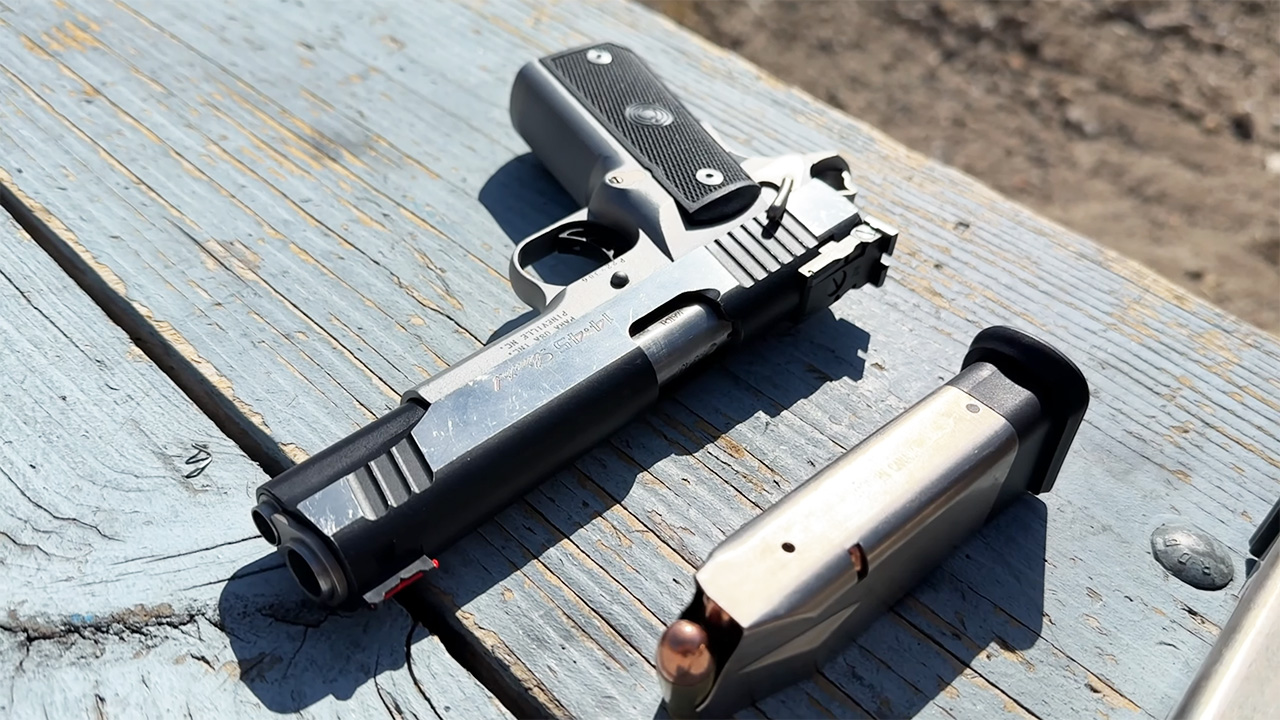
7. Para-Ordnance / Para USA (after acquisition and repositioning)
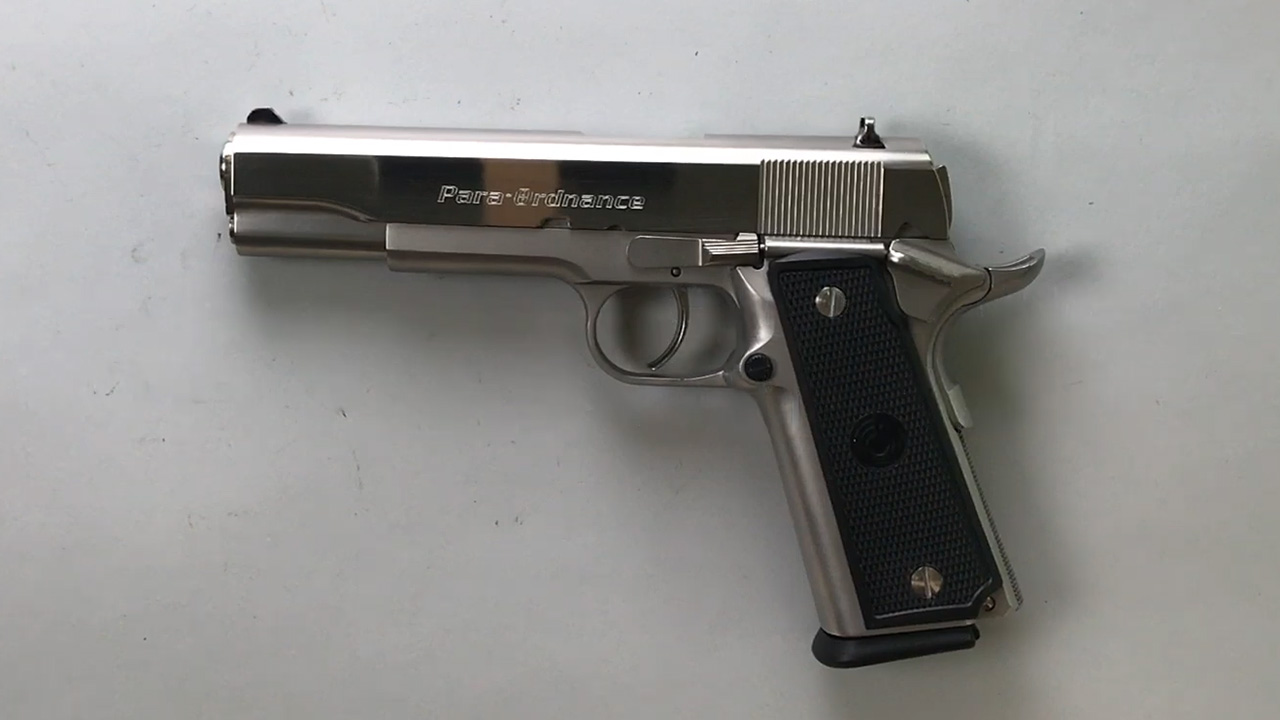
Double-stack 1911s and “high-capacity” .45s were Para’s thing long before it became trendy again. After ownership changes, the line felt less like a clear mission and more like a product catalog trying to find its footing. Fit and finish complaints popped up more often, and the identity got fuzzy.
1911s are already temperamental compared to modern striker guns. When the build quality drifts, you don’t get “quirks,” you get stoppages. That’s a rough place to be when your whole customer base bought in for performance.
8. Advanced Armament/Remington-era accessories culture (the “bundle it and ship it” years)
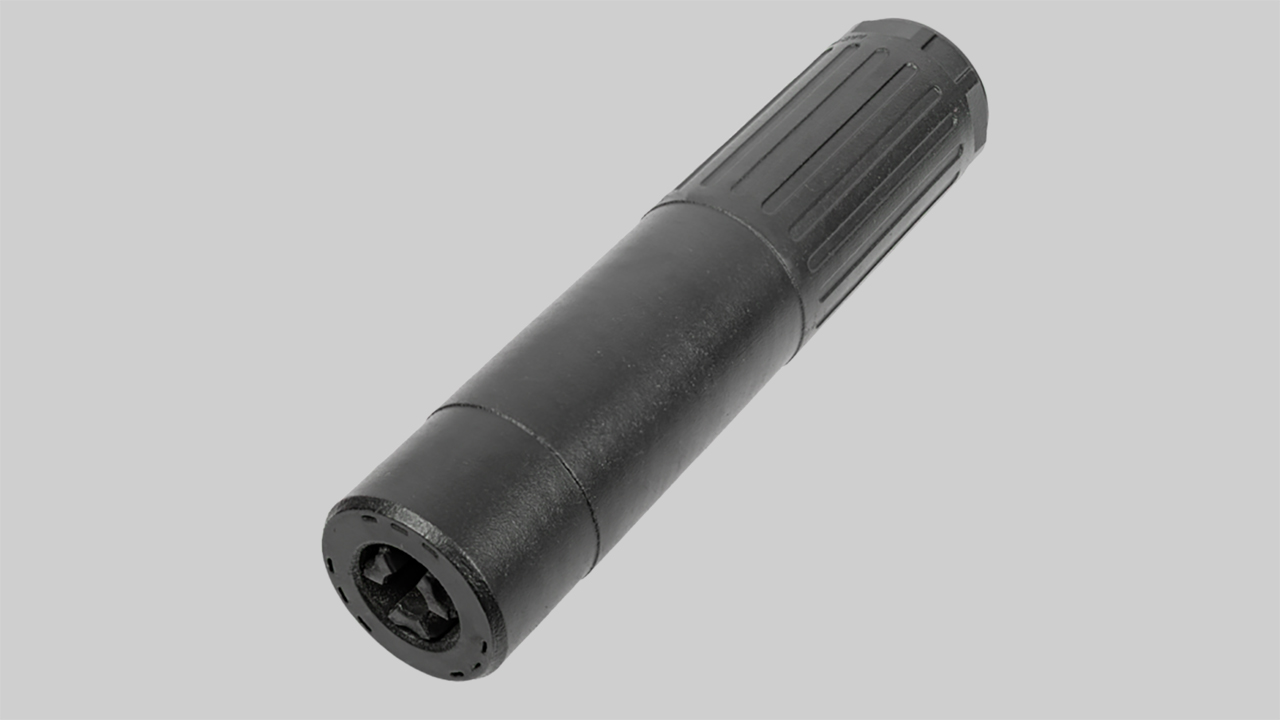
This is more of a vibe than one model, but it mattered. When a big corporate owner starts treating accessories like checkbox add-ons, you see it in mounts, fasteners, coatings, and little details that separate a hard-use setup from a range toy.
Hunters notice it in the cold and wet. Things loosen. Finishes rust. Threads feel rough. The stuff that used to feel purpose-built starts feeling like it was purchased by a committee.
9. Colt (corporate turbulence years and uneven product focus)
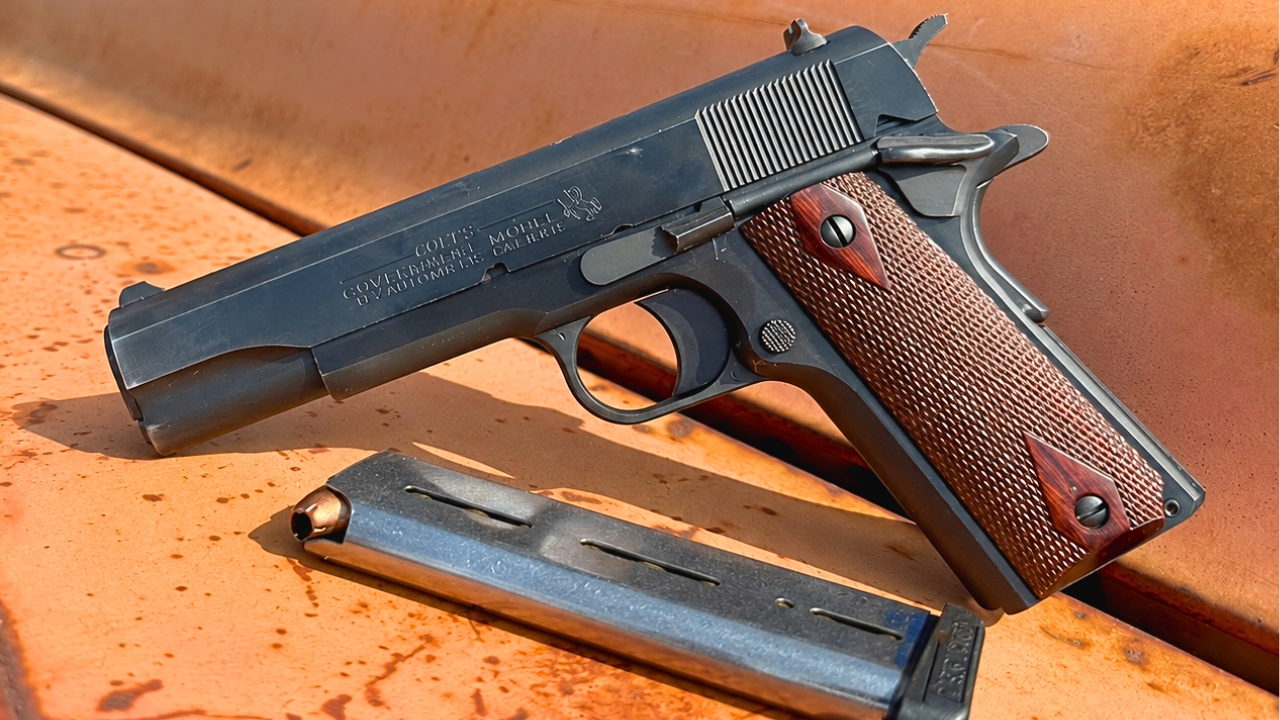
Colt has made some of the most iconic American firearms ever. The frustrating part is watching the brand drift through periods where pricing went up, availability went sideways, and the regular working shooter felt like an afterthought. You’d see great examples and then a run of “why is this like that?”
Colt can still build a fine gun, but the “modern Colt experience” has been inconsistent across different eras. When a name is built on legacy, the product has to meet it every time, not just sometimes.
10. Dan Wesson (early post-transition years before stability returned)
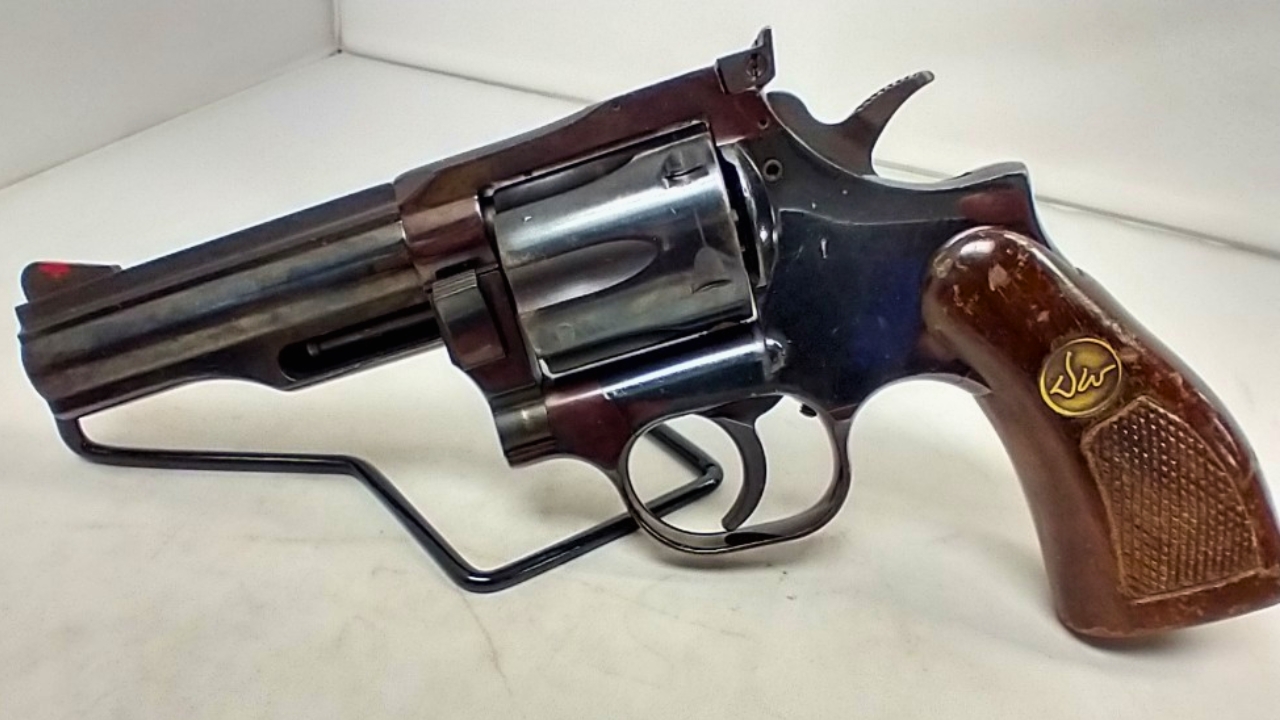
Dan Wesson revolvers and 1911s have a loyal following for a reason. There were stretches where ownership and direction changes created a little wobble in what the brand was trying to be. Some models were excellent, others felt like they were chasing a market instead of leading one.
The good news is the brand found its footing again, but there was a time when you really had to handle the exact gun in front of you. With premium-priced firearms, “maybe” is a problem.
11. Kimber (growth-at-all-costs era after changes in direction)
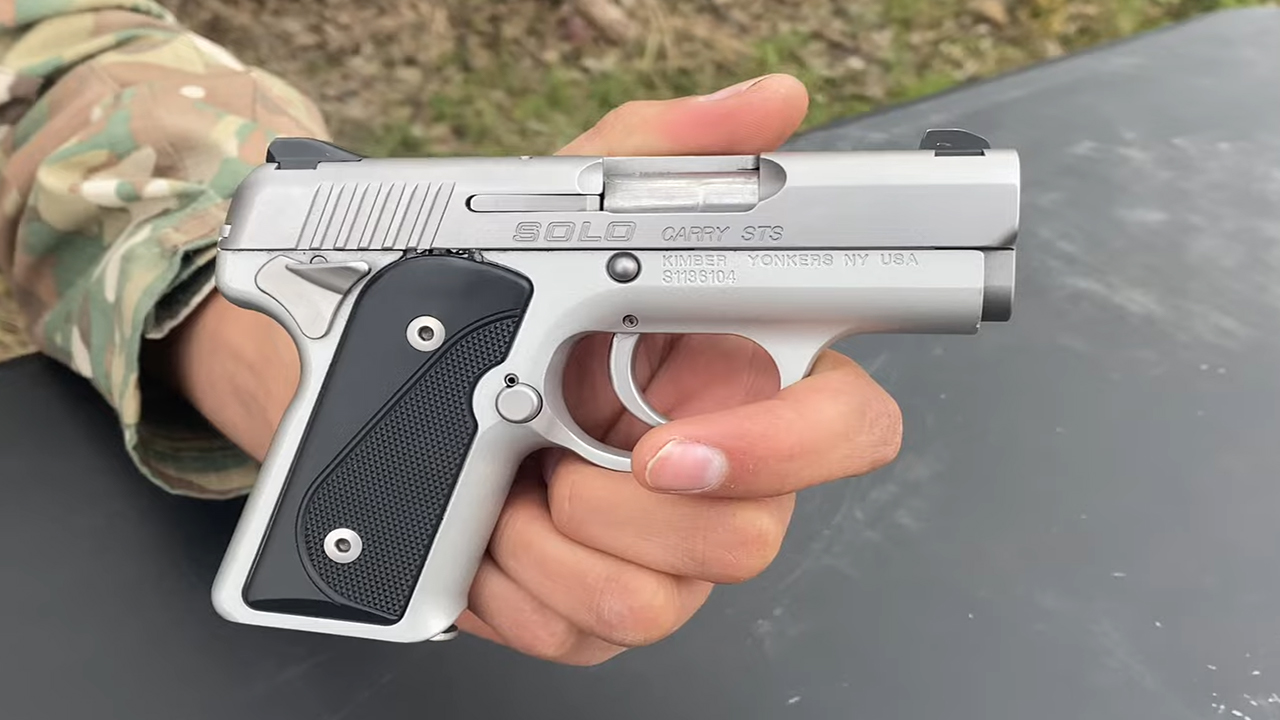
Kimber is the poster child for “it can be great, but you might not get great.” When the focus shifts hard to volume and marketing, the details that make a 1911 boring-reliable can get sloppy. Extractor tension, feeding, little fit issues—stuff that turns a range day into troubleshooting.
I get why people buy them. They look good in the case, they feel good in the hand, and they point naturally. But if you’ve watched a new shooter fight a finicky 1911, you start recommending simpler guns unless somebody is ready to vet and maintain it.
12. SIG Sauer (certain eras of “ship it now, fix it later” perception)
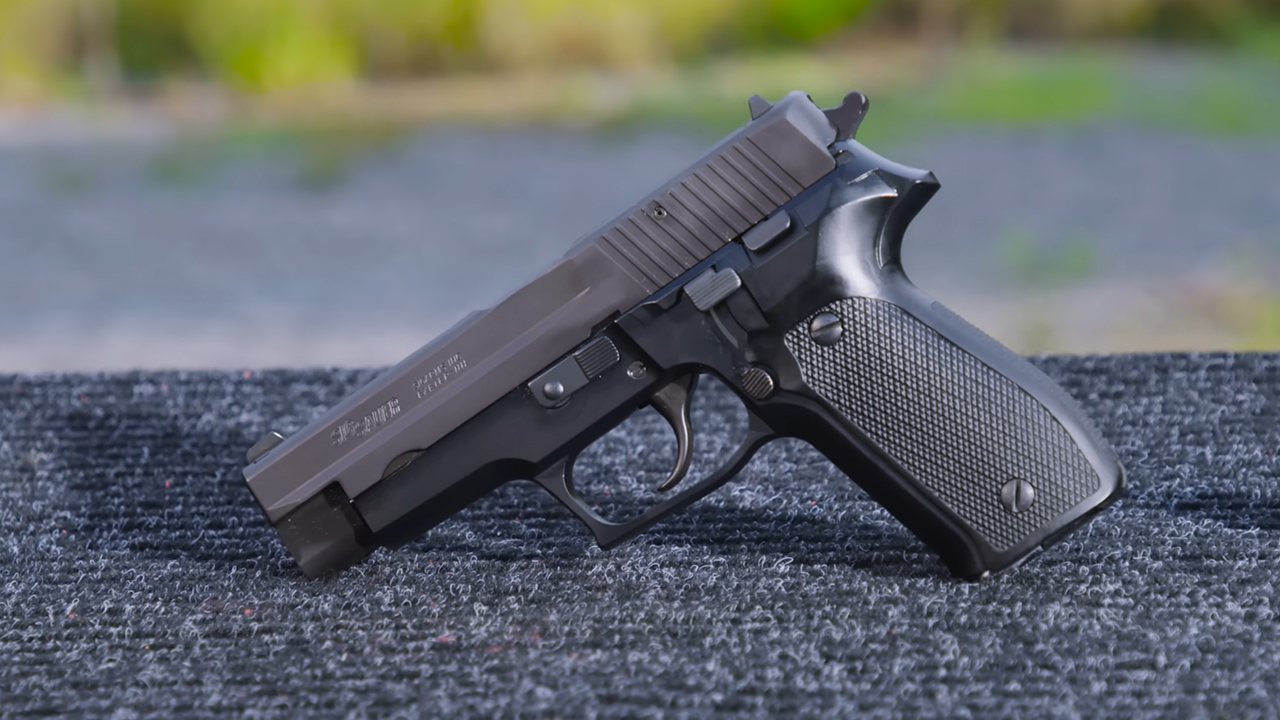
SIG makes excellent firearms, and I still own and carry SIGs. But there were periods where the company’s pace of new releases and revisions made regular buyers feel like unpaid beta testers. When a “new variant” shows up every five minutes, it’s hard not to wonder what got skipped.
For a hunter or a working carry gun, stability matters. You want magazines that stay available, parts that stay the same, and a track record that doesn’t require reading internet detective threads. SIG’s highs are high, but the busy years left scars.
13. Smith & Wesson (certain post-merger production stretches)
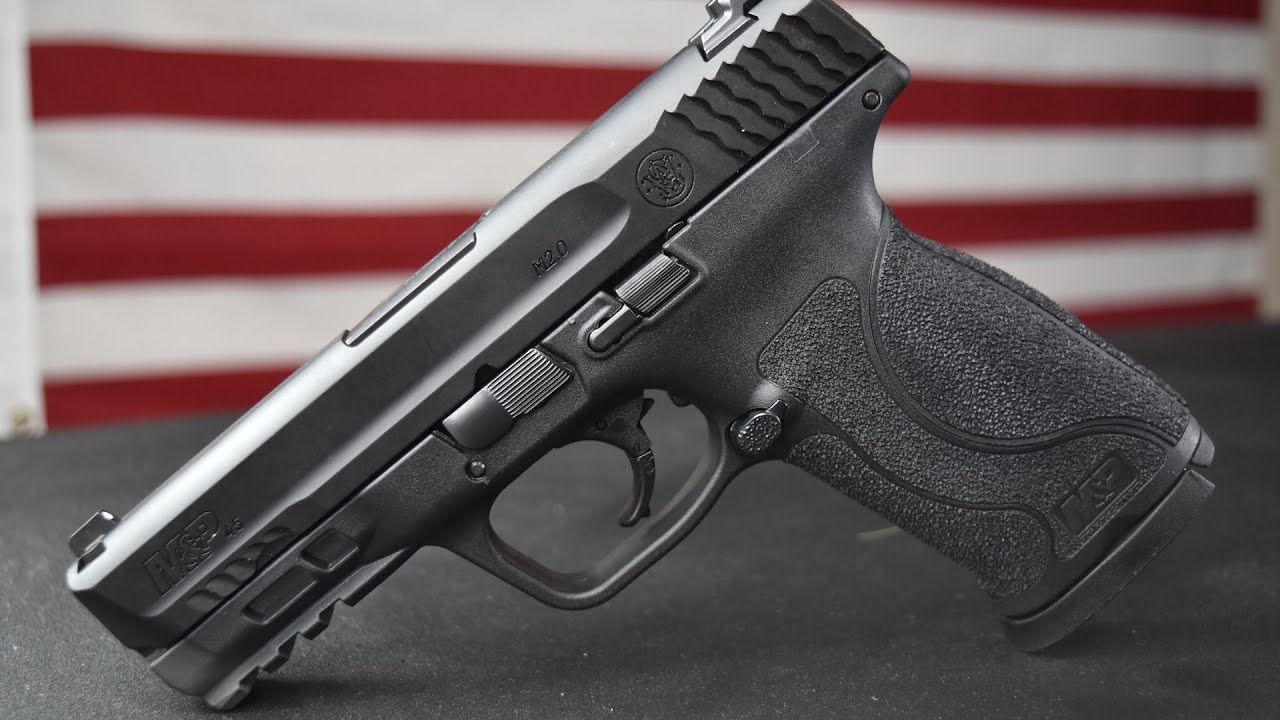
S&W has been through enough corporate history to fill a book. The brand has produced classics and also some “what were they thinking” runs. There have been times where the finish work and small-part feel on some models didn’t match what older revolver guys expect when they hear “Smith.”
Polymer pistols are one thing. Revolvers are another. When a revolver’s timing or trigger feel is off, it’s not an “aesthetic” issue. It changes how the gun shoots and how confident you are carrying it in the woods.
14. Winchester (post-sale shifts in what the name stands for)
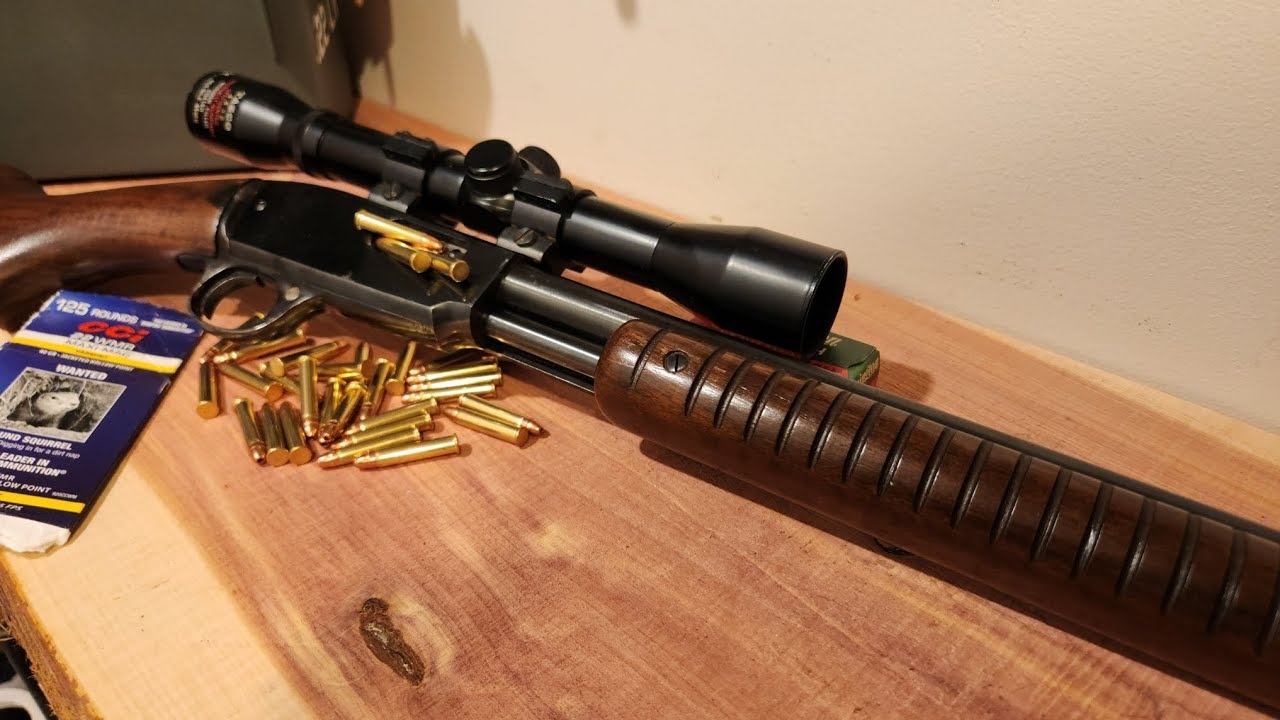
Winchester is tricky because the name lives on across different product categories and partners. The average buyer sees the horse and rider and assumes a straight line back to the glory days. In reality, the quality and “feel” have depended heavily on the exact model and era.
You can still find excellent Winchester-branded guns, but you have to pay attention. When a brand becomes more of a label than a consistent factory identity, the burden shifts to the buyer to sort it out.
15. Browning (later corporate era consistency complaints on specific models)
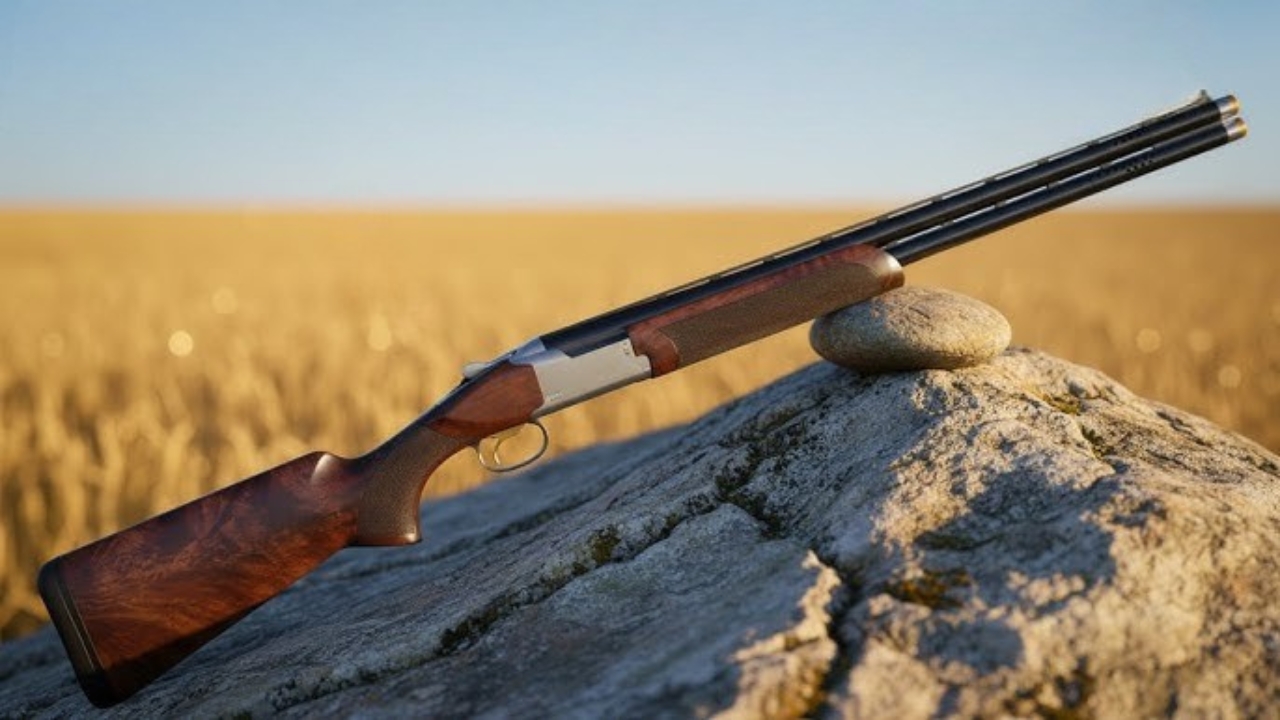
Browning still makes some beautiful, functional guns. But I’ve watched enough hunters get burned by small issues on certain production runs—things like rough chambers, spotty triggers, or finishes that didn’t hold up like older examples—to know the halo effect isn’t automatic.
When you’re paying Browning money, you’re buying confidence. If you have to inspect it like a budget gun, that’s a signal the brand is leaning too hard on reputation. Handle it, shoulder it, and run it if you can before you commit.
16. Mossberg (modern cost-cutting feel on some budget lines)
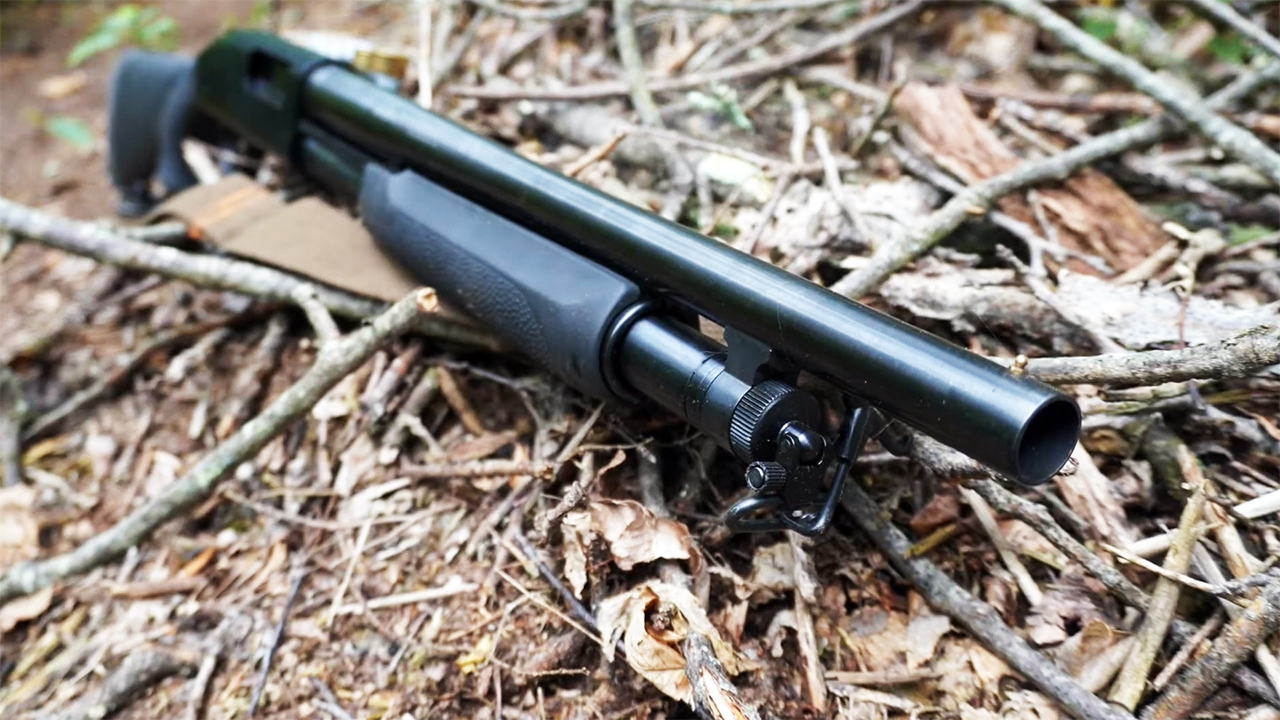
Mossberg earned its keep with shotguns that work in duck blinds and behind truck seats. Some of the newer, cheaper packages feel like they were built to hit a price point first and everything else second. You notice it in rattly forends, rough actions, and coatings that don’t love wet weather.
The higher-end Mossbergs can still be excellent. But if you grab the lowest-priced combo and expect it to feel like Grandpa’s well-worn 500, you might be disappointed. There’s a difference between “simple” and “cheap.”
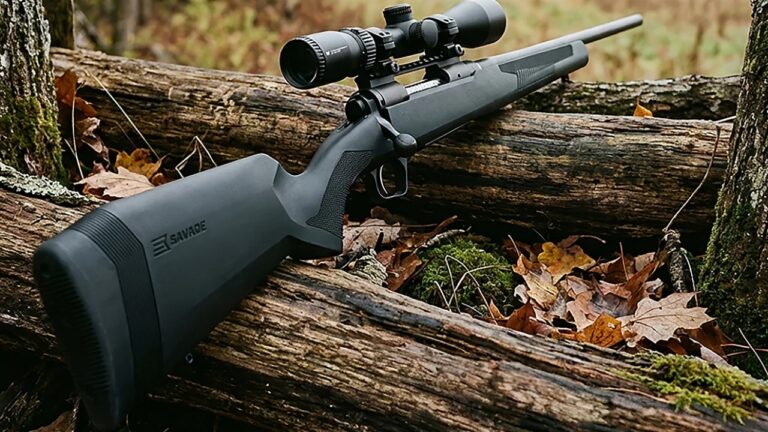
17. Savage (periods of uneven fit/finish as production scaled)

Savage has put a lot of accurate rifles in the woods at fair prices, and I’ll give them credit for that. Still, there have been eras where the rifles shot better than they looked or felt. Rough bolt lift, plastic parts that felt flimsy, stocks that seemed like an afterthought.
For a deer rifle that gets zeroed and carried a few days a year, that might not matter. But when you start running the bolt fast on a cold morning with gloves on, “rough” becomes real. Accuracy is great. So is a rifle that doesn’t feel like it’s fighting you.
18. Henry (growth pains and the “bigger now” tradeoffs)
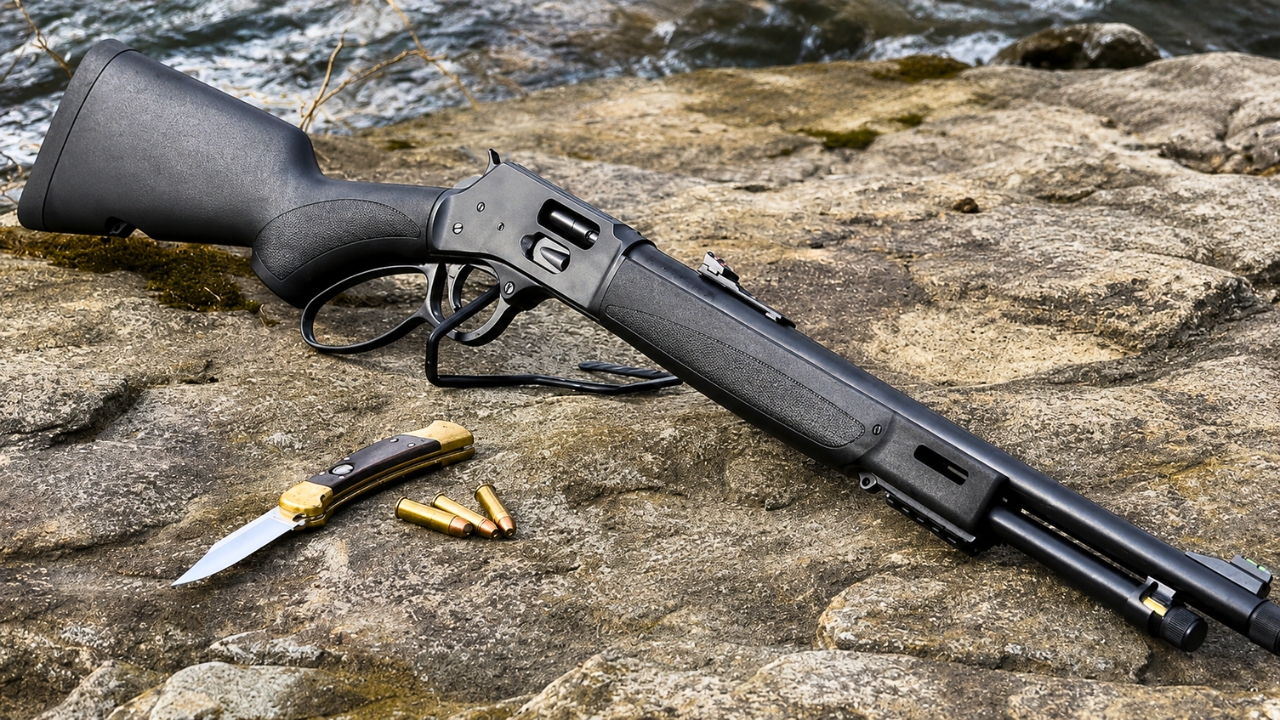
Henry built a reputation on smooth lever actions and good customer service. As the catalog expanded and production scaled, you started hearing more occasional gripes: wood fit not as crisp as it used to be, finish variations, small QC misses that were rarer before.
I’m not calling Henry “bad.” I’m saying this is what happens when a brand goes from loved to huge. The lever-gun crowd notices little things. They also remember when “new Henry” felt like a custom shop compared to the price tag.
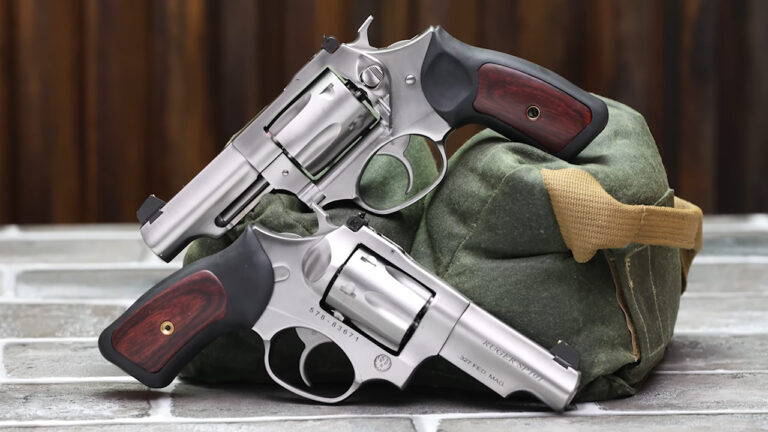
19. Ruger (certain post-expansion lines where “good enough” showed up)
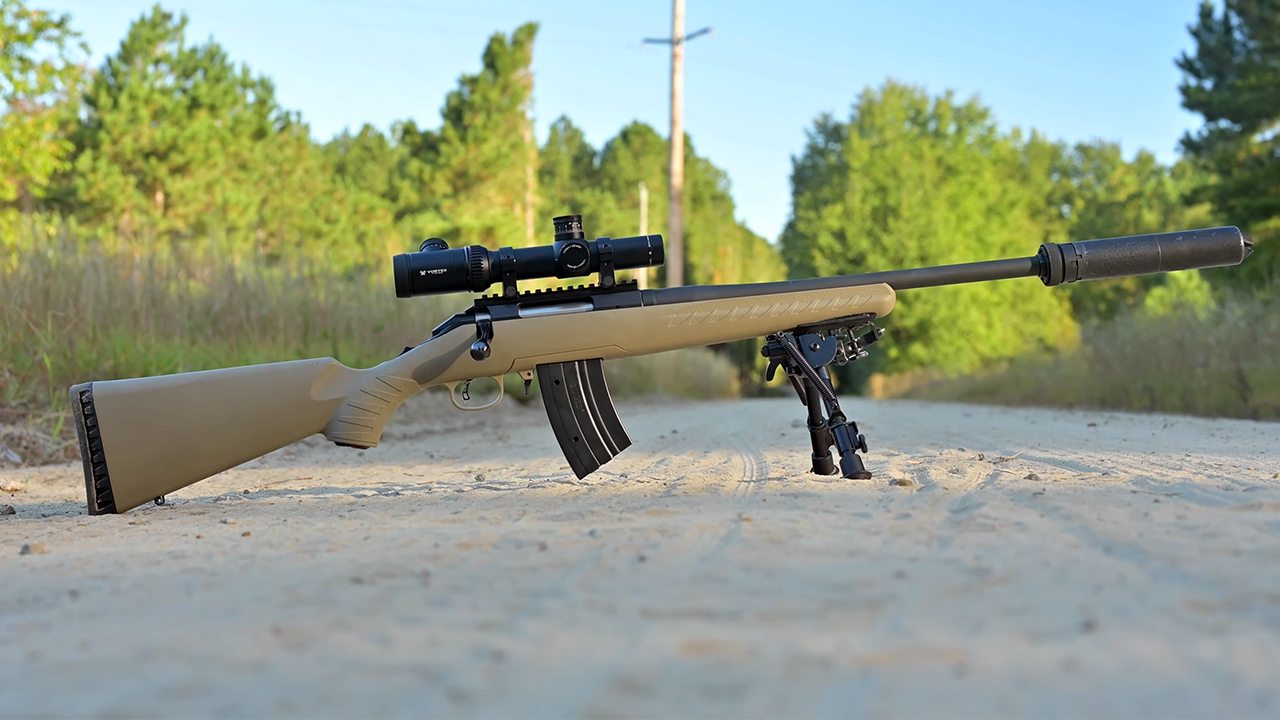
Ruger is one of the most practical American gun companies out there, and a lot of their stuff is still a safe buy. But even Ruger has released models in certain eras that felt like they were rushed or built with a little too much “we can fix it later.” Early production quirks and recalls don’t inspire confidence.
Ruger usually makes it right, and that matters. Still, when you’re heading into bear country or you’ve got a once-a-year tag in your pocket, you don’t want to be thinking about whether your serial number is in the “early run.”
20. Thompson/Center (after corporate acquisition and shifting priorities)

T/C meant muzzleloaders and specialty hunting guns that were actually built for hunters. Later on, the lineup changes and corporate direction shifts made it feel like the brand’s core customer wasn’t always the one steering the ship. Availability, model support, and long-term parts confidence took hits.
Muzzleloaders aren’t range toys for most folks. They’re season-specific tools with deadlines, weather, and tags involved. If a brand loses momentum and support gets thin, it pushes hunters toward companies that look like they’ll still be here with parts in five years.
Here’s the honest takeaway: “Sold” doesn’t automatically mean “ruined,” and “old” doesn’t automatically mean “better.” But when a company changes hands, the first thing I watch is consistency. If the new guns feel like they were built to a spreadsheet instead of a standard, I’m out. For hunters and regular shooters, boring reliability beats flashy features every single time.
Like The Avid Outdoorsman’s content? Subscribe to our newsletter so you never miss an article.
Here’s more from us: