Photo credit: Academy Sports
Every gun counter has the same trap waiting for you. A cartridge name that sounds like it was invented in a marketing meeting. A spec sheet full of feet-per-second and foot-pounds. A photo with a suppressor, a light, and an optic that costs more than the gun. Then you get it into the woods or onto a cold range bench, and the romance fades fast.
This isn’t about “bad guns” across the board. Most of these will run. The problem is expectation. On paper they look like the perfect answer, but in real life they’re loud, picky, heavy, finicky, or just not as useful as you thought once you’re muddy, tired, and trying to make a clean shot or a clean draw. Here are 20 that get a whole lot of hype and end up leaving folks unimpressed when it counts.
1. Remington Model 770

On paper, it’s the working man’s deer rifle: scoped package, common calibers, cheap enough that you don’t feel bad about scratches. In the field, the weak link is usually the same stuff you notice on day one—rough bolt lift, a trigger that feels like it’s dragging a cinder block, and a general “this is disposable” vibe.
Plenty will kill deer inside normal woods ranges. But if you actually shoot it enough to trust it, you start noticing wandering groups and a scope that’s more “included” than “good.” For a rifle you might carry all day in the rain, confidence matters more than a low sticker price.
2. Ruger Mini-14 (older thin-barrel models)

The idea is perfect: handy .223 carbine that looks more “ranch rifle” than “black rifle.” In reality, the older thin barrels can heat up quick, and the groups open up right when you’re trying to confirm a zero or stretch it a little.
It carries great and points fast, which is why folks want to love it. Then they find out magazines aren’t always cheap, accuracy can be a coin flip depending on vintage, and “two-inch gun” turns into “four-inch gun” once it’s warm.
3. Smith & Wesson Governor
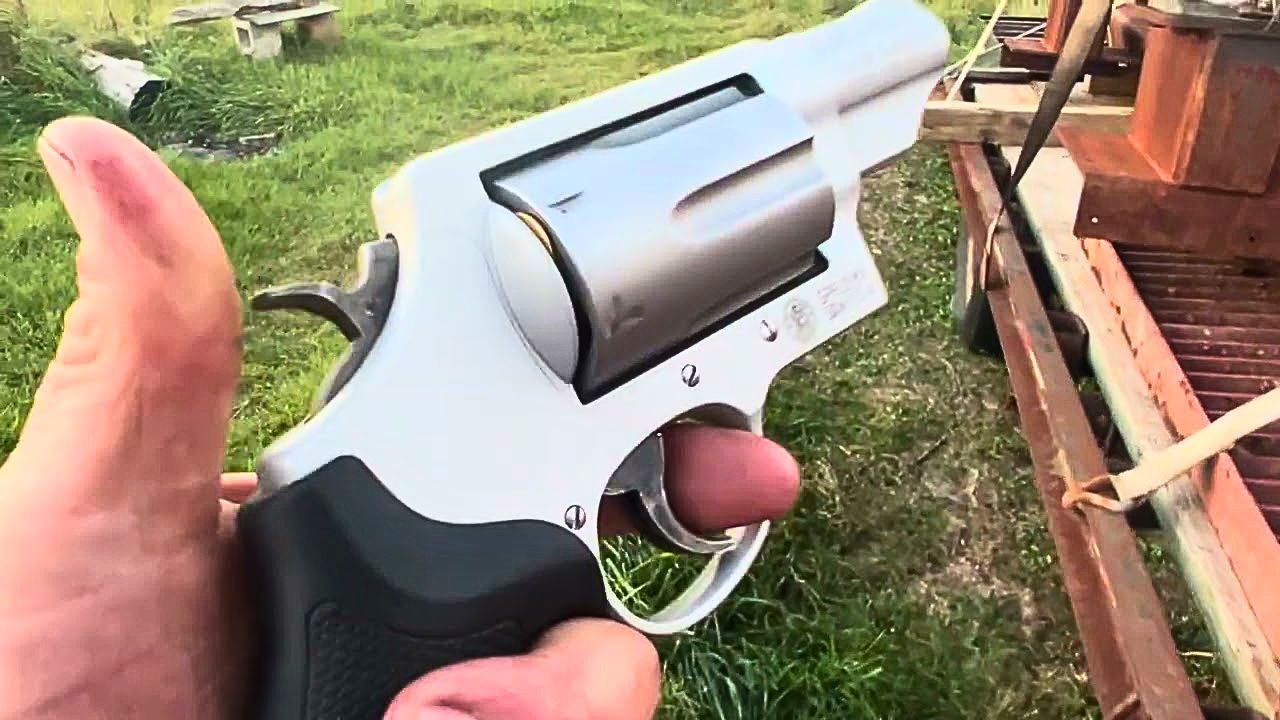
.410 shotshells, .45 Colt, and .45 ACP all in one wheelgun sounds like the ultimate do-everything kit. What it really becomes is a compromise machine with a big cylinder, chunky carry, and recoil that doesn’t match the fantasy.
The .410 defensive hype doesn’t look as impressive after you see real patterns at realistic distances. And with .45 Colt, you’ve got potential, but most folks end up shooting mild loads because full-power stuff is unpleasant in that platform.
4. Taurus Judge
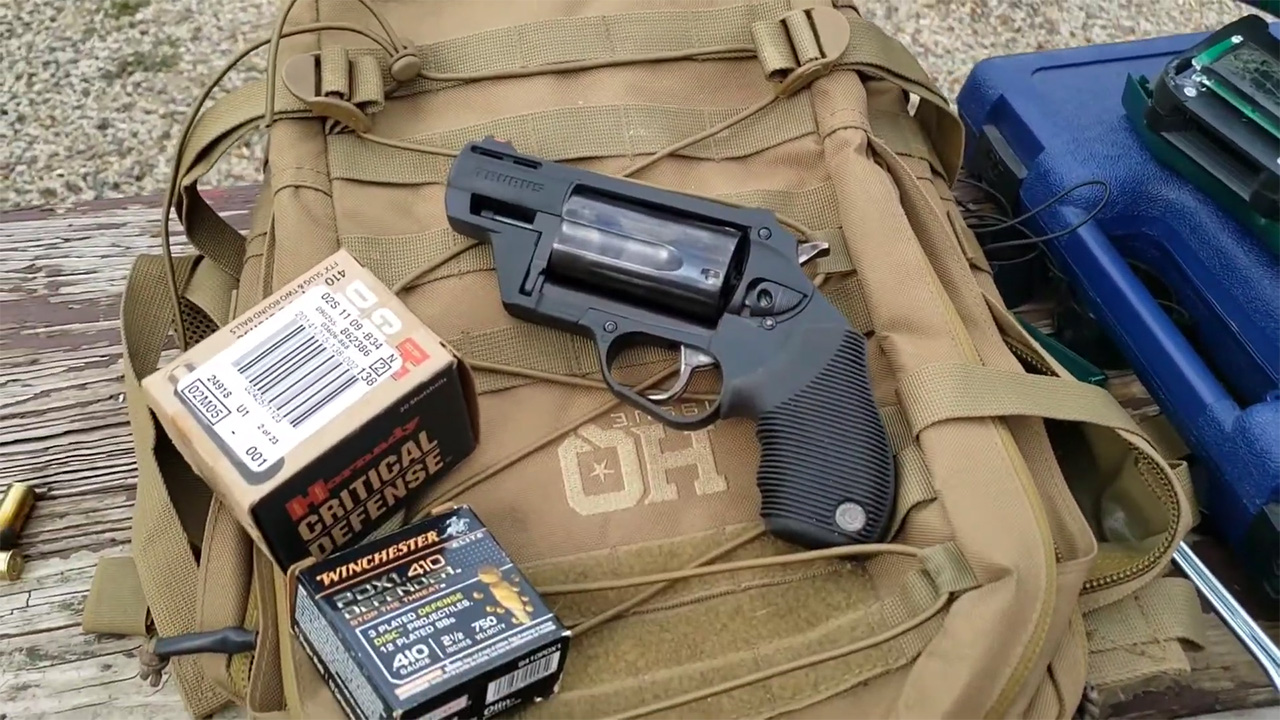
Same basic story as the Governor, and it sells for the same reason: it sounds like a problem-solver. In the woods, the long cylinder and odd balance make it feel bigger than it needs to be, and it’s not exactly something you forget is on your hip.
It can be fun, and it can work for very specific tasks. But the “one gun for snakes, coyotes, and bad guys” pitch fades when you’re left with bulky holster issues and ammo choices that always feel like a trade.
5. Kimber Solo Carry

Micro 9s are supposed to be the sweet spot. The Solo looked like a premium answer—small, clean lines, big-name branding. In the real world, a lot of them turned out to be picky about ammo and magazines, which is a dealbreaker for a pistol you’re betting your life on.
When a carry gun only likes certain loads, it’s not “refined.” It’s fussy. If you’re going to spend that money, you want boring reliability, not a personality.
6. Remington R51 (second generation)
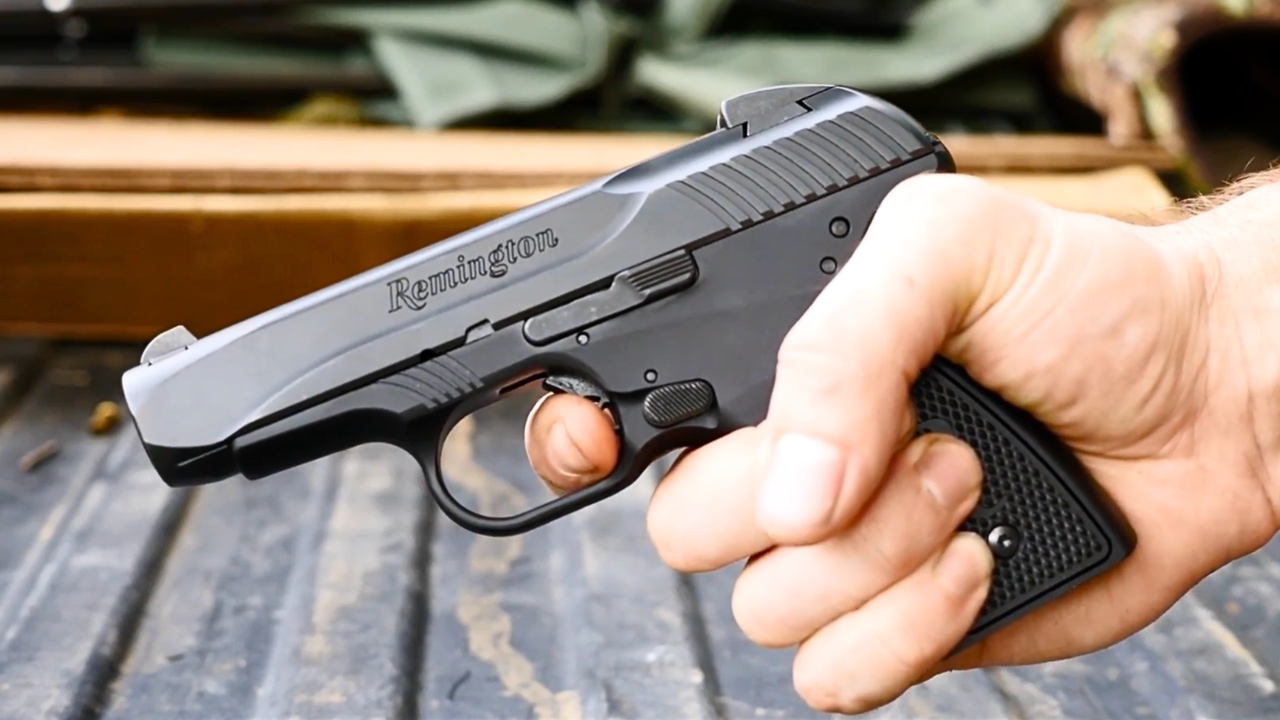
The R51 came back with big promises and a cool story. On paper, it’s slim, innovative, and points like a dream. The field experience for many owners has been a mix of teething issues, hard-to-find support, and a nagging feeling that you’re beta-testing.
I get why people wanted it. But when parts, mags, and consistent performance aren’t a sure thing, it turns into a safe queen fast.
7. Springfield Armory XD-S (first generation)
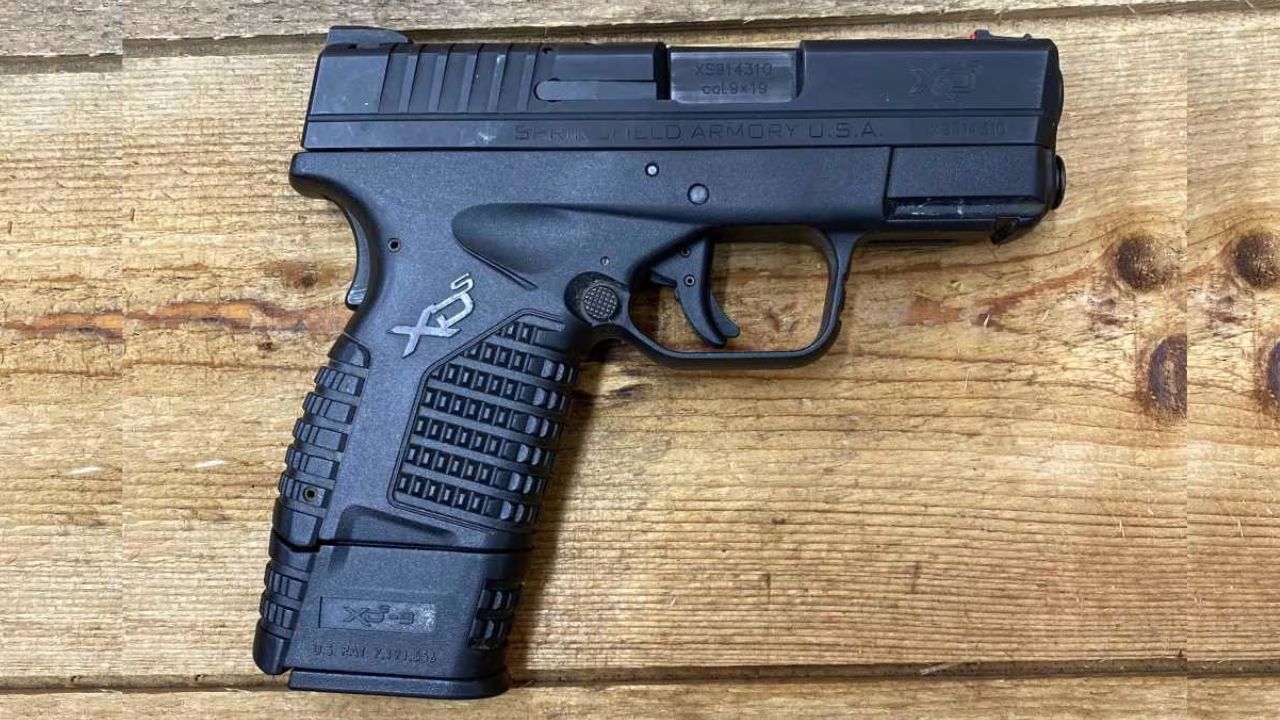
Single-stack carry pistols were the hot thing for a while, and the XD-S felt like a serious option—good sights, decent trigger, slim profile. Then reality showed up: snappy recoil in the lighter calibers, and a grip that some hands just don’t love under stress.
It’s not that it can’t be carried. It’s that a lot of folks shoot it worse than they shoot slightly larger guns, and they don’t discover that until after the honeymoon.
8. Glock 43 (as a “do everything” carry gun)
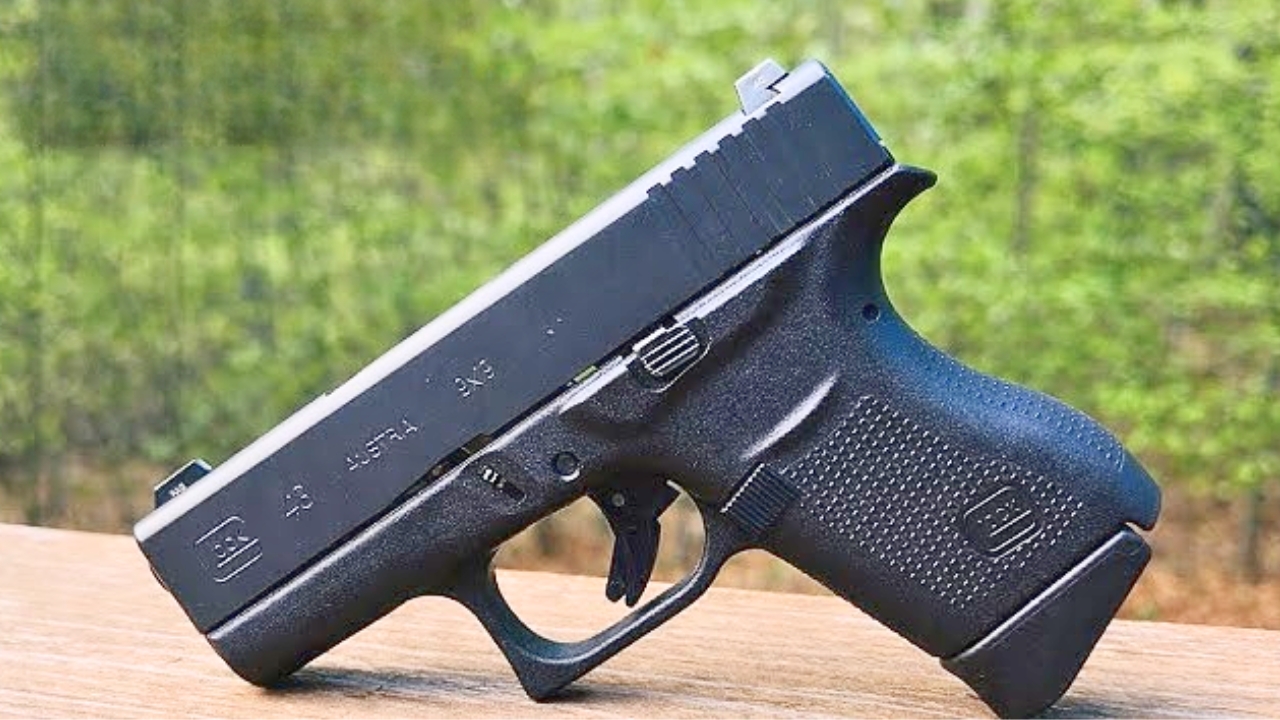
The 43 looks perfect in a spreadsheet: thin, simple, Glock reliable. In actual use, the capacity and shootability trade-offs become real, especially for folks who don’t train a ton.
It carries beautifully. It also demands more discipline on grip and recoil control than many want to admit. If you shoot it well, great. If you don’t, it’s a frustrating little brick that makes you dread practice.
9. SIG Sauer P365 (early production)
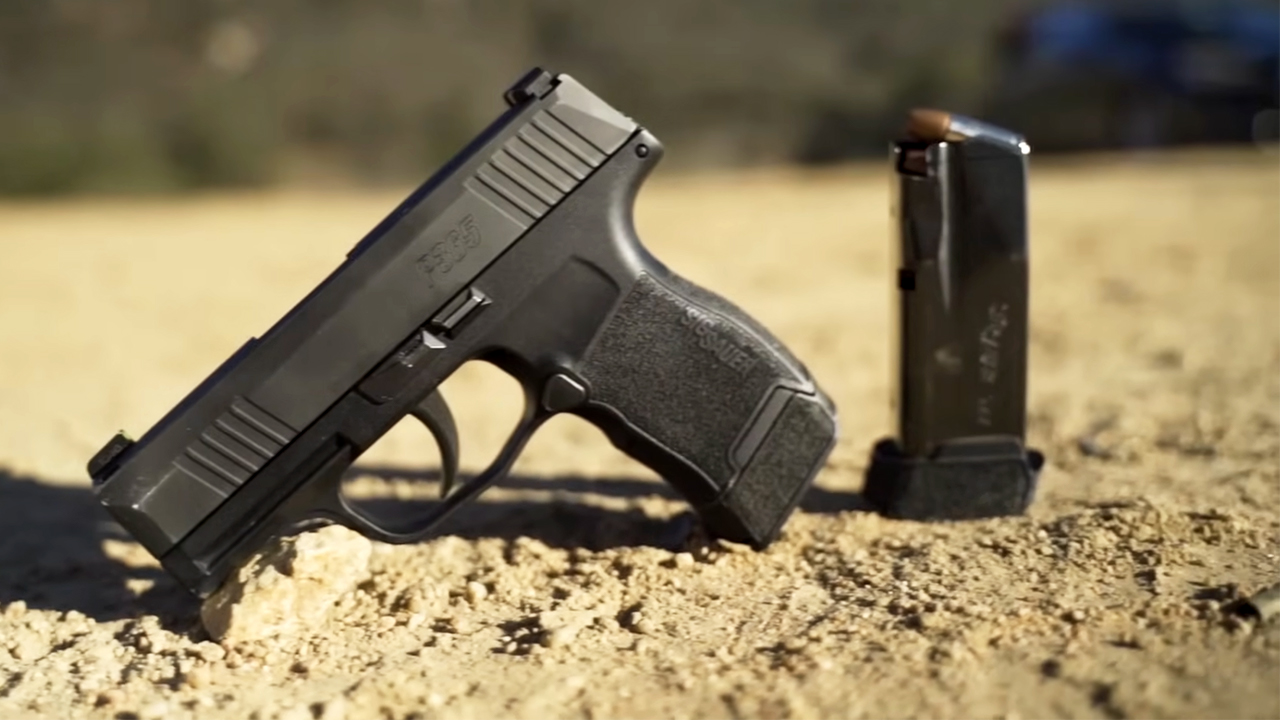
The P365 changed the carry game, no question. Early on, though, the growing pains were real enough that it left a sour taste for some owners who bought into the “revolution” before it settled down.
In the field, a carry gun has to be predictable. If you were one of the early buyers who had to chase reliability confidence, you know why a lot of folks waited and later bought a newer one instead.
10. Colt Double Eagle
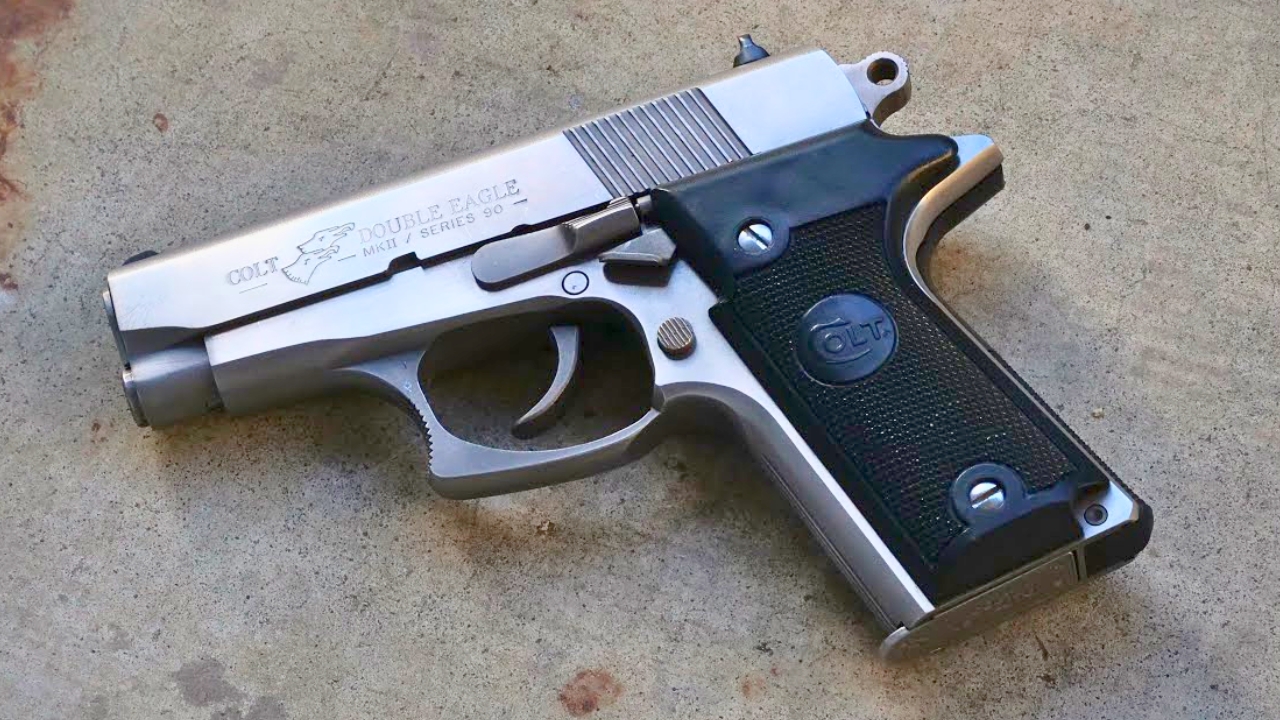
A double-action Colt .45 sounds like a winner for someone who wants a classic brand with modern-ish function. In practice, the Double Eagle is bulky, not especially beloved for ergonomics, and support is not what it is for a 1911.
It’s one of those guns that reads better than it lives. If you’ve got one that runs, fine. If you need parts or magazines and want to actually carry it, the charm wears thin.
11. Desert Eagle Mark XIX

Everybody wants to shoot one. Almost nobody wants to pack one. The big magnum semi-auto vibe is cool until you realize it’s heavy, loud, expensive to feed, and not what you want on your belt hiking fence lines.
It’s a range event, not a field tool. Ask me how I know: the fun-to-effort ratio drops hard after the first couple magazines.
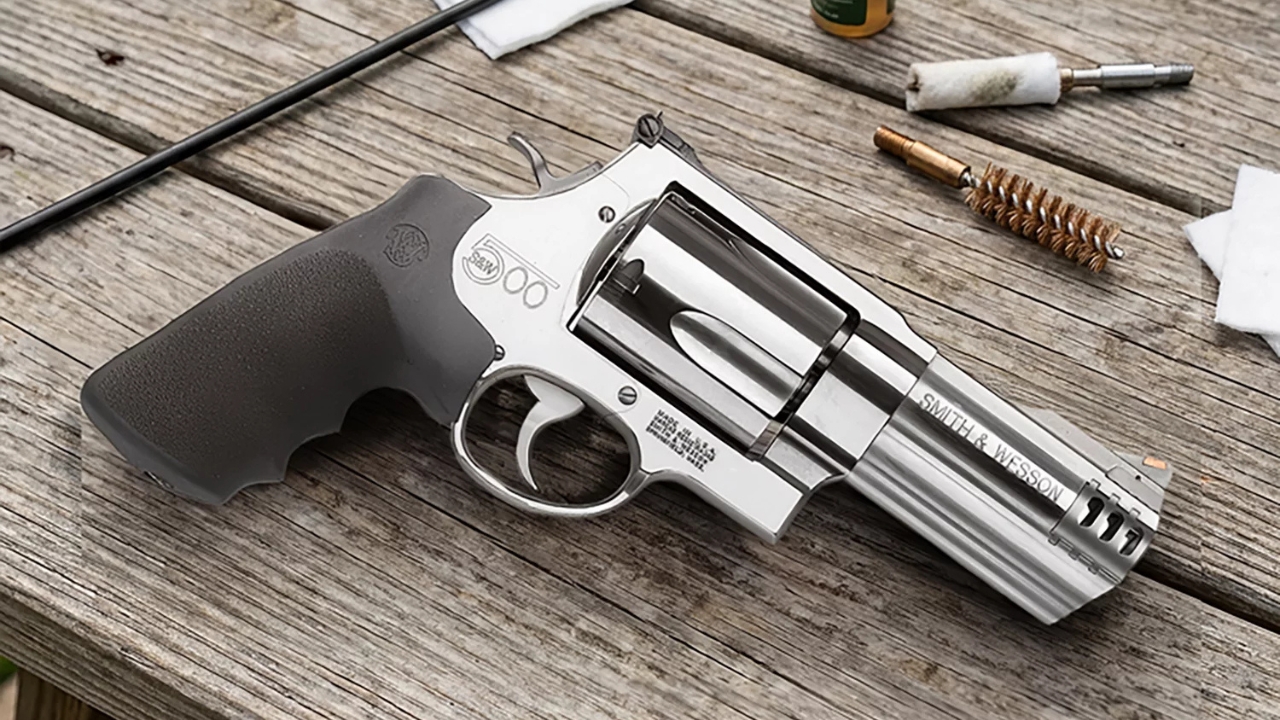
12. Smith & Wesson Model 500 (short barrel)
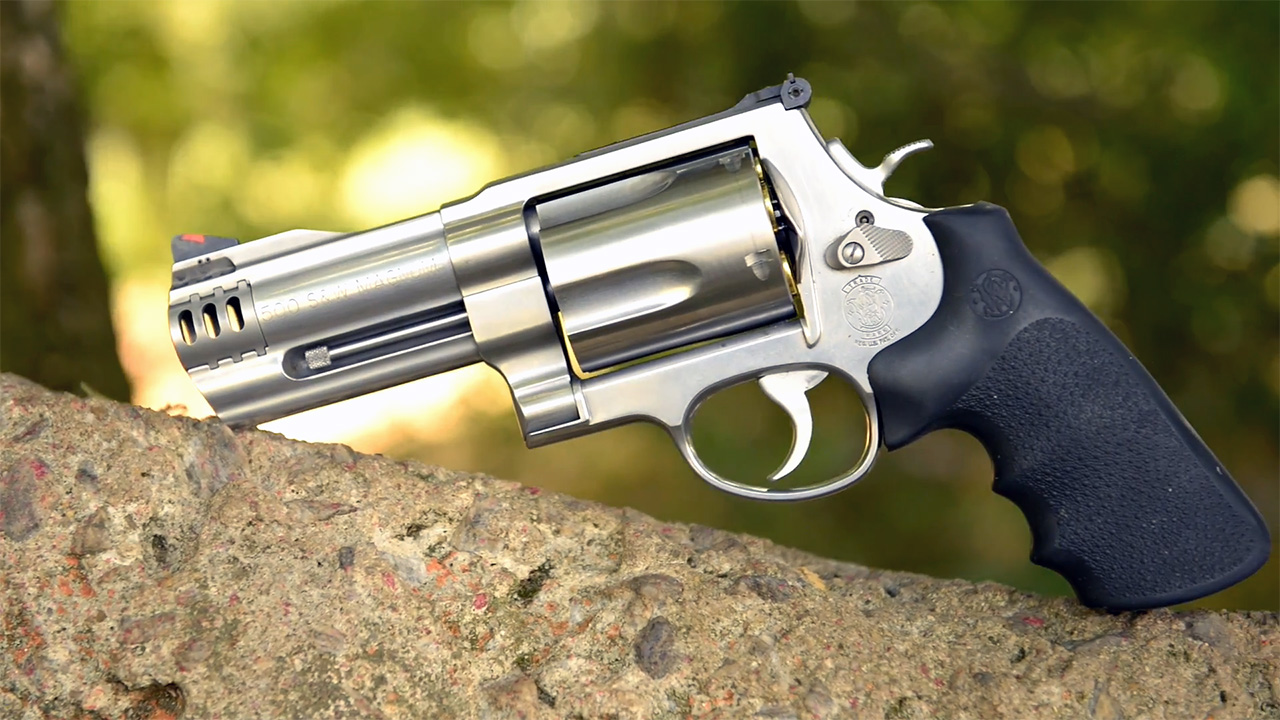
“Most powerful handgun” makes for great bragging rights. In the real world, the short-barreled versions are a handful in every sense—recoil, blast, weight, and the way they punish bad form.
Can it be used for hunting? Sure, with the right shooter. But for most folks, it becomes an expensive reminder that power you can’t place accurately is just noise and flinch training.
13. Henry Big Boy X Model in .410
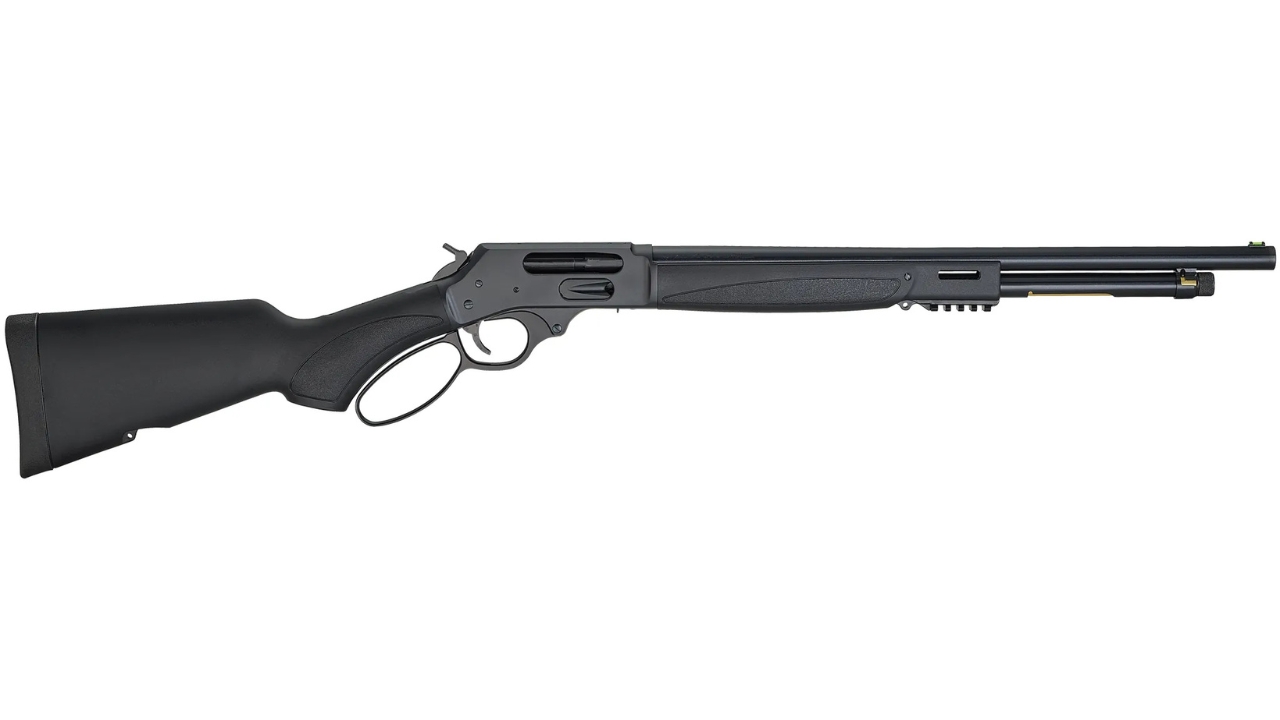
A lever gun that runs .410 shells sounds like the ultimate squirrel-and-snake rig. In the field, .410 is picky: shot payload is limited, patterns can be thin, and your margin for error is smaller than you want when a rabbit is slipping through brush.
It’s handy, and it’s fun. But a lot of guys end up wishing they’d gone .22 LR for small game or a 20 gauge for real shotgun work instead of trying to make .410 be everything.
14. Rossi Circuit Judge
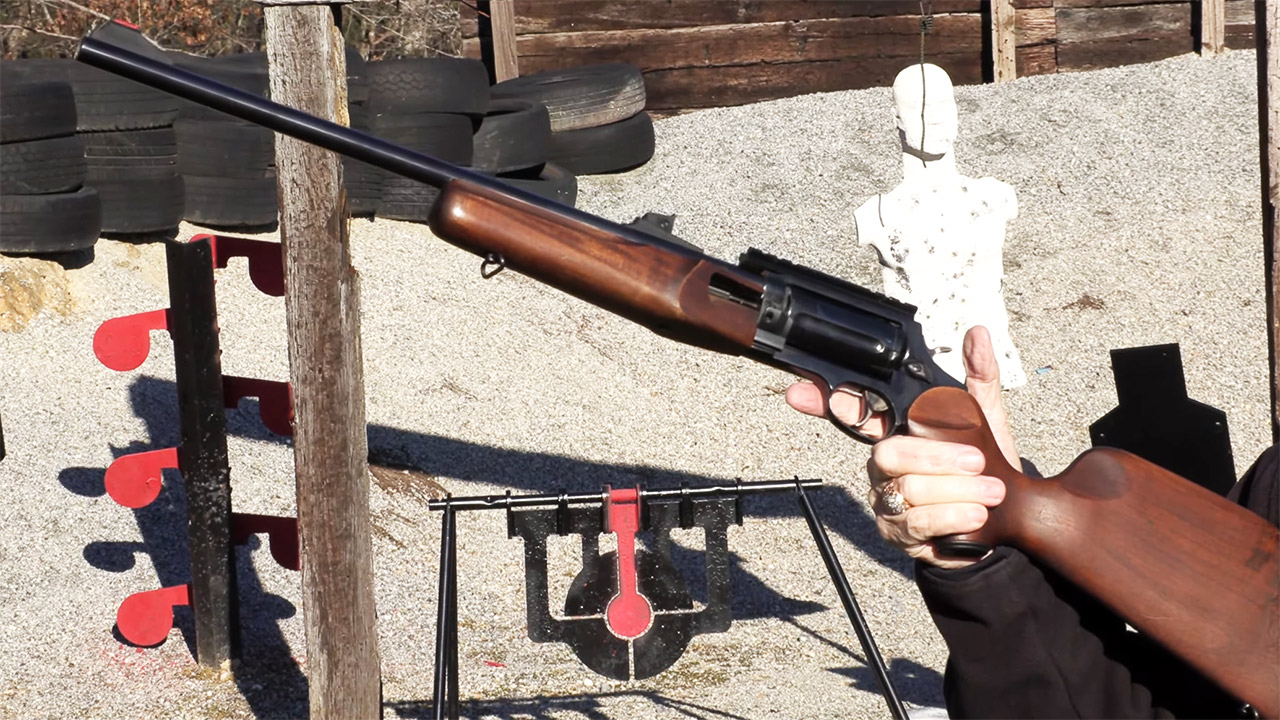
A carbine version of the Judge concept seems like it should fix the accuracy and handling issues. It helps some, but it still leans hard on the same compromises—mixed ammo performance, odd ergonomics, and “kind of good at several things” instead of “great at one.”
It’s the definition of sounding perfect in camp talk. Then you’re trying to get consistent patterns or consistent groups and you start eyeing more normal options.
15. Mossberg 930 SPX

On paper, an affordable semi-auto defensive shotgun is a slam dunk. In the field, the 930 platform can be sensitive to maintenance and ammo selection, and that’s not what you want when the whole point is “it runs no matter what.”
When they’re clean and set up right, they can be solid. But mud, cheap shells, and neglect are real life. A pump gun forgives more.
16. Remington Versa Max (as a hard-use hunting shotgun)

The Versa Max can shoot soft and run fast, and it earned fans for that. The disappointment comes when folks expect it to be as simple to live with as an old 870, then realize it’s a bigger, more complex semi-auto with more to keep track of.
If you baby it, it’s great. If you’re the guy who hunts in freezing rain and tosses the gun behind the truck seat, the shine wears off.
17. Savage B.MAG in .17 WSM
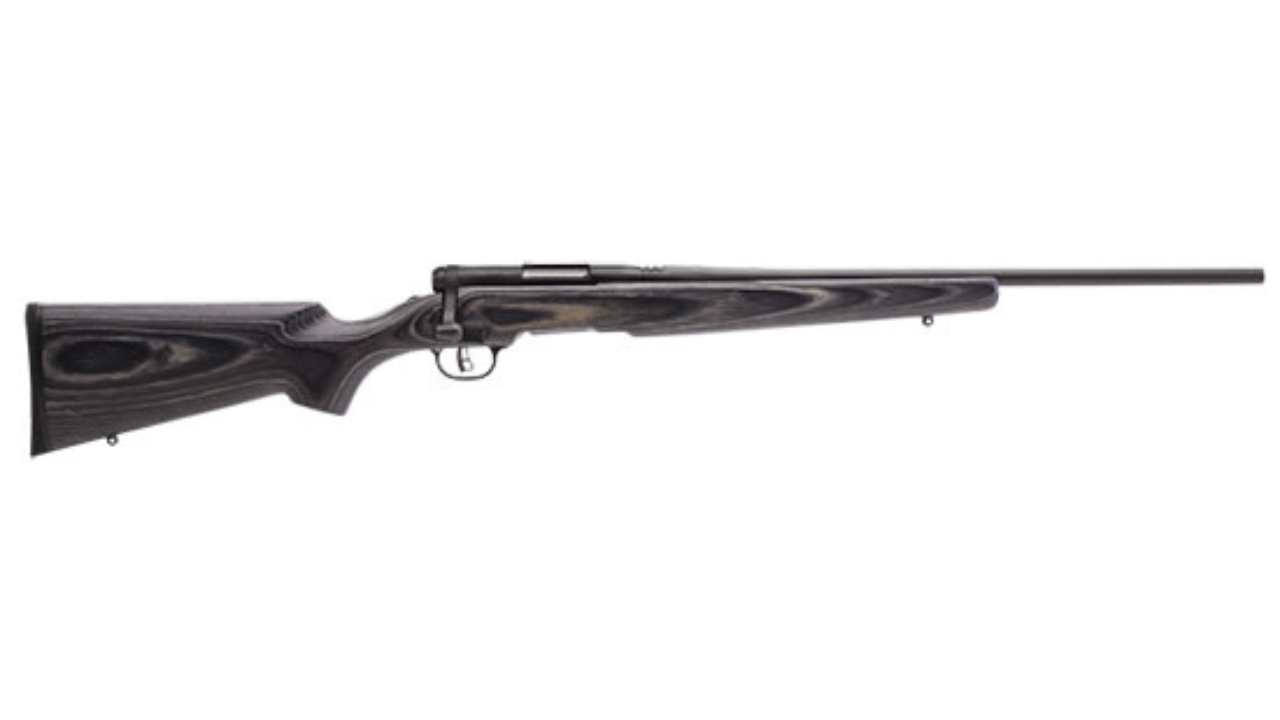
.17 WSM looks awesome on paper—flat, fast, and “rimfire magnum” sounds like a cheat code for varmints. In reality, ammo availability and consistency have been a sore spot, and the rifles themselves often feel more utilitarian than the price and hype suggest.
When it shoots, it’s impressive. When you’re hunting and can’t find the load it likes, it’s just a neat idea that doesn’t help you today.
18. .224 Valkyrie in a budget AR-15
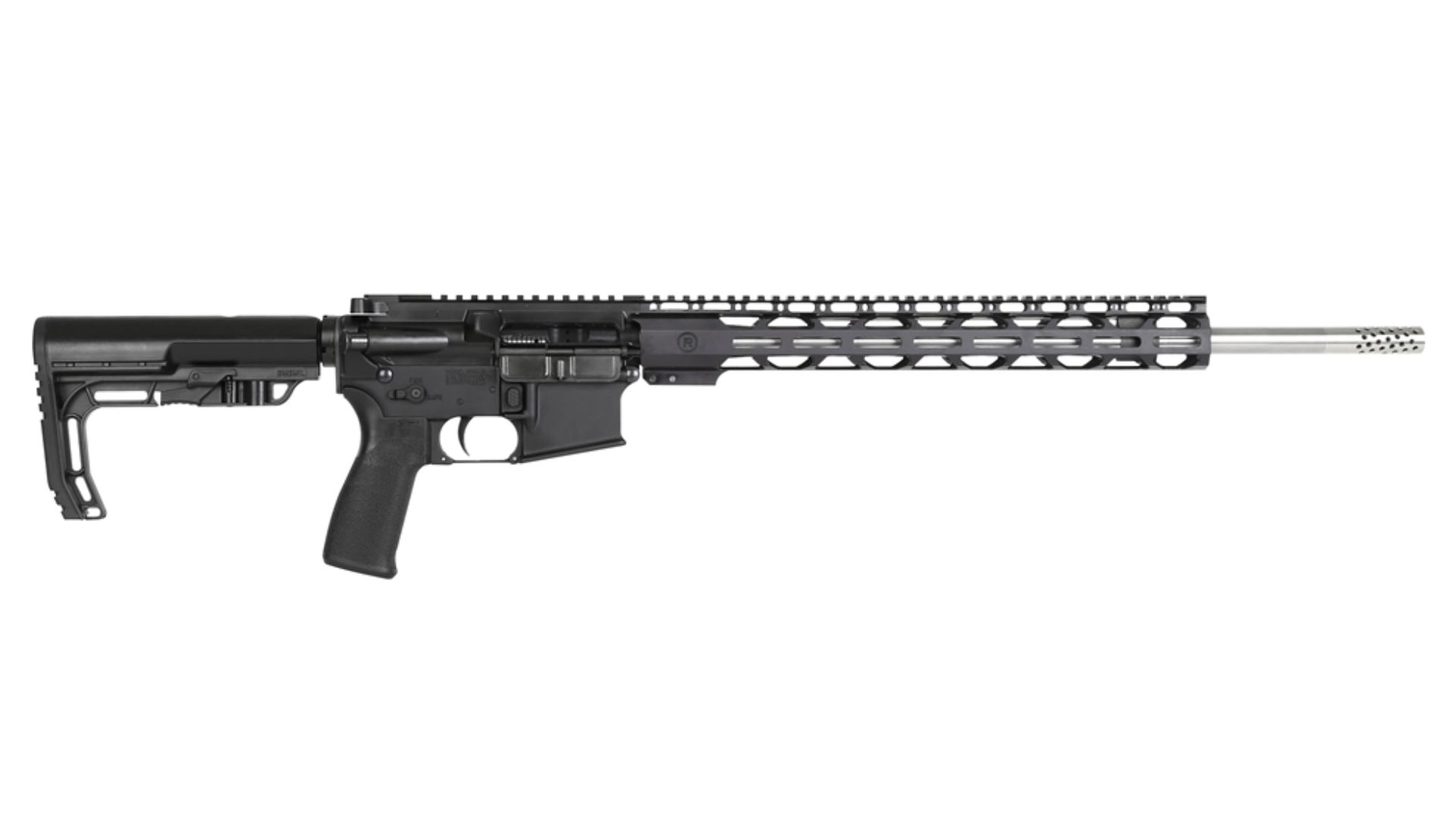
High BC bullets and long-range talk made the Valkyrie sound like the easy button. Then folks built or bought “good enough” uppers and found out quick that it’s not a magic cartridge when the barrel, twist, and ammo don’t line up.
It can be excellent. But it’s not forgiving, and it doesn’t deliver the promised results if you treat it like bulk 5.56. A lot of shooters ended up back on 5.56 or jumped to a larger-frame AR cartridge instead.
19. Freedom Group-era Marlin 1894 (inconsistent production years)

A .357 or .44 lever gun is about as field-practical as it gets—truck gun, woods gun, camp gun. The disappointment here isn’t the design; it’s when you land one from a rough production window and fight feeding issues, rough machining, and sights that don’t feel centered.
That one hurts because a good 1894 is a lifetime rifle. A bad one makes you think you don’t like lever guns, when really you just bought a problem.
20. Barrett M82A1
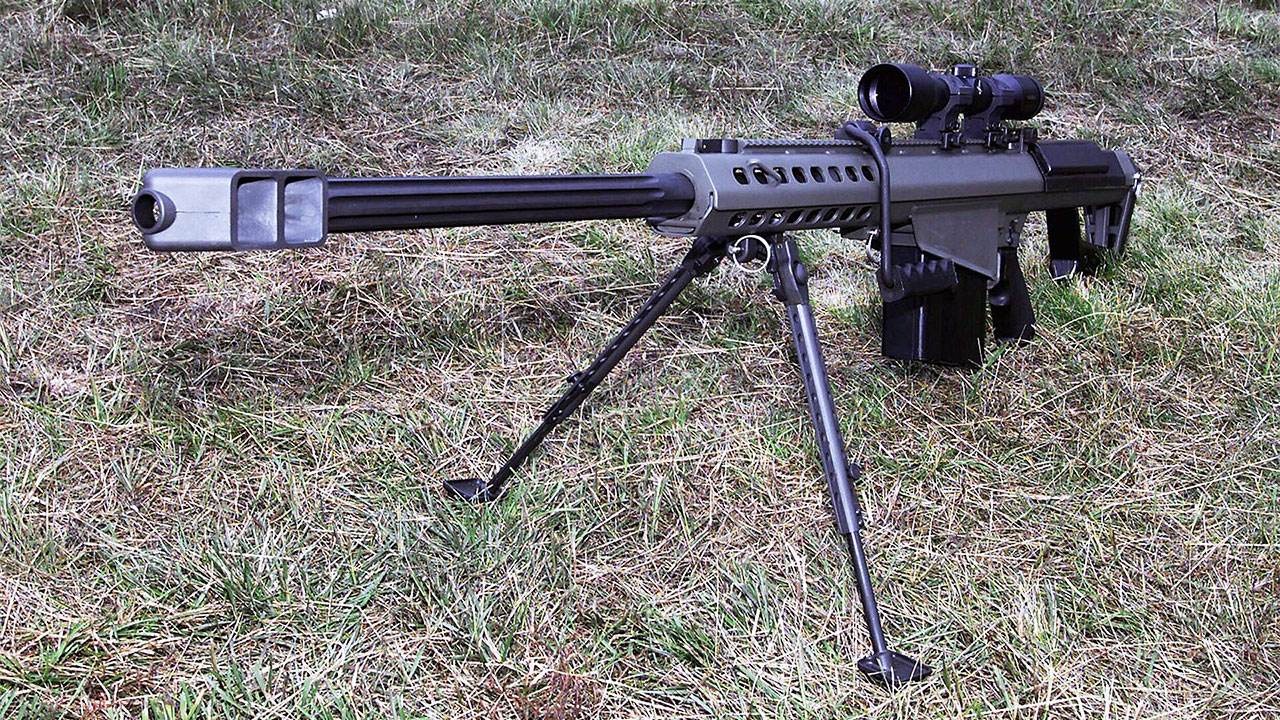
The big .50 is the ultimate “sounds powerful” gun. And it is. But once you get past the poster-on-the-wall stage, most folks realize it’s a specialized tool with specialized costs—ammo, range access, transport, maintenance, and the plain fact that not many places let you stretch it out.
It’s heavy, loud, and it draws attention everywhere it goes. If you’ve got the land, the budget, and the need, fine. If not, it becomes a very expensive safe ornament you take out to impress buddies twice a year.
None of this is meant to shame anybody for buying what they like. I own a few “because I wanted it” guns myself. But if you’re shopping for something that will actually earn its keep—carry daily, ride the truck, hunt hard, or sit by the bed—start with the boring question: will I practice with it, can I feed it, can I maintain it, and will it still make sense when the new wears off? That’s where the real power is.
Like The Avid Outdoorsman’s content? Subscribe to our newsletter so you never miss an article.
Here’s more from us: