Photo credit: Saxon Arms of Kent/Youtube
If you only hunt once a year, Alaska has a way of exposing every weak link in your setup. It’s not just the weather, the wet brush, and the long hikes. It’s the pressure. You saved up, you booked time off, you got one tag and one window, and now your rifle has to run like it’s done this a hundred times—even if you haven’t.
Guides up there tend to steer “once-a-year” hunters toward rifles that are boring in the best way. Common parts. Common magazines. Common calibers. Actions that feed when they’re dirty and cold. Stocks that don’t turn into a wet noodle. And enough weight to shoot well from field positions without being a boat anchor on a ridge. Here are 20 rifles I keep hearing come up when the conversation gets real.
1. Tikka T3x Lite
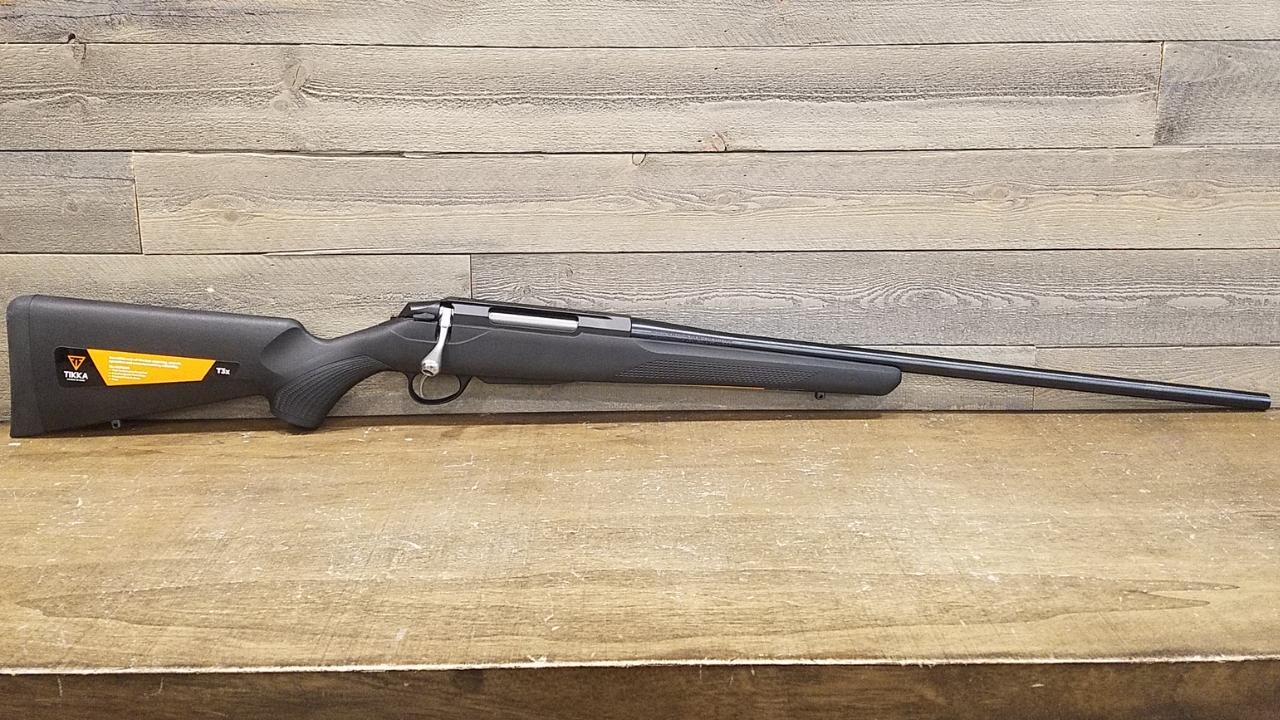
If you’ve ever watched a guy show up with a rifle he “still needs to break in,” you know why guides like Tikkas. The T3x tends to shoot right out of the box, and the action feels like it’s on bearings even when it’s gritty. That smooth feeding matters when you’re trying to stay calm with a bull in the willows.
The factory magazine system isn’t everyone’s favorite, but it’s reliable, and spares are easy enough to track down if you plan ahead. For a once-a-year hunter, a T3x in .308, .30-06, or .300 Win Mag is about as close as you get to “set it and forget it.”
2. Tikka T3x Superlite
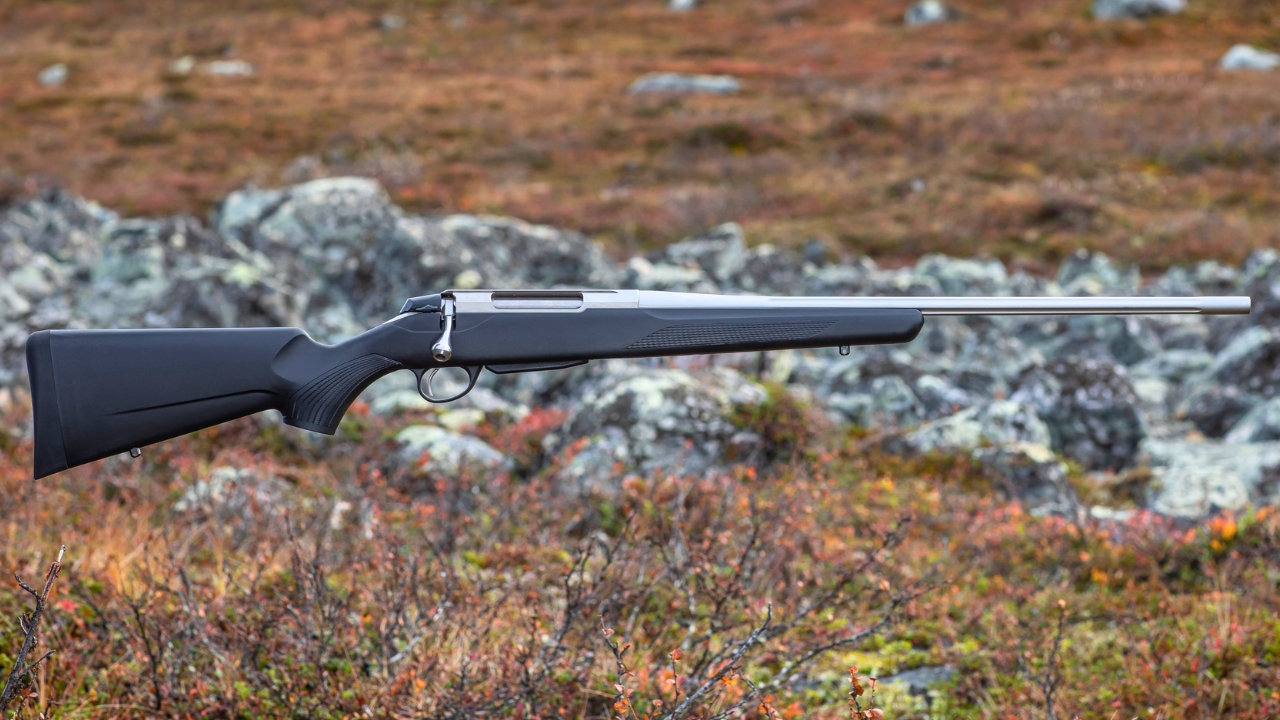
The Superlite carries like a dream, especially for hunters who aren’t in “packing moose quarters” shape. It’s the kind of rifle you don’t hate by day three. The tradeoff is it can be snappy in the magnums, and I’ve seen folks develop a flinch fast when they rush range time.
In a sensible chambering, it’s a great choice. If you’re recoil-sensitive, don’t try to prove something on a once-a-year trip. Pick a cartridge you can practice with and actually shoot well when you’re breathing hard.
3. Browning X-Bolt Speed

The X-Bolt is one of those rifles that points naturally for a lot of shooters, and the short bolt lift helps when you’re running it fast without coming off the stock. It also tends to have solid fit and finish, which is not just a vanity thing when everything is wet and gritty.
The rotary magazine is slick and feeds well, but it’s also one more proprietary part you don’t want to lose in a cabin or the bottom of a pack. Bring a spare mag and keep it in the same pocket every time. Ask me how I know.
4. Browning X-Bolt Hell’s Canyon Speed
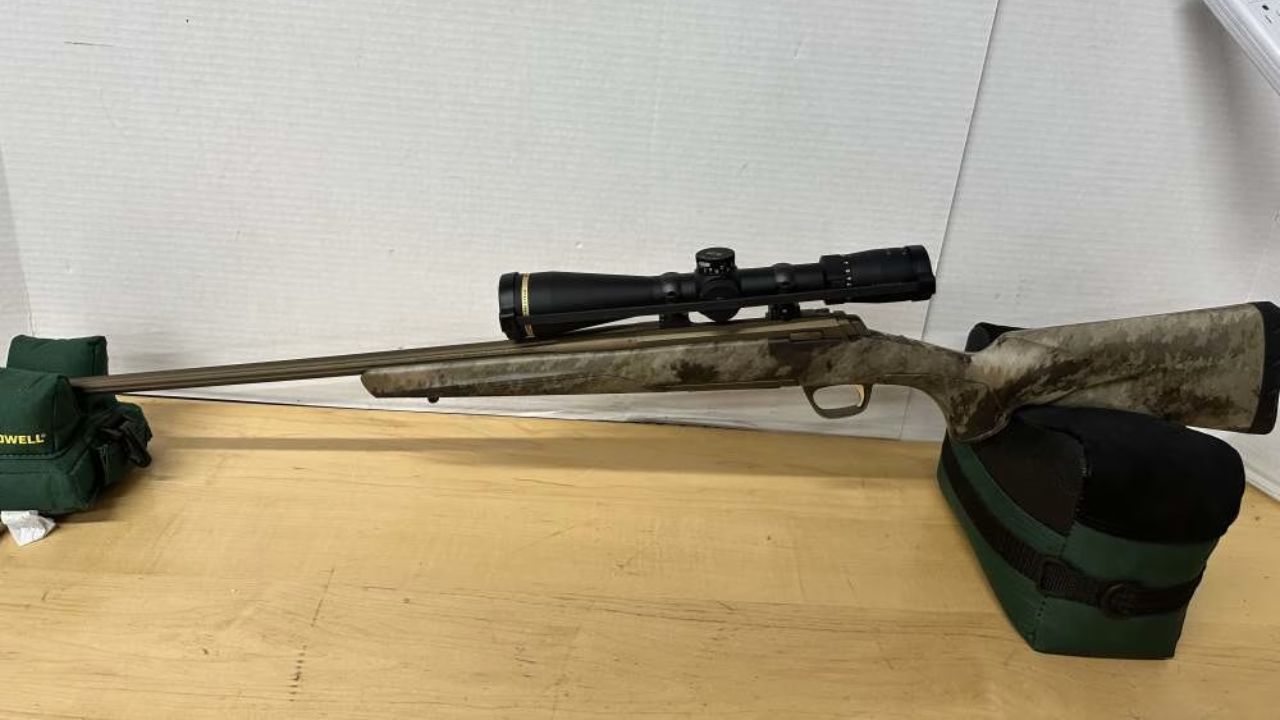
This one shows up a lot because it’s a ready-to-hunt package: weather-resistant finish, decent recoil pad, and a stock that doesn’t feel like a two-by-four. A lot of “once-a-year” hunters don’t want to tinker, and guides don’t want them tinkering either.
It’s not cheap, but neither is flying to Alaska. If you’re going to spend money somewhere, spend it on something that won’t rust the first time you leave it in a wet soft case overnight.
5. Winchester Model 70 Extreme Weather SS
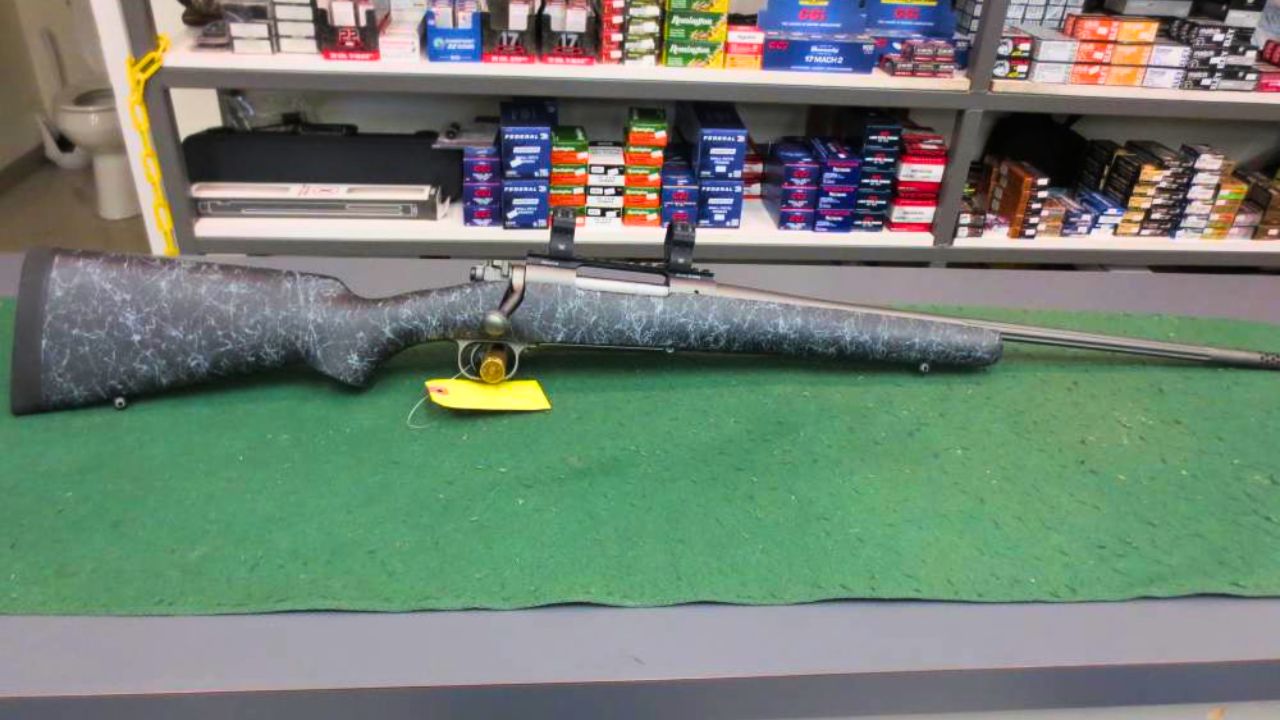
If a guide says “controlled-round feed,” this is usually what they mean. The Model 70’s claw extractor has a reputation for hanging onto a case when things get rough, and that matters when you’re cycling from odd angles in brush.
It’s not the lightest option, but it carries well on a sling and settles into shooting sticks without feeling whippy. It’s an old-school answer, and sometimes old-school is exactly what you want.
6. Winchester Model 70 Alaskan

The Alaskan variant exists for a reason. It’s built for ugly weather and hard use, and it feels like a rifle you can lean against a raft frame and not baby. That mindset is healthy on a guided hunt where you’re climbing in and out of boats and trucks.
Chamber it in something sane and proven. .30-06 is still there for a reason. So is .300 Win Mag, if you can actually shoot it well.
7. Ruger Hawkeye Alaskan

Ruger’s Hawkeye line has a “just works” feel, and the Alaskan version is aimed straight at wet-country hunters. The controlled-round feed setup is confidence-inspiring when you’re working the bolt fast and not thinking about mechanics.
Rugers aren’t always the lightest, and some triggers feel like they were designed by a committee. But guides like rifles that don’t act precious, and this one doesn’t.
8. Ruger American Rifle (Gen II)
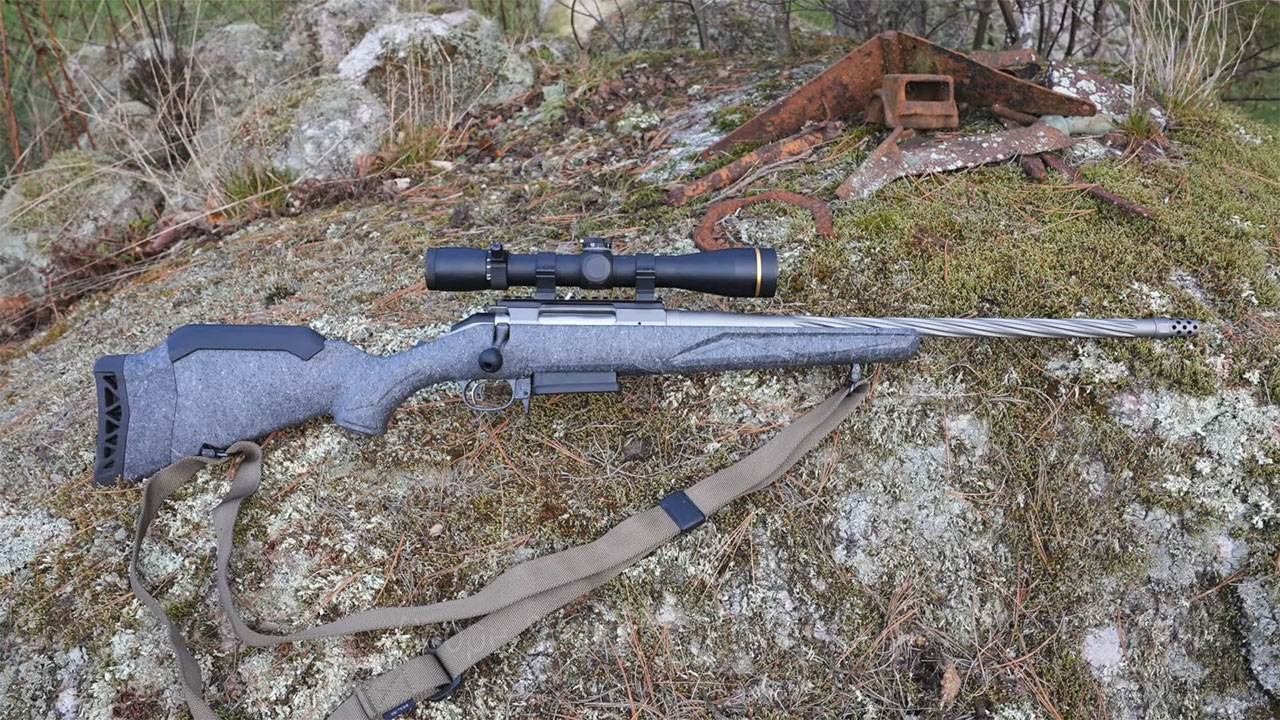
This is the “you spent your money on the trip, not the rifle” pick. The Ruger American isn’t fancy. The stock is still a stock, not a piece of art. But the newer versions have improved feel, and they tend to shoot better than they have any business shooting for the price.
If you’re a once-a-year hunter, the real win is you can afford ammo and practice. Put a reliable scope on it, confirm your zero, and stop chasing internet groups.
9. Savage 110 Ultralite

The 110 Ultralite is for the hunter who wants to save ounces but still wants a grown-up rifle, not a toy. The balance is usually good, and the AccuTrigger system can be set up to be clean and predictable without going crazy.
Where guys get into trouble is picking too much cartridge in too little rifle. If you go ultralight, be honest about recoil and follow-through. Alaska doesn’t reward bad shooting habits.
10. Savage 110 Storm

This is a no-drama stainless workhorse, and stainless makes sense when you’re dealing with salt air, rain that never stops, and wet gloves all day. The 110 action has been around forever, and parts and service aren’t exotic.
It’s not the sexiest rifle at the check-in counter, but it’s the kind of gun that shows up, gets used, and goes home without a story. That’s a compliment.
11. Remington 700 SPS Stainless
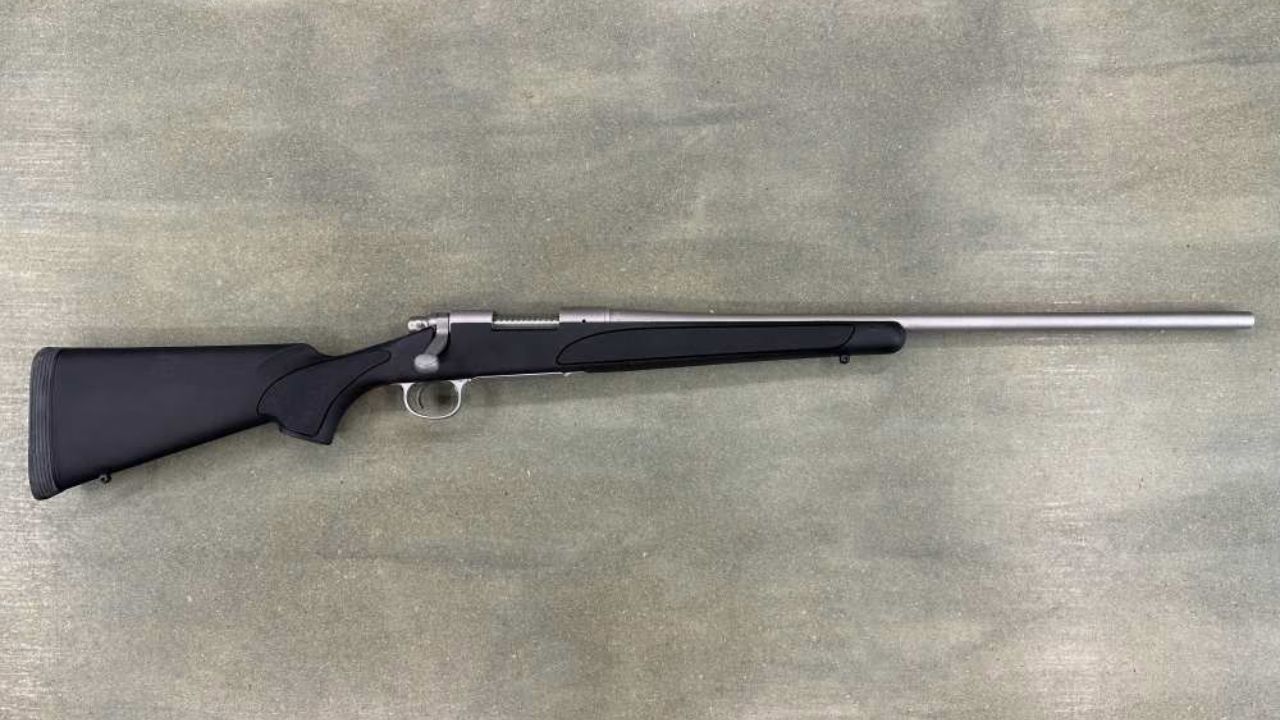
The 700 has been argued about for decades, but there’s a reason it still gets mentioned in guide circles: familiarity. Everyone knows how they handle, everyone knows how they shoot, and everyone can find mounts, bases, and smiths who understand them.
The SPS isn’t a deluxe rifle, and some factory stocks have been pretty underwhelming. Still, if it’s set up right and proven at the range, it’s hard to call it a bad Alaska choice.
12. Weatherby Vanguard First Lite
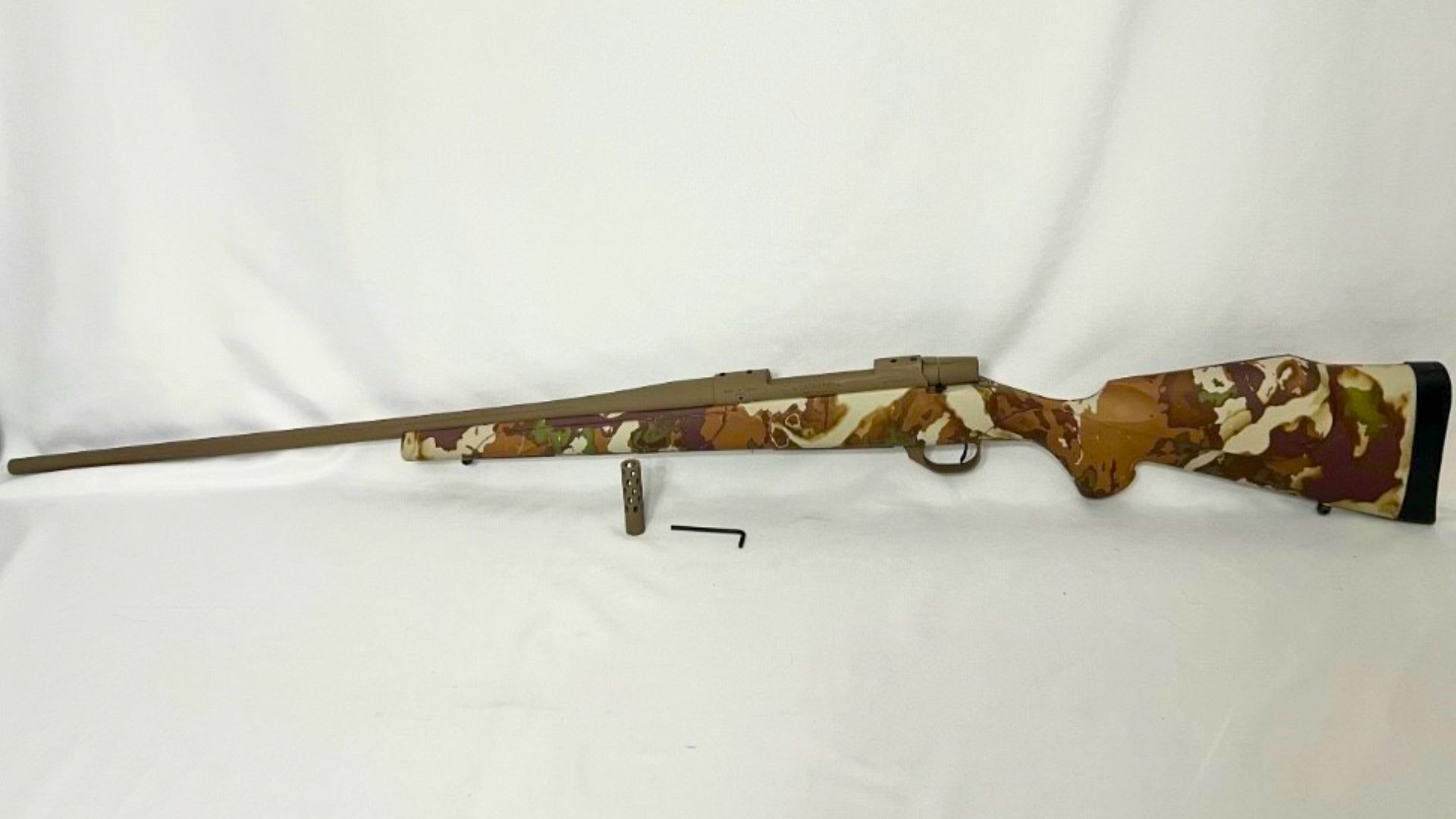
Vanguards have a reputation for being solid and accurate, and the First Lite package tends to come with a stock that feels more “hunt-ready” than a lot of base models. They’re not the lightest, but weight can be your friend when you’re shooting from kneeling in a stiff wind.
The two-stage trigger setup is also something some hunters shoot very well. If you’re the type who jerks a single-stage, this can calm you down.
13. Weatherby Mark V Backcountry Ti

Not everyone needs a titanium rifle, but some hunters want a premium build that won’t rust and won’t weigh them down. The Mark V Backcountry Ti fits that niche, and it’s the sort of rifle you buy once and keep for life.
The warning is simple: don’t buy it the week before you fly north. Get range time. Make sure your scope rings stay put. Lightweight rifles punish sloppy setups.
14. Sako 85 (Finnlight)
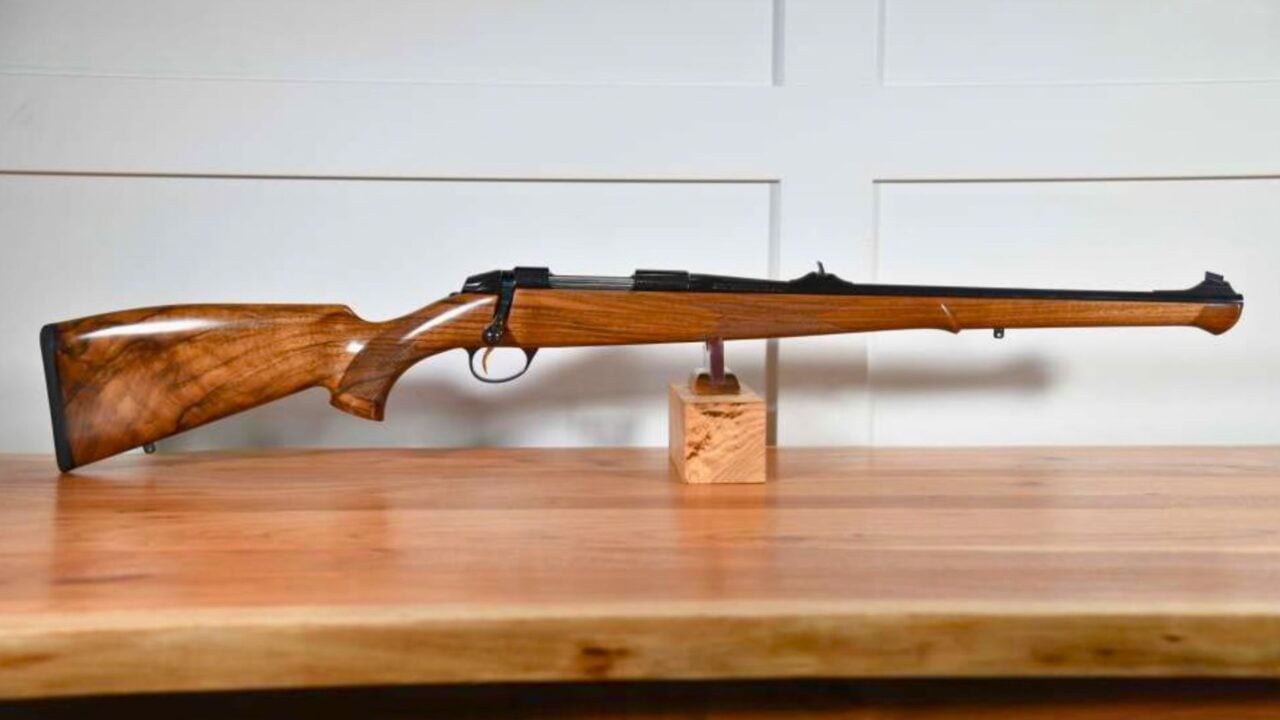
Sako rifles have that “everything fits” feel—like the bolt, the magazine, the safety, all of it is working together. When you’re tired and cold, that smoothness helps. It’s one less thing to fight.
They cost real money, and they aren’t as common on every gun rack. But for a once-a-year hunter who doesn’t want surprises, Sako is the kind of expensive that usually makes sense.
15. Kimber Hunter
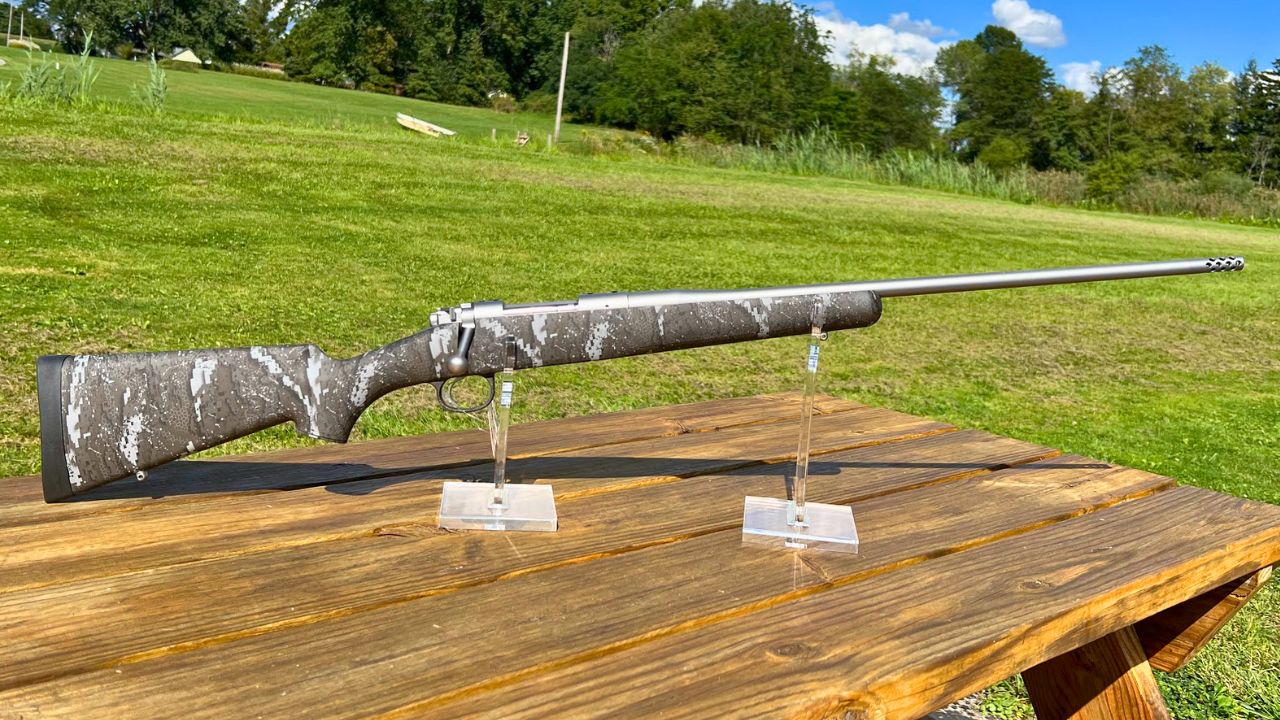
Kimber rifles get strong opinions, and not all of them are friendly. The Hunter, though, is one of the more approachable ways into a light, carry-friendly rifle that doesn’t feel like a fence post.
Here’s the deal: if you get a good one and you confirm it shoots what it’s supposed to shoot, it’s a joy to carry. If you try to “fix” problems in camp, you’re going to have a long week. Vet it before the trip and don’t assume.
16. Christensen Arms Ridgeline
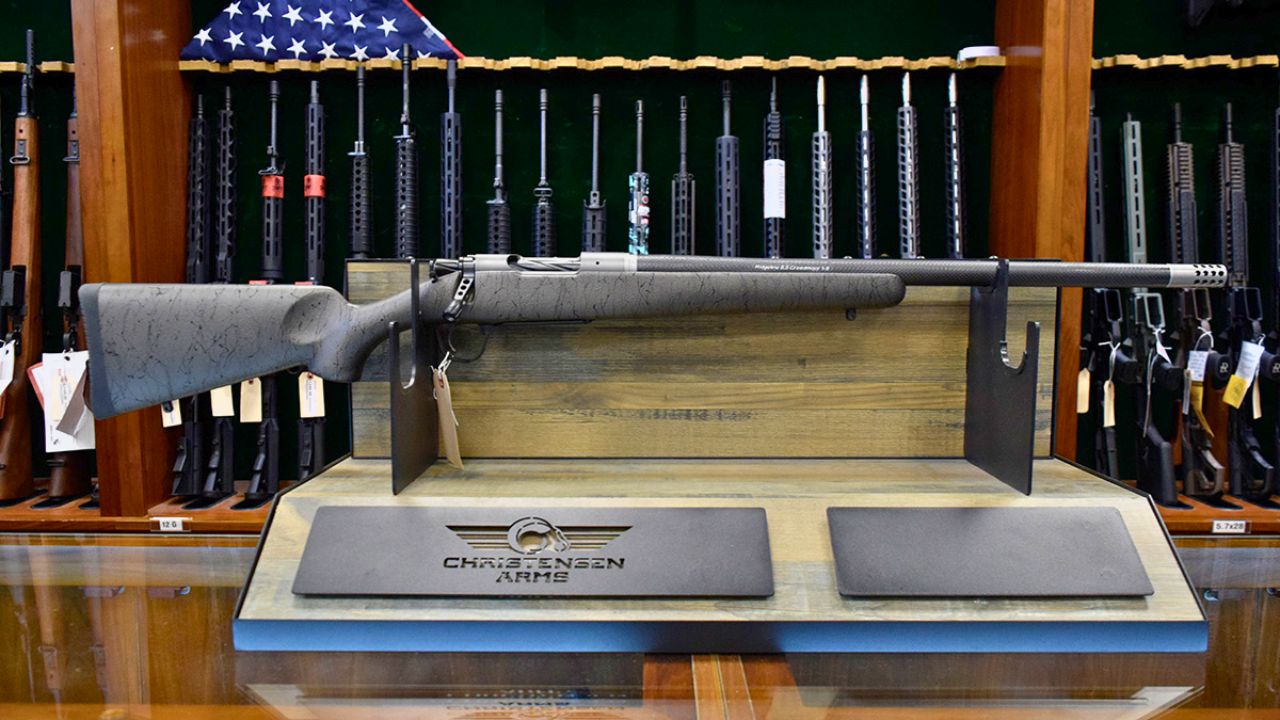
The Ridgeline is popular with guys who want a modern lightweight rifle that still feels like a serious hunting tool. Carbon-wrapped barrels and lightweight stocks sound like marketing until you’re climbing all day with a pack that already feels too heavy.
Still, I tell once-a-year hunters to keep it simple: pick a common chambering, don’t over-brake it to the point it rattles your teeth, and put your budget into optics and practice if you have to choose.
17. Springfield Armory 2020 Waypoint

The Waypoint has earned a reputation for shooting well and having a good feel in the hands. It’s a modern rifle that doesn’t try too hard to be tactical, and it carries nicely for a mountain-style hunt.
For Alaska, the appeal is predictability. If you can show up with a rifle that reliably prints the same point of impact after travel, bumps, and weather swings, you’re ahead of the game.
18. CZ 600 Alpha
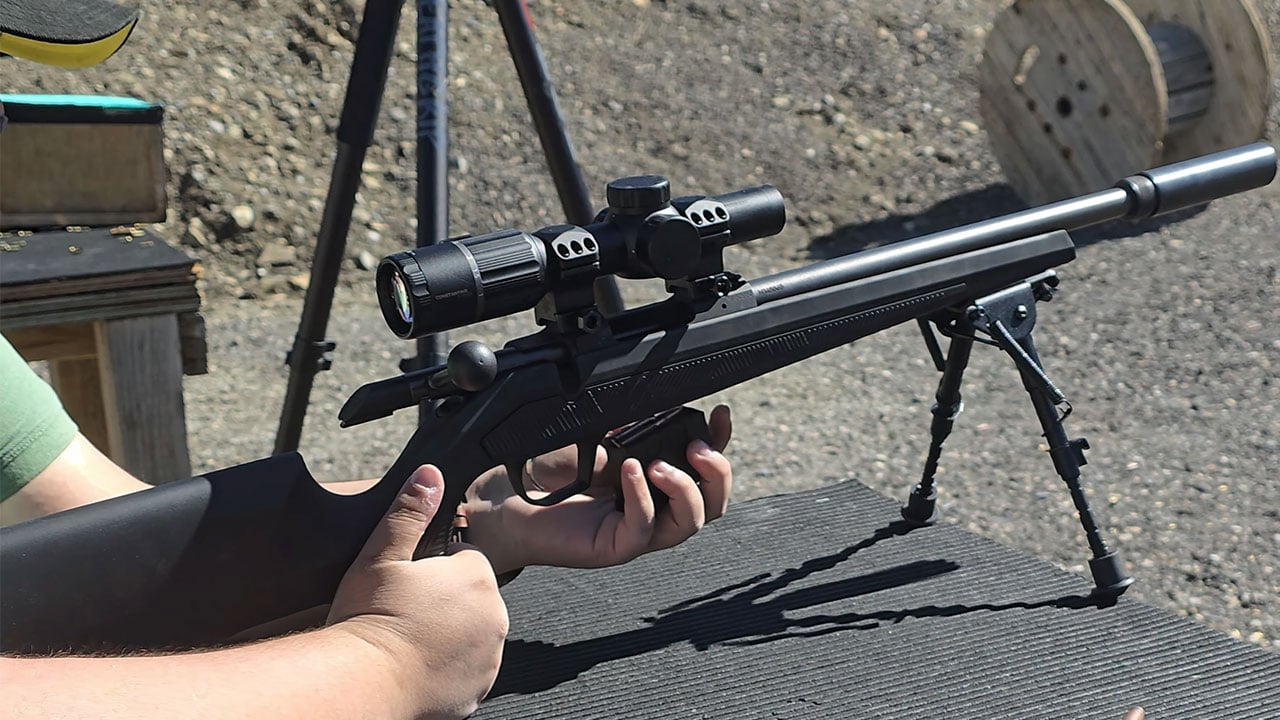
CZ makes rifles that feel like they were designed by hunters, not focus groups. The 600 Alpha is a more affordable entry in the line, and it handles well without being delicate. The stock is practical, and the controls generally make sense with gloves on.
It’s not as common as some big American names, so don’t assume every small-town shop will have your exact magazine on the shelf. Plan ahead and keep your kit together.
19. Bergara B-14 HMR
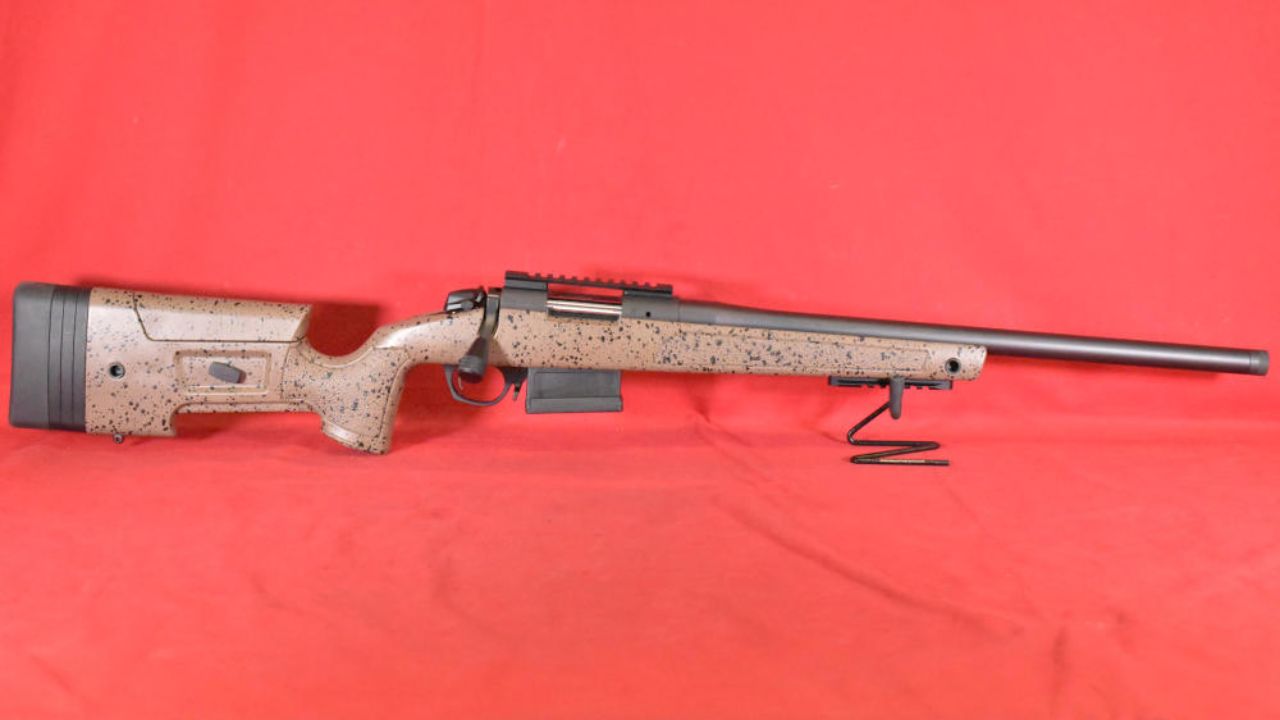
This is the “I want to shoot well from field positions” choice. The HMR is heavier than a typical mountain rifle, but the weight and stock shape make it steady. If your hunt involves a lot of glassing and a lot of sitting, that stability pays off when it’s time to shoot.
It’s also a rifle that tends to be accurate with a wide range of factory ammo. That matters for the guy who doesn’t handload and doesn’t have time to chase unicorn loads.
20. Howa 1500 Hogue (or Howa 1500 Stainless)
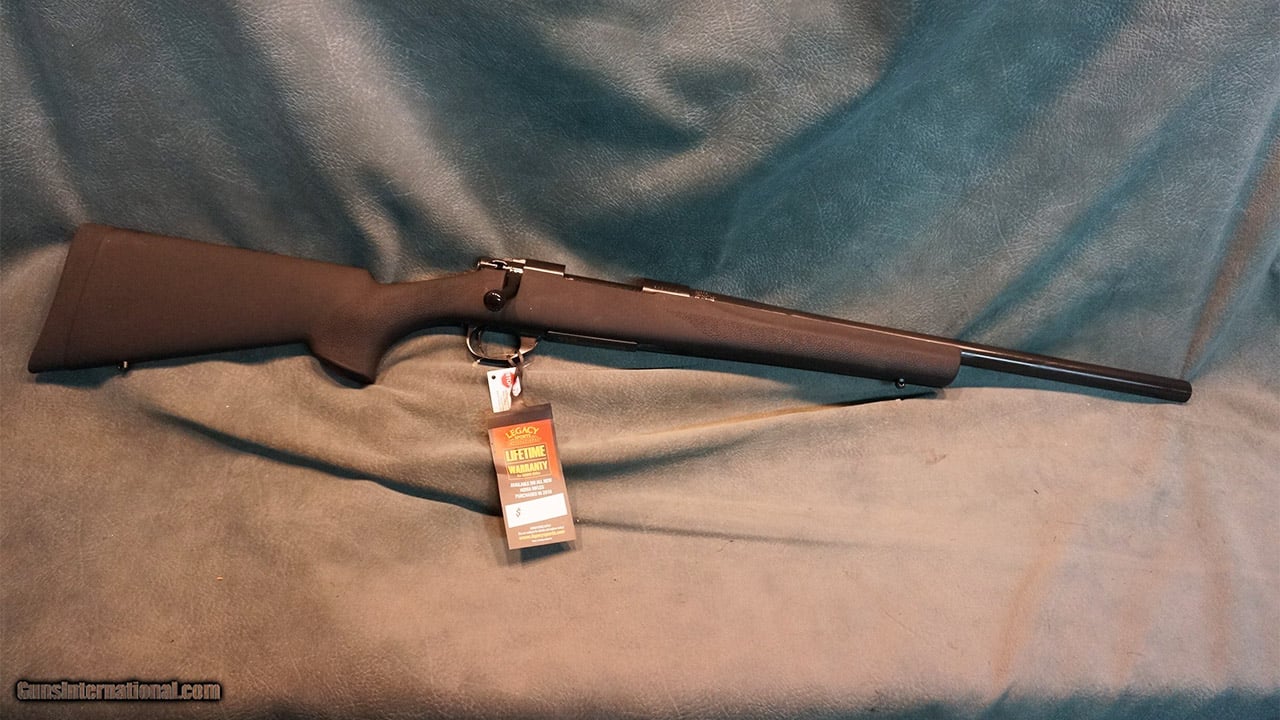
Howa 1500s are the quiet overachievers. They’ve been putting meat in freezers for a long time, and the action has a strong, dependable feel. The Hogue stock is comfortable, though it can feel a little soft when you really crank down on a bipod or sling.
If you go stainless, even better for wet country. Either way, it’s a rifle that usually behaves, and guides love gear that behaves.
One more thing before you pick a rifle and call it good: the model matters less than the setup and the proof. Bring a rifle you’ve actually shot from sitting, kneeling, and over sticks. Use ammo you can replace if your luggage goes on an adventure. And don’t show up with mystery scope rings and a “should be fine” attitude. Alaska is where “should be fine” goes to die.
Like The Avid Outdoorsman’s content? Be sure to follow us.
Here’s more from us: