Photo credit: Smith & Wesson/Youtube
You can tell a first-time handgun buyer the second they walk up to the counter. Their eyes bounce from the tiny pocket guns to the big “duty” pistols, and their first question is usually the one that gets them in trouble: “What’s the best one?”
The better question is, “Best for what?” Carrying in town is different than keeping something in a nightstand at the farm. A pistol that feels great in the hand for five minutes can be miserable at the end of a long day on your belt. And a gun that looks cool online can turn into a jam-prone headache once you start feeding it cheap practice ammo.
So when someone truly doesn’t know what to ask, I steer them toward pistols that are dependable, common enough to get magazines and holsters without a scavenger hunt, and friendly enough to learn on. Here are 20 I’d put on that short list, with the plainspoken reasons why.
1. Glock 19 (Gen 3/4/5)

If you only buy one pistol and you want it to cover the most jobs, this is the boring answer that keeps winning. The Glock 19 is big enough to shoot well, small enough to carry, and common enough that every shop has mags, parts, and holsters.
The trigger is what it is, and the grip angle doesn’t fit everyone. Still, it’s hard to find another pistol that’s this forgiving when your technique isn’t polished yet. You can learn on it without fighting the gun the whole way.
2. Glock 43X

This is where a lot of new carriers land after they realize a double-stack compact can feel like a brick in July. The 43X carries flatter, points naturally for many hands, and it’s simple to run under stress.
It’s not a target pistol, and the shorter sight radius shows your mistakes. But it’s a very realistic “first carry” gun that doesn’t demand expert-level grip strength or constant tinkering.
3. SIG Sauer P365

The P365 changed what “small” could feel like. It’s compact, easy to conceal, and still gives most shooters a better grip than the old tiny single-stacks that beat your hands up.
Where folks get sideways is buying the smallest version they can find and then wondering why it’s snappy. Try to shoot one before you buy, and don’t be afraid of the slightly larger variants if you want more control.
4. SIG Sauer P365 XL
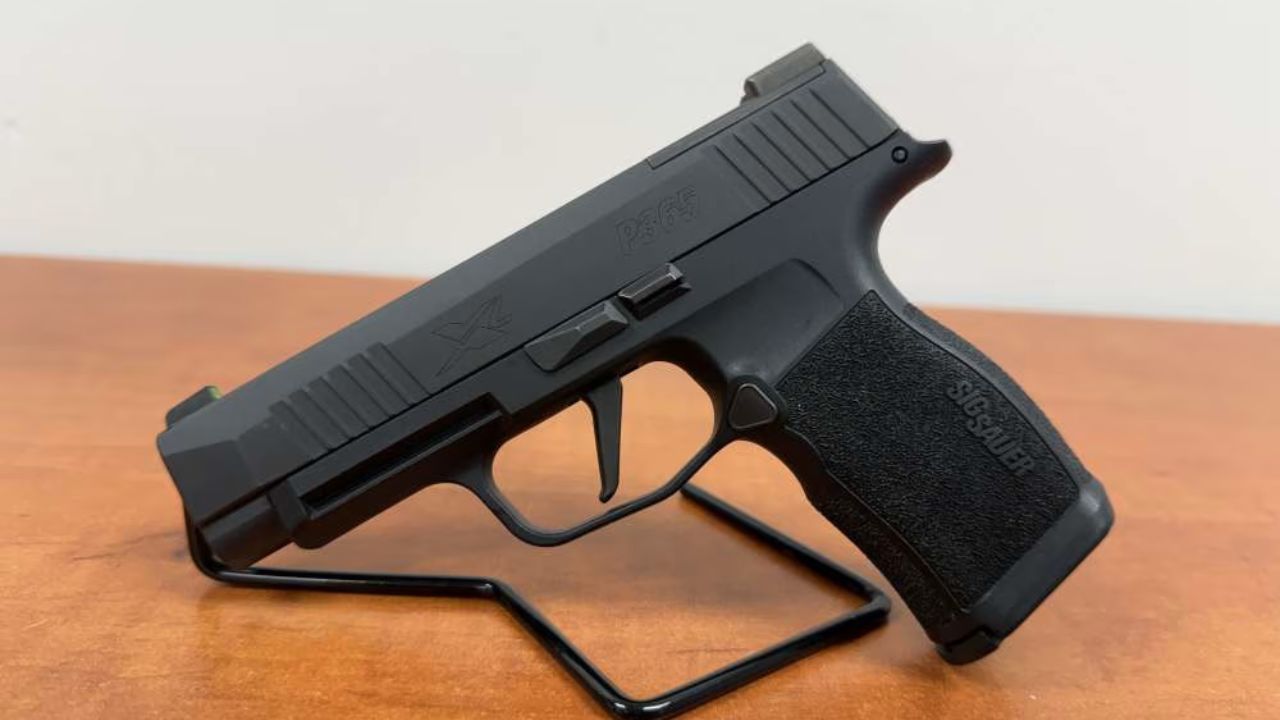
If the regular P365 is the “always” gun, the XL is the “shoots like a real pistol” version. The longer grip and slide calm things down and make practice sessions more pleasant.
For new buyers, that matters. If you dread training because the gun is jumpy, you won’t train. The XL is a nice balance between carry comfort and shootability.
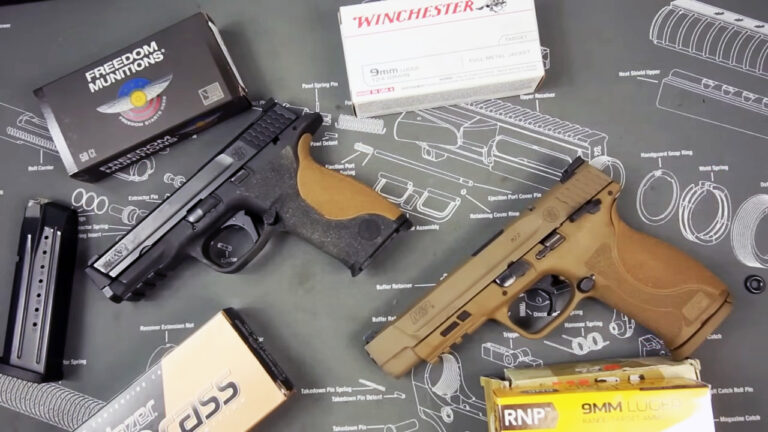
5. Smith & Wesson M&P 2.0 Compact (9mm)

I’ve watched plenty of shooters pick this up and immediately relax their shoulders. The grip texture and shape tend to lock into the hand without feeling like you’re holding a bar of soap.
It runs, it’s supported everywhere, and it’s tough. The only downside is the aggressive texture can chew on your side if you carry against bare skin. A good undershirt fixes most of that.
6. Smith & Wesson Shield Plus
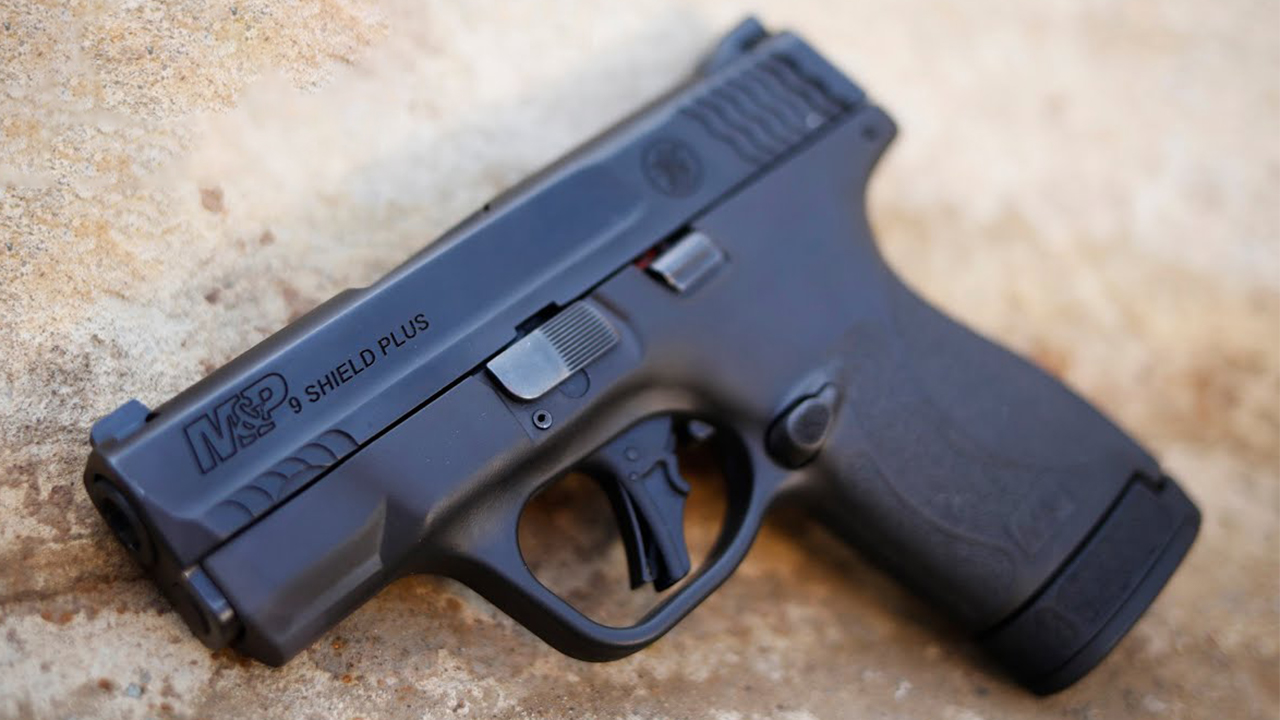
The Shield line has probably put more “regular people” into dependable carry guns than a lot of the flashy new stuff. The Plus gives you more capacity without turning it into a chunky belt anchor.
It’s also one of those pistols that doesn’t demand a bunch of excuses. It just works, and it’s easy to find magazines, night sights, and holsters for it without getting stuck ordering oddball gear.
7. Ruger Security-9
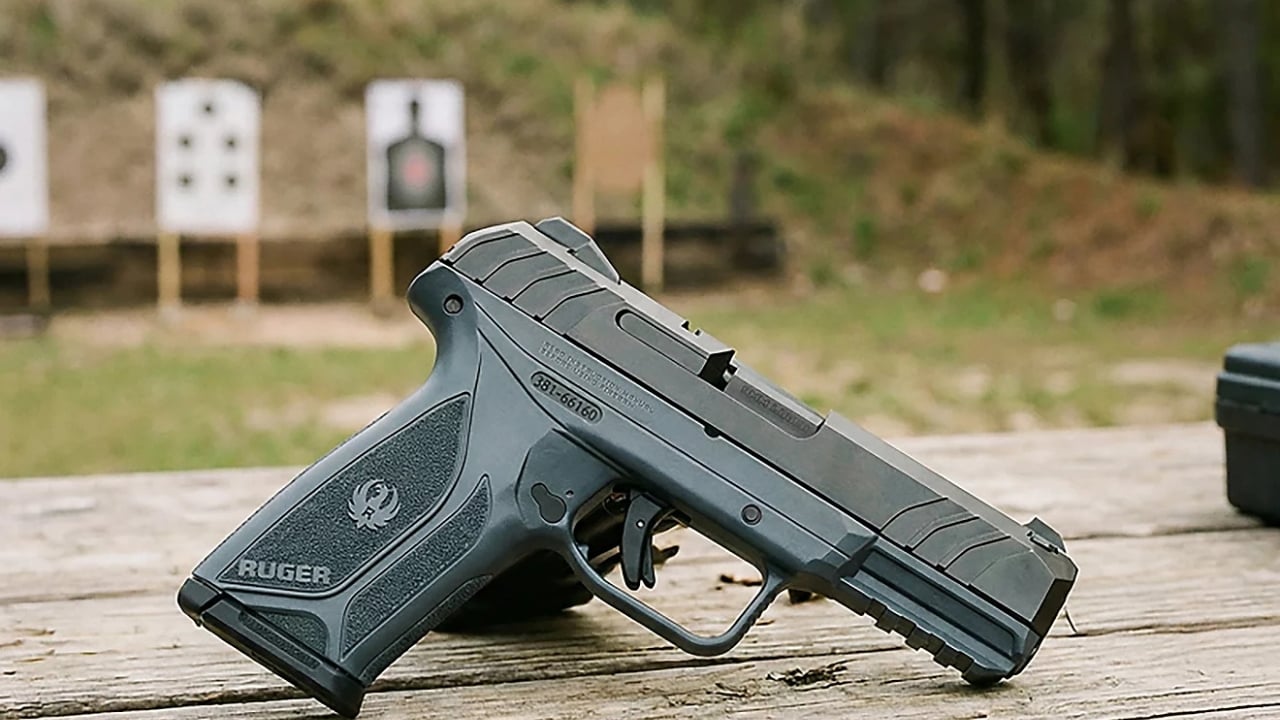
Not everybody can drop premium money on a pistol and then buy ammo, a holster, and range time. The Security-9 is one of Ruger’s better “working man” pistols that still feels like a real firearm, not a disposable gadget.
It’s light, simple, and generally reliable with normal ammo. The trigger is serviceable, not magical. That’s fine. New shooters need predictability more than perfection.
8. Ruger Max-9
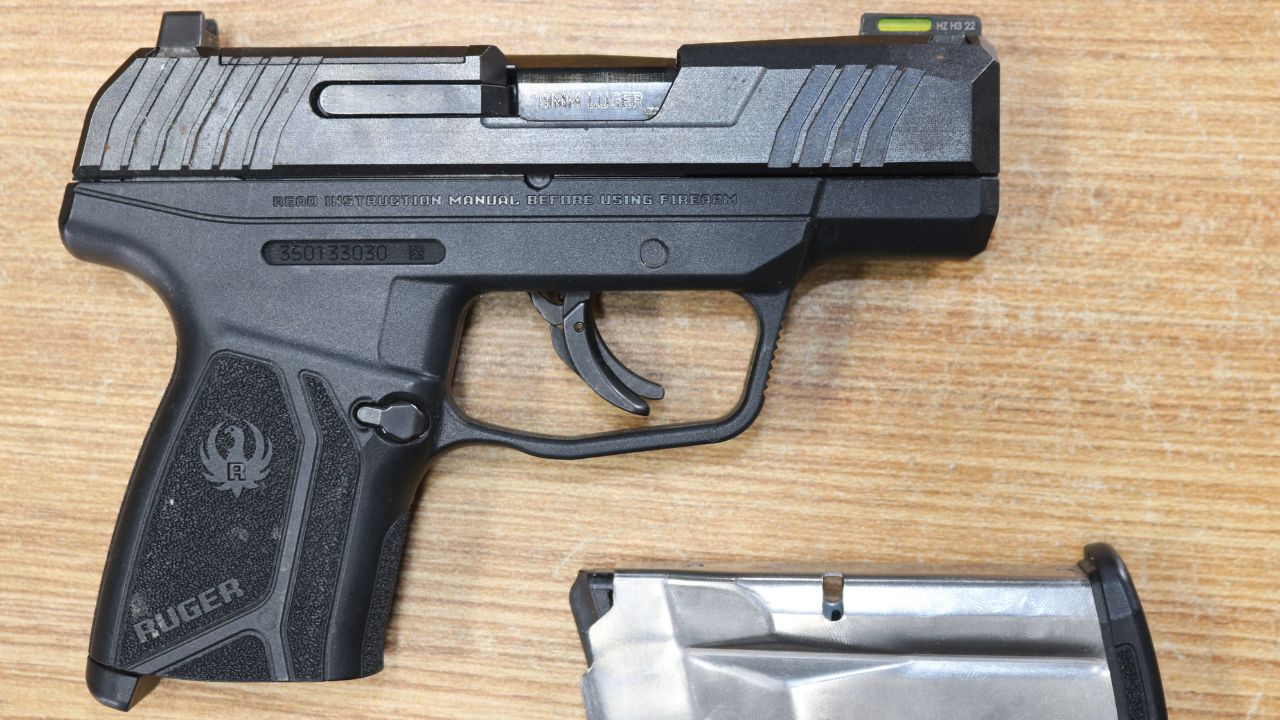
Ruger’s Max-9 is a practical little carry gun that doesn’t punish your wallet. It’s thin, easy to conceal, and it tends to behave with a wide range of ammo.
It’s also a good reminder: the smallest guns are harder to shoot well. If your hands are big, make sure you can get a grip you trust before you commit.
9. Springfield Armory Hellcat

The Hellcat is built for concealment, and it carries like it means it. It’s a good fit for the guy who’s serious about carrying daily and doesn’t want to constantly “make excuses” for leaving the gun at home.
It can be snappy for brand-new shooters, especially in the smaller configuration. If you go Hellcat, plan on real practice and maybe a slightly larger grip option if you’re between sizes.
10. Springfield Armory Hellcat Pro
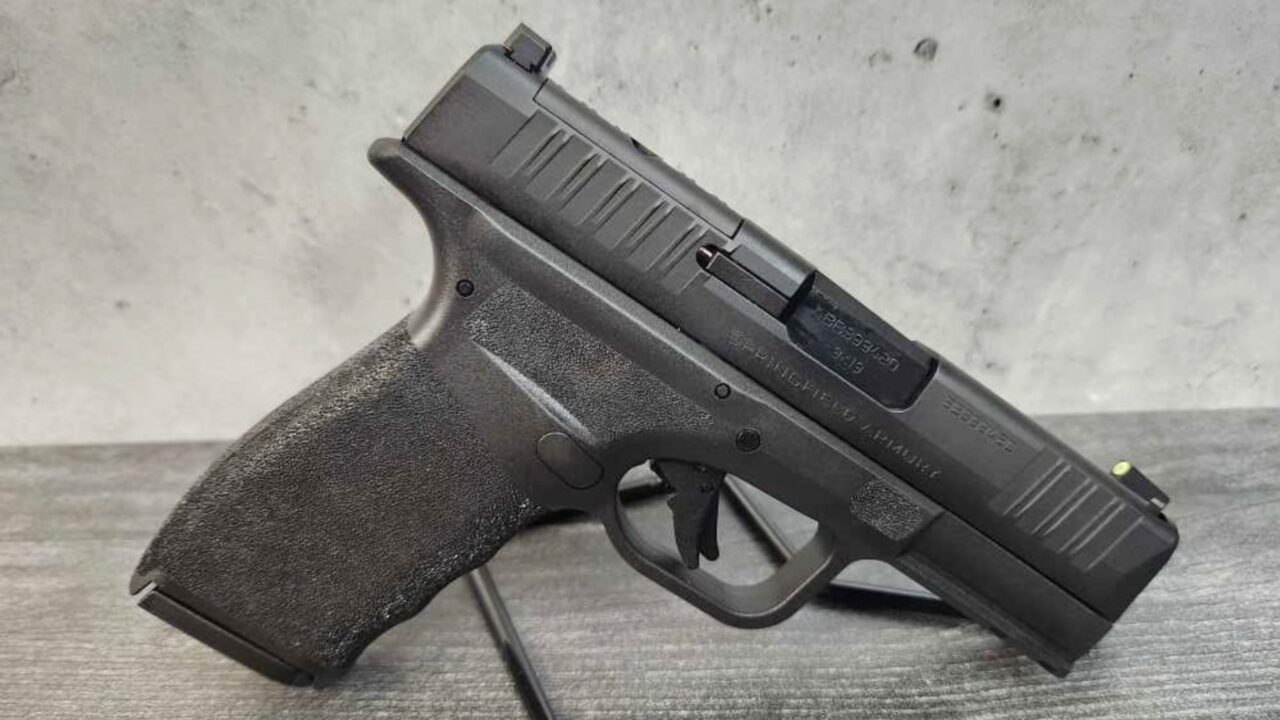
This is the version I’d rather hand to a newer shooter if they’re set on a Hellcat. The longer grip gives you more control, and the gun settles down enough that you can actually enjoy training.
It’s still easy to carry, just not as tiny. That trade is usually worth it once you’ve shot a couple boxes of ammo and your hands start giving you honest feedback.
11. CZ P-10 C
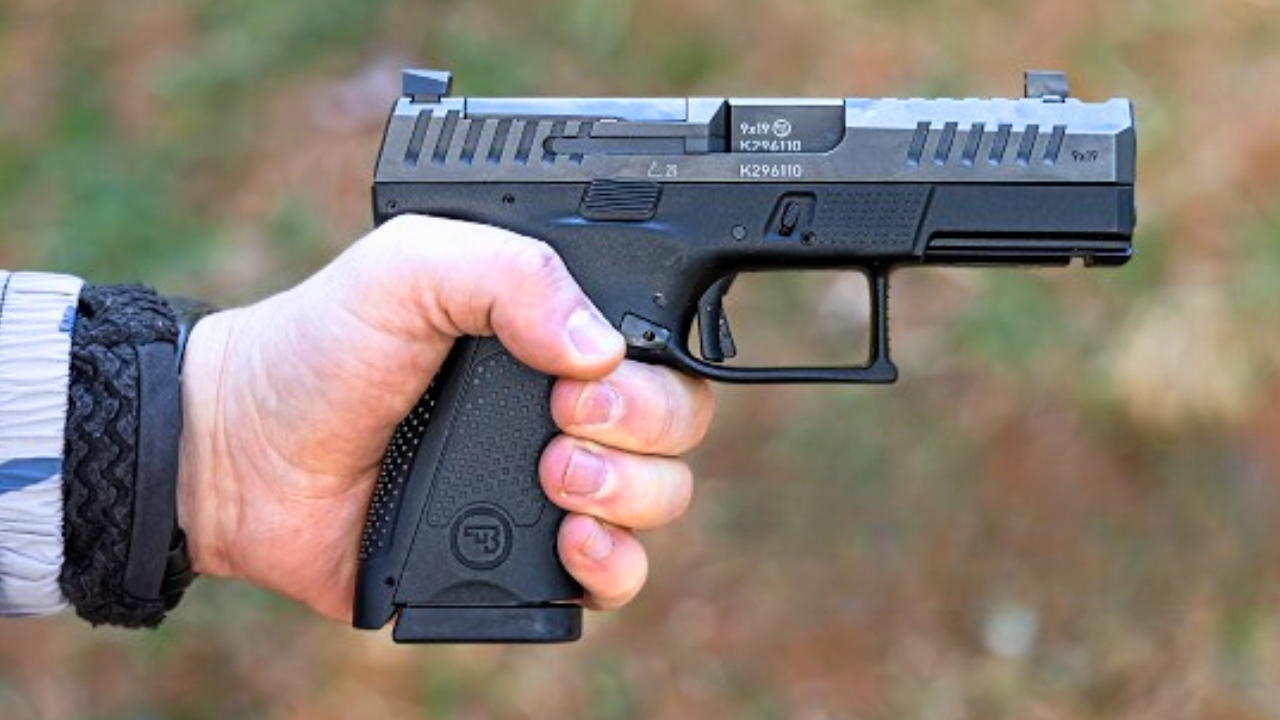
The CZ P-10 C is one of the better values in the “Glock 19-sized” world, and it tends to point naturally for a lot of folks. When someone says, “I just shoot this one better,” it’s often a CZ thing.
Parts and holsters aren’t hard to find, but they aren’t as universal as Glock either. Still, as a first pistol, it’s a strong pick if it fits your hand and you like the trigger feel.
12. CZ P-10 S

If you want something shorter for carry but you don’t want to jump straight into micro-pistol territory, the P-10 S is a nice step. You get CZ ergonomics in a smaller package that still shoots like a serious handgun.
It’s a little easier to conceal than the C, but it doesn’t have that “tiny gun, big attitude” recoil some micro 9mms have. For a lot of new owners, that’s the sweet spot.
13. Walther PDP Compact

The PDP has an honest-to-goodness excellent trigger for a striker-fired gun, and the grip is shaped in a way that makes many shooters look better than they are. That’s not a bad thing when you’re learning.
It is a bit chunky in the slide, and it can feel top-heavy compared to some competitors. But if you want a pistol that’s fun to shoot and still serious for defense, this one earns its keep.
14. Heckler & Koch VP9

The VP9 is one of those pistols that makes new shooters feel like they’ve been doing this longer than they have. The ergonomics are excellent, recoil is manageable, and the overall “feel” is smooth.
It typically costs more than the bargain options, and HK magazines aren’t the cheapest. But if you buy one and actually train, it’s the kind of pistol that doesn’t leave you wanting an upgrade in six months.
15. Beretta 92FS
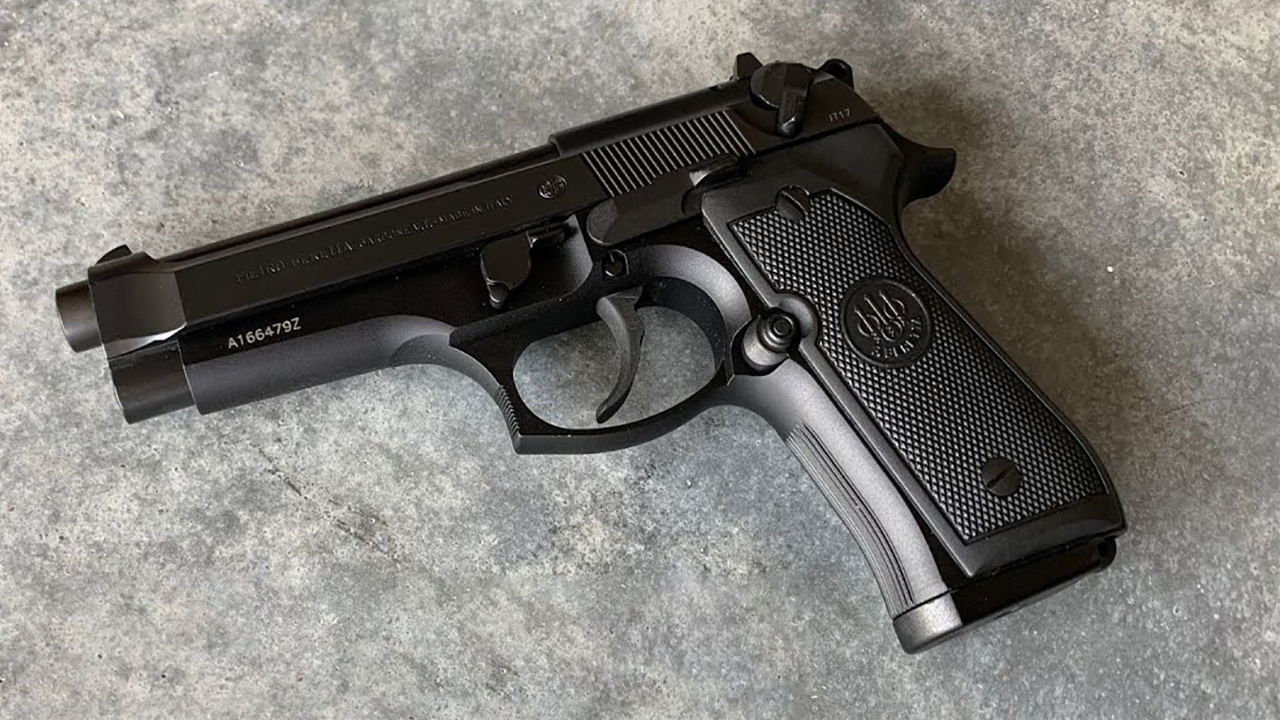
This is the classic full-size 9mm that still makes sense if you’re mostly thinking home defense, range use, and maybe a truck gun where legal. It’s big, it’s smooth, and it tends to run and run.
It’s also not a great “first concealed carry” option for most body types. But for learning recoil control and getting comfortable with a heavier pistol, it’s hard to beat. There is nothing fancy about it, and that is kind of the point.
16. Beretta APX A1 Compact

Beretta’s APX line doesn’t get as much campfire talk as some brands, but the APX A1 Compact is a solid, modern choice. It’s built tough and usually priced in a way that leaves room in the budget for ammo.
The grip texture and slide serrations are useful in real life, especially with sweaty hands at an outdoor range. It’s not the trendiest gun, but trendiness doesn’t stop a malfunction.
17. Ruger Mark IV (Standard/Target)
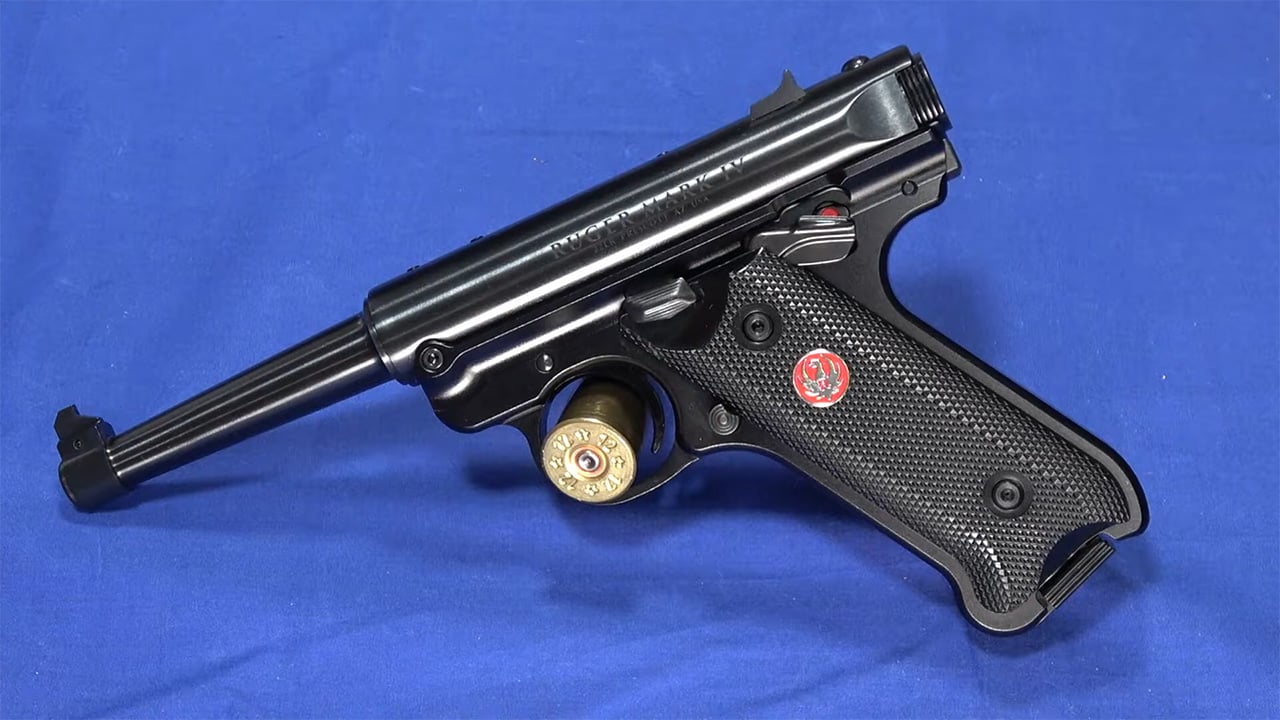
I’m putting a .22 on this list because first-time handgun owners often need trigger time more than they need caliber debates. A Ruger Mark IV is one of the best ways to build fundamentals without getting beat up by recoil or ammo costs.
It’s also just plain fun. And a fun gun gets shot. Ask me how I know. If you own this and a good 9mm, you’re ahead of most folks who buy one centerfire pistol and barely practice.
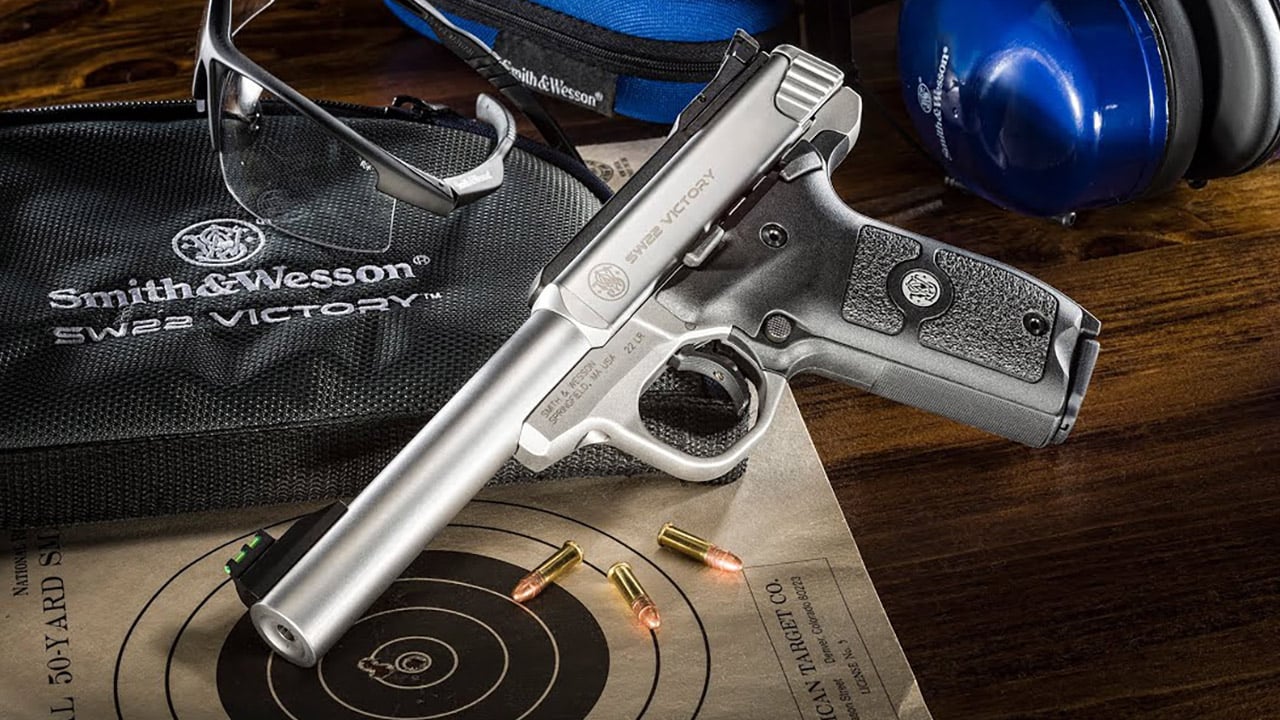
18. Smith & Wesson SW22 Victory
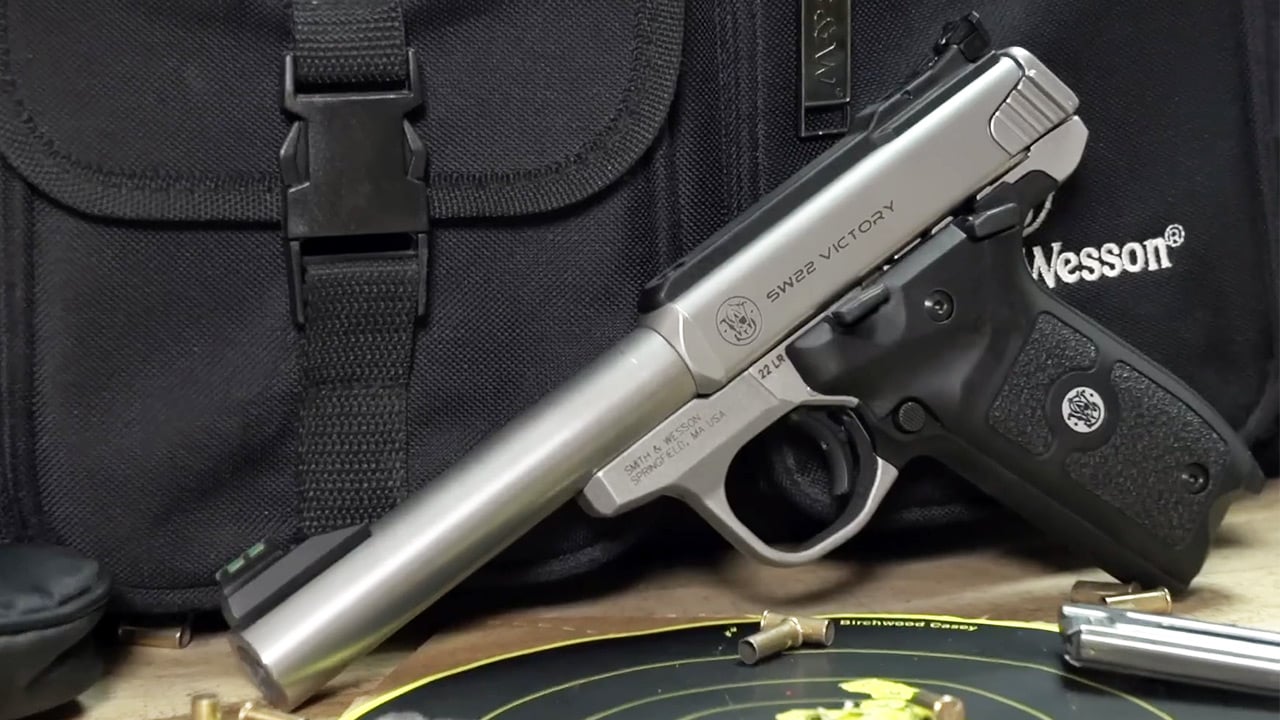
The Victory is another .22 that’s beginner-friendly and accurate enough to keep you honest. It’s easy to work with, and it’s the kind of pistol you can use to introduce a spouse or older kid to shooting without scaring them off.
Some .22s can be picky with certain ammo. That’s normal. Find a load it likes and stock it when you see it. A reliable .22 trainer is worth its space in the safe.
19. Ruger LCR (in .38 Special)

Yes, it’s a revolver, and yes, it still belongs in the conversation. The LCR is light, simple, and about as close as you’ll get to “grab it and it works” without pretending training doesn’t matter.
The downside is recoil. A light .38 can slap your hand, and a heavy trigger can expose bad habits. But for someone who wants a straightforward carry or backup gun and will practice enough to run it well, it’s a legitimate choice.
20. Glock 17 (Gen 3/4/5)
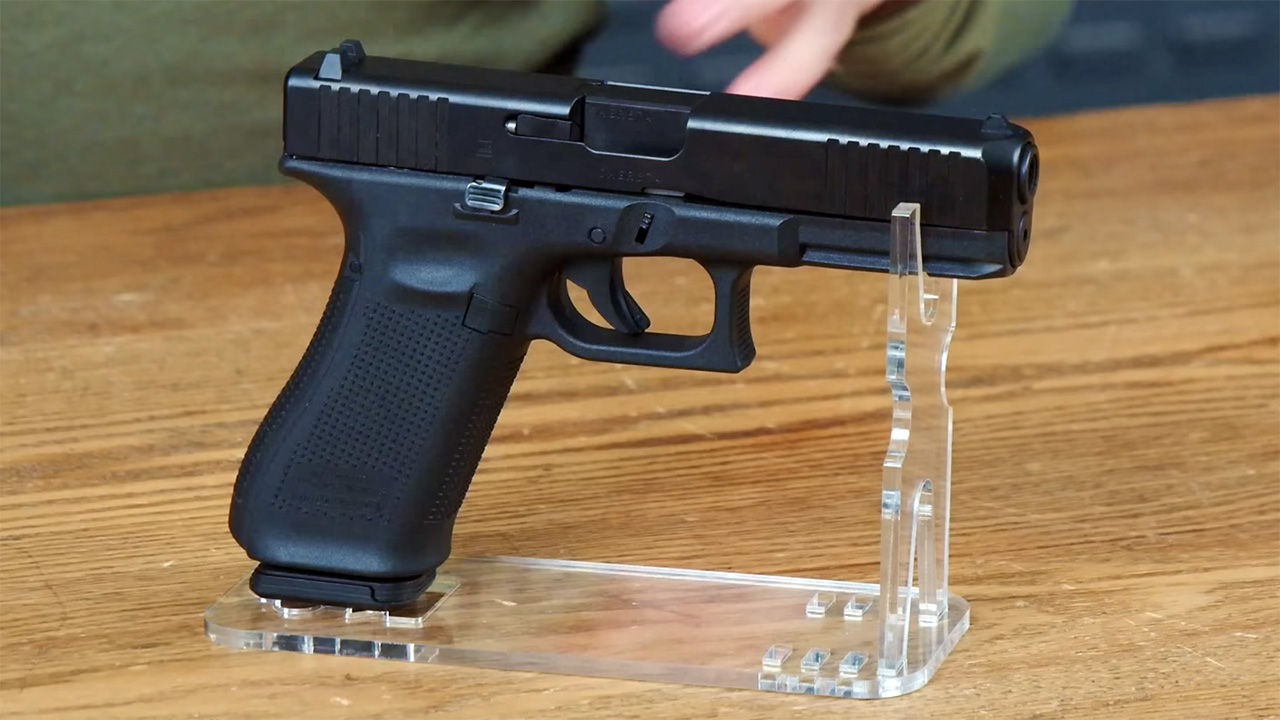
If you’re buying your first pistol mostly for the house, property, or range, the Glock 17 is the full-size “service pistol” baseline for a reason. It’s easy to shoot well, easy to maintain, and magazines are everywhere.
It’s not a mystery gun. It’s not a fashion statement. It’s a tool. And if you’re new and you don’t know what you don’t know yet, a simple tool that works is a better starting point than a finicky race gun or a tiny pocket rocket.
Before you buy anything, shoot a few if you can. Even one magazine through a friend’s pistol will tell you more than an hour of scrolling. And once you pick one, spend as much effort on a good holster, safe storage, and regular practice as you did on the brand name. The best first handgun is the one you can run confidently, maintain without drama, and actually keep around when the new-gun excitement wears off.
Like The Avid Outdoorsman’s content? Subscribe to our newsletter so you never miss an article.
Here’s more from us: