Photo credit: AI-generated image created using ChatGPT. Illustrative only
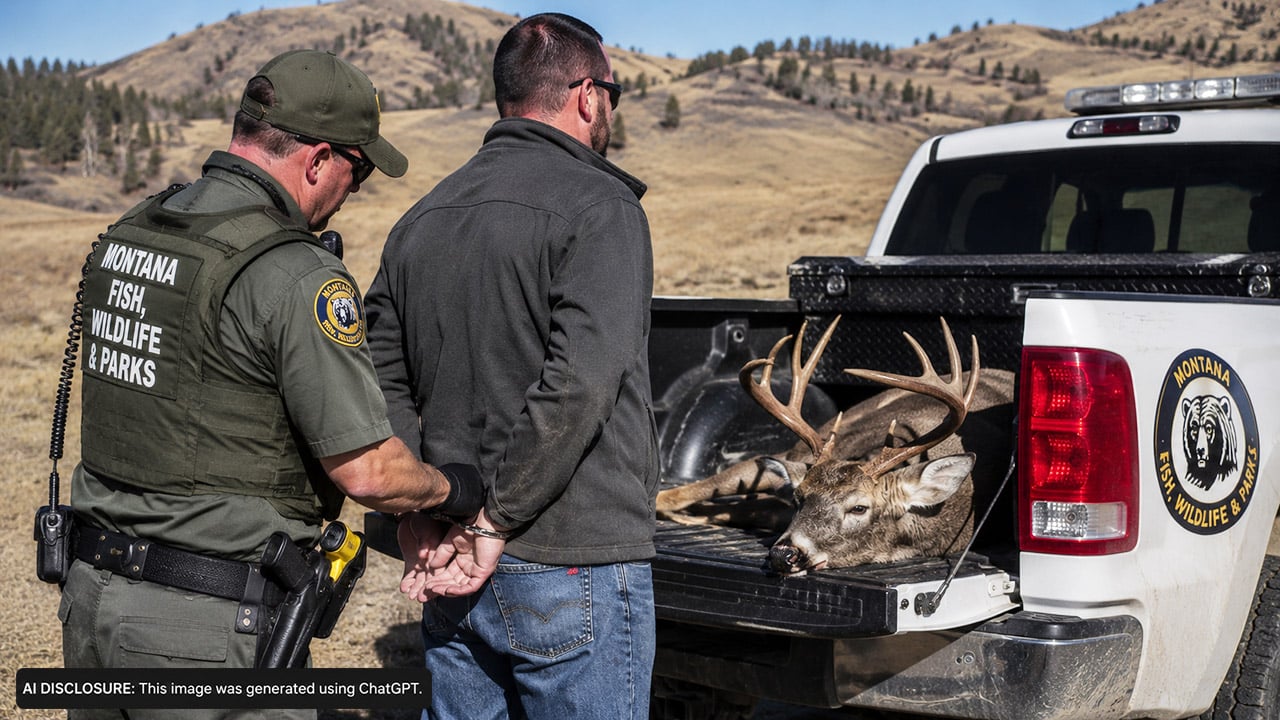
A Montana mule deer buck died on private ground during the 2024 general season, and the part that’ll stick with most hunters isn’t just the poaching—it’s how access was gained. In Fergus County, Hyatt Voy of Lewistown used his position as a realtor to get onto a ranch that was being considered for sale, then killed a buck without the landowner’s permission.
The case ended with a conviction and a sentence that hits where it counts for anyone who lives for fall. Details shared in the source post lay out a mix of jail time timed right across hunting season, major restitution, and a long loss of privileges that won’t just follow him in Montana.
A real estate license turned into a shortcut onto private land
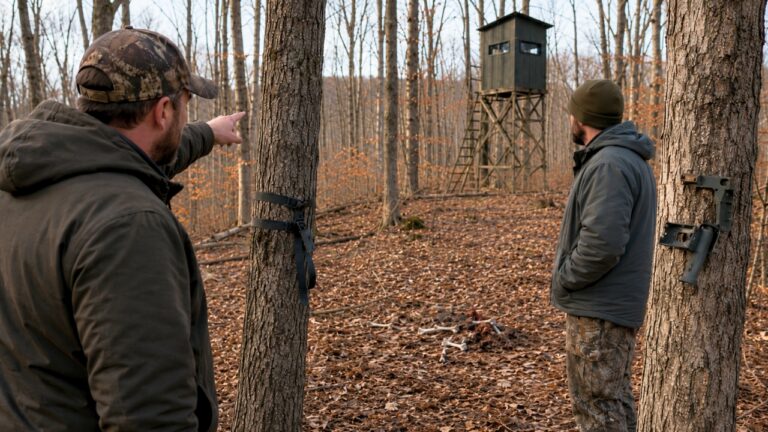
Most landowners in Montana—and most hunters who knock doors—understand the simple rule: private ground means you ask. In this case, game wardens determined Voy accessed the ranch because it was being considered for sale, using his real estate license as the reason he could be there.
That’s the kind of move that burns trust fast, because it isn’t a boundary-line mistake or a “I thought it was public” argument. If you’re on a ranch for business, you’re there for business. The moment a weapon comes out and an animal hits the dirt without permission, it’s not “gray area” anymore.
The illegal harvest: a mule deer buck taken without permission
According to the court finding referenced in the source material, Voy was found guilty of illegal harvest on private property. The incident occurred during the 2024 general hunting season and involved a mule deer buck.
For hunters who do things the hard way—scouting, saving points, waiting on a good tag, or just trying to fill a freezer—the theft here isn’t only the animal. It’s also the theft of opportunity from the next hunter who might have been granted permission the right way, and the added pressure it puts on landowners to lock gates tighter.
The penalties: restitution, fines, and a long hunting suspension
The sentencing details are a strong reminder that poaching cases don’t end with a slap on the wrist when the evidence is solid. Voy was sentenced in the Tenth Judicial District Court to four years with the Department of Corrections, with all but 102 days suspended.
He’s also on the hook for fines and $8,000 in restitution. On top of that, the court ordered a seven-year suspension of hunting, fishing, and trapping privileges in Montana and in other states that participate in the Interstate Wildlife Violator Compact. That last piece matters: losing privileges in one state can follow you when you try to buy licenses elsewhere.
Doing time during hunting season is a different kind of sting
Voy has already served 10 days in the Fergus County Detention Center, but the timing of the remaining sentence is what most outdoorsmen will notice. He’s required to report back for the remaining 92 days in September—right during the 2026 Montana fall hunting season.
Plenty of people can handle writing a check and moving on. Missing seasons is harder to shrug off. When your year is built around September and November, being in a cell while everyone else is checking trail cams, cutting firewood, and watching weather forecasts is a consequence you feel every day.
Why tips matter: wildlife crimes don’t solve themselves
Cases like this don’t always come with a game warden parked at the gate. The source material notes that tips from the public often play a key role in solving wildlife crimes, which rings true for anyone who’s lived in a rural area long enough to know how fast word travels when something doesn’t look right.
That doesn’t mean folks need to play cowboy or go looking for a confrontation. It means paying attention, documenting what you can safely, and letting wardens do their job. Montana has the TipMont system for reporting suspected violations, and tools like that are one of the few ways honest hunters and landowners can push back without escalating a situation on the ground.
At the end of the day, this is what poaching really buys you: a dead buck, a wrecked reputation, a pile of restitution, and years of watching seasons pass from the sidelines. For everyone else, it’s one more reminder that access is a privilege, and the quickest way to lose it—personally and for the next guy—is to treat private land like it’s yours.
Like The Avid Outdoorsman’s content? Subscribe to our newsletter so you never miss an article.
Here’s more from us: