Photo credit: 1957Shep/Youtube
Every gun guy has one that got away. Not the rarest one, either. It’s usually the revolver you sold because you “weren’t shooting it,” or you traded off to fund the next shiny thing, or you figured you could always find another later. Then later shows up with higher prices, fewer clean examples, and that same old feeling in your gut when you see one across the glass.
Revolvers are like that. They don’t go out of style so much as they go quiet for a while, then come back hard when folks remember what a good wheelgun feels like. Here are 20 models serious collectors and practical shooters tend to hang onto once they finally get a good one—because replacing it is harder than you think, and because some guns just earn permanent residence in the safe.
1. Smith & Wesson Model 27
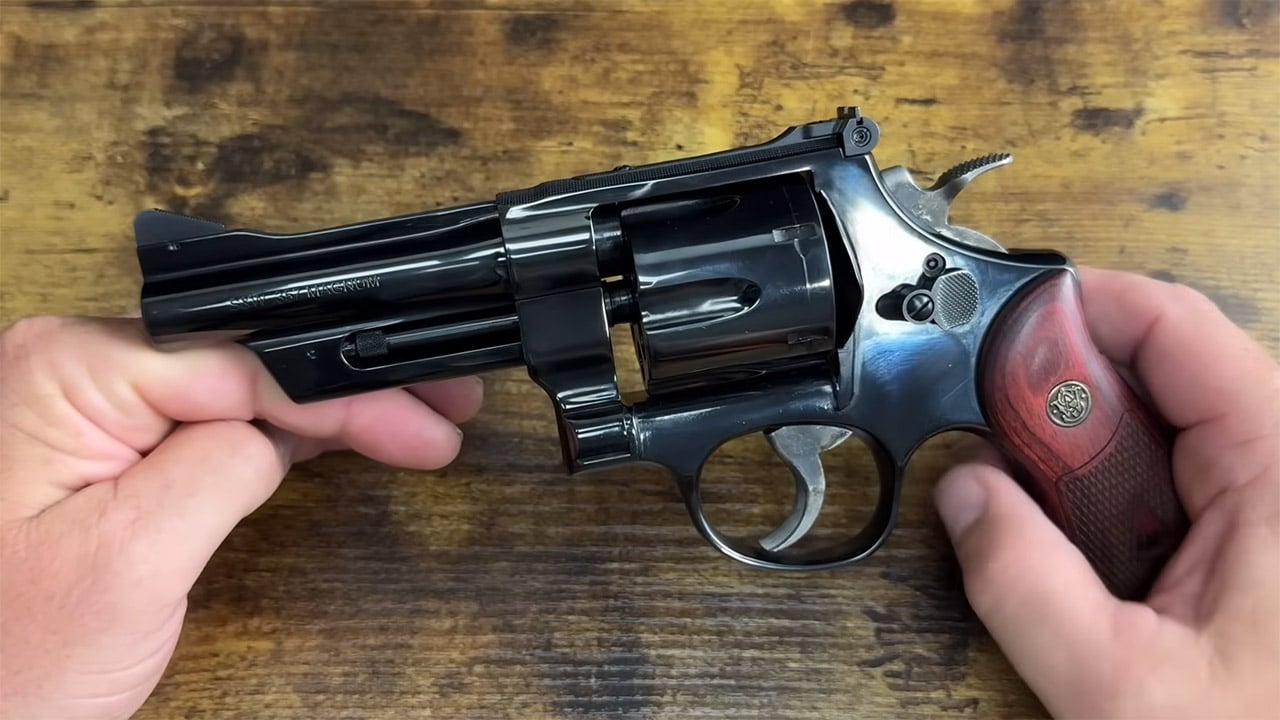
The Model 27 is what happens when a .357 Magnum gets dressed up for church and still shows up ready to work. Deep bluing, checkering where it counts, and a smoothness that makes modern production guns feel a little rushed. It’s not a “carry all day” revolver for most folks, but it points like it has a thought of its own.
Collectors stop letting these go once they find one that hasn’t been buffed to death or messed with. And if you ever touch off full-house .357s out of a good 27, you’ll understand why it became an anchor for a lot of collections.
2. Smith & Wesson Model 19 (pinned-and-recessed era)
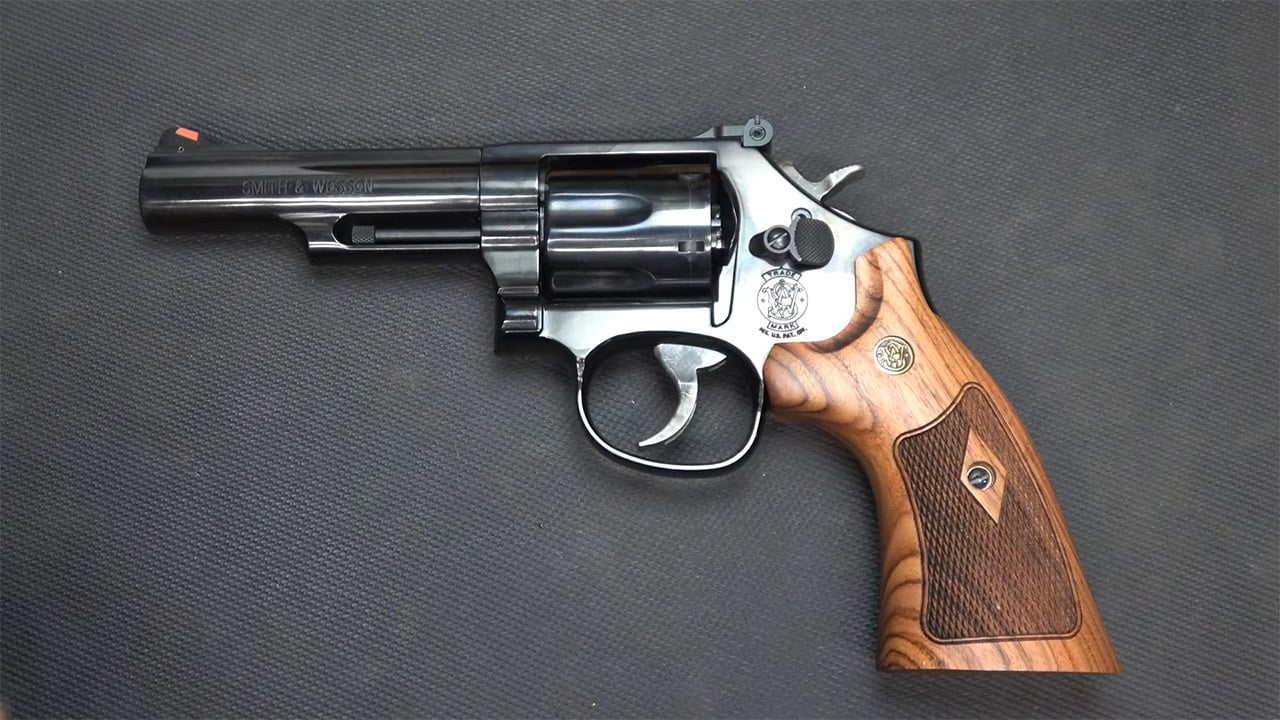
This is the .357 that made a lot of sense before everyone decided everything needed to be a compact polymer blaster. The K-frame size carries well, balances well, and feels “right” in the hand. It’s also one of the easiest revolvers to shoot well in double-action once you put in the time.
Yes, there are cautions with steady diets of the hottest lightweight .357 loads in the older guns. But as an all-around wheelgun with .38s for practice and sensible .357s for serious work, it’s tough to beat. A clean older one is the kind of gun you regret trading for something forgettable.
3. Smith & Wesson Model 29
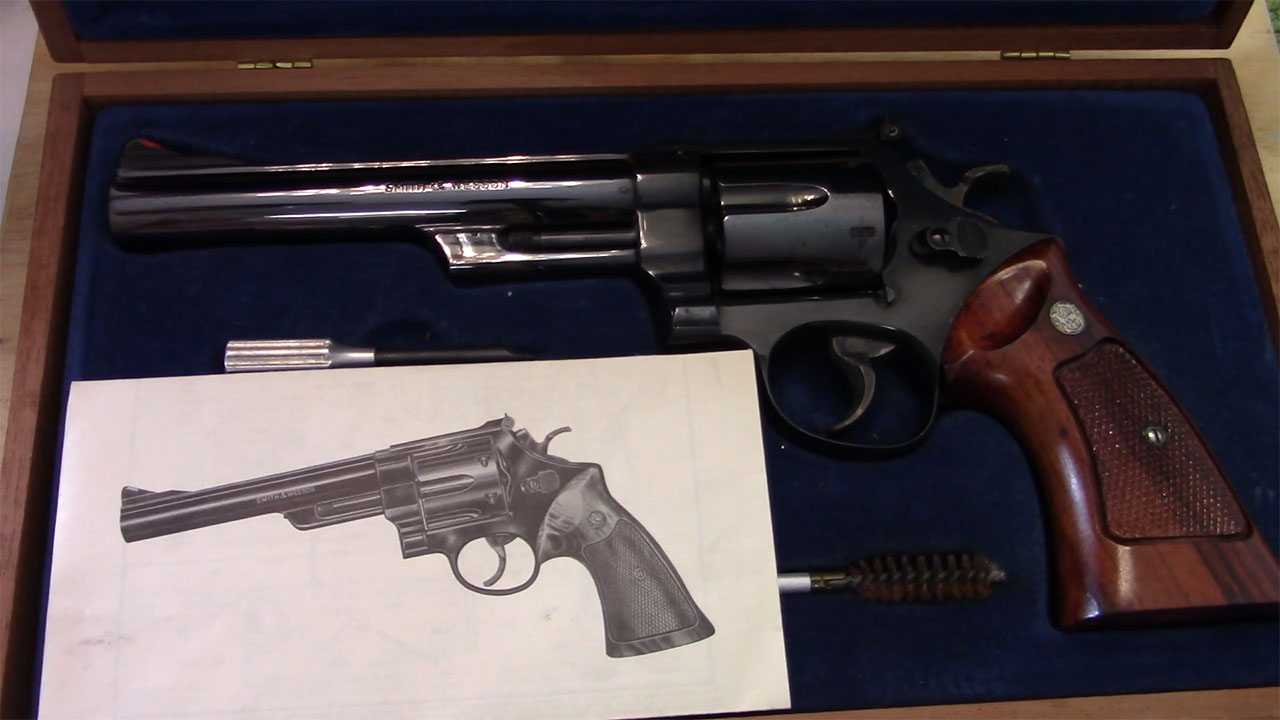
The .44 Magnum celebrity. Everybody knows it, and that’s exactly why nice ones keep getting scarcer. The Model 29 isn’t just about power; it’s about how well it’s put together when you find a good one, and how it somehow still feels like a “gun” instead of a “tool.”
Collectors hold onto these because they’re a milestone. Also because too many of them got shot loose, refinished, or turned into somebody’s “woods gun project.” A clean, honest 29 with tight lockup is a forever revolver for a lot of folks.
4. Smith & Wesson Model 686 (no-dash and early variants)
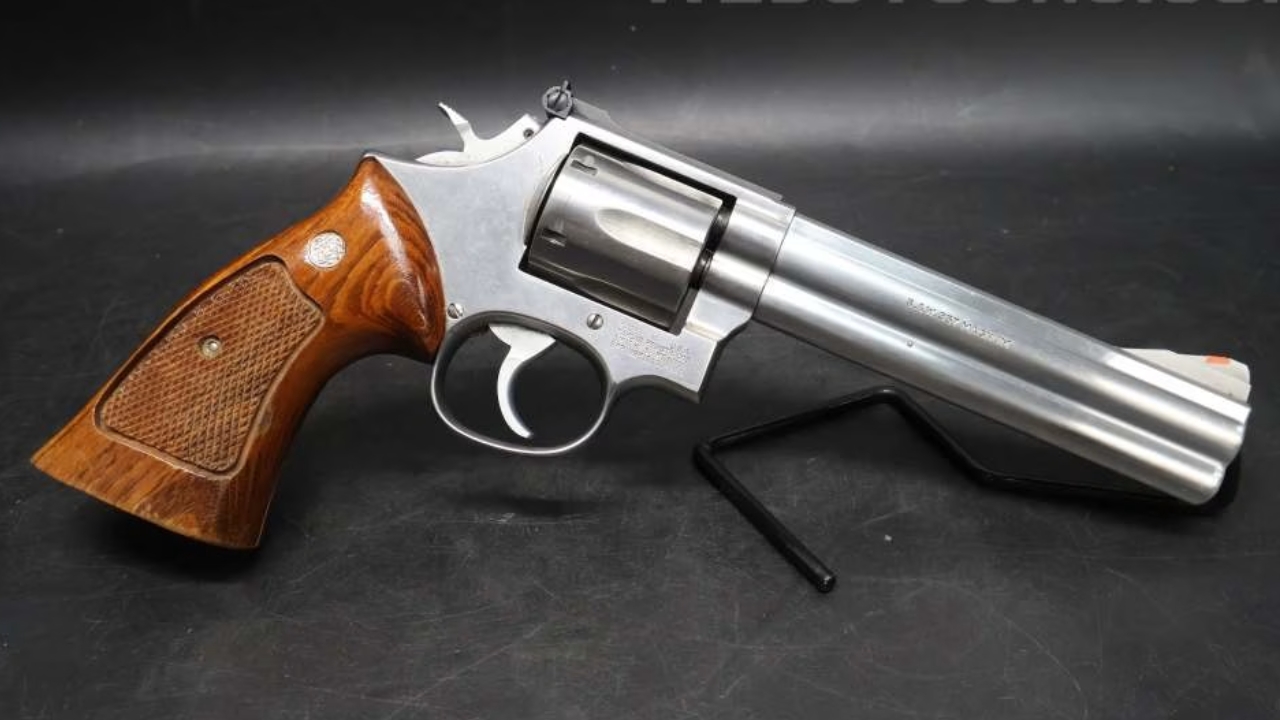
The 686 is the revolver that keeps showing up when someone says, “If you could only have one.” It’s not glamorous, and that’s kind of the point. L-frame strength, .357 capability, and a grip frame that fits a wide range of hands without drama.
Early guns in good shape don’t last long on the used rack. The 686 is also one of those revolvers that will make you look better than you are if you do your part. That’s a nice thing to keep around.
5. Smith & Wesson Model 10
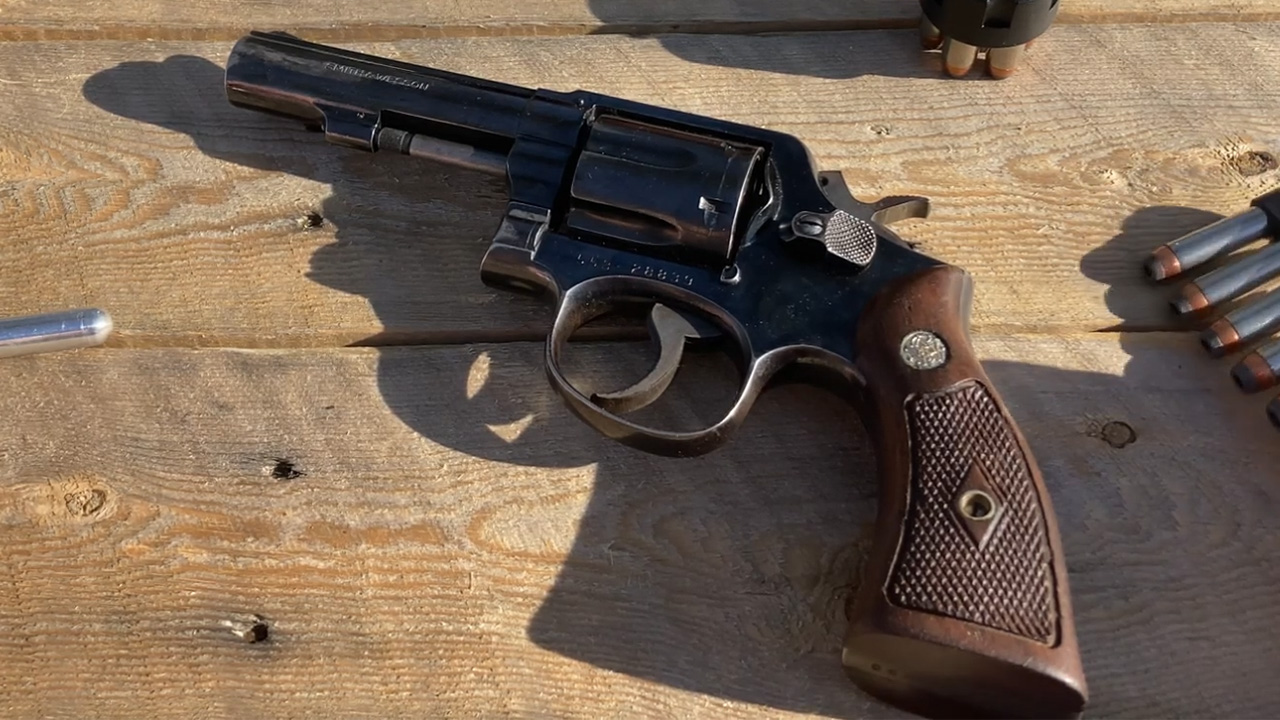
Boring on paper. Dead serious in real life. The Model 10 is the kind of .38 Special that has taught more people to shoot than most modern trainers ever will. The sights are simple, the recoil is friendly, and the trigger on a decent example is usually better than it deserves to be.
Collectors hang on because original, un-messed-with service revolvers are getting harder to find. And because once you realize how handy a good K-frame .38 is—farm, truck, tackle box, campsite—it’s tough to justify letting it walk.
6. Colt Python (classic production)
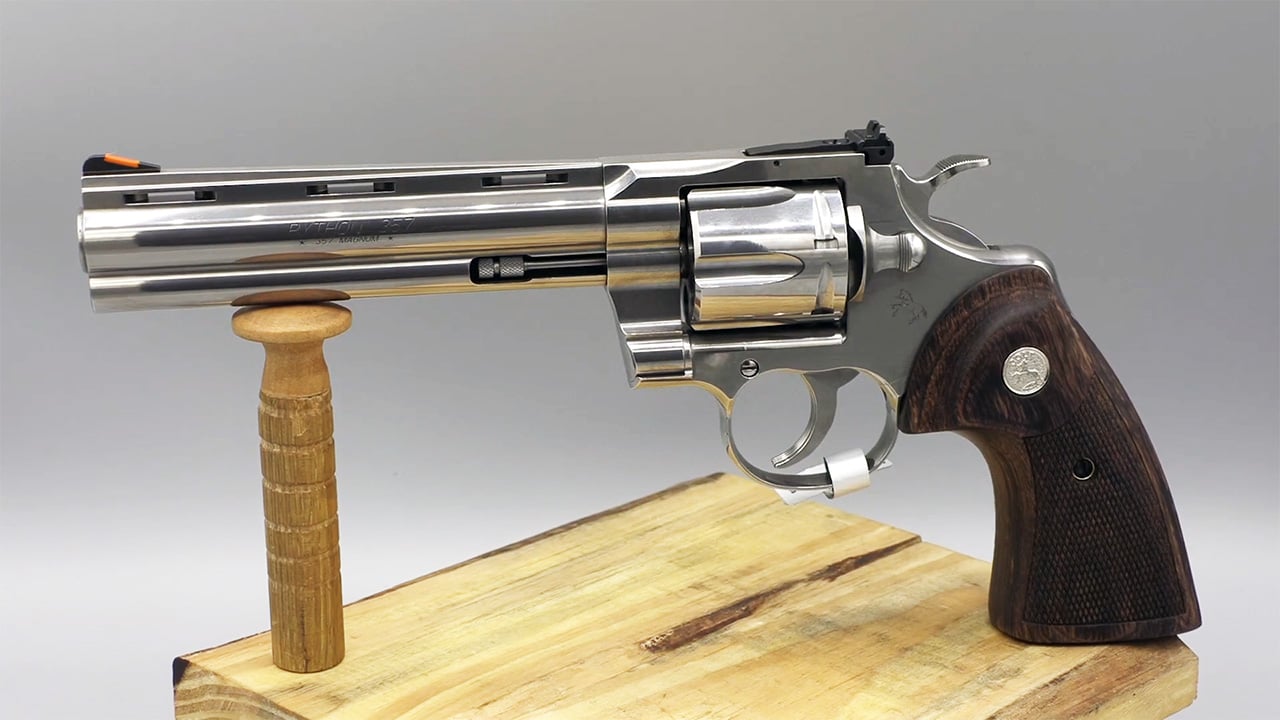
Everybody argues about Pythons, but the argument itself proves the point. When you see that full underlug and that Colt profile, your brain already has an opinion. A good older Python has a feel to the action that is different, not necessarily “better,” but unmistakable.
They’re also the kind of gun that gets handled a lot and shot a little, which is why collectors protect the nice ones. If you’ve got one that’s clean and mechanically sound, you don’t casually trade it off for something you’ll forget by next season.
7. Colt Detective Special

Before micro-compacts, this was what “carry” looked like for a lot of serious folks. The Detective Special carries flat, points naturally, and gives you six shots in a package that still feels like a real revolver. The older ones have an honest-to-goodness craftsmanship vibe you don’t have to squint to see.
People let them go thinking they’ll grab another snub later. Then they notice the price of a clean one, and the fact that worn ones can be a bit of a gamble mechanically. A good Detective Special doesn’t stay for sale long for a reason.
8. Colt Diamondback
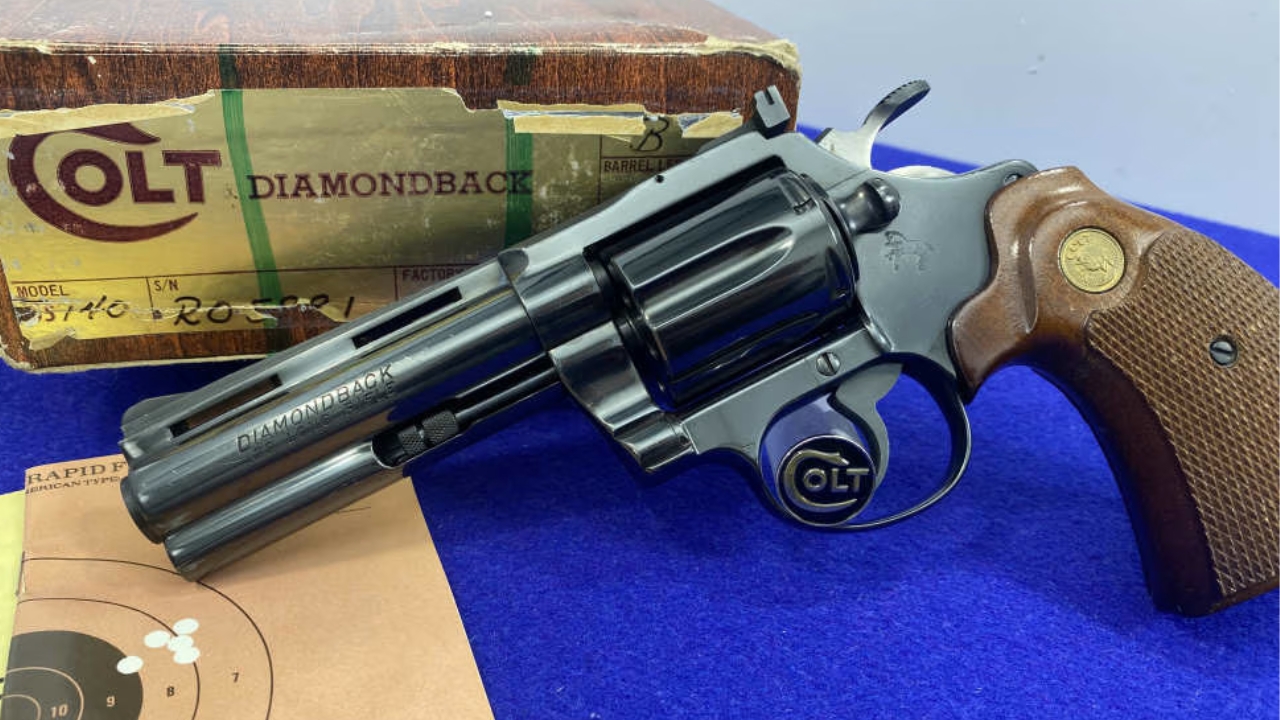
Call it the “little Python” and you won’t be wrong, even if Diamondback fans get a little protective about it. It’s sharp-looking, crisp-handling, and usually has that Colt personality in the trigger and lockwork. In .38 Special it’s a joy; in .22 it’s downright addictive.
These got bought, loved, and carried. That means clean ones are a step rarer than people expect. Once someone finds a Diamondback that hasn’t been abused, it tends to become a permanent member of the family.
9. Colt Trooper Mk III
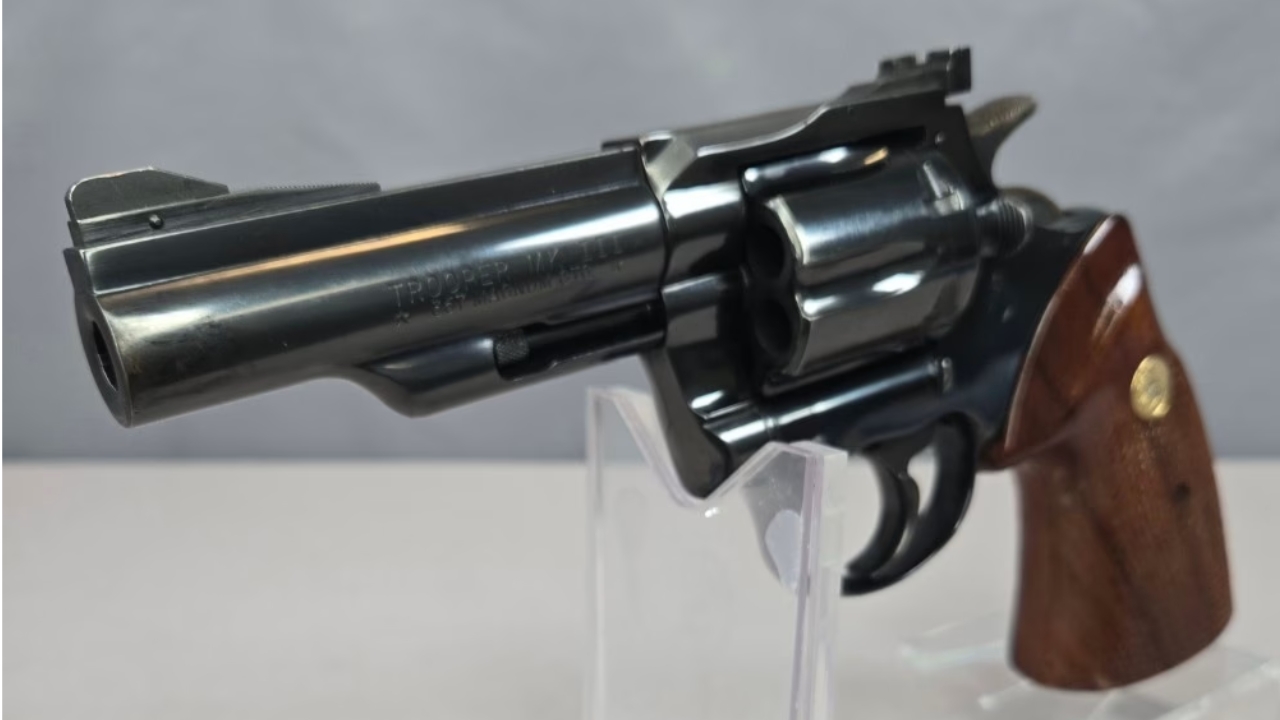
The Trooper Mk III is one of those sleeper Colts that doesn’t get the same spotlight, which is exactly why smart collectors keep them. Strong, usable, and often still priced below the flashier names. The action is different than older Colts, but it’s a solid working gun.
If you want “Colt” on the frame without playing the Python price game, this is one of the better answers. Letting one go usually turns into a long, quiet search for another clean example.
10. Ruger GP100
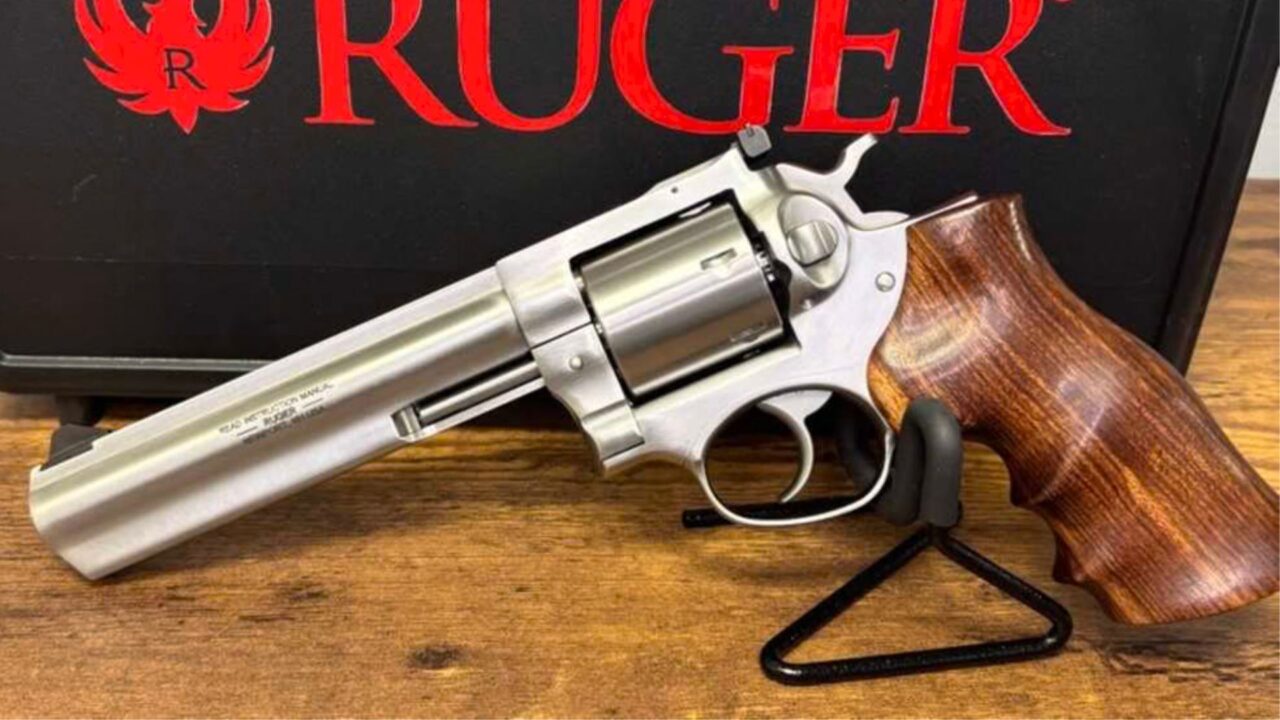
There’s a reason you see GP100s in nightstands, tackle bags, and camp rigs. They’re built like they expect to be dropped on a gravel road, rinsed off, and used again. The factory trigger might not be poetry, but it smooths out with use, and the gun just keeps going.
Collectors keep GP100s because they’re dependable, not because they’re rare. And honestly, “dependable” is a collectible trait when you’ve owned enough finicky stuff. If you ever owned one that shot to the sights and never complained, you probably miss it.
11. Ruger Security-Six
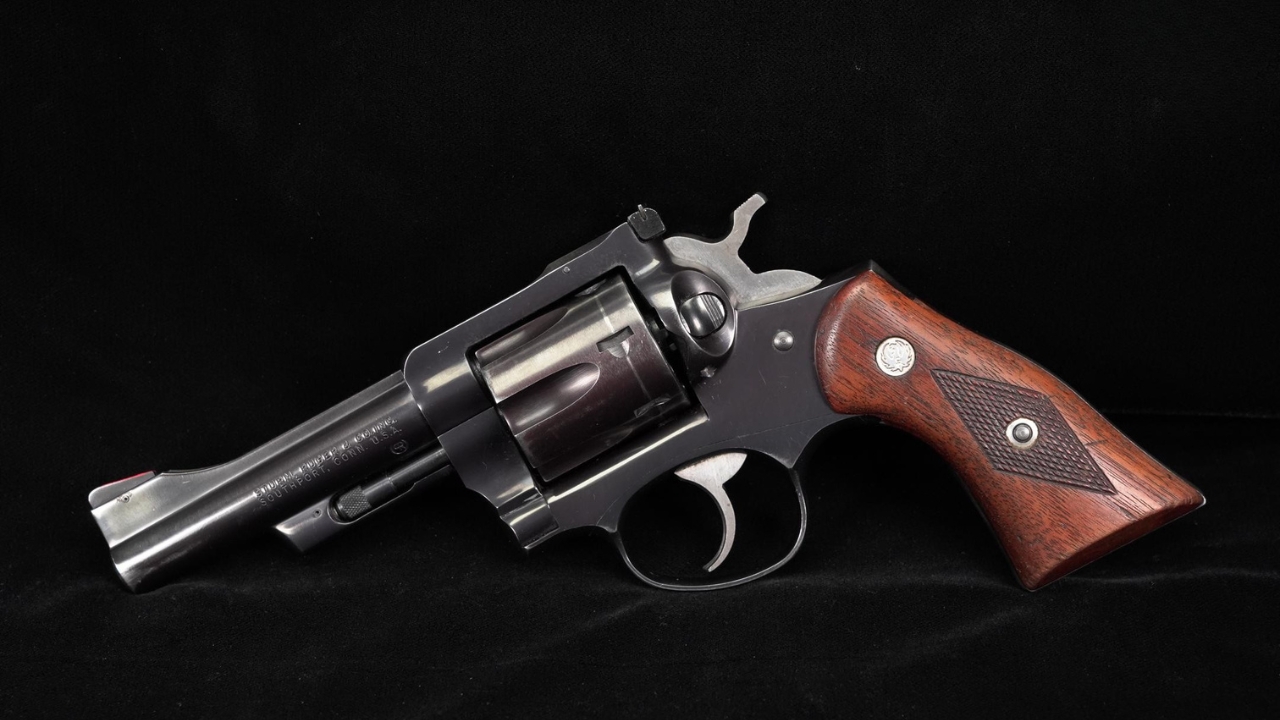
The old Six-series Rugers are the kind of revolver you buy used and then wonder why you didn’t buy two. They carry a little trimmer than the GP100, but they’re still stout and trustworthy. They were real working guns, and they look like it.
They also tend to have honest wear—holster shine, small dings, maybe a little thinning blue. That’s fine. What matters is timing and lockup, and when you find a tight one, it’s the kind of revolver you end up “loaning out” less and less.
12. Ruger Blackhawk (three-screw models)
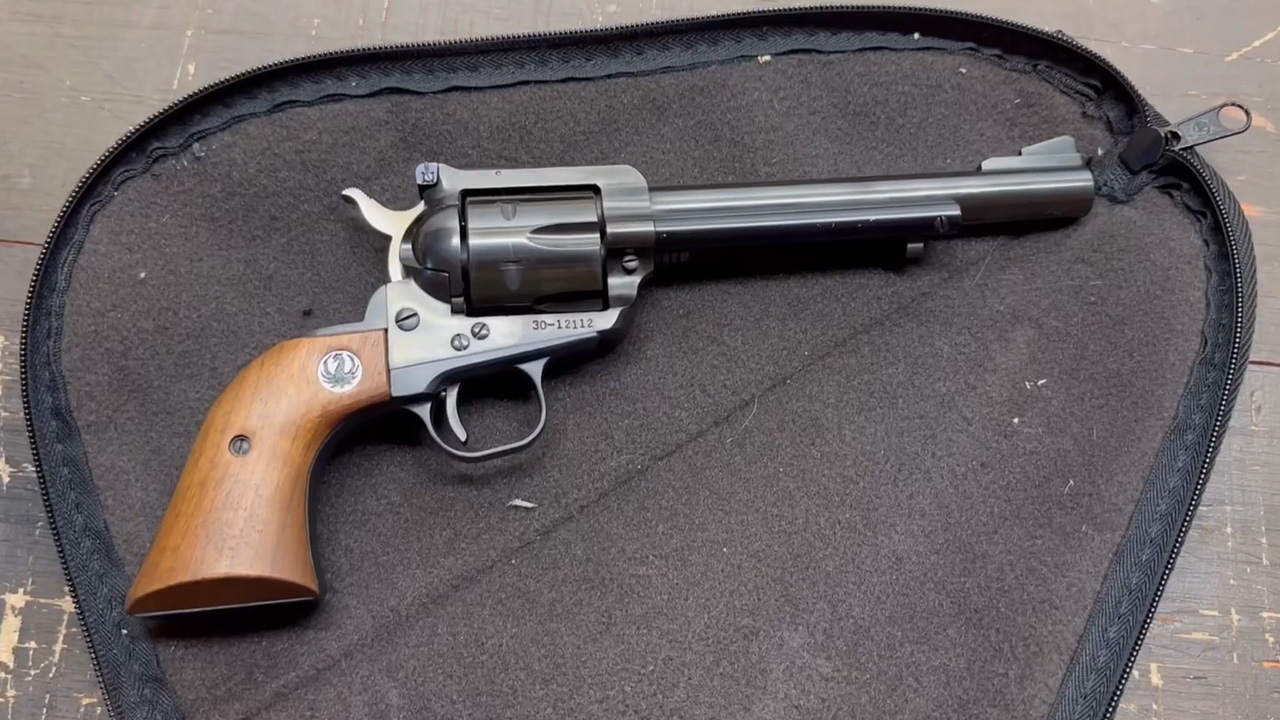
The three-screw Blackhawks have a feel that hits you as soon as you thumb the hammer. The clicks, the balance, the simple ruggedness. It’s an outdoorsman’s revolver, the kind that rides in a chest rig during elk season or on a hip while you’re fixing fence.
Collectors keep them because they’re classic Ruger, and because too many have been modified or “improved” over the years. A clean, original example with honest screws and good timing is a gun you can hand down without apology.
13. Ruger Super Blackhawk (classic .44)

This is the revolver that makes a .44 Magnum feel like it belongs in the woods. It’s big, it’s plain, and it’s not trying to impress anybody. But if you’ve ever carried one around bear country, or even just kept it as a camp gun with heavy loads, you know why it has a following.
Some folks sell them because single-actions aren’t fashionable, or because they want something lighter. I get it. Still, a Super Blackhawk that shoots straight and fits your hand is hard to replace with anything that feels as honest.
14. Ruger SP101
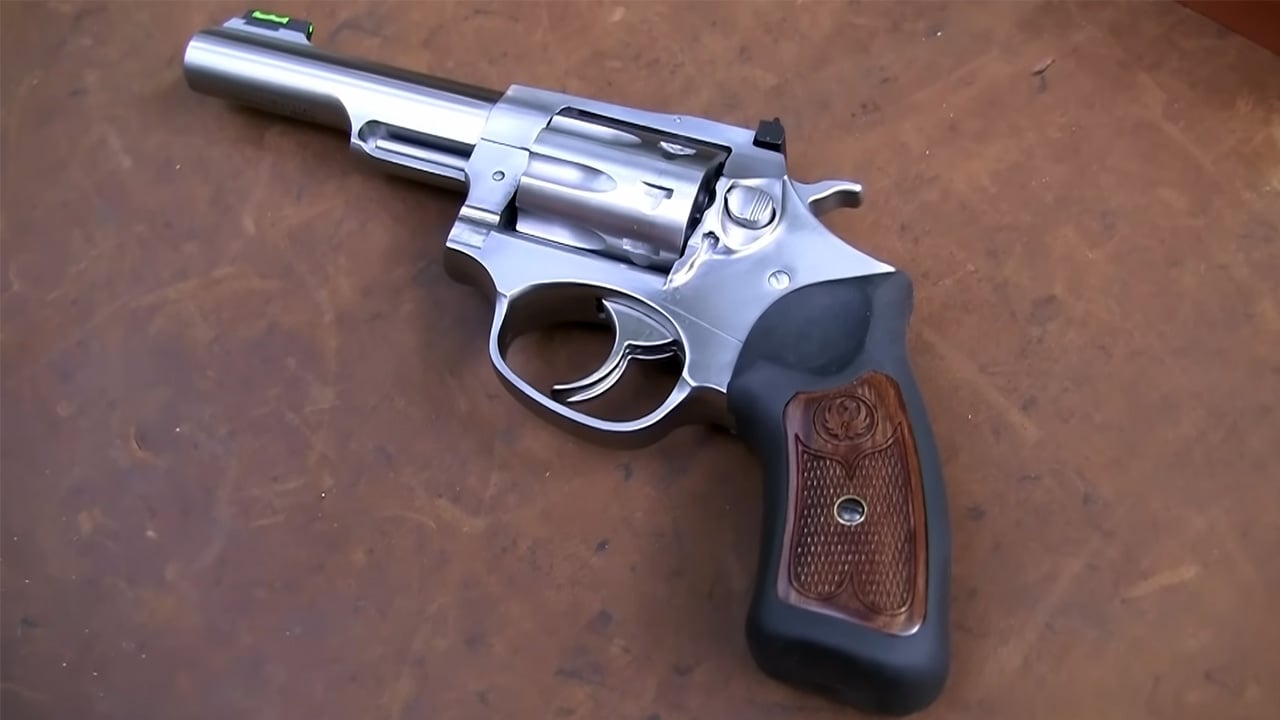
The SP101 is the little tank that keeps surprising people. It’s heavier than the trendy snubs, but that weight is your friend when you actually shoot .357 Magnum instead of just talking about it. The gun is steady, durable, and not overly fussy.
Once someone finds an SP101 that carries well for them, it becomes a long-term companion. It’s the revolver you toss on for a quick walk to the mailbox at night, or the one you take when you’re checking trail cameras and don’t want to think too hard.
15. Ruger Redhawk (original .44 Magnum)

The Redhawk is not subtle. It’s the revolver you bring when you want overbuilt. That big frame and one-piece grip frame design handle heavy loads with a kind of stubborn confidence. It’s also a revolver that tends to last through a lot of “testing” that would beat up lighter guns.
Collectors hold onto Redhawks because they’re real-world useful in a way that doesn’t fade. If you hunt with a revolver, or you spend time where four-legged trouble is a possibility, a good Redhawk ends up being the one you trust when you’re tired and it’s getting dark.
16. Dan Wesson Model 15 (.357 Magnum)

Dan Wesson revolvers are one of the best “if you know, you know” corners of the wheelgun world. The Model 15 has accuracy baked in, and the whole setup has a serious, purposeful feel. When you find one with the right barrel/shroud setup and it’s been cared for, it can shoot with anything.
They don’t have the same name recognition at the local gun counter, which means they’re easy to undervalue—until you try to find another clean one with the parts you want. After that, folks stop selling them.
17. Korth Combat (modern German DA revolver)

Korth is not “best budget pick.” It’s a luxury revolver that still earns its keep mechanically. The fit, finish, and trigger can feel unreal if your baseline is typical production guns. It’s the kind of wheelgun you hand someone at the range and immediately watch their eyebrows go up.
Collectors keep these because they’re expensive, yes, but also because they’re not common and they scratch a very specific itch. If you’ve made the jump into that tier and picked the right configuration, you don’t usually flip it on a whim.
18. Manurhin MR73

The MR73 has a reputation for being built to a standard instead of a price point. It’s a revolver that feels like it was designed by someone who assumed it would be shot hard, cleaned, and shot harder. The trigger work on a good one is the sort of thing you notice even if you’re not a “trigger guy.”
They’re not everywhere, and that scarcity is part of why collectors clamp down on them. If you’ve got an MR73 that runs and you trust it, you’re not likely to let it go just to chase the next trend.
19. Freedom Arms Model 83

Freedom Arms makes revolvers for people who take revolvers seriously. The Model 83 is tight, precise, and built for heavy hunting cartridges in a way that doesn’t feel like a compromise. It’s not a casual plinker, and it’s not cheap, but it’s the kind of tool that can turn handgun hunting from “maybe” into “yes.”
Once you’ve hunted with one and seen what that accuracy and strength actually do in the field, it’s hard to look at it as a trade item. It becomes part of your hunting kit, like a favorite pack frame or a trusted scope.
20. Smith & Wesson Model 625 (.45 ACP)

This one’s a little different, and that’s why it sticks. A .45 ACP revolver with moon clips is fast to load, soft-shooting for the caliber, and just plain fun. The 625 also tends to be accurate in that “how is this so easy?” way, especially when you find a load it likes.
Collectors keep 625s because they’re useful, and because they’re not as common as they should be for how well they work. It’s a revolver that makes sense for the range, for the house, and for anybody who already stacks .45 ACP on the shelf.
A revolver doesn’t have to be rare to be a keeper, and it doesn’t have to be pretty to be worth hanging onto. Most of the time, the ones collectors stop letting go of are the ones that proved themselves: on the range when it mattered, in the holster when it was uncomfortable, and in the safe when everything else came and went. If you’ve got one of these and it’s a good example, think twice before you trade it for something that’s just “new.” Ask me how I know.
Like The Avid Outdoorsman’s content? Subscribe to our newsletter so you never miss an article.
Here’s more from us: