Photo credit: Paul W./YouTube
Every few years the gun world gets another “clean-running” miracle. New coating, new gas system, new marketing buzzwords. Then you take it to a dusty range, run a couple hundred rounds, and the thing looks like you dumped chimney soot in the action. Meanwhile, an unsexy semi-auto from the 1990s is sitting in somebody’s safe, still doing the job with basic lube and a wipe-down.
When I say “runs cleaner,” I’m not saying “never needs maintenance.” I’m saying these older designs tend to keep the mess where it belongs, tolerate being carried in the woods, and keep chugging when you’re not babying them. A lot of it comes down to proven operating systems, sane tolerances, and magazines that actually work. Here are 20 semi-autos from that era that, in the real world, often stay less nasty than plenty of modern options.
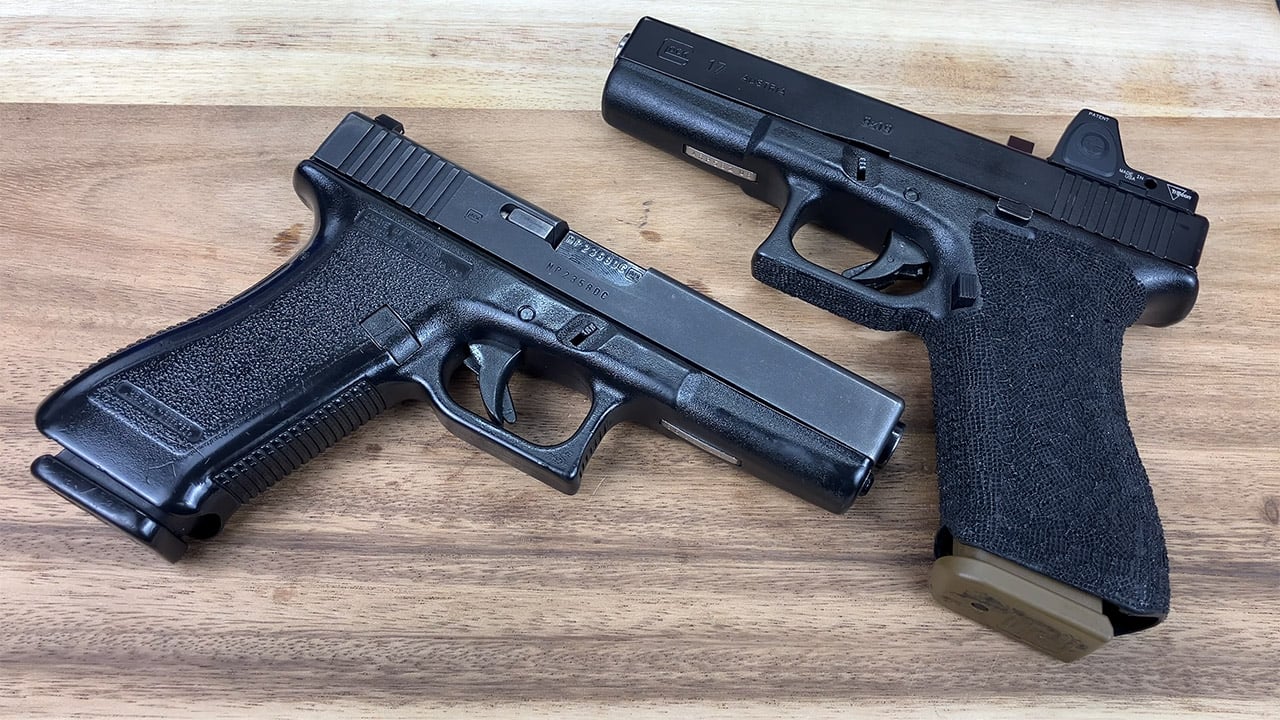
1. Glock 17 (Gen2/Gen3 era)
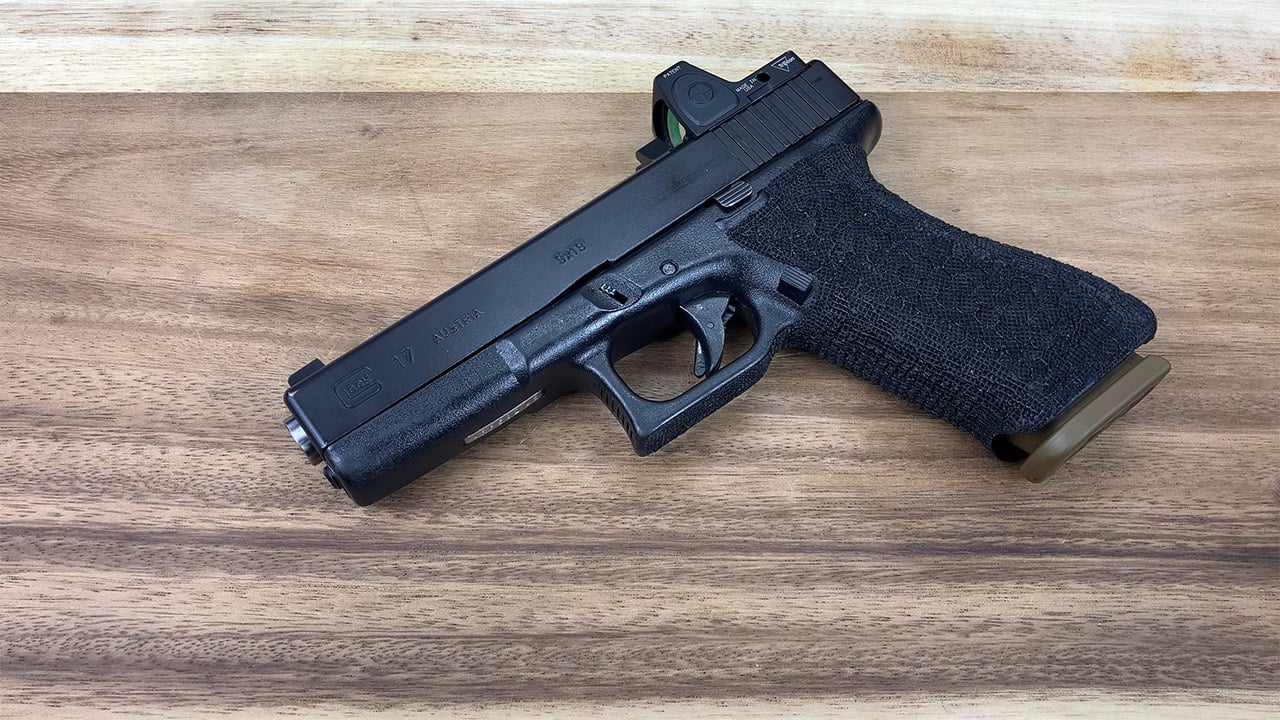
There’s a reason old police trade-in Glock 17s still show up with ugly holster wear and a boringly reliable attitude. The Tenifer-treated slides from that period hold up, and the guns don’t seem to care about sweat, dust, or a little neglect. They aren’t “clean” inside after a range day, but they don’t sludge up in a way that changes how they run.
The other thing is parts and mags. Magazines are everywhere, small parts are cheap, and any decent armorer can sort one out. You can chase newer triggers and optic cuts all you want, but the old 17 is still the baseline for a reason.
2. Glock 19 (Gen2/Gen3 era)
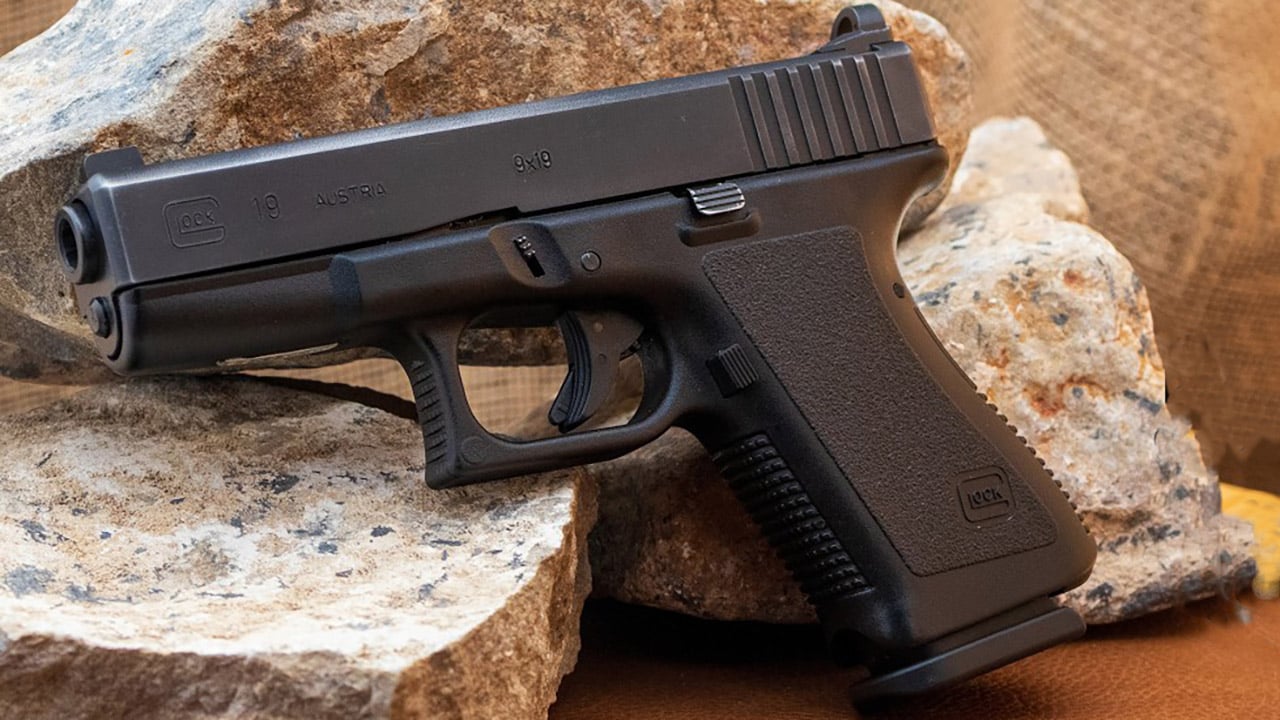
The Glock 19 is the pickup truck of pistols. Not the prettiest. Not the softest shooter. But it does not require you to “learn its personality.” It feeds, extracts, and keeps going with the kind of grime most striker guns claim they can handle and then don’t.
If you carry, the 19 also rides close without being a tiny gun that’s finicky about grip or limp-wristing. And the 1990s guns have that simple, proven setup that doesn’t rely on fancy coatings to sound impressive.
3. SIG Sauer P226 (West German and early Exeter)

A good P226 has a certain feel when the slide cycles, like the rails are on bearings. Even when it’s dirty, it stays smooth. It’s not a featherweight, but that weight helps it keep running when things get hot and dry.
These older SIGs also tend to have robust extractors and a track record with duty ammo that’s hard to argue with. Just keep an eye on recoil springs like you should with any service pistol, and it’ll keep earning its keep.
4. SIG Sauer P229 (original .40/.357 frame)

The P229 built its reputation in the hard years when .40 S&W was king. Those guns got shot, carried, and sweat on. They’re overbuilt compared to a lot of modern “lightweight everything” pistols, and they tolerate crud well.
Plenty of folks move them along because they’re heavy for concealed carry. I get it. Still, if you want a semi-auto that runs when it’s filthy, the old 229 is a safe bet.
5. Beretta 92FS (1990s production)
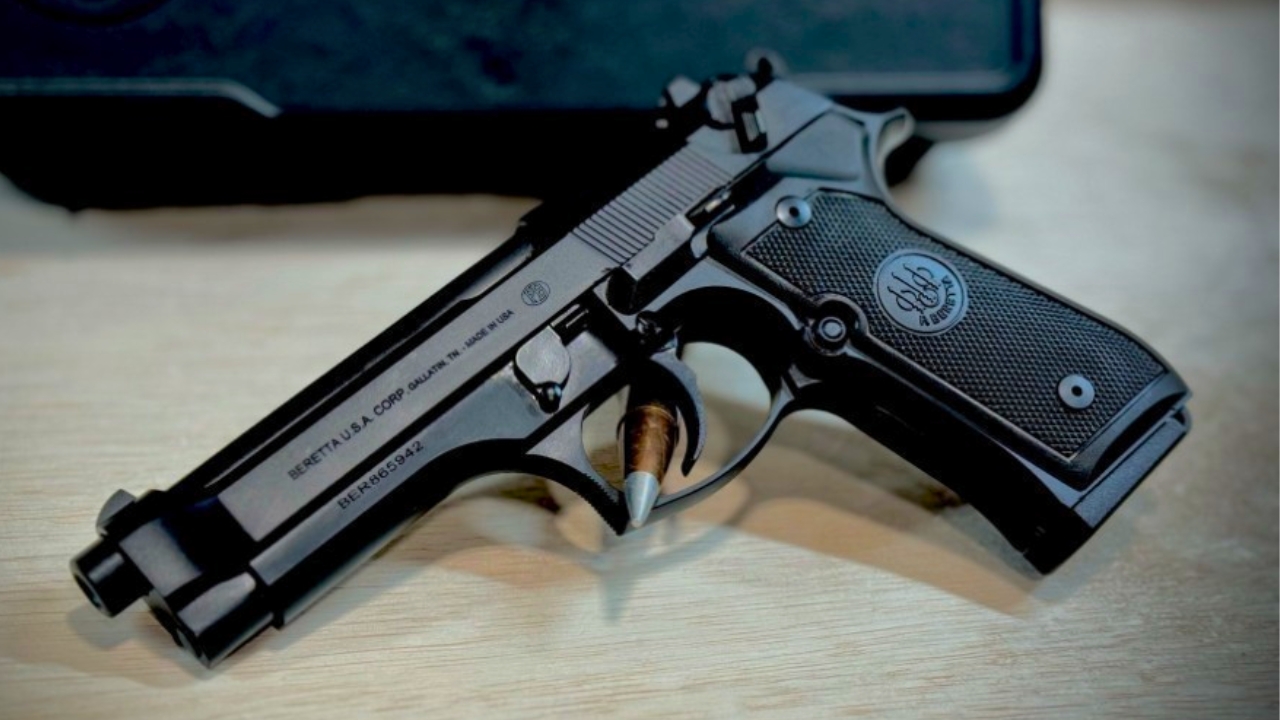
The open-top slide isn’t just a look. It helps these pistols keep from choking on crud and brass issues. When you’ve watched a 92FS run in heat and dust, you stop laughing at the size.
It’s a big handgun, no way around it. But for a nightstand gun, range work, or a belt gun under a coat, it keeps cycling even when you’re not religious about cleaning every 150 rounds.
6. Heckler & Koch USP 9 (full-size)
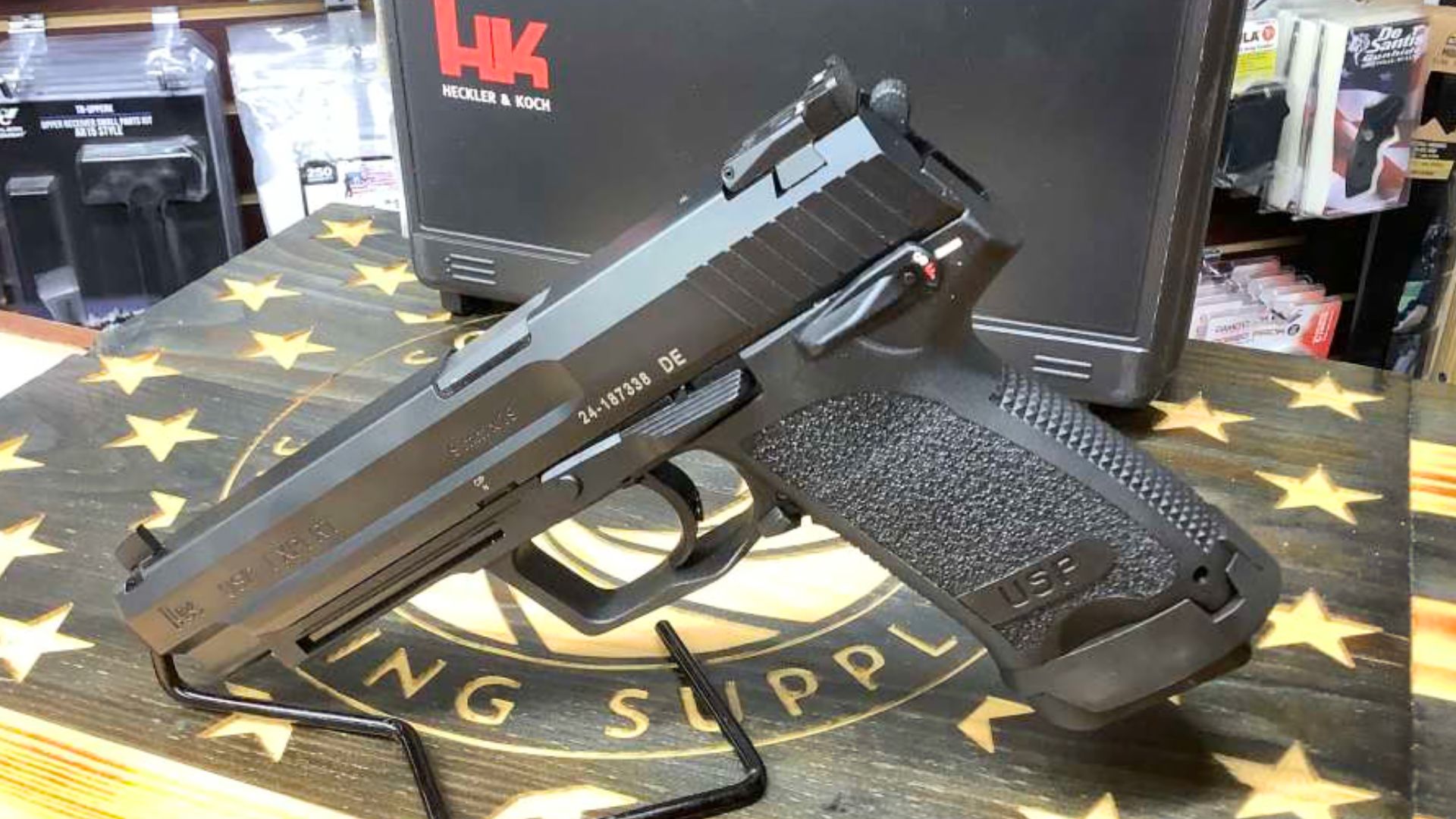
The USP is not a dainty pistol. It’s a blocky, serious-duty gun that feels like it was designed by someone who expected you to shoot it a lot and complain later. It runs when dirty, and it doesn’t mind being dry for a while, though I still lube mine.
Magazines cost more than Glock mags, and that’s the downside. But the gun itself has a reputation for staying boringly consistent, even after long range sessions that leave other pistols looking like they were dipped in carbon.
7. Heckler & Koch Mark 23

No, most of us don’t “need” a Mark 23. It’s huge, it’s expensive, and it’s almost comical on a belt. But clean running? These things are built to keep operating through abuse, and they’re not picky about being spotless.
Where it makes sense is as a collector piece that still performs, or as a range gun where reliability is the point. It’s not trendy, and that’s kind of the point.
8. Ruger P95 (9mm)

The P95 is the gun that never won a beauty contest and never cared. I’ve seen them run with bargain ammo, dusty mags, and minimal maintenance, then keep going like nothing happened. The slide feels like a cinder block, but it works.
They’re usually cheap on the used market, and that’s where the value is. If you want a glovebox or cabin pistol and you don’t want to cry about scuffs, the P95 is hard to beat.
9. Ruger P89 (9mm)

Another Ruger from the “built like farm equipment” era. The P89 has that chunky alloy-framed feel and a straightforward operating system that doesn’t foul itself into a corner quickly. It’s not match accurate, but it is dependable.
Triggers can be a little gritty, and the grip is not for small hands. But if your standard is “go bang every time,” the old P89 usually delivers.
10. CZ 75B (1990s production)

The CZ 75B has a slick, inside-the-rails slide ride that stays surprisingly smooth even when the gun is dirty. They’ll get black inside like any 9mm, but they don’t tend to start slowing down or short-stroking the way some tight modern guns can when they’re dry.
You do need decent magazines, and the gun likes to be run with real ammo, not the lightest handloads on earth. Treated right, it’s one of those pistols that makes you wonder why you ever bothered chasing gimmicks.
11. Browning Hi-Power (late production Mk II/Mk III)
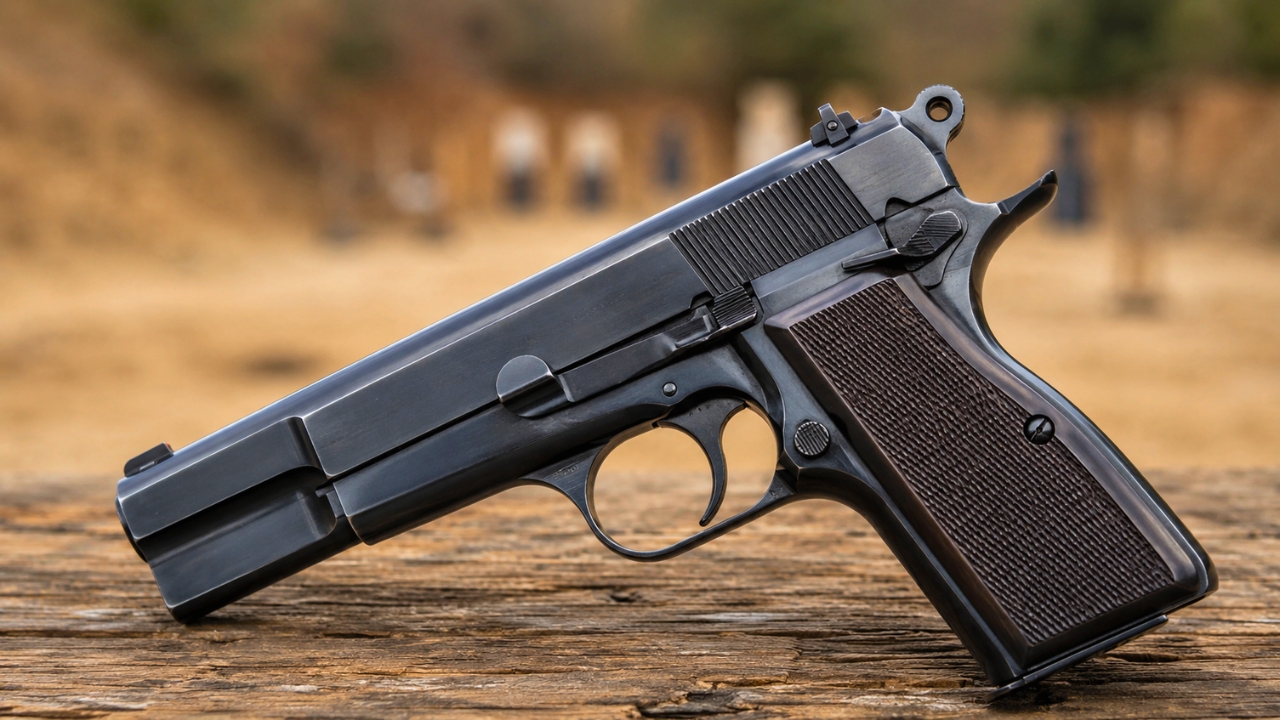
A Hi-Power isn’t the easiest pistol to detail clean, and the old mag safety setup can make the trigger feel heavier than it should. But as a running gun, it’s proven, and it doesn’t demand constant attention to stay functional.
The reason it still belongs on lists like this is simple: it’s a mature design with decades of refinement. Keep the springs healthy, use good mags, and it just keeps feeding.
12. Remington 1100 (1990s production)
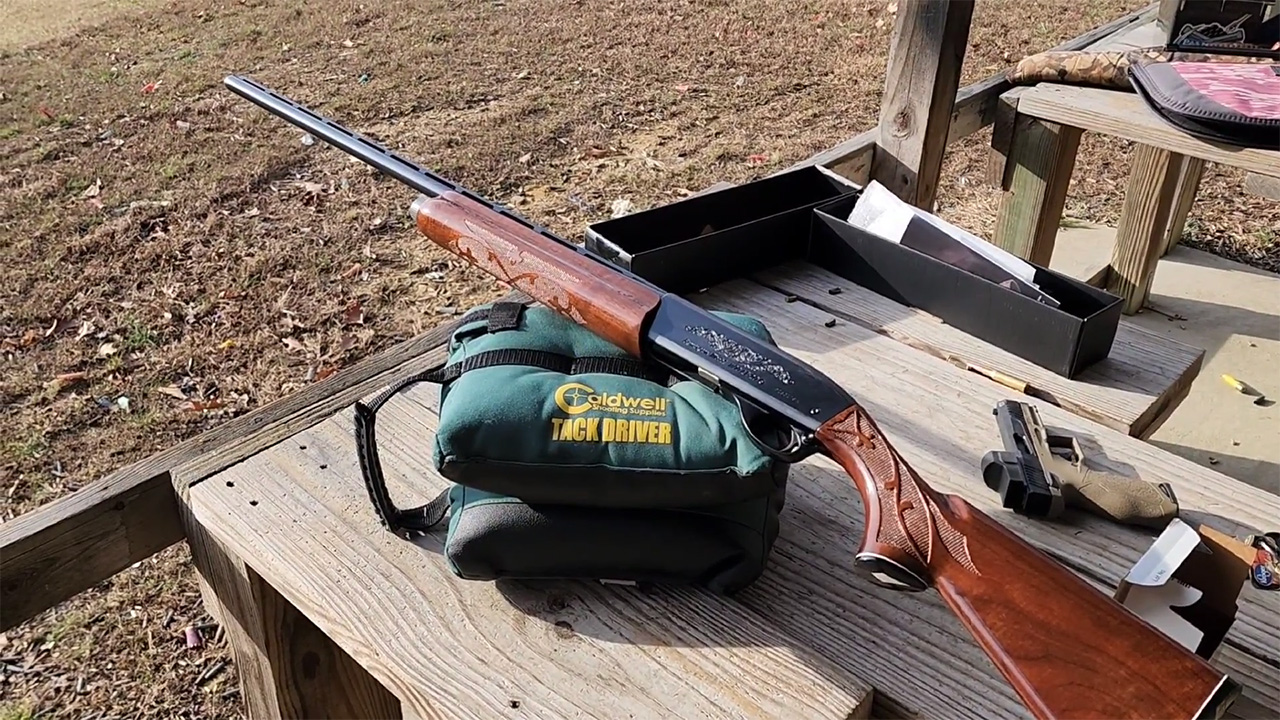
Gas guns get labeled “dirty” because, sure, carbon goes somewhere. But the 1100’s gas system is easy to understand, easy to maintain, and it doesn’t usually turn the whole shotgun into a gritty mess the way some newer “tactical” semi-autos do after a hard weekend.
In the field, an 1100 that’s reasonably maintained can shoot clays all morning and still feel smooth. It’s also a shotgun a lot of folks regret selling. That one hurts.
13. Beretta 390 (12 gauge)
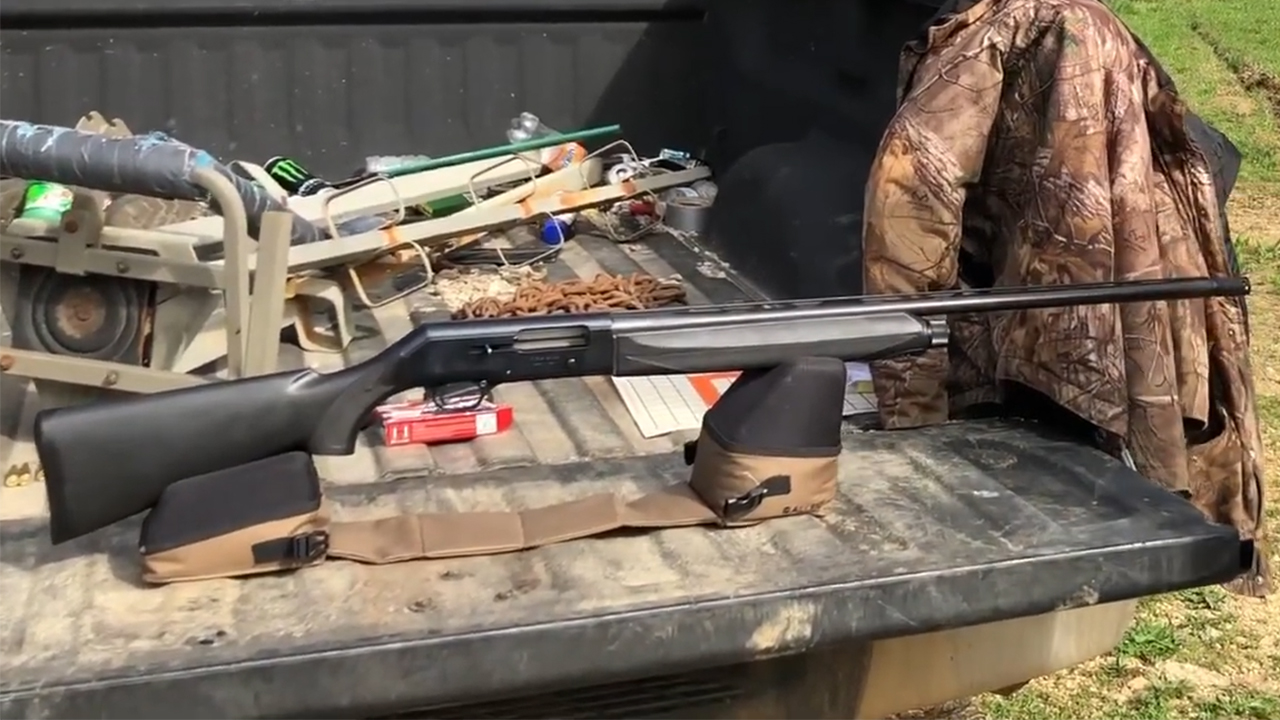
If you’ve spent time in dove fields, you’ve probably seen a 390 that looks beat up but cycles like it’s brand new. These shotguns don’t stay pristine inside, but they tend to keep their fouling manageable and their cycling consistent.
The balance is excellent, and they point naturally. For the guy who actually hunts with his shotgun instead of posting it online, the 390 is a quiet legend.
14. Benelli M1 Super 90

Inertia guns have a reputation for running “cleaner” because you aren’t venting gas into the action. The M1 is a classic example. You can shoot a pile of shells and not feel like you need to dig carbon out of every corner.
They can be picky if you’re trying to run super light loads, and fit matters. With normal hunting and defensive loads, an M1 will keep chugging when gas guns start feeling sluggish.
15. Browning BAR Mark II (1990s hunting BAR)

The hunting BAR is not an AR, and it’s not trying to be. It’s a semi-auto deer rifle meant to cycle smoothly and not beat you up. In my experience, these rifles can go a full season of hunting and range confirmation without turning into a filthy problem child.
They’re not as easy to detail strip as a modern modular rifle. Still, for the guy who wants a fast follow-up shot in thick timber and doesn’t want to babysit a finicky system, they’re solid.
16. Ruger Mini-14 (580-series and earlier 1990s Ranch Rifle)

The Mini-14 has been called everything from “underrated” to “inaccurate.” The truth depends on which era you have. But in terms of staying functional when dirty, the Mini tends to keep running, especially with decent factory mags.
It’s a ranch gun. Toss it behind the truck seat, carry it on an ATV, use it for varmints, and it’ll take the abuse. Modern rifles may shoot tighter groups, but plenty of them aren’t as forgiving when dust and neglect show up.
17. Colt AR-15A2 (20-inch rifle, 1990s builds)
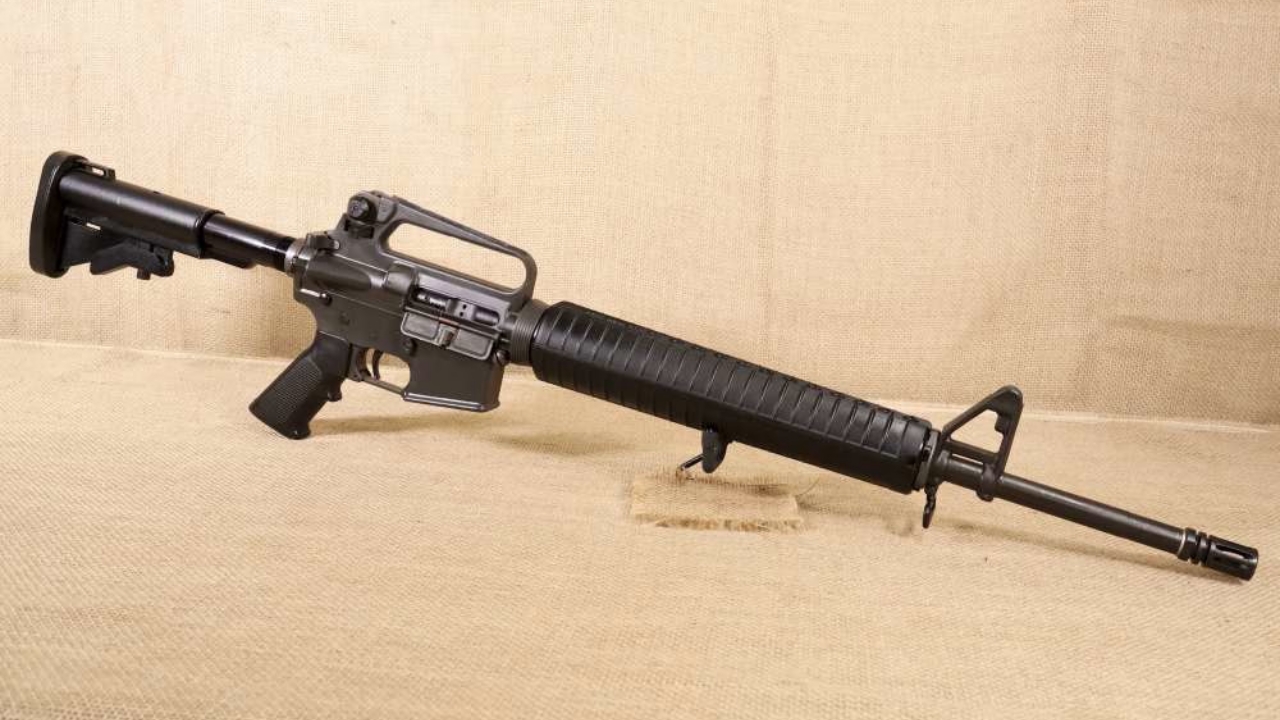
Yes, the direct impingement AR gets called dirty. And yes, it puts gas back into the action. But a properly built A2 with a full-length gas system is a smooth-running rifle that often stays more predictable than a lot of “new hotness” setups with adjustable blocks, short dwell times, and mystery parts.
With decent lube and a quality bolt carrier group, an A2 will run a long time. It’s not fancy, but it’s consistent, and consistency is what keeps you from chasing problems.
18. FN/FN Herstal FNAR (based on the BAR sporting action)

The FNAR is one of those rifles that looks like it belongs in a different decade, because it does. Under the hood, it’s tied to a proven sporting action, and it tends to run without getting temperamental fast. They’re not common, but they’re real performers.
They’re also heavier than most modern .308 semi-autos, and the aftermarket isn’t endless. If you find one that’s been cared for, it’s a sleeper option that keeps working instead of turning into a project.
19. Marlin Model 60 (1990s .22 LR)

.22s get dirty by nature. Bulk rimfire ammo is filthy, and everybody knows it. But the Marlin 60 has a reputation for just eating it for a long time before it starts acting up, and it’s usually easier to get back on track than a lot of newer rimfire semi-autos with tight chambers and picky magazines.
The tube feed is not for everybody, especially if you’re used to detachable mags. For plinking, small game, and a farm rifle that lives by the door, it’s still a winner.
20. Ruger 10/22 (1990s carbine)

The 10/22 is everywhere for a reason. A plain 1990s carbine with a factory bolt and a decent rotary mag will run an awful lot of dirty ammo before it starts getting sluggish. When it does, it’s usually a quick cleaning and you’re back in business.
Where modern guns sometimes lose the plot is when they get “upgraded” into something finicky. The old, basic 10/22 is not trying to impress anyone. It’s trying to work.
The funny thing about these 1990s semi-autos is that most of them aren’t trying to be cutting-edge. They were built to be carried, shot, and maintained by normal people, not just tuned by enthusiasts. If you’ve got one of these in the back of the safe, it might be worth a second look before you trade it off for the newest promise on the shelf.
Like The Avid Outdoorsman’s content? Subscribe to our newsletter so you never miss an article.
Here’s more from us: