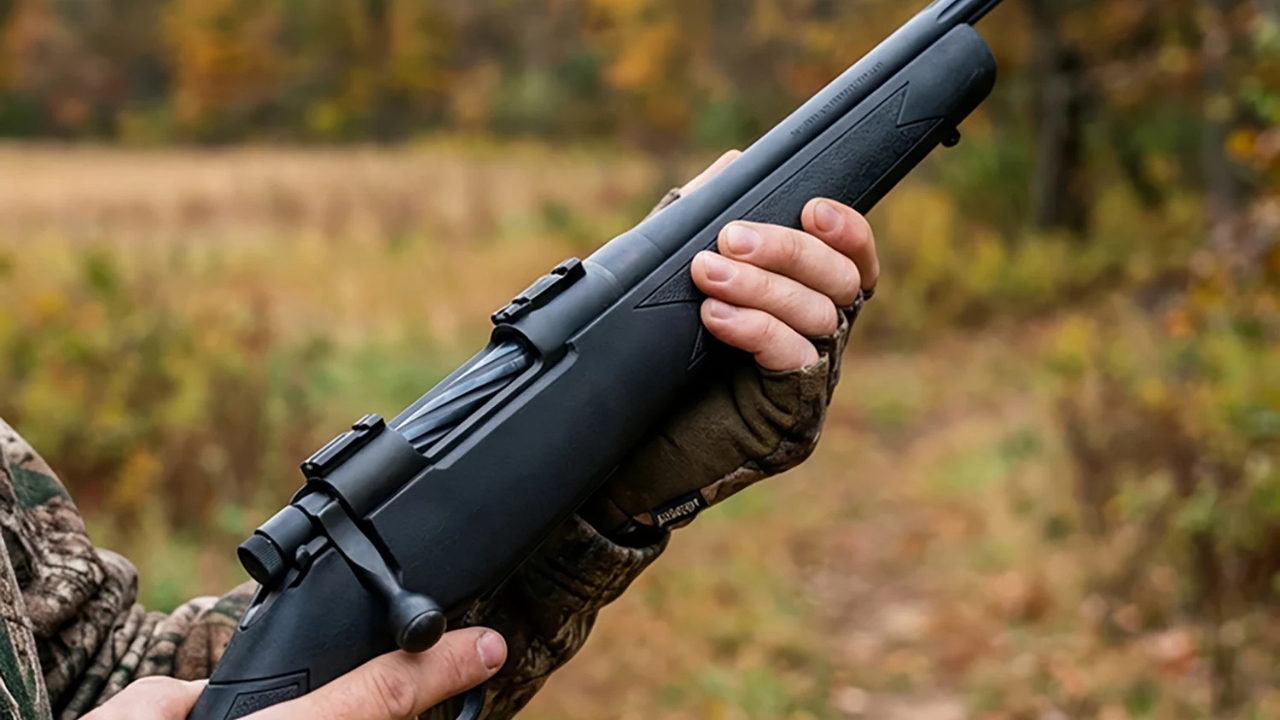
Photo credit: Academy Sports
The rifle that feels perfect on a clean range bench can turn into a real problem when you’re soaked, cold, and trying to work a bolt with numb fingers while your sling is sliding off your shoulder. Weather doesn’t just expose the weak link in your clothing system. It exposes the weak link in your rifle setup, your finish, your magazine situation, and the little “it’ll be fine” decisions you made at the gun counter.
None of these rifles are automatically bad. Some of them are downright accurate and fun. But they’ve all got a reputation for looking the part until rain, snow, grit, or real hunting pace shows up. Ask me how I know.
1. Remington 700 ADL (older blued/synthetic packages)

The basic 700 ADL has put a lot of deer in the freezer, and I’m not here to pretend it hasn’t. The issue is the “cheap package rifle” version a lot of us ended up with: matte bluing, economy stock, budget rings, and a scope that fogs the first wet morning.
When it stays dry, you don’t notice how quickly surface rust can start around the muzzle, under the scope base, and on the bolt handle. Add one long, wet sit and then stuff it in a soft case, and you’ll learn a lesson you didn’t want.
2. Ruger American Rifle (factory stock in hard rain)

I like the Ruger American for what it is: affordable, light, and usually shoots better than it should. The weak spot is how it feels and rides when everything’s slick. That factory stock can get “twisty” when you’re cinched into a rest or braced on a pack.
In nasty weather, the light weight is a blessing until it isn’t. The rifle moves more in the wind, and with gloves on, the whole thing can feel a little toy-like. It still kills deer, but it’s not the confidence machine it looked like on a sunny sight-in day.
3. Savage Axis (stiff controls with cold hands)
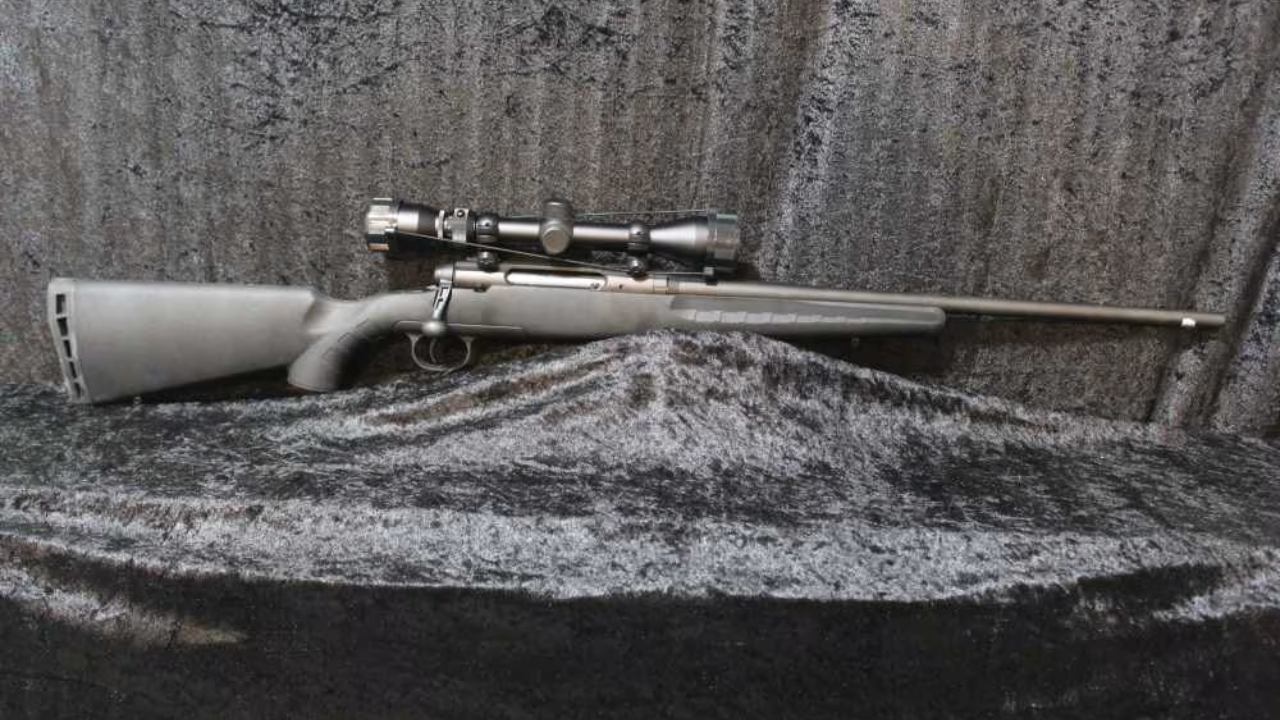
Axis rifles have a lot going for them: they’re common, they’re affordable, and plenty of them group just fine. The knock is that the whole rifle can feel a bit “budget” when you’re trying to run it fast, quietly, and with gloves.
When it’s freezing and your fingers are clumsy, a stiff bolt lift or a small, awkward safety suddenly matters. In a dry box blind you may never notice. In sleet on a ridge, you’ll notice.
4. Mossberg Patriot (magazine and bedding quirks show up fast)
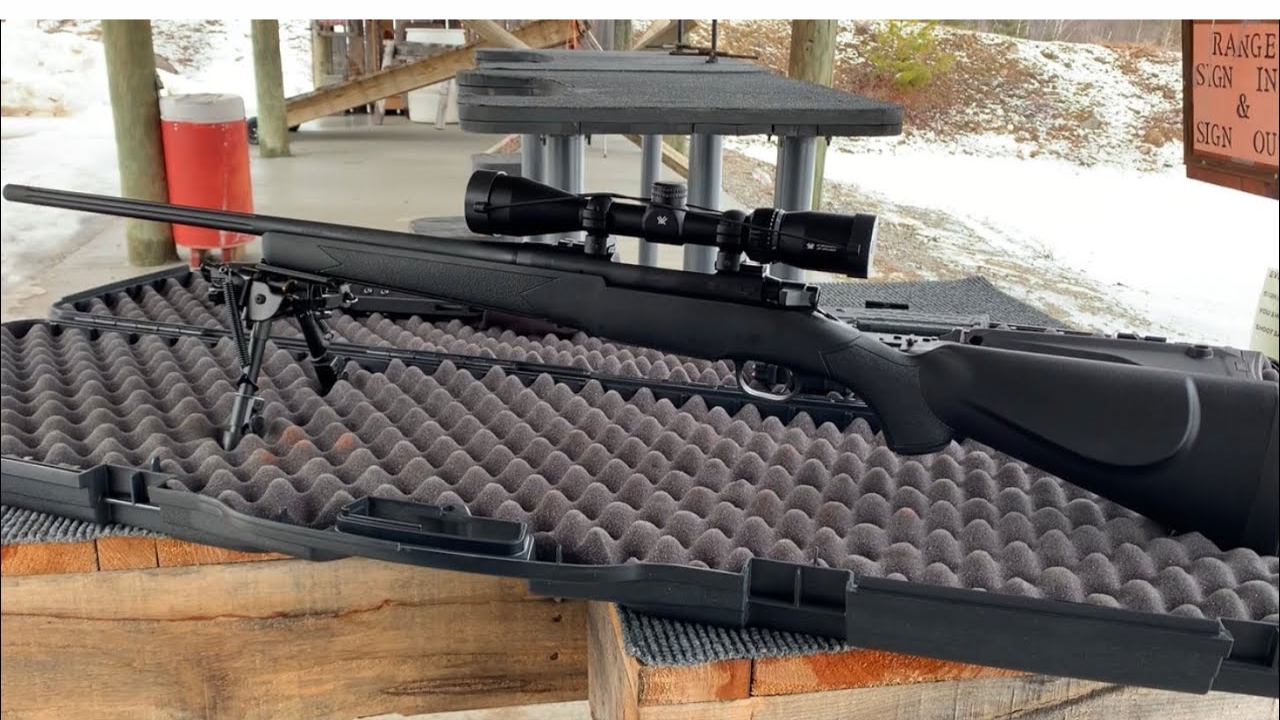
The Patriot looks like a classic hunting rifle at a price that pulls folks in. In decent conditions, it’s usually fine. The trouble is that the little tolerance issues—magazine fit, feeding angle, action screw tension—can become bigger issues when everything is wet and you’re moving.
Rain and grit don’t cause the problem, they just help reveal it. A magazine that was “mostly fine” at the range can turn into a failure to feed when you’re trying to quietly top off in the dark.
5. Remington 783 (slick marketing, rough handling in the cold)

The 783 is one of those rifles that looks great on paper: modern, accurate enough, affordable, and everywhere. Where it can let you down is the feel of the action and controls when the weather makes everything harder.
In cold and wet, rough bolt feel becomes more than an annoyance. You’re already fighting layers, gloves, and adrenaline. A rifle that doesn’t run smooth starts stealing your attention when you should be watching the timber.
6. Marlin 336 (older blued steel in wet brush)

I love a 336. Still do. But the classic blued-and-walnut versions can be needy if you hunt where it’s wet for weeks at a time. A lever gun carried muzzle-up through dripping hemlocks can start freckling if you’re not on it.
The other thing is water getting where you don’t want it. Under the fore-end, around the mag tube, and into little seams you don’t think about. It’s not a deal-breaker. It’s just a rifle that demands you act like an adult about maintenance.
7. Henry Big Boy (pretty finish, slippery handling)

Henry makes nice-looking rifles. Sometimes too nice-looking. A glossy stock and shiny metal can feel slick when your hands are wet and cold, especially if you’re wearing thin gloves for dexterity.
Also, plenty of folks baby them because they’re pretty. Then the first time the weather is ugly, they either leave it home or they carry it wrong and ding it anyway. It’s a working gun, but it doesn’t always get treated like one.
8. Winchester Model 70 Super Grade (too nice to hunt hard)

This one hurts because the Model 70 is a legit rifle. The Super Grade version, though, is one of those “looks like an heirloom” guns that can mess with your decision-making when the forecast is ugly.
A rifle you’re afraid to scratch is a rifle you’ll hesitate with. You’ll set it down carefully when you should be moving. You’ll wipe it constantly instead of watching. If you’re buying a rifle to hunt, be honest about whether you’ll actually hunt it when conditions are miserable.
9. Browning X-Bolt (bolt feel changes when grit shows up)
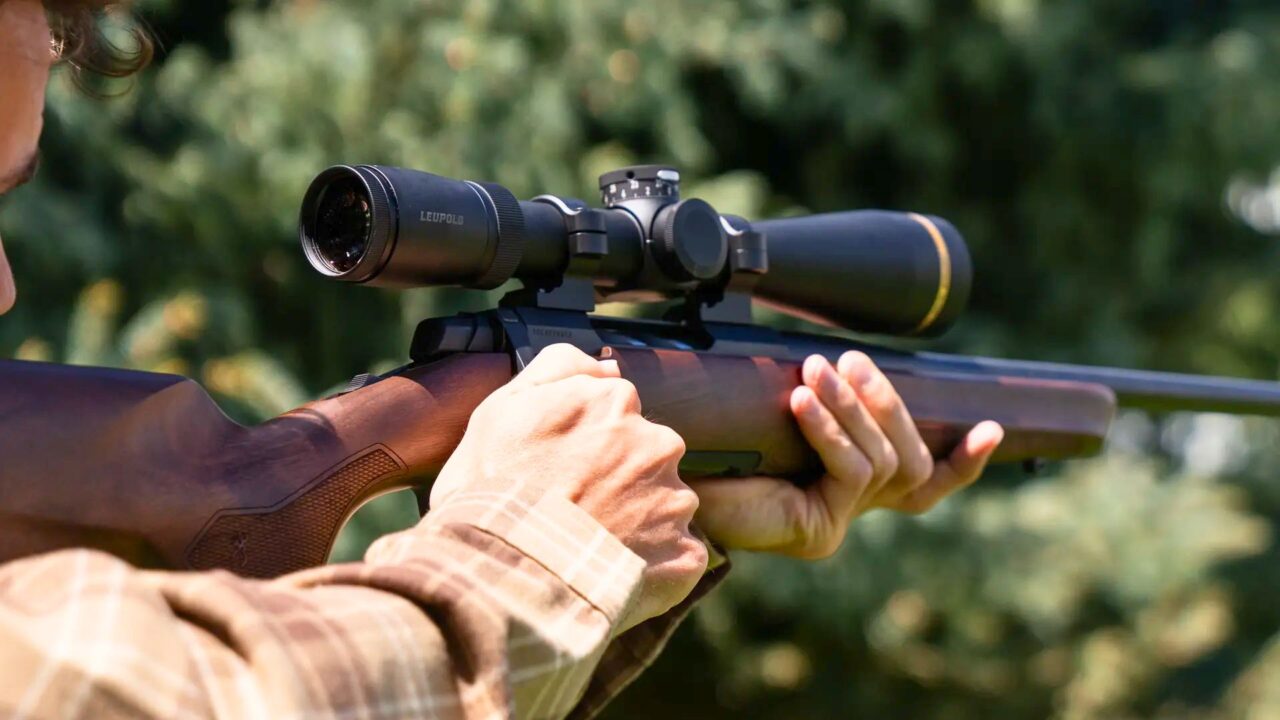
X-Bolts are often accurate and they carry well. But I’ve seen more than one get a little “crunchy” feeling after a day of dust, snow, or windblown grit. The tight, smooth feel you liked in the store can feel less impressive after it’s been in the real world.
When a bolt gun starts feeling gritty, guys tend to baby it, and that’s when you get short-stroking and hesitation. It’s not that the rifle can’t handle weather. It’s that it makes you realize how little tolerance you have for anything but slick operation.
10. Tikka T3x Lite (great rifle, but the ultra-light reality hits)
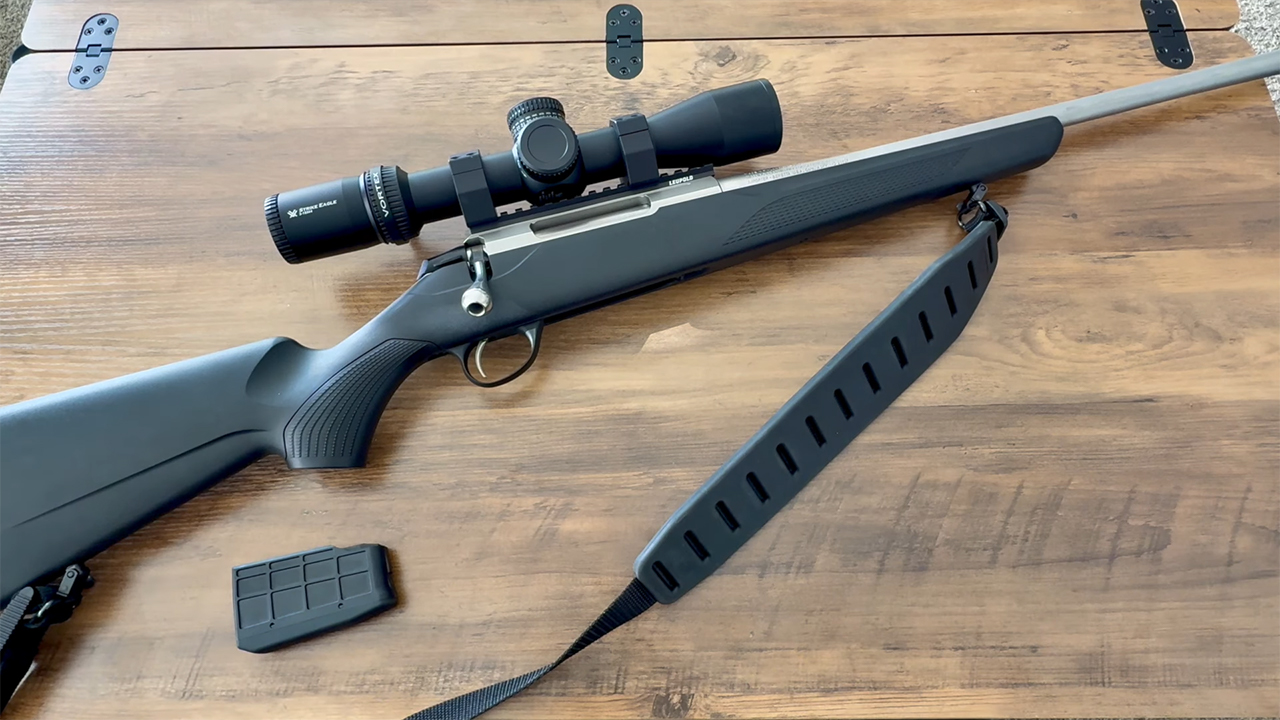
I’m a fan of Tikkas. The problem isn’t quality—it’s what “Lite” actually means when wind and weather are up. A featherweight rifle is easy on the shoulder during the hike, but it’s harder to steady when you’re shivering and the crosshairs won’t settle.
Add a wet sling and a heavy coat, and the rifle can feel like it’s floating on you. If you shoot it well, it’s a killer setup. If you don’t practice in bad positions, the weather will expose you fast.
11. Ruger Gunsite Scout (stainless isn’t magic)
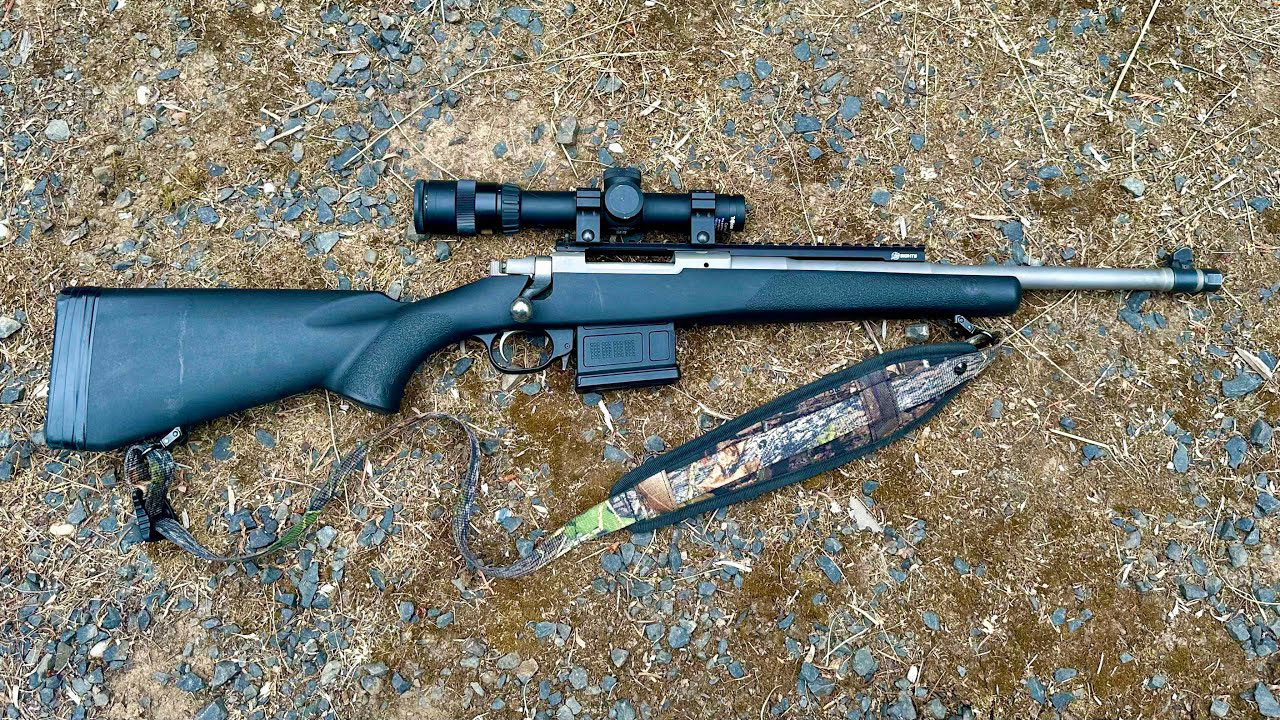
The Scout looks like the answer to everything: handy, rugged, “do-it-all.” Then you take it into real weather and realize two things. One, stainless still stains and spot-rusts if you neglect it. Two, the setup—rail, optic, backup sights—means more nooks for water and grit.
Also, scout scopes and forward mounts can be awesome or annoying depending on your eyes, your rain gear hood, and how you shoulder the rifle when you’re bundled up. It’s a cool rifle, but it asks you to commit to the concept.
12. Springfield Armory M1A (rain, mud, and wood stocks don’t mix)
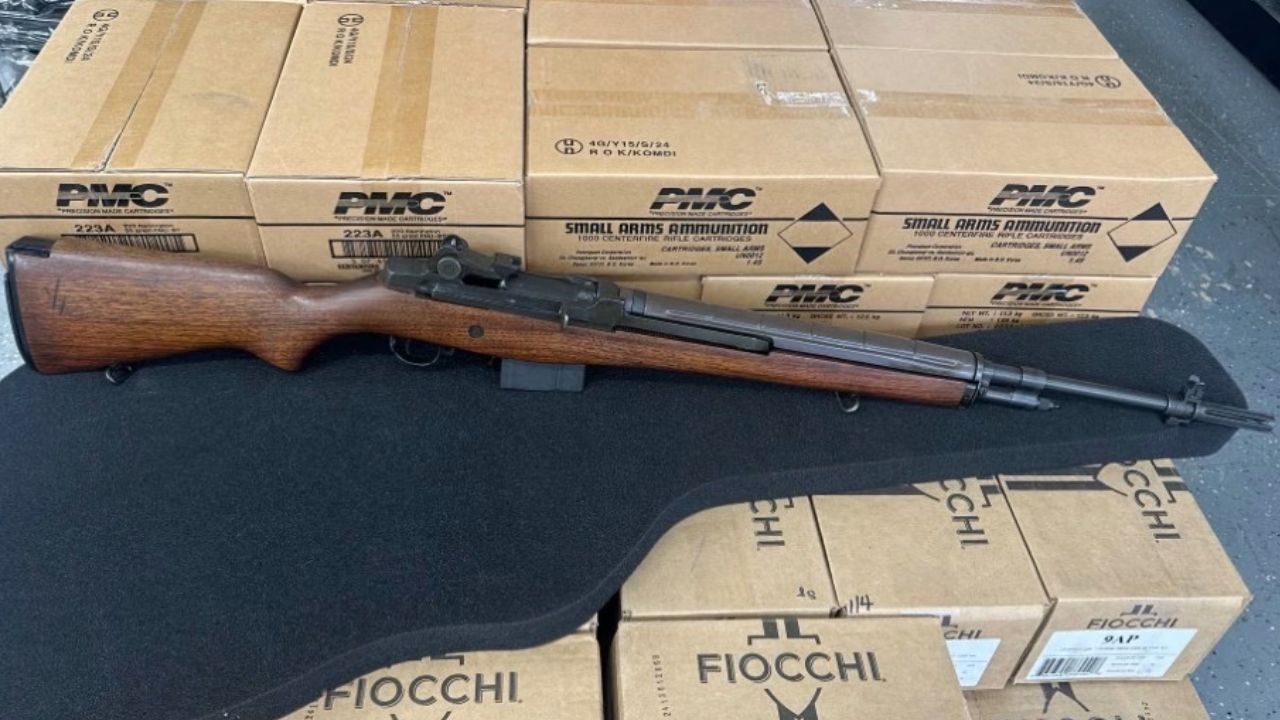
An M1A looks tough. It is tough. But a traditional-style rifle with more openings and more moving parts can turn into a maintenance project when the weather is nasty and you’re actually using it.
Throw in a wood stock, and now you’ve got swelling, shifting, and the kind of point-of-impact surprises that make you question your zero. It’s a great range rifle and a fun rifle. In prolonged wet conditions, it can be a fussy companion.
13. FN SCAR 17S (expensive rifle, picky setup)

The SCAR looks like it should laugh at bad weather. The surprise is how much the “system” matters: optics mounting, fasteners, and how the rifle treats accessories over time. Bad weather doesn’t cause screws to loosen, but constant temperature swings and field handling sure don’t help.
Then there’s the reality of carrying it. It’s not as light as you think once you put a real optic and sling on it, and in wet conditions that weight feels heavier. A premium rifle can still be a pain to live with.
14. Smith & Wesson M&P15 Sport II (basic ARs get exposed in slop)

I’ve seen these run well, and I’ve seen them choke when they’re dry, under-lubed, and packed with grit. A basic AR is fine—until the weather and a long day convince you that “fine” is not the same as “forgiving.”
The other piece is rust on small parts and cheap accessories. Guys will run bargain backup sights, bargain mounts, bargain mags, and then blame the rifle when the real problem is the whole budget stack-up.
15. DPMS Oracle (tolerance stacking and cheap parts show up)
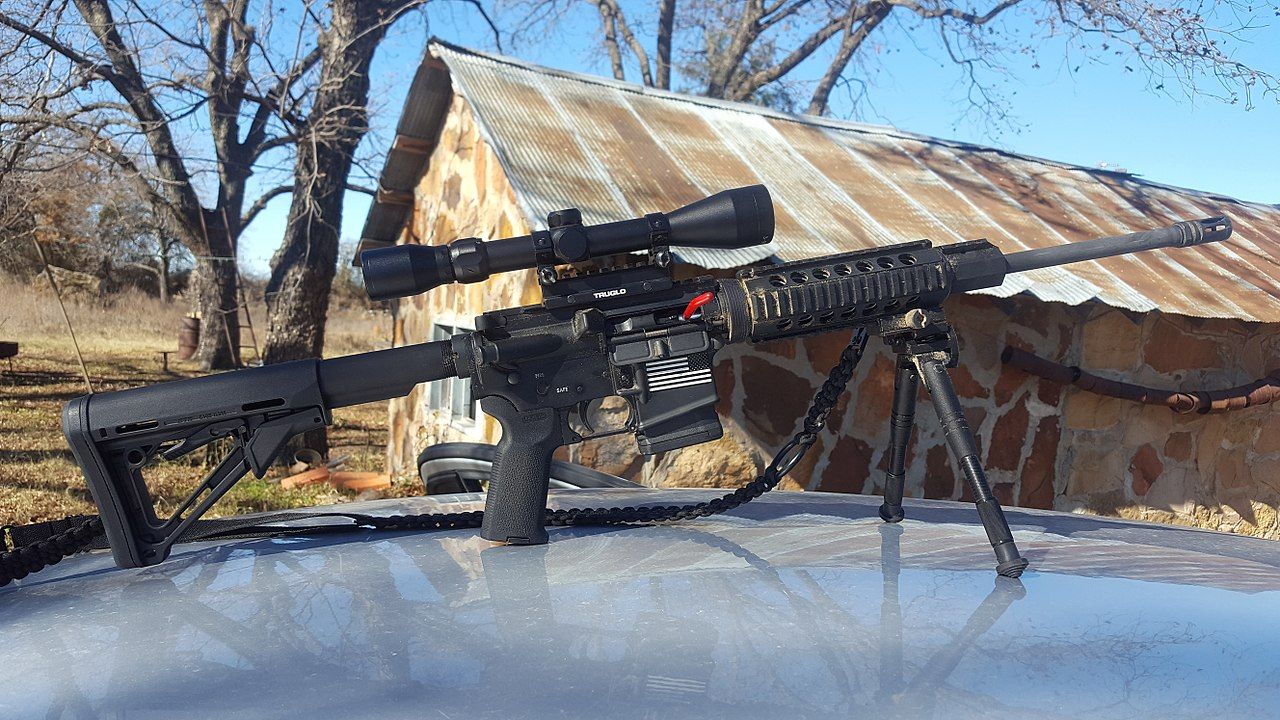
The Oracle is a classic “it’ll do” rifle. On a sunny range day, it often does. But when you’re dealing with rain and grit, the small differences in parts quality and fit can start showing up in a hurry.
If you’re going to run a budget AR in rough weather, you have to be honest about maintenance and magazines. When you don’t know which mag is the problem, every malfunction feels like the rifle is letting you down.
16. PSA PA-15 (good value, but weather punishes neglect)
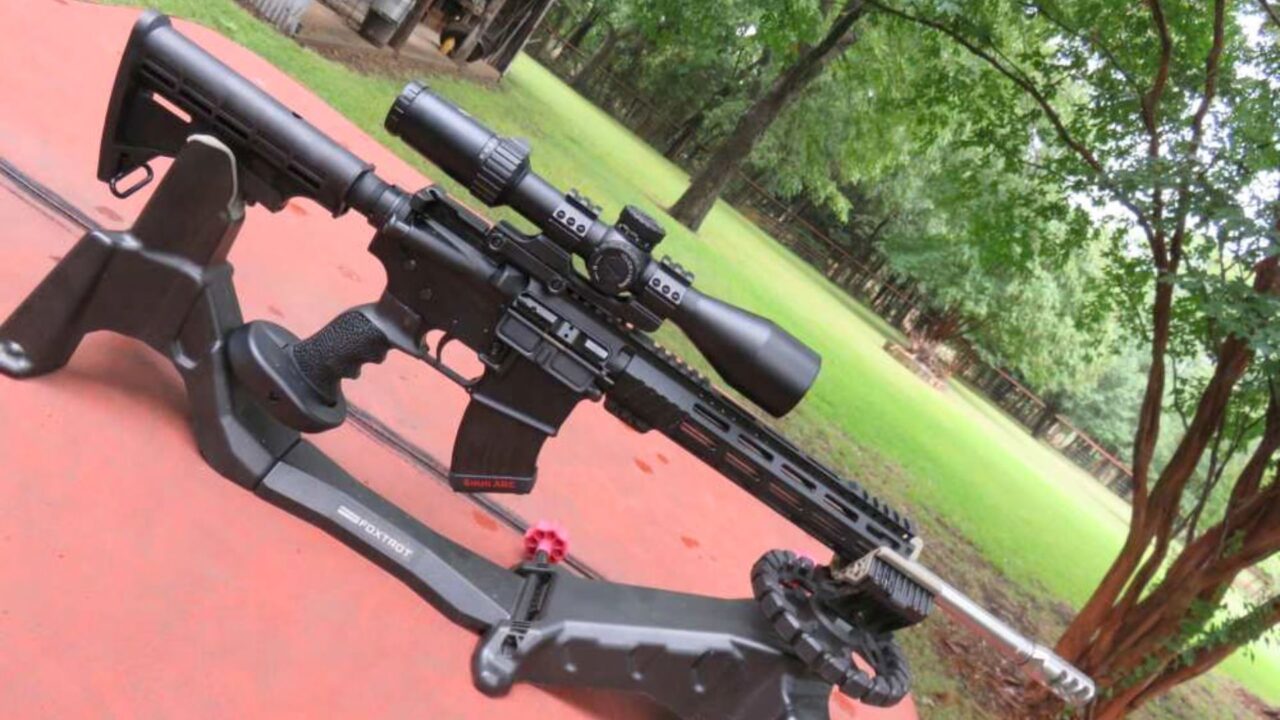
Palmetto State has sold a pile of rifles because they’re priced where normal working folks can buy them. Many run great. The ones that stumble tend to be the ones that never got vetted with decent ammo, decent mags, and a little actual care.
Bad weather has a way of punishing rifles that are run dry or never cleaned. A PA-15 that’s properly lubed and fed is usually boring. A dry one in windblown dust becomes a lesson.
17. Century Arms C39V2 (AK look, but weather plus weight is rough)
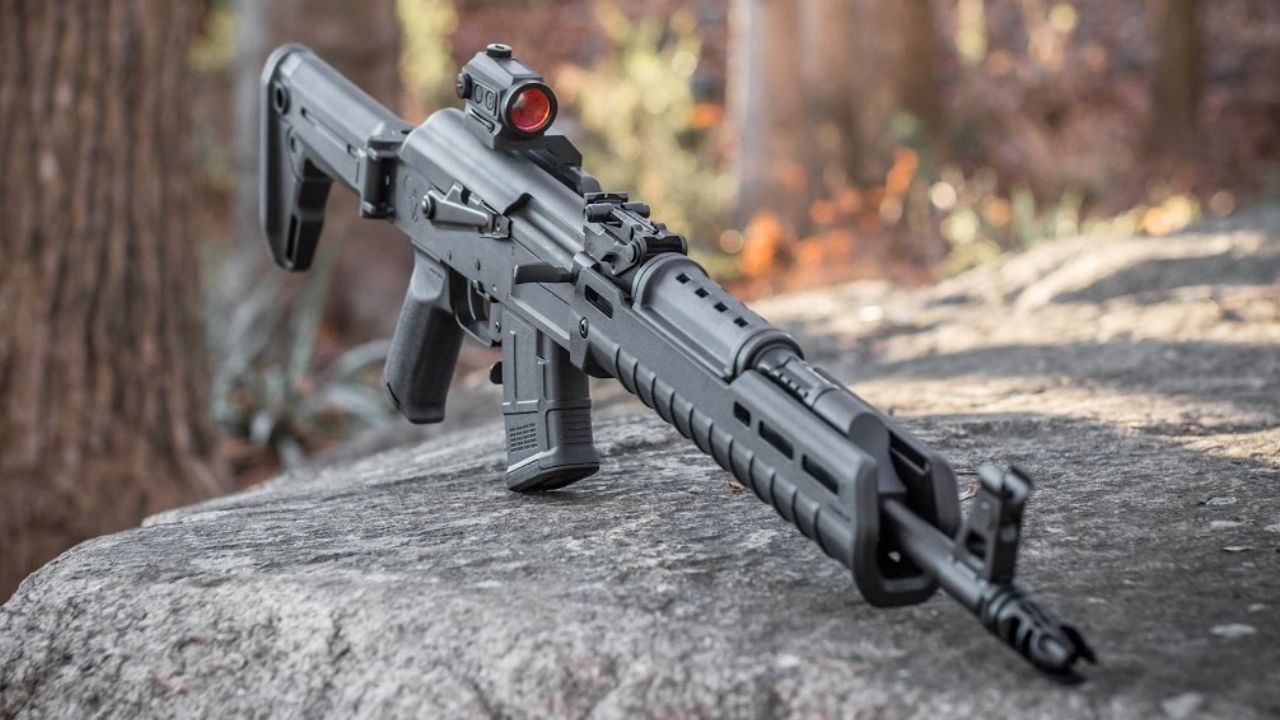
The C39V2 looks like a tough-guy rifle, and it’s heavy enough to feel like one too. That weight is fine when you’re standing at the range. In wet, hilly country, it gets old quick.
Then you have the general “AK expectations” problem. Folks assume every AK will shrug off anything. Some do. Some are more about the look than the long-term durability. Weather doesn’t care about your expectations.
18. Ruger Mini-14 (older models and wet-barrel wandering)

The Mini-14 is handy and points fast. The older pencil-barrel versions, though, can show you some point-of-impact shift when conditions and barrel temps change. It’s not always dramatic, but it’s enough to make you scratch your head.
In the rain, with a cold start and then a quick follow-up shot, you can get surprised. If your use is close-range pest control, it’s fine. If you’re asking it to be a precision tool, weather will highlight its limits.
19. CZ 457 (rimfire precision meets rimfire reality)
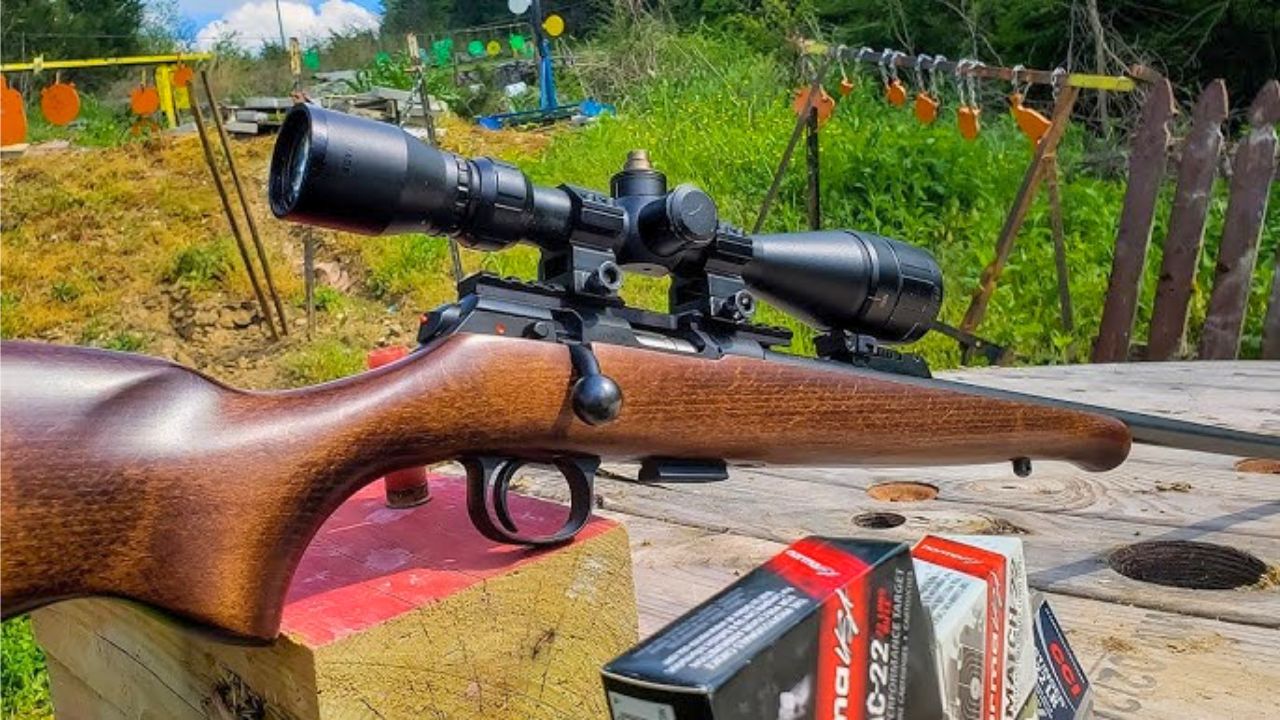
A good .22 bolt gun can feel like a tiny sniper rifle on the bench. Then you take it out in wet snow and remember rimfire ammo is not centerfire ammo. Moisture, cold, and inconsistent rimfire ignition can turn a fun day into a lot of “click… nothing.”
The rifle itself is usually solid. The setup—cheap scope, fogged glass, wet ammo in a pocket—gets you. Weather makes rimfire shooters either disciplined or miserable.
20. Ruger 10/22 Carbine (wet magazine problems and rust surprises)
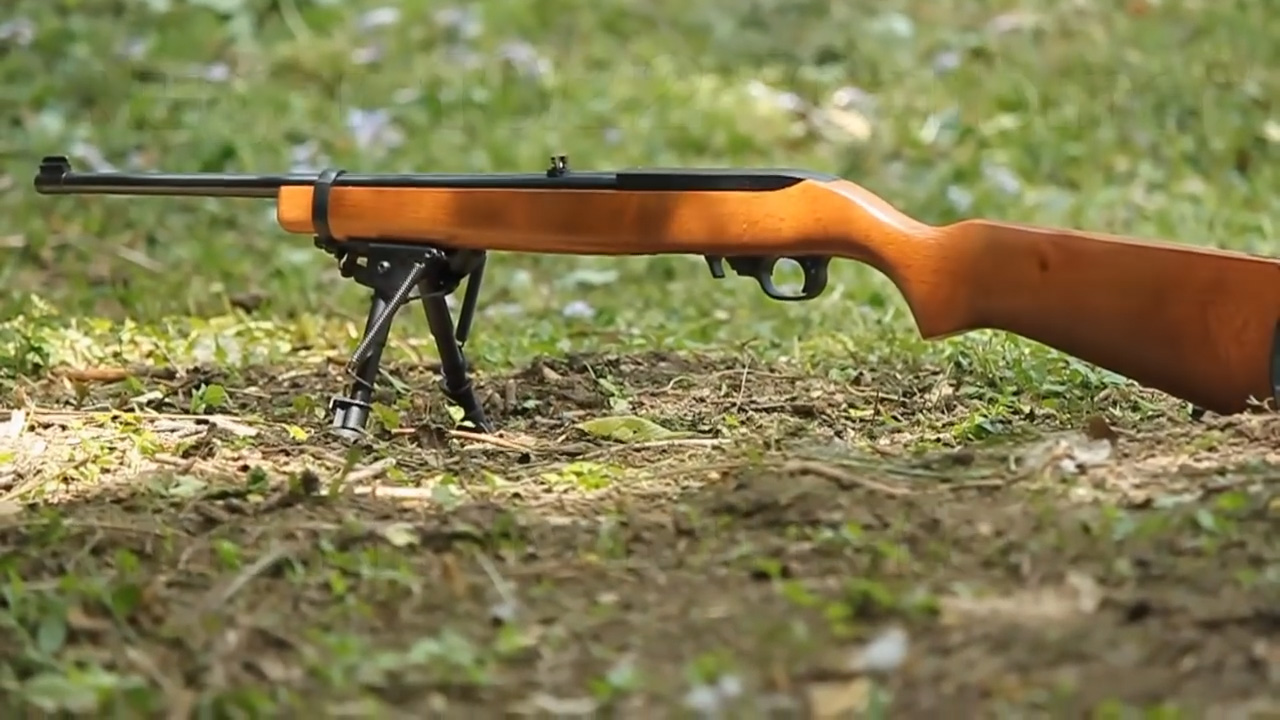
The 10/22 is a classic for a reason. But it’s also the rifle people toss behind the truck seat, shoot a brick through, and never clean. In wet conditions, the rotary mag can start acting up if it’s dirty, and surface rust can show up on neglected blued parts.
What really gets folks is how a “simple little .22” can become unreliable when it’s soaked and gritty. Keep it clean, keep the mags clean, and it keeps doing 10/22 things. Ignore it, and the weather will remind you who’s in charge.
The common thread here isn’t that these rifles are junk. It’s that bad weather doesn’t care what you paid, what the internet said, or how good it looked leaning in the corner. If you want confidence when the forecast is ugly, you’ve got to test your rifle in ugly conditions, keep it maintained, and build your setup around reliability instead of vibes.
Like The Avid Outdoorsman’s content? Subscribe to our newsletter so you never miss an article.
Here’s more from us: