Photo credit: Outdoor Life/YouTube
Everybody loves a semi-auto that runs slick on day one. The trouble is day one is easy. The real test is a few cases of ammo later, when the gun is hot, dirty, and getting used like a tool instead of a safe ornament.
I’m not talking about one bad magazine or a cheap box of mystery reloads. I’m talking about the semi-autos that start fine, then slowly turn into a constant “tap-rack” project after a few thousand rounds, or the ones that crack, peen, shear, or just start choking no matter how clean you keep them. Here are 20 models I’ve seen, owned, or watched buddies wrestle with, where the honeymoon ends earlier than it should.
1. Taurus PT111 G2 (Millennium G2)
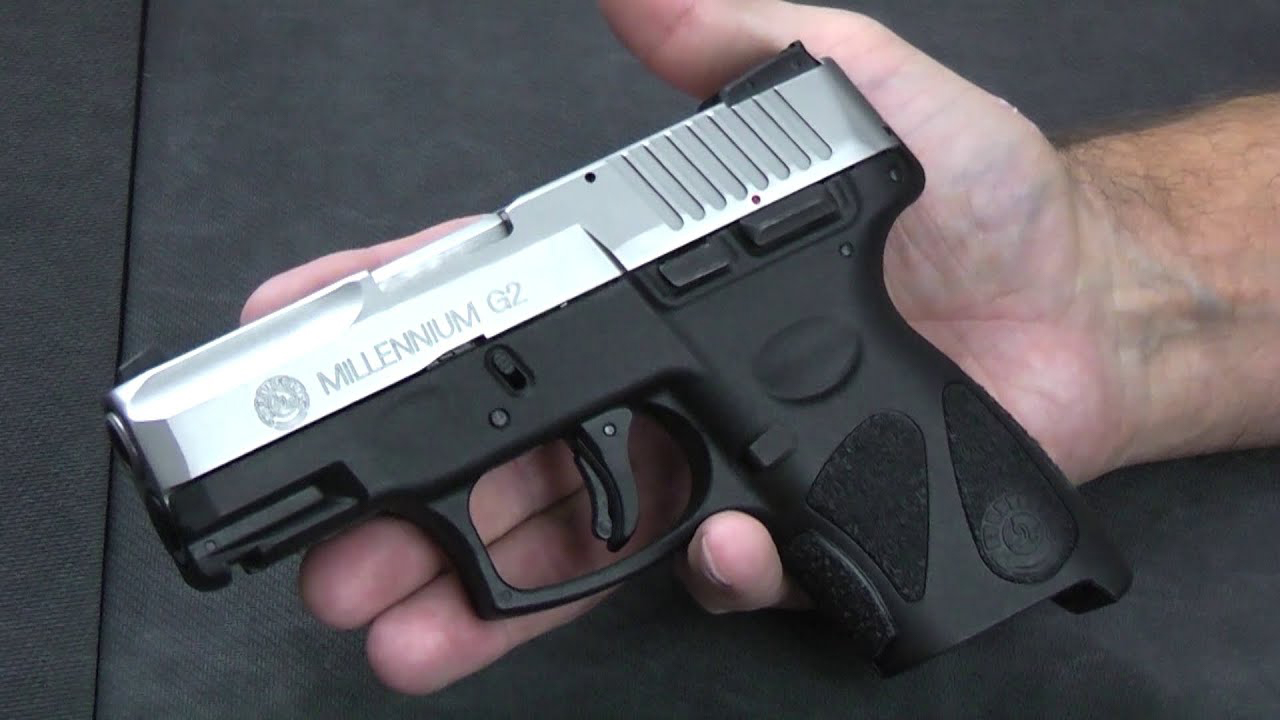
This one shows up in a lot of gloveboxes and nightstands because it’s affordable and it feels good in the hand. Early on, they often run well enough that owners think they beat the system. Then you get into the 2,000–4,000 round neighborhood and the small parts start telling on themselves.
Common complaints are peening on internal bits, trigger weirdness, and an increasing pickiness about ammo. It’s not that every single one dies young, but enough do that I’m cautious. If you’re going to run one hard, plan on replacing wear parts and don’t pretend it’s a “lifetime pistol” just because it was cheap.
2. SCCY CPX-2
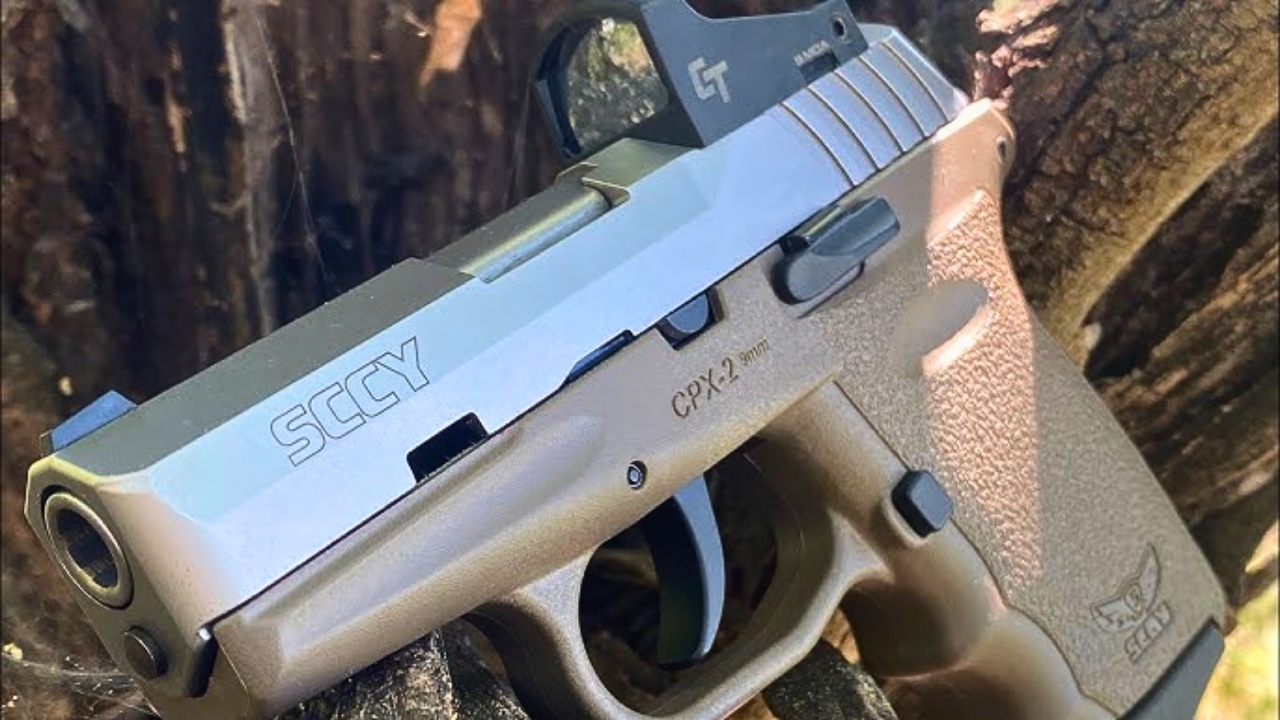
I get why these sell: they’re light, they’re simple, and the price tag pulls you in. They can be decent for a “carried a lot, shot a little” role. The issue is when someone decides to do real training with one.
After a couple thousand rounds, the long, heavy trigger and small grip stop being “quirks” and start becoming fatigue. Add in sporadic extraction/ejection issues and you’ll see folks park them. If you want a budget 9mm to actually shoot often, this isn’t where I’d put my money.
3. Remington R51 (Gen 1)

That one hurts, because the idea was cool: slim carry gun, historic name, different operating system. But a lot of early guns were rough, inconsistent, and sometimes downright unreliable once you got past the first range trip.
Light strikes, feeding issues, and a general feeling of “this isn’t finished” made them a short-timer for many owners. A few thousand rounds in, the little problems become big problems. If you’ve got one that runs, hang onto it as a curiosity, but I wouldn’t bet my season or my safety on it.
4. Kimber Pro Carry II (3-inch and 4-inch 1911 variants)

Kimber makes some accurate pistols. They also sell a lot of short 1911s, and short 1911s can be picky even when everything is perfect. Put a few thousand rounds through one and you’ll find out how forgiving it really is.
Extractor tension, recoil spring timing, and magazine choice matter more than most folks want to admit. When they’re tuned, they’re sweet. When they aren’t, you’ll be chasing failures and swapping parts. That’s not “junk,” but it is a gun that asks more from the owner than a modern duty-style 9mm.
5. Springfield Armory 1911 Loaded Micro Compact
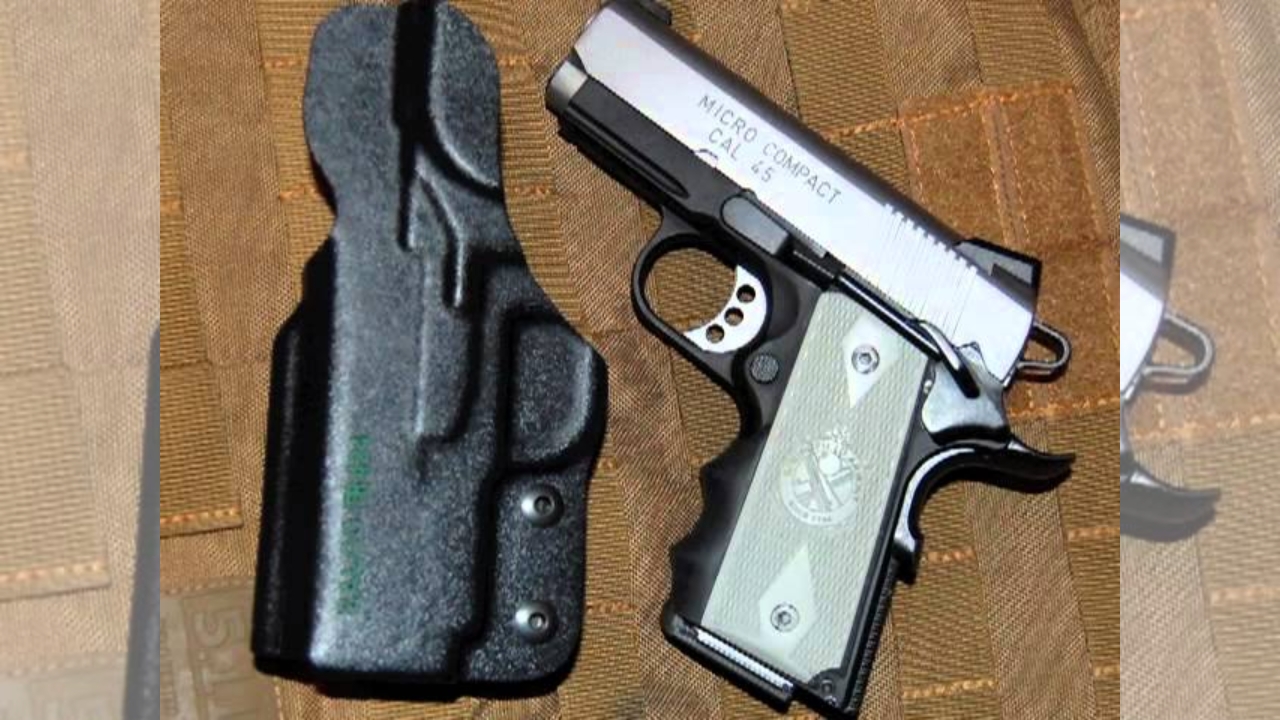
Same general story as other short 1911s, but I’ve watched these get babied, kept clean, and still start acting up once round counts climb. The platform is already running on a shorter schedule, and everything is happening faster.
Recoil springs get tired quick, and a tired spring in a short gun is a recipe for feeding issues and battering. If you carry one, budget for springs like you budget for ammo. If you want to shoot weekly, a Commander-size or full-size is usually a lot less drama.
6. Ruger SR9

The SR9 feels good and points naturally for a lot of shooters. It also had a stretch where you’d see them run great… until they didn’t. The problems I’ve seen aren’t always catastrophic; they’re the slow creep of “why is it doing that now?”
Extractor and striker-related hiccups show up, and some examples get finicky with certain magazines as they wear. Ruger generally takes care of folks, but that doesn’t help you on a cold range day when you just want the gun to run. I like Ruger, but I never called the SR9 a high-mileage legend.
7. SIG Sauer P250
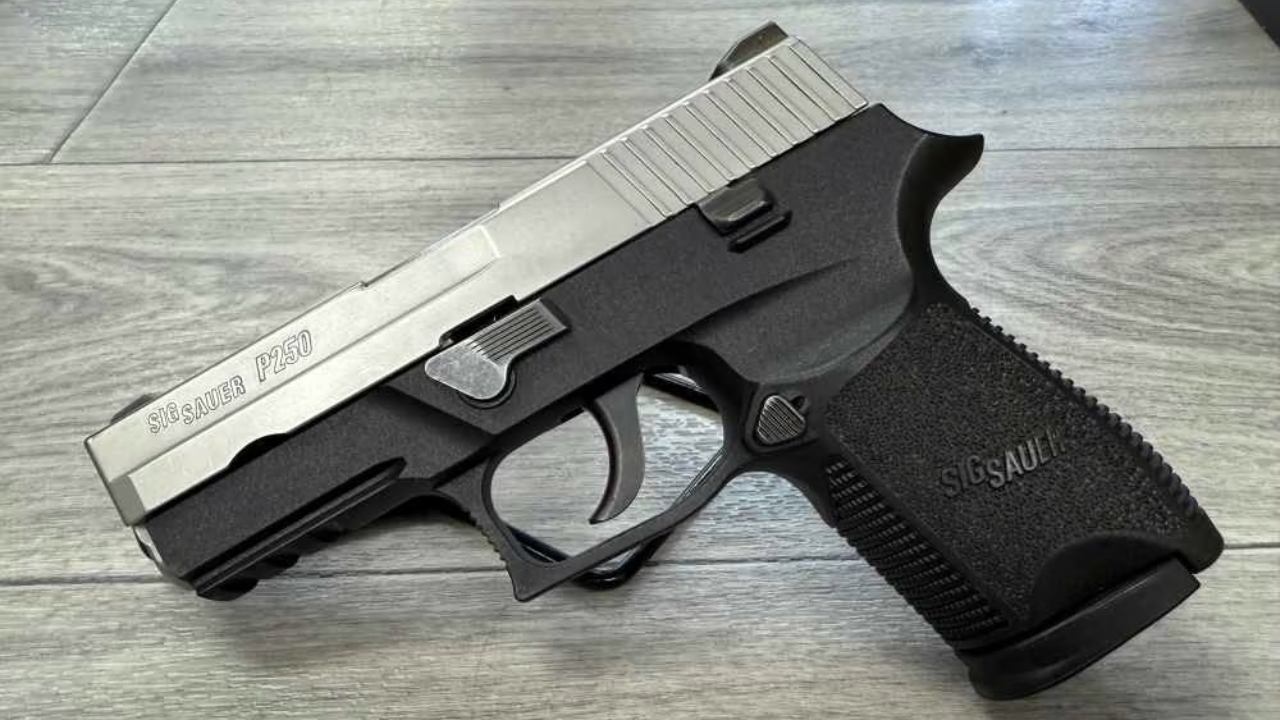
The P250 was built around a modular fire control unit, which was ahead of its time. The problem is, a lot of them were shot little because the trigger just didn’t win people over. For the folks who did run them hard, the long, smooth pull sometimes masked developing issues until the gun started short-stroking or failing to reset correctly.
It’s not that the P250 can’t work. It’s that it’s easy to lose confidence in it when the trigger feel changes with wear and the gun starts feeling “different” at speed. If you’ve got one you trust, fine. But it’s not the first SIG I’d pick for a high-round-count lifestyle.
8. Walther P22
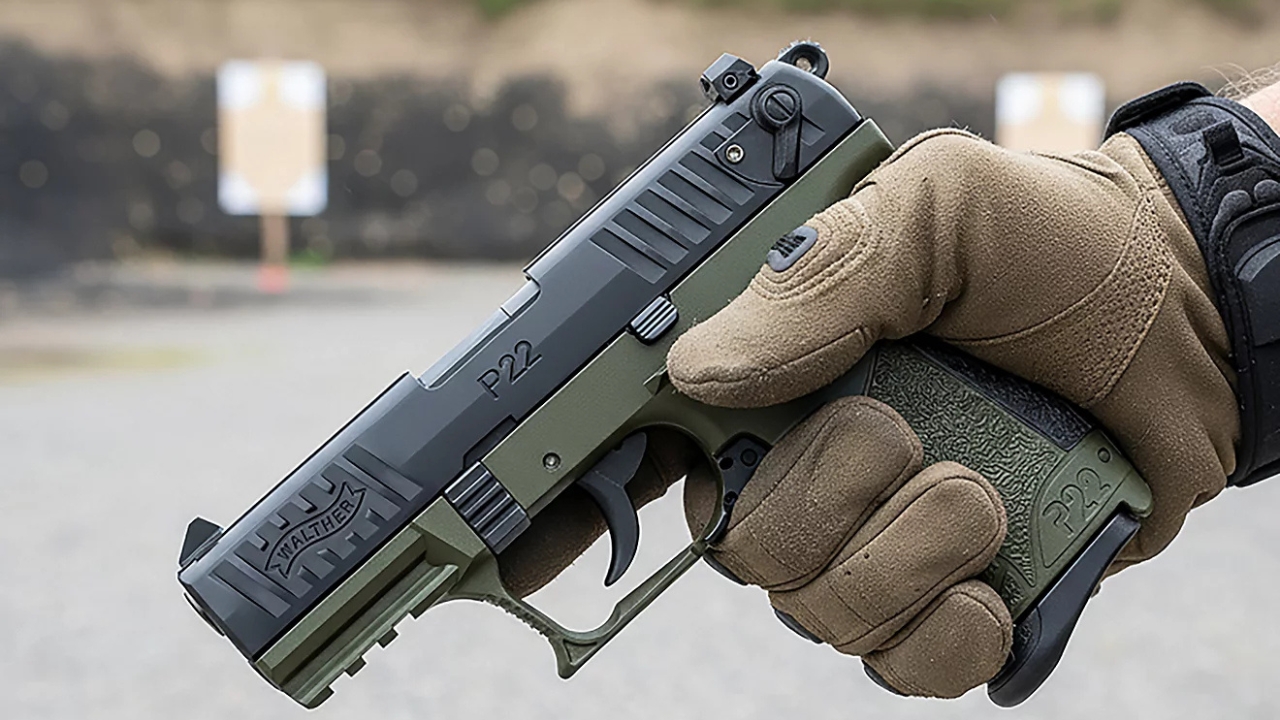
Rimfire pistols are their own world, and the P22 has probably introduced more folks to handgun shooting than it gets credit for. Out of the box they can be fun. Then you run bricks of .22 through them and the weak points show up.
Slides and small parts can wear faster than you’d like, and the gun can become ammo-sensitive in a hurry. It’s also easy to “over-clean” or reassemble wrong and create your own problems. As a casual plinker, sure. As a thousands-of-rounds trainer, it’s not the most durable .22 option.
9. SIG Sauer Mosquito
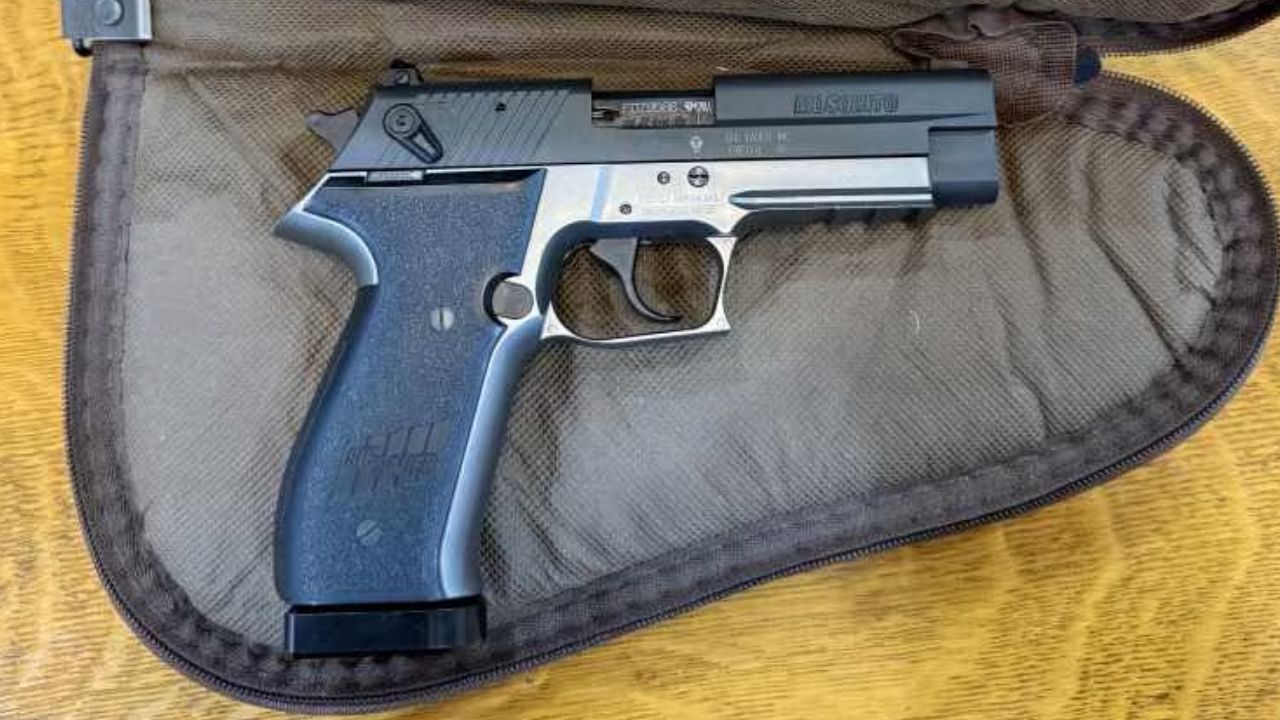
If you’ve owned one, you already know what I’m going to say. Many Mosquitos run okay with the exact ammo they like and the exact spring they want. Start changing variables, or start stacking round count, and they can turn into a malfunction demonstration.
They’re not all bad, but they’re inconsistent enough that I quit recommending them. A few thousand rounds is usually where owners decide they’re done “tuning” a .22. There are better choices that don’t require a personality test.
10. Rossi RS22

The RS22 is a budget rimfire that can be a blast when it’s fresh. Light, handy, and it’ll kill cans all afternoon. But when you run it like a real practice rifle, the inexpensive internals and magazines start to show their limits.
Failures to feed and extraction issues become more common as things wear and get gritty. You can keep them going, but it starts to feel like you’re maintaining a bargain. For a farm truck plinker, fine. For serious rimfire volume, I’d rather spend more once.
11. Remington 597

The 597 had a lot going for it: decent ergonomics, often accurate, and it felt like a “real rifle” compared to some plastic .22s. The magazines, though, have been the make-or-break item, and round count doesn’t improve marginal mag geometry.
Over time, little issues pile up: feeding troubles, extraction problems, and parts that seem to wear unevenly. Some of them run great with the right mags and attention. But plenty of owners hit that few-thousand-round wall and move on to something that’s less fussy.
12. DPMS Panther Oracle (early budget AR-15 builds)
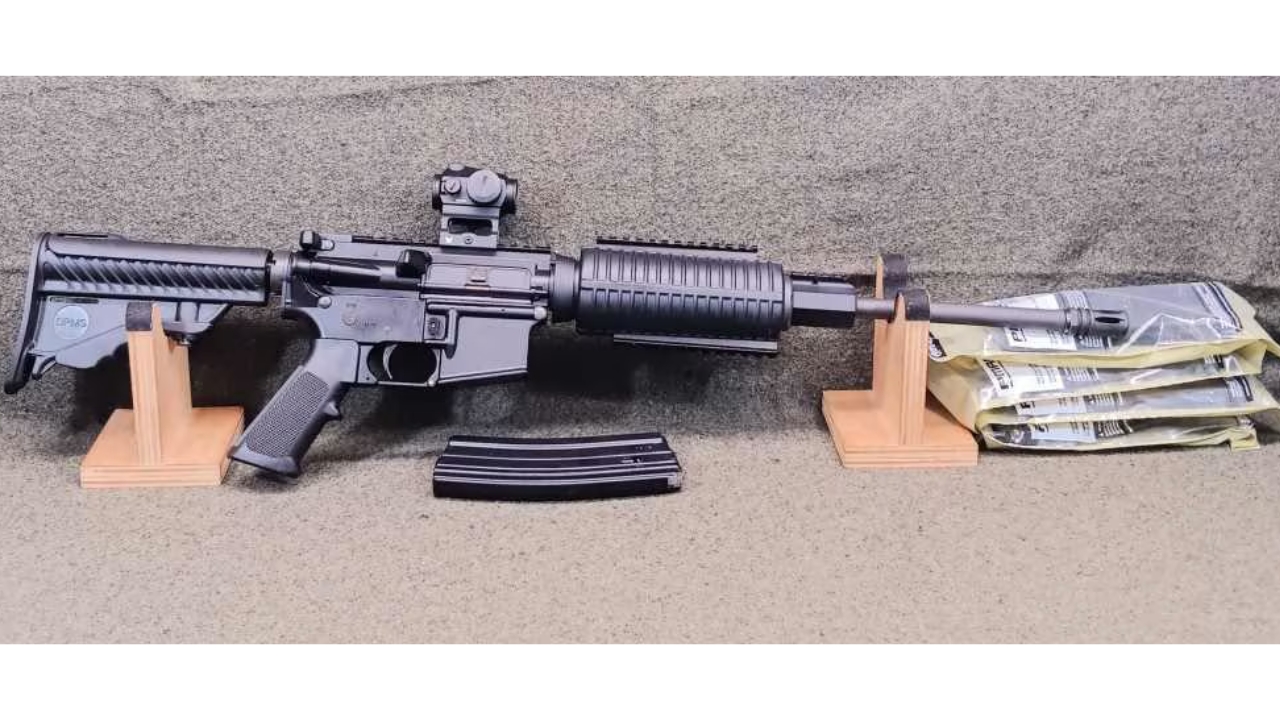
Budget ARs can be perfectly serviceable, and I’m not here to snob out. Still, some of the older entry-level builds from various makers, including the Oracle line, had inconsistent gas key staking, extractor setup, and overall QC. They run until they don’t, and the “don’t” often shows up after the first real training block.
You’ll see gas issues, extraction problems, and a general loosening up when the gun has been hot repeatedly. The good news is ARs are easy to support with parts. The bad news is you’re buying the rifle to avoid swapping parts, then you end up swapping parts anyway.
13. Bushmaster Carbon 15

Lightweight sounds good until you realize what had to happen to get there. The Carbon 15 rifles can be very light in the hands, which people love for carrying around the property. But high-volume shooting is where lightweight materials and some design shortcuts can get punished.
Heat and wear aren’t theories. After a few thousand rounds, you’ll hear stories of cracks, loose fitment, and parts that just don’t hold up like a more standard build. If your use is a magazine here and there, you might be fine. If you want to run drills all summer, I’d look elsewhere.
14. Century Arms C39V2 (milled AK)
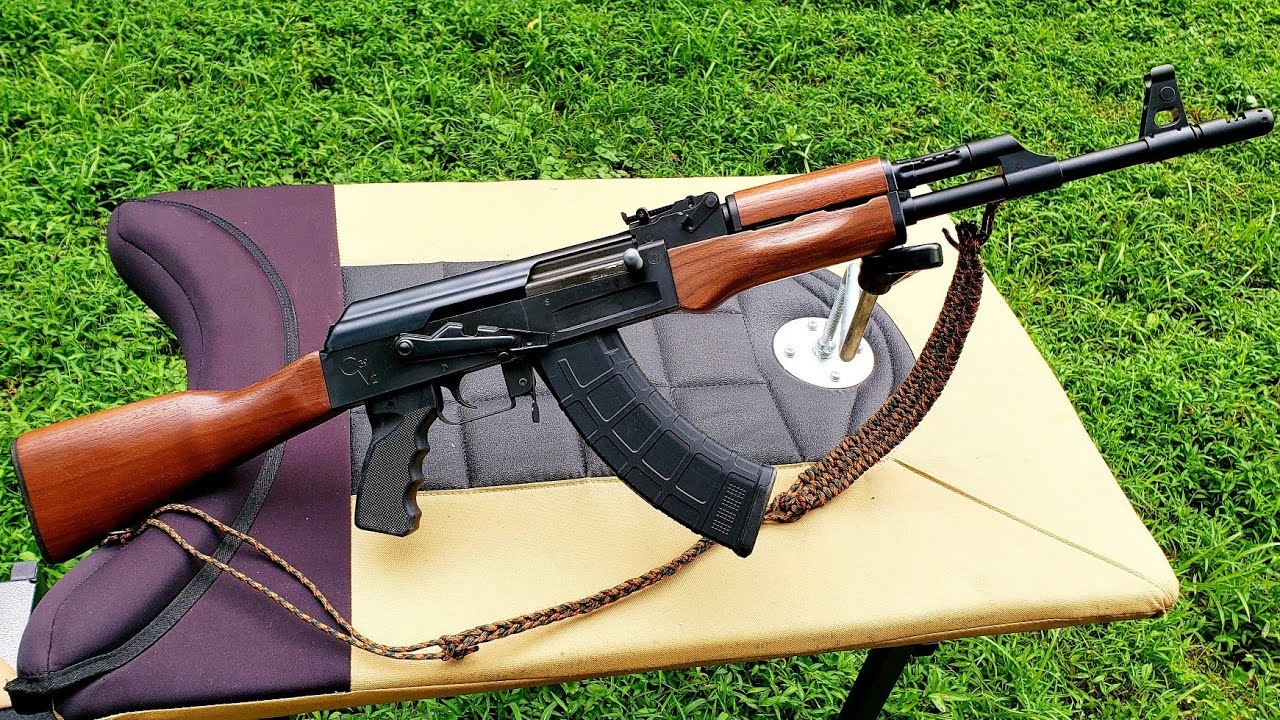
The AK crowd will argue about this one until the lights go out. The issue I’ve seen talked about the most is premature wear in key areas that shouldn’t be wearing like that, especially when guys actually shoot them a lot instead of just admiring them.
An AK should be boring in the best way. When you start worrying about unusual wear patterns after a few thousand rounds, the whole point is gone. There are better AKs that don’t carry that question mark.
15. IWI Tavor SAR (early production, heavily used)

I like the Tavor concept for a handy rifle that keeps barrel length without the long package. Where some owners get frustrated is when they run them hard, suppressed, or with certain ammo and the gun gets gassy and dirty fast. Then the “easy handling” doesn’t matter because you’re chasing function.
They’re not fragile rifles, but they can be less forgiving about maintenance and setup than a basic AR. Once you’re a few thousand rounds deep, small issues feel bigger because everything is compact and access is tighter. It’s a neat tool, just not always a carefree one.
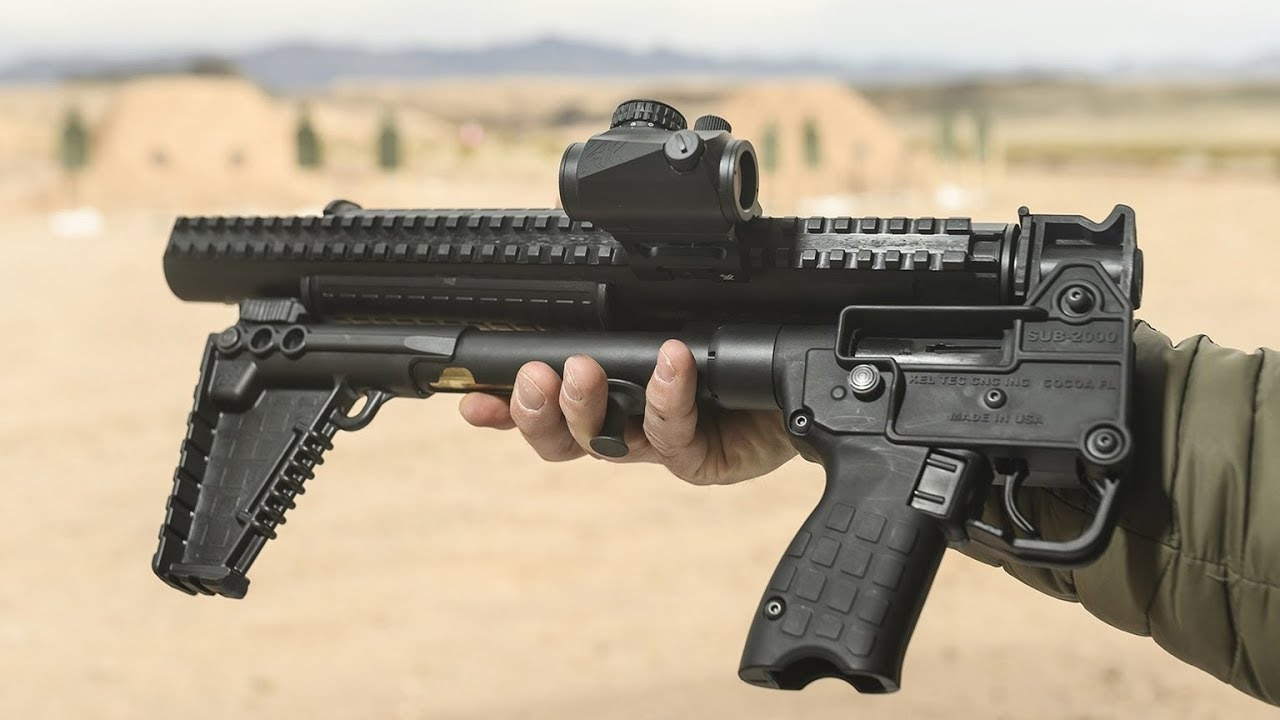
16. Kel-Tec SUB-2000 (Gen 1 and early Gen 2)

Folding pistol-caliber carbines are fun, and the SUB-2000 is one of the most common. It rides behind a truck seat like it was made for it. But the light build and the way it folds can lead to wear points that show up with real use.
After a couple thousand rounds, some examples start loosening up, and the feel changes. Sights and ergonomics also make long practice sessions less enjoyable, so owners don’t baby them but also don’t always maintain them as carefully as a “real rifle.” When they get finicky, the novelty wears off quick.
17. Kel-Tec PMR-30
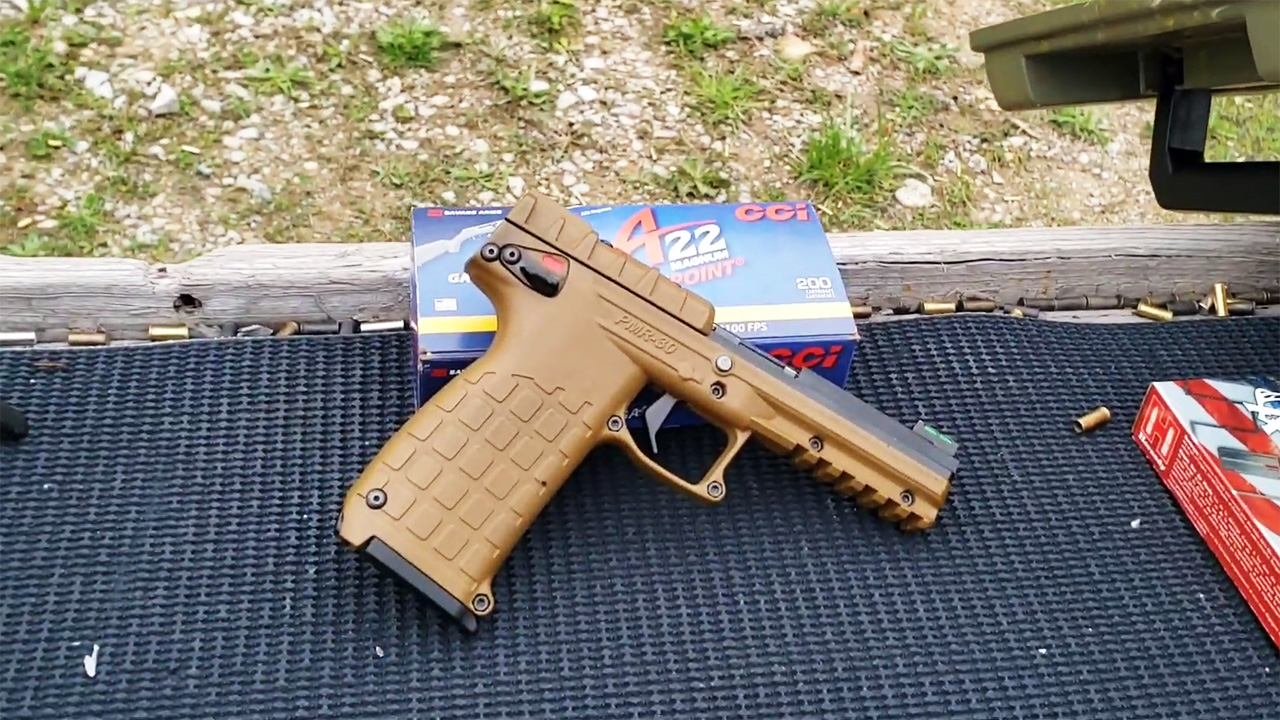
The PMR-30 is another Kel-Tec that’s a blast right up until it isn’t. When it’s running, a 30-round .22 WMR pistol feels like cheating on steel. The tricky part is that rimmed cartridges stacked in a big magazine can be sensitive to loading technique and wear.
A few thousand rounds in, magazines and feed behavior can become the whole story. Some owners never have trouble. Others spend more time sorting mags than shooting. It’s fun, but I don’t consider it a “workhorse semi-auto,” and most folks eventually admit that.
18. Beretta APX (early run guns)
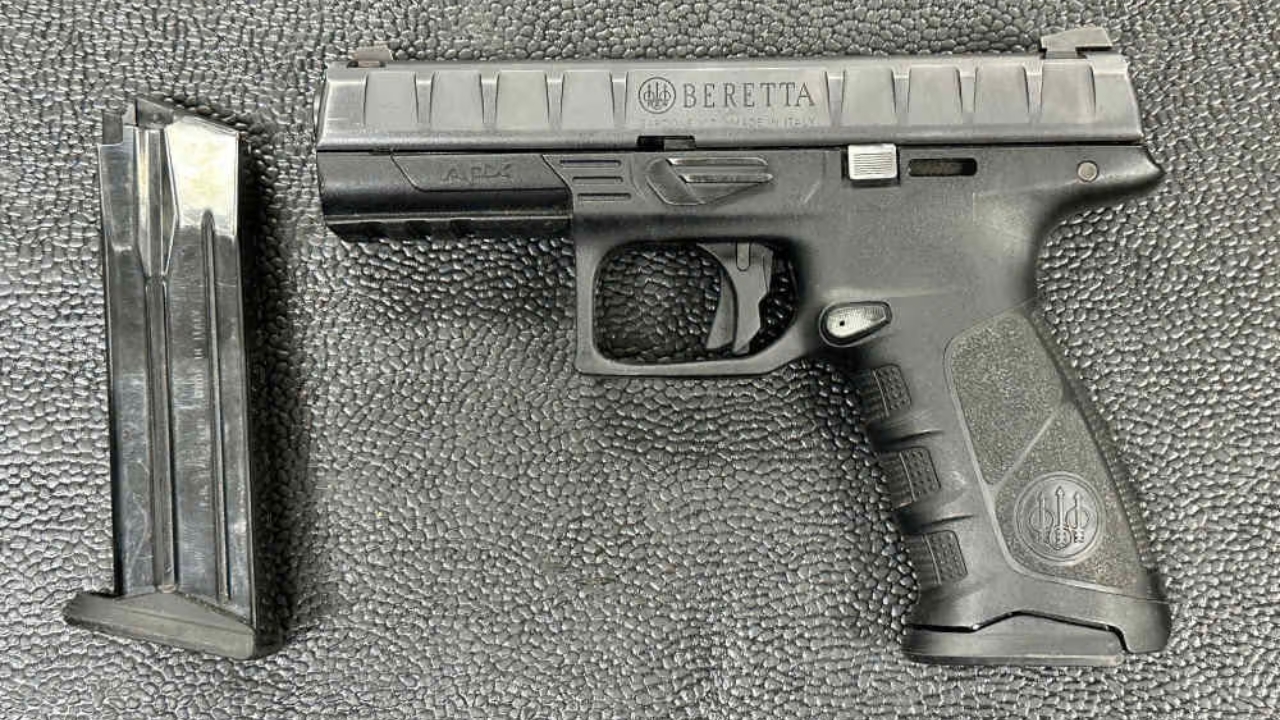
The APX is a good-handling pistol and I’ve seen plenty that ran fine. The ones that soured owners usually did it in a slow way: striker and trigger feel changing, occasional stoppages showing up when the gun got dirty, and a general sense that it wasn’t as durable as the big duty standards.
It also suffers from ecosystem reality. If your local shops don’t stock mags and parts, a hiccup at 3,000 rounds feels like a major event. A gun can be “good” and still be a pain to keep running if support isn’t everywhere.
19. FN Herstal FNX-45
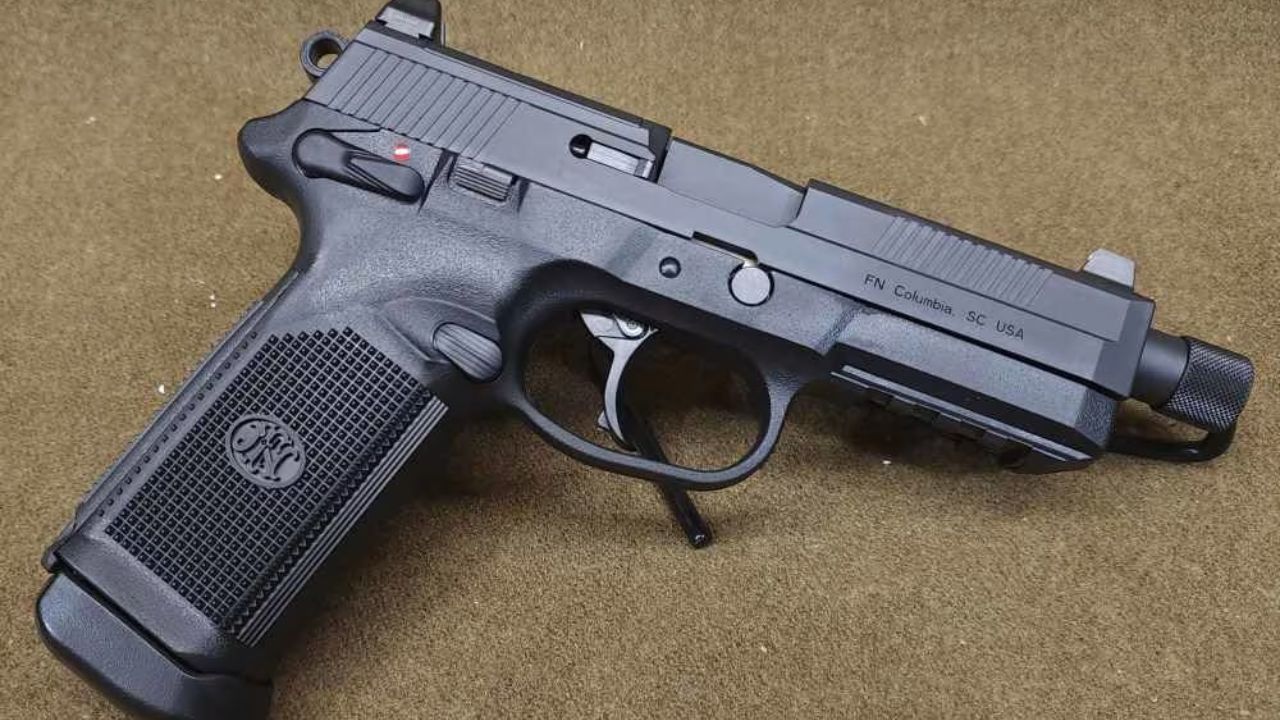
This one surprises people, because it’s an FN and it’s built like a service pistol. The FNX-45 can run great, but .45 ACP in a big polymer pistol can be hard on parts over time, especially if the gun is run hot and fast. When things start to drift, it can show up as feeding issues or odd wear that doesn’t match expectations.
It’s also a pistol that tempts folks into adding accessories and running it suppressed. That changes the stress and fouling profile. I’m not calling it a bad pistol. I’m saying it’s one where the “few thousand rounds” mark is where you should start paying attention instead of assuming it will be boring forever.
20. Ruger Mini-14 (older thin-barrel rifles)

The Mini-14 is classic ranch-country handy, and I’ll probably always like them. Older thin-barrel guns, though, can get beat up by sustained strings of fire. Heat changes point of impact, and repeated hot cycles can make a rifle feel like it’s getting sloppier as it ages.
After a few thousand rounds, some owners notice more wandering accuracy and more wear in places they didn’t expect, especially if they treated it like an AR and ran it hard. Minis are great for “carry a lot, shoot a little,” and for a few careful shots on varmints. They’re not always happy being run like a training rifle.
If there’s a theme here, it’s this: round count is a lie unless you count the kind of rounds. Slow fire with clean ammo is one world. Hot, fast strings with mixed ammo, dusty range bags, and real practice is another. If you’ve got a semi-auto you’re betting on, don’t just see if it works today. See if it’s still boring after a couple thousand rounds, because boring is what you want when it matters.
Like The Avid Outdoorsman’s content? Subscribe to our newsletter so you never miss an article.
Here’s more from us: