Photo credit: personaldfence/Youtube
Walk the used-gun counter long enough and you’ll notice a pattern: the same “good deal” pistols keep coming back. Somebody buys one because the price is right, defends it hard online for a few months, then quietly trades it off for something boring that actually runs. Budget guns can be a smart move, but the wrong cheap pistol will cost you time, ammo, magazines, and confidence.
This isn’t a hit piece on folks who can’t drop big money on a handgun. I like a bargain as much as the next guy. This is about the specific models that get defended way past what they’ve earned—usually because the owner got a “good one” or hasn’t put enough rounds through it to see the weak spots.
1. SCCY CPX-2
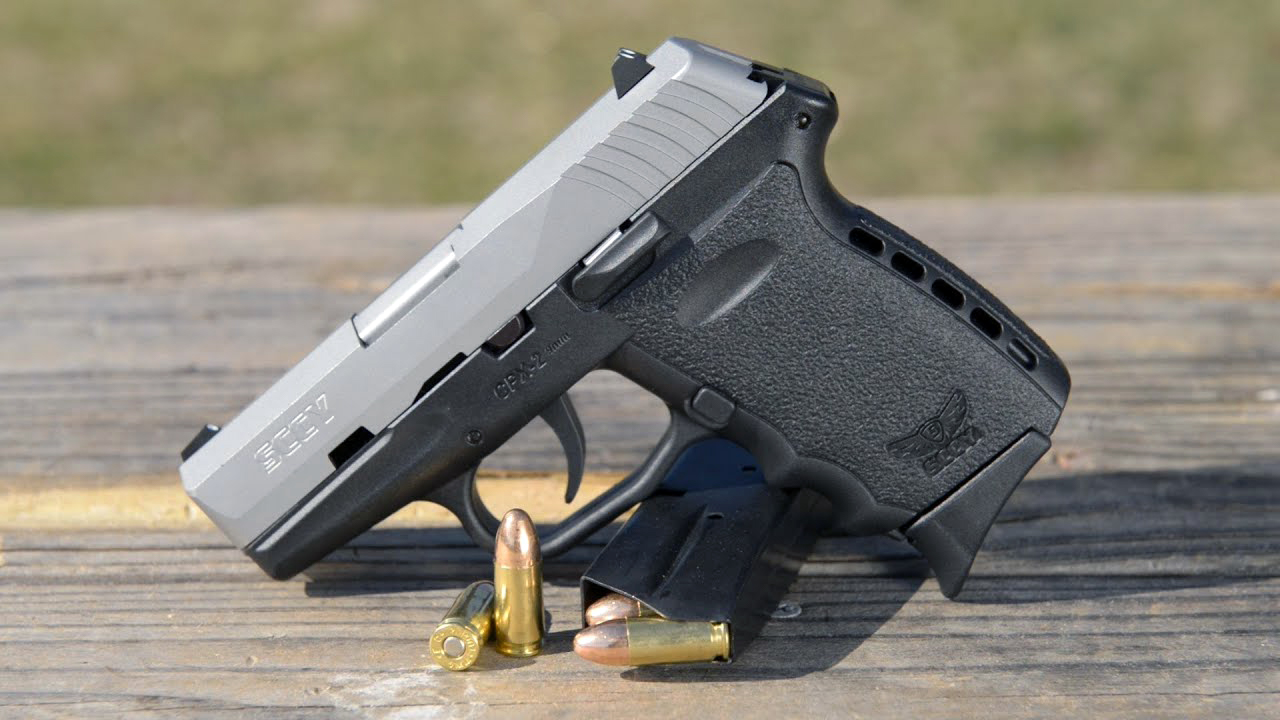
I get why these sell: they’re small, light, and priced to move. The problem is they often feel like they were designed by a committee that never had to carry one all day. The trigger is usually long and stacky, and that alone makes new shooters think they’re the issue when groups open up.
When they run, they run. When they don’t, it’s normally not a simple “swap this mag spring” fix. It’s the kind of pistol that turns a range day into a troubleshooting session, and that’s a rough way to build confidence for carry.
2. Hi-Point C9

Yes, they can be reliable. Yes, they’re tough in a “dropped behind the truck seat” kind of way. But they’re also huge for what you get, with a clunky slide and a feel that never really lets you forget it’s a compromise.
The bigger issue is that folks defend it like it’s a secret Glock killer. It isn’t. It’s an affordable pistol that works for some people, and that’s fine, but the bulk and controls make it a hard recommendation for everyday carry or serious training.
3. Taurus Millennium PT111 G2
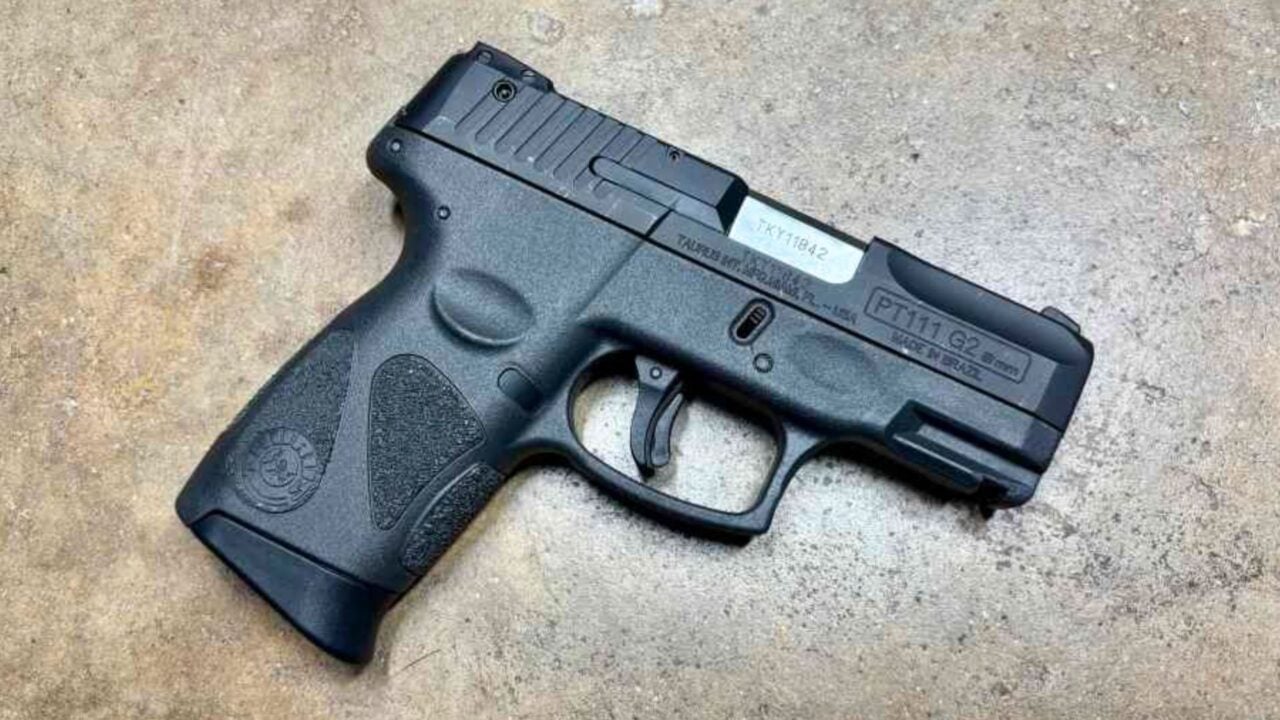
This one shows up in conversations like it’s a proven classic, and it isn’t. Plenty of them worked fine for a while, and plenty of them didn’t. The ergonomics are decent and the size makes sense, which is why folks want to love it.
What hurts is consistency. If you’re buying a pistol to bet your hide on, you shouldn’t be rolling dice on which production run you happened to find.
4. Taurus G2C

The G2C is the poster child for “mine has been flawless.” I believe you. I’ve also watched enough of them choke on cheap range ammo, get picky with magazines, or develop odd little quirks that show up right when a shooter starts pushing speed.
As a glovebox gun or a budget house pistol, some do fine. As a primary carry gun that you’re actually going to train with hard, it’s not where I’d put my money if I had other options.
5. Taurus G3C

The G3C improved some things, but it didn’t magically erase the baggage. The trigger feel is often better than older Taurus compacts, and the sights are usually usable. That’s why folks defend it.
Still, the “value” disappears fast when you’re hunting for magazines, sorting out which ammo it likes, and wondering if your particular sample is one of the good ones. Budget is one thing; uncertainty is another.
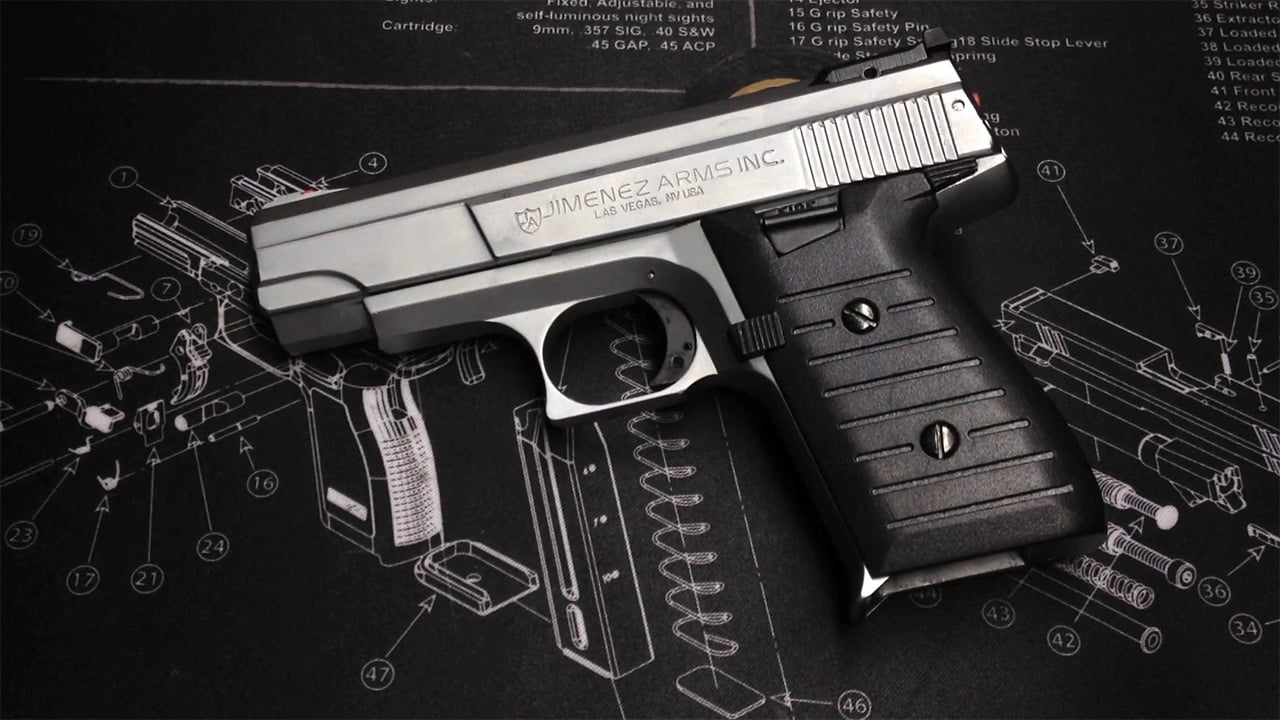
6. Jimenez Arms JA Nine
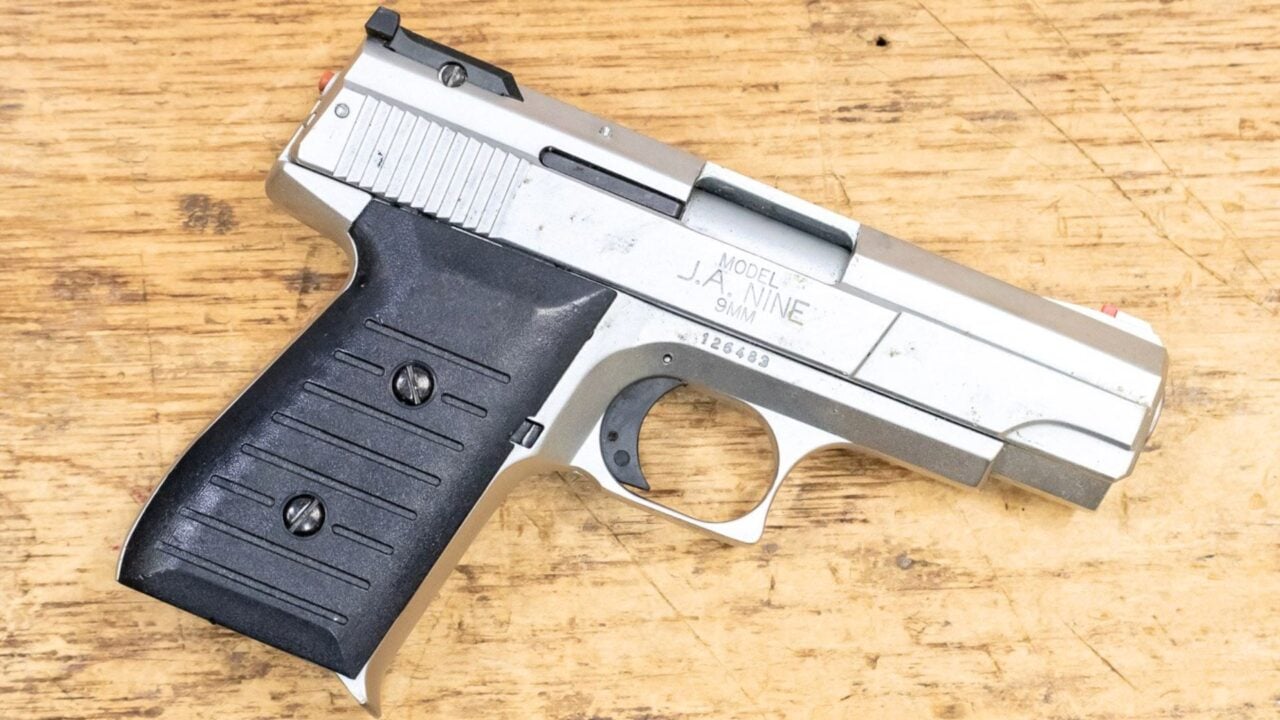
These are the kind of pistols that make experienced shooters sigh when they see one at the next lane. They’re cheap, simple, and they look like a solution when money is tight. Then the malfunctions start, the sights are a suggestion, and the trigger can be downright miserable.
If you already own one, keep it safe, keep it clean, and be honest about what it is. If you’re shopping, there are better ways to spend a little more and get a lot more.
7. Cobra Enterprises CB380
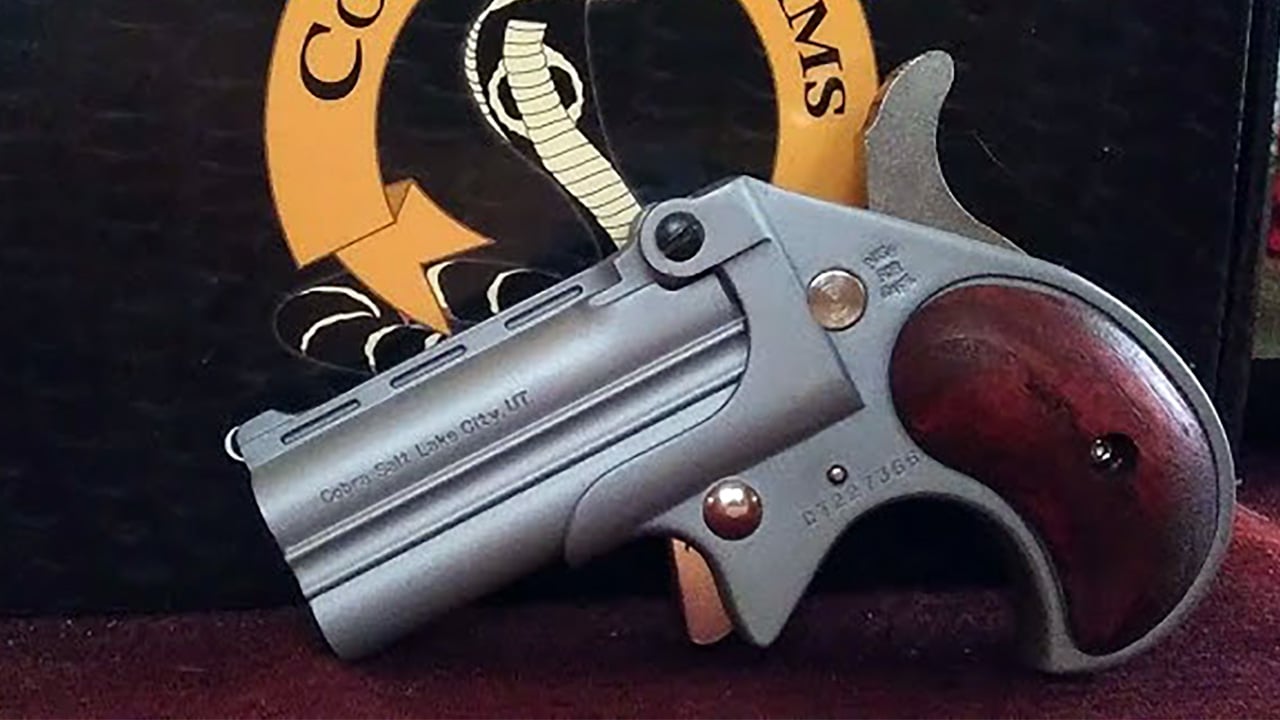
Small .380s have a purpose. This one tries to fill it with a bargain-bin build that just doesn’t inspire confidence. The recoil in blowback .380s can be snappy, and when the gun itself feels rough, that snap turns into “I hate shooting this.”
A carry gun you hate to practice with is a problem. And with models like this, the “savings” tend to vanish once you factor in frustration and limited support.
8. Kel-Tec PF-9

I respect Kel-Tec for pushing ideas early, and the PF-9 was thin before thin was cool. But it’s also one of those pistols that reminds you how far micro-9s have come. The recoil is sharp, the grip can be unpleasant, and the whole experience is more “endure” than “train.”
If yours runs, great. A lot of the defense comes from that one sentence. Still, compared to what’s available now, it’s hard to justify unless it’s what you already have and you know it’s reliable.
9. Kel-Tec P-11

The P-11 has a loyal following because it was compact and higher capacity back when that was rare. The long, heavy trigger is the defining feature, and not in a good way for most shooters. It’s the kind of trigger that can mask flinches and create bad habits.
As a niche piece for someone who knows exactly what they’re getting, fine. As a “first carry gun” recommendation, I don’t get it anymore.
10. Ruger EC9s
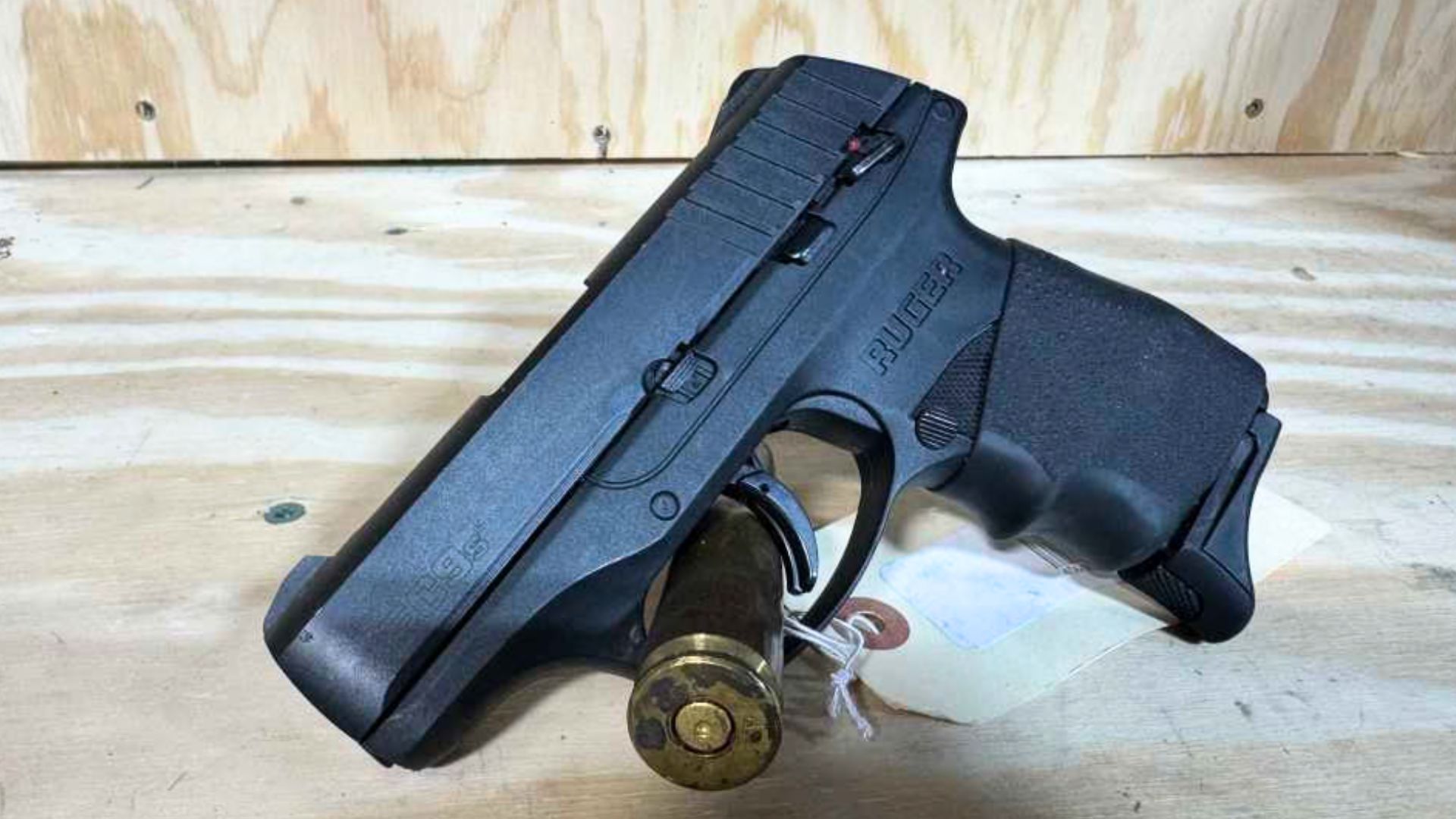
This one will ruffle feathers because it says Ruger on the slide, and Ruger usually earns trust. The EC9s isn’t a junk pistol. It’s just a budget trim that can leave you with small sights and a feel that doesn’t encourage fast, accurate shooting.
When folks defend it, they’re often defending Ruger more than the gun. If you’re set on that footprint, spending a little more for a better-equipped variant is money well spent.
11. Remington RP9

Remington had a window to make this a solid, affordable striker pistol, and it just never became a sure thing. Some RP9s run fine, but the platform never built the aftermarket and institutional confidence that makes a budget gun a safe bet.
Try finding holsters, spare mags, and common parts without turning it into a scavenger hunt. That’s where “cheap” gets expensive.
12. Remington R51 (Gen 2)

The R51 story should have ended with “cool idea, didn’t work out.” Instead, it became a lesson in defending a gun because you want it to be good. It points nice and carries flatter than you’d expect, which is what hooks people.
But reliability and consistency were the clouds that never moved. For a carry pistol, “interesting” isn’t a selling point. Boring and dependable wins.
13. Walther Creed
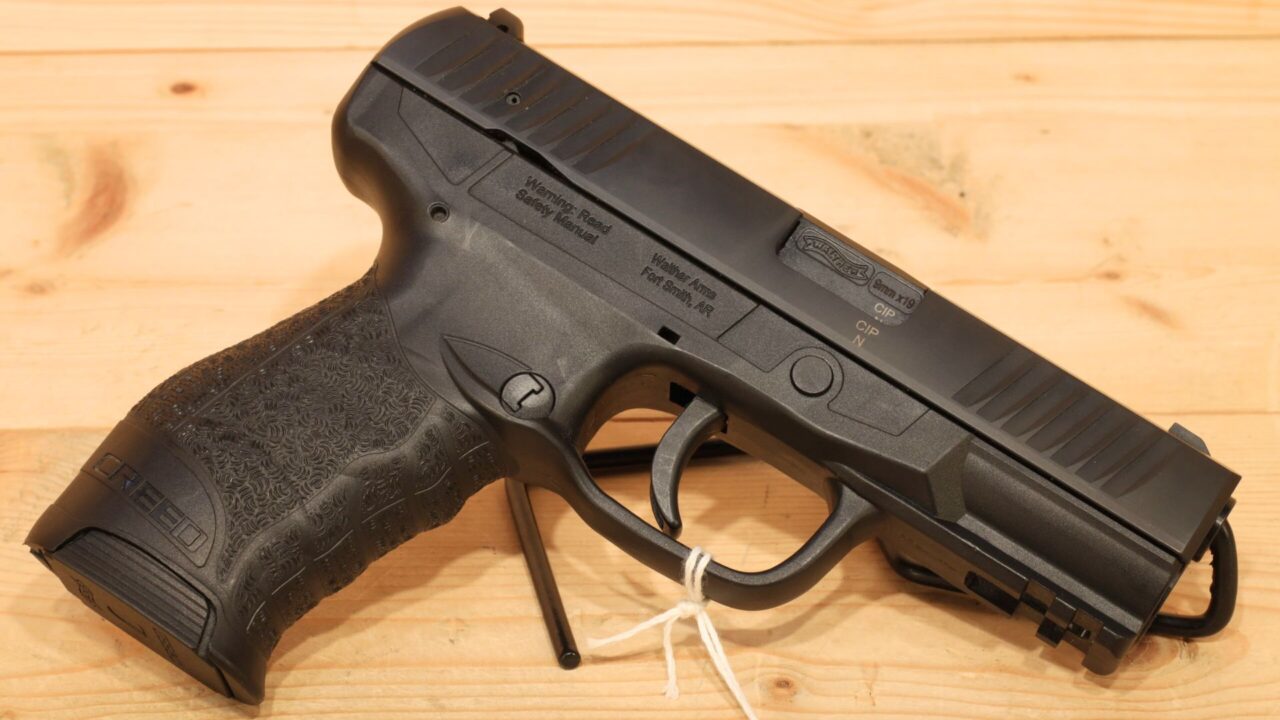
I’ve shot Creeds that were perfectly fine, and that’s exactly the problem: “fine” isn’t what the internet defense squad claims. The gun was positioned as a value alternative, but the trigger and overall feel can be underwhelming compared to what even modest money buys now.
If you got one at a steal and it runs, keep it as a house gun. Just don’t pretend it’s competing on the same level as the better budget strikers that have proven themselves with wider support.
14. Beretta APX Carry
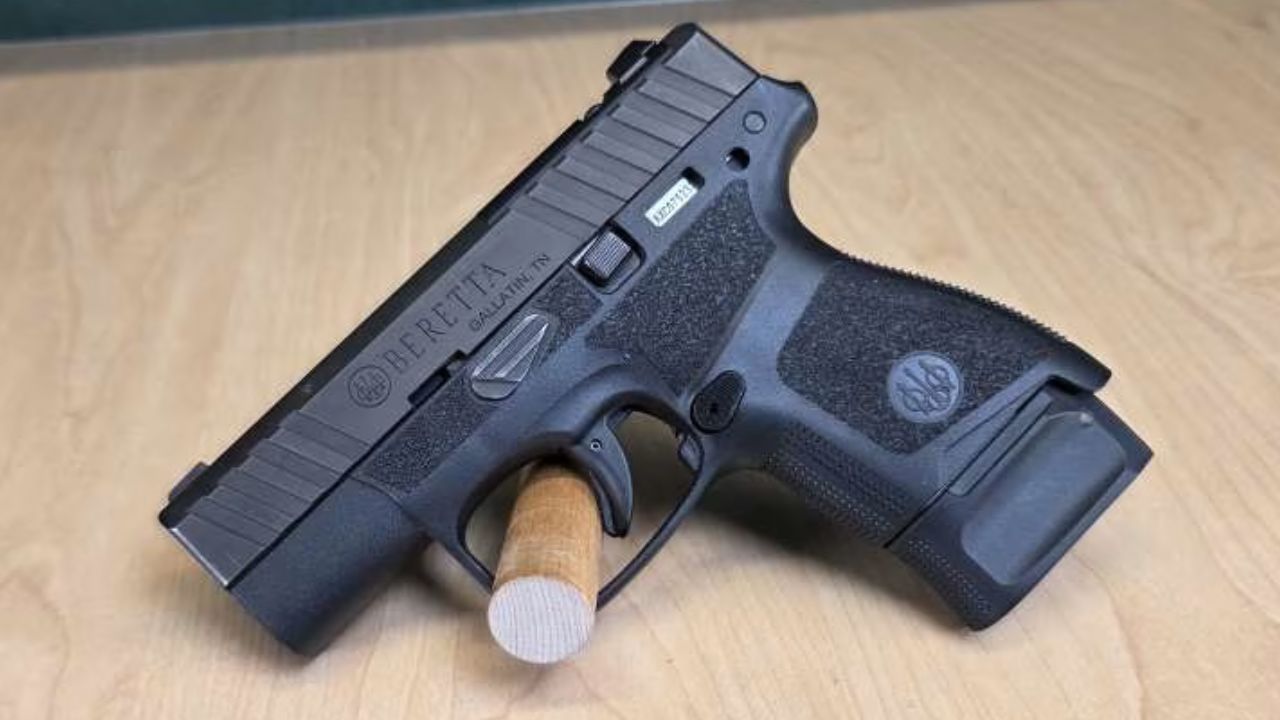
Beretta makes great pistols. The APX Carry, though, is one of those models that feels like it was squeezed into a category instead of designed to win it. The trigger and shootability can be a letdown for a gun that wears the Beretta name.
The defense usually goes, “It’s accurate enough up close.” Sure. But a small carry gun has to be manageable, not just concealable. If it doesn’t make you want to practice, it’s not doing its job.
15. Diamondback DB9

This is another early micro-9 that showed what was possible, then got passed by better designs. The DB9 is light, and you feel that lightness every time you touch one off. The recoil and grip shape make it easy to shoot poorly, even for decent shooters.
When a pistol is unpleasant and finicky, owners start defending it like it’s a badge of toughness. I’d rather be tough with a gun that’s easy to run well.
16. Charter Arms Pitbull 9mm

On paper, a revolver that doesn’t need moon clips in 9mm sounds like a practical woods-walker idea. In real life, the extraction system can be picky, and the whole concept ends up being more novelty than advantage.
Revolvers are already a “do you really want this” choice for many folks. Adding a quirky extraction setup to save a little money or hassle is a gamble I wouldn’t take for a serious use gun.
17. EAA Windicator (2-inch .357)
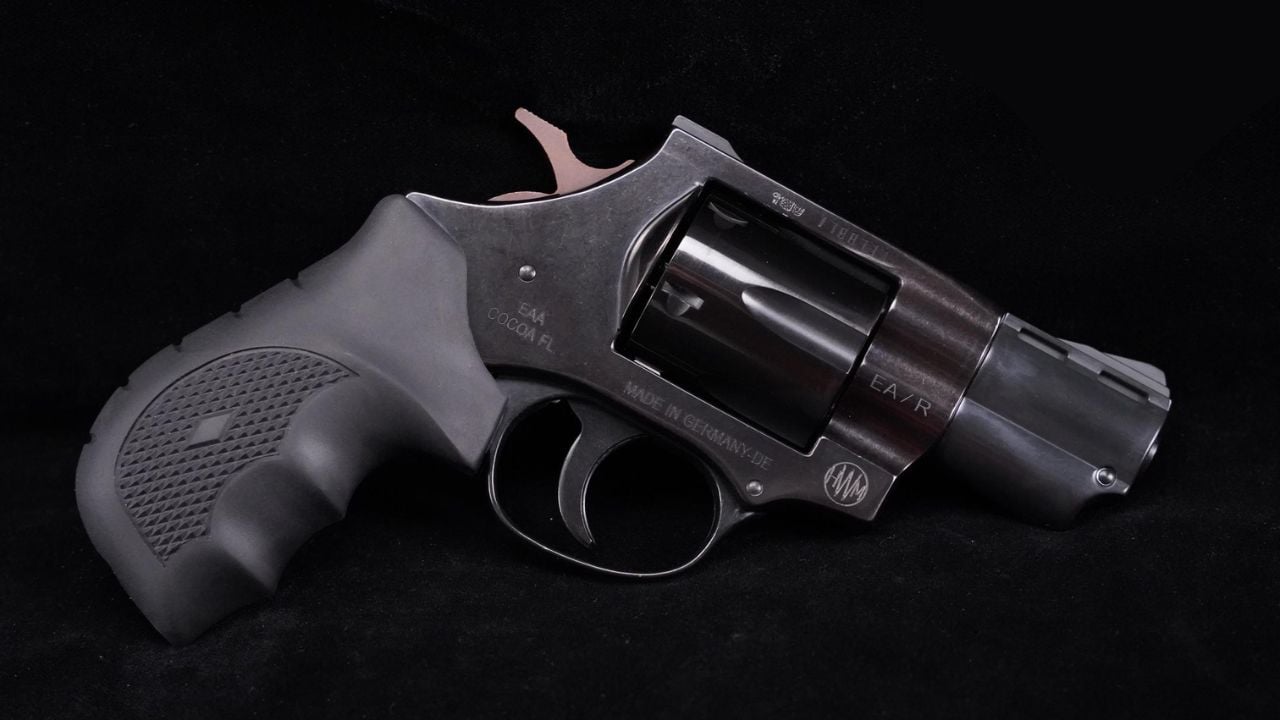
The Windicator sells because it’s a cheap way into a .357 revolver. The trouble is the trigger and finish often feel rough, and the small-frame snub in .357 can punish your hand. A lot of owners end up feeding it .38s, which makes you wonder why you didn’t just buy a better .38 to start with.
As a “truck revolver” it gets defended hard, but budget wheelguns can be a dead end when you need parts or a smith who wants to fool with it.
18. Rock Island Armory M1911A1 GI (FS)
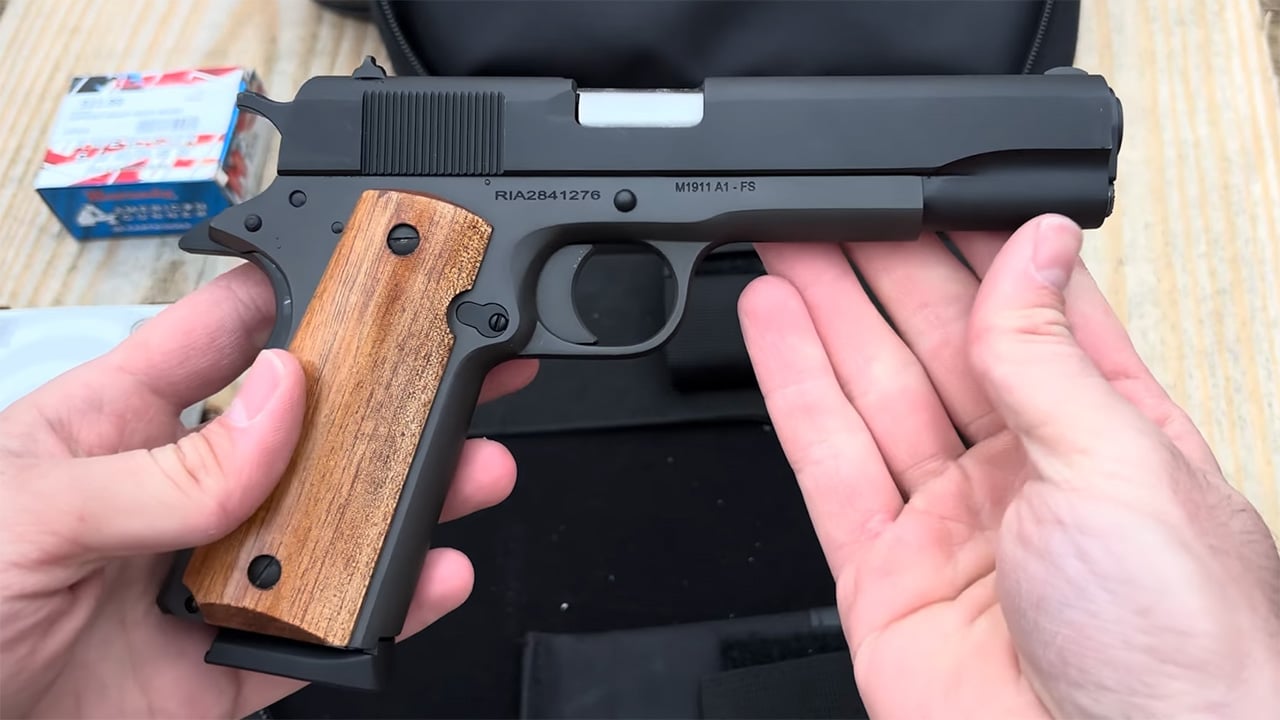
I’m not saying every Rock Island 1911 is bad. I am saying the GI-style, bare-bones versions get defended like they’re the ultimate working man’s .45, and they usually need help to get there. Tiny sights, basic internals, and sometimes finicky behavior with hollow points can make them a project gun.
If you enjoy tinkering and you want a range 1911, fine. If you want a no-drama defensive pistol, a budget 1911 often becomes a lesson in false economy.
19. ATI FX45 (GI-style 1911)
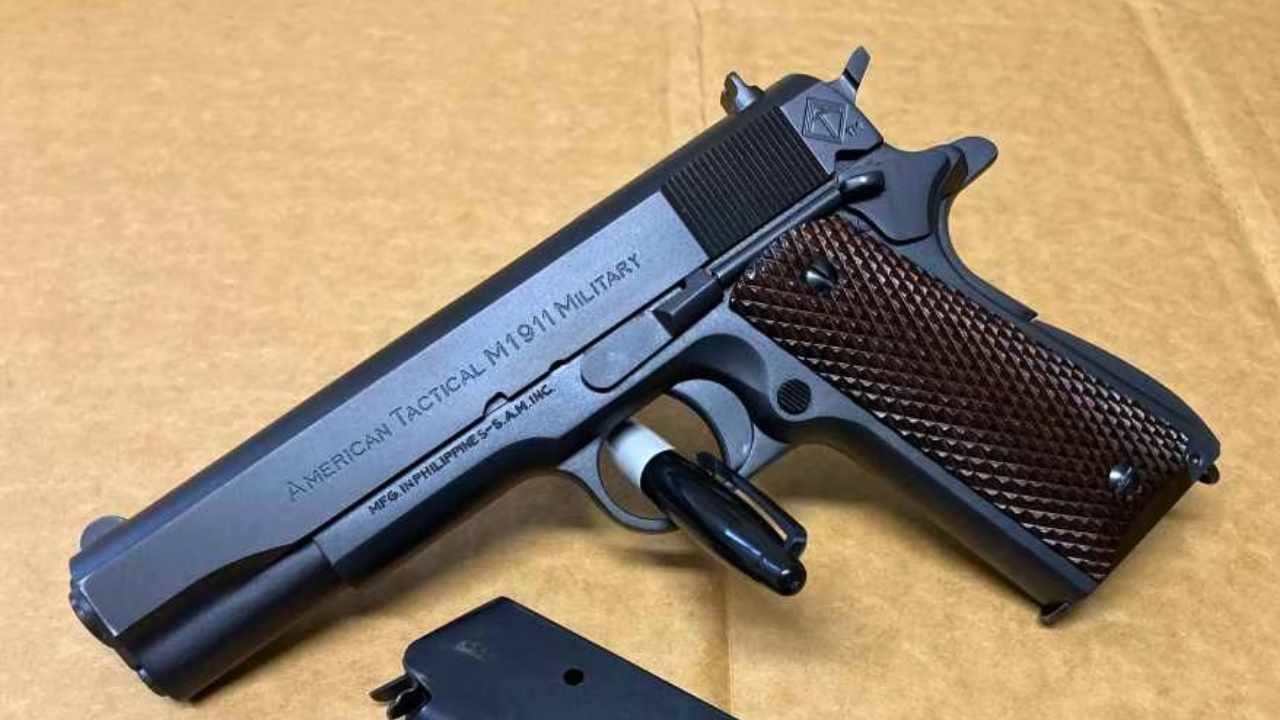
Another bargain 1911 that looks great in the case and feels “serious” in the hand. Then you start running it in real practice, and you find out what rough machining, questionable small parts, and inconsistent fit can feel like over a few hundred rounds.
The 1911 platform rewards quality. When you go too cheap, you’re not just saving money—you’re buying uncertainty in the one place you don’t want it.
20. Bersa Thunder .380 (cheap-used carry pick)

This one is going to make some folks mad because the Thunder has a long history and plenty of them run well. The reason it lands here is because it’s constantly defended as the best bargain carry gun even when it’s a beat-up used example with unknown springs, worn mags, and years of pocket lint in places you can’t see.
When a Thunder is maintained, it can be a handy little pistol. When it’s neglected and still treated like a sure thing because “Bersa is underrated,” that’s where the trouble starts. A cheap used pistol isn’t a bargain if you have to rehab it before you can trust it.
Here’s the part nobody likes to say out loud: a budget pistol doesn’t have to be perfect, but it does have to be predictable. The guns above get defended because they sometimes work, and sometimes is not a standard worth carrying. If money is tight, buy the most boring, widely supported pistol you can afford, then spend the rest on ammo, a decent holster, and enough practice to know what you’ve really got.
Like The Avid Outdoorsman’s content? Subscribe to our newsletter so you never miss an article.
Here’s more from us: