Photo credit: Henry Repeating Arms/Youtube
Everybody’s got that one gun they were sure would be “perfect for the woods.” Then the sling twists up, the safety is backwards for your hand, the ammo is nowhere to be found in a small-town shop, and you’re standing there wishing you’d just brought the boring rifle that always works.
This isn’t a list of “bad guns” in general. Most of these will run fine on a range bench. The problem is the woods are not a bench. Cold hands, wet brush, busted-up truck seats, steep hills, and real deadlines have a way of exposing what’s actually practical.
1. Remington 710
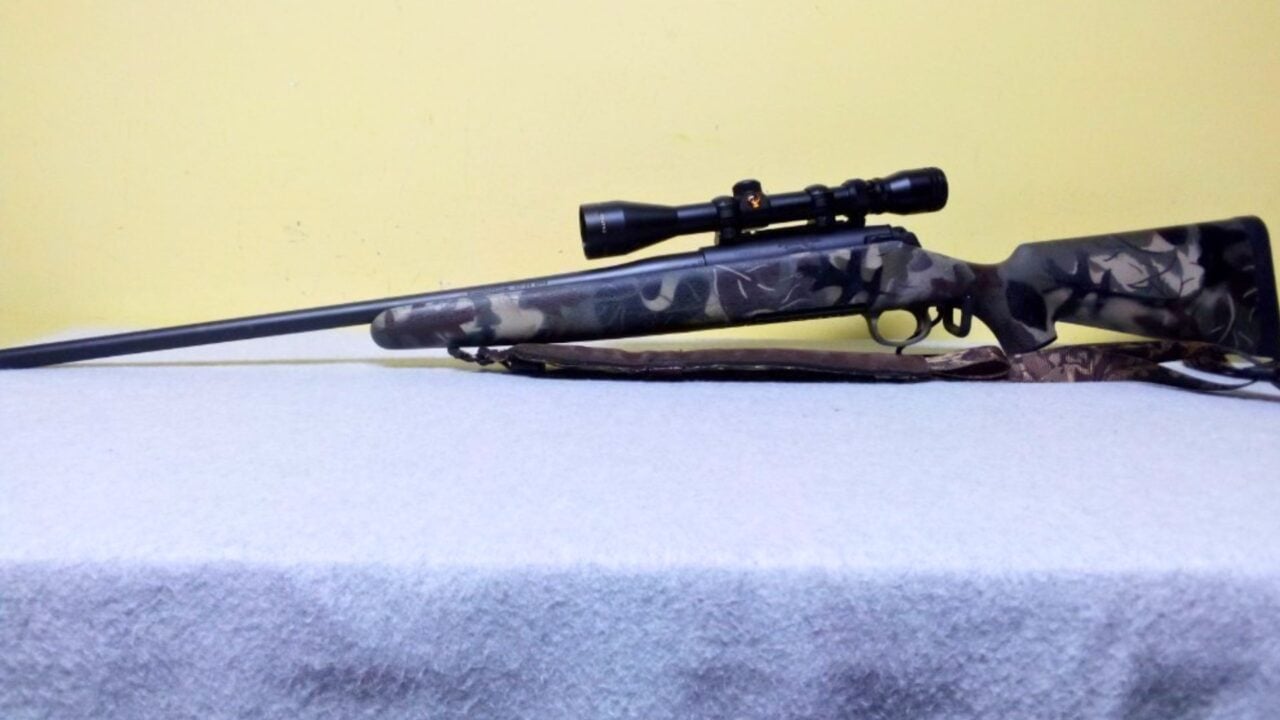
I’ve watched more than one of these turn a simple season into a long lesson. The action can feel rough, and when something does go sideways, you find out quick that parts and long-term support aren’t exactly plentiful. It’s the kind of rifle that seems fine until you’re cycling it fast on a follow-up shot.
In the woods, “good enough” becomes “not again” when it’s cold, you’re wearing gloves, and a buck is walking out of your life. If you already have one that shoots and you trust it, fine. But if you’re picking a rifle to lean on, there are better choices.
2. Remington R51
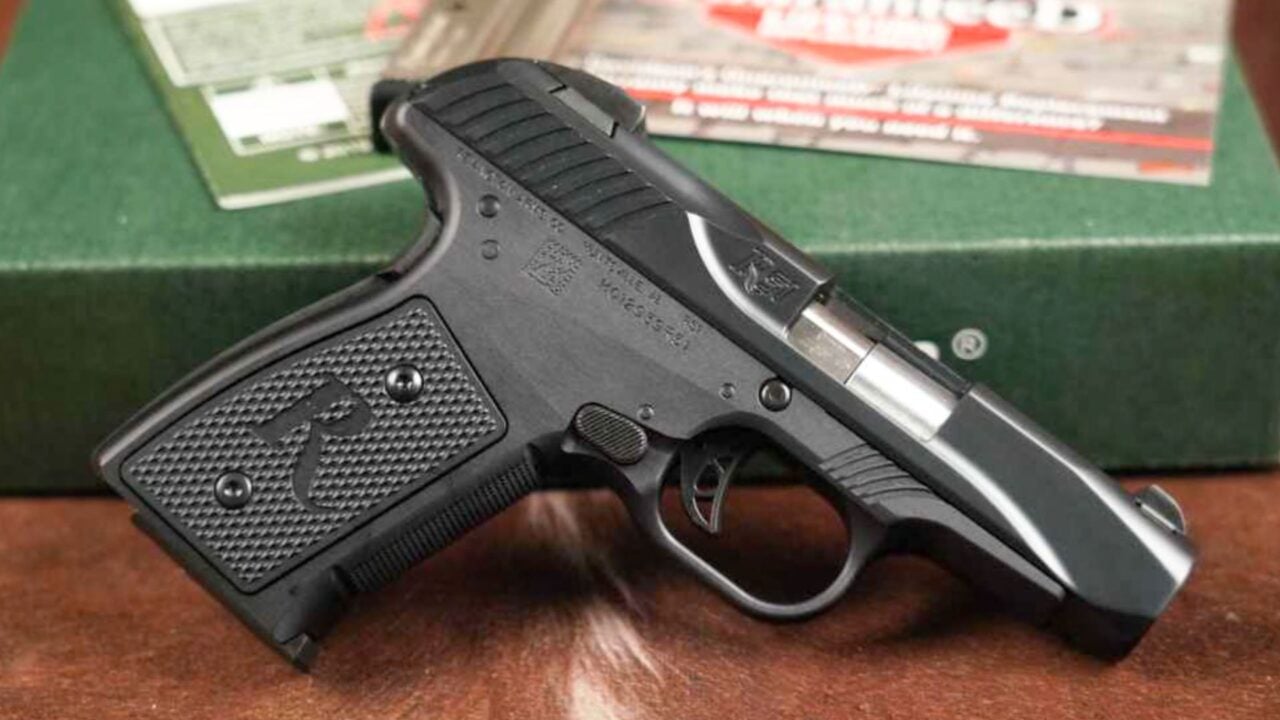
This one hurt because the idea was cool: slim, carry-friendly, different. The execution didn’t earn trust early on, and trust is the whole game when a pistol is riding on you miles from the truck. A woods sidearm needs to be boringly dependable.
Even if you’ve got one of the later examples, you’re still dealing with a pistol that never built a deep aftermarket or broad parts confidence. In town that’s annoying. In the back forty, it’s a dealbreaker.
3. Taurus Judge

I get why folks buy them. A revolver that can shoot .410 shotshells sounds like the answer to snakes, pests, and whatever else pops up around the property. Then you pattern it on a target and realize the marketing doesn’t walk like the boots do.
It’s bulky for what it is, recoil can be goofy with certain loads, and accuracy with .45 Colt varies a lot gun to gun. For a dedicated woods handgun, there are cleaner solutions that don’t feel like a compromise in every direction.
4. Rossi Circuit Judge
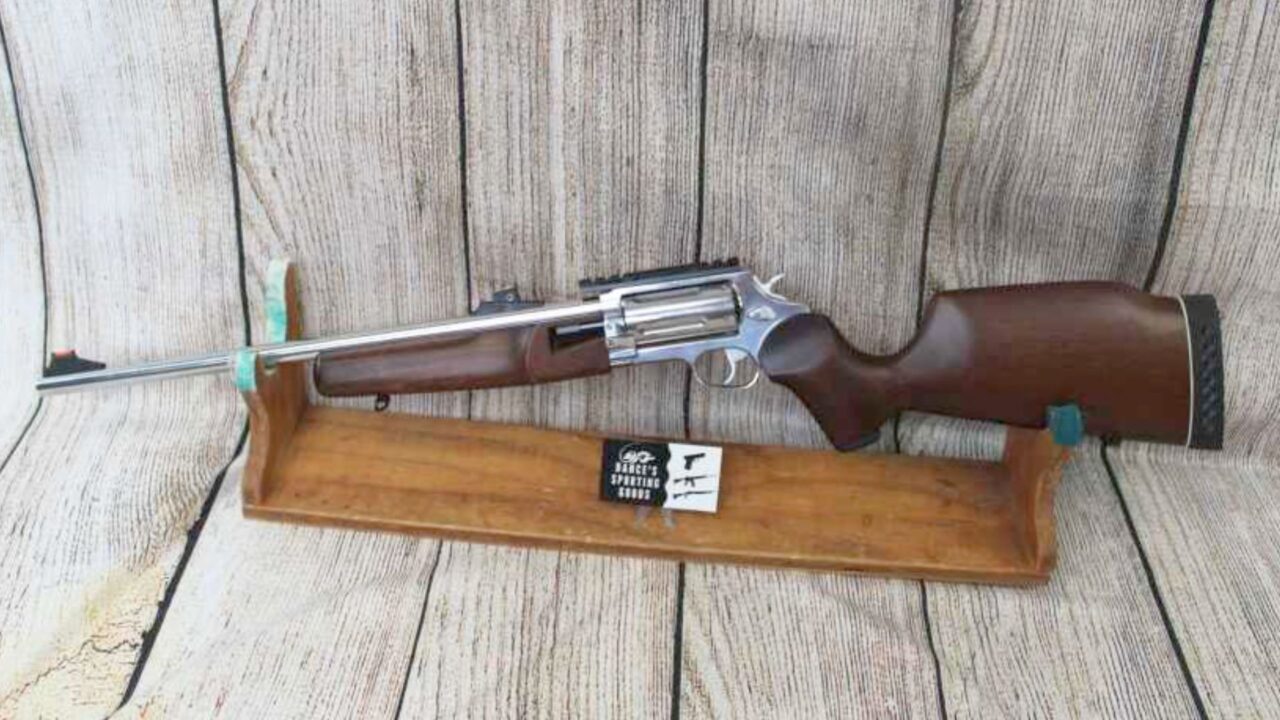
The carbine version of the Judge seems like it ought to be more useful. Longer barrel, shoulder stock, better control. But you still end up with a gun that’s trying to be several things at once, and it never quite becomes great at any of them.
In thick cover, you want predictable accuracy and simple handling. The Circuit Judge can be fun, but “fun” is not what you’re after when you’re sweating a shot opportunity or dealing with varmints at the edge of the pasture.
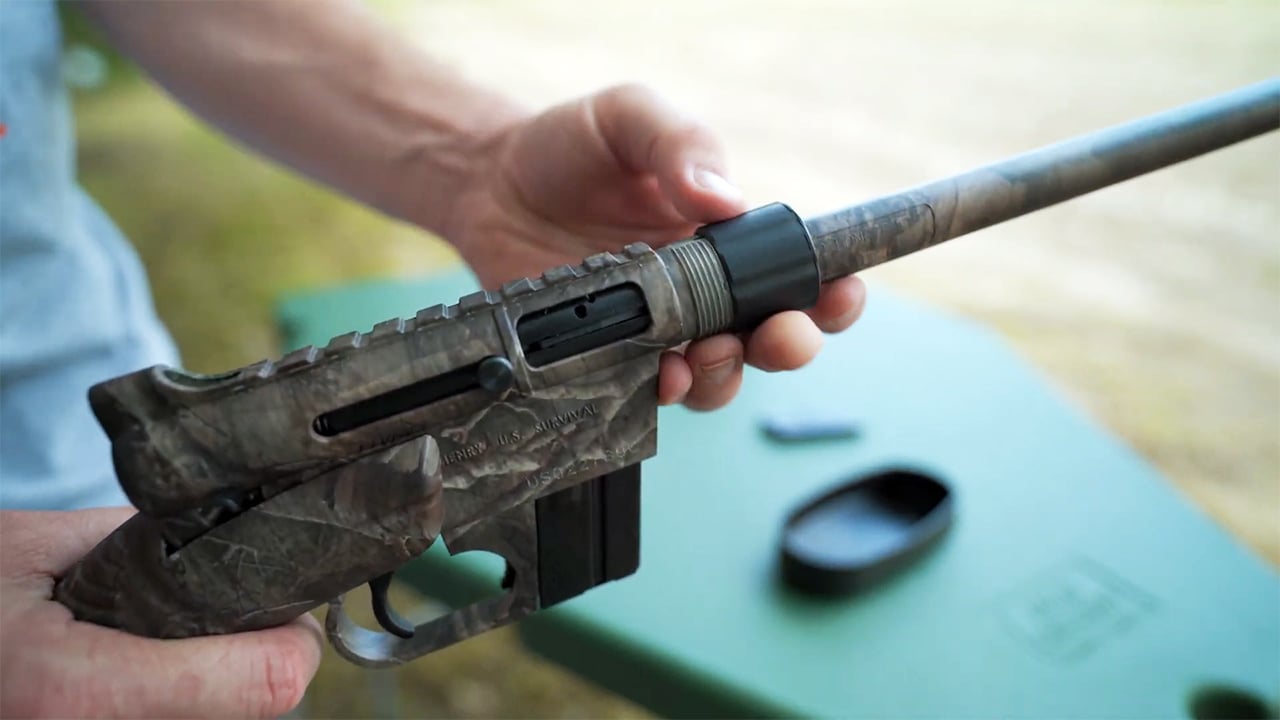
5. Henry US Survival AR-7
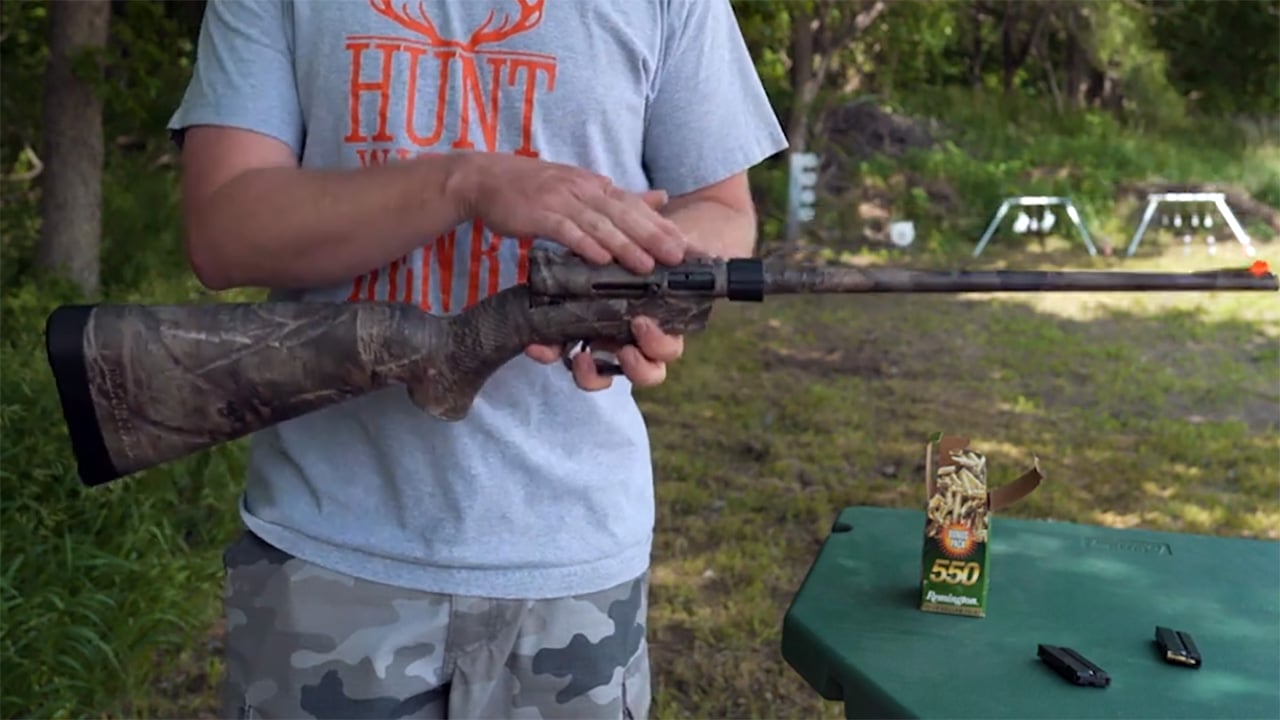
These little pack rifles have a place, and I’m not pretending they don’t. But a .22 that lives in a stock and gets taken apart and reassembled is not the same thing as a .22 you actually practice with and carry ready. Ask me how I know.
For wandering the timber, a compact .22 is handy. Still, you want quick access, a decent trigger, and sights that don’t feel like an afterthought. The AR-7 is more “just in case” than “go-to.”
6. Kel-Tec SUB-2000
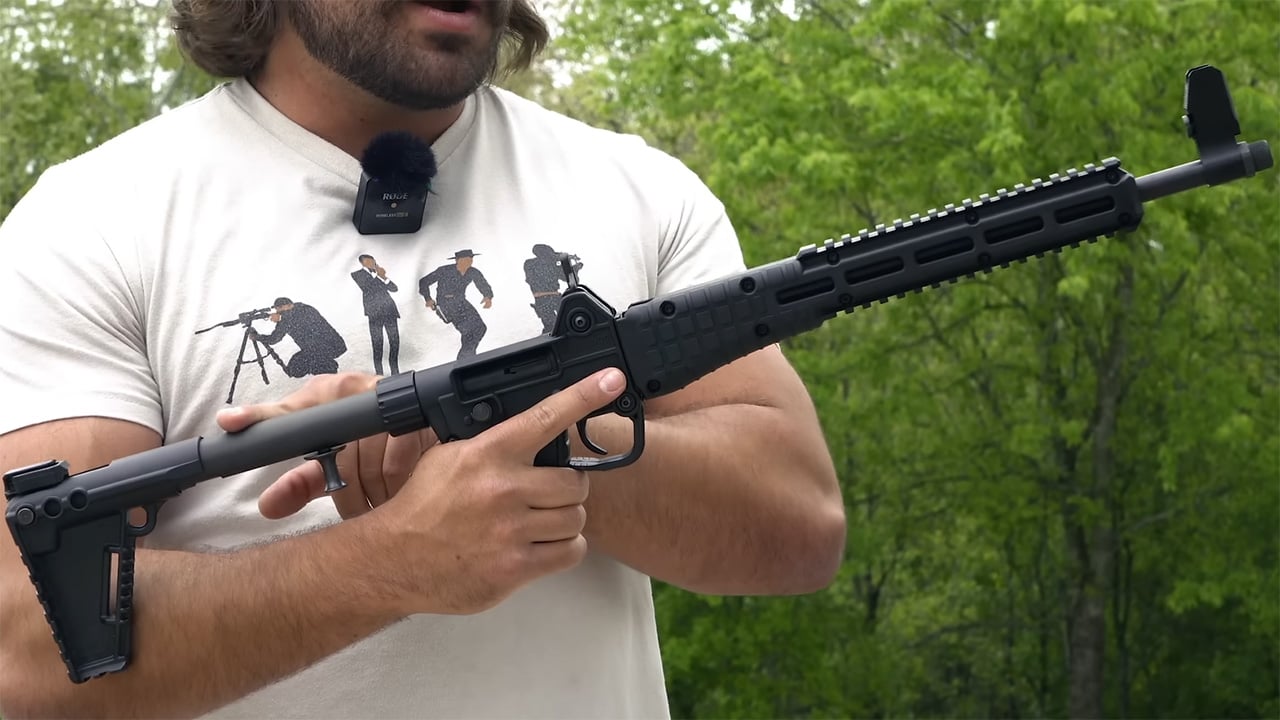
Folding carbines are neat, and the SUB-2000 scratches that itch. But the ergonomics are quirky, the sight picture isn’t everyone’s friend, and running it hard with a cheek weld can be unpleasant. In the woods, weird handling becomes slow handling.
If your goal is a camp/truck carbine, you can make it work. For hiking ridges or slipping creek bottoms, I’d rather have a normal-layout rifle that mounts the same way every time.
7. Hi-Point C9
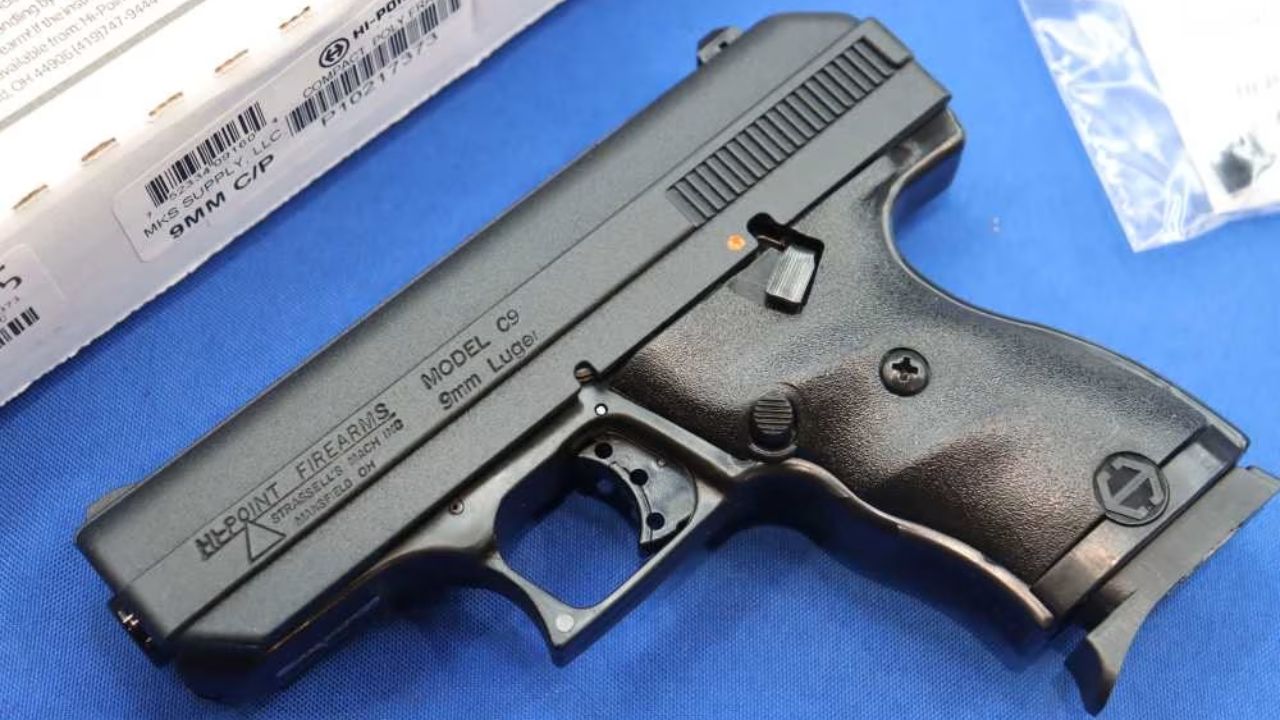
Here’s the truth: many of them do go bang. But they’re heavy, blocky, and not exactly sealed up like a tool meant to live in dust, sweat, and pine needles. If it’s riding in a pack or bouncing in a side-by-side, bulk matters.
Woods guns get grabbed with cold hands and fired from awkward positions. A cheap pistol that’s hard to carry well and hard to shoot well isn’t a bargain out in the real world.
8. SCCY CPX-2
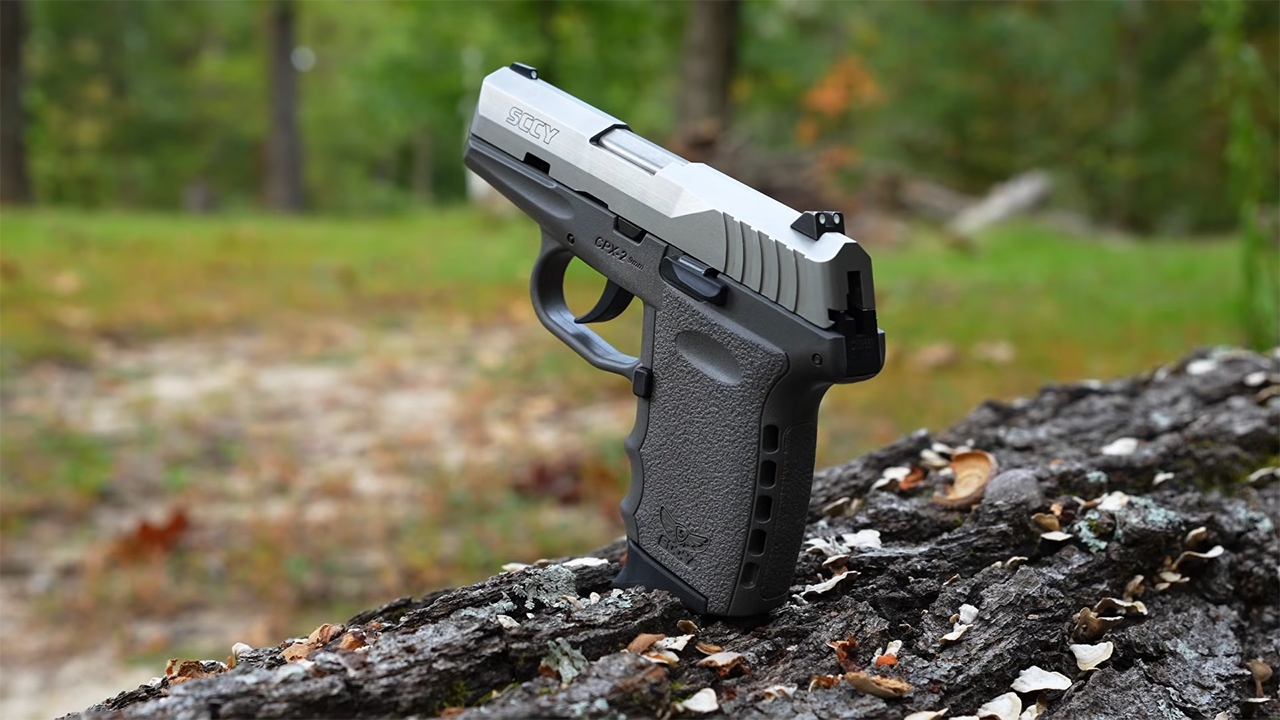
The size and price pull people in. Then you spend time behind the trigger. Long, heavy pulls can be workable, but they’re not friendly when you’re trying to make a careful shot under pressure, especially with wet hands.
If it’s the only pistol available, it beats harsh language. But for a gun you might rely on around predators, hogs, or a surprise two-legged problem at a gate, I want a more proven track record.
9. Taurus G3C

These are everywhere, and plenty run fine. The problem is the variation. One will be solid, the next will be fussy, and you don’t always know which one you got until you’ve burned a pile of ammo and time proving it out.
For the woods, I prefer sidearms with a deeper reliability history and easier parts/mag support. If your pistol is the thing between you and a bad day, “probably fine” isn’t my favorite standard.
10. Kimber Stainless Ultra Carry II
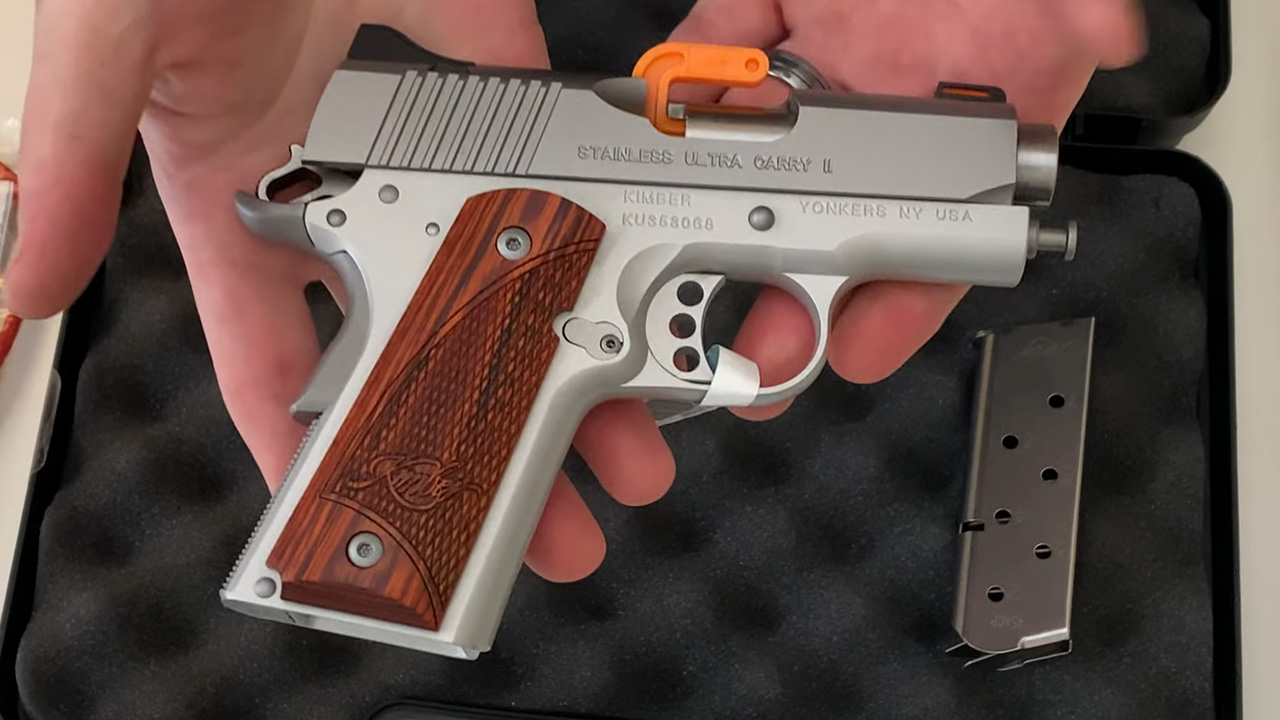
Small 1911s are tempting because they carry nice and point naturally. But short-barrel 1911s can be picky, especially when they get dirty or when you mix magazines and ammo. In the timber, everything gets dirty.
When they run, they’re sweet. When they don’t, you’re standing there with a fancy paperweight and a sinking feeling. I’d rather carry a compact that’s less sensitive to grit and neglect.
11. Desert Eagle Mark XIX
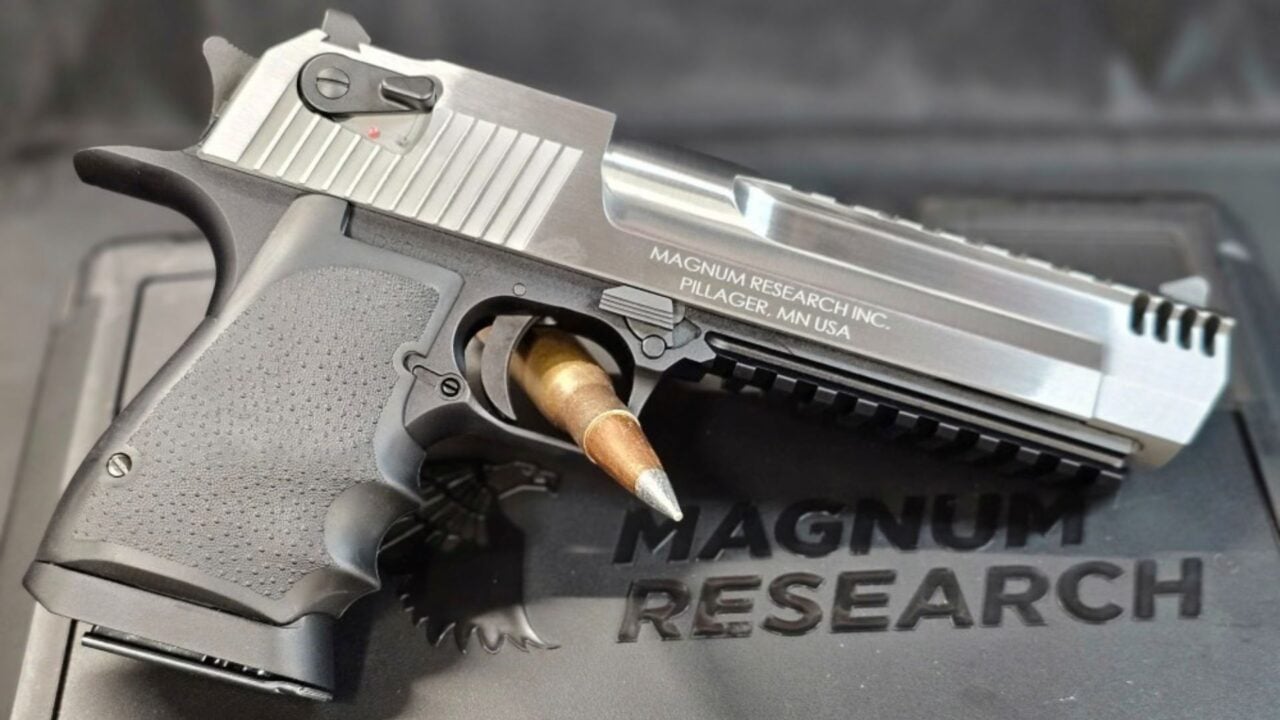
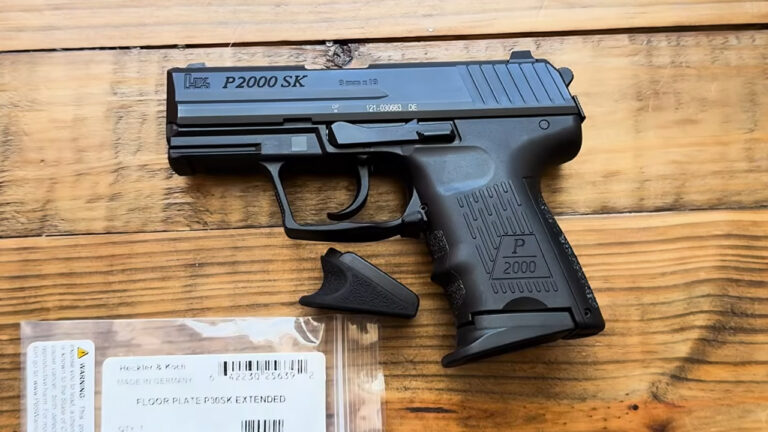
If you want to feel like a movie character while checking trail cameras, this will do it. It’s also heavy, wide, and not a gun you casually carry all day without getting tired of it. There’s novelty, and then there’s reality.
Ammo isn’t cheap, recoil is its own thing, and the platform is not built around the idea of being dragged through brush. A woods sidearm should be something you don’t resent by lunchtime.
12. Smith & Wesson Model 500 (4″ or shorter)

Yes, it’s powerful. Yes, it’ll stop big things. But the short-barrel versions are a handful, and not everybody shoots them well when they’re breathing hard and their hands are numb. That matters more than caliber arguments.
If you’re genuinely in big-bear country and you practice, it can make sense. For most folks, it’s too much gun to carry and too much recoil to stay sharp with.
13. Glock 44

A .22 trainer that matches a Glock’s feel is a solid idea. The trouble is .22 pistols can be ammo-sensitive, and rimfire isn’t famous for being clean. In the woods, you want a .22 that feeds whatever you can find at the hardware store.
If yours runs on your preferred load, great. But I’ve seen enough finicky rimfire behavior that I’d rather grab a .22 with a longer “this always works” reputation.
14. Remington 887 Nitro Mag

The polymer-armored pump looked tough on paper. In practice, the forend/action feel never won everyone over, and when a pump gun feels odd, it slows you down. A woods shotgun needs to cycle like you’re shucking corn.
These also never became the kind of common gun you can get serviced anywhere. When you’re wet, cold, and a half mile from the truck, “rare” is not a feature.
15. Winchester SXP (early production examples)
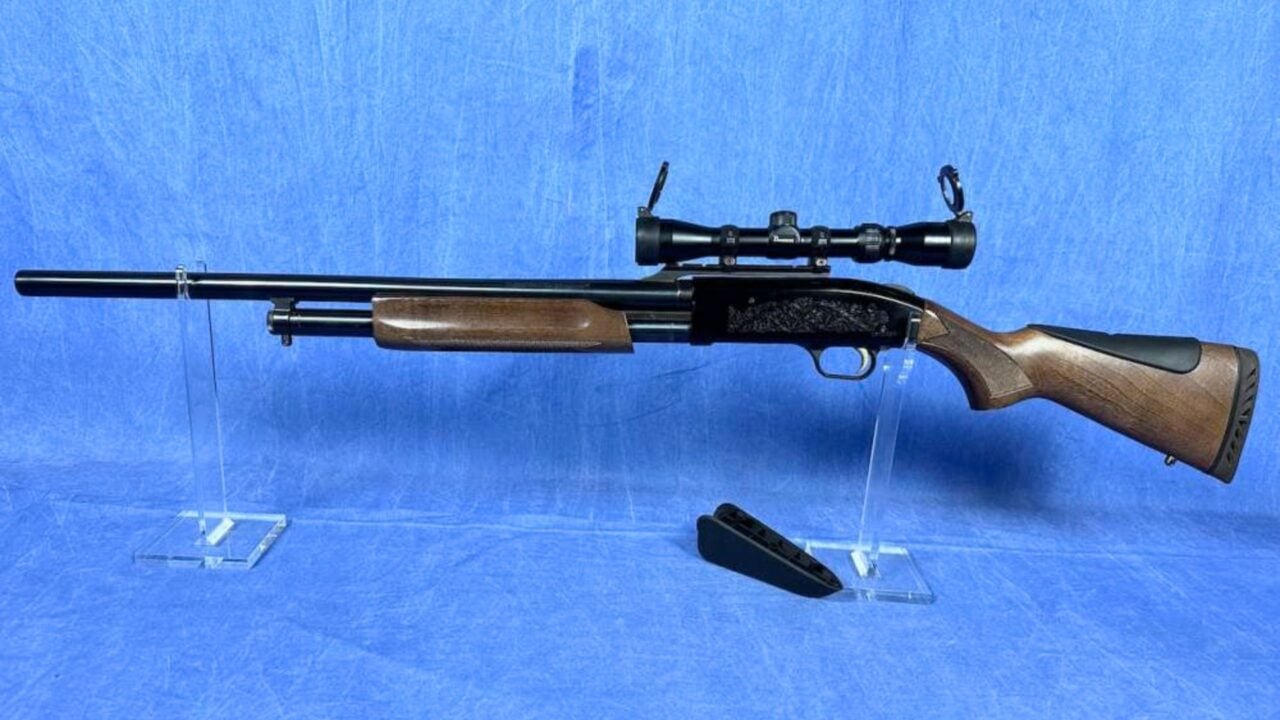
When they run, they’re fast. That inertia-assisted feel can be slick. But some early guns earned a reputation for being rough, and rough becomes worse after a few days of grit and rain. You’ll feel it in the forend hand.
For upland walks and general woods use, a pump should be dead-simple and consistent. If your SXP is a good one, keep it. If it’s not, you’ll know soon enough.
16. Mossberg 590 Shockwave

It’s compact and it looks tough, and I understand the appeal as a camp gun. But it’s not pleasant to shoot well, and “shoot well” is the whole point when you’re dealing with a real target and not a cardboard silhouette.
In the woods, you may need to make a precise shot on a pest, or you may need to handle it safely around buddies and dogs. The Shockwave’s format asks a lot from the shooter, and it doesn’t give much back.
17. Ruger Precision Rifle (6.5 Creedmoor)

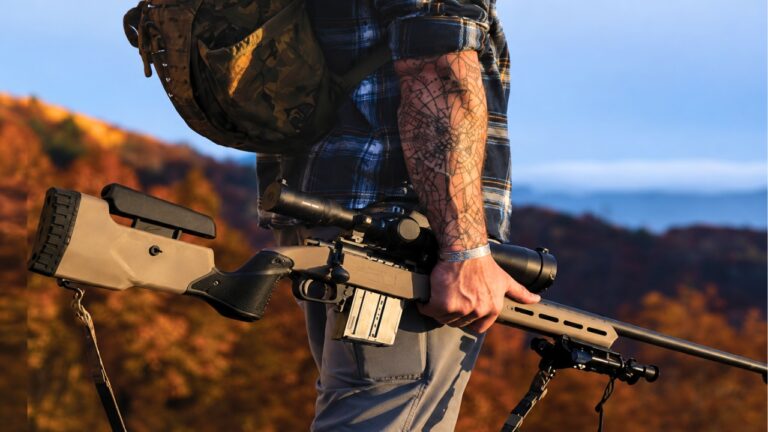
Accurate? Absolutely. Handy? Not really. Dragging a heavy chassis rifle through steep hardwoods is like carrying a fence post that happens to shoot tiny groups. There’s a time and place for it, but most woods hunts aren’t it.
If you’re shooting open-country long range from a set position, it shines. Still-hunting, climbing into a stand, or slipping through laurel? You’ll be over it fast.
18. Savage B.MAG (.17 WSM)

The .17 WSM is a cool little screamer for rimfire distance, when you can get ammo and when the rifle behaves. The B.MAG has had enough reports of inconsistent accuracy and finicky behavior that I don’t like it as a “grab it and go” woods tool.
Rimfire is supposed to be simple. When your rimfire starts acting like a science project, you stop carrying it and it becomes a safe resident.
19. Marlin Model 60 (well-worn, tube-feed in the brush)

This one’s going to make somebody mad because the Model 60 has put a mountain of squirrels in the pot. I like them. But a worn one with a tired spring, a sticky action, and decades of grime can turn a morning hunt into a constant clearing-and-fussing session.
Tube-feed is fine until you’re reloading in thick cover with cold fingers. A clean, well-kept Model 60 is a sweetheart. A neglected one is a headache at the worst time.
20. Springfield Armory M1A SOCOM 16
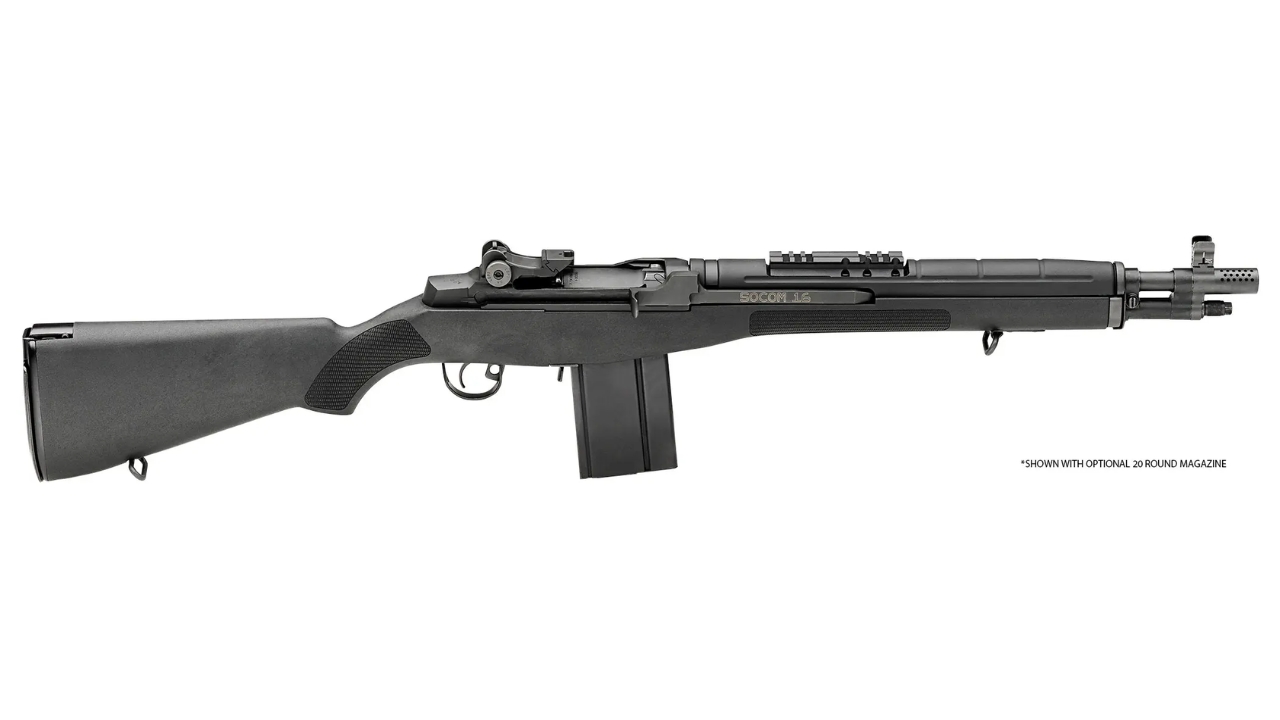
Short, loud, and cool. That’s the honest summary. The SOCOM 16 is handy compared to a full-length M1A, but it’s still not light, it’s still a .308 you’ll feel all day, and the blast off that shorter barrel is no joke when you touch it off under a roofed stand.
It can absolutely work as a woods rifle, especially for hogs and thick-country deer. I just don’t like paying that weight and noise penalty when a simpler, lighter rifle does the same job with less drama.
None of this is meant to shame anybody’s safe. I’ve owned a few “this seemed like a good idea” guns myself. The woods just have a way of rewarding simple, proven designs you can carry all day, feed easily, and run without thinking. If your current setup does that, you’re already ahead.
Like The Avid Outdoorsman’s content? Subscribe to our newsletter so you never miss an article.
Here’s more from us: