Photo credit: Duncan Sanchez/Unsplash.com
Rattlesnake bites don’t happen evenly across the map. They stack up where three things overlap: large rattlesnake populations, long warm seasons that keep snakes active, and heavy human use of the same ground—hiking, ranch work, hunting, land clearing, and suburban sprawl pushing into wild country. Most bites aren’t freak accidents. They happen when people underestimate how common rattlesnakes are, assume they’ll always hear a rattle first, or forget how quickly a strike can happen at close range. In the states below, wildlife agencies, poison control centers, and emergency departments consistently deal with more rattlesnake bites than most of the country. That doesn’t mean every trail is dangerous—but it does mean awareness matters a lot more in these places.
Arizona

Arizona sits near the top for rattlesnake bite incidents because it checks every box: high snake diversity, warm weather most of the year, and nonstop human activity in desert and foothill terrain. The state is home to more rattlesnake species than anywhere else in the U.S., including Western diamondbacks, Mojaves, and several smaller species that people don’t always recognize as dangerous. Bites often happen during hiking, landscaping, construction, and hunting, especially in spring and early summer when snakes are active and people are back outdoors. Suburban expansion around Phoenix and Tucson has also increased encounters, with snakes showing up in yards, garages, and trails close to homes. Many bites occur when people try to move or kill a snake, thinking they can react faster than it can strike—which is almost never true.
Texas
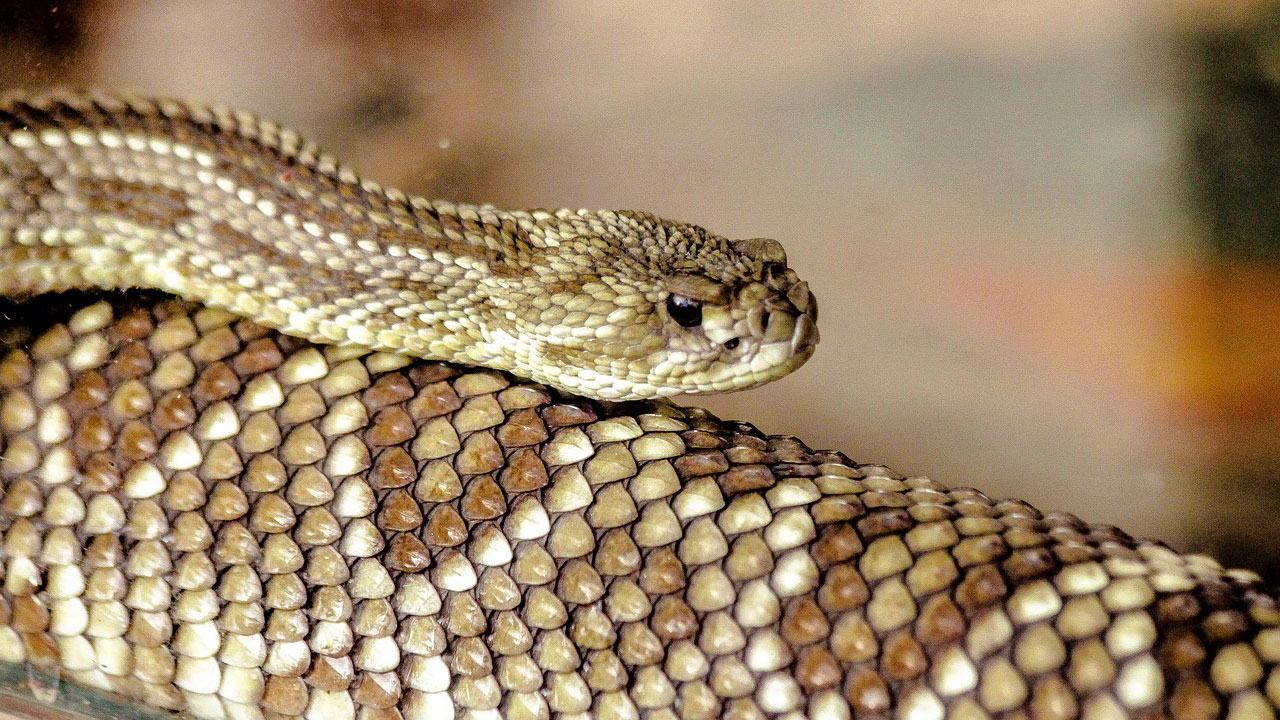
Texas consistently reports a high number of rattlesnake bites simply because of size, habitat variety, and population. Western diamondbacks are widespread, and timber rattlesnakes occupy eastern parts of the state. Add in ranch work, oilfield jobs, hunting, and long warm seasons, and encounters are common. A big factor in Texas bites is working land—checking fences, moving brush, reaching into equipment, or stepping over logs without looking. Many bites also happen at night during warmer months when snakes stay active after sunset. Rural hospitals are used to treating envenomations, but that doesn’t make the bites less serious. Texas shows how rattlesnake risk isn’t limited to wilderness—it’s tied closely to daily work and land use.
California

California reports a steady number of rattlesnake bites each year, especially in Southern California, the Central Valley, and foothill regions. Western rattlesnakes are widespread, and people encounter them during hiking, trail running, yard work, and mountain recreation. One reason California stays high on the list is sheer outdoor traffic. Millions of people use trails and open space year-round, increasing the odds of close encounters. Dogs are also frequently bitten, which brings people into risky situations trying to intervene. Many bites happen when someone steps too close to a well-camouflaged snake or reaches into rock piles and brush. The combination of dense population and prime rattlesnake habitat keeps California near the top.
Florida

Florida surprises people, but eastern diamondbacks are large, powerful snakes, and encounters happen regularly in rural and semi-suburban areas. Bites often occur during yard work, land clearing, and hunting, especially in brushy or overgrown areas. Florida’s long warm season keeps snakes active most of the year, and heavy vegetation makes visibility poor. People also underestimate rattlesnakes in swampy or wooded terrain, assuming venomous snakes are limited to water species. Another factor is development pushing deeper into snake habitat, leading to more encounters near homes. Florida’s bite numbers reflect how rattlesnakes don’t need deserts or mountains—dense cover and warm weather are enough.
New Mexico

New Mexico sees frequent rattlesnake bites due to wide-open terrain, multiple species, and strong outdoor culture. Ranchers, hunters, hikers, and construction crews all spend time in prime rattlesnake country. Bites commonly occur when stepping over rocks, climbing slopes, or reaching into shaded areas where snakes shelter from heat. In drier regions, snakes also concentrate near water sources, which increases encounter risk during drought years. Many bites happen in remote areas, making response time a real concern. New Mexico’s numbers show how rural exposure and habitat overlap matter as much as population density.
Oklahoma
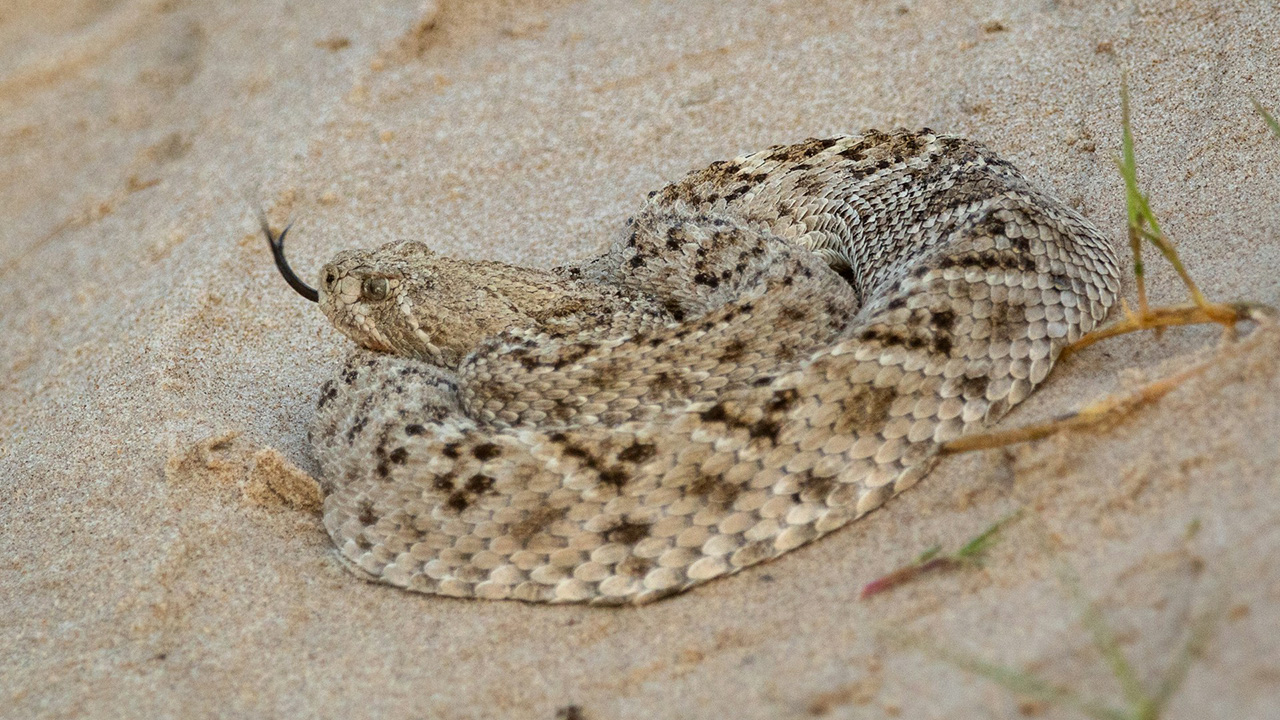
Oklahoma has both Western diamondbacks and timber rattlesnakes, and bites occur across prairie, wooded, and agricultural areas. Ranch work and hunting account for a significant portion of incidents. Snakes are often encountered near fence lines, hay bales, and equipment stored outdoors. Spring and early summer are peak seasons, when snakes are active and people are working land again. Oklahoma also has a long tradition of outdoor recreation, which increases exposure. Many bites happen when people don’t expect snakes in “normal” working areas rather than wild terrain.
Arkansas

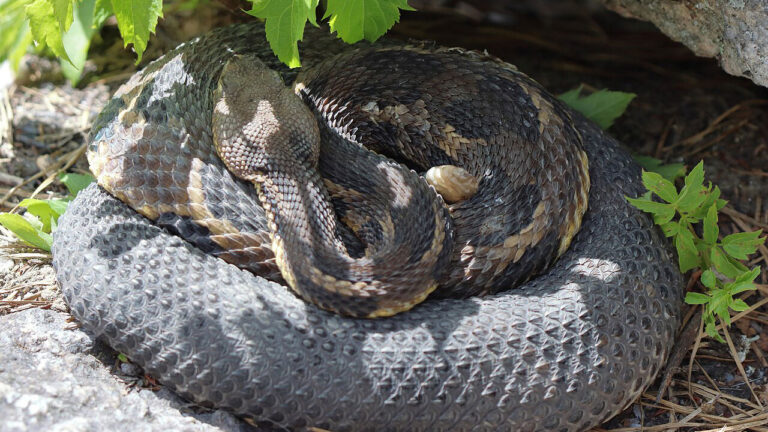
Arkansas reports regular rattlesnake bites, largely from timber rattlesnakes in forested and hilly regions. Bites often happen during hunting, hiking, and property maintenance. Dense leaf litter and rocky terrain make snakes hard to see, and people frequently step too close without realizing it. Timber rattlesnakes also rely less on rattling as a warning, which catches people off guard. Rural exposure plays a big role, with bites happening far from immediate medical care. Arkansas highlights how forested states can carry just as much risk as desert ones.
Missouri
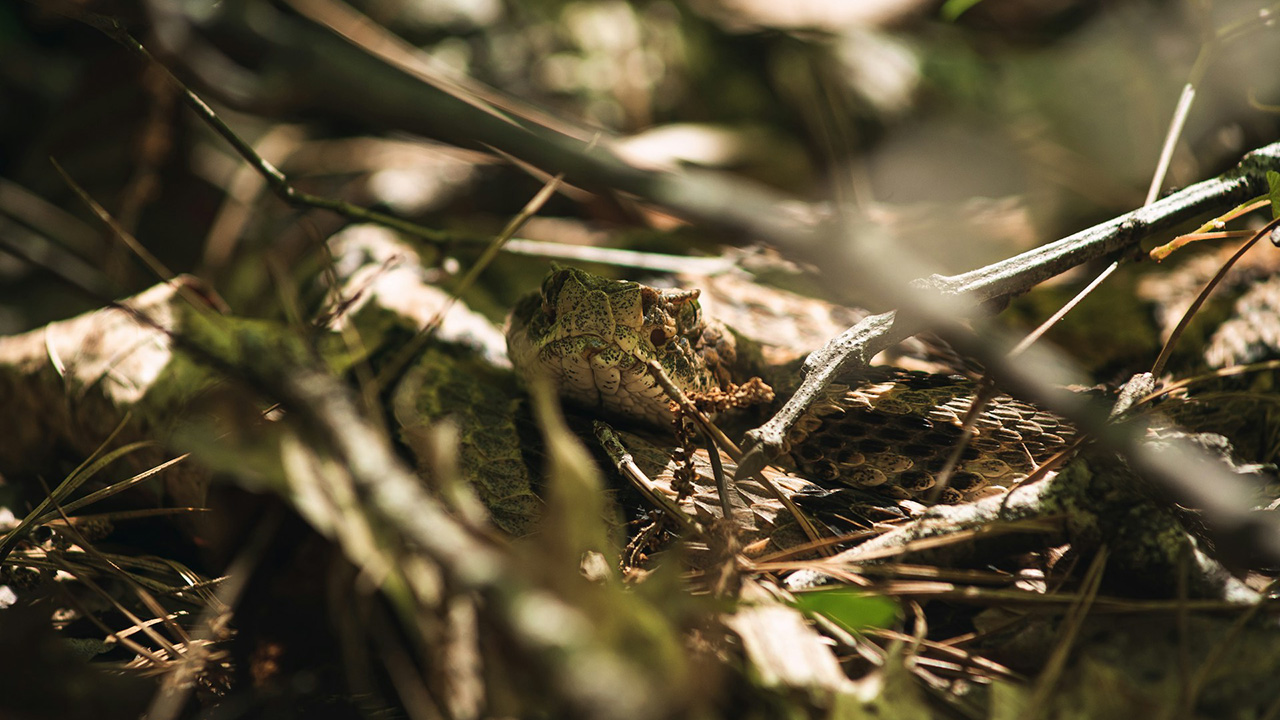
Missouri sees rattlesnake bites mainly from timber rattlesnakes in southern and central parts of the state. Encounters often happen during hiking, hunting, and land management. Many bites occur in rocky hillsides, woodpiles, and brush where snakes den. Missouri’s mix of outdoor recreation and rural land use keeps exposure steady. A common issue is people mistaking timber rattlesnakes for non-venomous species until it’s too late. The state’s bite numbers reflect how education and awareness matter just as much as habitat.
Georgia
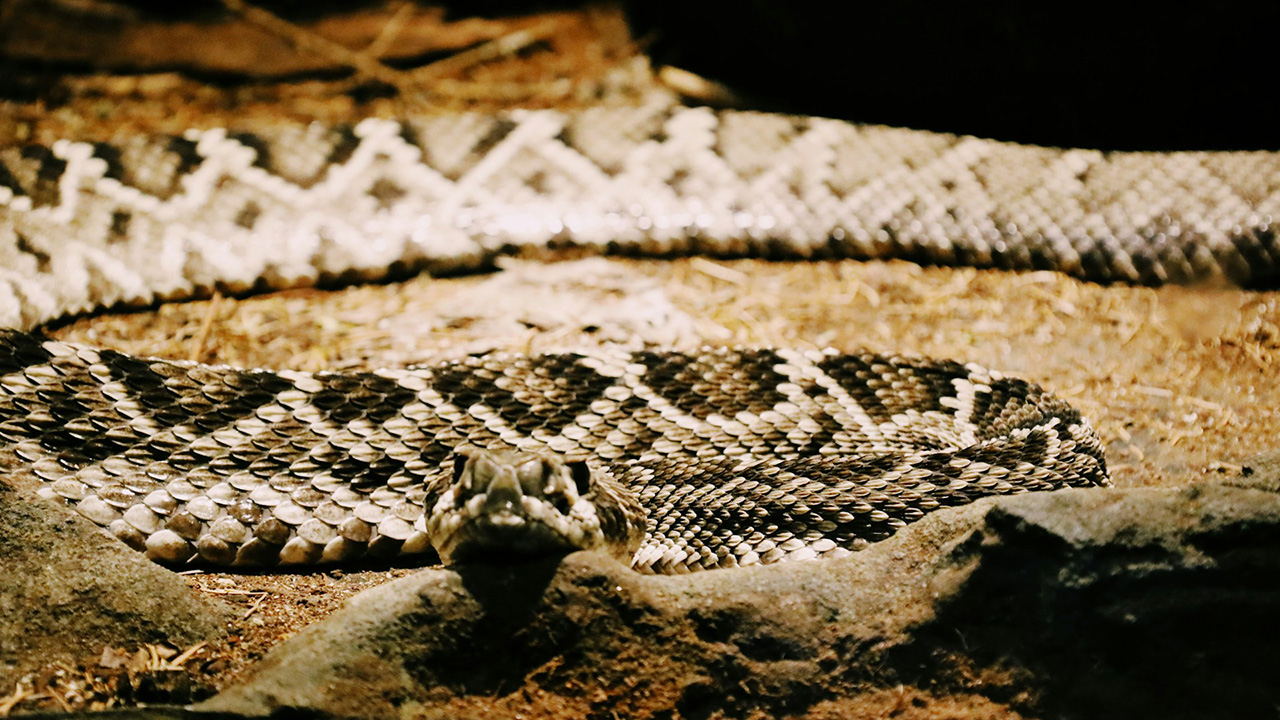
Georgia has eastern diamondbacks and timber rattlesnakes, and bites occur in rural, wooded, and even suburban areas. Land clearing, yard work, and hunting are frequent causes. Georgia’s long warm season keeps snakes active, and thick vegetation limits visibility. Many bites happen when people try to move snakes off property instead of leaving them alone. As development spreads into wooded areas, encounters continue to rise. Georgia’s numbers show how rattlesnake risk follows expansion, not just wilderness.
Tennessee
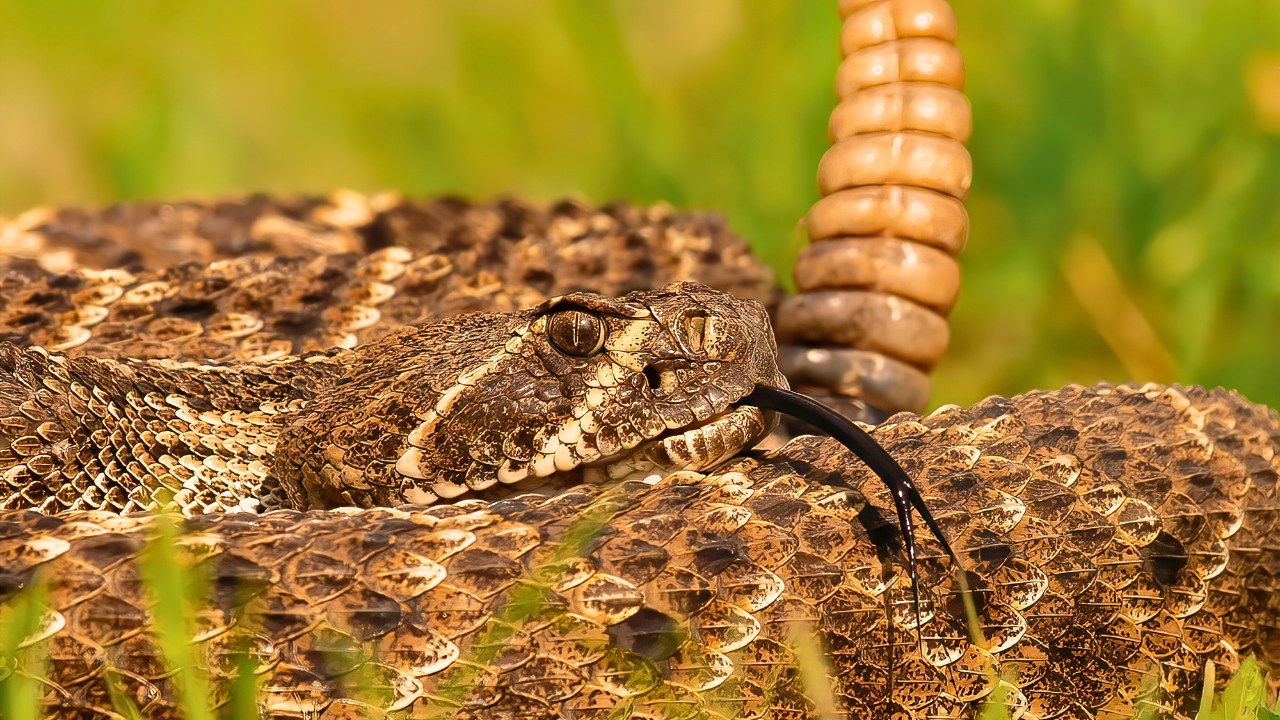
Tennessee reports rattlesnake bites primarily from timber rattlesnakes in hilly and forested regions. Bites often happen during hiking, trail maintenance, and hunting. Rocky outcrops and leaf-covered slopes make snakes hard to spot. Many incidents occur in warmer months when people assume snakes are less active at higher elevations. Tennessee’s bite pattern reflects how terrain and visibility play a major role in risk, not just snake density.
North Carolina
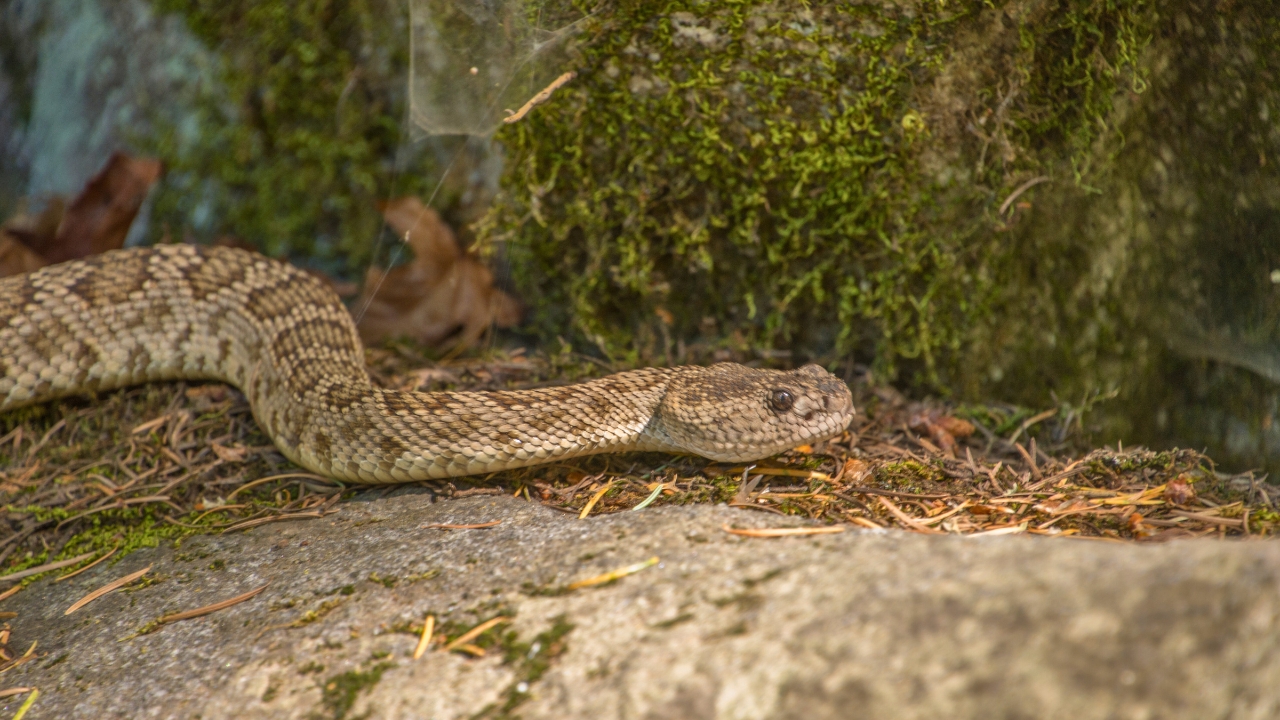
North Carolina sees rattlesnake bites from both eastern diamondbacks in coastal regions and timber rattlesnakes inland. Hunting, hiking, and land maintenance are common scenarios. Dense vegetation and varied terrain increase encounter risk. Coastal development has also brought people closer to snake habitat. Many bites happen when people move debris or walk through tall grass without protective footwear. North Carolina’s numbers show how mixed habitats create multiple exposure zones.
South Carolina

South Carolina reports rattlesnake bites mainly from eastern diamondbacks and timber rattlesnakes. Encounters happen during yard work, hunting, and outdoor recreation. Thick brush and warm weather keep snakes active for long stretches of the year. Suburban growth into wooded areas has increased sightings near homes. Many bites occur when people don’t expect venomous snakes in residential-adjacent areas. South Carolina highlights how habitat fragmentation increases human-snake contact.
Alabama
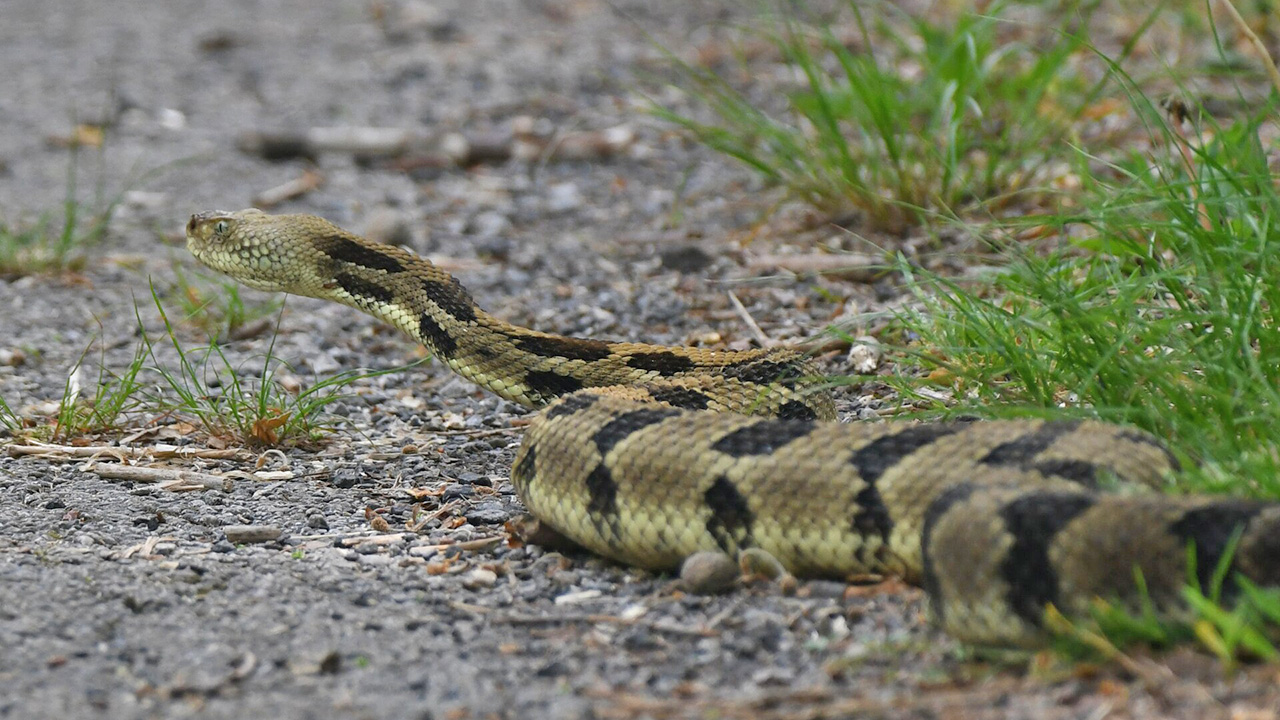
Alabama sees regular rattlesnake bites in rural and forested regions. Timber rattlesnakes are common, and bites often occur during hunting, farming, and property maintenance. Leaf litter and low visibility increase risk, especially in fall when snakes are still active but harder to spot. Many bites involve lower legs and hands, tied to stepping too close or reaching into cover. Alabama’s numbers show how seasonal activity overlaps with hunting and land work.
Nevada

Nevada’s rattlesnake bites occur primarily from Great Basin and Western rattlesnakes. Dry terrain pushes snakes to shade and water sources, which people also seek. Bites often happen during hiking, climbing, and desert recreation. Many incidents occur when people place hands on rocks or ledges without checking first. Nevada’s wide-open spaces can give a false sense of safety, but rattlesnakes are well-adapted to harsh terrain and blend in extremely well.
Arizona

Arizona earns another mention because it consistently leads in both species diversity and total bite incidents. The combination of heat, habitat overlap, and year-round outdoor activity keeps risk high. Many bites occur in residential areas where people assume snakes won’t be present. Arizona is a clear reminder that rattlesnake awareness isn’t seasonal—it’s a year-round consideration.
Like The Avid Outdoorsman’s content? Subscribe to our newsletter so you never miss an article.
Here’s more from us: