Photo credit: GraceHues Photography/Unsplash.com
Gar get written off all the time. A lot of people see the teeth, the armor, that long snout, and figure they’re just some ugly leftover fish that doesn’t matter. That’s a bad read. Gar are one of the oldest fish groups still swimming around today, and they’ve hung on because they’re built for places a lot of other fish struggle in. They’re native, tough, weird in all the best ways, and a lot more interesting than the “trash fish” label they’ve carried for years. If you spend much time around rivers, backwaters, oxbows, or coastal marshes, they’re worth understanding.
Gar are basically living holdovers from a much older world
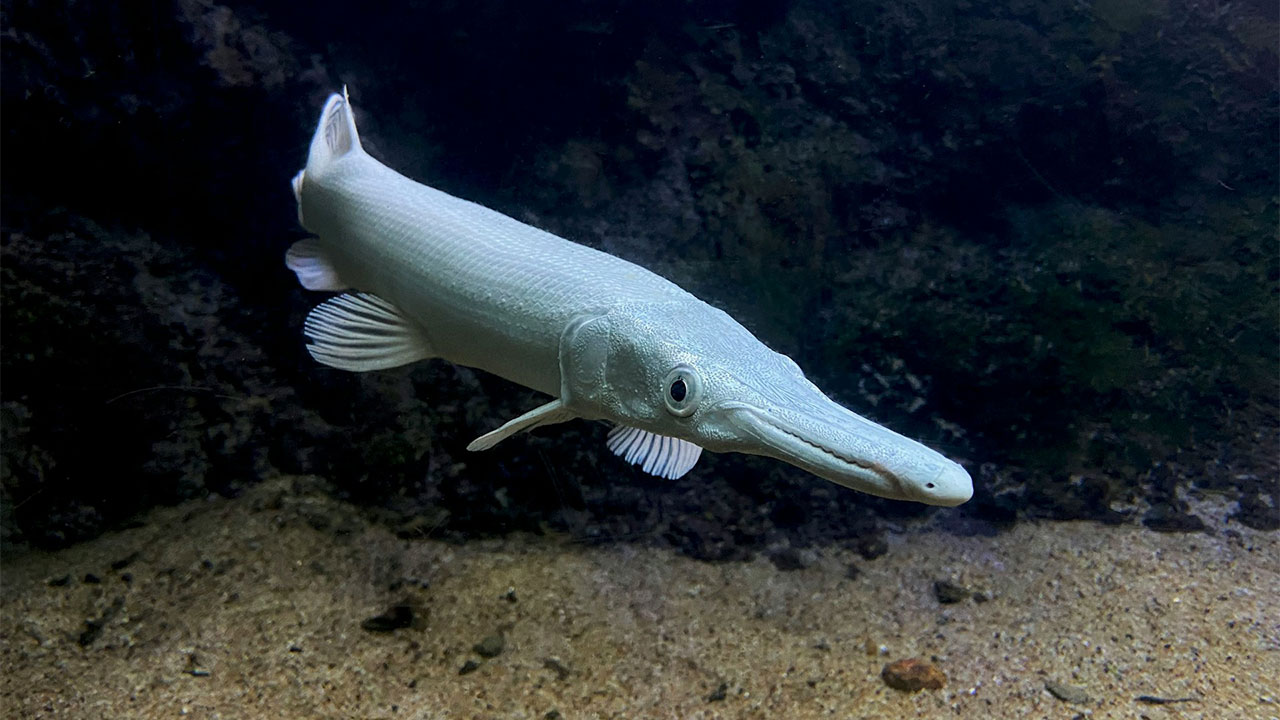
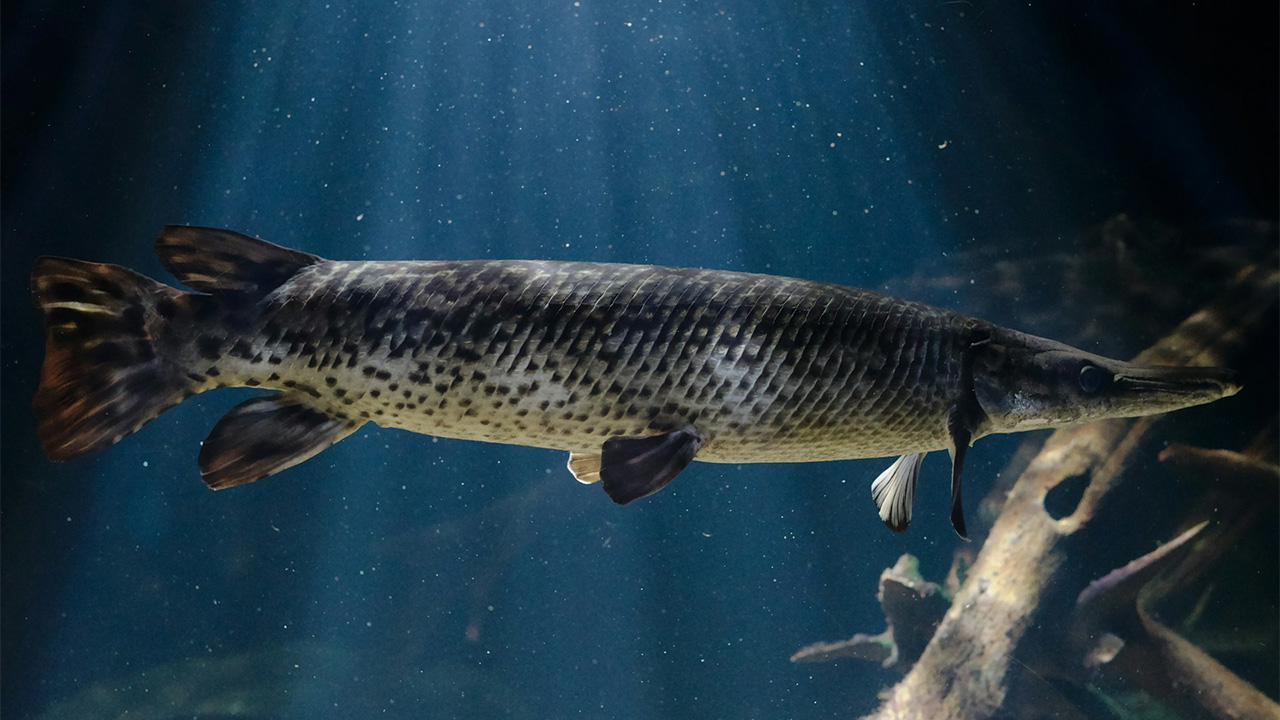
One of the biggest reasons gar catch people off guard is that they really do look ancient, and that is not just a style problem. Gar belong to an old lineage that goes back at least 100 million years, and modern gar still carry a bunch of traits that make them stand out from the fish most anglers are used to catching. That’s part of why biologists and museums keep calling them “ancient” or “living fossils.” They are not some freak accident that slipped through time. They are a native group that has been around long enough to outlast major changes in waterways, climate, and entire fish communities, which makes them a lot more impressive than the average person gives them credit for.
There are only seven living gar species
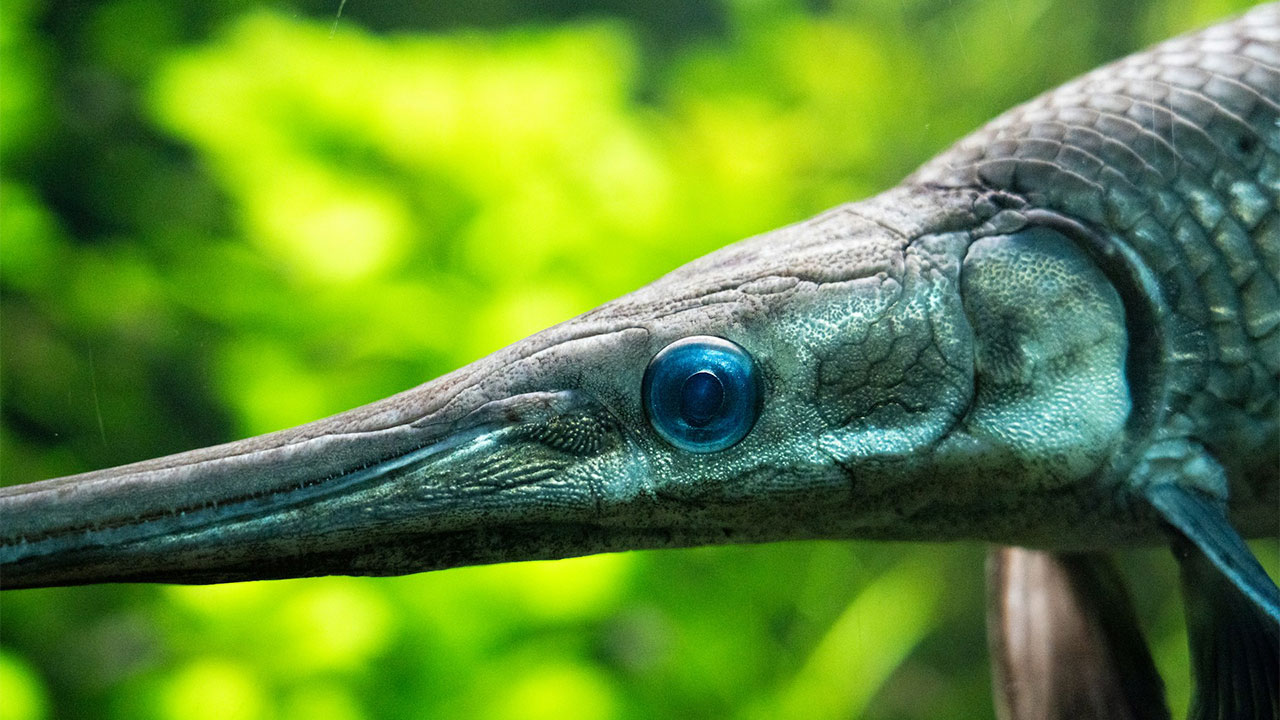
A lot of folks talk about “gar” like it’s one fish, but it is actually a small family. There are only seven living species left in the gar family, spread across two genera. That’s not many, especially for a group with such a deep history. In the U.S., the names most people run into are alligator gar, longnose gar, spotted gar, shortnose gar, and Florida gar, depending on where they live and fish. That limited lineup is part of what makes them interesting. They are not some huge, sprawling fish group with endless variations. It’s a tight family, and each species brings its own look, size range, and habitat preferences to the table.
Not every gar is a giant
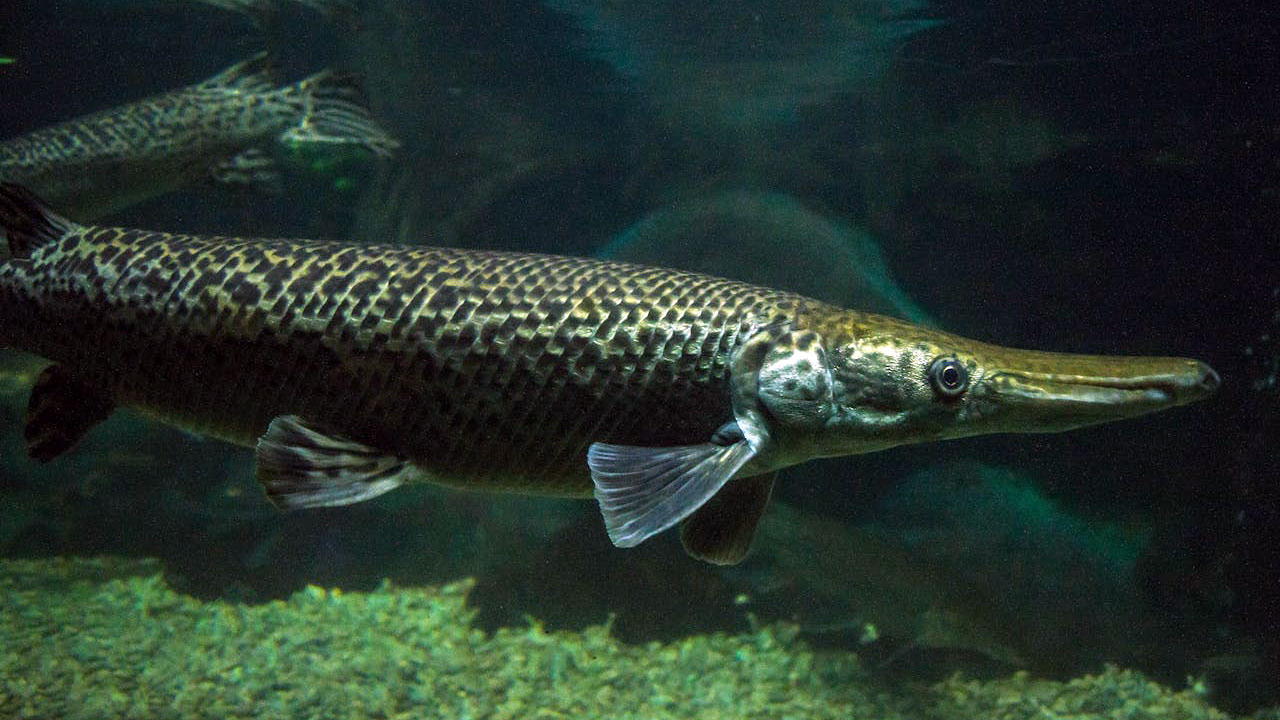
People hear “gar” and picture an alligator gar the size of a canoe, but that is only part of the story. The alligator gar is the heavyweight of the family, but several other gars are much smaller. Kentucky’s fish agency notes that spotted and shortnose gar are usually under 3 feet and often in the 5- to 10-pound range, while the Florida Museum says Florida gar average around 34 inches. That matters because a lot of anglers misread what they are looking at. A medium-size spotted or shortnose gar is not a baby alligator gar. Once you start learning the snout shape, body pattern, and head markings, you realize the gar family is a lot more varied than people think at first glance.
Alligator gar can get flat-out enormous
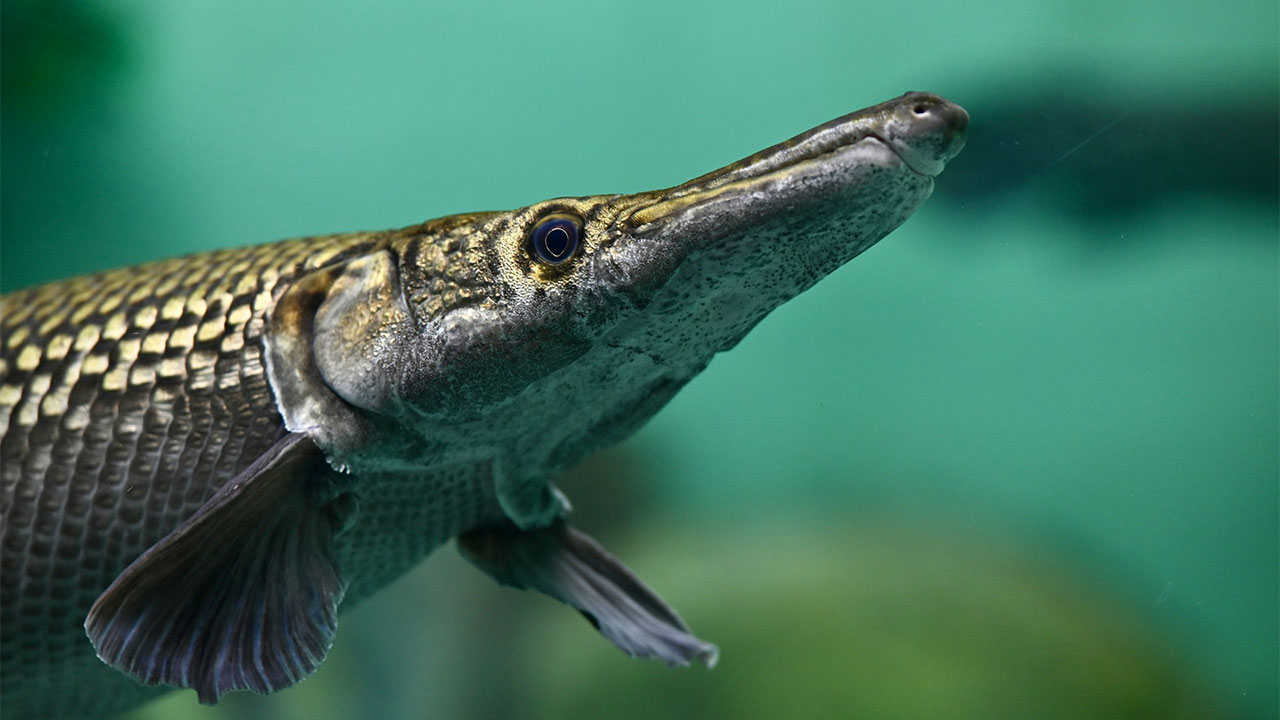
Now for the giant everybody thinks about. Alligator gar are one of the biggest freshwater fish in North America, and the size numbers are not exaggerated campfire nonsense. U.S. Fish and Wildlife Service says they can reach 10 feet, and reported weights go up to about 350 pounds. Even their more common large sizes are serious fish, with common length listed around 79 inches. That size changes how people see them, but it also explains why they’ve built such a reputation in the South. When a fish gets that long, carries a mouth full of heavy teeth, and rolls near the surface in slow water, people remember it. There just are not many freshwater fish in the U.S. that make that kind of first impression.
They can breathe air
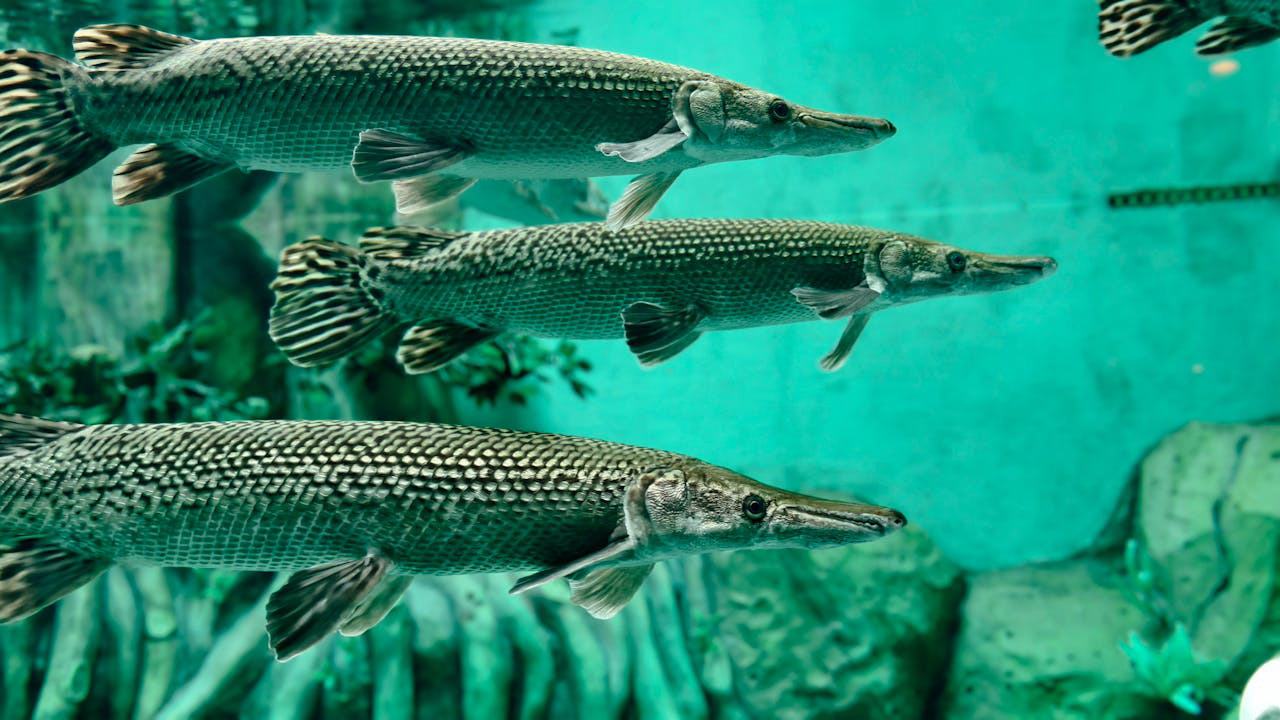
This is one of the wildest things about gar and one of the reasons they’re so good at surviving ugly water conditions. Gars have a highly vascularized swim bladder connected to the pharynx, which lets them gulp air and use that organ almost like a primitive lung. That means when oxygen levels in the water get low, they are not stuck relying only on their gills. Minnesota DNR notes that longnose gar can survive in very warm water with little oxygen and may even live out of water for hours as long as they stay moist. That air-breathing ability is a huge part of why gar do fine in backwaters, stagnant areas, and hot summer water that can stress plenty of other fish.
Their scales are more like armor than normal fish scales
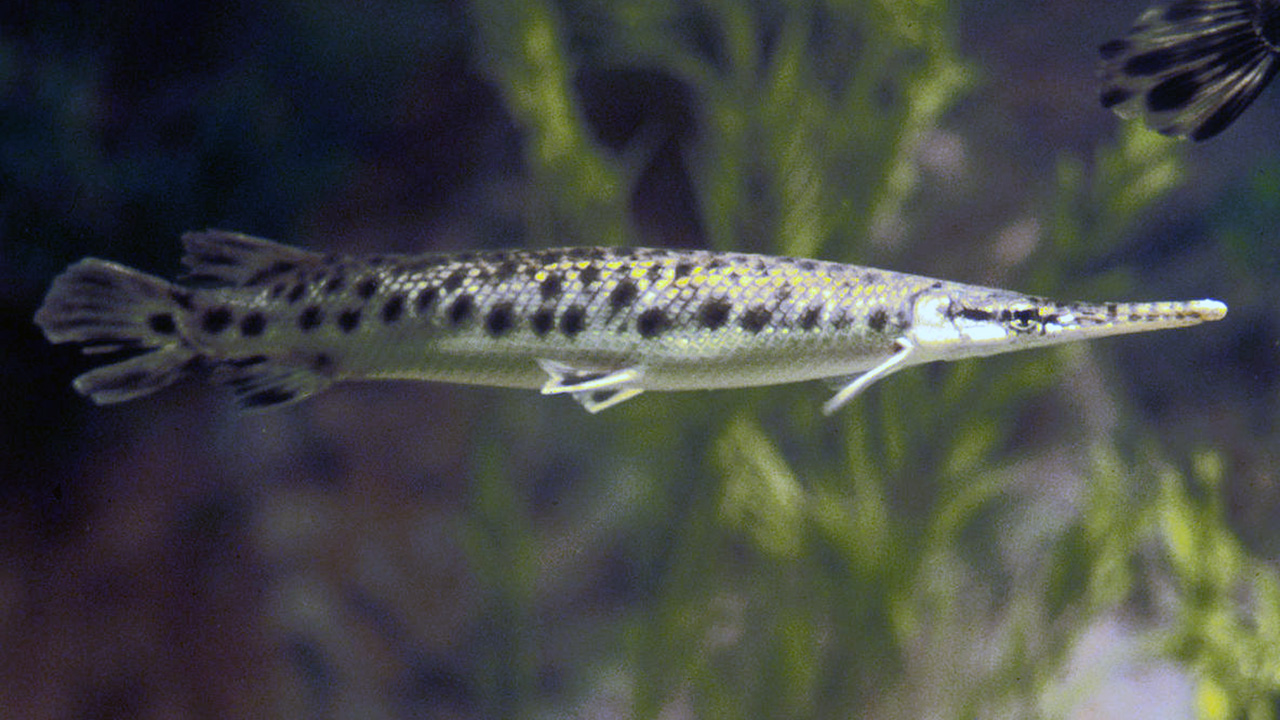
If you’ve ever handled a gar, you already know the scales are not playing around. Gar are covered in rhomboidal ganoid scales, and those scales are made with a hard outer layer called ganoin. U.S. Fish and Wildlife Service describes alligator gar scales as armor-plated and made of a material very similar to the enamel on our teeth. That helps explain why gar earned such a reputation for toughness long before anybody cared about fish biology. These are not flimsy scales that peel off like what you see on a panfish. They are built like protection. That armor is one more reason gar have been able to stick around so long and still look like they came out of another era.
They look mean, but there are no confirmed attacks on people
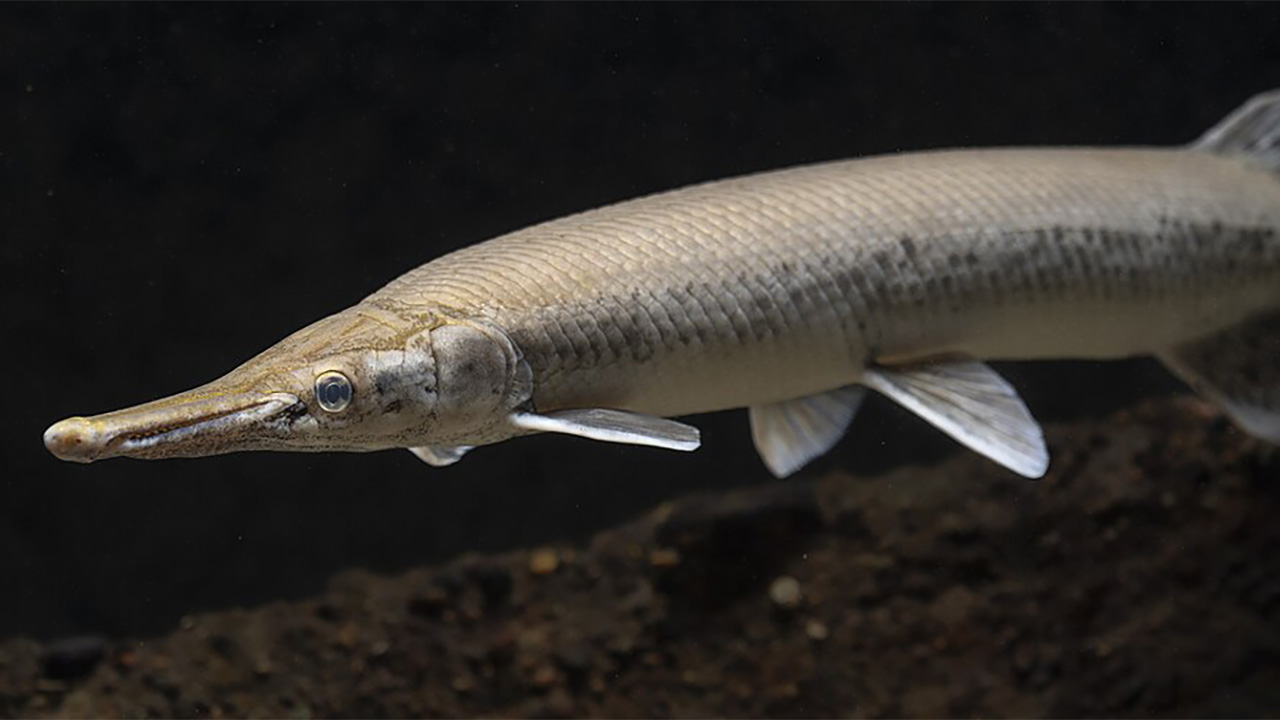
Gar get blamed for a lot of stuff they have not actually done. Texas Parks and Wildlife says there are no confirmed attacks on people by alligator gar, and the Florida Museum says there is no documentation of attacks on humans either. That does not mean they are harmless to handle carelessly. A big gar has a mouth full of serious teeth and can absolutely bite if somebody messes with it. But the idea that they are out there hunting swimmers is just not backed up. TPWD even describes large alligator gar as sluggish and docile much of the time. Their teeth are built for holding prey they can swallow, not tearing chunks out of something huge like a person.
Gar eggs are toxic
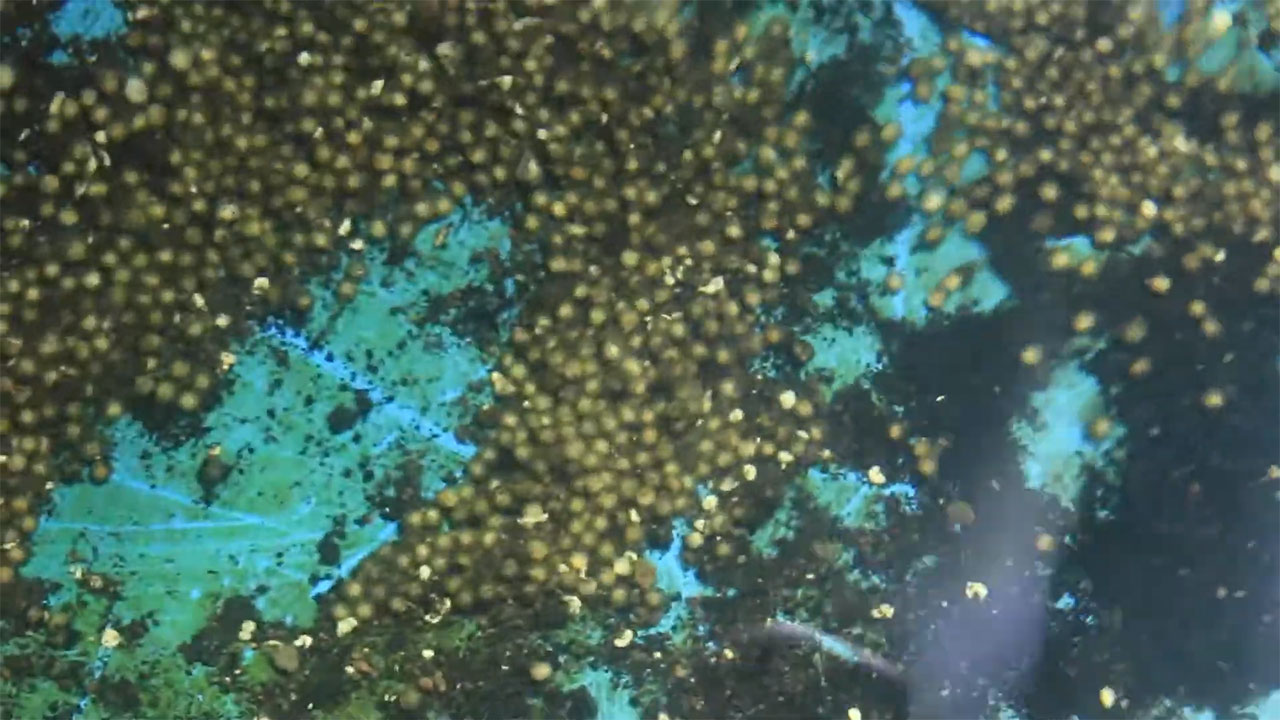
This one surprises people every time. The flesh of gar can be eaten, but the eggs are a different story. Texas Parks and Wildlife says alligator gar flesh is white, firm, and comparable to other sport fish people eat, but the eggs are toxic and can make you sick. Other wildlife agencies and museum sources say the same thing across the gar family, not just one species. Those green eggs may look ordinary if you do not know what you’re seeing, but they are not something to fool with. That toxic roe is one of the stranger defensive tools in freshwater fish. It also helps explain why you should know a little about gar before cleaning one or handling spawning fish around shallow vegetation.
They need the right flood conditions to spawn well
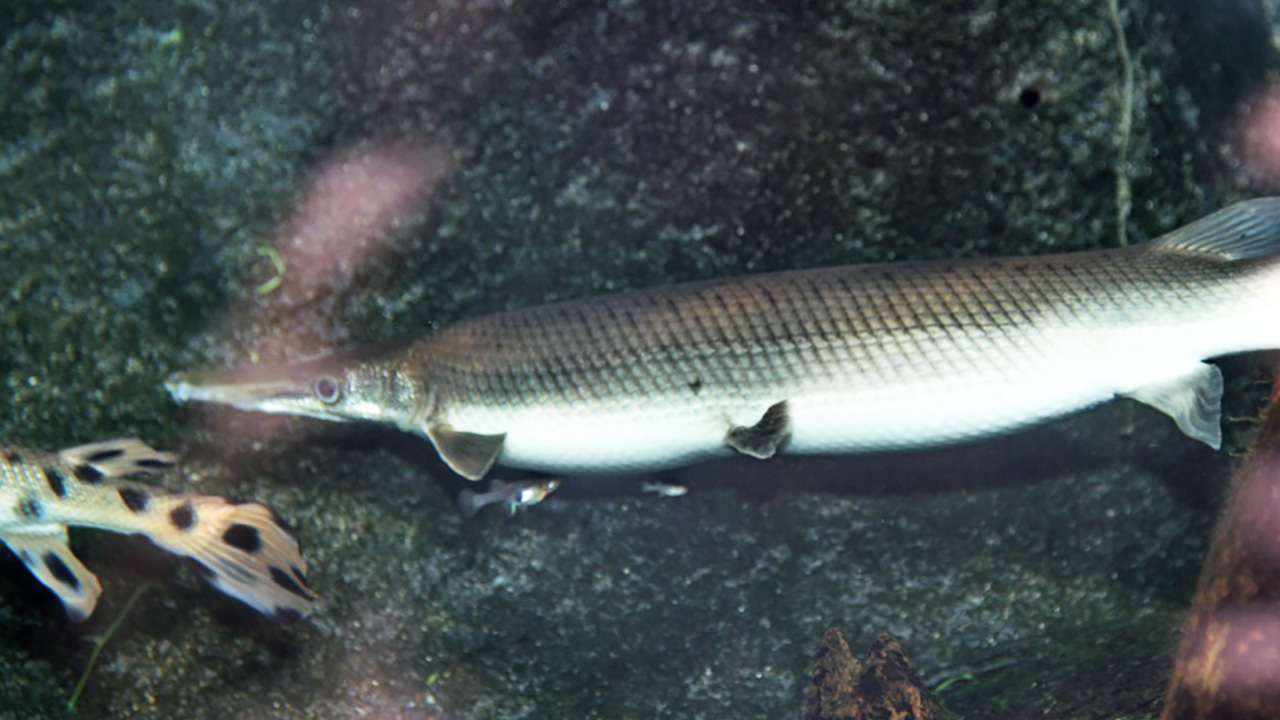
Gar are not built around easy, reliable spawning every season. Texas Parks and Wildlife says female alligator gar can live more than 50 years, but they reproduce only a few times each decade in most Texas waters, and successful spawning depends on big overbank floods in spring and early summer. During those floods, adults move into shallow grassy floodplain areas, lay eggs over vegetation, and then the whole early life cycle plays out in that temporary habitat. That is a big reason gar have had trouble in places where levees, dams, and floodplain changes cut them off from the kind of water they need. If you lose access to floodplain spawning habitat, you are not just inconveniencing gar. You are cutting into the way they reproduce.
Baby gar spend part of early life hanging onto vegetation
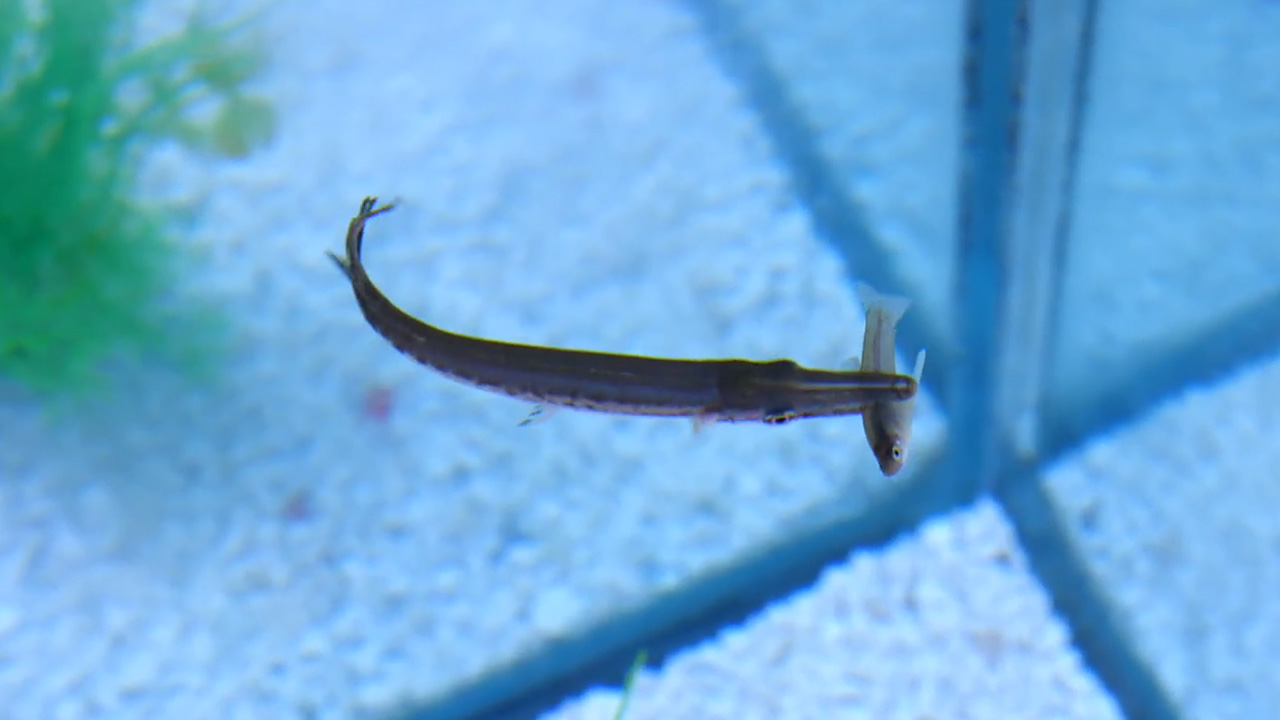
The first days of a gar’s life are a lot stranger than most people realize. U.S. Fish and Wildlife Service says alligator gar eggs hatch in roughly 48 to 72 hours, and the larvae remain attached to aquatic vegetation while they absorb their yolk sacs before going off to feed on their own. Other gar sources describe a sticky or adhesive setup that keeps young fish anchored in place early on. That is a smart system for fish using flooded vegetation as a nursery. Instead of immediately drifting off into open water before they’re ready, they stay put for a short stretch while they finish developing. For a fish that starts life in shallow floodplain habitat, that early attachment can make a real difference.
Female gar often take longer to mature and usually live longer
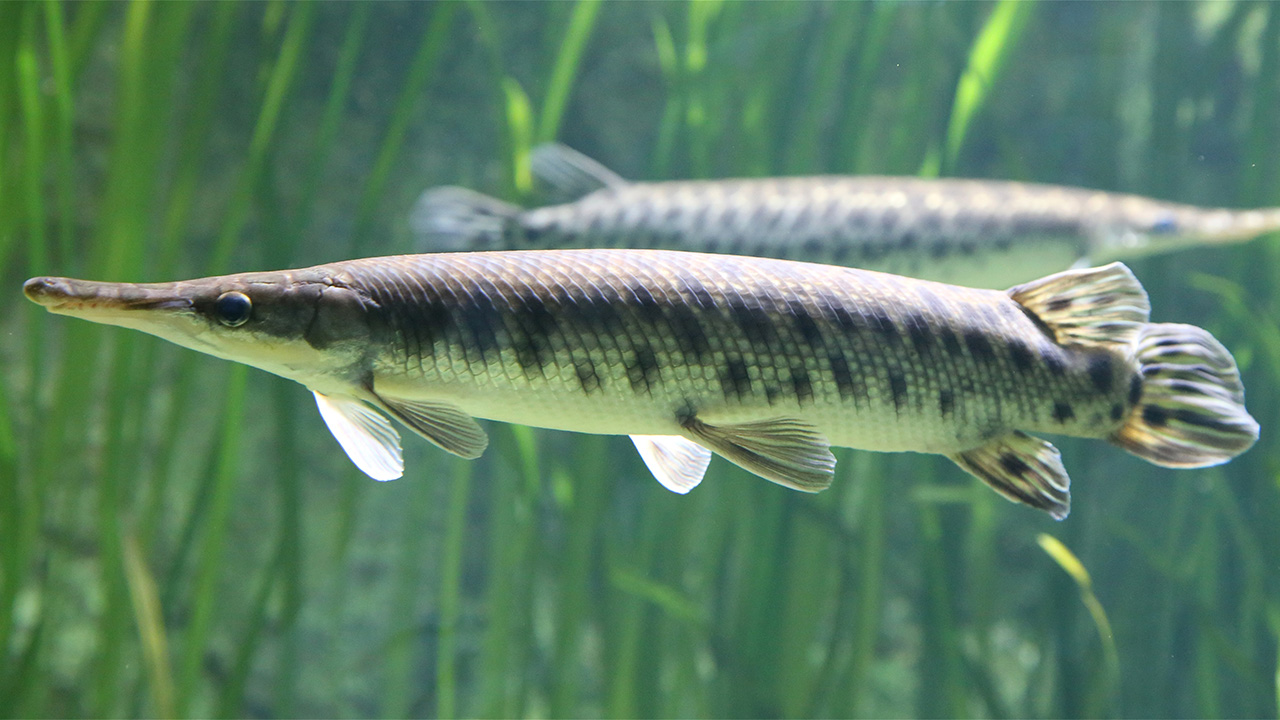
Gar are not a fish where everything happens fast. In several species, females mature later than males and often outlive them too. Missouri’s conservation department says male longnose gar usually mature around ages 3 to 4, while females often do not mature until around age 6. Kentucky’s alligator gar material says females can live past 50 years and begin reproducing around age 11, while males mature earlier and live about half as long. Even spotted gar show the same pattern, with Texas Parks and Wildlife saying males mature in two to three years and females in three to four. That slower female schedule is a big reason heavy harvest can hurt a population faster than people expect.
Gar can handle rough water conditions that stress a lot of other fish
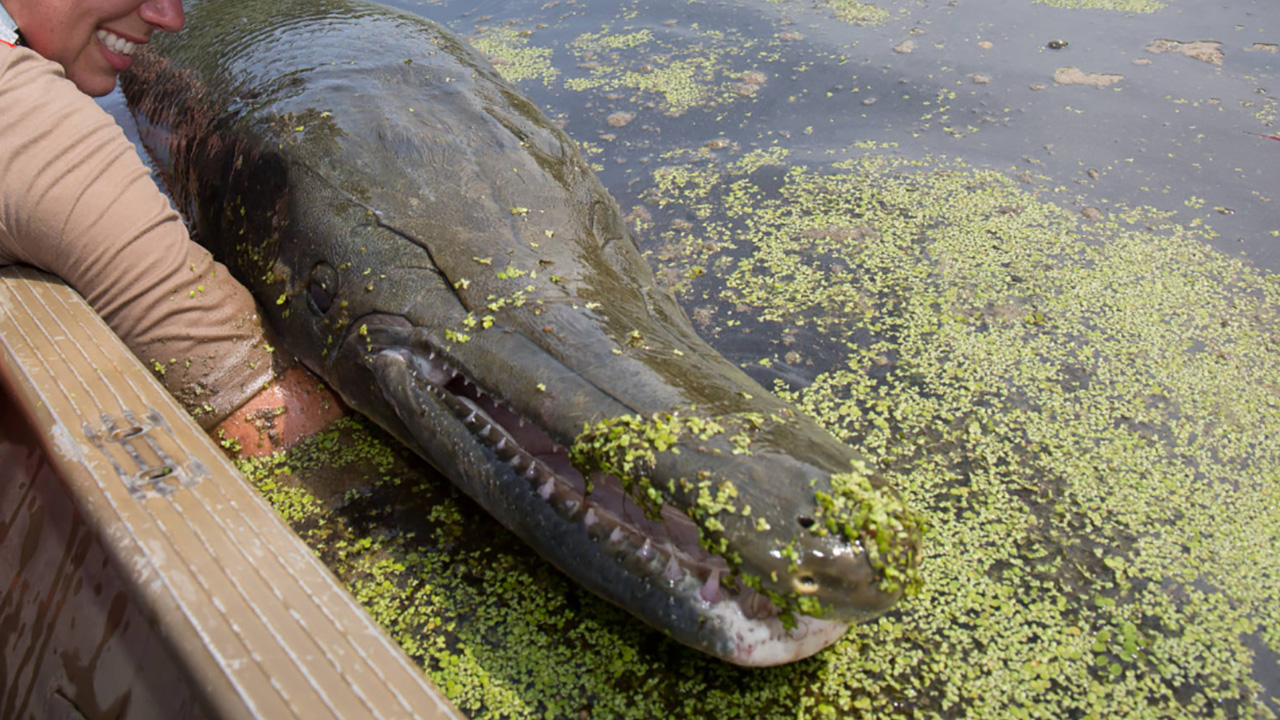
When summer heat hits and shallow water starts getting ugly, gar still have tools to work with. Their air-breathing ability lets them survive low dissolved oxygen, and that gives them a real advantage in warm, stagnant, or slow-moving places. Minnesota DNR says longnose gar can live in very warm water with little oxygen and even survive out of water for many hours if kept moist. Britannica also notes that gars commonly inhabit sluggish waters and respond to low-oxygen conditions by gulping air. That combination helps explain why you’ll see them hanging around places that do not look very fish-friendly. Gar are built for conditions that push other species to the edge, and that toughness is a big part of their identity.
They are not just out there wiping out game fish
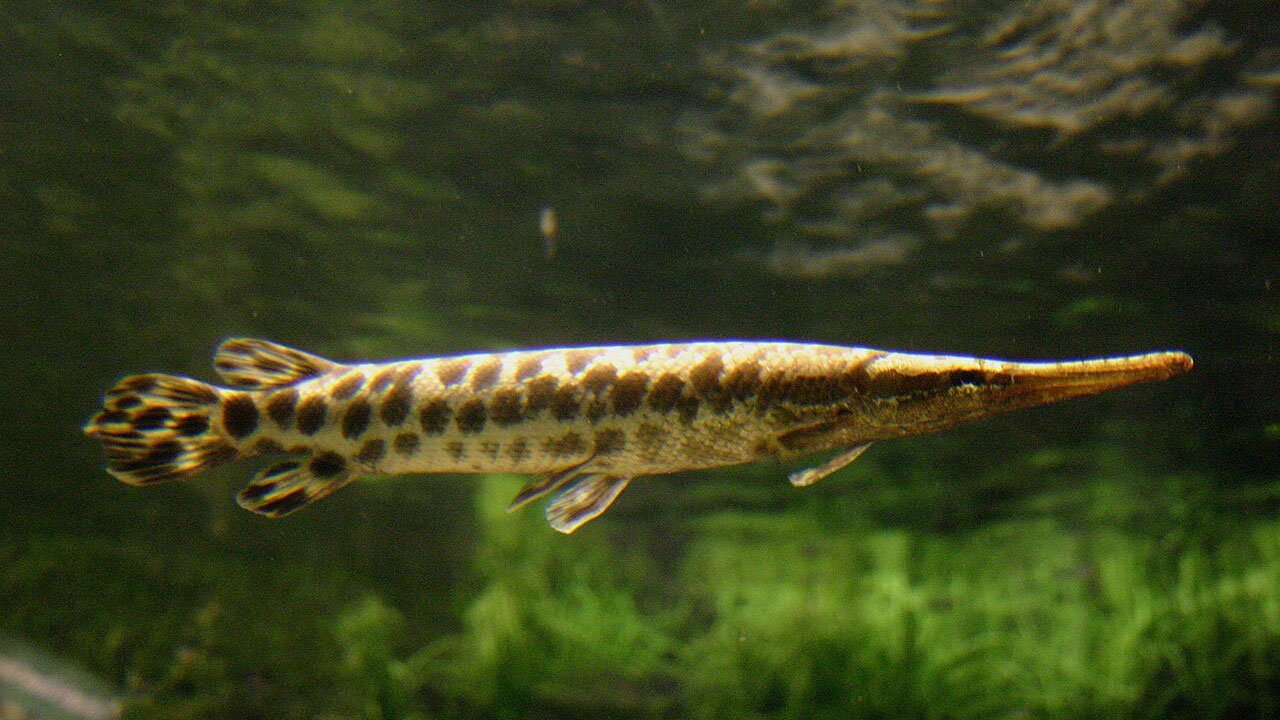
This is one of the biggest myths around gar, especially in waters where people love bass, crappie, or bream. U.S. Fish and Wildlife Service flatly addresses the idea that gar mainly hammer game fish and says that in many systems they are feeding on what is most abundant, often shad and other forage fish. Texas researchers also describe alligator gar as top predators that help control other species in the food web and support balance in river systems. In other words, they are doing predator work, not showing up with some personal grudge against your favorite species. Sure, a gar will eat a game fish if the chance is there, but that is a lot different from the old assumption that gar are automatically bad for a fishery.
Some gar move through brackish water and even into saltier places
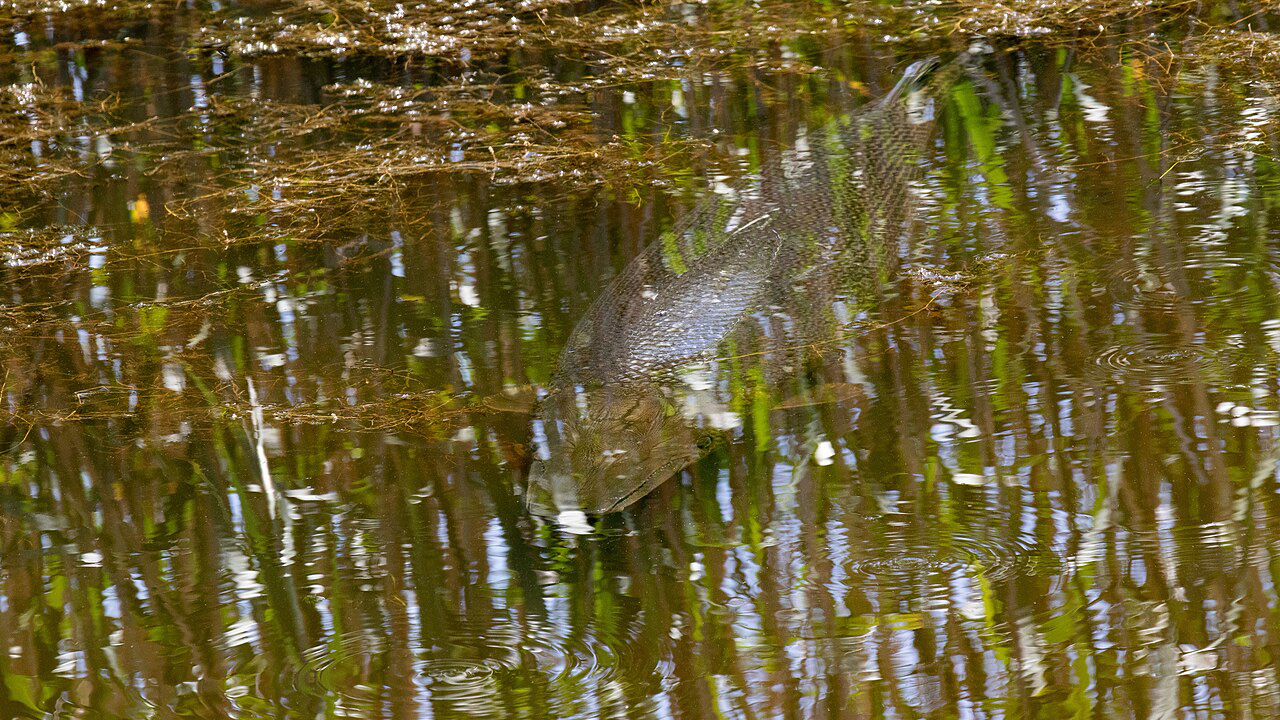
A lot of anglers think of gar as strictly freshwater fish, but that is not always true. Alligator gar are especially tolerant of changing salinity. Kentucky Fish and Wildlife says they are usually found in fresh or brackish water and can occasionally stray into salt water. Florida Fish and Wildlife says alligator gar are the most salt-tolerant gar species and can spend time in marine habitats, and U.S. Fish and Wildlife notes they have been known to enter brackish or marine waters. That flexibility matters because it opens up bays, estuaries, marshes, and lower river systems that a lot of people do not automatically associate with gar. They are more adaptable than the average freshwater-only label suggests.
Different gar species are easier to tell apart once you know the head shape
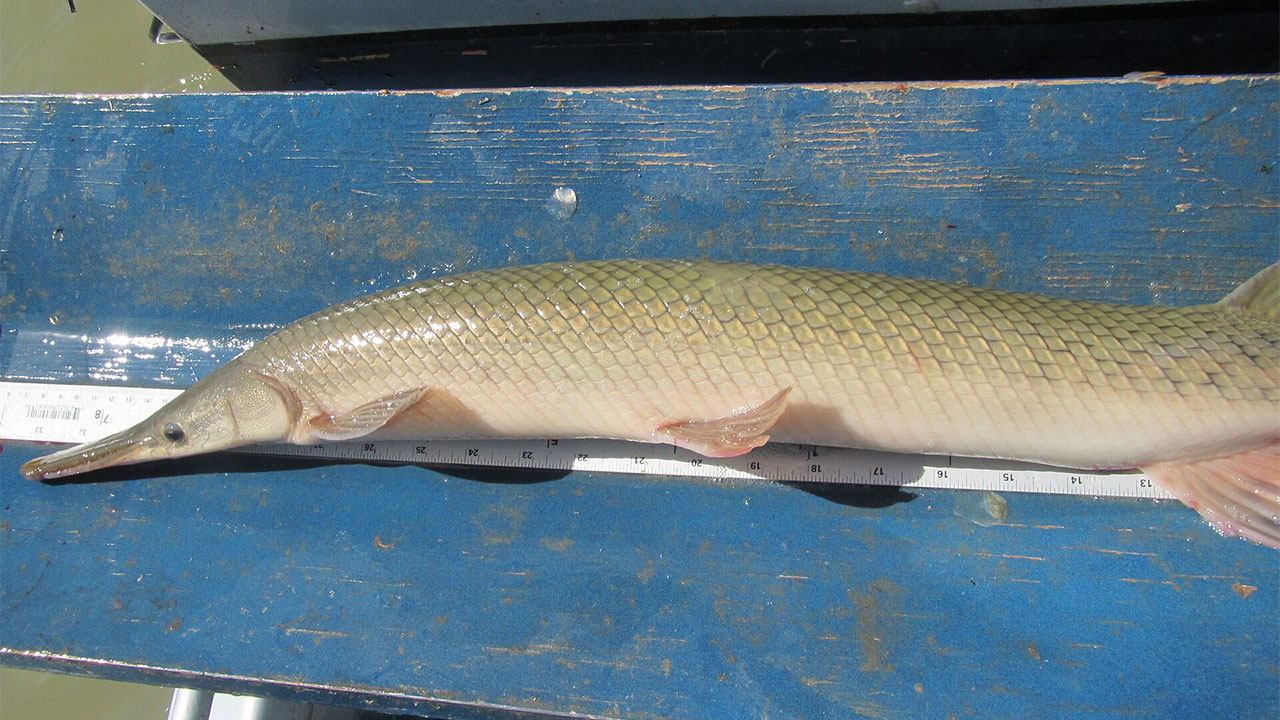
To a lot of people, a gar is a gar. But once you learn what to look for, the differences start standing out fast. Kentucky’s fish agency points out that alligator gar have a short, broad snout and a heavier body, while spotted gar show large spots on the top of the head and body. Florida Museum notes that alligator gar also have two rows of teeth in the upper jaw, which helps separate them from the others. That kind of identification matters more than people think, especially in states where regulations or conservation concerns are stricter for alligator gar than for other species. Learning the snout, spotting, and jaw structure turns what looks like one fish into a much more interesting lineup.
Like The Avid Outdoorsman’s content? Subscribe to our newsletter so you never miss an article.
Here’s more from us: