Photo credit: Caleb Falkenhagen/Pexels.com
Night changes the rhythm of the outdoors. The air cools down, the daytime noise fades, and animals that stayed hidden all day start moving with a lot more confidence. Most people who live on land or spend time outdoors at night eventually learn that the dark has its own kind of activity. Sometimes it is harmless. Sometimes it is just the normal sounds of wildlife doing what it does. But certain kinds of movement stand out once you spend enough time listening and watching.
The trick is learning the difference between ordinary nighttime noise and movement that signals something larger, smarter, or more cautious is nearby. Predators and other wary animals often move in ways that feel different from the random rustling of smaller creatures. When those patterns show up, it is usually a sign that you are sharing the area with something that prefers to stay unseen. These are some of the nighttime movements that often mean you are not alone out there.
Slow, steady footsteps in dry leaves

Light rustling from insects or small animals is common at night, but slow, deliberate footsteps in dry leaves often signal something larger. When an animal moves with weight and control, you can hear the difference. The steps are spaced out, purposeful, and usually travel in a straight line instead of darting randomly around.
Coyotes, deer, and other medium-sized animals often create this type of sound when they move along trails or edges after dark. Predators especially tend to move quietly but steadily while they travel or investigate something. When you hear that slow crunch of leaves continuing in one direction instead of scattering around, it usually means something bigger is passing through.
Brush shifting without wind
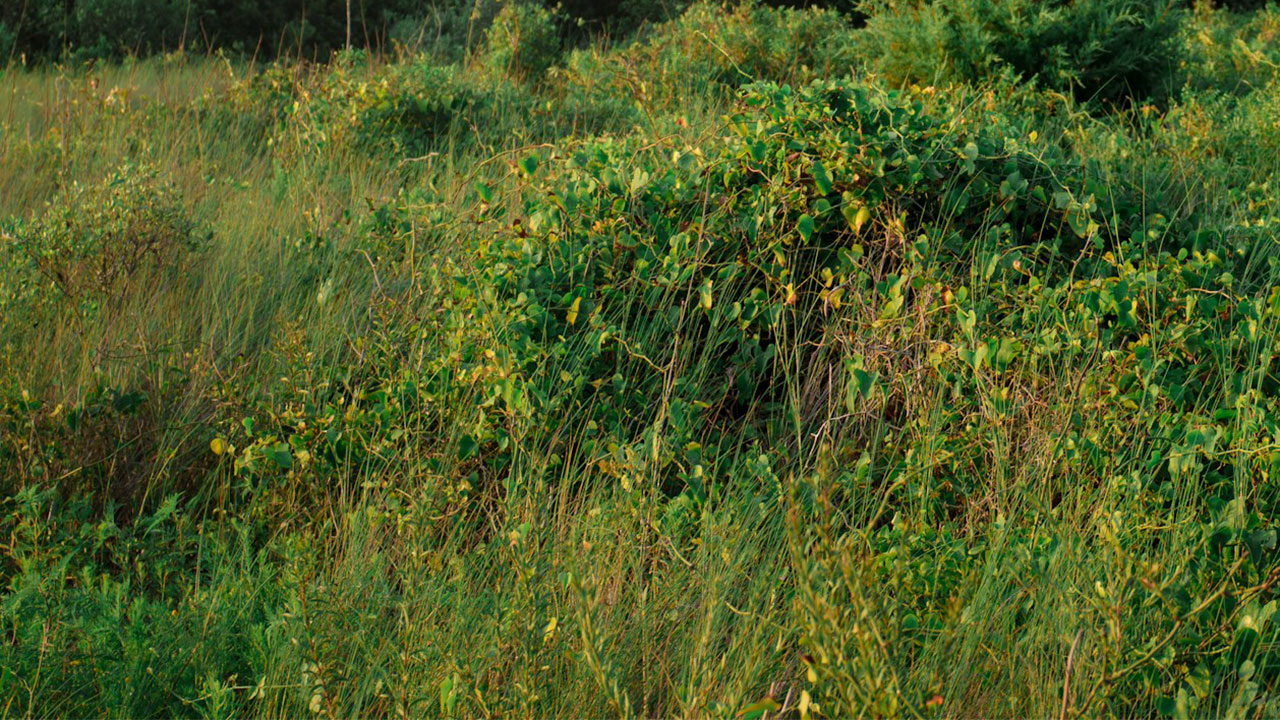
Wind can move brush and tall grass, but when the air is still and vegetation suddenly shifts, it often means something pushed through it. Animals moving through thick cover create a distinct sound because the stems and branches bend and then snap back into place.
This kind of movement often comes from animals traveling along hidden routes in the dark. Coyotes slipping through brush, raccoons climbing around low branches, or deer easing through tall grass can all create that slow movement sound. When the brush moves but the air stays calm, it usually means something alive is moving through it.
Repeated splashing near water

Ponds, creeks, and drainage ditches often sound different at night because wildlife visits them frequently. A single splash may just be a fish breaking the surface, but repeated splashing usually means an animal entered the water.
Raccoons, otters, beavers, and even larger animals like deer often step into water quietly before moving around. When you hear consistent movement or splashes in the same spot, it often means an animal is feeding, drinking, or crossing the water. Water tends to amplify movement in the dark, making it easier to notice when something is nearby.
A sudden silence in insect noise
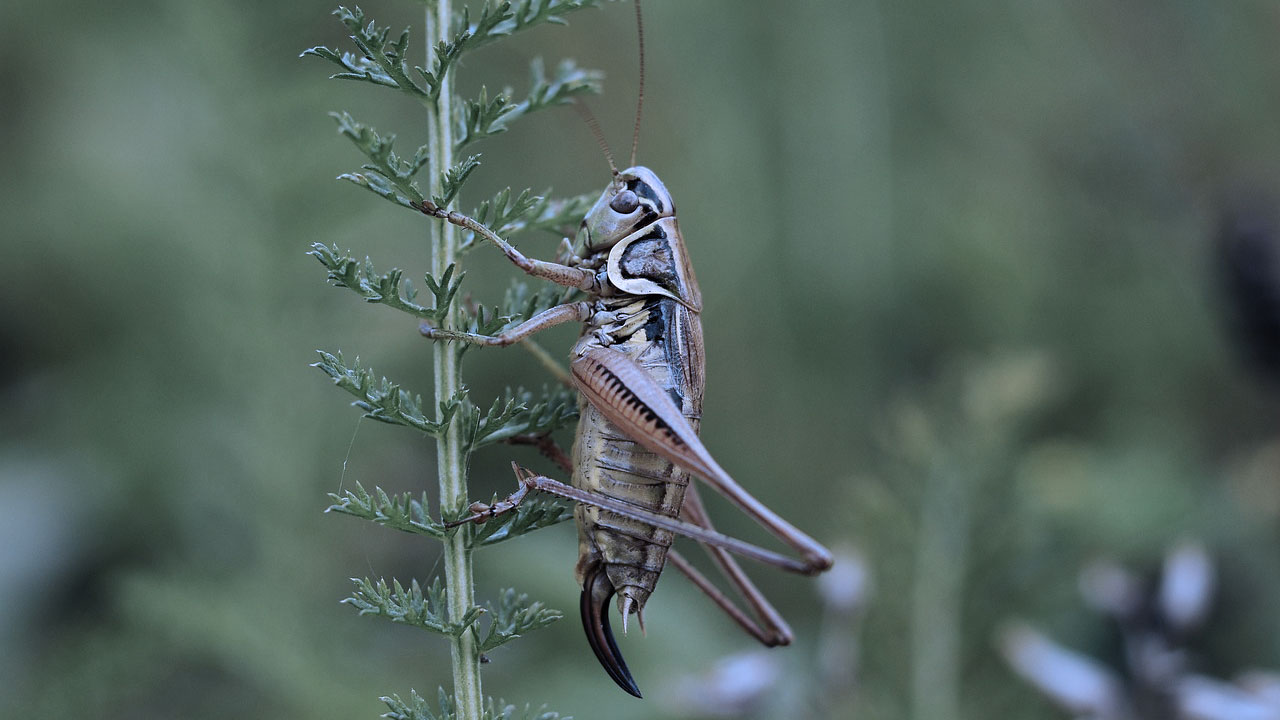
One of the most telling nighttime signals is when the background noise suddenly stops. Crickets, frogs, and other insects create a constant sound that usually fades only when something disturbs the area.
Predators moving through a space can cause that sudden quiet because smaller animals freeze or go silent when they sense danger. When a loud nighttime chorus abruptly shuts off for a moment and then slowly returns, it can mean something larger just moved through the area.
Low shapes crossing open ground
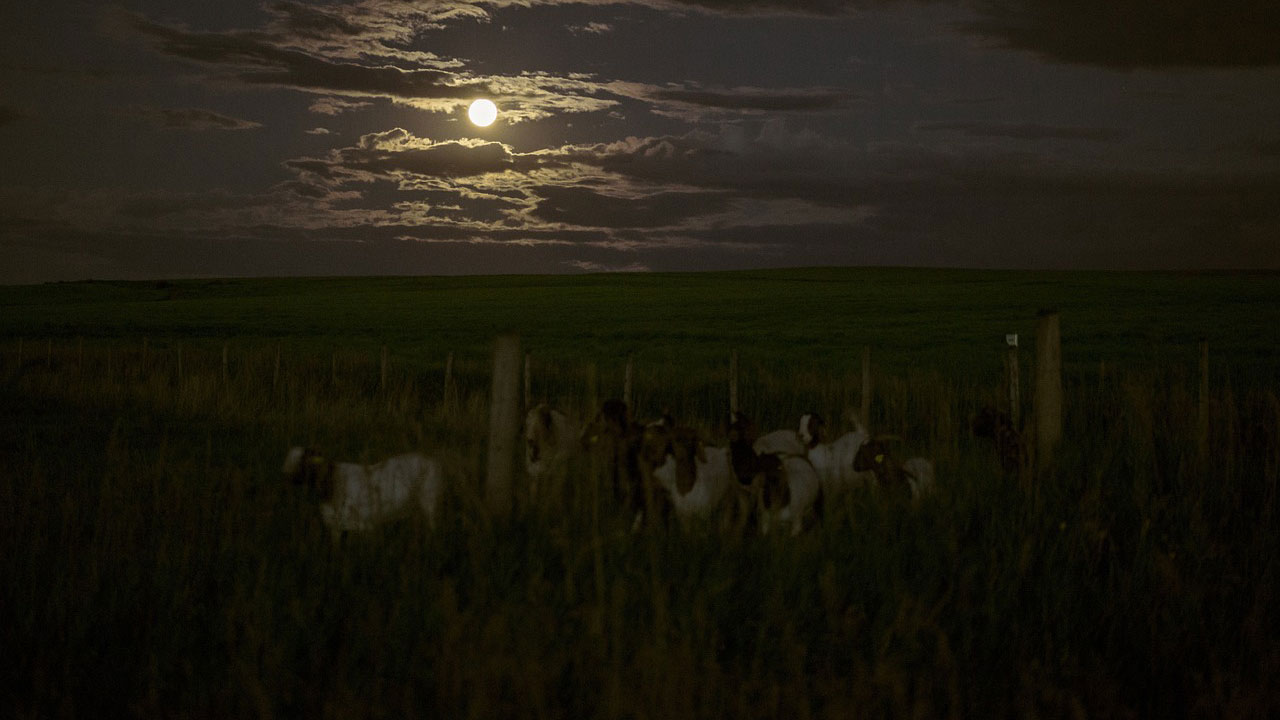
If there is any moonlight or ambient light around buildings or fields, you may notice shapes moving across open ground at night. Predators often travel low to the ground with steady movement instead of the quick hops or erratic motions of smaller animals.
Coyotes, foxes, and feral cats frequently move like shadows slipping across a field or yard. The movement tends to be smooth and confident rather than frantic. When you see that kind of steady motion crossing an open space at night, it often means a predator is making its rounds.
Eyes reflecting light
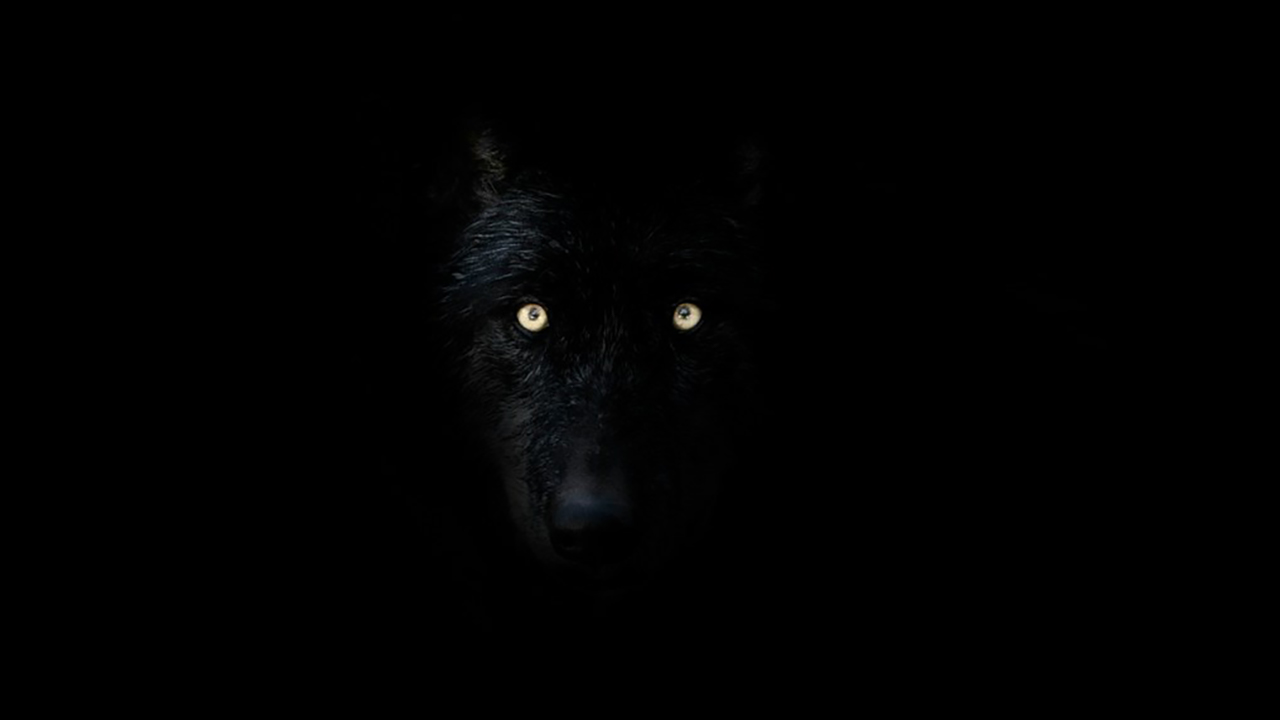
Animals’ eyes reflect light strongly in darkness, which is why headlights or flashlights often reveal glowing points in the distance. When you notice two bright reflections staring back from the dark, it is a strong sign something is watching or standing still nearby.
Predators sometimes pause to observe before moving again, which can make those glowing eyes linger longer than expected. Different animals reflect different colors depending on species and angle, but the key sign is the steady reflection that remains fixed instead of moving randomly.
Slow movement along fence lines
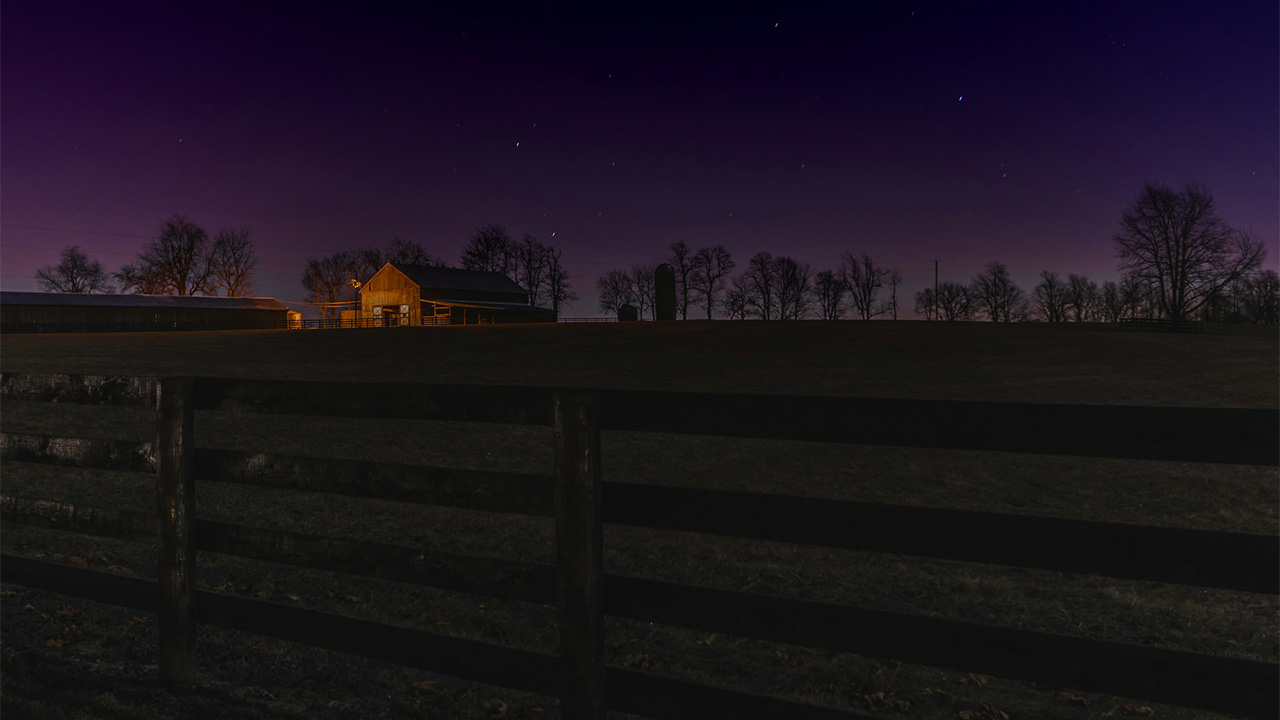
Fence lines act like highways for many animals because they offer cover and direction at the same time. At night, predators and other wildlife often move along these edges while staying close to brush or grass.
If you hear or see something pacing slowly along a fence line instead of crossing open ground, it is likely following that structure to move quietly across the property. Coyotes and foxes especially rely on these hidden corridors to travel between feeding areas.
Rocks or gravel shifting under weight
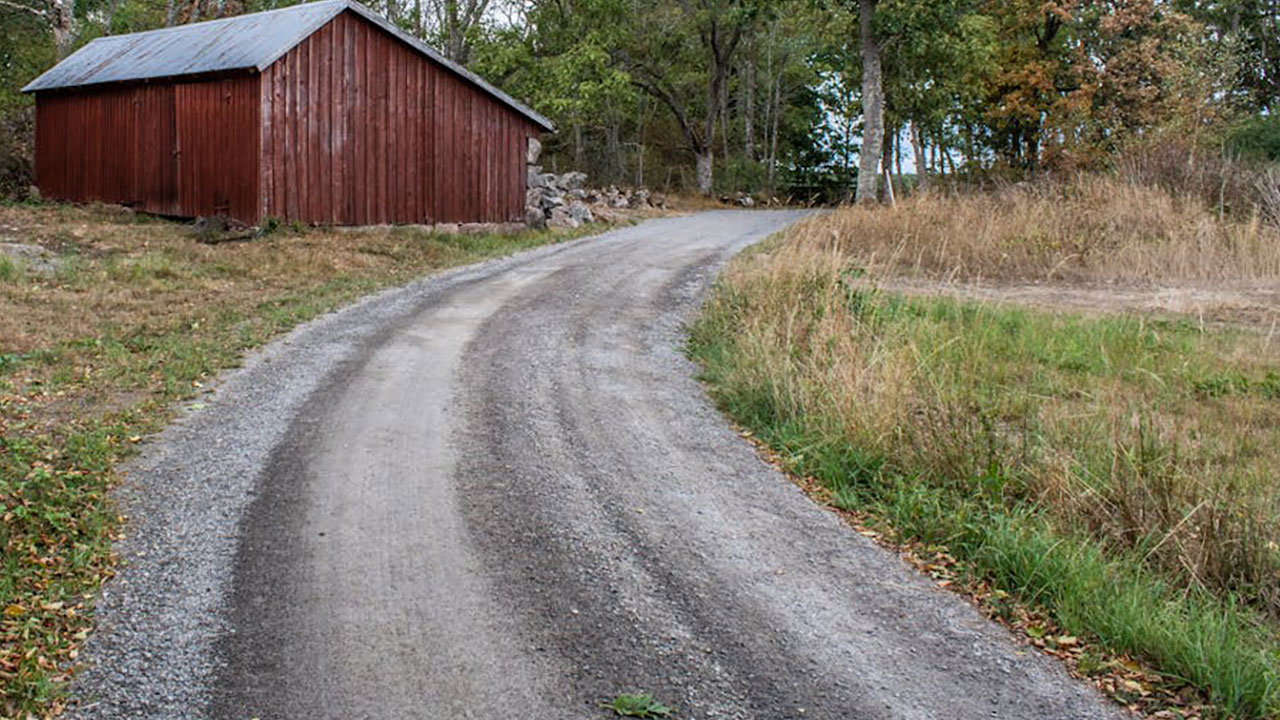
Gravel driveways, rocky paths, or dry creek beds make certain nighttime movements stand out because the stones shift under an animal’s weight. The sound is sharper than leaves or dirt, which makes it easier to recognize.
When rocks move slowly and consistently instead of scattering all at once, it usually means an animal is walking through the area rather than running. Many predators avoid noisy surfaces, but when they do cross them, the sound tends to be slow and measured.
Movement circling the same area

Animals sometimes circle an area when they are investigating something. This could mean a predator checking for prey, a raccoon exploring food smells, or a coyote trying to locate the source of a noise.
The movement often sounds like footsteps appearing in different spots around the same general area rather than traveling in a straight path. When something keeps moving nearby but never quite leaves, it may be circling while deciding whether to approach or move on.
Sudden running followed by silence

Another sign of larger movement at night is a quick burst of running followed by immediate quiet. This can happen when a predator surprises prey or when an animal suddenly realizes it has been detected.
You might hear a short scramble through brush or leaves, then complete stillness. Predators often freeze after movement to listen or reassess the situation. That sudden switch from chaos to silence can be a clue that a hunt or escape just happened nearby.
A low growl, yip, or bark in the distance
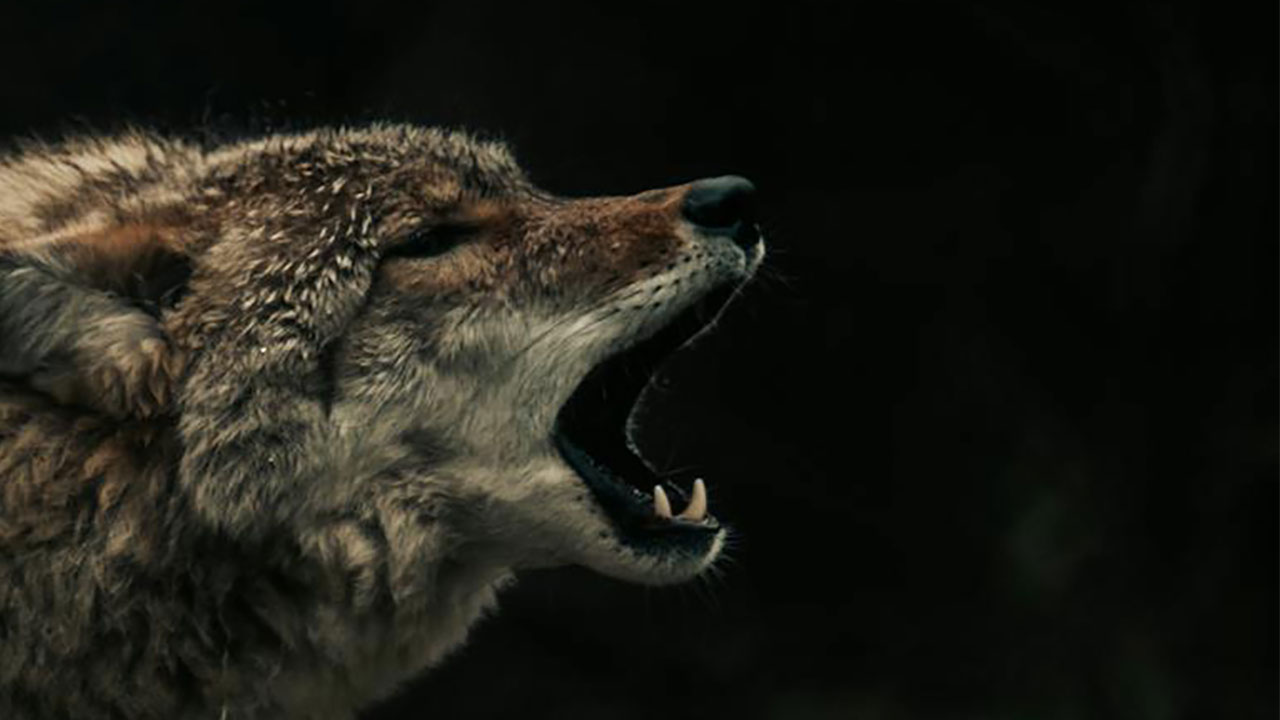
Some predators communicate at night with short sounds that travel surprisingly far in quiet air. Coyotes may yip or bark, foxes sometimes scream or bark sharply, and other animals use quick vocal signals to communicate with others nearby.
These sounds can mean animals are locating each other, warning others away, or reacting to something unusual. Even if the noise comes from a distance, it can signal that predators are active in the area at that moment.
Branches snapping under weight

A small twig snapping can happen from many things, but thicker branches breaking usually require more weight. When you hear a distinct snap in the dark that sounds heavier than normal background noise, it often means a larger animal stepped in the wrong place.
Deer, hogs, and other bigger wildlife can produce this sound when moving through wooded areas. Predators try to avoid it, but even careful animals occasionally snap something while traveling. When that sound comes from deeper cover, it is a strong clue that something sizable is nearby.
A steady walking pace that stops when you move
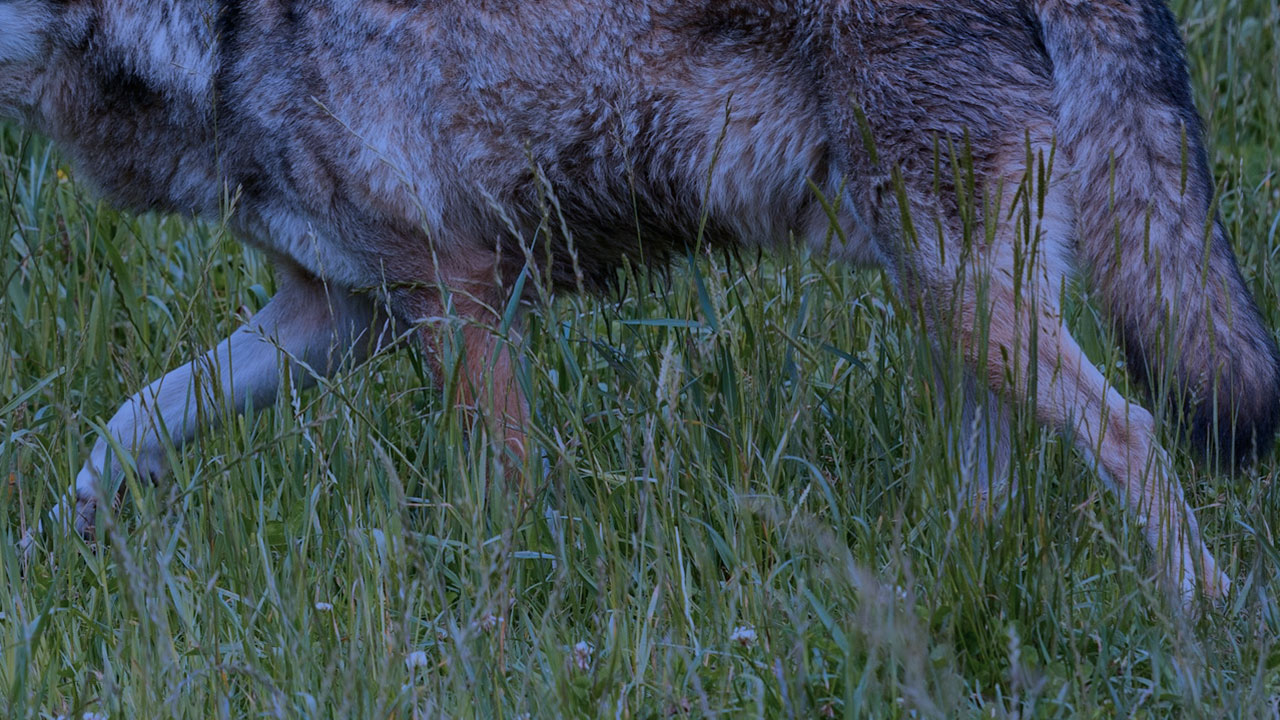
Predators are highly aware of movement around them. Sometimes you can hear something walking quietly through leaves or grass, and then the sound suddenly stops the moment you shift your position.
That pause often means the animal noticed you and froze to avoid detection. Predators rely heavily on listening, and when they realize something else is nearby, they frequently stop moving completely before deciding what to do next.
Heavy breathing or sniffing sounds
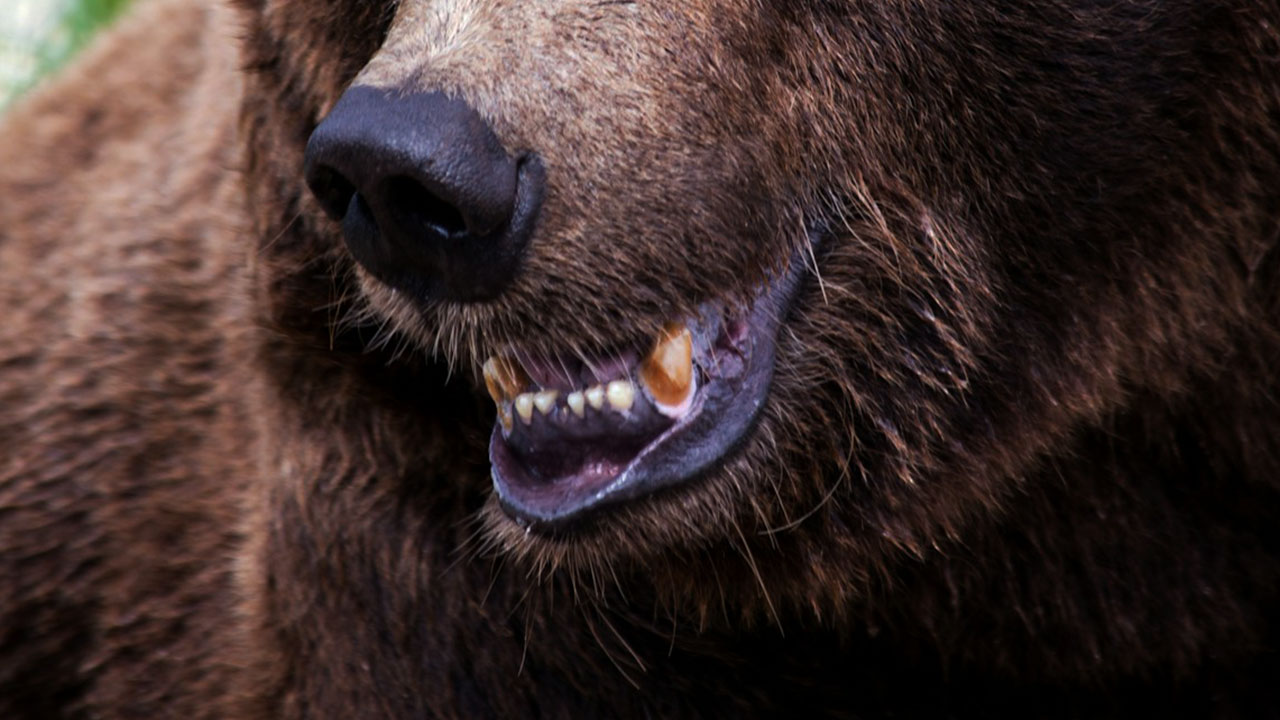
Animals investigating something unfamiliar often use their noses first. When a larger animal gets close, you may hear faint breathing, sniffing, or short bursts of air as it tries to smell what is happening nearby.
These sounds are subtle but recognizable once you notice them. Predators approaching quietly may pause and sniff the air before deciding whether to keep moving closer or slip away. When you hear breathing or sniffing in the dark, it usually means something curious is very close.
A shape that seems to appear from nowhere
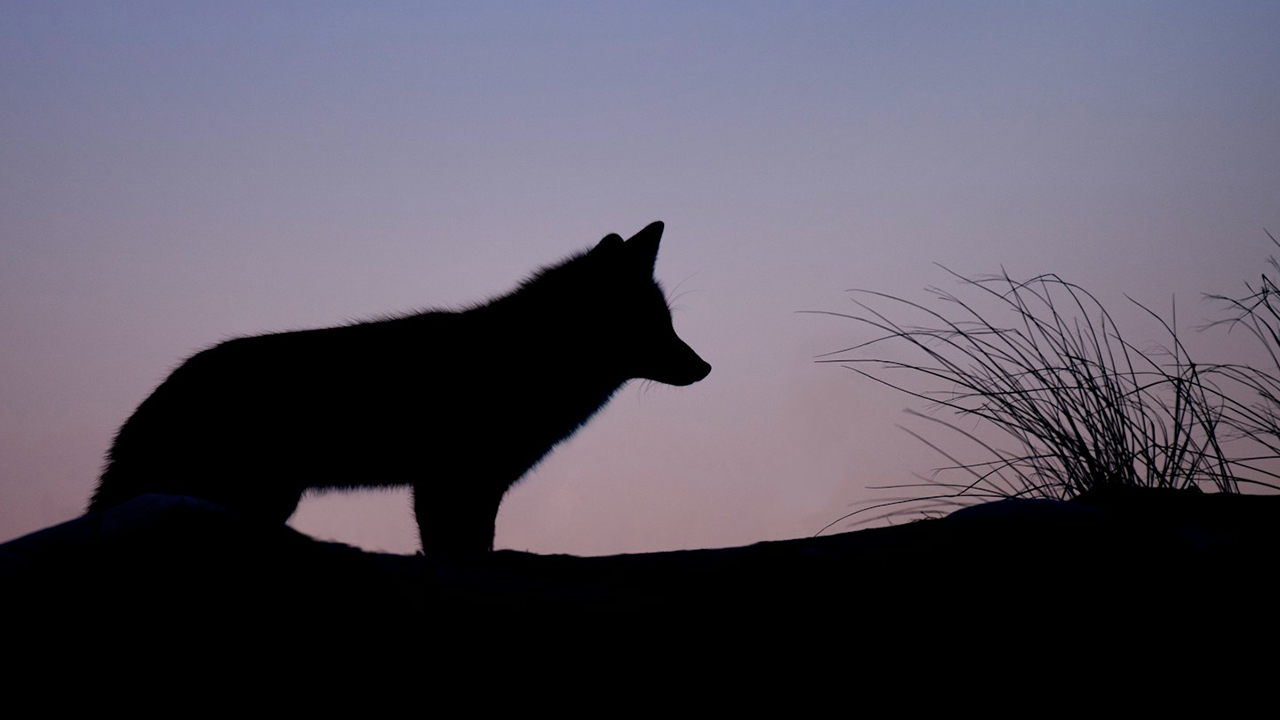
One of the strangest nighttime experiences is when an animal suddenly seems to appear without warning. Predators move quietly and often use cover so effectively that they can step into a small patch of light or open space almost silently.
This usually means the animal was already close and simply moved into view. Coyotes, bobcats, and other predators are especially good at using darkness and terrain to stay hidden until the moment they choose to move. When a shape suddenly materializes where nothing seemed to be a moment earlier, it is often because the animal was watching long before it revealed itself.
Like The Avid Outdoorsman’s content? Subscribe to our newsletter so you never miss an article.
Here’s more from us: