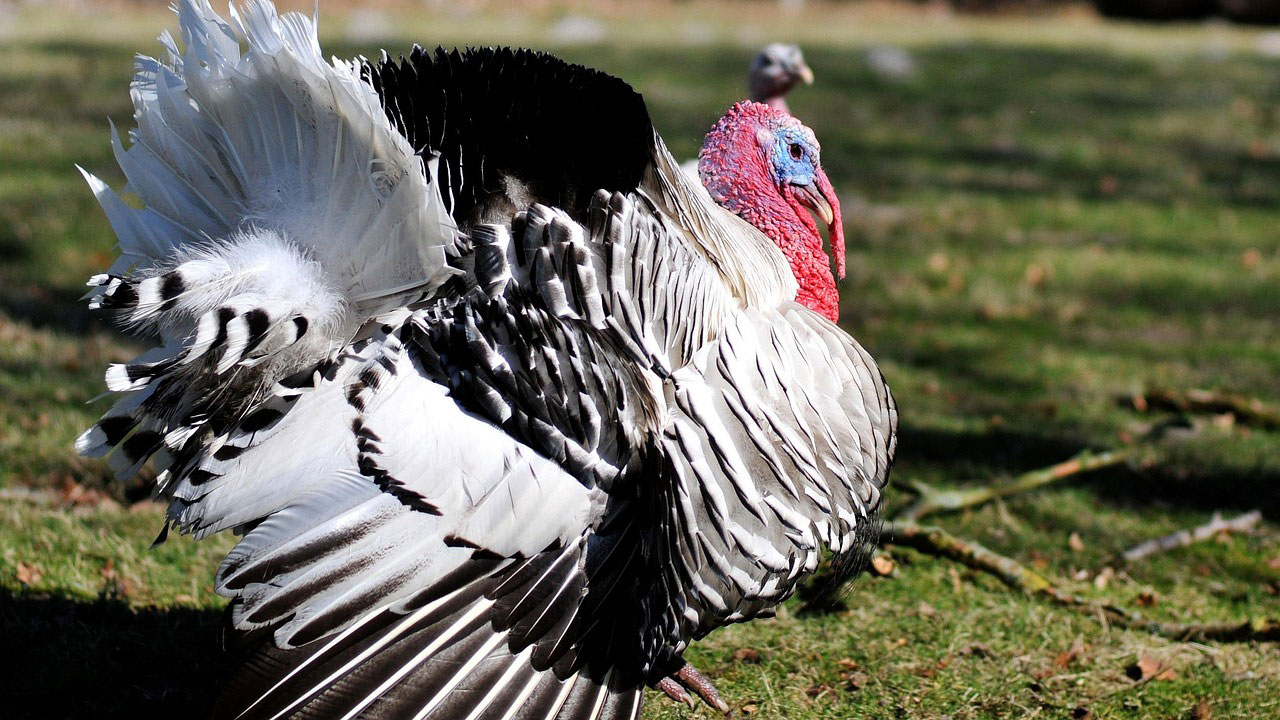
Photo credit: SLPix/Pixabay.com
Turkey declines do not always show up first in a biologist’s chart or a big public argument. A lot of times hunters see it before they ever read about it. Fewer gobbles at daylight. Less sign on ground that used to stay busy. Hens showing up without much brood behind them. Places that used to give you multiple workable birds now feeling quiet, scattered, or just plain off. It is not always one cause either. Turkey numbers slip for all kinds of reasons, but the common thread is that the people paying attention on the land usually know something has changed long before anybody says it out loud.
The hard part is that turkeys can hang on in pockets and fool people into thinking the overall picture is fine. You might still hear birds in one drainage, kill a gobbler off a familiar ridge, or see a few strutters in a field and assume things are holding steady. Then you start comparing season after season and realize the hatch looks weaker, the pressure looks heavier, and the habitat is not carrying birds the same way it used to. These are 15 states where a lot of hunters have good reason to feel like turkey numbers are slipping, and not for abstract reasons, but for things they can actually see happening on the ground.
Mississippi
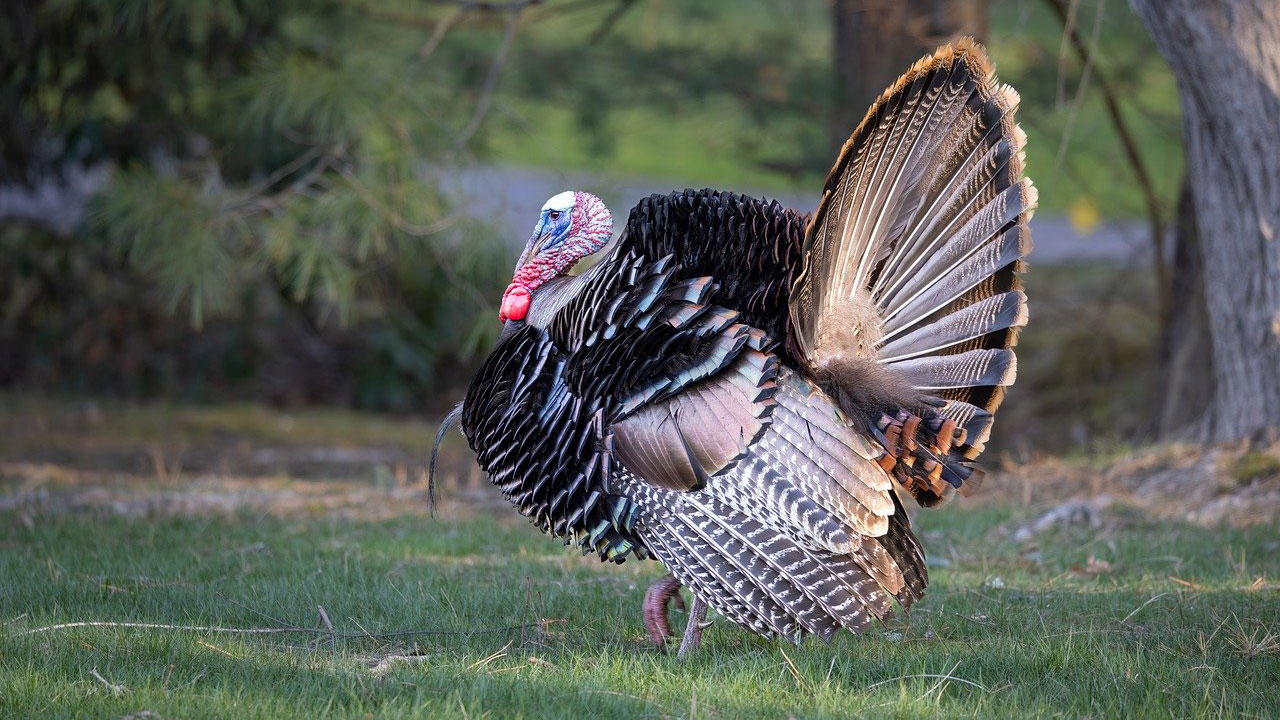
Mississippi has long been serious turkey country, which is part of why declines there stand out so much when hunters talk about them. In a state with that much tradition around spring gobblers, people notice when once-reliable spots start producing fewer birds, weaker gobbling, or less overall turkey sign. A lot of what hunters see ties back to habitat changes, brood-rearing struggles, and predator pressure that seems harder to ignore than it used to be.
It also does not help that a lot of ground has become less ideal for raising poults than it looks at first glance. Thick cover might seem good from the road, but if it is not giving hens and poults the right mix of bugs, movement space, and protection, it is not doing the job. Add in nest predators, weather-timed setbacks, and hunting pressure in accessible areas, and Mississippi hunters end up seeing a turkey woods that still holds birds in some places but does not feel nearly as loaded or dependable as it once did.
Alabama

Alabama hunters have had plenty of reason to feel uneasy about turkey numbers in recent years. In a lot of places, the problem is not that turkeys vanished overnight. It is that the woods do not sound or feel the same. Gobbling can be thinner, age structure can look off, and brood sightings do not always match what people remember from stronger years. When a state has that much deep-rooted turkey hunting culture, people notice those shifts pretty quickly.
A lot of what hunters can actually see comes down to pressure and habitat quality not always lining up the way they should. Some timber ground has changed in ways that make it less useful for broods. Predator loads feel heavier in a lot of places. Access pressure on public and easier-to-reach private land has also made it harder for birds to get any breathing room. Alabama still has turkeys, no question, but in many areas hunters are seeing enough warning signs to know the ground is not carrying birds the way it used to.
Georgia
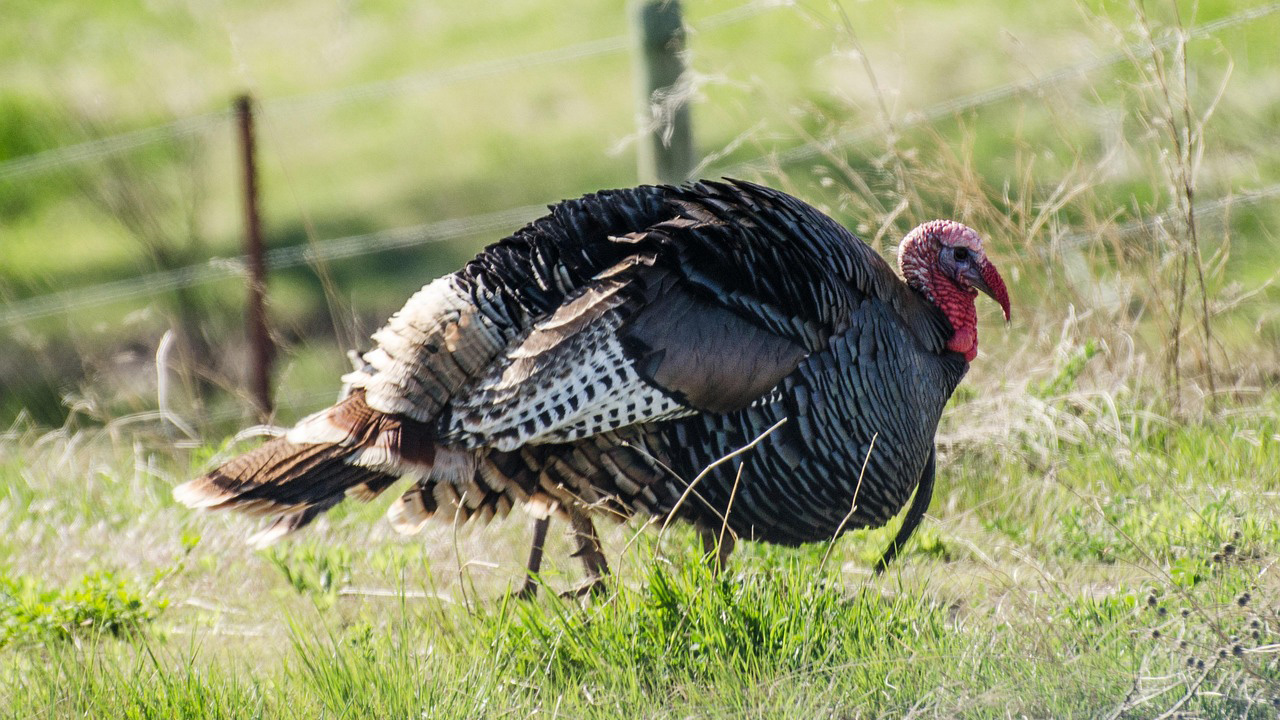
Georgia belongs in this conversation because hunters there have watched enough changes pile up to know something is off in plenty of areas. A state can still have birds and still be slipping, and that is what makes the situation tricky. Georgia hunters may still hear gobblers and scratch out a season, but there are plenty of places where brood numbers, morning sound, and overall encounter rates do not match the old expectations anymore.
What they can see is a combination of factors that all work against recovery. Habitat can look decent but still lack the structure poults need. Pressure hits hard in accessible spots. Predators work nest and brood country hard. Development and land-use changes also squeeze the edges where birds once moved more freely. None of that makes for one clean villain, but the result still looks the same to a hunter walking the property. Fewer birds doing less of what they used to do in places that once felt much more alive.
Tennessee

Tennessee hunters have spent enough time in the spring woods to know when a place is trending the wrong way, and plenty of them have seen that in recent years. In some parts of the state, the signs are hard to miss. Less gobbling consistency, fewer jakes growing into the next season, and fewer broods showing up where they used to be common all tell the same story. It is not always a crash. Sometimes it is a steady thinning that makes every season feel a little flatter than the one before it.
The things hunters notice on the ground usually point back to practical issues. Habitat quality can slip even when the woods still look green and healthy. Weather can hammer nesting and brood timing. Predator pressure does not take many nights to matter when recruitment is already weak. Tennessee still offers good turkey hunting in the right pockets, but there are enough places where hunters can plainly see the woods are carrying fewer birds than they used to for this state to make the list.
Kentucky

Kentucky had some years where turkey numbers felt strong enough that people got used to the idea that the resource would just stay there. That is part of what makes the changes easier to notice now. A lot of hunters in the state have seen the shift from steady action and regular sightings to more scattered birds and quieter mornings. When you know what the woods used to sound like, it does not take a biologist to tell you the tone has changed.
Hunters can also see how land changes are affecting birds. Early successional cover is not always where it needs to be. Some places have become too open in the wrong way, while others have become too shaded and closed up for broods. Add pressure, nest predation, and inconsistent recruitment, and Kentucky ends up with a lot of areas where there are still enough birds to keep people engaged, but not enough to pretend everything feels normal. That kind of slipping is exactly what serious hunters notice first.
Arkansas

Arkansas has some beautiful turkey country, but beauty does not always equal productive brood habitat or stable bird numbers. Hunters there have seen places that still look like turkey woods from a distance but do not hunt like they used to. When ridges, hollows, and timber stands that once held responsive gobblers start feeling thin year after year, people notice. The issue in Arkansas is not that all birds are gone. It is that many hunters can feel the difference between surviving birds and healthy numbers.
Part of what they are seeing is the challenge of matching habitat conditions to turkey needs through the full year, not just spring. Nest success, poult survival, predator pressure, and hunting access all matter. If even two or three of those go the wrong way at once, the woods may still hold enough birds to seem okay until you compare it to what used to be there. Arkansas hunters know that comparison well, and it is why the state keeps coming up in discussions about slipping turkey numbers.
Missouri

Missouri has long been one of the states people point to when talking about strong turkey hunting, which makes any decline more noticeable. Hunters there know what a good spring should feel like, and that is exactly why many have been uneasy in areas where gobbling, sightings, and brood numbers do not line up the way they once did. A state can still be solid overall and still have enough decline in key areas to matter, and Missouri fits that description for a lot of folks.
What hunters are seeing often comes back to recruitment problems. Hens may still be around, but if fewer poults are making it, the age structure starts showing that later. Habitat changes also matter, especially where brood cover gets thinner or less useful than it used to be. Predators take their share, and weather at the wrong time does the rest. Missouri still has a strong turkey identity, but that is exactly why hunters there are quick to notice when the numbers feel like they are easing downward instead of holding strong.
Oklahoma

Oklahoma turkey hunters have watched some country get tougher in ways that are not hard to explain once you are actually on the land. In parts of the state, drought pressure, shifting habitat conditions, and hard weather patterns all show up in the birds eventually. A place may still carry a few gobblers, but if nesting cover gets weaker, brood conditions dry out, and feed patterns change, the population starts showing stress that hunters can plainly feel.
The other thing hunters notice is how uneven things can get. One patch may still hold birds well while another nearby seems to have lost its edge almost completely. That kind of inconsistency is often a sign that the overall system is more fragile than it looks. Oklahoma still produces turkey hunting opportunities, but in plenty of areas the decline is not some hidden academic question. Hunters can see it in reduced activity, thinner numbers, and ground that no longer supports birds the way it once did.
Texas

Texas is big enough that turkey conversations have to be broken down by region, but that does not change the fact that plenty of hunters there have seen numbers weaken in ways that are easy to understand. Drought is a major piece of that picture. When rainfall patterns go bad, habitat quality drops, insect production takes a hit, and brood survival gets tougher. Hunters do not need a report to tell them that when tanks are low, green-up is weak, and brood cover is thin, turkeys are going to feel it too.
In some parts of Texas, land-use changes and predator pressure add even more strain. A place may still look good from the truck window, but that does not mean it is producing birds. Hunters often notice the difference in fewer hens with poults, quieter spring mornings, and stretches of country that used to reliably hold birds now feeling patchy. Texas still has birds, no doubt, but in the tougher regions the decline feels very real because the causes are sitting right out in the open for anybody paying attention.
Louisiana

Louisiana hunters have had reason to worry about turkey numbers in a lot of places, especially where habitat and pressure do not give birds much room to rebuild. In some areas the issue shows up as less gobbling and fewer overall encounters. In others, it is more about recruitment looking weak over time. Either way, hunters who know their spots can tell when the same woods stop producing the same kind of spring activity they used to count on.
The reasons are not hard to imagine when you look around. Wet conditions at the wrong time can be rough on nesting and poults. Habitat can be green and thick but still not ideal. Predators work on birds that are already having a hard time replacing themselves. Louisiana still has turkey hunters grinding out good days, but there are enough places where the signs point the wrong way for this state to belong on the list. When hunters start seeing fewer broods and more quiet mornings, they know what that usually means.
South Carolina

South Carolina has enough turkey tradition that hunters there know the difference between a tough morning and a long-term shift. In many areas, the concern comes from seeing fewer young birds coming up, less consistent gobbling, and less overall sign in places that once felt dependable. A single off year can happen anywhere. What worries people is when those years start stacking and the old normal never really comes back.
Hunters can also see how changing land conditions affect bird use. Brood habitat matters more than people think, and when it is lacking, the population eventually shows it. Pressure and predators pile on. Some places still have birds, but they can feel more scattered and less secure than they used to. South Carolina makes this list because the signs are the kind hunters notice in real time, not just in hindsight. The woods get quieter, the sightings get slimmer, and the people who know the land stop pretending it is just bad luck.
North Carolina
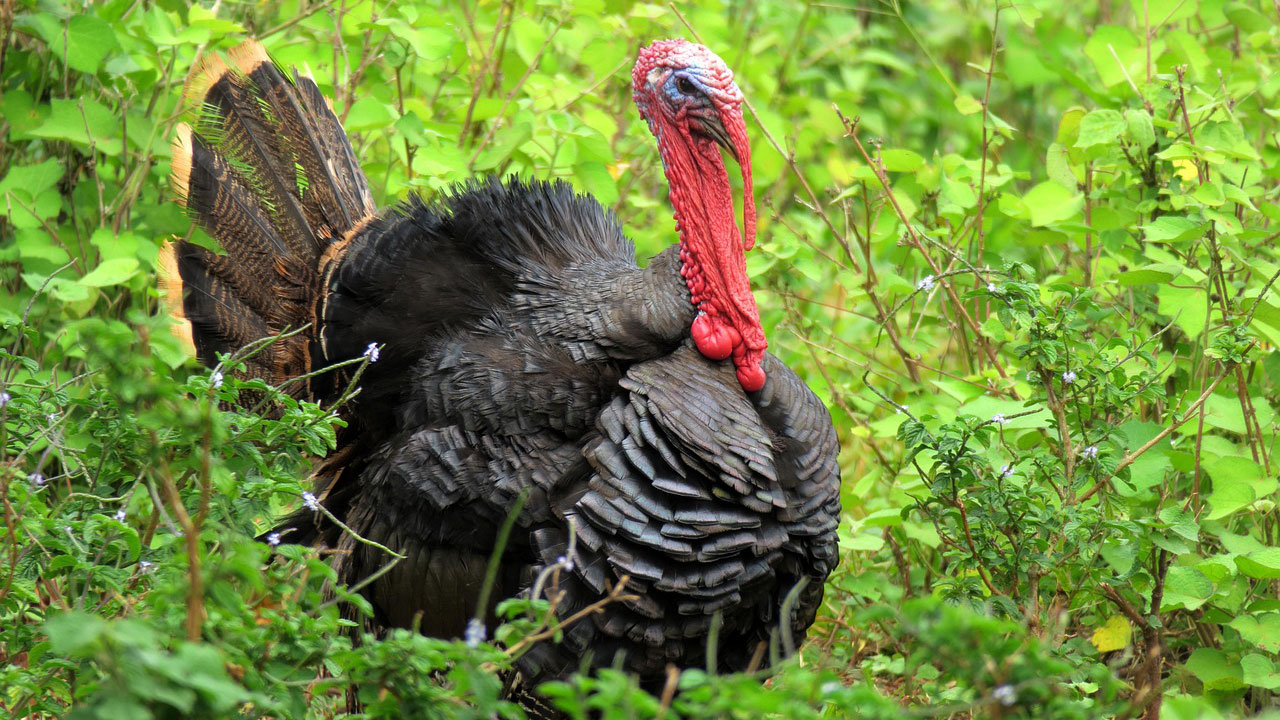
North Carolina still has solid turkey hunting in some areas, but there are enough signs of slippage in others that hunters have good reason to be concerned. The warning signs are familiar. Fewer broods, less steady gobbling, fewer jakes maturing into the next wave of birds, and places that seem to lose their consistency year after year. Hunters who have walked the same ridges and bottoms for years can feel that change even when the season still produces a bird now and then.
A lot of that comes back to how fragile turkey success can be when several pressures line up at once. Habitat quality, nest success, predator load, and weather timing all matter, and birds do not have much margin when those things go wrong together. North Carolina is not empty of turkeys by any stretch, but that is not the point. The point is that enough hunters are seeing fewer signs of strength on the landscape to know the overall picture in some places is not what it used to be.
Virginia

Virginia rounds into this list because it still has real turkey hunting opportunity while also showing enough strain in some areas for hunters to notice. That combination matters. A state does not have to be in total trouble for the warning signs to be worth talking about. Hunters in Virginia have seen places where gobbling is less dependable, broods are less visible, and birds just do not seem to be using the ground with the same confidence or numbers as before.
The causes hunters can see are the same practical ones showing up across much of the East and South. Habitat that is not carrying broods well enough. Predators taking advantage of weak recruitment. Human pressure shaping how birds move and survive. In Virginia, that often shows up as woods that still look huntable but feel thinner when the season actually opens. When enough long-time hunters say the same thing about the same sort of decline, that says a lot.
West Virginia

West Virginia can still produce good turkey hunting, but hunters there know mountain and hill country can hide decline for a while before people fully admit it. You may still hear a gobbler on a ridge or scratch one out in a familiar hollow, but that does not always mean the broader numbers are where they should be. Hunters notice when the woods give up fewer birds, when broods seem lighter, and when a place that once had multiple options starts feeling like a one-bird gamble.
Habitat quality is a big part of that. Turkey country in rough terrain can look beautiful and still be lacking in the kind of brood support birds need. Add weather, predators, and changing land use, and the margin gets thinner. West Virginia belongs here because the signs are not mysterious to hunters who know their ground. When recruitment weakens, you can feel it a season or two later even if the land still looks wild and right from a distance.
Florida

Florida may not be the first state everybody jumps to in turkey decline conversations, but hunters there have seen enough localized slippage to know things are not always as strong as they look on paper. Osceola country can still be special, but that does not mean every area is holding birds the same way it used to. Pressure, habitat conditions, and the challenge of raising poults in certain environments all show up eventually in the number of birds hunters hear and see.
Florida also has the kind of landscape where changes in water, vegetation, and land use can alter turkey success quickly. A place may still carry birds, but if nesting or brood conditions slip, that eventually catches up. Hunters notice it in thinner activity, less dependable gobbling, and fewer young birds following hens through the year. Florida still has strong turkey identity in the right areas, but enough hunters have seen warning signs on the ground to know some parts of the state are not moving in the direction they would like.
Like The Avid Outdoorsman’s content? Be sure to follow us.
Here’s more from us: