Photo credit: Ghost Bear/Shutterstock.com
A lot of hunters talk about animals like they’re made of paper—until they watch one soak up a hit, cover ground, and vanish into the worst part of the country. Toughness isn’t only about size or attitude. It’s lungs that keep working when they shouldn’t. It’s bone structure that deflects bad angles. It’s adrenaline, oxygen debt, and a survival brain that’s been winning for thousands of years.
If you’ve hunted long enough, you’ve seen it: the “easy” critter that turns into a long night, and the animal everyone underestimates that takes more doing than a heavier, more famous target. The goal here isn’t to glorify bad shots. It’s to respect what these animals can handle, and to remind you why discipline, patience, and smart shot selection matter more than campfire confidence.
Whitetail deer
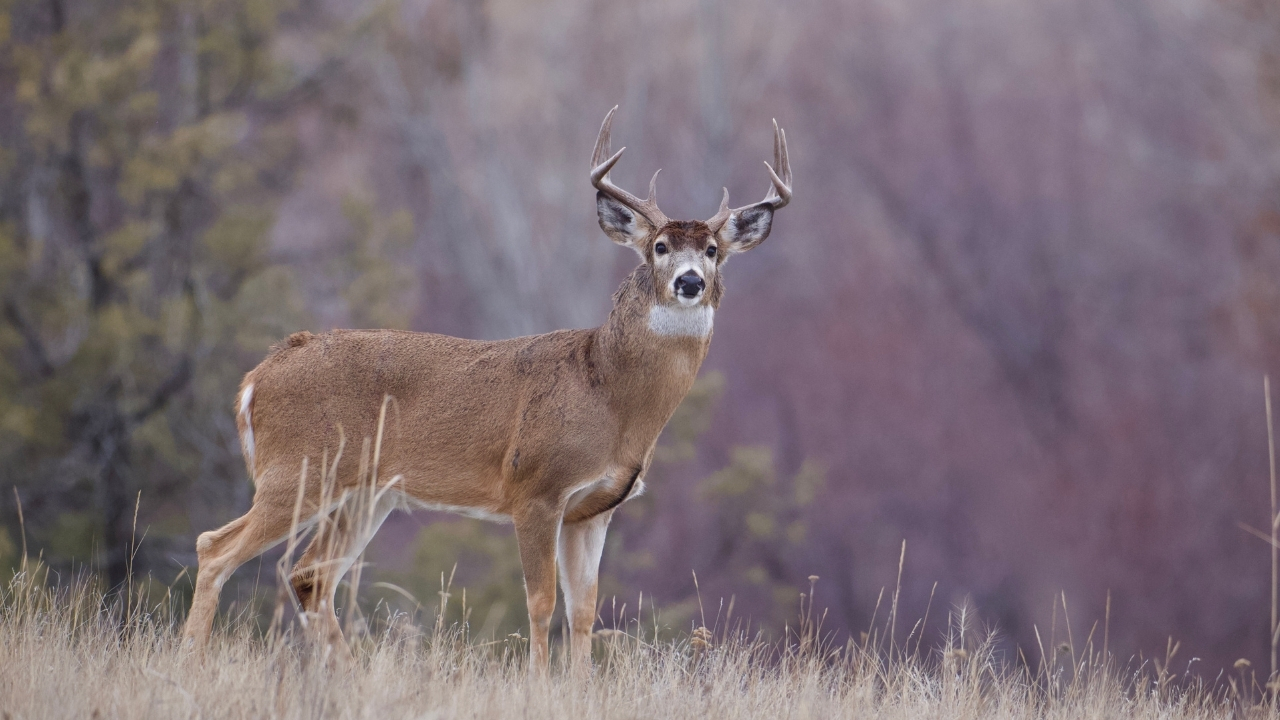
A whitetail looks small standing in a field, but it’s built to survive pressure. They’re wired to explode at the first hint of trouble, and they can cover an ugly amount of ground on a hit that would fold plenty of animals in sight. Their chest is compact, their angles change fast, and the shoulder structure can turn a “good enough” shot into a long track.
You’ve probably seen a deer take a marginal hit and run like nothing happened, then leave a trickle for a hundred yards and go silent. That’s the whitetail playbook. They use terrain like a tool, they head for cover, and they rarely die where you want them to. Treat them like a serious animal, not a beginner animal.
Mule deer

Mule deer have a reputation for being easier than whitetails because they live in bigger country, but they can be every bit as stubborn to put down. In open terrain, you get fooled into thinking you saw everything the moment you touched off the shot. Then the buck drops into a cut, stands up, and makes a long, steady exit like nothing is wrong.
They’re tough partly because the country helps them. Rocks, sage, and folds in the land hide movement and hide blood. A mule deer can take a less-than-ideal hit and still have room to travel before bedding. When you hunt them, you need to watch longer, mark where they disappear, and assume they’re tougher than the view through the scope suggests.
Pronghorn

Pronghorn look like they belong on a postcard, not on a list of tough animals. Then you shoot one and realize how quickly “easy” turns into “gone.” They’re light-bodied, but they run like their life depends on it—because it does. A pronghorn can eat up distance in seconds, and even a solid hit can still mean a long sprint across a flat you thought you had locked down.
They also live where tracks and blood can be hard to read. Short grass, dry ground, wind, and harsh light hide sign. You don’t get the luxury of an obvious trail very often. When you hunt pronghorn, your follow-up needs to be immediate and disciplined, because their toughness shows up as speed and stubborn momentum.
Elk

Elk are the classic example of an animal that makes grown hunters doubt what they saw. Their lungs are big, their bones are heavy, and their will to stay upright can look unreal when adrenaline is dumping. A hit that would anchor a smaller deer can still let an elk travel into timber and turn the rest of your day into a grid search.
You’ve heard the stories because they’re real: elk hit well that still go a hundred yards and vanish behind a ridge, leaving sign that doesn’t match the size of the animal. They can also take bad angles and keep going, which teaches harsh lessons. On elk, you respect the anatomy, take clean broadside looks, and stay ready to shoot again if they’re still moving.
Moose
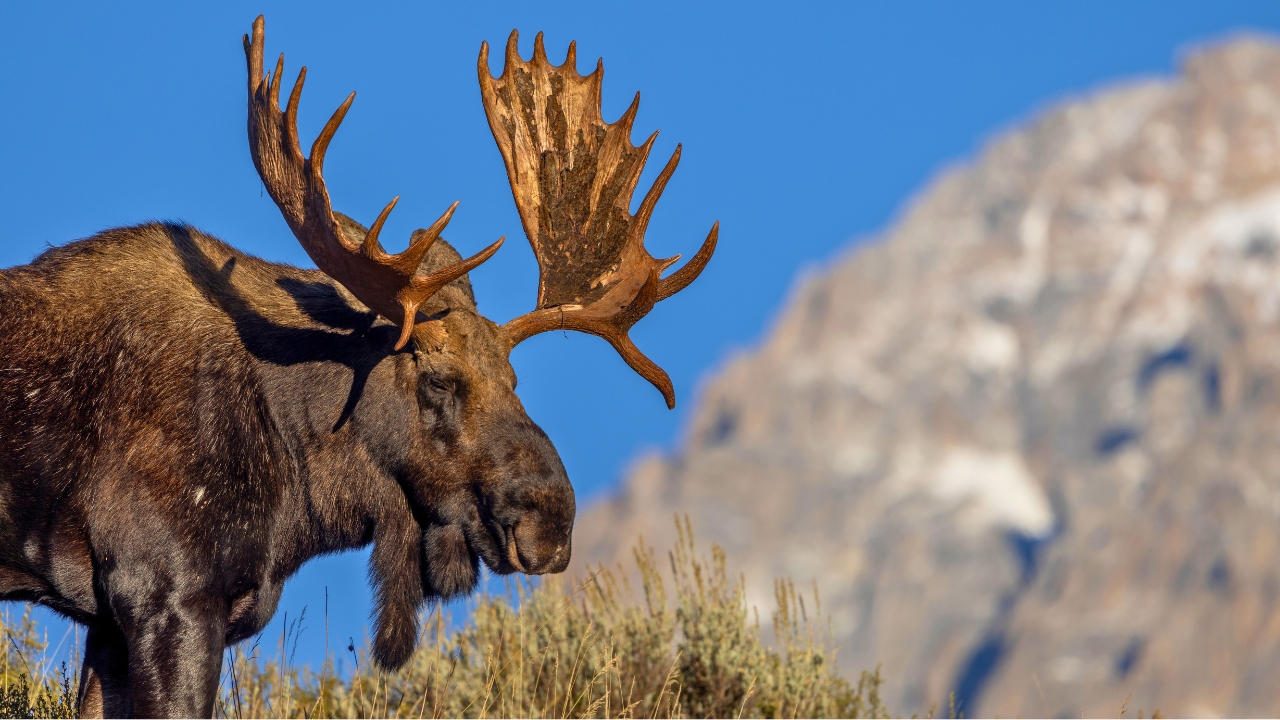
Moose don’t look fast until they decide they are. They’re huge, but that size comes with a lot of oxygen capacity and a lot of muscle that can keep driving forward after damage is done. A moose can take a hit, walk into willows, and suddenly you’re looking at a giant animal in a maze of brush where your next shot angle is never what you want.
Their toughness also shows up in how hard it is to tell what happened. Thick hair, thick hide, and swampy country hide blood. A moose can soak up a non-lethal hit and keep going, and even a lethal one might not show drama right away. With moose, you hunt with patience and follow with care, because the animal’s size doesn’t guarantee an easy ending.
Black bear
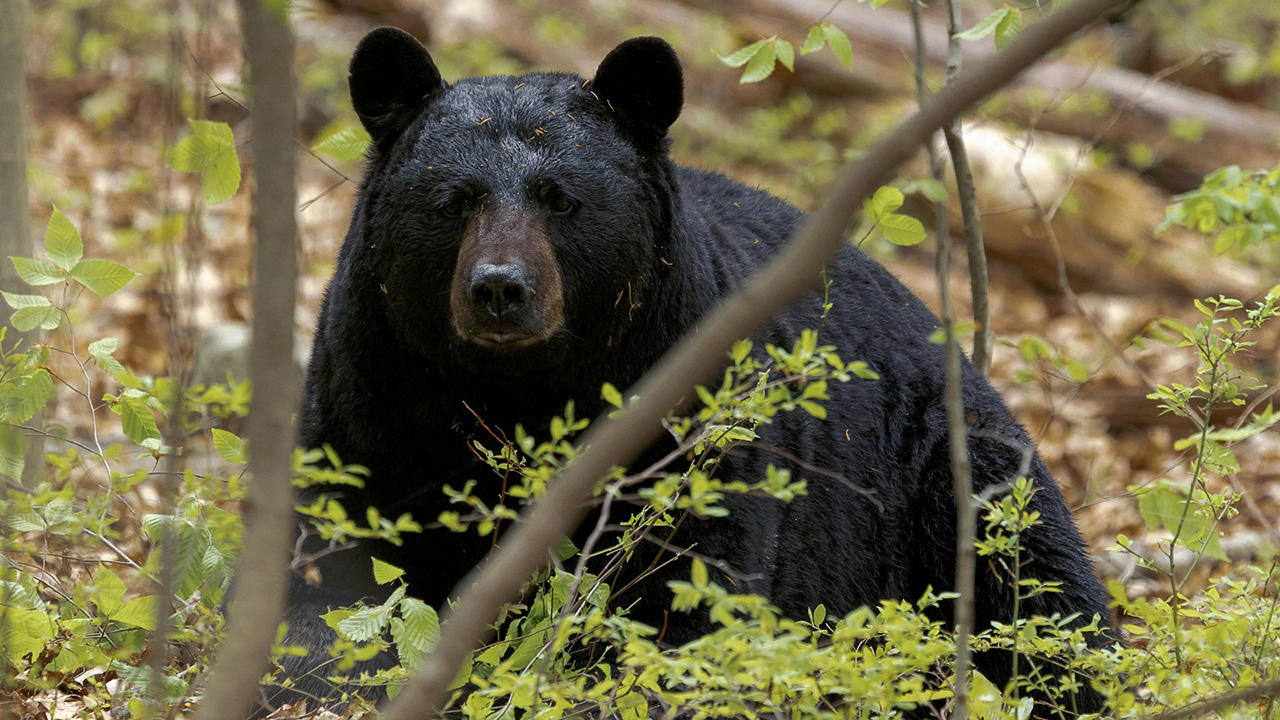
Black bears aren’t armored tanks, but they’re tougher than most hunters expect because of fat, fur, and pure durability. They can look calm, take a hit, and disappear into cover so thick you can’t crawl through it. They don’t always bleed the way a deer does either, especially if the entrance plugs and the fat seals things up.
You also deal with the bear’s ability to climb, duck, and change direction in a mess of alder and deadfall. A wounded bear doesn’t need much space to become hard to find. That’s why shot placement and follow-up matter so much. When you hunt black bears, you treat recovery like it could get complicated fast, because it often does.
Wild hog

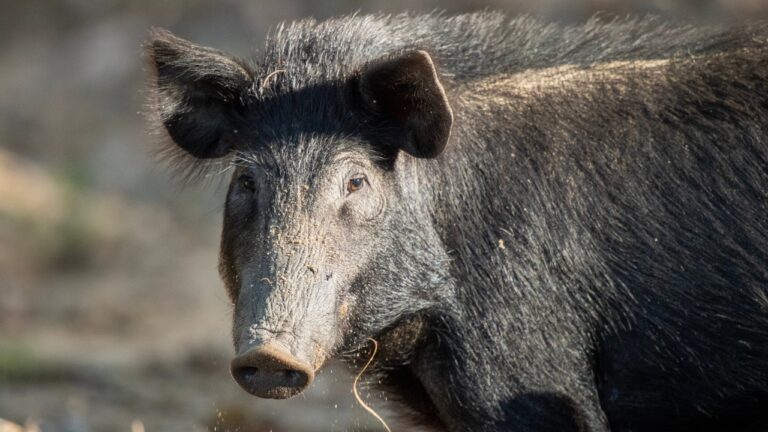
A hog can make a good shooter look unlucky. They’re built low, they’re dense, and their vitals sit a little farther forward than many people aim on instinct. Add thick shield on bigger boars, mud-caked hide, and a stubborn refusal to quit, and you’ve got an animal that can absorb punishment and still make the brush.
The toughness shows up in the tracking, too. Hogs hit poorly can run hard with little blood, and when they pile up, they love the nastiest cover available. You don’t need to fear them to respect them, but you do need to place shots with intent and be ready for a fast follow-up. A hog that looks “down” has a habit of getting back up.
Coyote

Coyotes are famous for being wary, but their toughness is what surprises people. They’re smaller than a deer, yet they can take a marginal hit and still leave the county. Between thick winter fur, quick movement, and a narrow target, they punish sloppy shooting. What looks like a clean chest hit can be high hair, a graze, or a punch through soft tissue that doesn’t stop them.
You’ve probably watched one spin, bite, and then run like it got lit on fire. Coyotes also disappear fast because they use ditches, breaks, and grass lines like highways. When you shoot one, you stay on the scope and keep shooting until it’s done moving. That’s not drama—it’s respect for how stubborn a tough little predator can be.
Mountain lion

A mountain lion is pure muscle, and that matters when things go wrong. They don’t have the body mass of a bear, but they have explosive power and an athlete’s ability to keep functioning when hurt. A lion can cover distance quickly, climb, and vanish into terrain that makes blood-trailing a nightmare.
The toughness also shows up in how hard they are to read. In poor light or in brush, it’s easy to misjudge angles and hit too far back or too high. Recovery can get complicated fast because a wounded cat can move into nasty places and stay quiet. If you’re hunting lions, you bring patience and discipline, because the animal’s toughness is tied to stealth and raw physical ability.
Turkey

Turkeys get underestimated because they’re birds, but they can soak up a surprising amount of damage and still fly, run, or disappear in thick cover. Their feathers hide hits, their vitals are smaller than people think, and they don’t always react in a way that tells you the truth right away. A turkey that looks “rocked” can get up and sprint.
You’ve likely seen one take a bad pattern and keep moving, leaving you with nothing but doubt. That’s why a steady rest, good range discipline, and a clean head-and-neck or tight vital shot matters. Turkeys are tough because they’re built to survive predators, and they do it by staying mobile and refusing to give you an easy read.
Canada goose

A big goose is more like a linebacker than a backyard bird. They’re heavy, they’re dense, and they’ve got feathers that can soak up pellets and hide what actually happened. When you’re slightly out of range or your pattern isn’t right, geese have a habit of flying off like nothing touched them, only to land a long way out and make recovery difficult.
Their toughness shows up in cold weather, too. Late-season birds can be thick with feathers and fat, and they often take more shot than people expect. You respect them by shooting inside your range, using loads that pattern well in your gun, and following up immediately. A wounded goose can travel far, and you won’t always get a second chance.
Raccoon

Raccoons are the kings of refusing to quit. They’re compact, tough-boned for their size, and they can keep fighting or climbing after taking hits that should end things quickly. In trapping and nuisance work, they’ve earned their reputation the hard way. They can also soak up damage because their vital zone is small and their fur is thick enough to hide what happened.
If you’ve dealt with them around a property, you already know how stubborn they are. They can retreat into holes, crawlspaces, brush piles, and places that make recovery a pain. Their toughness isn’t glamorous, but it’s real. Treat a raccoon like a serious animal, because it will act like one when it’s hurt.
Beaver

Beavers don’t get a lot of respect until you’re trying to recover one in water. They’re dense, muscular, and built for cold, wet survival. Their fur and fat can hide hits, and they often slip beneath the surface before you realize what happened. Even when you do everything right, the environment turns recovery into the hard part.
Their toughness also shows up in how hard they can bite and how stubborn they are when cornered. A beaver in shallow water or near a bank can be unpredictable. If you’re hunting or managing them, you need to plan around the water first and the animal second. A beaver’s body can handle more than people expect, and the conditions amplify every small mistake.
Alligator
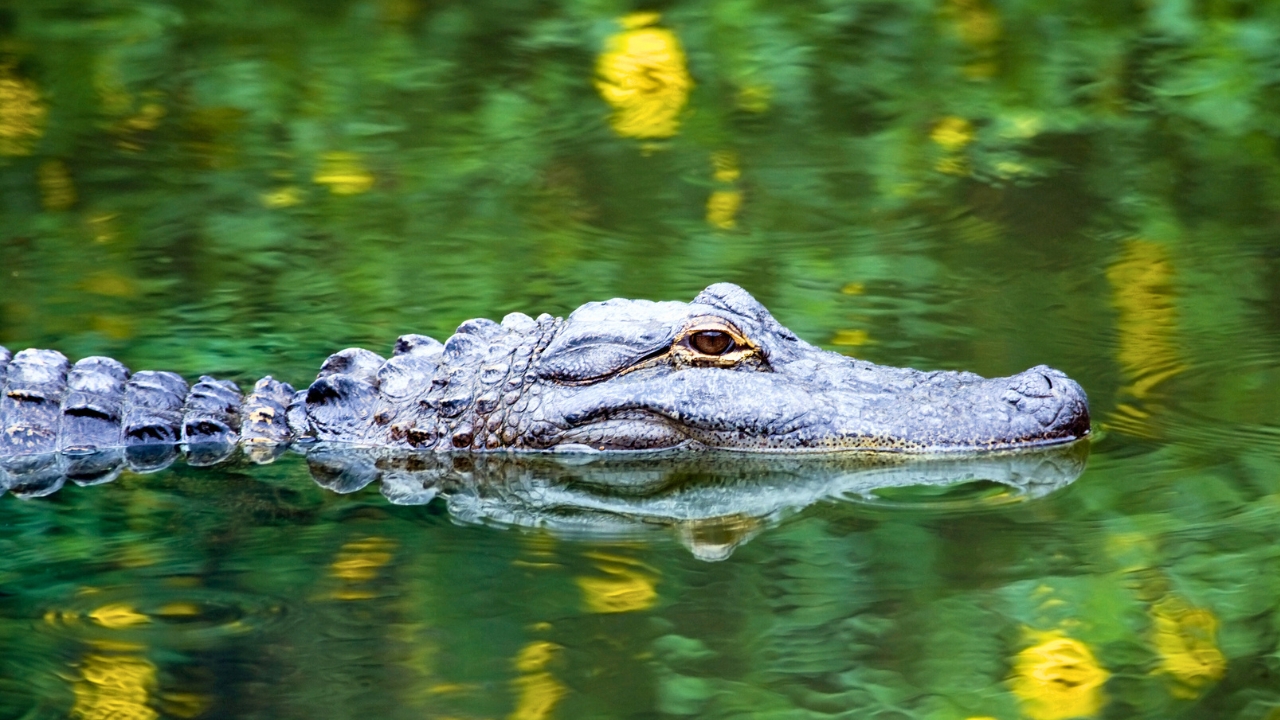
Alligators are tough in a way that feels unfair. Thick hide, heavy bone, and a brain that sits where many people don’t intuitively aim makes them a different problem than most game. They can take hits that look dramatic and still keep moving, especially in water where you lose visual control and sign.
Their toughness is also about leverage and environment. Even a smaller gator can roll, drag, and disappear into a situation you can’t manage. That’s why gator hunting is so methodical: controlled shots, controlled handling, and a plan for what happens next. When you respect how tough they are, you hunt them cleanly. When you don’t, they become a long, messy ordeal.
Caribou

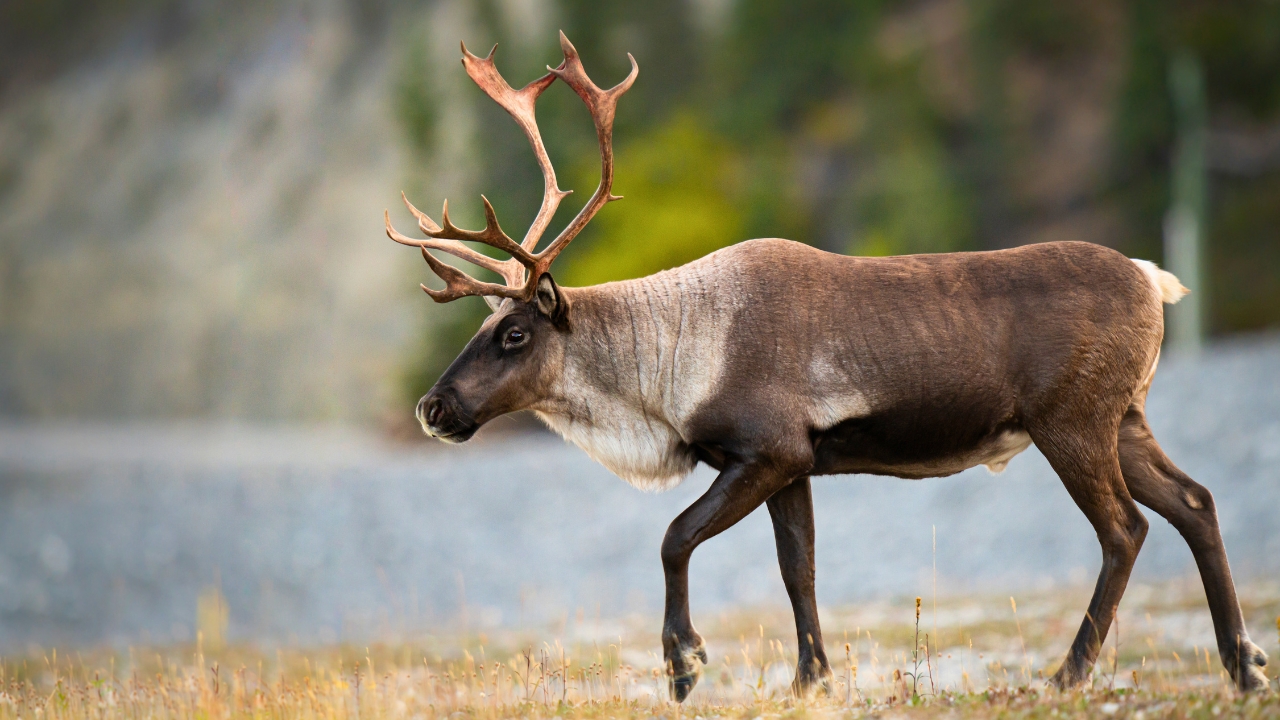
Caribou look like they should be easy because they live in open places and often stand still longer than other big game. Then you hit one and realize they’re built to travel. They have endurance for days, and they can keep moving on damage that would stop many animals sooner. In tundra and muskeg, a caribou can also disappear behind a small rise and be hard to relocate.
Tracking can be deceptively tough, too. The ground can be wet, soft, and full of confusing sign. Blood can vanish in vegetation, and wind can erase your plan fast. Caribou toughness shows up as stamina and distance. You respect them by shooting carefully, watching longer than you think you need to, and being ready to cover ground with purpose after the shot.
Like The Avid Outdoorsman’s content? Be sure to follow us.
Here’s more from us: