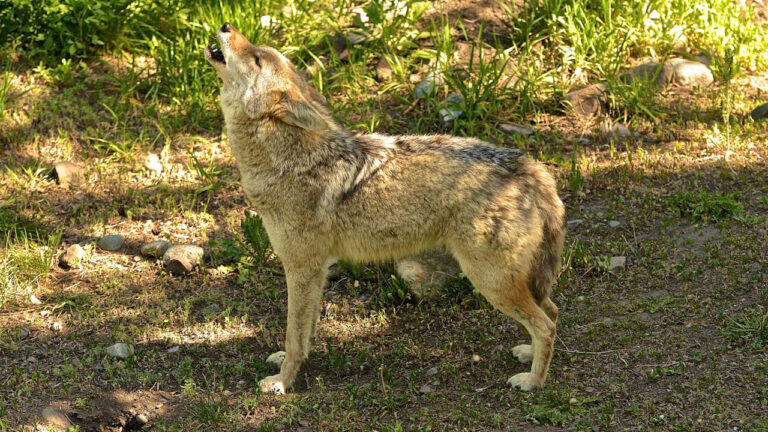
Photo credit: StoneMonkeyswk/Shutterstock.com
You can do everything right outside—wear boots, carry a kit, keep your head on a swivel—and still end up sitting under fluorescent lights with a nurse asking what happened. A lot of those visits don’t start with a bear or a big snake. They start with the “cute” backyard rabbit you tried to help, the bat you found in the garage, or the tiny insect you shrugged off until your throat got tight.
The problem is that small critters come with sharp teeth, dirty mouths, hidden venom, and diseases you never see coming. Some trigger allergic reactions. Others leave punctures that seal up fast and turn into infections. A few carry pathogens where the only safe move is medical care and, sometimes, a series of shots. If you spend time outdoors—or you live where the woods meet lawns—these are the “harmless” animals that can still put you in the ER.
Deer tick (Ixodes scapularis)
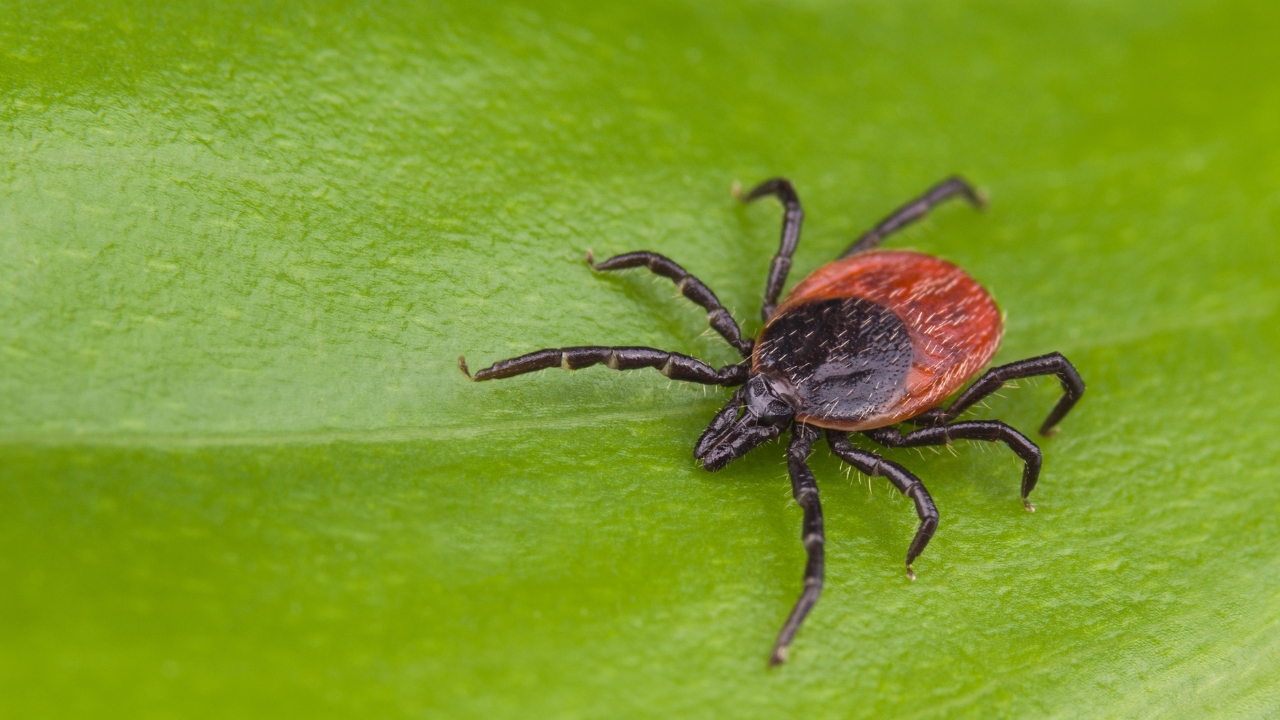
You don’t feel a deer tick bite, and that’s the trap. Ixodes scapularis is built to stay hidden in hairlines, belt lines, behind knees, and under watch bands. You can walk a fencerow for ten minutes, climb back in the truck, and never notice the hitchhiker. Then a week later you’re dealing with a spreading rash, joint pain, fever, or a headache that won’t quit.
The ER trip usually happens when symptoms stack up fast or you can’t get the tick out cleanly. Parts left behind can inflame the bite, and infections are common when you dig at it. In tick-heavy country, clinicians also take a hard look at Lyme and other tick-borne illnesses, because early treatment matters. The “harmless” part is that it’s tiny. The risk is that it doesn’t care.
Brown recluse spider (Loxosceles reclusa)

If you live in its range, the brown recluse is the spider that turns a normal day into a medical mess. Loxosceles reclusa likes dark, quiet places—cardboard boxes, sheds, wood piles, closets—and bites often happen when you grab something without looking. The first few hours can feel like nothing, which is why people ignore it.
Some bites stay mild, but the ones that go bad can ulcerate and keep spreading. That’s when you’re in the ER with swelling, worsening pain, and skin that looks like it’s dying from the center out. Secondary infections are a real concern because the wound can be slow to heal. If you’ve got fever, a rapidly growing sore, or a bite that looks worse every hour, it’s not a “tough it out” situation.
Black widow spider (Latrodectus mactans)

A black widow bite can start as a quick pinprick you barely register, especially if you’re working gloves-off in the garage or moving brush. Latrodectus mactans doesn’t have to leave much of a mark to ruin your evening. The venom is the story, not the bite itself, and symptoms can ramp up hard after you’ve already forgotten the moment happened.
The ER visit usually comes when cramping spreads through your abdomen, back, or legs, and you can’t get comfortable no matter what you do. Nausea, sweating, and muscle spasms can make it feel like something far bigger is going on. Most healthy adults recover with supportive care, but it’s still a serious envenomation. If the pain is escalating or you’re seeing systemic symptoms, get checked instead of guessing.
Eastern yellowjacket (Vespula maculifrons)
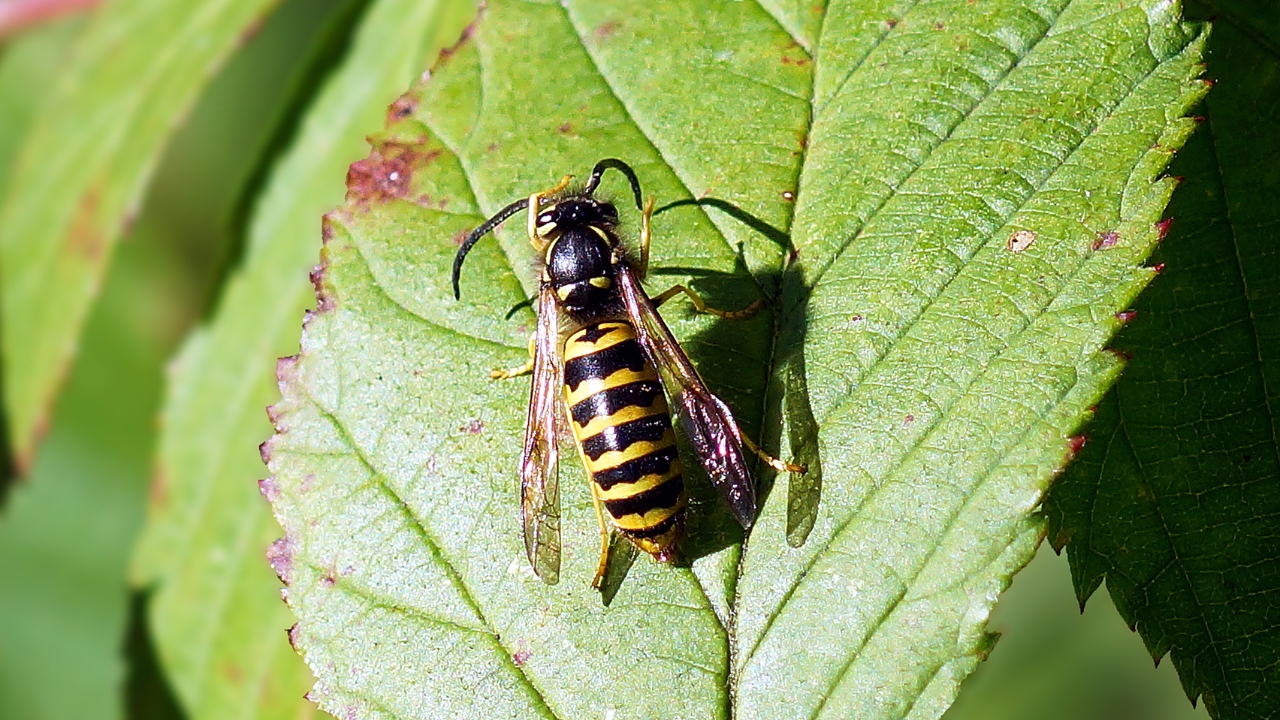
Yellowjackets don’t give you a warning growl. Vespula maculifrons tends to build nests in the ground, and you find out about it by stepping close, mowing over it, or leaning a knee into it while you’re fishing a bank. One sting is bad enough. Multiple stings happen fast, and the panic of it makes people stumble, fall, and get hurt before the venom even does its work.
For most folks it’s pain and swelling. For some, it’s anaphylaxis—hives, wheezing, throat tightness, lightheadedness—and that’s an emergency every time. Even without a true allergy, a pile of stings can cause nausea, headache, and a body-wide reaction that’s more than you can manage at home. If your face is swelling, your breathing feels off, or you took a swarm-level hit, the ER isn’t overreacting. It’s smart.
Western honey bee (Apis mellifera)
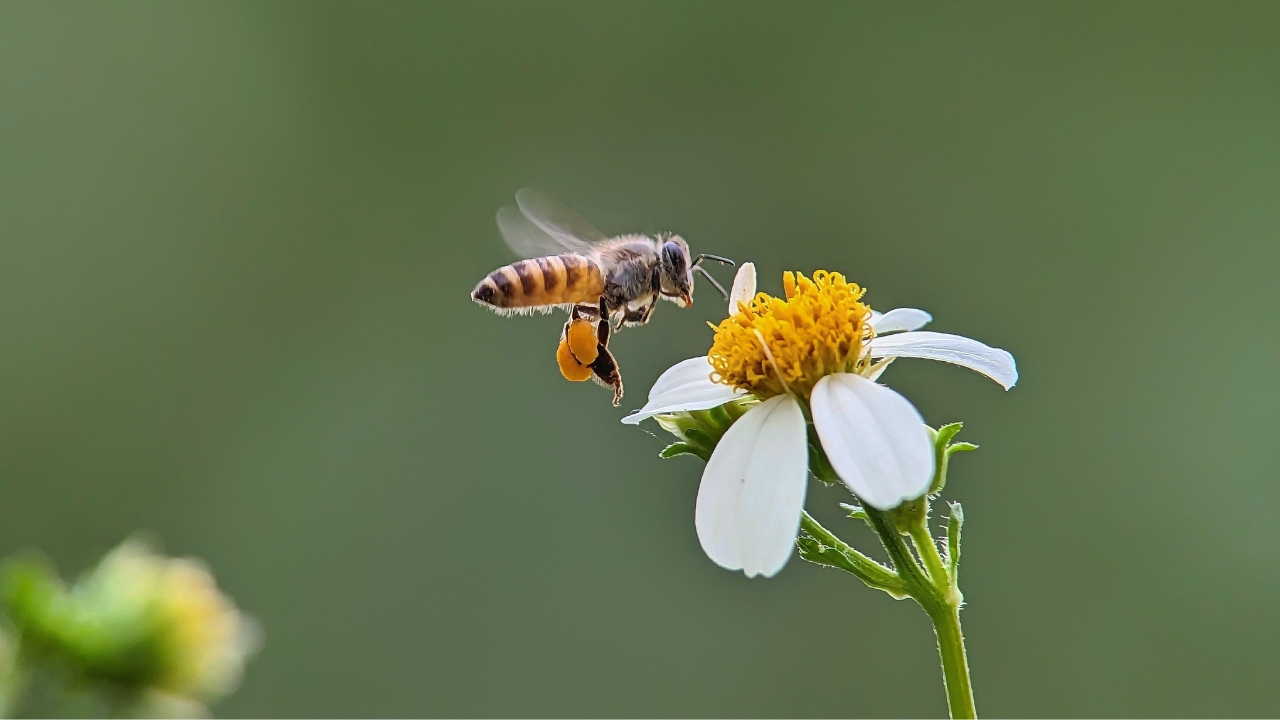
A honey bee looks like the most ordinary backyard insect on earth, and that’s why it catches people off guard. Apis mellifera usually stings once and dies, but the stinger can keep pumping venom after it’s left behind. If you don’t scrape it out quickly, you get more venom and more swelling, and that can make a hand or eyelid look like it belongs to somebody else.
The real danger is the body’s reaction, not the size of the bug. Anaphylaxis can hit within minutes, even if you’ve never had a serious sting before. Trouble breathing, tightness in your throat, widespread hives, vomiting, or faintness are not “wait and see” symptoms. Even localized stings can send you in if they’re in the mouth or throat, or if swelling keeps spreading. Bees are common. Bad reactions are, too.
Red imported fire ant (Solenopsis invicta)

Fire ants are small enough to dismiss until they’re on you, and Solenopsis invicta doesn’t bite once. It grabs skin, stings, pivots, and stings again in a tight circle. You can get dozens of hits before you’ve even figured out what’s happening, especially around ankles and calves. The burning pain is immediate, then the pustules show up later and tempt you to scratch them open.
That’s where trouble starts. Opened lesions can get infected, and in hot weather they can turn into angry, swollen messes. Some people also get systemic reactions—hives, swelling away from the sting sites, dizziness, or breathing issues—and that’s an ER-level problem. Even without an allergy, a large number of stings can cause nausea and weakness that feels alarming. If your reaction is spreading or your breathing changes, treat it like the emergency it is.
Big brown bat (Eptesicus fuscus)

The bat flitting around your porch light looks like a nuisance, not a threat. Eptesicus fuscus is common across a lot of the country, and most people only think “rabies” when a bat is acting weird. The issue is that bat bites can be tiny, painless, and easy to miss, especially if you handled one bare-handed or woke up with one in your room.
The ER trip is often about exposure follow-up, not treating a dramatic wound. Rabies is rare, but it’s almost always fatal once symptoms start, so clinicians take bat contact seriously. That can mean wound cleaning, a tetanus update, and, depending on the situation, rabies post-exposure shots. If you’ve got a bite, a scratch, or any uncertainty about contact—especially around kids or sleeping adults—medical evaluation is the right move. It’s not fear. It’s math.
Raccoon (Procyon lotor)

A raccoon looks like a trash panda with a cute face until it’s cornered. Procyon lotor has hands, teeth, and an attitude, and it can turn on you fast if you try to grab it, shoo it, or separate it from a dog. The bites tend to be deep and dirty, because a raccoon’s mouth is loaded with bacteria from whatever it’s been eating in yards, gutters, and dumpsters.
An ER visit can be about infection risk, tendon damage, and rabies precautions. Hand bites are especially nasty because swelling in tight spaces can limit movement and set up long-term problems. Even if the punctures look small, they can seal over and trap bacteria inside. If you’ve got a bite, especially near joints or on fingers, you want proper cleaning, evaluation, and, in some cases, antibiotics. Wildlife doesn’t care that you meant well.
Striped skunk (Mephitis mephitis)

Most skunk encounters end with you smelling like regret, but Mephitis mephitis can do more than spray. Skunks get tangled up with dogs, crawl under porches, and sometimes end up cornered where people try to “help” them out. When they bite, they don’t nibble. They clamp down, and the teeth are sharp enough to tear rather than puncture cleanly.
Medical care is about two things: wound care and disease risk. Skunks are one of the wild species public health folks watch closely for rabies in many areas, and that changes how bites are handled. A bite to a hand, face, or forearm can also get infected quickly, because the mouth is not a sterile place and the wound edges are often ragged. If you’ve been bitten, don’t rinse and forget it. Get it evaluated, documented, and treated correctly.
Virginia opossum (Didelphis virginiana)

Opossums get labeled as harmless because they’re slow and they play dead, but Didelphis virginiana will bite if you corner it or try to move it. People get tagged most often while “rescuing” one from a window well or pulling it out of a trash can. The teeth are sharp, and the bites can look like small punctures that don’t seem like much at first.
The problem is what comes after. Any wild-animal bite can seed bacteria deep under the skin, and hand bites in particular can swell and stiffen quickly. Even without heavy bleeding, you can end up with a painful infection that needs antibiotics and monitoring. You’re also dealing with tetanus considerations and the reality that wildlife behavior is unpredictable. If the bite is deep, on the hand, or shows increasing redness and warmth, get it checked before it turns nasty.
Common snapping turtle (Chelydra serpentina)

A snapping turtle looks like a slow-moving relic until you get your fingers too close. Chelydra serpentina has a long neck, a fast strike, and jaws that don’t care about your intentions. Most bites happen when someone tries to pick one up off a road or out of a yard, thinking they’re doing a good deed. The bite can be crushing, with tearing damage instead of a clean puncture.
That’s an ER trip for a lot of people, especially if the bite involves fingertips, tendons, or significant bleeding. Even if it’s “only” a laceration, it’s a dirty wound from an animal that lives in mud and stagnant water, so infection is a real concern. You can also end up with nerve involvement or limited motion if the injury is near joints. If you need a turtle moved, a shovel and distance beat hands every time.
Canada goose (Branta canadensis)

A Canada goose looks like lawn decoration until it decides you’re too close. Branta canadensis gets territorial around nests and goslings, and it doesn’t bluff. The wings are heavy, the beak is sharp enough to pinch skin open, and the chase is what sends people to the ground. Slipping on wet grass while backpedaling from a hissing goose is a more common injury setup than most folks want to admit.
The ER visits are usually from falls—sprained wrists, broken fingers, cracked ribs, or a head knock—more than from the bites themselves. That said, a bite near the face or a wing strike to the eye can be serious. The bigger lesson is that “it’s only a bird” doesn’t mean “it can’t hurt you.” Give nesting geese space, and don’t try to shoo them off at arm’s length. They’ve got reach and they don’t care about your pride.
Wild turkey (Meleagris gallopavo)

A big tom turkey looks comical until it’s coming at you like a linebacker. Meleagris gallopavo can get aggressive in spring, especially around people who don’t back it down. The spurs are the problem. They’re sharp, curved, and positioned perfectly to rake a shin, calf, or knee when the bird jumps and strikes. It’s easy to underestimate how hard a 20-pound bird can hit when it commits.
Cuts from spurs can bleed more than you’d expect, and they can also get infected because the wound edges aren’t clean. People also end up in the ER from falls while trying to retreat, or from getting knocked off balance on uneven ground. If you’re dealing with an aggressive bird near a house, treat it like any other animal problem: create distance, use barriers, and don’t turn it into a hand-to-hand contest. Turkeys don’t fight fair, and they don’t get tired quickly.
Deer mouse (Peromyscus maniculatus)
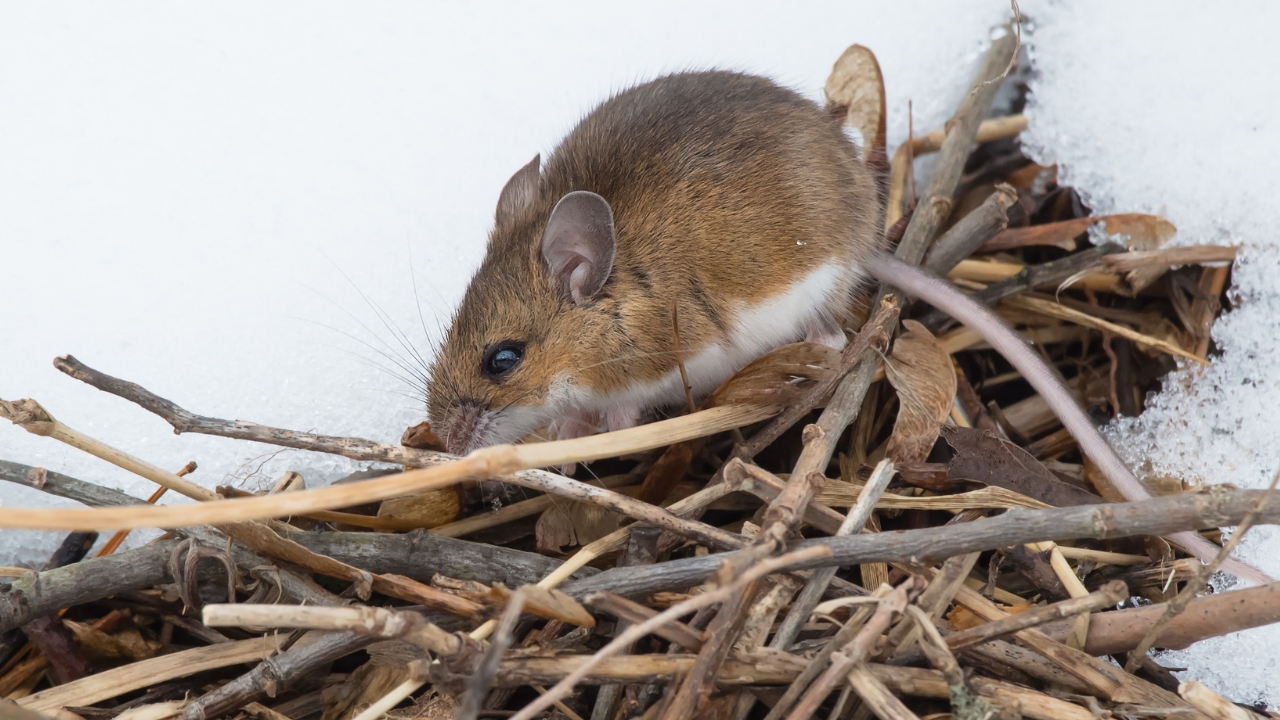
A deer mouse looks like the most innocent critter in the shed, and that’s why it’s dangerous. Peromyscus maniculatus is a common carrier associated with hantavirus in parts of North America, and you don’t have to get bitten to be exposed. The risk comes from dried droppings and urine that get stirred up when you sweep, vacuum, or blow out a cabin after it’s been closed up.
The ER visit isn’t about a dramatic moment. It’s about flu-like symptoms that can escalate into serious breathing problems days later. That’s not something you want to gamble with. If you’re cleaning a space with obvious rodent sign, wet it down, ventilate it, and avoid creating dust clouds. If you develop fever, muscle aches, and shortness of breath after that kind of exposure, be direct about the rodent contact when you seek care. It helps clinicians connect the dots fast.
Channel catfish (Ictalurus punctatus)

A channel catfish doesn’t look like a threat until you grab it wrong. Ictalurus punctatus has stiff spines on the dorsal and pectoral fins, and those spines can drive deep when a fish thrashes in your hand. Plenty of anglers get tagged while unhooking low light or trying to lip a catfish like it’s a bass. The puncture can feel like a nail, and it keeps hurting long after you’ve thrown the fish back.
Catfish spine wounds are notorious for infection because they’re deep, they close fast, and they’re loaded with whatever was in that water. Swelling can be bad, and pain can track up the hand or forearm. If the puncture is in a finger joint, if you can’t bend your hand normally, or if redness spreads, you’re past home remedies. Clean it well, watch it closely, and don’t be stubborn about getting medical care when it turns ugly.
Like The Avid Outdoorsman’s content? Subscribe to our newsletter so you never miss an article.
Here’s more from us: