
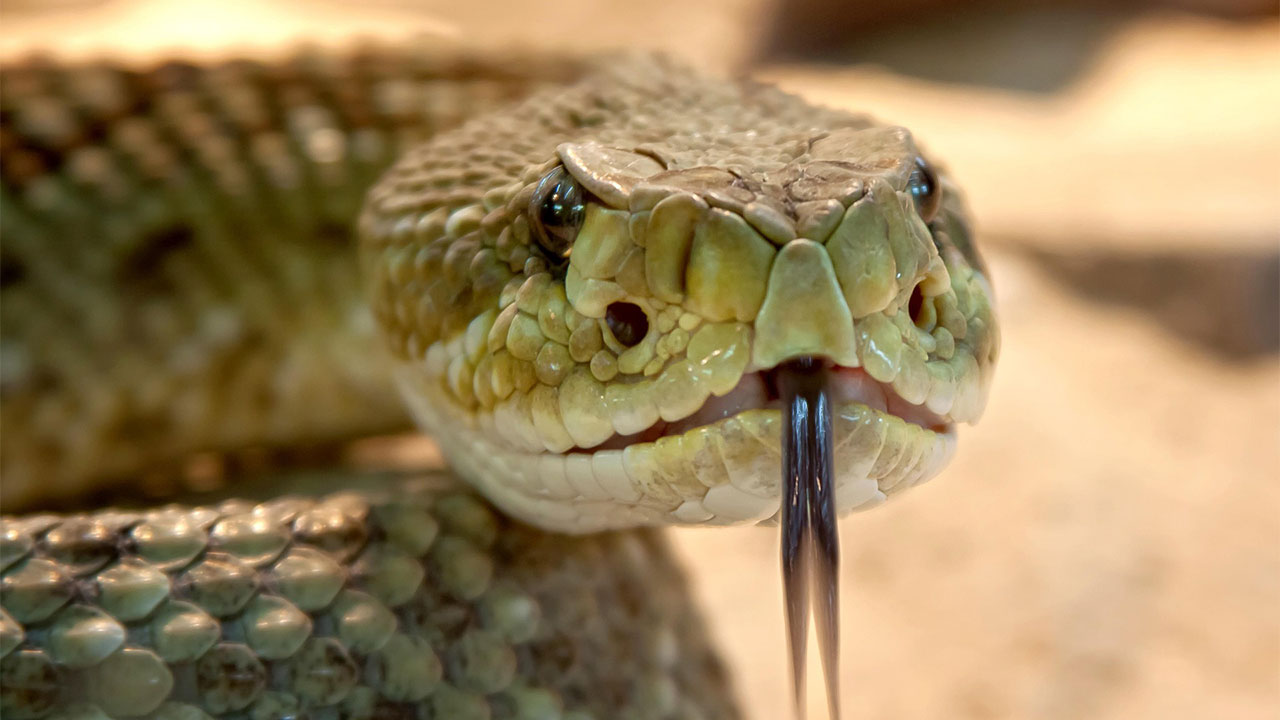
Photo credit: Foto-Rabe/Pixabay.com
A lot of people still picture venomous snakes as a wilderness problem. They imagine remote trails, swamp edges, rocky canyons, and rough country where you already know to watch every step. That way of thinking misses where many real encounters actually happen. In plenty of regions, venomous snakes turn up in places people move through every day without much thought at all. That is why the encounters feel so jarring. The snake is not always out in the backcountry where people expect danger. It is often tucked into the ordinary spaces where routine has made people careless.
That is the real issue with snakes around everyday life. The setting lowers your guard. You are not scanning the ground the same way when you are walking the dog, taking out the trash, pulling weeds, or cutting across the yard to grab the mail. But snakes do not care whether a place feels domestic or familiar. If it offers shade, cover, food, and a little quiet, they can use it. Once you start looking at the spaces around homes, neighborhoods, parks, and outbuildings through that lens, a lot of “surprise” snake encounters stop looking so surprising.
Mulch beds and foundation plantings near the house
One of the most overlooked places for venomous snakes is the landscaping right along the house. Mulch beds, low shrubs, decorative grasses, ground cover, and shady foundation plantings can all create the kind of cool, protected cover snakes like. These areas also attract insects, frogs, lizards, and rodents, which means they do more than hide a snake. They feed the whole system that makes a snake want to stay close.
What catches people off guard is how normal these spots feel. You step into them to trim a bush, water flowers, or pull weeds without thinking twice. But in many parts of the country, those tidy beds hold better daytime cover than the open yard ever could. A venomous snake tucked into dark mulch or beneath low leaves can disappear almost completely until somebody gets close enough to make the encounter sudden and ugly.
Wood piles, stacked materials, and junk corners
Wood piles and stacked materials keep producing snake surprises because they offer almost everything a snake needs in one place. Firewood, scrap lumber, stacked pavers, old sheet metal, unused planters, and random yard clutter create shade, narrow hiding spaces, and a steady draw for rodents. That combination works extremely well for venomous snakes, especially around homes where those piles sit untouched for long stretches.
The problem is that these areas feel practical, not dangerous. They are part of normal property life. You go to grab a log, move a board, or clean up a messy corner and assume the worst thing waiting there is a spider. But when a pile stays cool, protected, and full of prey, it becomes far more than clutter. It becomes one of the best hiding places on the property, often close enough to the house that people never think to treat it carefully.
Retention ponds, drainage ditches, and wet neighborhood edges
In a lot of developed areas, the water features people ignore most are the ones that hold the most wildlife activity. Retention ponds, roadside drainage channels, culverts, and damp ditch banks often look too manmade or too exposed to matter much. But if they hold water, attract frogs and rodents, and offer thick grass or brush nearby, they can become very good snake habitat. In regions with cottonmouths and other species tied to wet ground, these spots matter a lot more than people expect.
That is part of why everyday encounters feel so random. A subdivision pond does not feel like wild country. A ditch behind a shopping center does not register as serious habitat. But snakes do not care how polished the development looks. If a water edge holds prey and enough cover, it can support regular snake movement. People are the ones bringing the false sense of safety into those places.
Under decks, porches, and outdoor steps
The shaded space under a deck or porch is another classic hiding area that homeowners underestimate until they have a bad surprise. These spots stay cooler than open ground, often collect leaves or stored items, and usually go undisturbed for long periods. That alone makes them attractive. Add mice, frogs, insects, and damp soil, and the setup gets even better for a snake looking for a dependable place to hold during the day.
What makes these locations especially unsettling is how close they are to home life. Kids play there. Dogs nose around there. People reach under there for toys, tools, or a dropped ball. The danger feels worse because the snake is not out by the back fence or deep in the brush where people think it belongs. It is under the very structure they use every day without much caution at all.
Barns, sheds, and outbuildings on small acreage
Country homes and small-acreage properties often create excellent snake habitat without meaning to. Barns, feed rooms, sheds, lean-tos, and equipment shelters draw rodents, and rodents draw predators. Hay, grain, seed, old tack, stacked supplies, and shaded corners all make those buildings more attractive than the open ground around them. If a venomous snake can find prey and cover in the same structure, it may use that building far more often than the property owner realizes.
That is why people on semi-rural land get caught off guard so often. The place does not need to look wild. It only needs to function like shelter. A person who would watch every step on a trail may walk into a feed room in worn-out boots, move a tarp barehanded, or reach behind stored equipment without thinking. Familiarity makes people casual, and casual behavior around rodent-heavy outbuildings is exactly where snake encounters keep happening.
Rock walls, landscaping stone, and decorative borders
Landscaping stone can create much better snake cover than homeowners think. Retaining walls, stacked rock borders, loose pavers, decorative boulders, and stone-edged beds all provide cracks, cool shade, and narrow gaps that snakes can use easily. In hot regions especially, those spots can hold a more stable temperature than the exposed yard. They also attract lizards, insects, and rodents, which means food is often close by.
The polished look of stonework is part of why these encounters keep surprising people. A retaining wall or stone border feels like part of the designed landscape, not like something that needs the same caution as a brush pile. But a venomous snake does not care whether the stones are expensive or decorative. If the setup gives it cover and prey, it becomes usable habitat, sometimes right beside the walkway people take every day.
Brushy fence lines and the rough edge of the yard
A lot of venomous snake activity happens not in the middle of the property, but along the edges where attention drops off. Fence lines with weeds, stacked limbs, vines, leaf litter, and half-managed brush create the kind of transition zones snakes use well. These edges often connect lawns to woods, ditches, vacant lots, or creek bottoms, which lets wildlife move through while staying mostly hidden.
People get caught because these border areas feel like background space. They are where a ball rolls, where the dog investigates, where somebody goes to fix a fence post or trim overgrowth. The center of the yard feels safe because it is open and visible. But the rough seam between managed ground and neglected cover is often where the real risk lives. That is where a snake can move, rest, and hunt without being exposed much at all.
Public parks, greenbelts, and neighborhood walking paths
Few places lower people’s guard faster than a walking trail or public green space that feels built into normal life. If a path has benches, signs, and regular foot traffic, most people assume the wildlife threat is low. But greenbelts, creekside trails, park edges, and wooded walking paths often hold a surprising amount of snake habitat, especially where mowed ground meets taller cover. In snake country, that edge can matter more than the open path itself.
The danger comes from routine. People walk dogs, jog with earbuds in, and let kids drift toward the brush because the place feels public and therefore controlled. But a venomous snake beside a trail does not become less dangerous because the trail map is posted nearby. These are exactly the kinds of places where everyday life overlaps with habitat closely enough to create surprise encounters.
Yard clutter and the places people stop looking
More than anything, venomous snakes keep showing up in the places people have mentally written off as too familiar to matter. The shaded patch beside the AC unit. The forgotten corner behind the shed. The stack of flower pots. The low area near the hose. The leaf pile that never fully gets cleaned out. These spots do not look dramatic, but they offer the exact kind of quiet, cover, and prey that makes a property usable.
That is really the larger lesson. Venomous snakes do not need some dramatic wild setting to turn up around everyday life. They need overlooked space. The more a place feels ordinary, the less attention people give it, and that is where many of the worst surprises happen. The folks who avoid trouble are usually not the ones who panic. They are the ones who stop assuming everyday places are automatically safe and start paying more attention to the kinds of cover snakes have been using all along.
Like The Avid Outdoorsman’s content? Subscribe to our newsletter so you never miss an article.
Here’s more from us:


