Photo credit: Don France – The Rocky Mountain Elk & Deer Watch/Youtube
A good home-defense handgun is the one you can run half-asleep, in bad light, with your heart going like a woodpecker. That is where a .357 Magnum revolver still makes a lot of sense. You get a simple manual of arms, a real sight picture, and the option to load it mild with .38 Special if you want controllability over blast. The downside is the same as it has always been: hard recoil in small frames, serious muzzle flash with magnum loads, and you only get so many rounds before you are either reloading or changing plans.
Below are 20 revolvers I’d actually consider for the nightstand, the locked closet by the mudroom, or the “something went bump” drawer. Some are classics, some are newer, and a few are ugly as homemade sin. All of them are real options if you pick the barrel length and grips with a little common sense.
1. Smith & Wesson Model 686 (L-Frame)
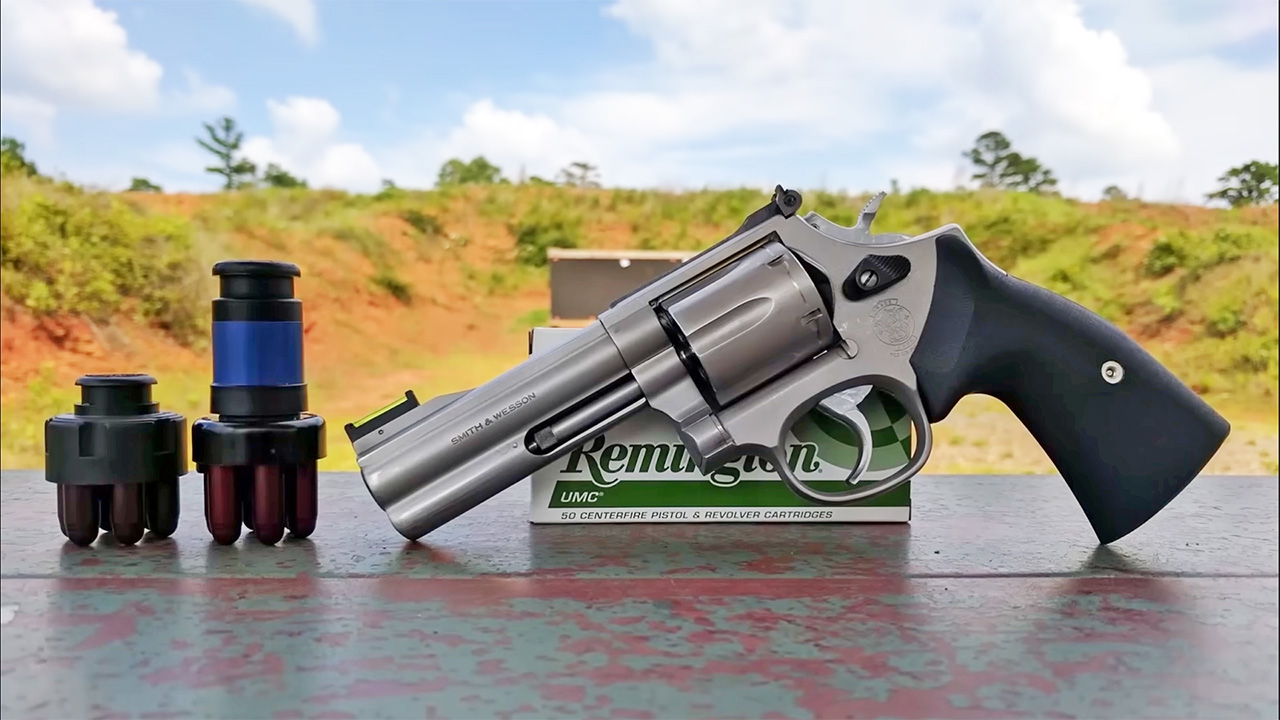
If you told me I could only have one .357 revolver for the house, the 686 is always in the argument. It is heavy enough to shoot real magnum loads without feeling like it is trying to crawl out of your hand, and the balance is just right in the 4-inch version.
The action on most of them is what you want in a defensive revolver: predictable double-action, clean single-action if you ever need it for precise work. It is not the cheapest wheelgun to buy, but it is the kind you keep for decades.
2. Smith & Wesson Model 586 (blued L-Frame)
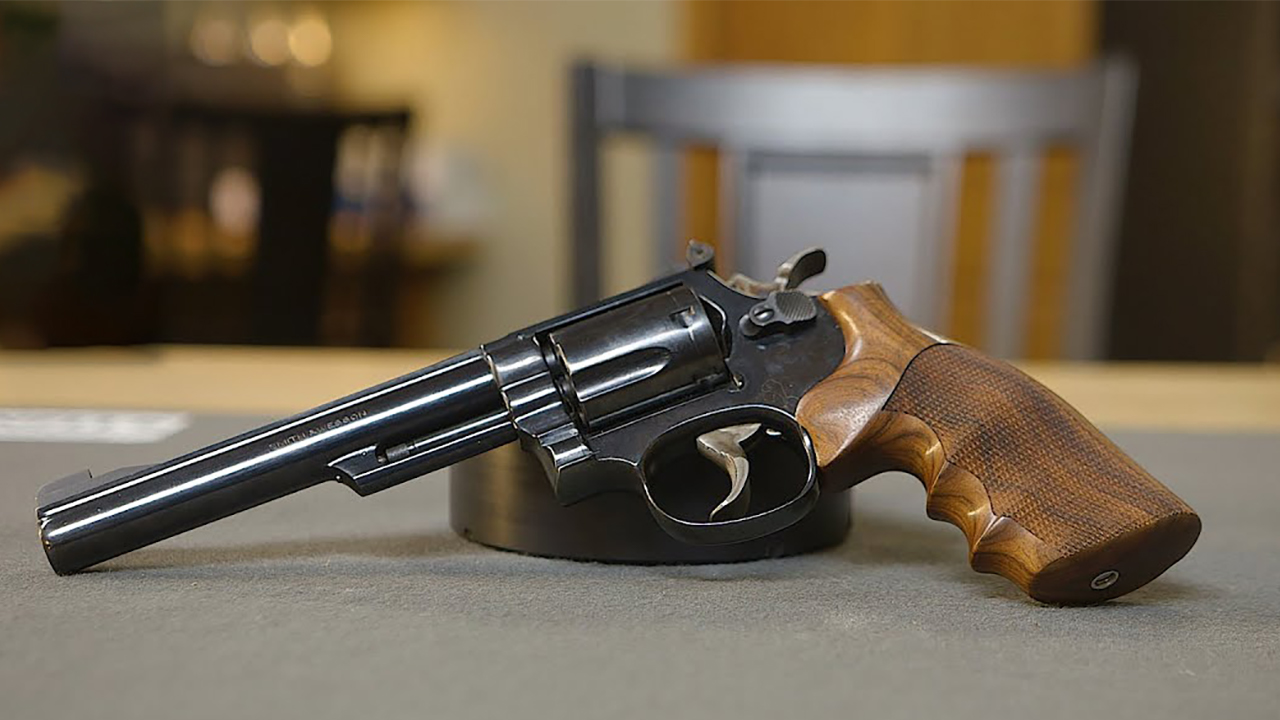
The 586 is basically the 686’s darker, dressier sibling. Some folks like stainless because sweat and fingerprints do not matter as much, but a blued 586 just feels like a proper revolver.
For home defense, the practical part is the same: L-frame weight, good sights, and a trigger that can be excellent without playing the “custom shop” game. If you find one that has not been abused, I would not overthink it.
3. Smith & Wesson Model 19 (K-Frame classic)
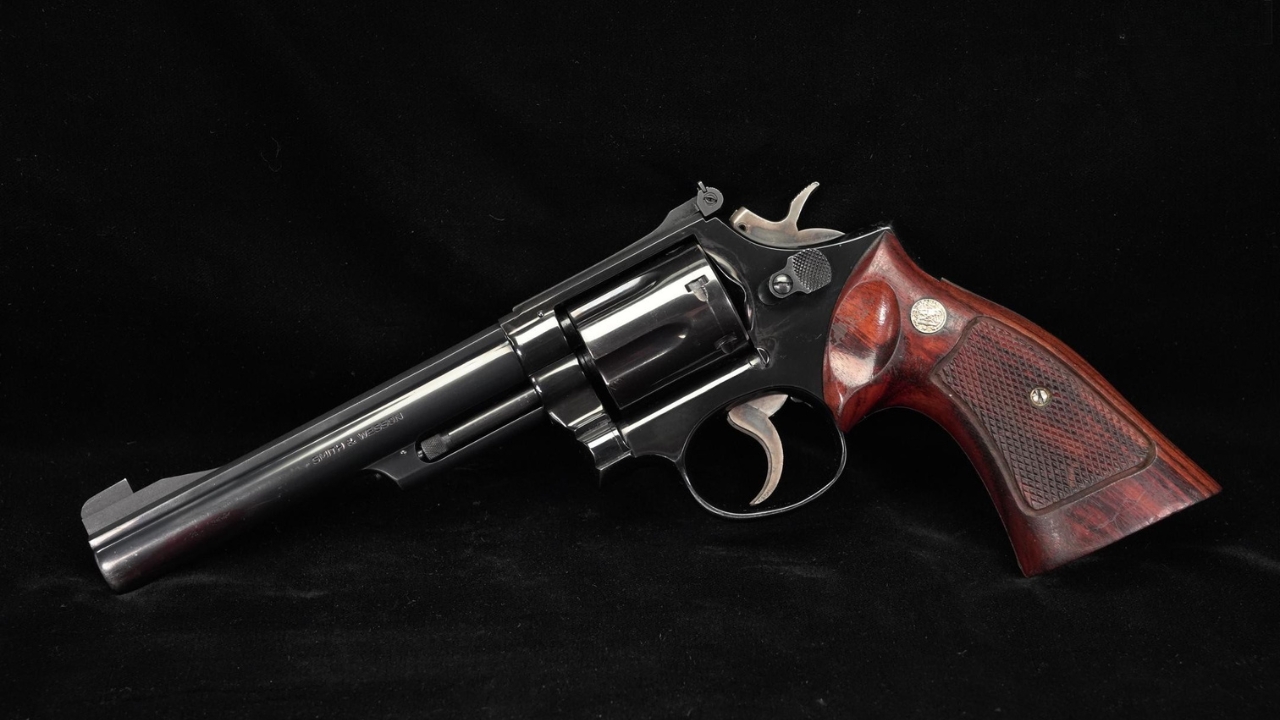
The Model 19 is one of those revolvers that points like it was built for your hand. It carries slimmer than the L-frames, and that makes it feel lively even with a 4-inch barrel.
Here is the honest part: I do not treat a Model 19 like a steady diet magnum blaster. For defense, you can run .38 +P or sensible .357 loads and be fine, and you get a gun that is easier to hold on target than a lot of newer “tactical” stuff.
4. Smith & Wesson Model 66 (stainless K-Frame)

Take the Model 19, make it stainless, and you have the 66. If you live where humidity is a constant, or you just want a gun that does not look rough after a few years of being handled, stainless makes life easier.
A 2.75- or 4-inch Model 66 is a handy house gun, especially with a set of grips that fill your palm. It is not as forgiving as a heavy L-frame with full magnum loads, but it is an all-arounder that earns its keep.
5. Smith & Wesson Model 27 (N-Frame)
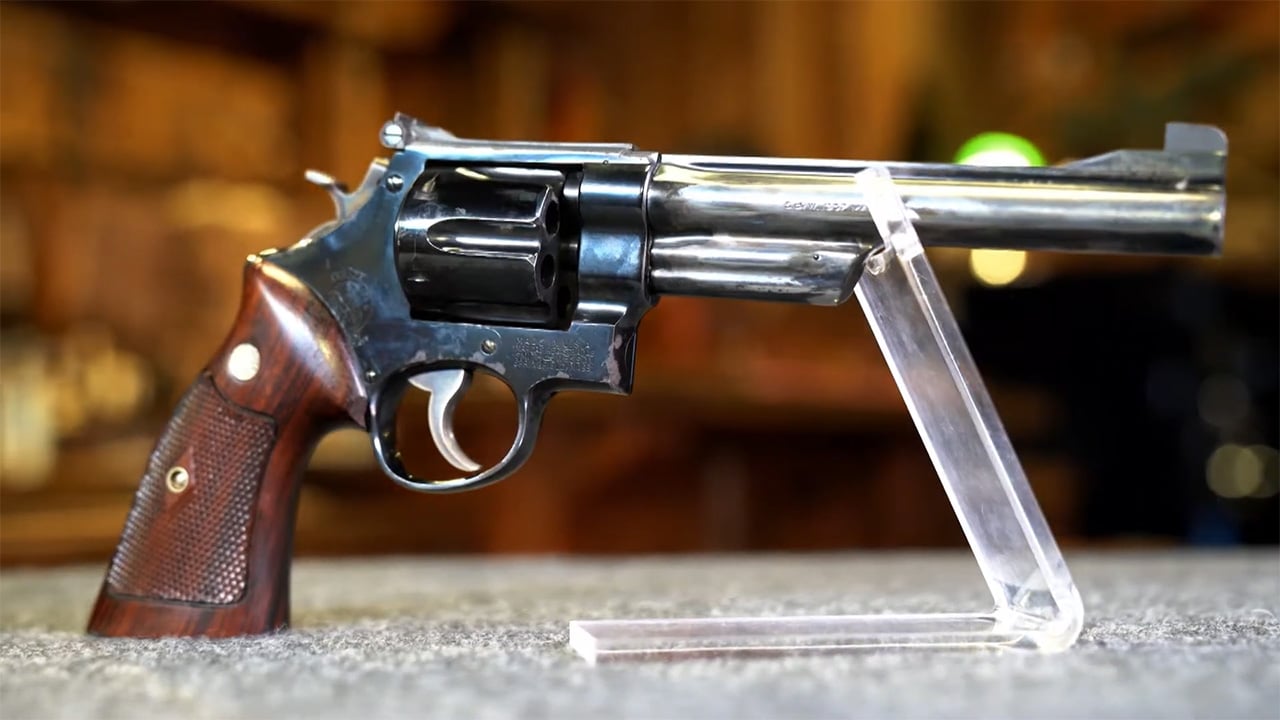
The Model 27 is what you buy when you appreciate overbuilt steel and old-school fit. It is big, it is heavy, and it is smooth when you find a good one.
For home defense, that weight is not a penalty. It soaks recoil, settles quickly, and it is easy to shoot accurately. The only “problem” is you will baby it if it is a high-condition older gun, and that is a mindset thing.
6. Smith & Wesson Model 28 Highway Patrolman

The 28 is the working man’s N-frame, and I mean that as a compliment. It is not as polished as the 27, but it is still a big, tough .357 that will outlast you.
If you want an N-frame shooter without paying for the fancy finish, the 28 is a straight answer. Stick with a 4-inch if you want a good compromise between handling and blast.
7. Smith & Wesson Model 627 (8-shot N-Frame)
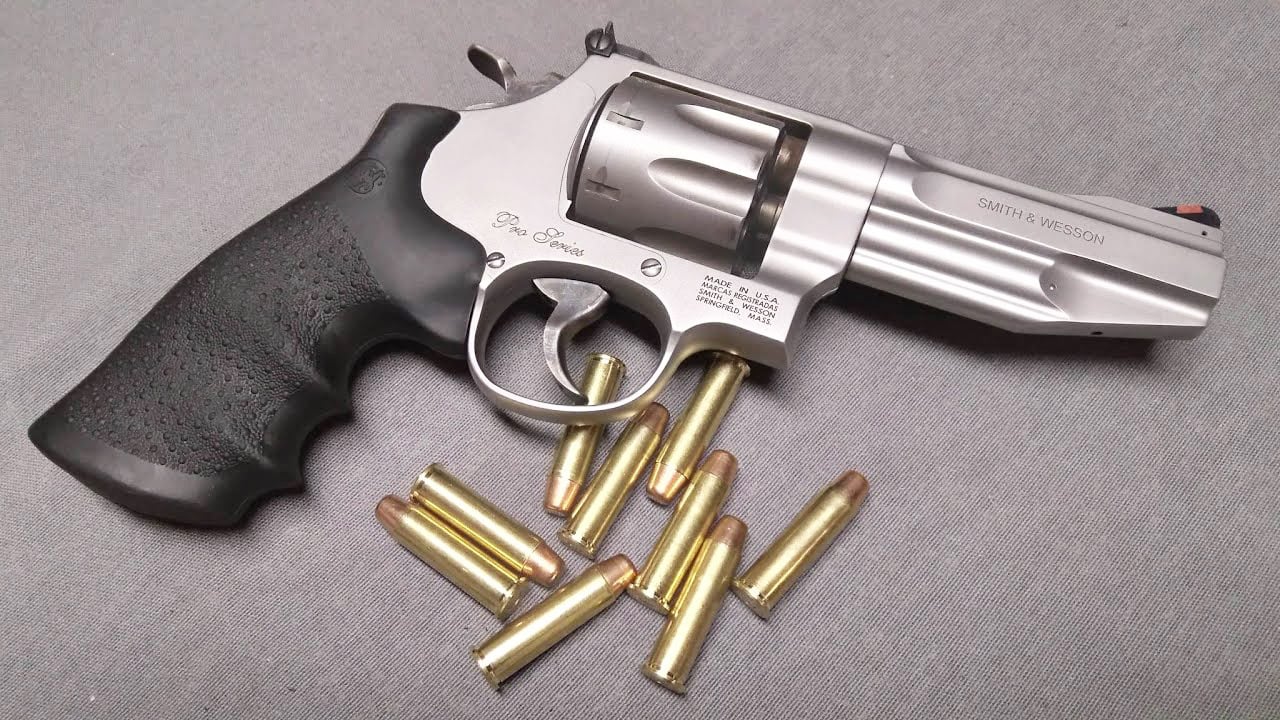
Eight rounds in a .357 revolver changes the conversation a little. The 627 is not small, but it gives you more on-board ammo without turning into a semi-auto training project.
With moon clips it can be very fast to reload, but even without them it is a lot of capability in a simple package. If your hands like bigger frames and you want the capacity, it is hard to ignore.
8. Smith & Wesson Model 60 (J-Frame, small but real)
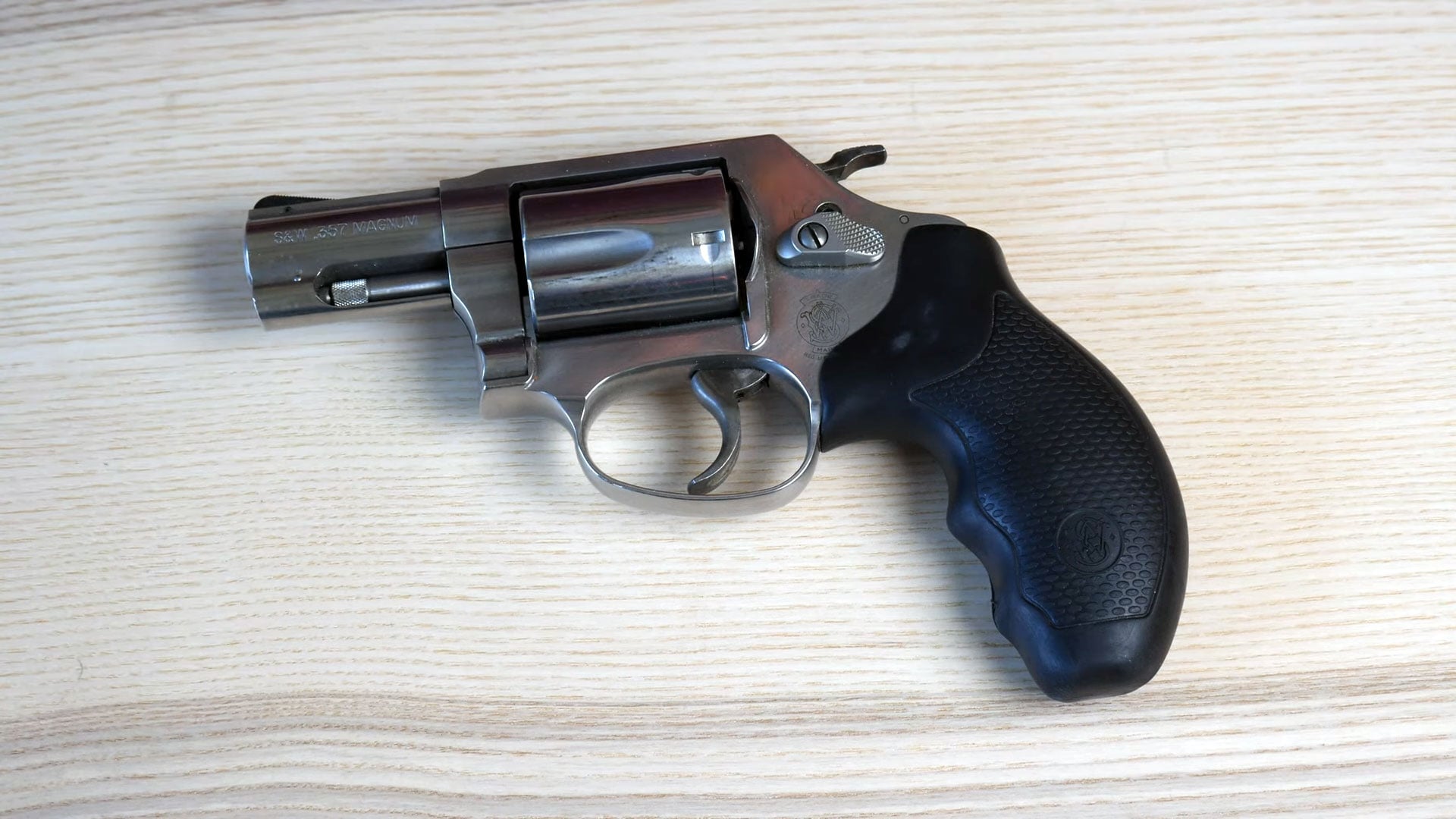
A J-frame .357 is not everybody’s idea of a home-defense gun, but hear me out. The Model 60 is small enough that it disappears in a quick-access safe and it is easy for smaller-handed shooters to manage in .38s.
With full-power .357, it is sharp. No way around it. But loaded with quality .38 +P and practiced with, it is a simple, reliable choice that does not demand a lot of storage space.
9. Ruger GP100 (tank-built workhorse)
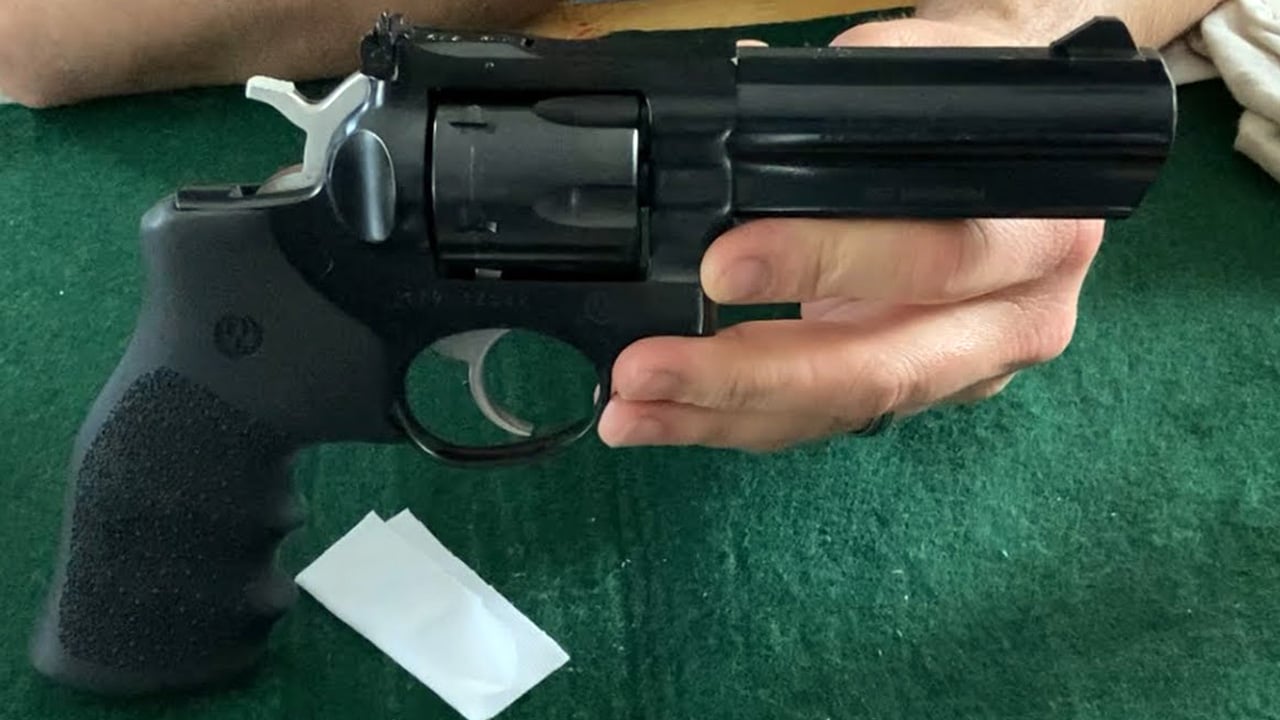
The GP100 is the revolver you buy when you are tired of delicate. It is beefy, it locks up like a bank vault, and it does not seem to care what you feed it.
The trigger can feel a little heavier than some Smiths out of the box, but it smooths with use. For a nightstand gun that might go years between range days, ruggedness counts.
10. Ruger Security-Six (classic Ruger carry/house gun)
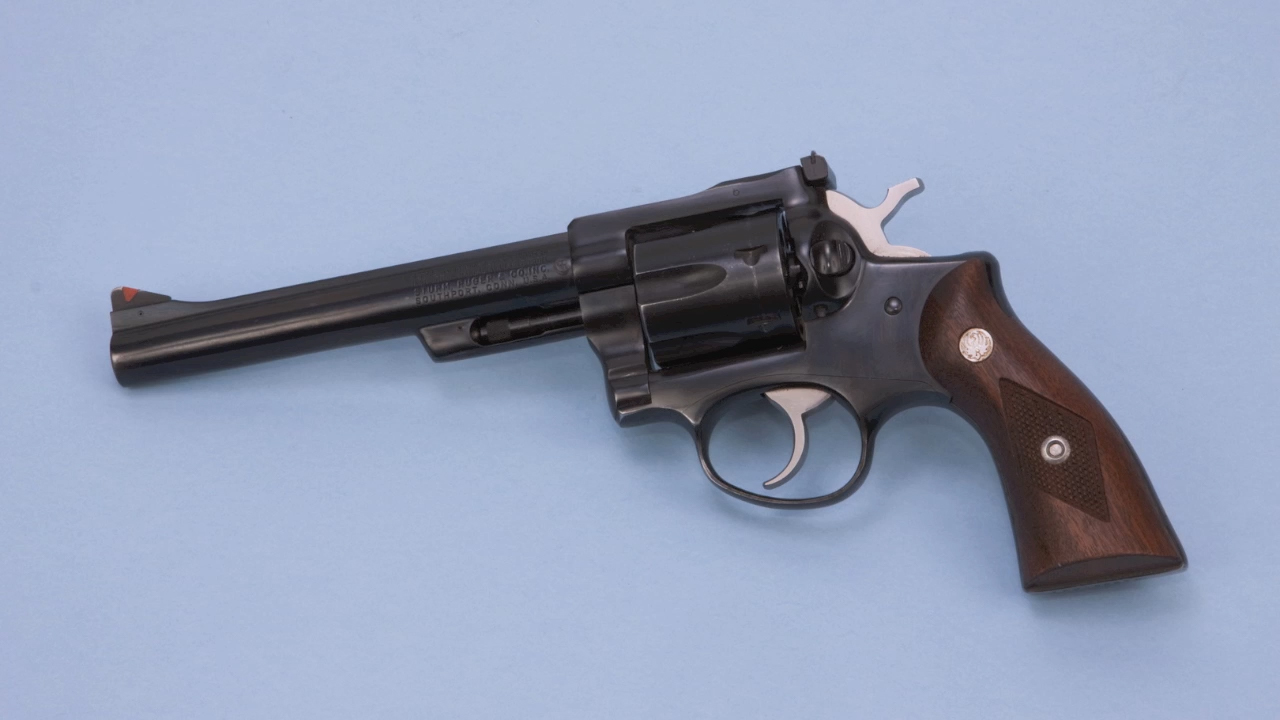
The Security-Six line has been riding in trucks and sitting in nightstands for a long time, and there is a reason. They are solid revolvers without being as thick as the GP100.
If you find one with a good timing and a clean bore, you are looking at a no-nonsense .357 that will do the job. Parts and grips are still around, and there is a nice simplicity to them.
11. Ruger SP101 (small-frame tough)
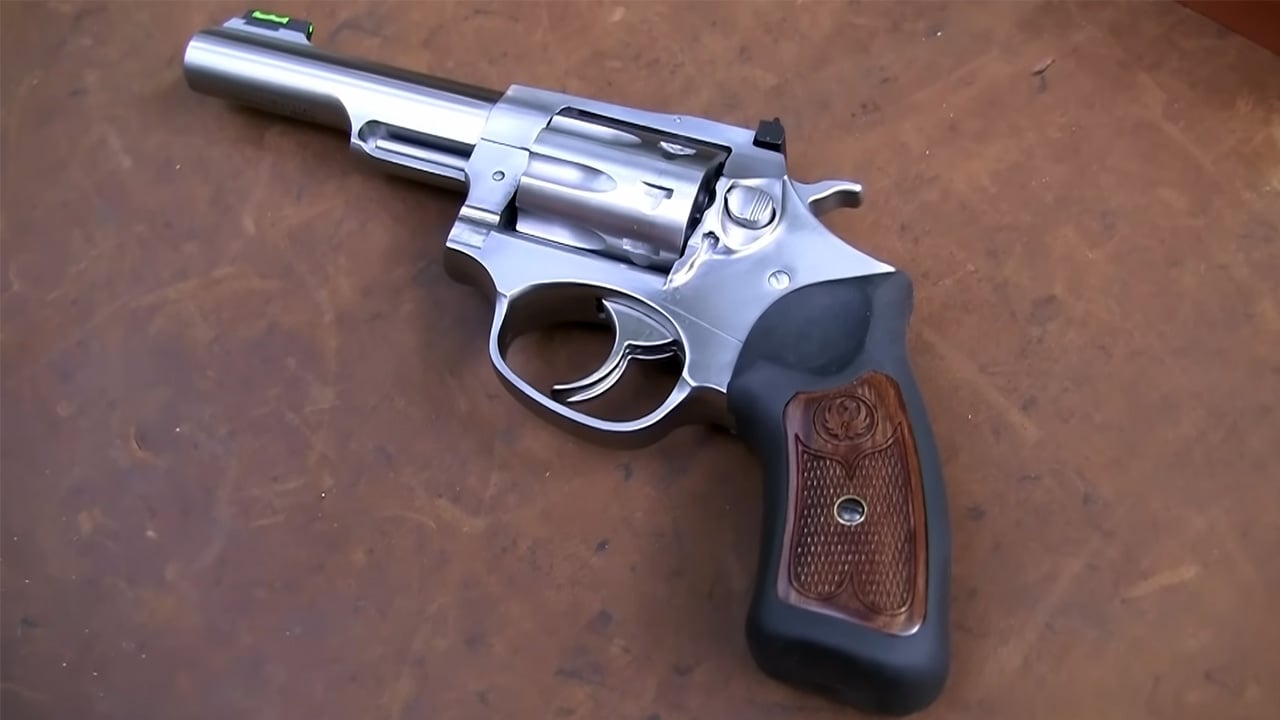
The SP101 is a small revolver that does not feel small when you touch off magnums. It has more steel than most “small” .357s, and that weight helps.
For home defense, I like it with a 3-inch barrel if you can find it. It is still compact, but it gives you better control and a little more sight radius without getting awkward in tight spaces.
12. Ruger Blackhawk Convertible .357 (single-action, not for everyone)
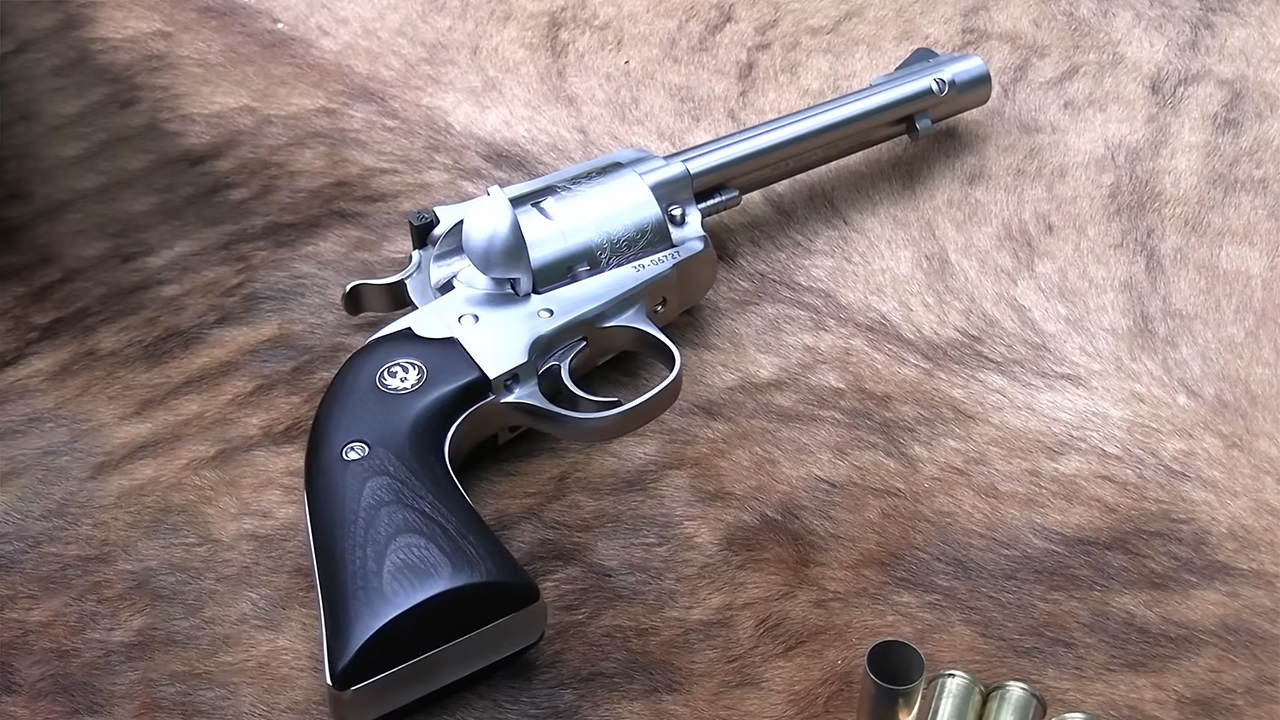
Yes, it is a single-action. No, it is not my first pick for most households. But the Blackhawk is accurate, extremely durable, and simple in its own way if you actually train with it.
If you already live with a single-action on your belt during chores and you know it like you know your boots, it can serve at home too. Just be honest about the manual of arms and do not assume it will “work itself out” under stress.
13. Colt Python (new production or classic)
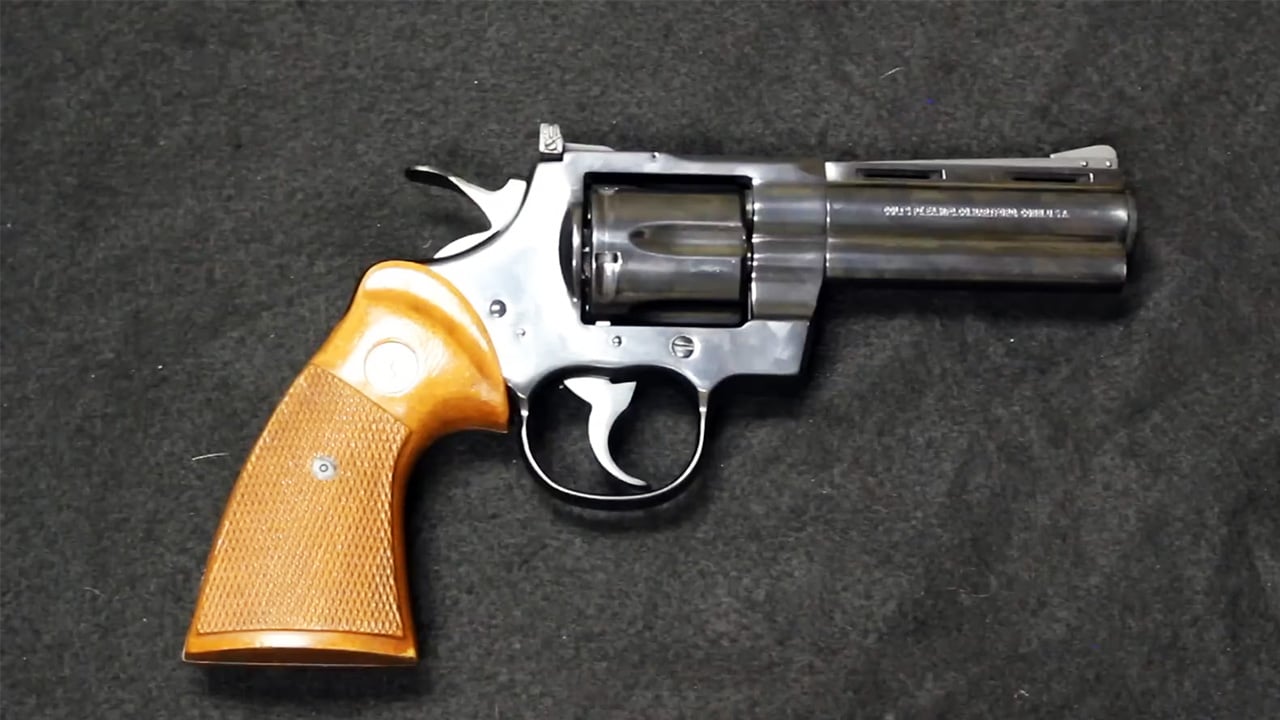
The Python gets talked about like it is a mythical creature. In real life, it is a very shootable .357 with excellent sights and a feel that a lot of folks fall in love with.
For defense, it is absolutely capable, but I do not love the idea of a high-dollar safe queen being your primary “bump in the night” tool. Still, if you own one and you shoot it well, it is hard to argue against success.
14. Colt King Cobra (3-inch sweet spot)

The King Cobra is a more down-to-earth Colt choice. The 3-inch versions in particular handle fast and carry enough barrel to keep the blast from being completely obnoxious.
It is a good middle ground: durable, modern manufacturing, and not priced like a collector’s item. If you want a defensive revolver that you will actually use, this one fits.
15. Colt Trooper Mk III (used-gun sleeper)
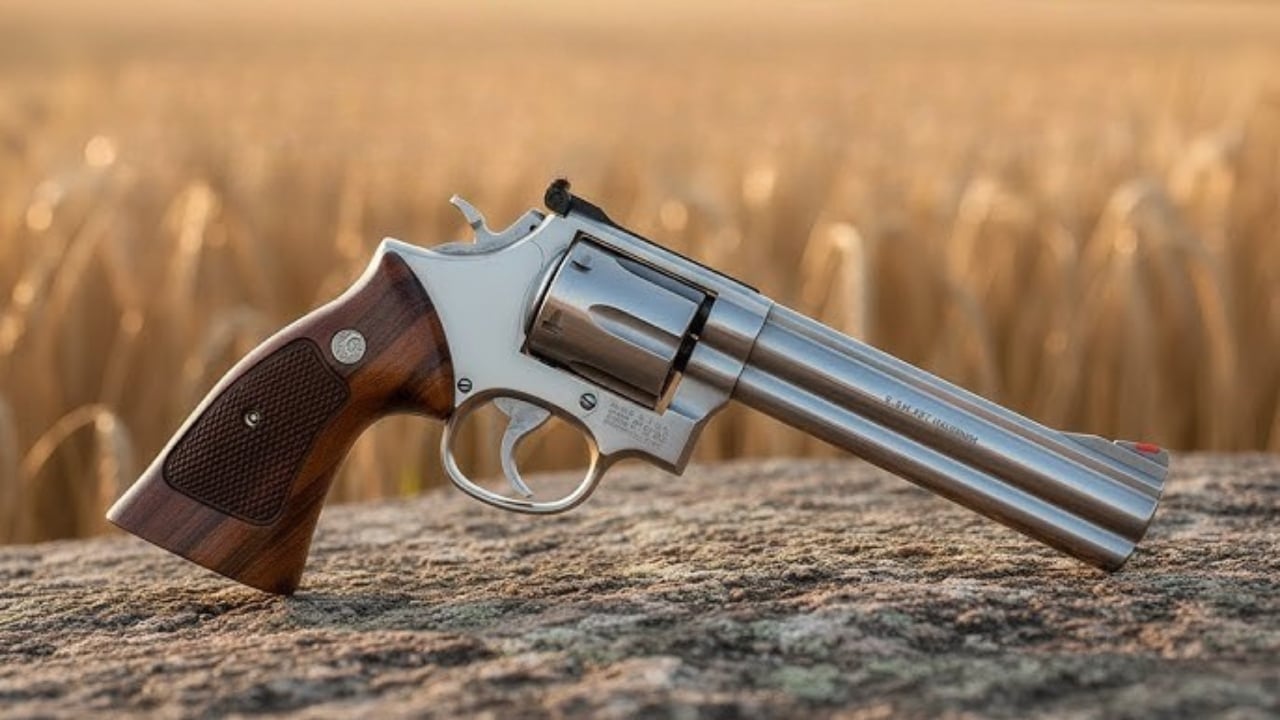
The Trooper Mk III is one of those used-counter finds that can turn into a long-term keeper. They are not as “romantic” as a Python, but they are solid revolvers that were built for real service.
When you find one that locks up right, you get a lot of gun for the money. I like them as a practical home option because they tend to be shooters, not museum pieces.
16. Kimber K6s (6 s
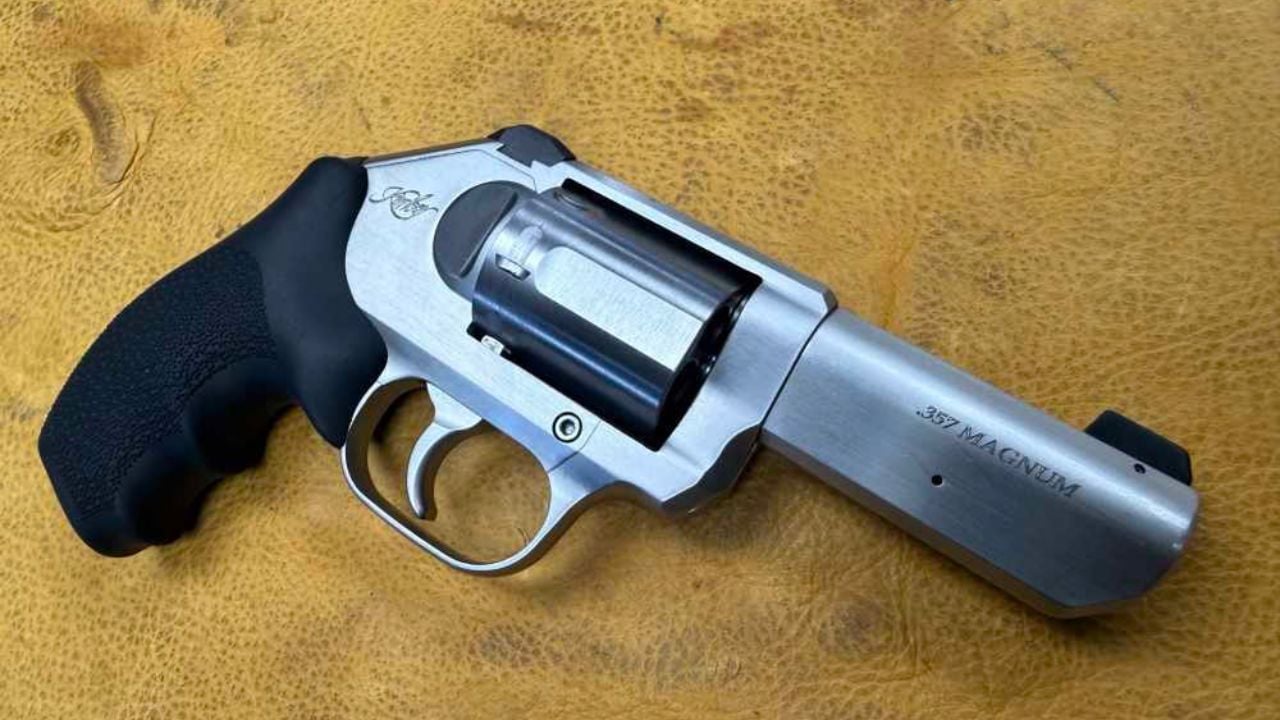
hots in a compact package)
Kimber making a revolver surprised a lot of people, and the K6s ended up being legit. Getting six rounds in a compact cylinder is nice, especially if you want something smaller than the usual nightstand bricks.
Recoil is still recoil, and the lighter guns remind you of that. But the K6s carries and stores easily, and the design has proven itself better than a lot of folks expected.
17. Taurus Model 66 (7-shot budget-friendly)
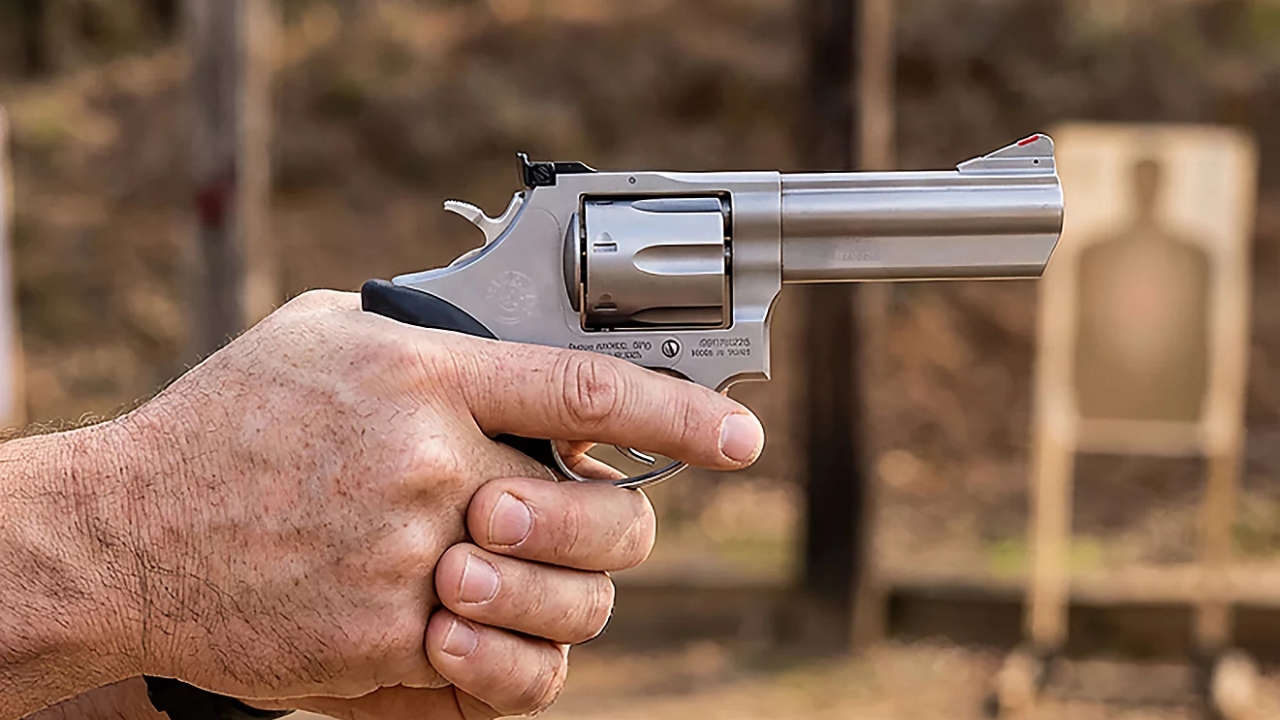
Taurus gets side-eye in some circles, and some of it is earned. Still, the current Model 66 in seven-shot form gives you a lot of capability for the money.
If you go this route, test it. Run enough rounds to know it stays in time and the trigger is consistent. When you get a good one, it can be a very practical home revolver that does not crush your wallet.
18. Taurus Tracker 627 (7-shot, lighter carry/house crossover)
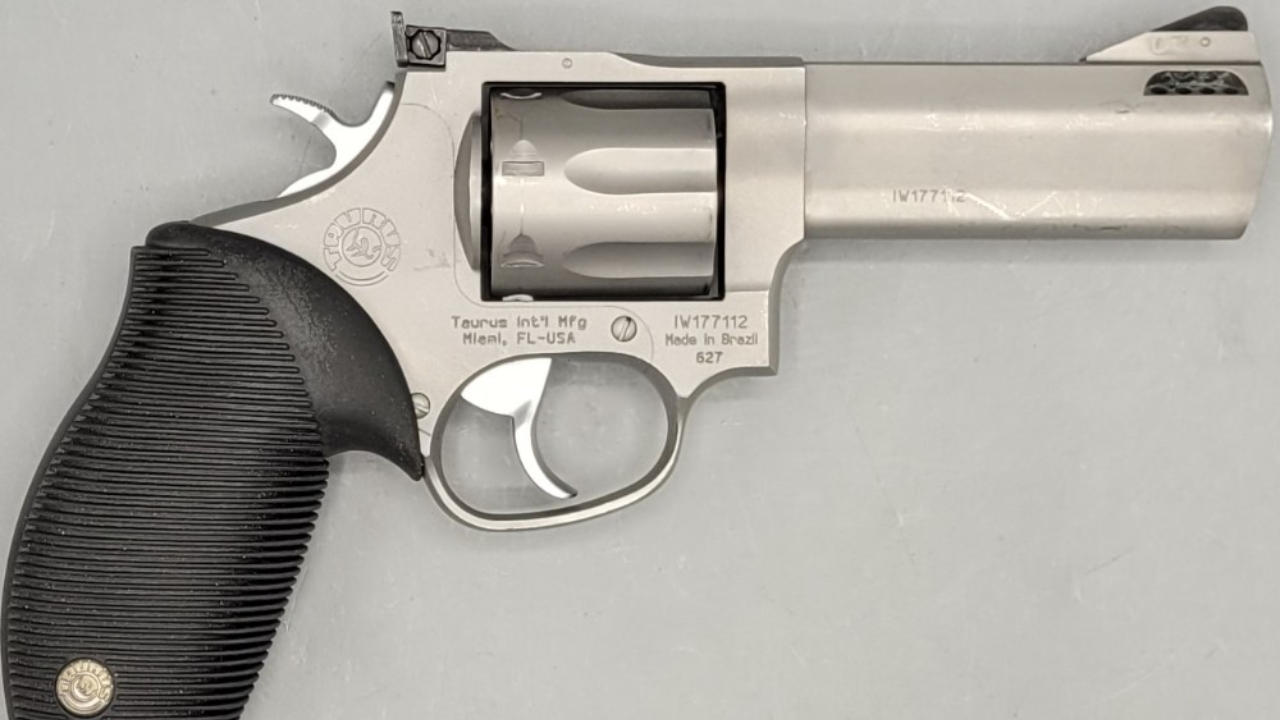
The Tracker series sits in that crossover zone: light enough to pack on the property, big enough to shoot well. In .357 with seven rounds, it can be a handy “one gun” option for folks who live rural and do not want a separate house gun and chore gun.
Just understand the trade: lighter weight equals more snap with magnums. With .38s, it is comfortable and easy to control, and that is how many people end up running them most of the time anyway.
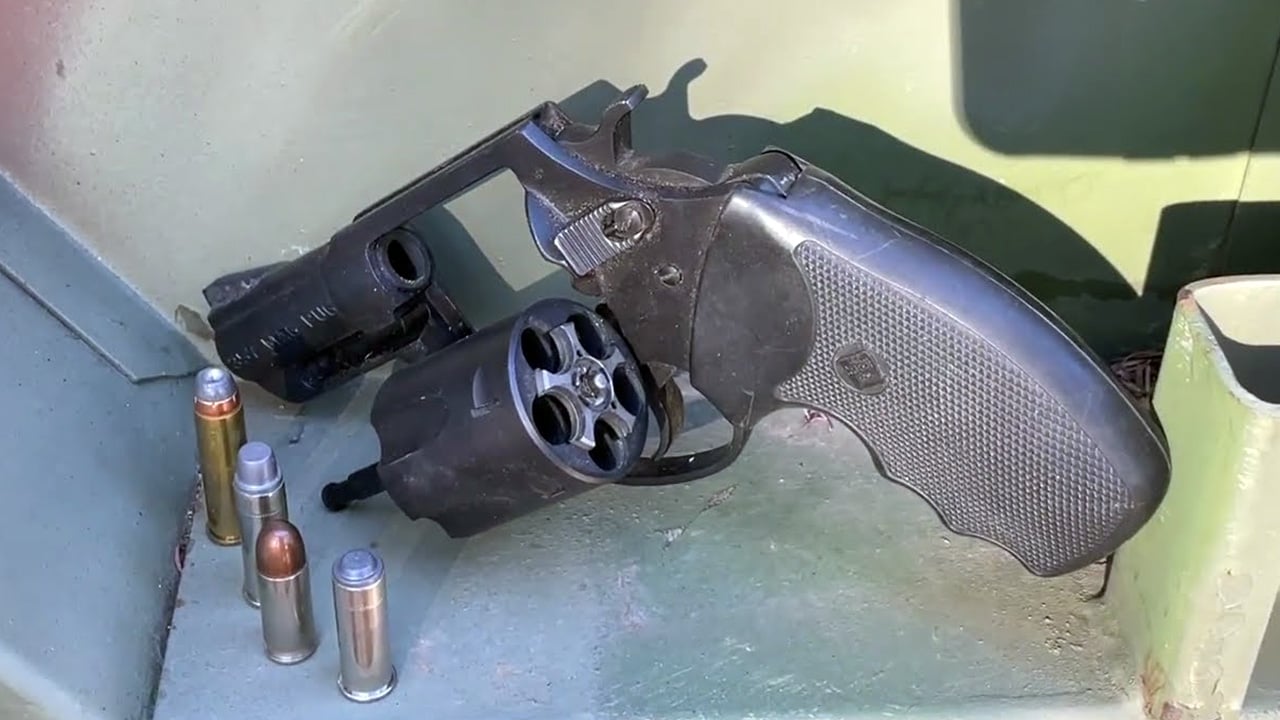
19. Charter Arms Mag Pug (snub that stays honest)
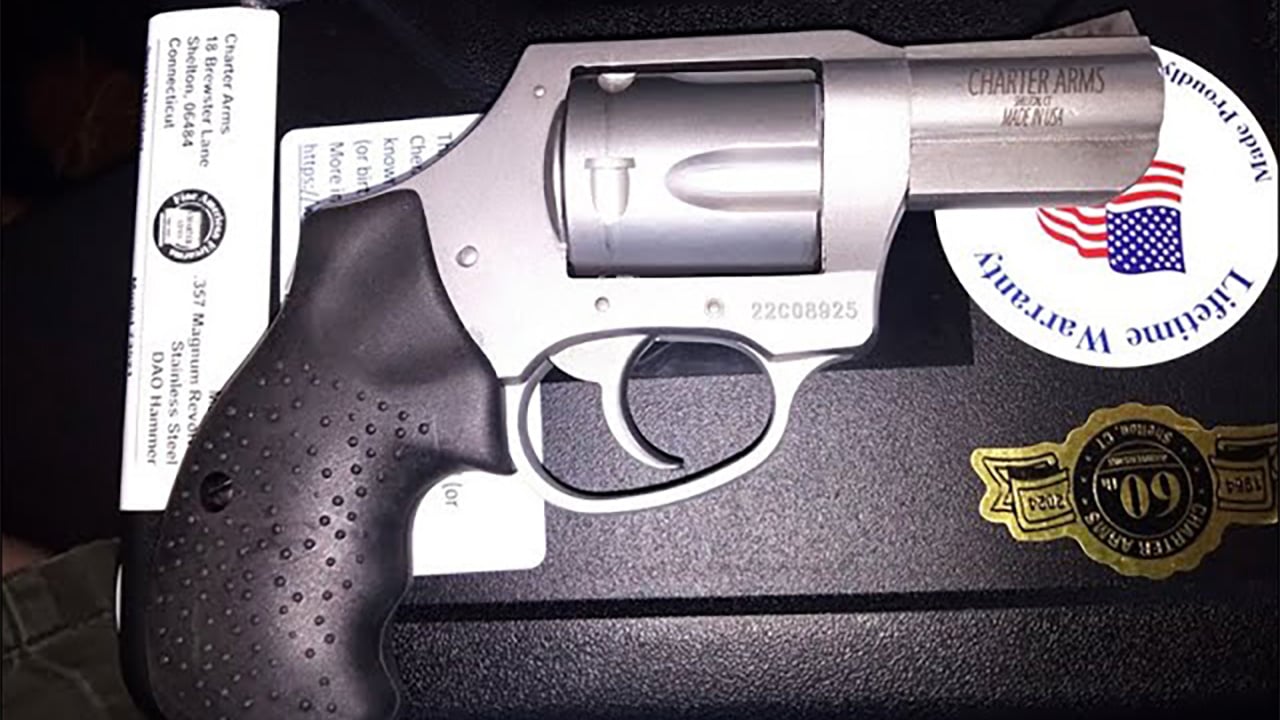
Charter Arms has been making straightforward revolvers for a long time, and the Mag Pug is one of the better-known .357 snubs. It is not refined, and it is not trying to be.
As a home-defense revolver, I see it more as a “simple and accessible” pick than a “shoot magnums all day” pick. Load it with .38 +P, make sure the grips fit you, and it can fill a role without drama.
20. Smith & Wesson Model 640 Pro Series (J-Frame, DAO, serious intent)
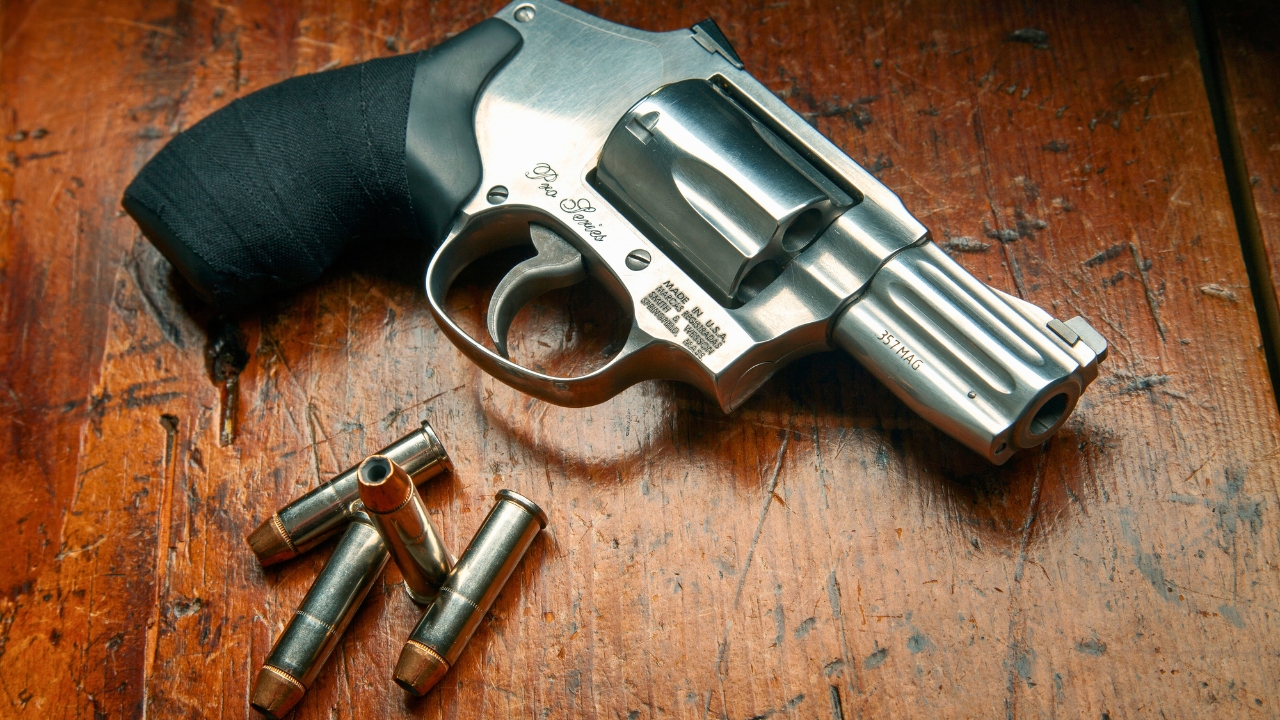
The 640 Pro is a no-nonsense little revolver: double-action only, enclosed hammer, built to be carried without snagging. For home defense, that enclosed hammer also means nothing to catch if you are moving around in the dark with a flashlight and a phone in play.
It is still a J-frame, so do not expect it to be pleasant with hot .357. With controllable loads and real practice, it is a serious tool that keeps things simple when you are not feeling wide awake.
A .357 revolver is not magic, and it will not cover up bad habits. You still need a safe storage plan, a light you can actually use, and enough range time to run the trigger without thinking about it. But if you pick a model that fits your hands and your tolerance for recoil, a good wheelgun is still one of the most dependable “works when you need it” answers out there.
Like The Avid Outdoorsman’s content? Subscribe to our newsletter so you never miss an article.
Here’s more from us: