Photo credit: Ultimate Reloader/Youtube
Walk into any gun shop on a Saturday and you’ll hear the same thing: “I just want something for the house.” Fair enough. But home defense is where bad choices get loud fast. The wrong gun can turn a stressful moment into a malfunction, a miss, a blast of muzzle flash in a dark hallway, or a bunch of complicated training issues you didn’t sign up for.
This isn’t about shaming anybody’s safe. It’s about pointing out the specific models that tend to create headaches for regular folks when the job is simple: be safe, be reliable, be controllable, and be easy to run under pressure. If you own one of these and you’ve got it vetted and you train with it, good. If you’re shopping, this is the stuff I’d think hard about before you slap down a credit card.
1. Taurus Judge (2.5″ .410/.45 Colt)

I get the appeal. It looks like it was built for a one-gun solution: revolver reliability with shotgun “spread.” In the real world, the short barrel and .410 defensive loads often pattern in a way that’s not as forgiving as folks think, and the .45 Colt out of that platform can be a handful for some shooters.
It also tends to be big and awkward compared to a normal defensive handgun, which means it ends up left in a drawer instead of on a belt or staged in a real quick-access safe. If you’re serious about a revolver for the house, there are better options that don’t lean so hard on gimmick ammo.
2. Smith & Wesson Governor
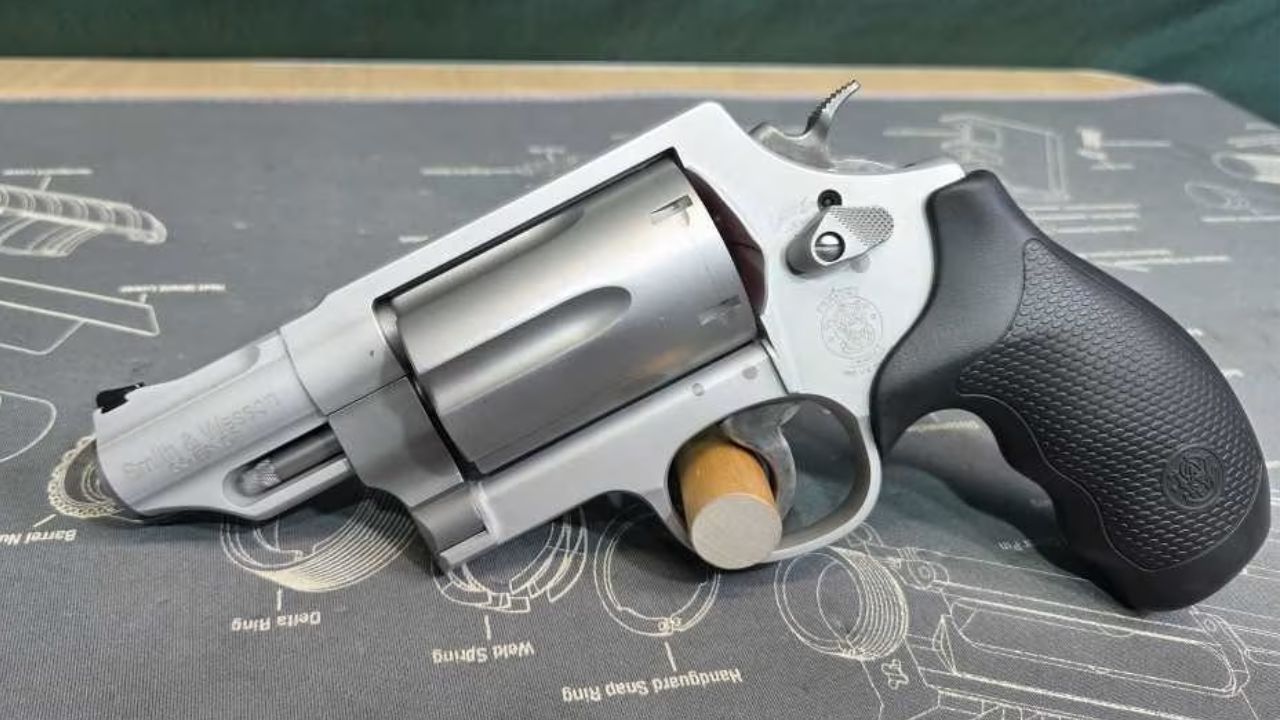
Same song, different brand name. The Governor adds .45 ACP capability, which sounds great until you’re dealing with moon clips, mixed ammo choices, and the temptation to make it do everything. Multi-caliber guns are cool right up until you need consistency.
For home defense, you want boring. Boring means the same recoil, the same sight picture, the same trigger feel, the same reload plan every time. This one nudges people toward the opposite.
3. Cobra Big Bore Derringer
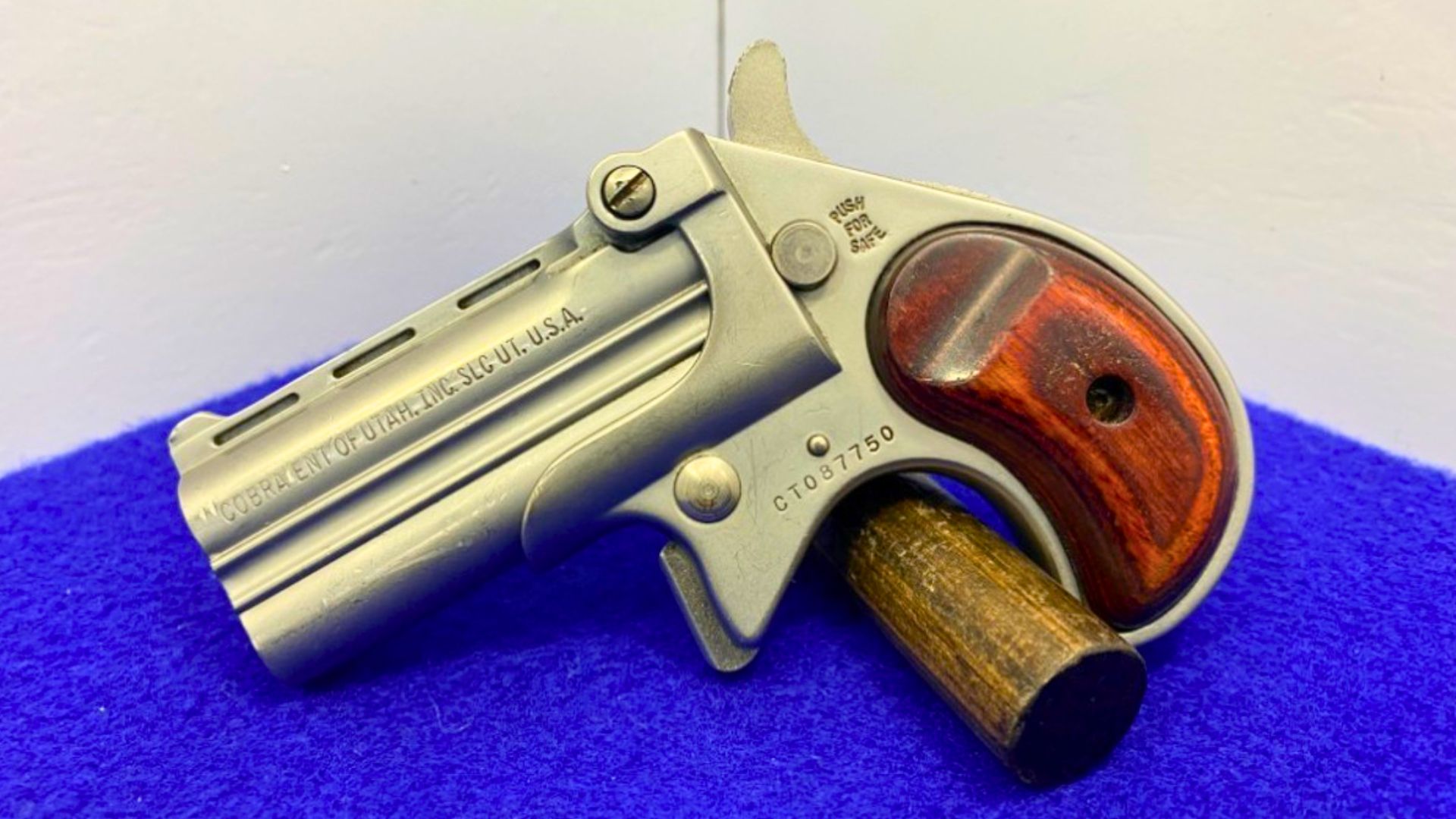
Little two-shot derringers get bought for “just in case” moments and then live their whole lives without meaningful practice. The trigger is usually heavy, the sights are basically a suggestion, and follow-up shots are slow even if you’re good.
Two rounds is a thin plan if your hands are shaking and your brain is trying to process what’s happening. As a novelty or deep concealment backup, sure. As a primary home gun, it’s a problem waiting to happen.
4. Bond Arms Texas Defender
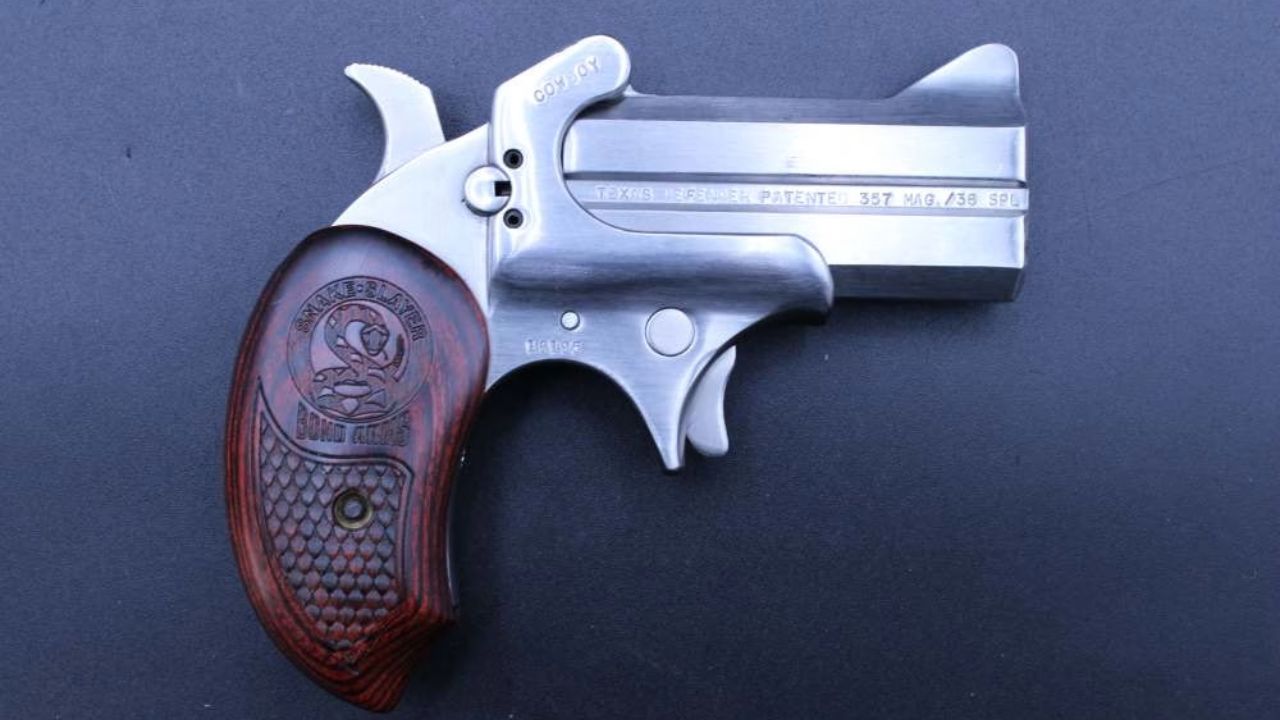
Bond Arms makes stout little tanks, and I respect that. But a big-bore, two-shot pistol with a short grip is still a two-shot pistol with a short grip. Recoil can be sharp, and the manual-of-arms is not intuitive for folks who don’t train.
What worries me most is how often these end up in nightstands because they “feel simple.” Simple would be a reliable handgun with real sights and a real capacity, not a chunky two-banger.
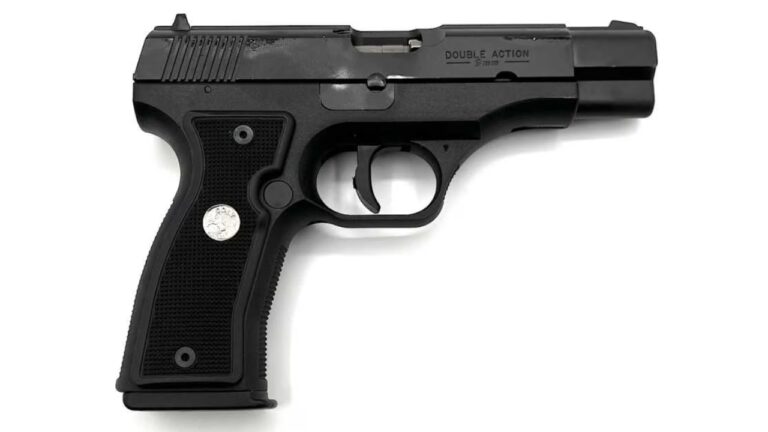
5. Hi-Point C9
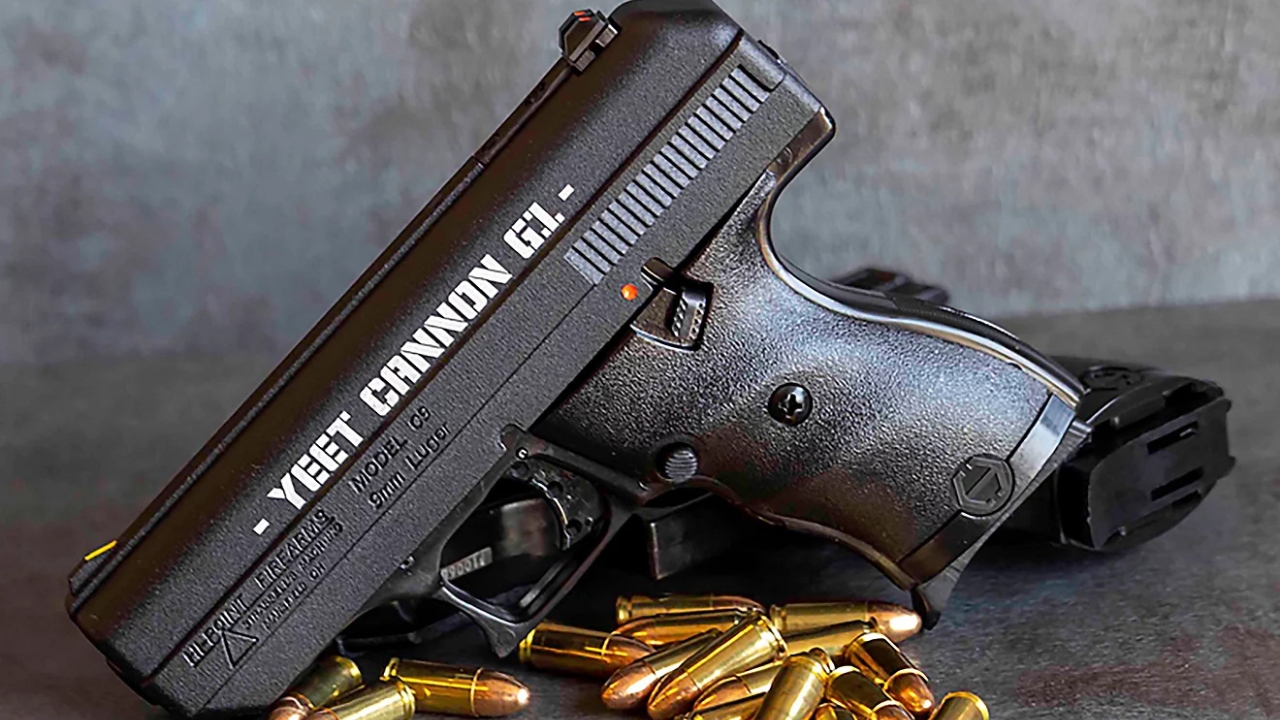
Yes, some run fine. Yes, they can be surprisingly accurate. The issue is the overall user experience when adrenaline shows up: heavy slide, clunky controls, and a tendency for magazines and feed geometry to be picky if anything gets out of spec.
When a gun is cheap enough that owners don’t practice much and don’t replace worn magazines, it becomes a home-defense liability. A budget pistol that’s actually easy to run beats a “deal” that you can’t manipulate well in the dark.
6. Taurus PT111 Millennium G2
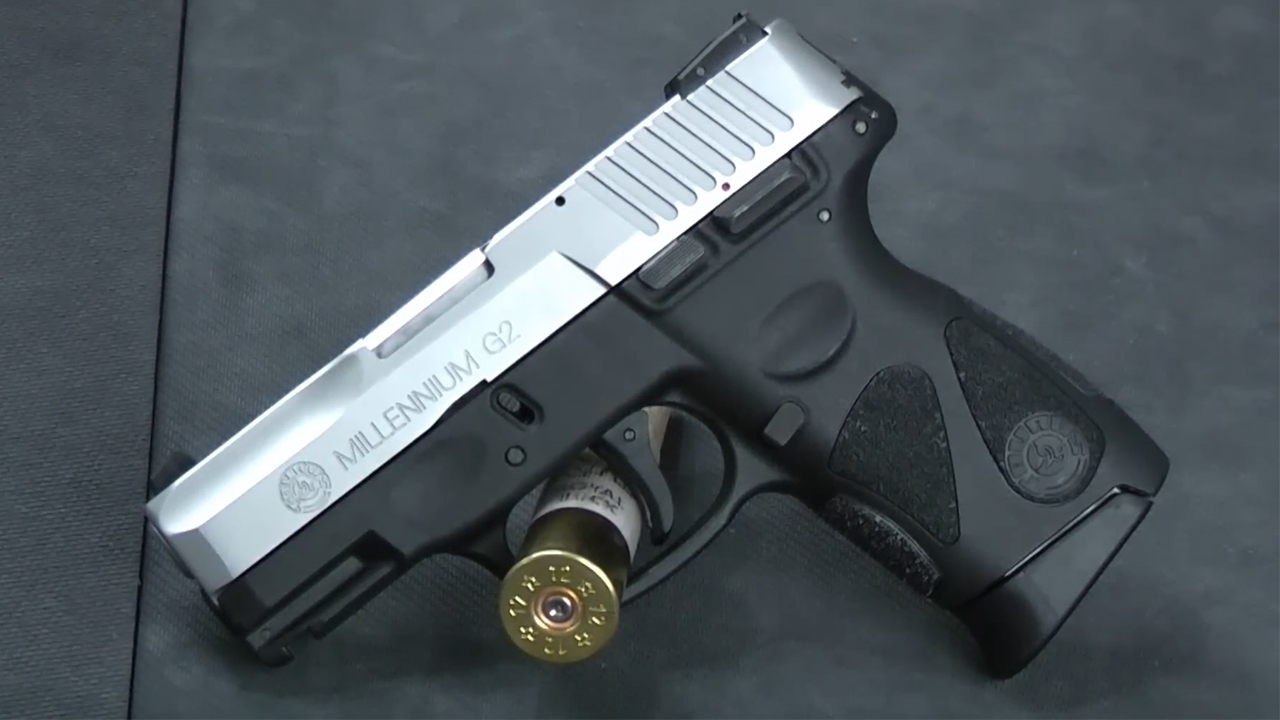
These sold like hotcakes for a reason: price and size. But this is one of those pistols where you’ll hear wildly different stories depending on the individual gun and the magazines. Some are fine. Some are fussy. That inconsistency is the problem.
Home defense guns need to be boringly repeatable. If you’re going to trust your life to a pistol, you don’t want to wonder if yours is one of the good ones.
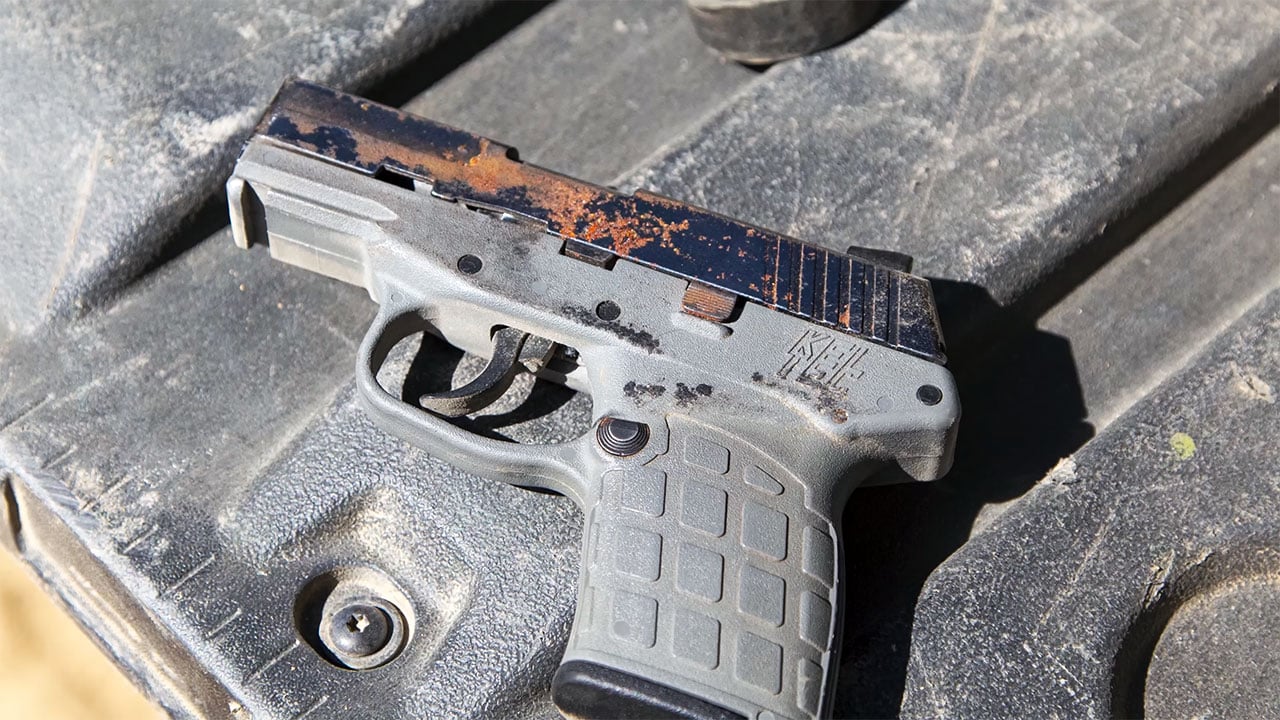
7. Kel-Tec PF-9
The PF-9 is thin, light, and easy to carry. That’s exactly why it can be miserable to shoot. Snappy recoil, a long trigger, and a grip that doesn’t forgive sloppy fundamentals can push people into bad habits fast.
For a dedicated house gun, you’re allowed to pick something bigger and softer-shooting. A pistol that you actually enjoy practicing with wins every time.
8. Ruger LCP (.380 Auto)
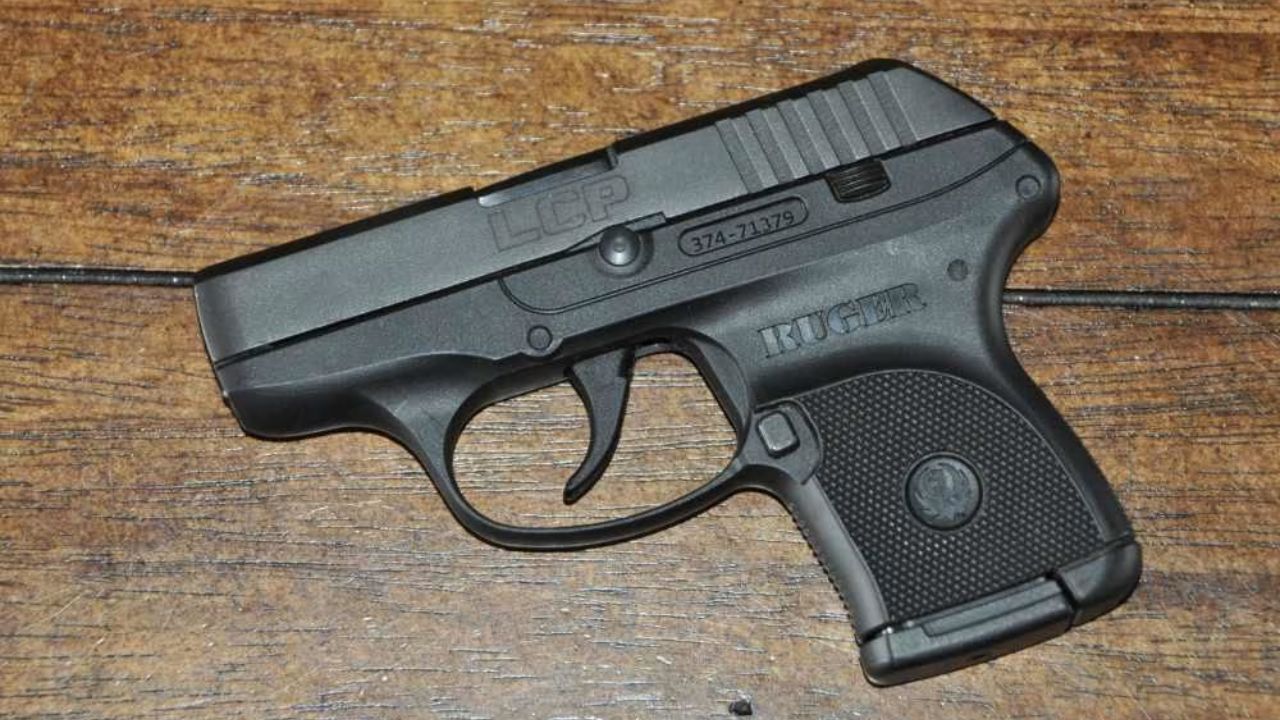
I like the LCP for what it is: a legitimate pocket gun. The problem is when it gets drafted into home-defense duty because it’s the only handgun in the house. Tiny sights, tiny grip, and tiny .380 performance are all compromises.
In a hallway at 2 a.m., those compromises stack up. Keep the LCP if you need a deep concealment tool, but don’t let it be your whole plan.
9. Glock 42

The Glock 42 is a better shooter than most pocket .380s, and it’s reliable. But it still lives in the “small gun” world: shorter sight radius, less grip, less terminal performance than 9mm, and usually lower capacity.
As a bedside gun, it’s not that it won’t work. It’s that you can do better with a Glock 19, 17, or another mid-size 9mm without making your life harder.
10. Kimber Ultra Carry II (3″ 1911)
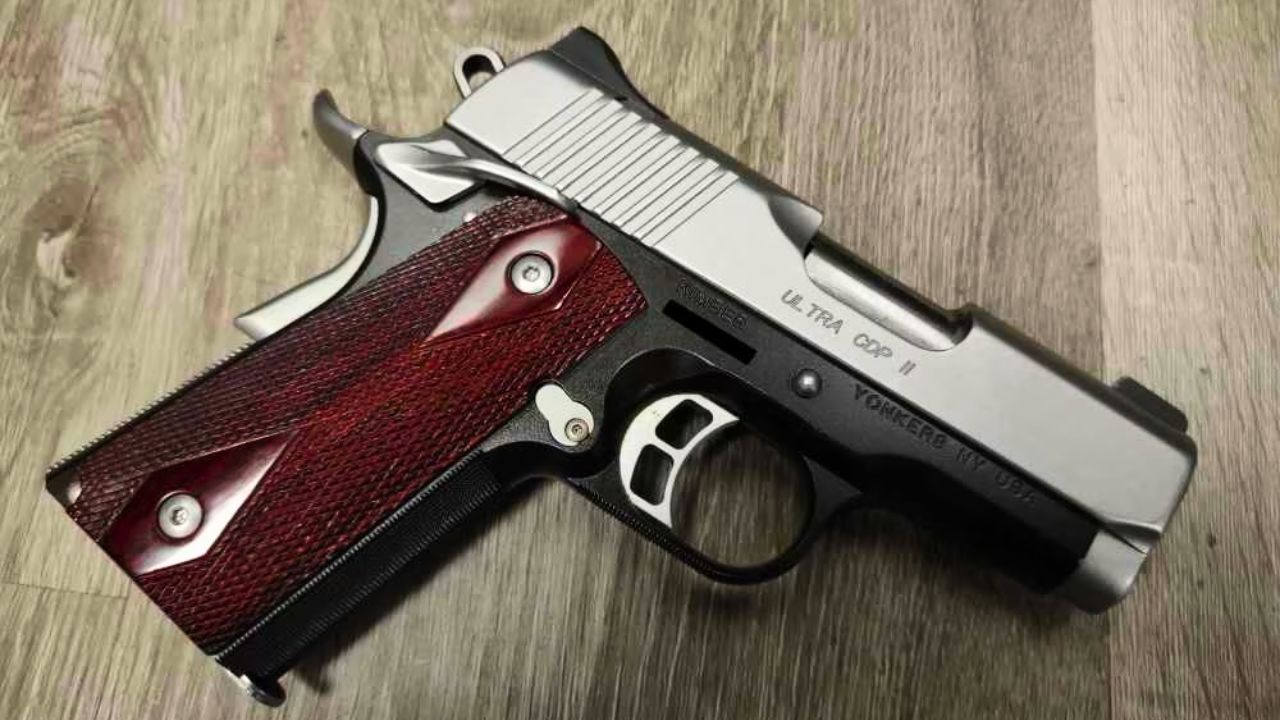
Three-inch 1911s are where a lot of folks learn a hard lesson about timing and tolerance. The platform can be great, but compacting it that far makes the system less forgiving, especially across different ammo types and magazines.
Add in the fact that many owners don’t run enough rounds to prove reliability, and you’ve got a gun that’s often chosen for looks and feel instead of hard use. If you want a 1911 for defense, I’d rather see a full-size or Commander-length that’s been vetted.
11. Springfield Armory XD-S (early 9mm models)
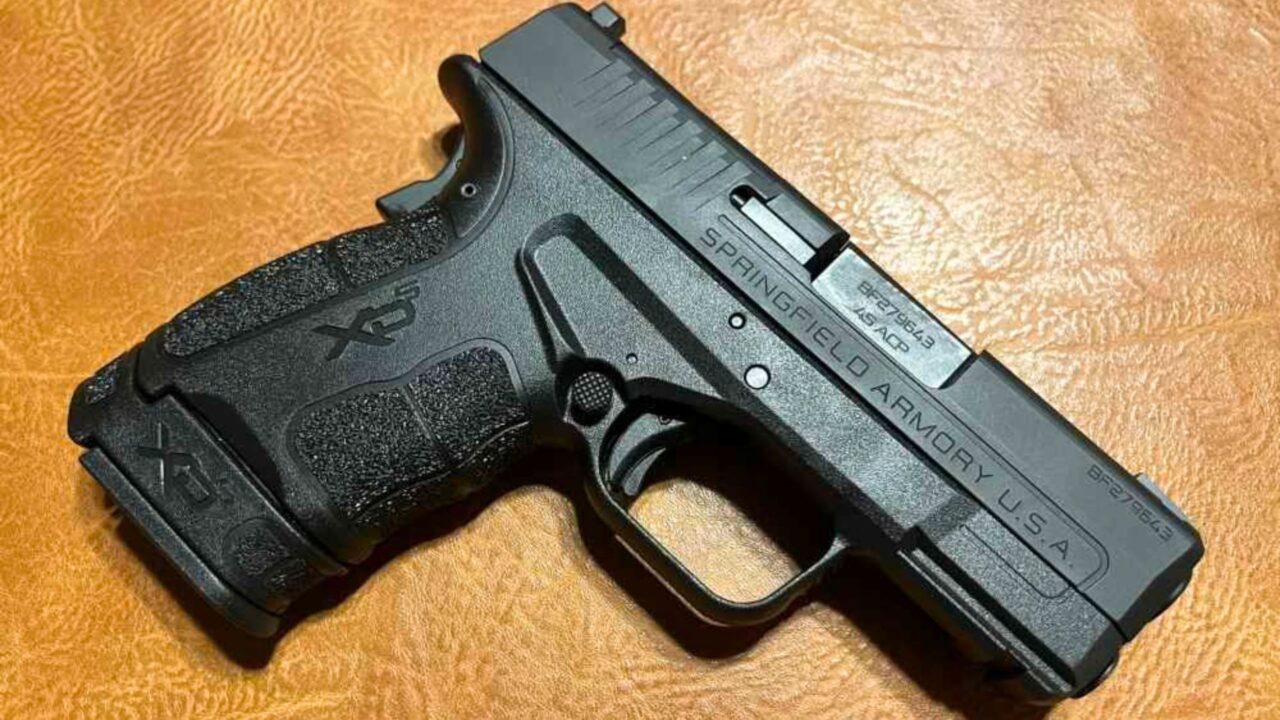
The XD-S is slim and points well for a lot of hands. But the ultra-thin 9mm category is a compromise zone: more felt recoil, more sensitivity to grip and stance, and less margin for error when you’re moving and thinking.
Some folks shoot them great. Others fight them. If you’re buying for the household, a slightly larger pistol that everybody can run is the smarter play.
12. Remington R51
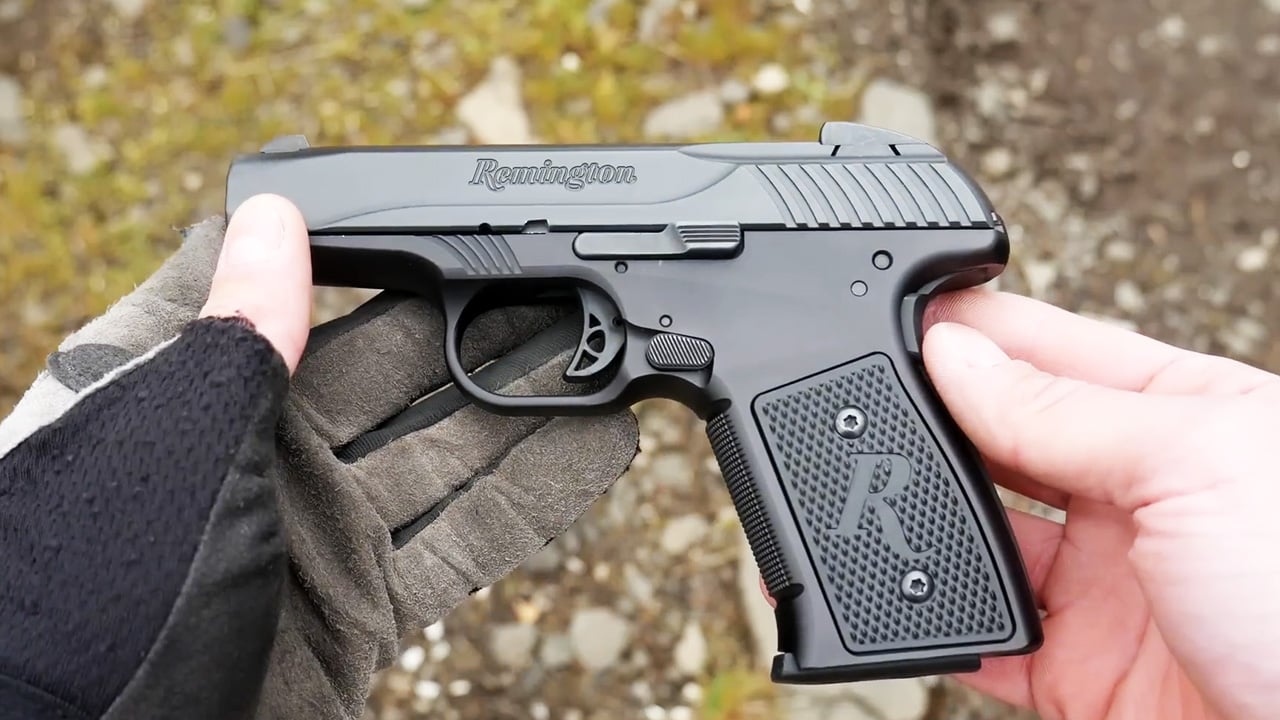
This one hurts because the concept was interesting. In practice, the R51’s early reputation was rough, and even later examples never really shook the “do I trust this?” cloud for a lot of shooters.
Home defense isn’t where you want to gamble on a gun with a spotty track record and limited long-term parts and support compared to the big hitters.
13. SCCY CPX-2
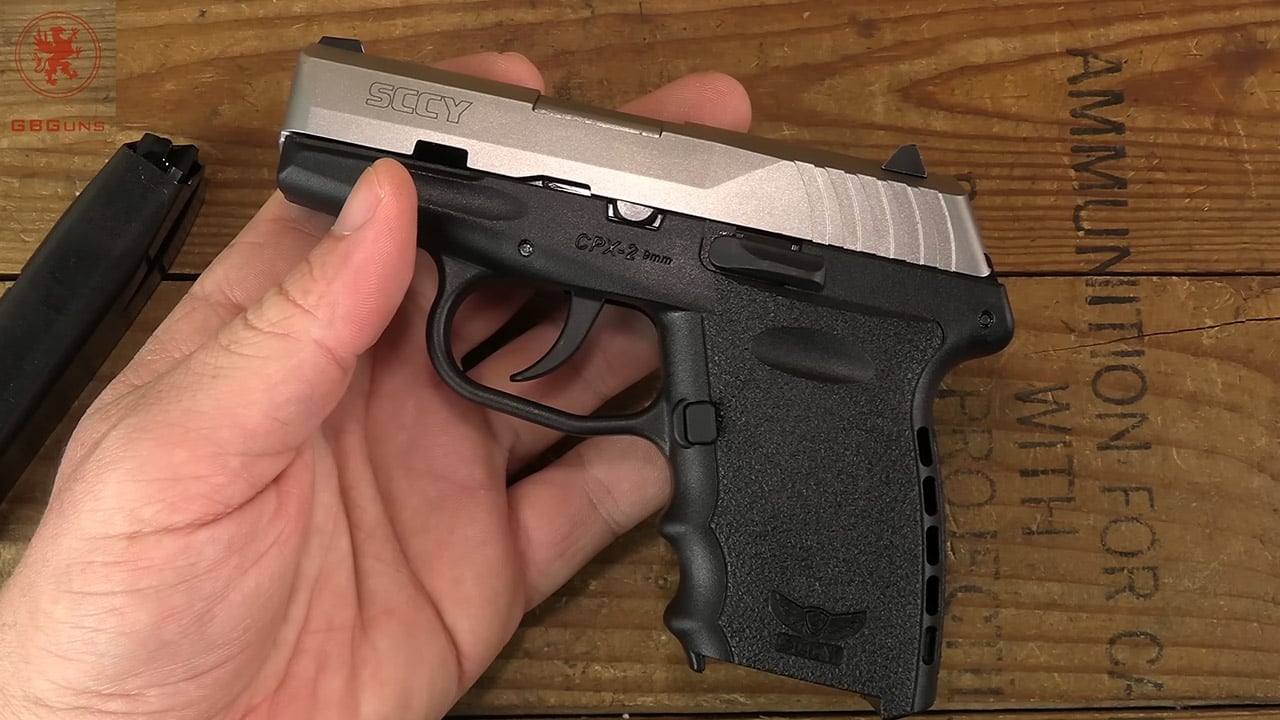
I’ve seen these work, and I’ve also seen them become “range bag mysteries” with random feeding issues tied to magazines and ammo preferences. The long double-action trigger can be a safety comfort for some, but it can also lead to low hits when stress shows up.
When the goal is fast, accurate, repeatable shots, you want a trigger and reset you can manage. If you’re already not practicing, a tough trigger doesn’t do you favors.
14. Charter Arms Bulldog (.44 Special)
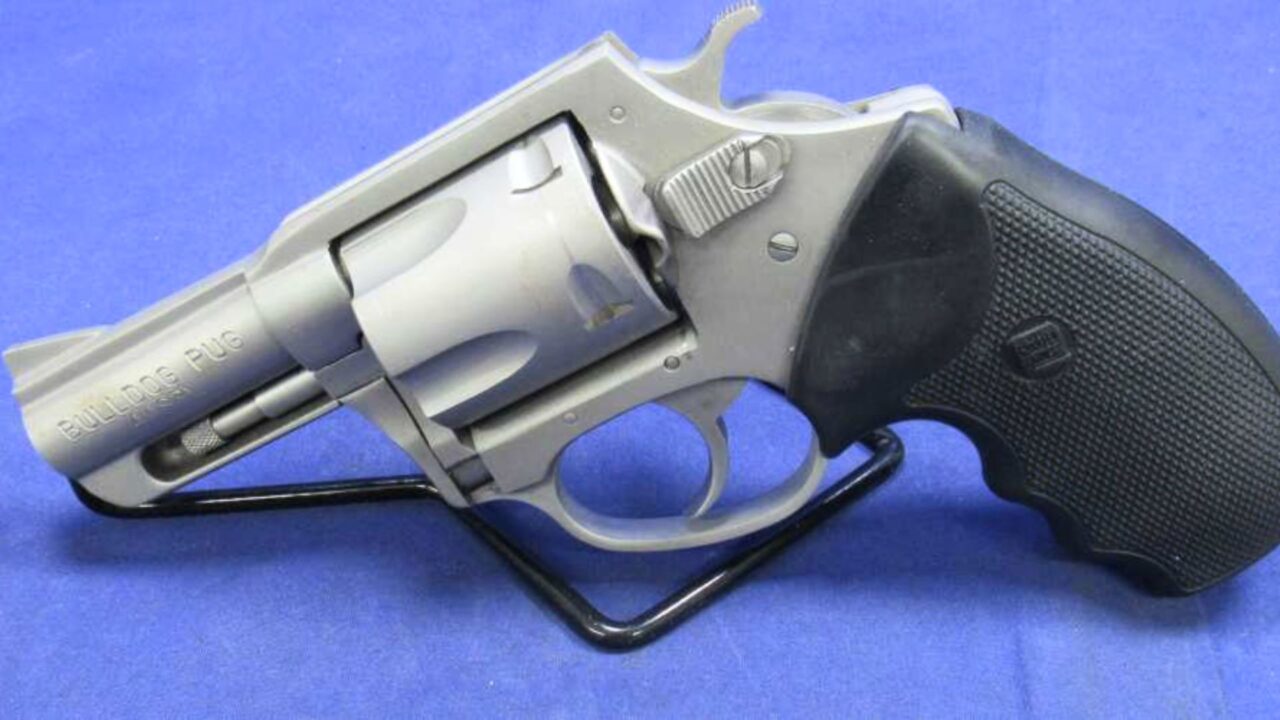
The Bulldog has a loyal fan base, and .44 Special is no joke. But lightweight snub revolvers in big bore calibers can be brutal for follow-up shots, especially for newer shooters or smaller hands.
Revolvers also demand a different kind of practice: managing a long trigger, keeping a firm grip, and reloading under pressure if it ever comes to that. If you want a revolver for home defense, a heavier .38/.357 with good grips is usually a more realistic tool.
15. Smith & Wesson 329PD
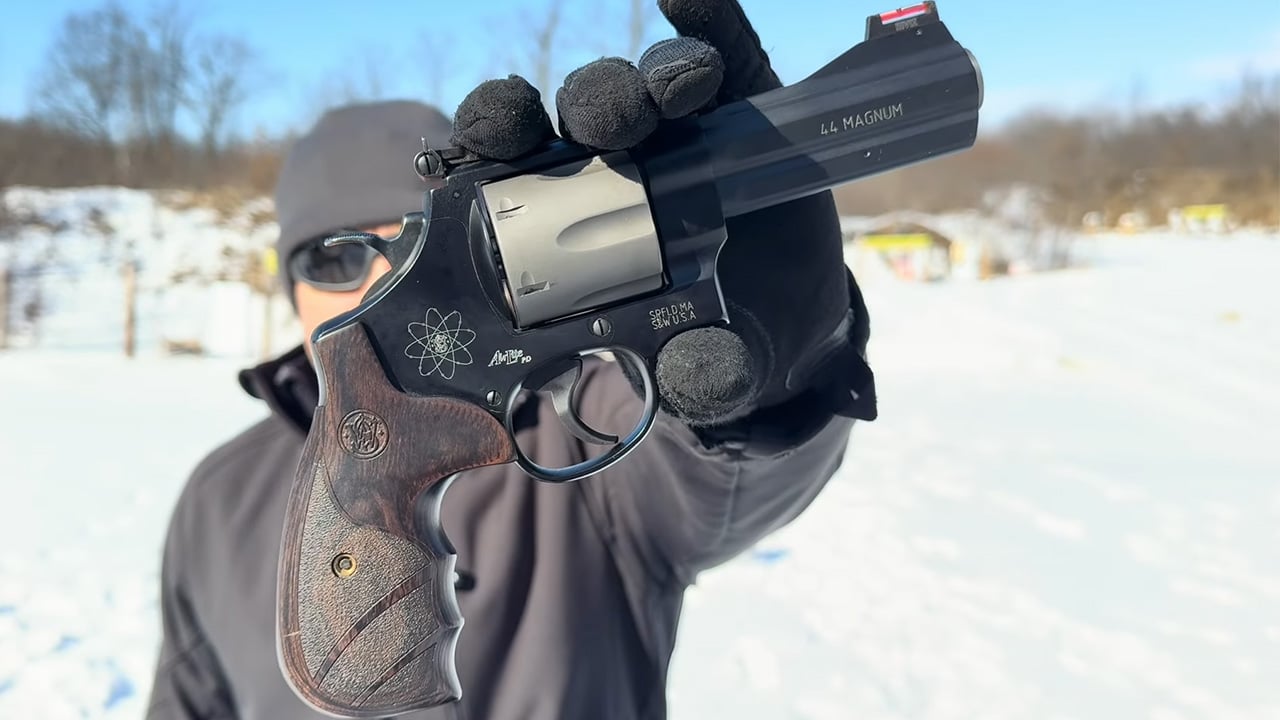
This is a backcountry carry revolver, not a living-room problem solver. It’s insanely light for the caliber, and that means recoil that can be shocking even to experienced shooters.
A gun you dread practicing with is a gun you won’t master. For home defense, the “hand cannon” idea sounds tough until you touch off full power loads indoors and realize you just punished your own hands and ears for no real advantage.
16. Mossberg 590 Shockwave
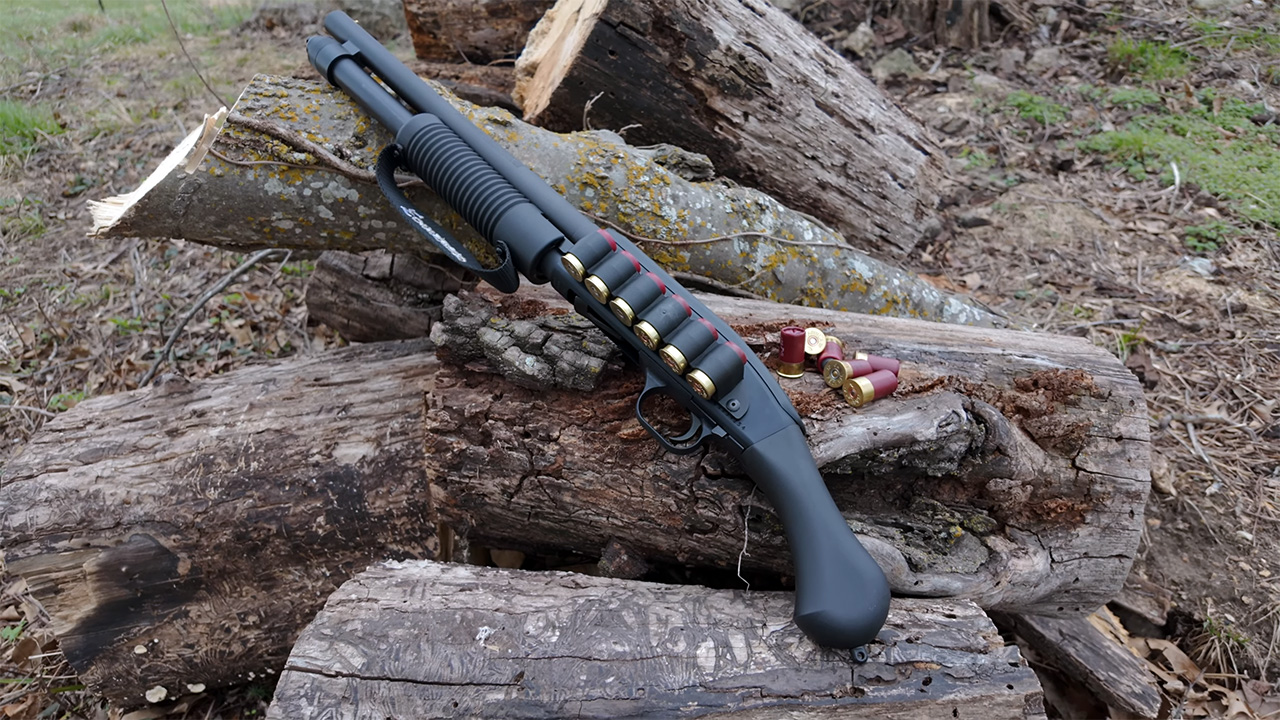
These are fun at the range and handy in a vehicle or camp context if you know what you’re doing. But as a primary home defense firearm, the Shockwave-style grip setup is a training problem for most households.
It’s harder to aim precisely, harder to manage recoil, and easier to short-stroke under stress if you haven’t put in real reps. A standard-stock pump or a quality semi-auto shotgun is a safer bet for most folks.
17. Remington 870 Express (rough-chamber era)

The 870 is a legend. The Express models from certain years, though, are where you’ll see sticky extraction and rough chambers, especially with cheap promotional shells. Nothing will make you hate a pump gun faster than fighting a stuck hull.
If you already own one, a good cleaning and a lot of function testing with your chosen loads goes a long way. But buying an 870 for defense and assuming “it’s an 870, it’s fine” can surprise you.
18. Century Arms C39V2 (AK-pattern)
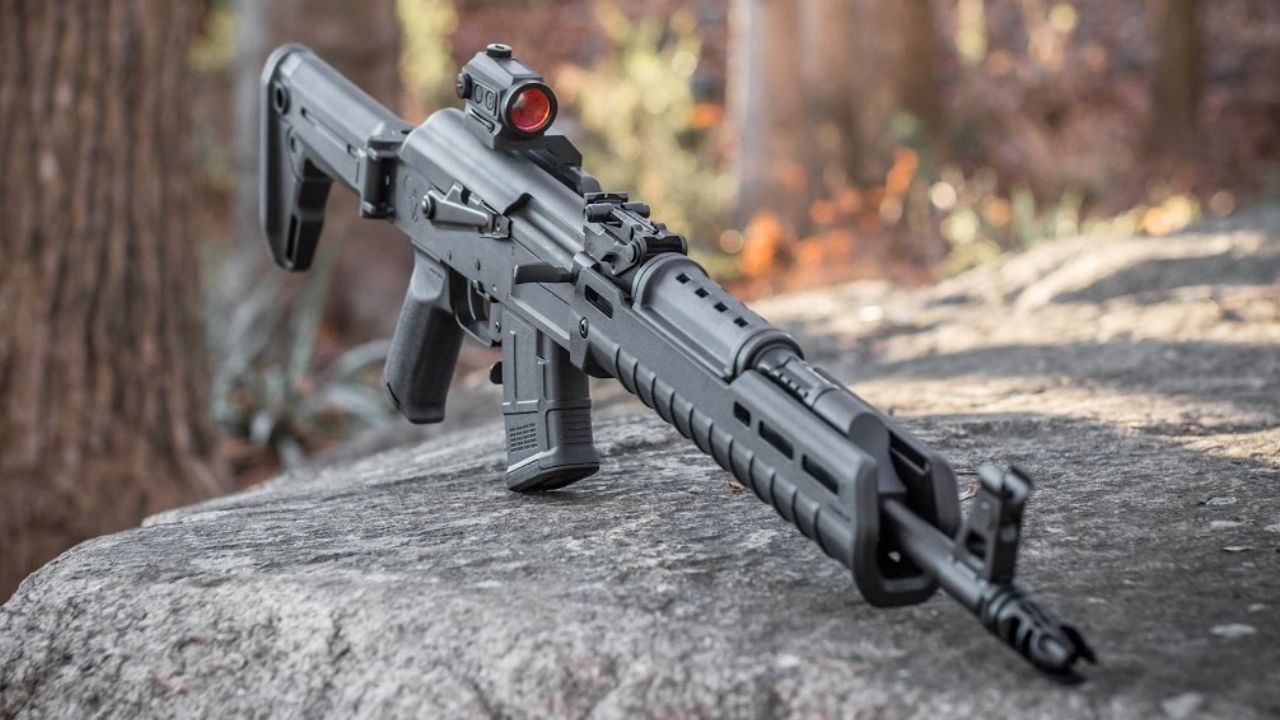
AKs can be excellent defensive rifles. The problem is when folks buy an AK that looks the part but has a questionable track record on parts life and long-term durability. When something finally goes wrong, the average owner isn’t set up to diagnose it quickly.
Add in the typical AK safety/ergonomics learning curve, and you’ve got a rifle that can be slower to run well unless you commit to it. If you want an AK for the house, pick one with a stronger reputation and support network.
19. DPMS Oracle (entry-level AR-15)

I’m not here to bash every budget AR. I am here to say that the cheapest AR on the rack often becomes the most expensive one after you chase reliability with magazines, gas issues, and random parts swapping. Ask me how I know.
For home defense, an AR is a solid choice when it’s built right and tested. If you’re starting with something that’s inconsistent, you’re signing up for troubleshooting instead of confidence.
20. Kel-Tec KSG
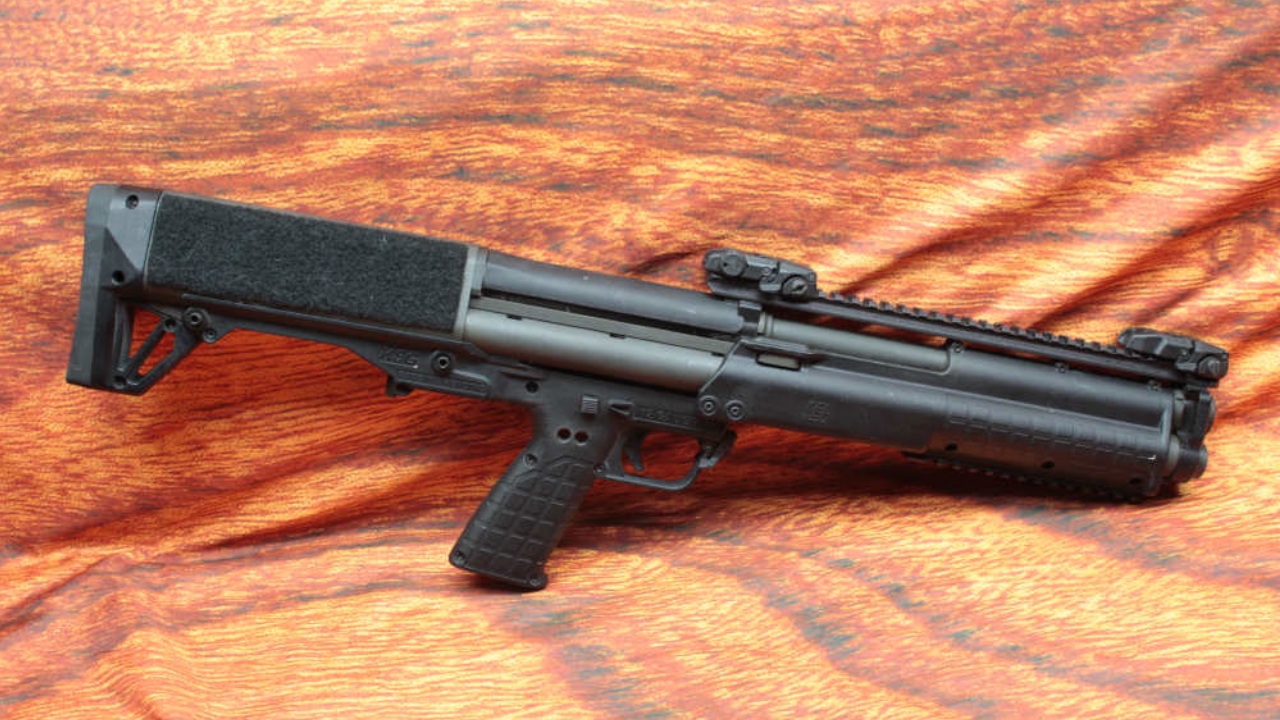
The KSG looks like the ultimate home-defense shotgun on paper: compact, lots of capacity, and it turns heads. In real life, it’s a specialized tool with specialized handling. Short-stroking and user-induced issues are common if you don’t practice, and the manual of arms is not what most shotgun owners grew up on.
Also, bullpups can be awkward for different body types and can be less forgiving around corners and tight spaces if you don’t have a plan. A plain 18-inch pump with a real stock and a light is boring, and boring works.
Here’s the thread that runs through most of these: they’re either too small to shoot well, too gimmicky to be consistent, too harsh to practice with, or too inconsistent in quality to trust without a lot of vetting. Home defense doesn’t demand the coolest gun in the safe. It demands the one you can run half asleep, in the dark, with your heart thumping, and still keep your shots where they need to be.
Like The Avid Outdoorsman’s content? Subscribe to our newsletter so you never miss an article.
Here’s more from us: