Photo credit: Northern Hills Trading Post/Youtube
Walk into any old farmhouse gun room and you’ll see it: a couple of honest hunting rifles with worn bluing, a bird gun that’s been carried more than it’s been cleaned, and maybe a revolver that rode in a pickup for 30 years. None of it was “collectible” back then. It was just what worked.
Fast forward to now and a bunch of those everyday guns have turned into “wish I’d kept it” money. Not because they’re magic, but because the combinations we took for granted—fit, steel, walnut, slick actions, and honest craftsmanship—are either expensive to replace or just flat-out not made the same way anymore.
1. Winchester Model 70 (pre-’64)

If you’ve ever worked a clean pre-’64 action, you know why folks won’t shut up about it. Controlled-round feed, a bolt that feels like it’s on rails, and that old-school “it’ll run dirty” confidence you want on a wet elk hunt.
Are they all laser beams? No. Some need bedding help or a good modern scope mount job. But the price on a clean one has drifted into “nice used truck” territory, especially in classic calibers like .270 and .30-06.
2. Remington 721/722
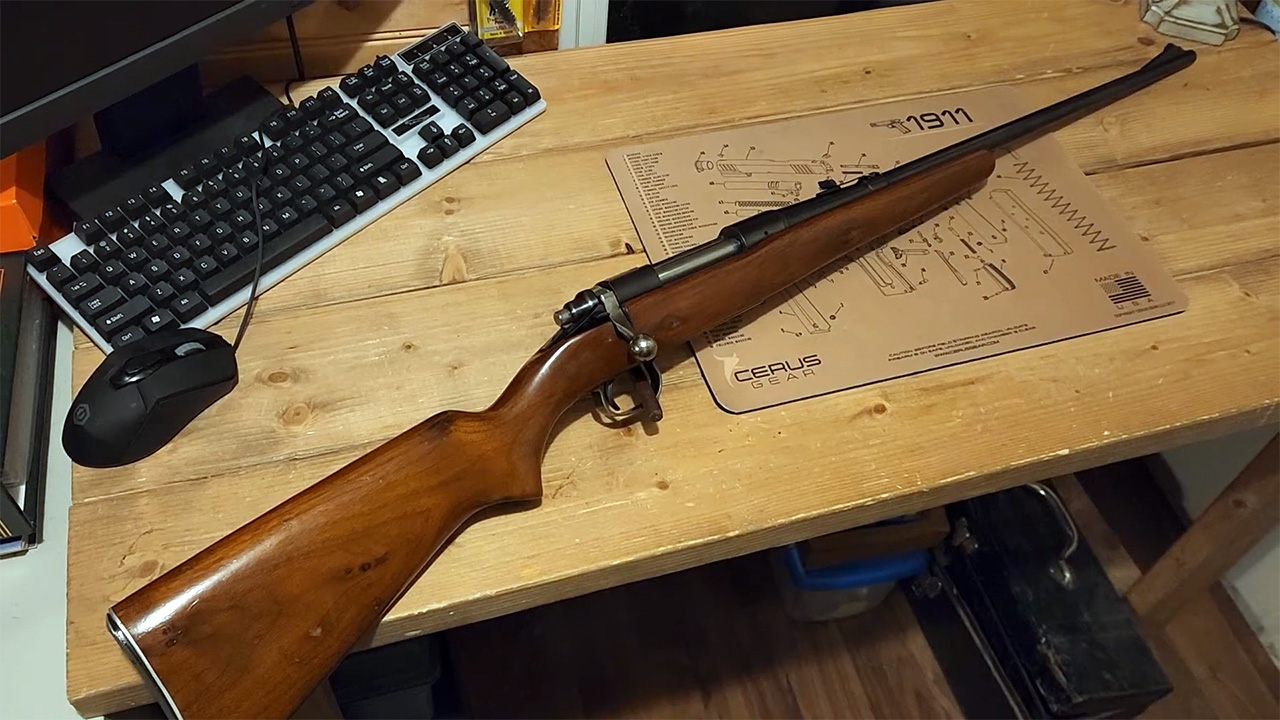
These were plain rifles that killed a mountain of deer without ever getting a spotlight. They’re not fancy, the stocks are basic, and the triggers vary depending on who’s been inside them over the years.
What you’re paying for now is the bones: a stiff receiver, simple design, and accuracy that still embarrasses plenty of newer budget rifles. Find one that hasn’t been messed with and you’ll understand why old timers quietly hang onto them.
3. Remington Model 700 BDL (older walnut/blue)
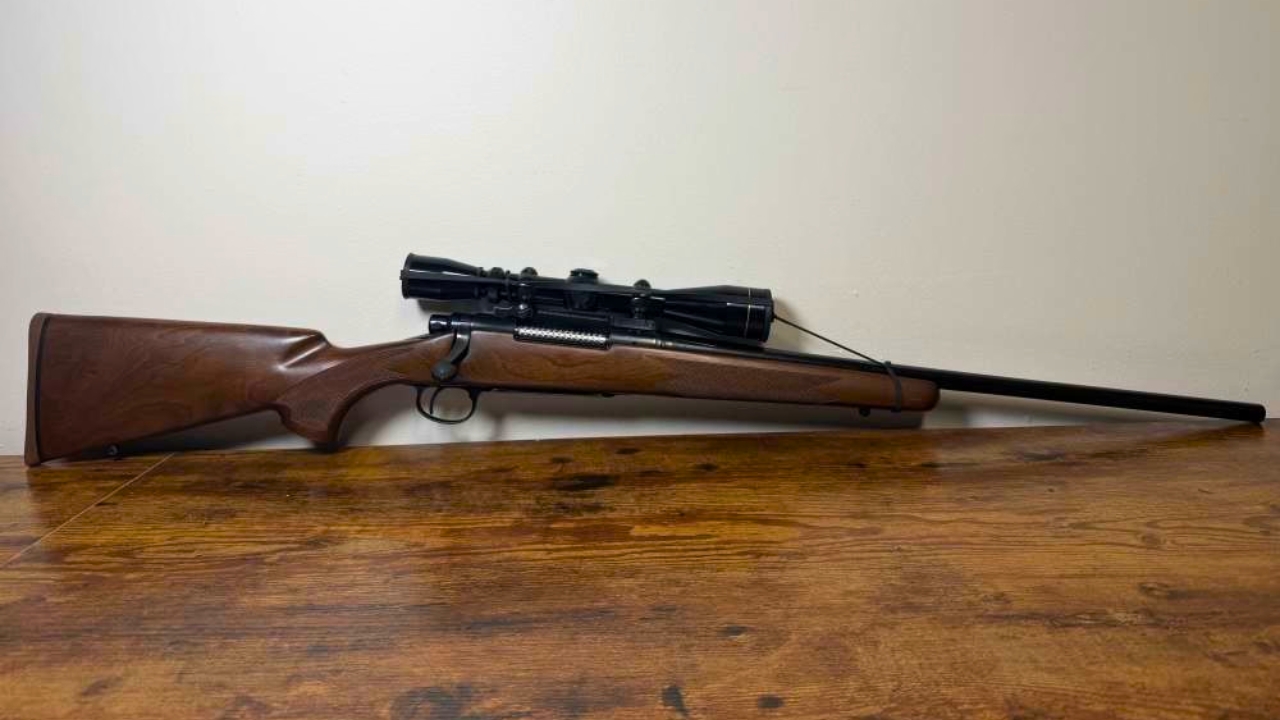
The glossy BDL with cut checkering and a floorplate used to be a standard “nice rifle” gift. Now, a clean older one—especially in something like .280 Remington, .35 Whelen, or .257 Roberts—can bring real money.
It’s not that a modern 700 won’t kill deer. It’s that the older ones carry like a proper hunting rifle and look like one too. The second you start pricing a comparable walnut-and-steel bolt gun today, that sticker shock hits.
4. Winchester Model 94 (pre-safety)

There’s a reason the .30-30 is still riding around in trucks and leaning in corners. A Model 94 carries flat, points fast, and disappears in your hands when you’re slipping through brush.
Older ones without extra safeties and with decent bores have climbed steadily. They’re not rare, but the days of grabbing one cheap at a yard sale are mostly gone, and everyone seems to “suddenly” want one right before deer season.
5. Marlin 336 (JM-stamped)
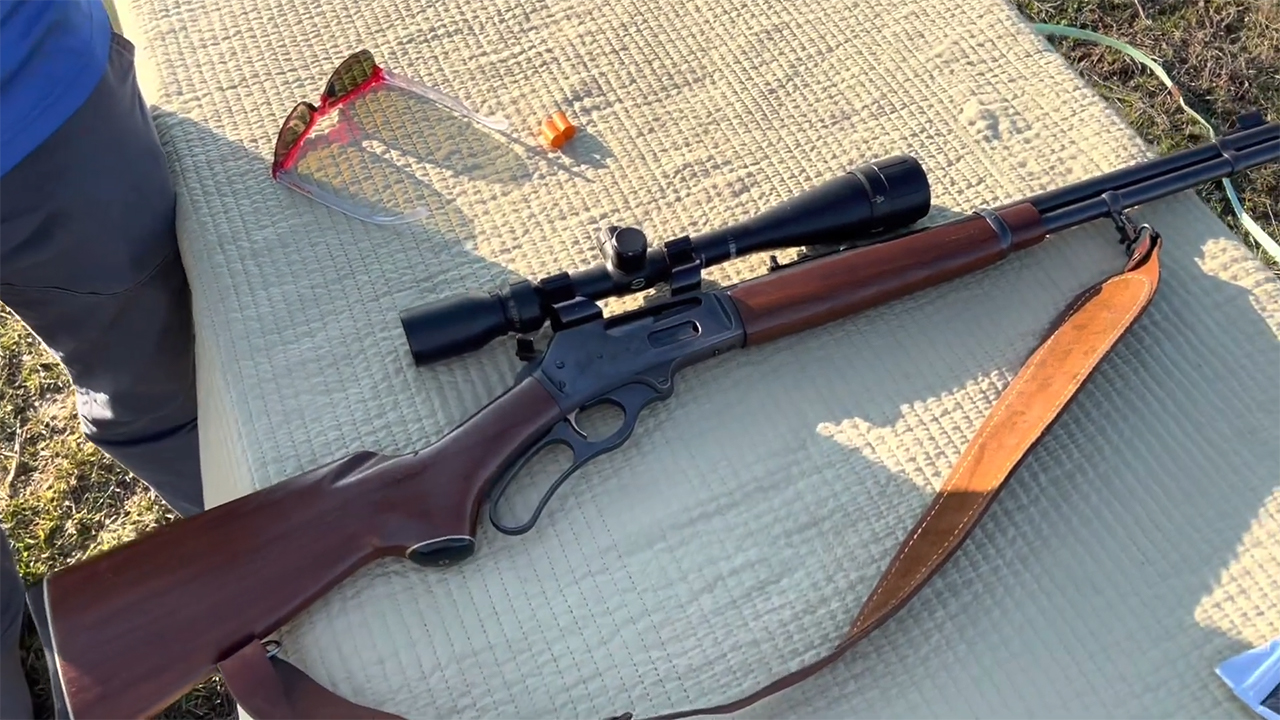
The Marlin lever gun crowd is picky for a reason. A good 336 has a solid feel, a smooth throw, and it’ll generally shoot better than folks expect from a woods rifle.
JM-stamped examples—especially in .35 Remington—are the ones that make wallets wince. If your grandfather had one with honest wear and a decent scope, that “old deer rifle” has turned into a serious asset.
6. Marlin 1895 in .45-70 (older production)

Not everyone needs a .45-70. But a lot of us want one anyway, and the Marlin version is the one that rides easy and hits like a hammer inside sensible distances.
Prices jumped hard when production got bumpy for a while. Even now, clean older guns don’t sit long. They’re also the kind of rifle that gets “loaned” to a buddy for bear season and comes back with new scratches and fewer rounds in the box.
7. Ruger No. 1

Single-shots are a sickness, and the Ruger No. 1 is how it starts. It’s classy without being delicate, and it makes you slow down and shoot like you mean it.
They aren’t cheap anymore, and certain chamberings have gone from “cool” to “good luck.” If you want one that hasn’t been drilled, butchered, or turned into a pet project, you’ll pay.
8. Browning A-5 (Belgian)
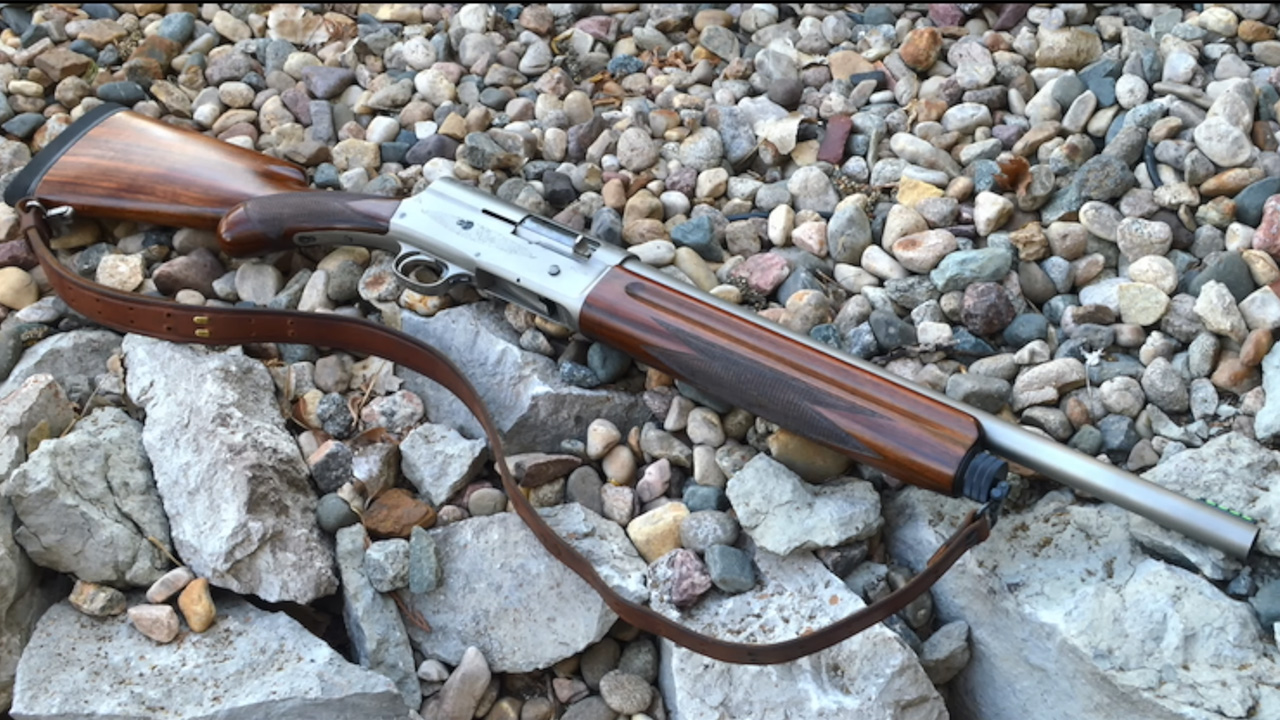
The old humpback isn’t light, and it’s not modern-soft on recoil. Still, it’s the kind of shotgun that runs for decades if you keep it reasonably clean and don’t lose parts in the grass.
Belgian-made guns with nice wood have drifted out of “working man shotgun” pricing. They also have that real-world value a lot of new guns don’t: they point naturally on passing birds, and they feel alive in the hands.
9. Winchester Model 12
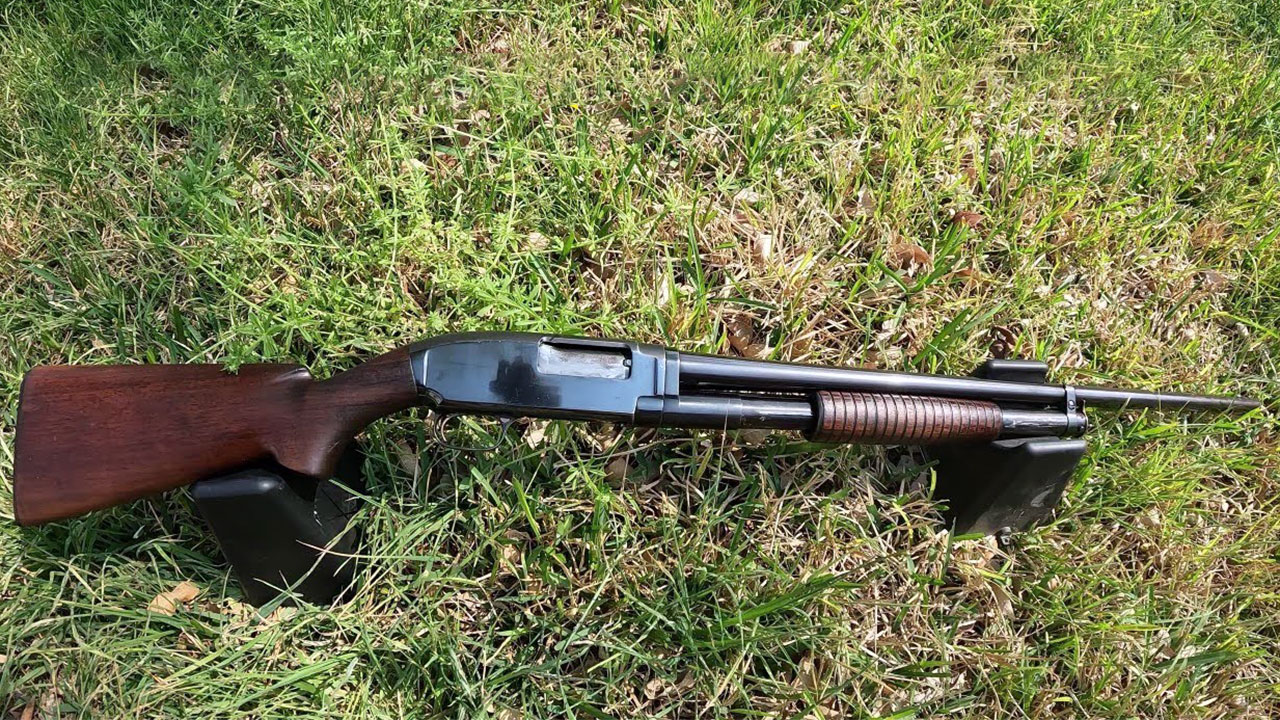
Pick one up and you can tell it was built when labor was cheaper and pride was expensive. The action feels like polished machinery, and the gun has that solid balance that makes you want to walk behind bird dogs.
The downside is they can be heavy, and a rough one can take money to make right. But a clean Model 12 has become a “buy once, cry once” pump gun, and the crying usually happens at the price tag.
10. Ithaca 37 (older, slick action)

Bottom-eject, smooth pump, and it carries well in thick cover. The Ithaca 37 has always been a hunter’s shotgun more than a showpiece, which is exactly why so many of them got used hard.
Finding a clean, older one now—especially in 16 gauge—can cost more than folks expect. And once you handle a good one, most new budget pumps feel a little clunky by comparison.
11. Remington 1100 (early production)

The 1100 is one of those shotguns that teaches you what “soft shooting” really means. It’s not indestructible, but it’s forgiving, and it makes long days on doves or clays a lot more pleasant.
Older clean examples have become more desirable as new semi-autos creep up in price. Parts are still around, but paying for a nice one up front is often cheaper than buying a beat-up gun and chasing reliability later.
12. Smith & Wesson Model 29 (pinned & recessed era)
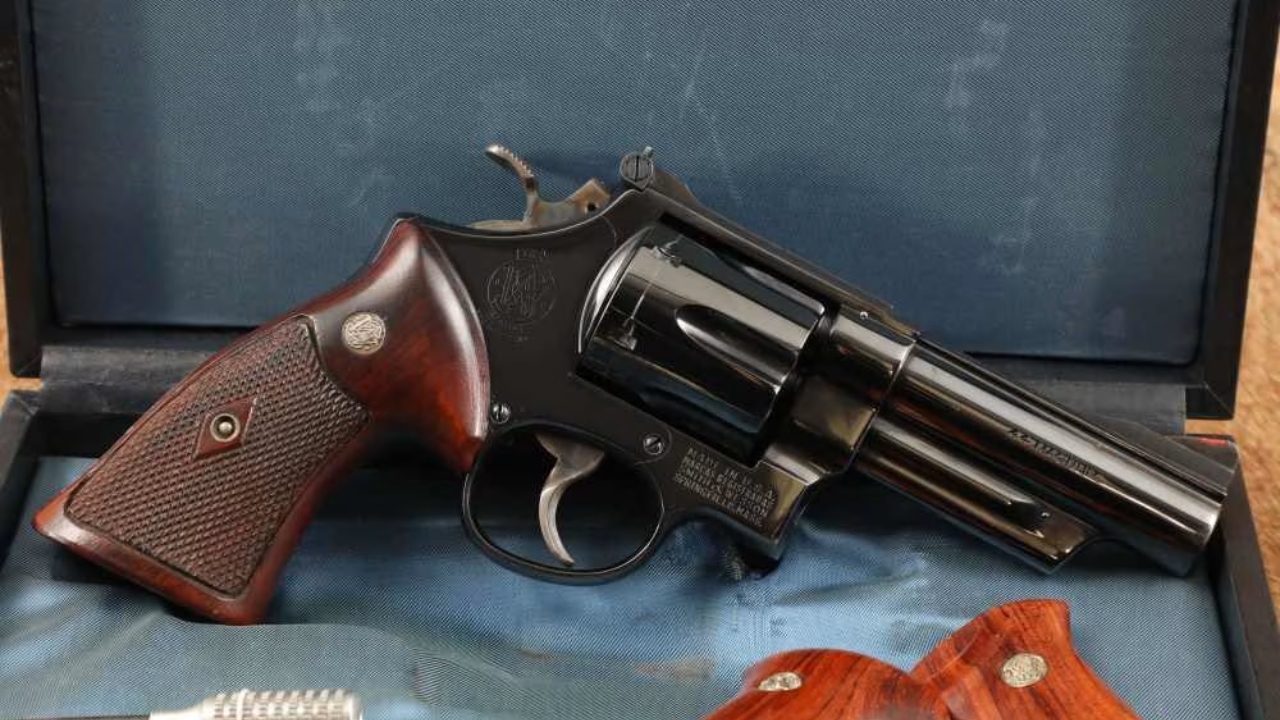
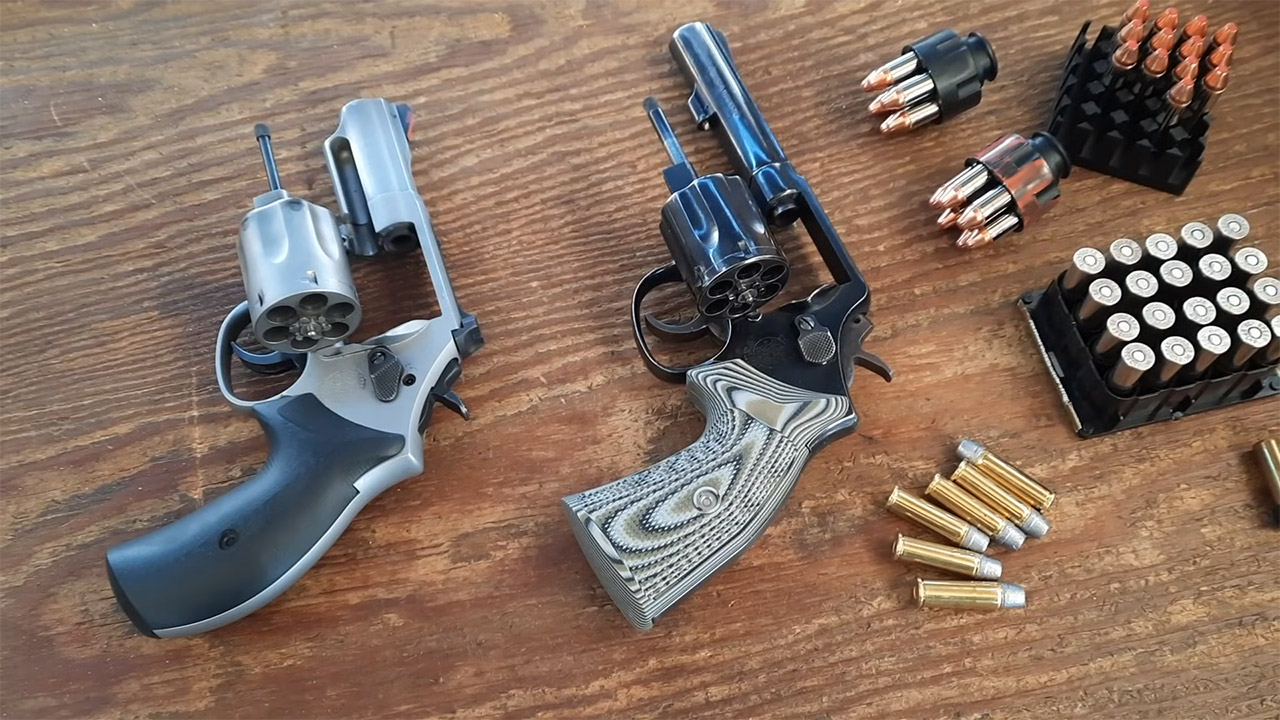
This one isn’t just a movie gun. A good older Model 29 has a trigger that feels like it’s running on bearings and a fit-and-finish you don’t see on many modern revolvers.
They’re not everybody’s idea of practical, and full-house .44 Magnum loads aren’t a friendly introduction to handguns. But collector demand and nostalgia have pushed the nice ones into the “maybe next year” category.
13. Colt Python (older, blued)
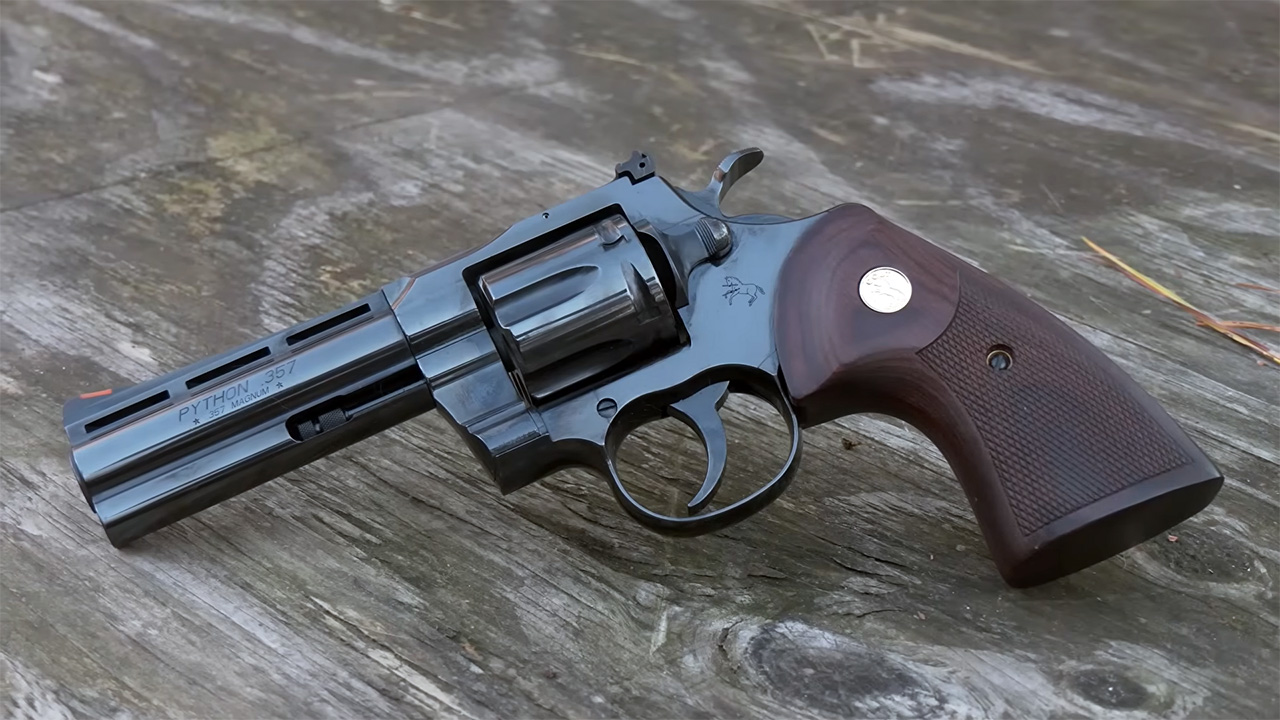
If you know, you know. The old Pythons have that glassy action and deep blue that makes you stare at it longer than you should at the gun counter.
They also have the kind of price tag that makes a working shooter feel a little sick. New production is an option, but it’s not the same thing as an original that’s been cared for and not fiddled with.
14. Colt Detective Special

This was a serious “leave the house” revolver for a long time. Compact, good sights for what it is, and it carries better than a bigger frame while still being shootable.
Now it’s one of those guns that disappeared into sock drawers and tackle boxes and came back out with collector pricing. Finding one that’s tight, timed right, and not worn out is where the money goes.
15. Smith & Wesson K-Frame .357s (Models 19 and 66)
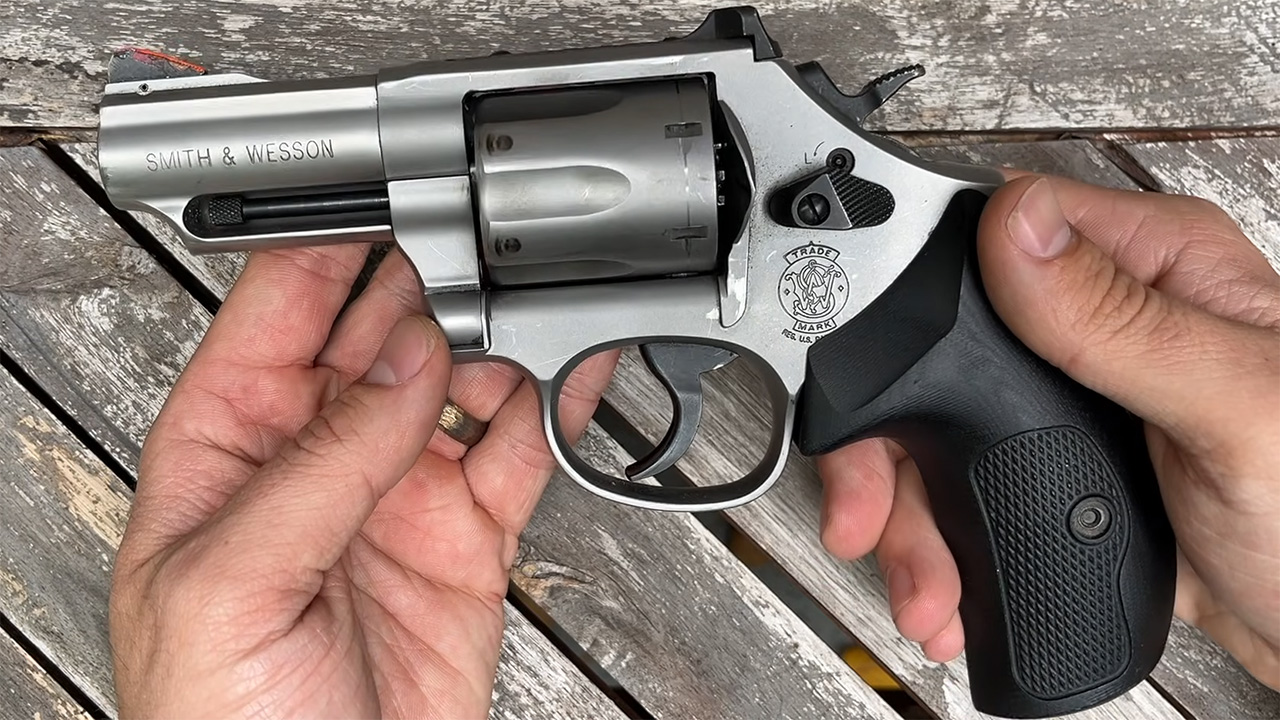
A K-frame .357 is about as close as revolvers get to “just right” for many shooters. They balance well, they point naturally, and the triggers on older guns can be downright addictive.
They’re not built for a steady diet of the hottest loads, and that’s where some folks got in trouble. Treated like a field gun—.38s for practice, sane .357s for use—they last, and now they cost accordingly.
16. Ruger Blackhawk “three-screw”
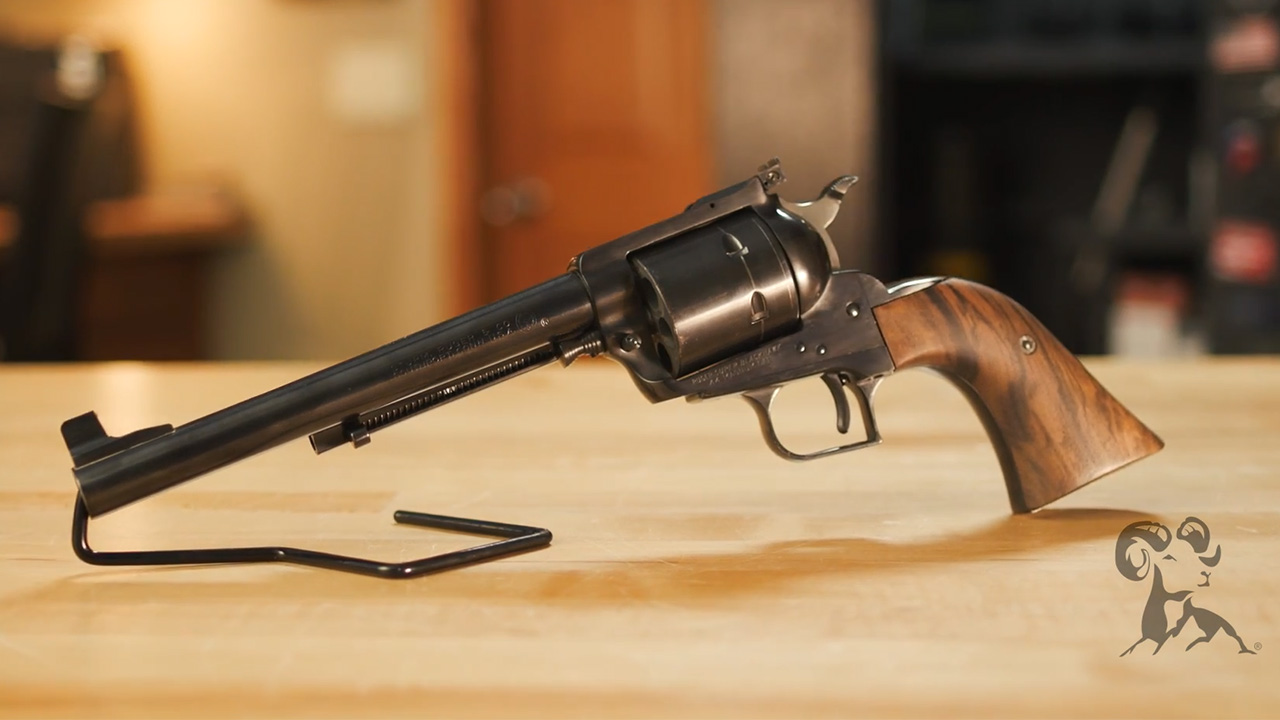
Nothing fancy here, and that’s kind of the point. The older three-screw Blackhawks have that traditional feel, and they’re tough enough to live a hard life on a ranch or in a camper.
Prices have climbed because Ruger people are Ruger people: once they decide a certain era is “the one,” they don’t quit. Clean examples in .357 or .45 Colt don’t sit long, especially with the right grips and barrel length.
17. Browning BAR (Belgian/early production hunting models)

The hunting BAR is not a benchrest rifle, and it’s not light. But it’s a reliable semi-auto that tames recoil and makes follow-up shots feel easy, which matters more than internet arguments when a big-bodied buck is moving through timber.
Older Belgian guns with nice wood have become pricey, and magazines aren’t always cheap. Still, if you grew up seeing one in a deer camp, you understand why folks keep paying for them.
18. Springfield M1 Garand (U.S. GI)

For a lot of families, this was the “one good rifle” that also carried history. It’s heavy, it’s long, and it’s not something you casually toss behind the seat.
But the feel of that action and the way it shoots with decent ammo is hard to describe until you’ve run one. U.S. GI examples have steadily climbed, and the clean ones are no longer impulse buys.
19. Winchester 1897

There’s a reason you still see these in old photos and leaning in barn corners. The 1897 has real personality, and it’ll run when it’s right.
The problem is “when it’s right” can take money now. Good ones cost more, rough ones can be a trap, and either way you’re paying for a piece of functional history that fewer people are willing to part with.
20. Savage 99

The Savage 99 is one of the coolest practical rifles ever made, and it still feels different from everything else. The lever throw is unique, the balance is sweet, and the rotary magazine setup was ahead of its time.
Chamberings like .300 Savage and .250-3000 have a loyal following, and clean rifles have gone from “neat old deer gun” to “serious money.” If you’ve got one that hasn’t been drilled crooked or sanded to death, take care of it.
None of this means you should treat every old gun like it belongs in a vault. Guns are tools, and a lot of them earned those worn spots honestly. But if you’ve got one of these sitting in the back of the safe, it’s worth slowing down before you trade it off for the new hot thing. The new stuff comes and goes. A good old rifle or shotgun that fits you and works every time is harder to replace than most folks realize.
Like The Avid Outdoorsman’s content? Subscribe to our newsletter so you never miss an article.
Here’s more from us: