
Photo credit: ne4ious/YouTube
Collectors tend to chase the same names. Pre-64 Winchesters, early Sakos, rare Remingtons, and high-grade Weatherbys get plenty of attention, while other bolt guns with real history and interesting engineering sit a few racks over for much less money. That does not mean the overlooked rifles are necessarily better investments, but it does mean some of them offer far more character, scarcity, and mechanical interest than their prices suggest.
The best overlooked collectibles usually have something that separates them from ordinary hunting rifles. Maybe they came from a short production run, used an unusual action, represented an important transition for a manufacturer, or were built to a quality level the market never fully rewarded. These 20 bolt-actions deserve more attention because they give collectors something beyond another common deer rifle, and many are still obtainable before prices catch up.
Husqvarna Model 1640
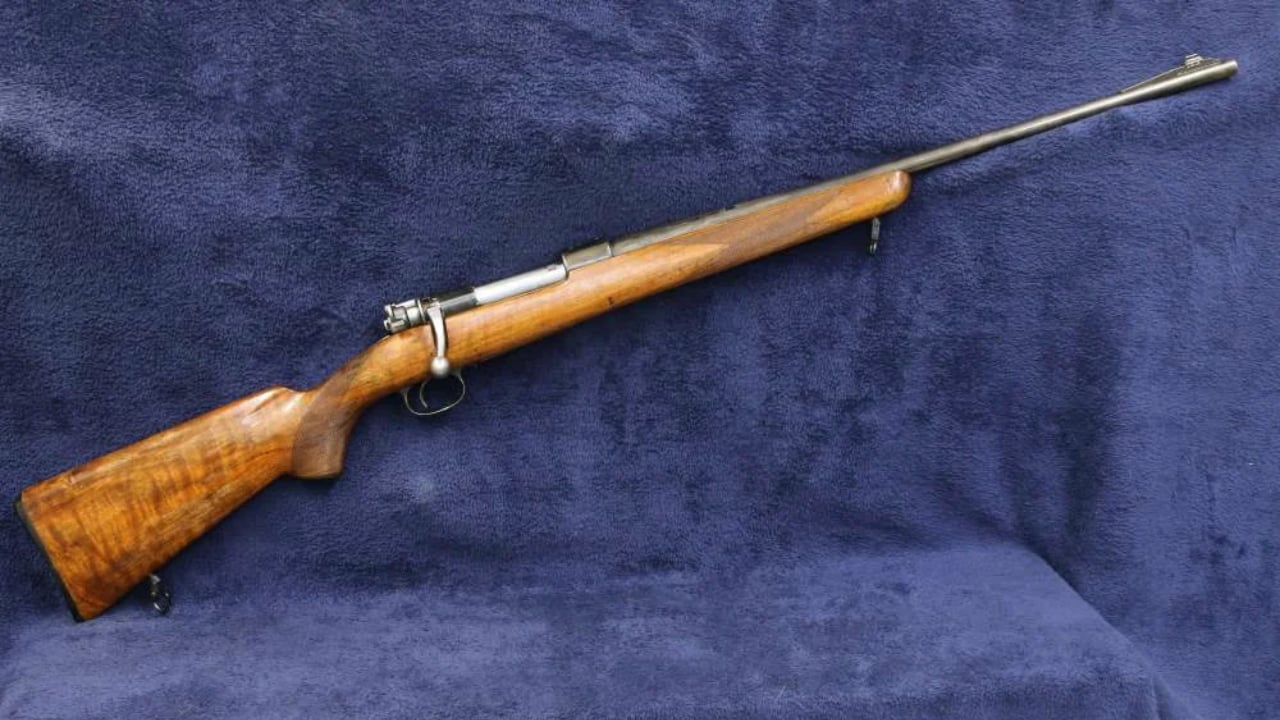
The Husqvarna 1640 is one of the easiest European sporting rifles to underestimate. It has clean lines, controlled-round-feed heritage, and the kind of slim walnut stock that makes modern rifles feel bulky by comparison. Yet it still tends to get lumped in with ordinary used hunting rifles rather than treated like a serious collectible.
That may not last forever. Husqvarna built these rifles during a period when European makers were still putting a lot of hand fitting and traditional craftsmanship into commercial sporting guns. Chamberings such as 6.5×55 and 9.3×62 add even more appeal because they tie the rifle directly to Scandinavian hunting culture. Clean, original examples with good bluing and uncut stocks deserve much more attention than they usually receive.
Mannlicher-Schoenauer Model 1950
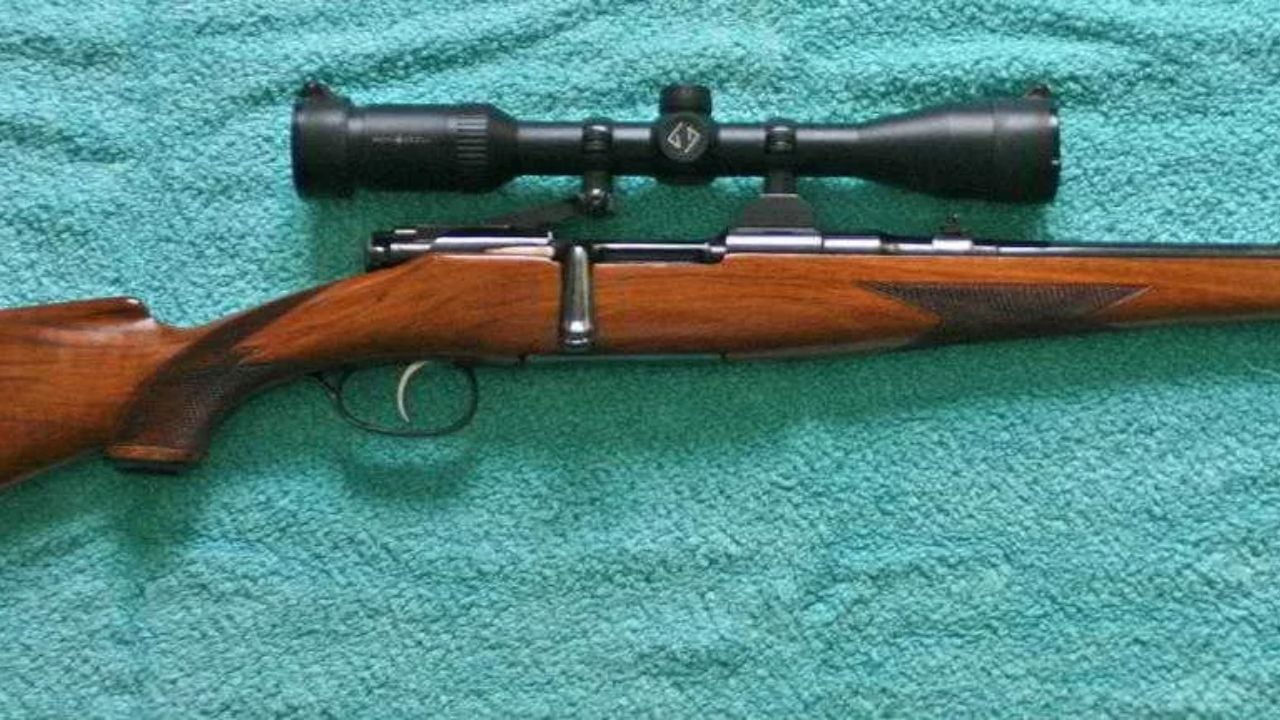
The Model 1950 has everything collectors claim to love: unusual engineering, beautiful machining, European history, and a smooth rotary magazine system unlike almost anything else. Despite that, it can still be overlooked beside more famous prewar Mannlichers.
The action is exceptionally smooth, and the full-stock versions have a look that is instantly recognizable. These rifles were expensive to build even when new, which is part of why designs like this disappeared from mass production. Condition and originality matter heavily, especially with stocks and scope alterations. A clean example is not cheap, but compared with the craftsmanship involved, it still feels undervalued in the collector market.
FN Mauser Sporter
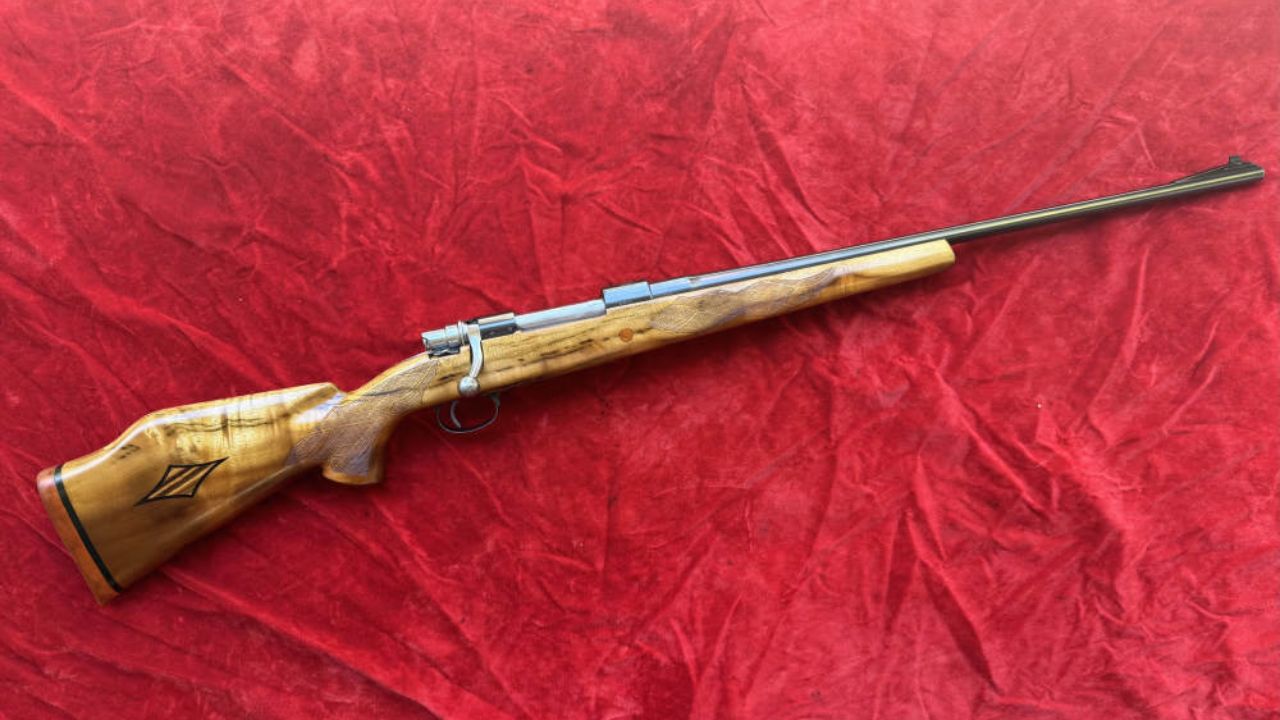
Commercial FN Mauser sporters are often treated like generic old hunting rifles because so many were imported and modified over the years. That overlooks the fact that the underlying actions were beautifully made and formed the basis for a huge number of premium custom rifles.
Original factory sporters with unaltered stocks and correct metalwork are much more interesting than a random sporterized military Mauser. They represent a period when FN was producing high-quality commercial actions with classic proportions and excellent machining. The problem is that many were drilled, restocked, or rebarreled. That makes untouched survivors increasingly important. Collectors who appreciate Mauser history should be paying much more attention to complete factory rifles.
BSA Majestic
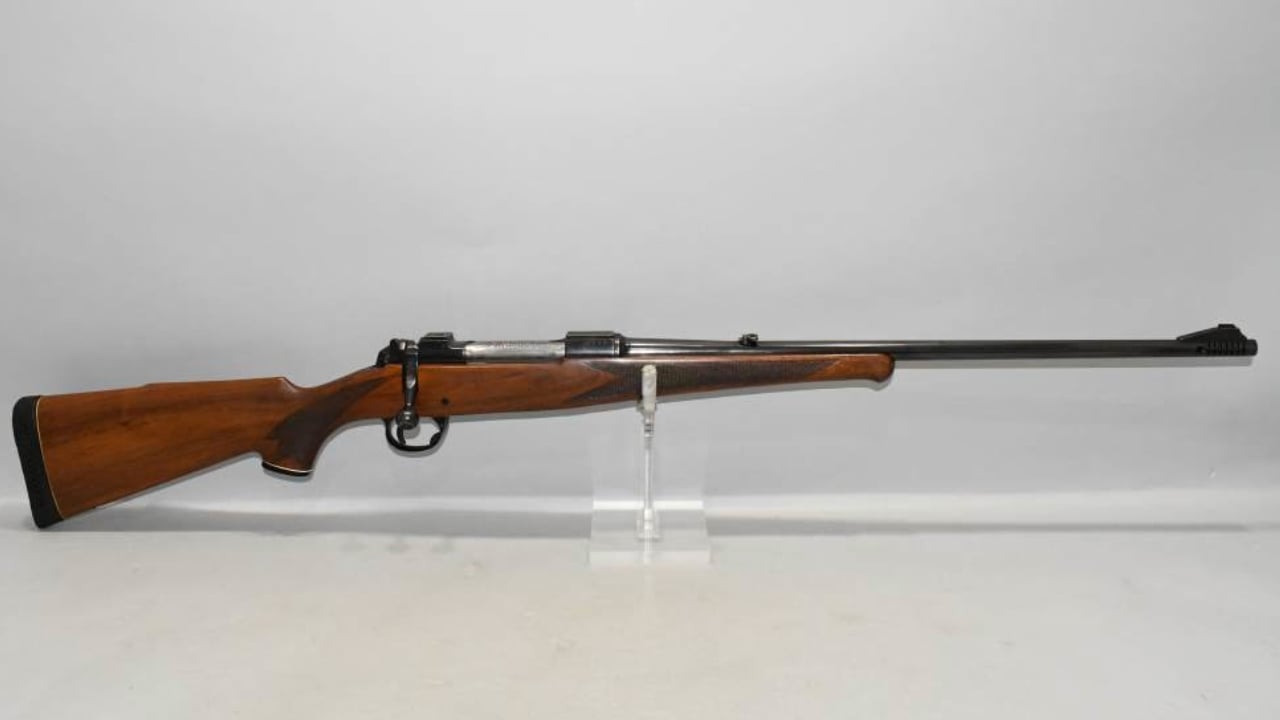
The BSA Majestic is a classic British sporting rifle that does not get anything close to the recognition of better-known European bolt guns. It has traditional styling, a smooth action, and a distinctly British feel without the premium price attached to famous London names.
These rifles were built for practical hunting rather than prestige, which is one reason they remain affordable. That practicality should not be confused with low quality. Good examples have attractive walnut, solid machining, and a level of character missing from many modern rifles. Chamberings and regional variations add another layer for collectors. A clean Majestic is the kind of rifle that still looks inexpensive only because not enough people are looking for one.
Schultz & Larsen Model 54J
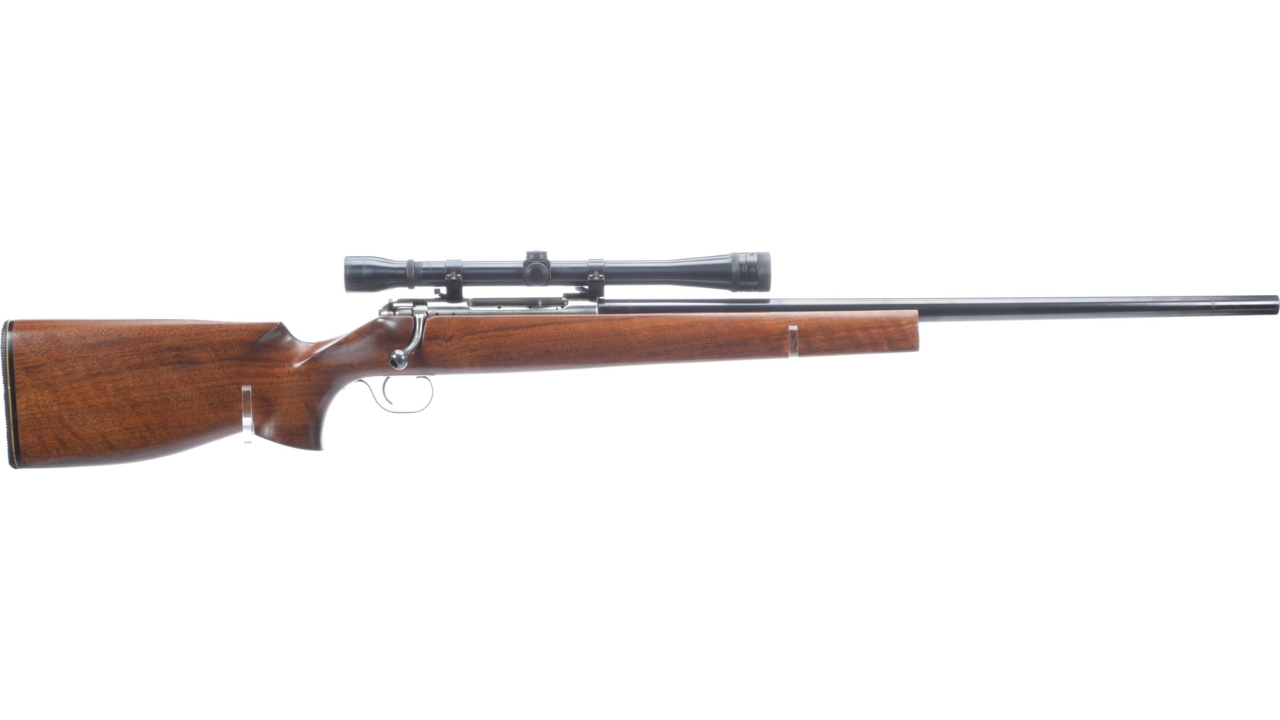
Schultz & Larsen rifles have always had a strong reputation among serious European shooters, but the brand remains obscure enough in the United States that older models can slip through the cracks. The 54J is one of those rifles.
The machining is excellent, the action is smooth, and the overall design reflects a period when Scandinavian rifle makers were building for durability and precision rather than mass-market price points. They are not especially common, which should normally increase collector interest, yet the limited brand recognition keeps prices from getting out of hand. For someone who wants a rifle with real European pedigree without paying Sako or Mannlicher money, the 54J deserves a closer look.
Mauser Model 2000
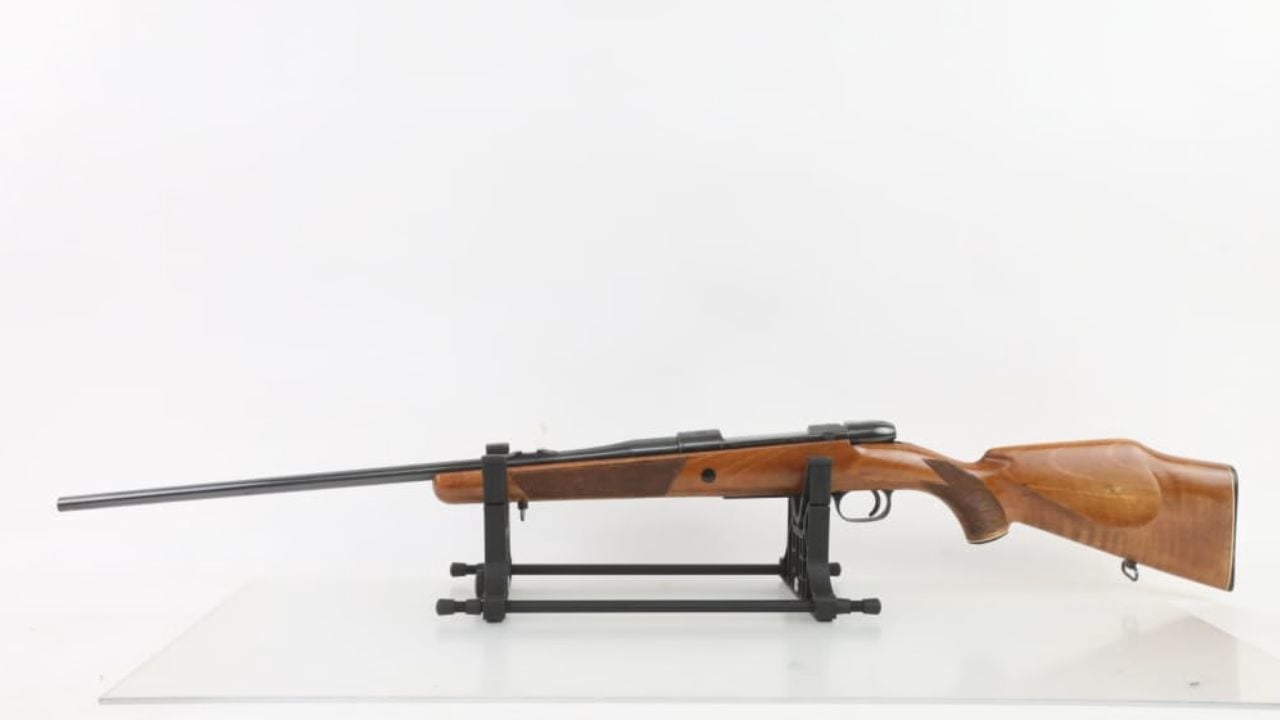
The Model 2000 tends to get lost between classic military-based Mausers and later premium sporting rifles. That makes it interesting because it represents a transitional period when Mauser was trying to modernize the commercial hunting rifle without completely abandoning traditional styling.
The action is smooth, the rifle is well finished, and original examples are getting harder to find in untouched condition. They do not have the immediate collector cachet of prewar Mausers, but that may actually be the opportunity. Transitional designs often become more interesting with time because they show exactly how a manufacturer was adapting to a changing market. The Model 2000 fits that description well.
Heym SR20
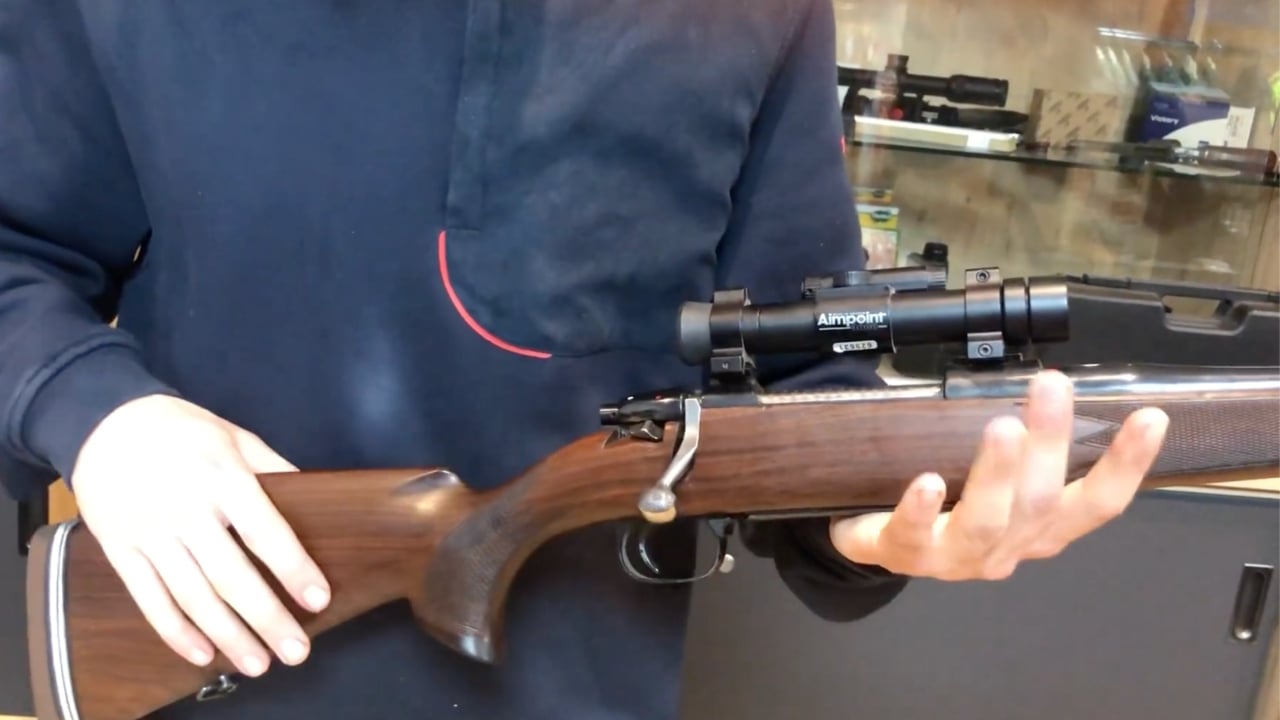
The Heym SR20 is a beautifully made German bolt-action that rarely gets discussed outside dedicated European-rifle circles. It has excellent machining, restrained styling, and the kind of smooth action that makes you wonder why the rifle never gained a bigger American following.
Part of the problem is simple brand recognition. Collectors know Mauser and Sauer immediately, while Heym remains less familiar. That keeps some very high-quality rifles from commanding the prices their build quality suggests. Original examples in classic European chamberings are especially appealing. If collector interest continues moving toward overlooked Continental sporting rifles, the SR20 looks like exactly the kind of model people will wish they bought earlier.
Steyr Mannlicher Luxus
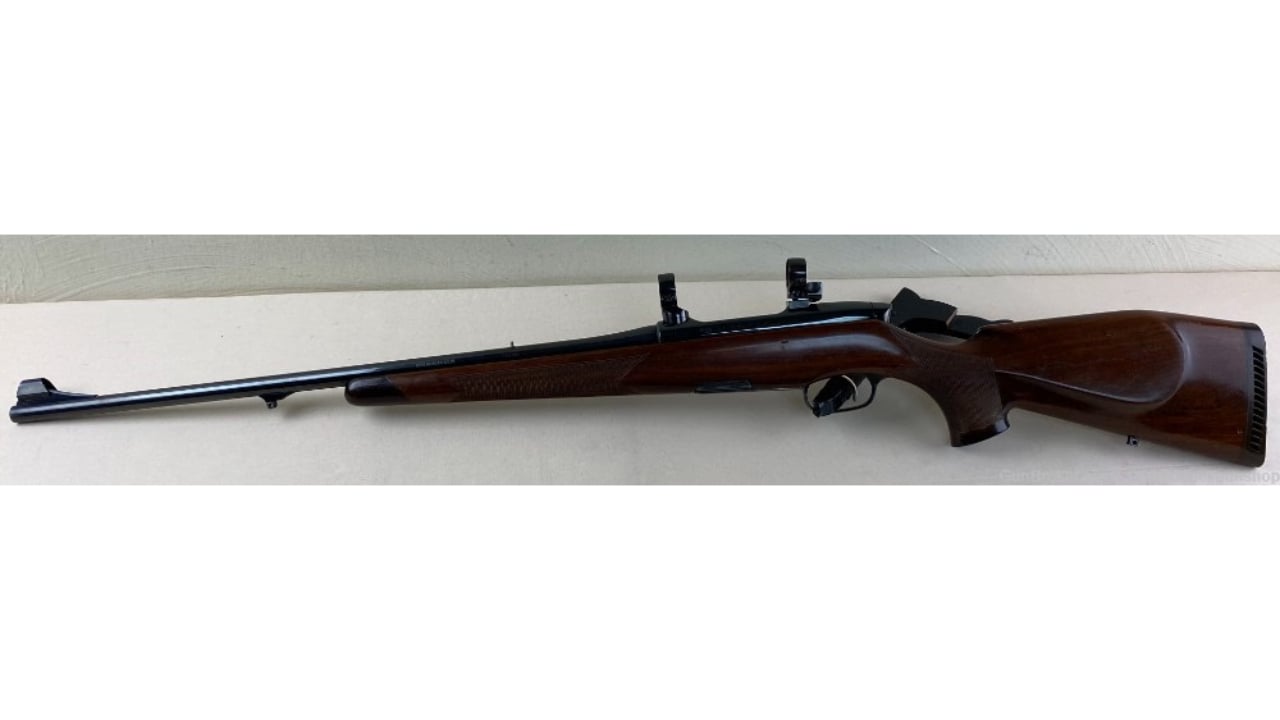
The Luxus is one of the more refined Steyr sporting rifles, but it often sits in the shadow of earlier Mannlicher-Schoenauer models and more obvious collector pieces. That is unfortunate because the rifle offers excellent machining and unmistakable Austrian character.
The action is slick, the stock work is usually attractive, and the overall design has a level of polish that is expensive to reproduce today. Many examples were used hard because they were purchased as hunting rifles rather than collectibles, so clean ones deserve extra attention. The Luxus may never become a mass-market collectible, but among shooters who appreciate European sporting rifles, it has all the ingredients collectors normally chase.
Weatherby Vanguard Deluxe Series 1
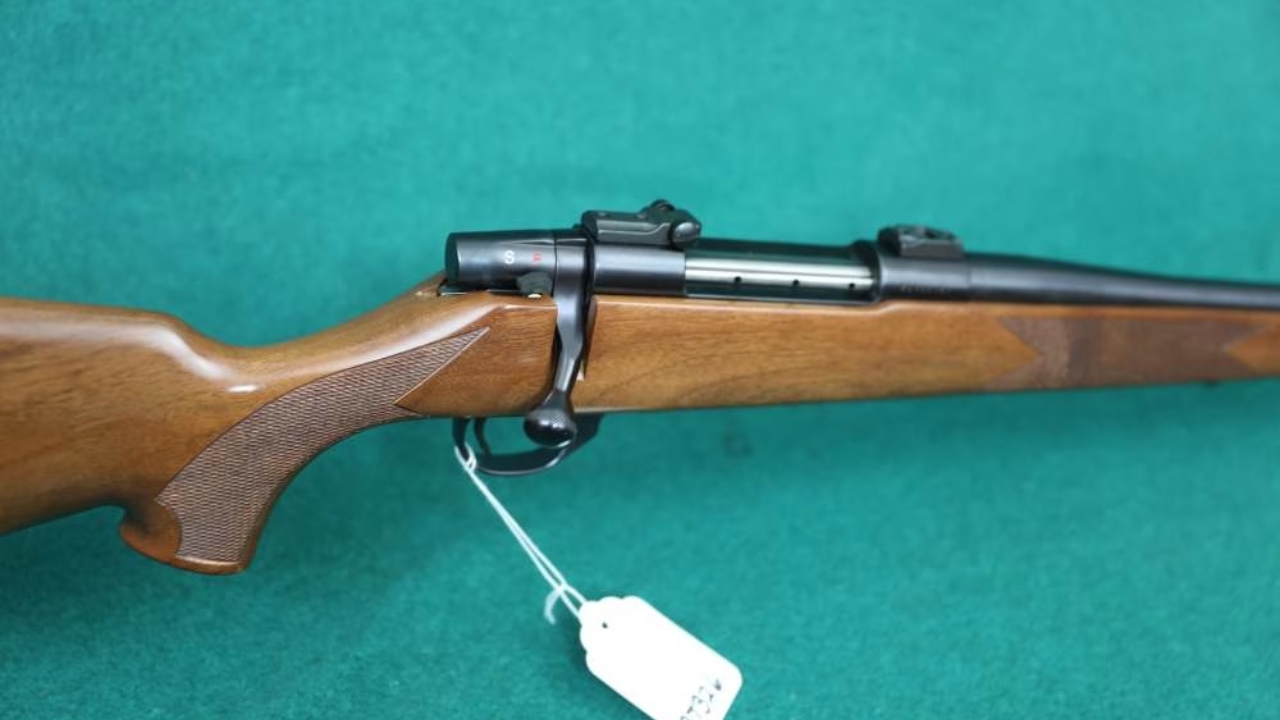
Early Vanguard Deluxe rifles are often overlooked because collectors tend to focus on the Mark V. That leaves some beautifully finished Vanguard rifles sitting in a strange middle ground where they are too nice to be treated as budget guns but not prestigious enough to receive serious collector attention.
The Japanese-built actions are strong, the high-gloss walnut stocks fit the Weatherby look, and the rifles represent a period when the company was trying to bring its styling to a broader market. Clean examples with original stocks and finish are getting less common because many were simply hunted with for decades. They deserve more interest as part of Weatherby’s history rather than just being viewed as cheaper Mark Vs.
Remington Model 725
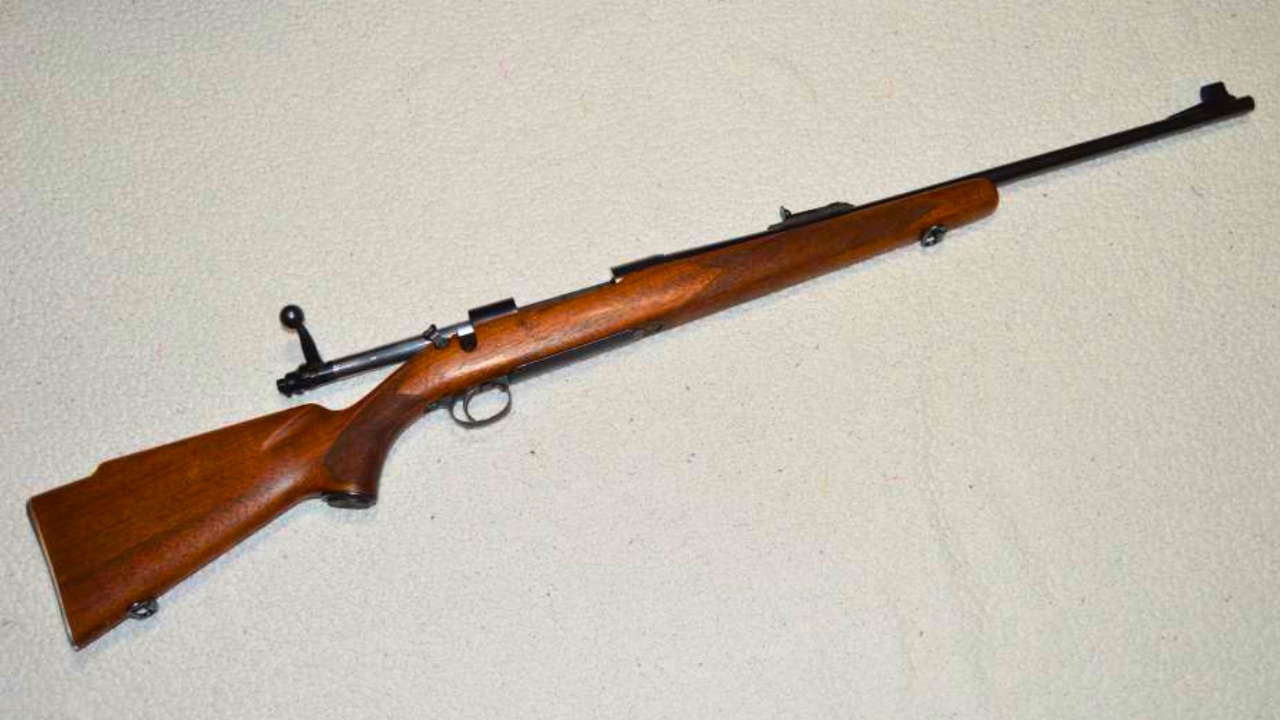
The Model 725 had a short production life, which should make it more collectible than it is. Instead, it remains largely overshadowed by the Model 700 that followed it.
That is exactly what makes it interesting. The 725 represents one of the last steps in Remington’s evolution toward the 700, and it carries design details you will not find on later rifles. Production numbers were relatively low, and many examples have been modified over the years. Original rifles with correct stocks and sights are consequently worth paying attention to. Anyone collecting Remington bolt guns should view the 725 as far more than a footnote.
Winchester Model 670
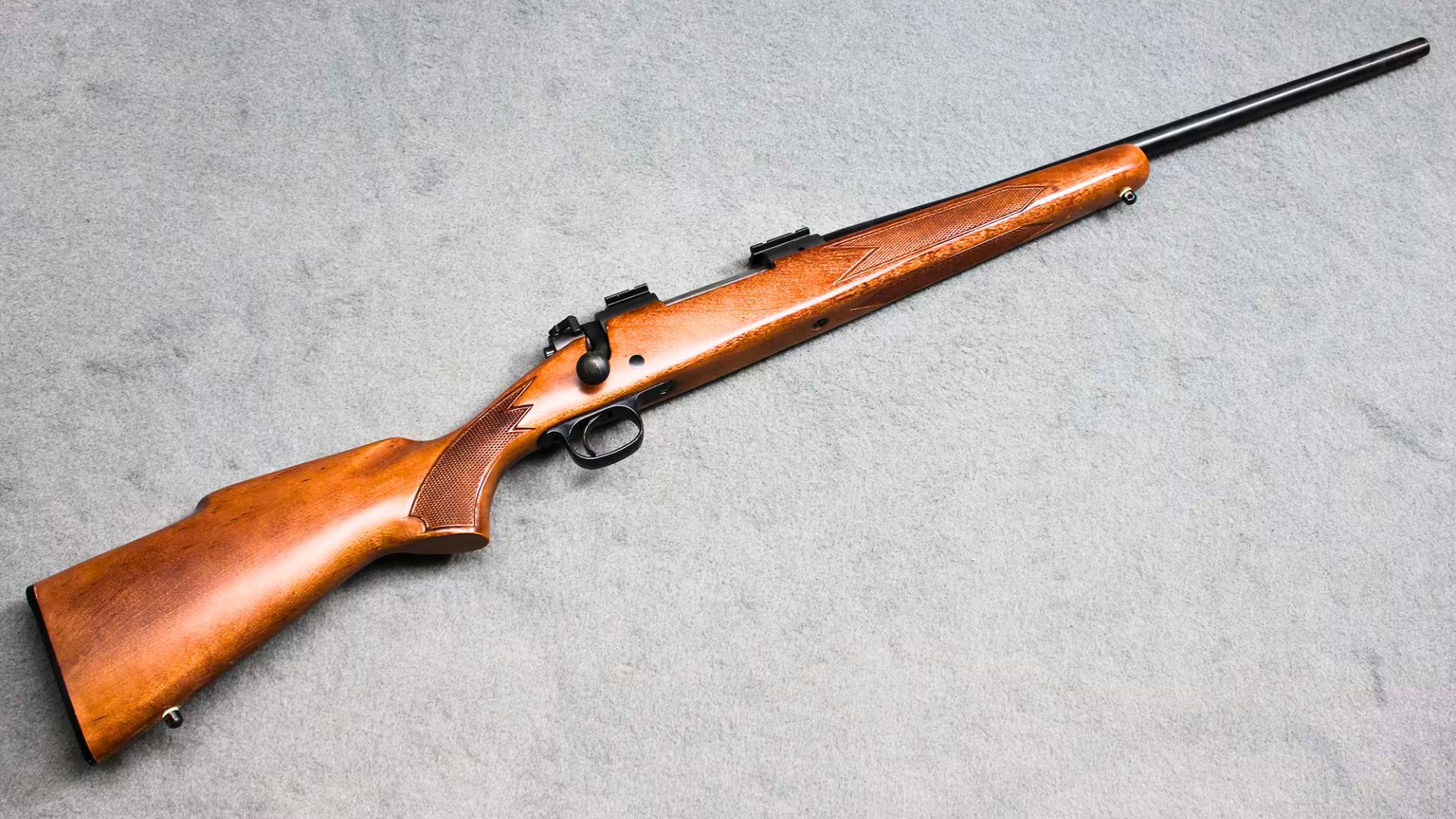
The Model 670 was built as a more economical version of the Model 70, which is precisely why collectors tend to ignore it. Plain stocks and less ornate finishing do not usually generate excitement.
That may make the better examples more interesting over time. The 670 represents an era when manufacturers were trying to cut costs while keeping proven actions alive, and rifles from that transition period are becoming collectible in their own right. Original configuration matters, especially because many were altered as inexpensive hunting rifles. It is not going to replace a pre-64 Model 70 in anyone’s collection, but clean survivors have more historical value than their reputation suggests.
Colt Coltsman
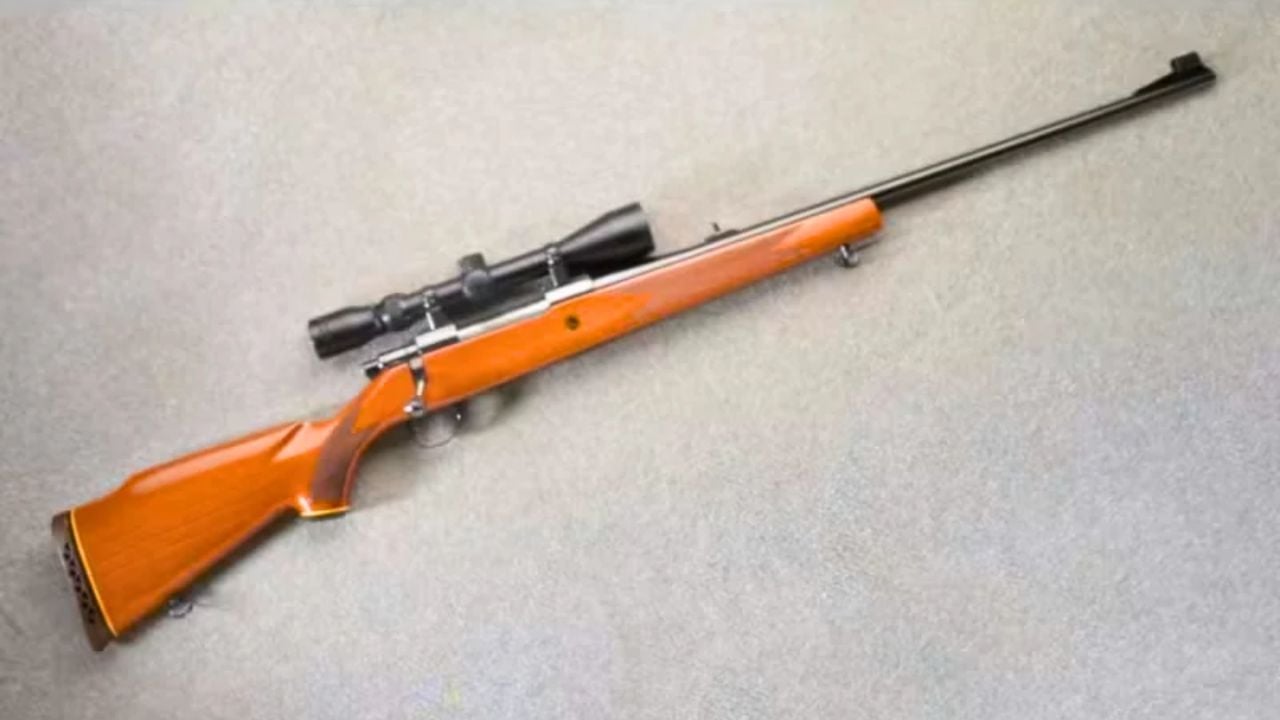
The Coltsman is one of those rifles that surprises people simply because they do not expect to see the Colt name on a traditional bolt-action hunting rifle. That alone gives it collector appeal.
Various Coltsman rifles were built using quality actions from respected manufacturers, and the finished rifles were marketed during a period when Colt was experimenting beyond its familiar handgun and military-rifle territory. That makes them historically interesting even before you get into specific variants. They are uncommon enough to attract attention but still obscure enough that prices have not become ridiculous. Collectors who like odd corners of major brands should be watching these closely.
Browning High Power Bolt-Action
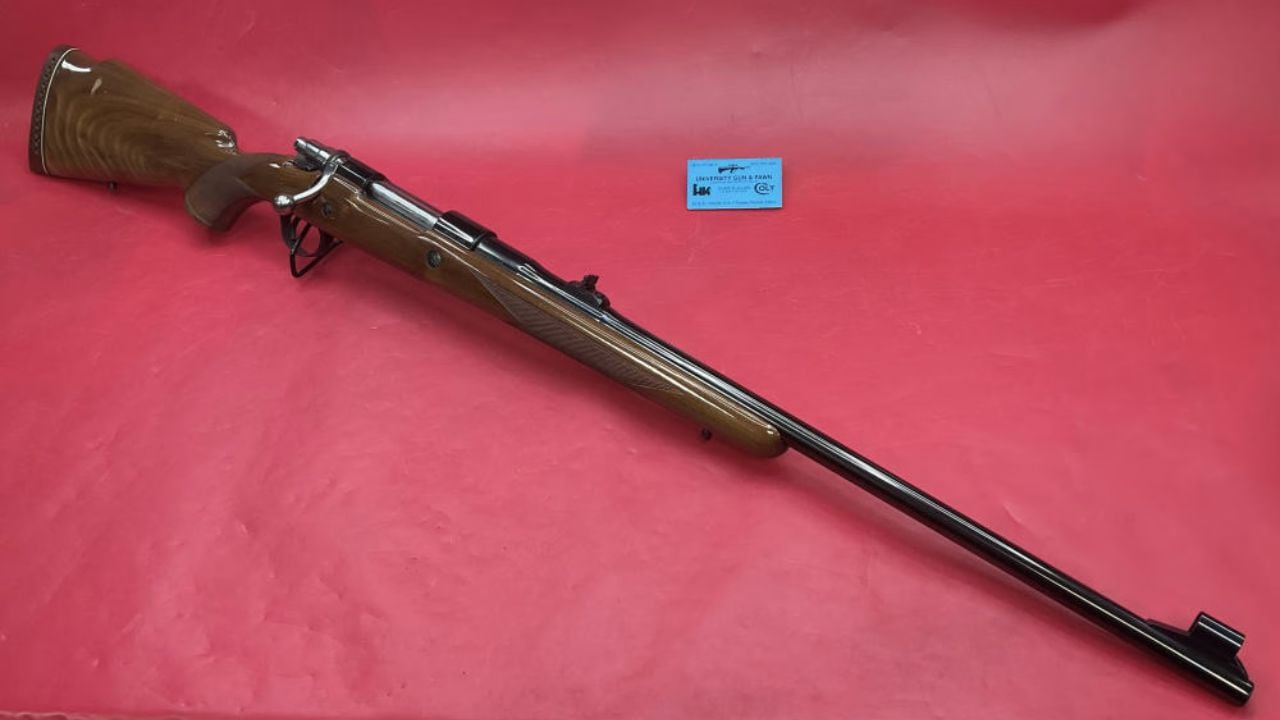
The Browning High Power bolt-action rifles built on FN Mauser actions deserve more attention because they combine Belgian craftsmanship with classic American sporting-rifle styling. They are not as famous as Browning’s later bolt guns, which helps keep them under the radar.
The rifles were well finished, smooth, and often stocked with attractive walnut. Many were hunted hard, so clean original examples are becoming increasingly important. Their connection to FN also gives them mechanical credibility beyond the Browning name alone. For collectors who appreciate postwar sporting rifles, these early Brownings offer a lot of history and quality without the attention given to more obvious collectibles.
Savage Model 1920
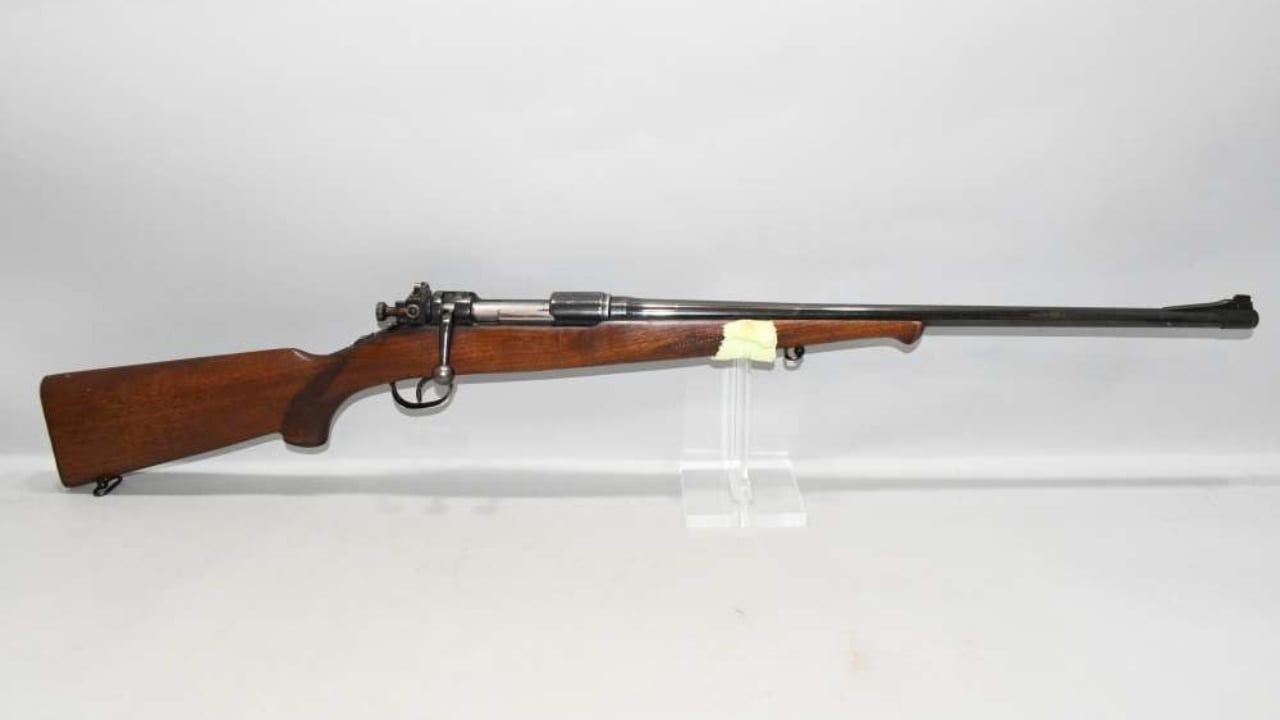
The Model 1920 is one of Savage’s more interesting early bolt-action sporting rifles, yet it often gets overshadowed by the company’s lever guns. That is exactly why collectors should pay attention.
It was compact, lightweight for its era, and chambered in cartridges such as .250 Savage and .300 Savage that tie directly into the company’s history. Production numbers were not enormous, and finding one that has not been drilled, restocked, or otherwise altered can be difficult. The rifle represents an early attempt to build a truly modern American sporting bolt gun. Historically, it deserves far more recognition than it gets.
Remington Model 30 Express
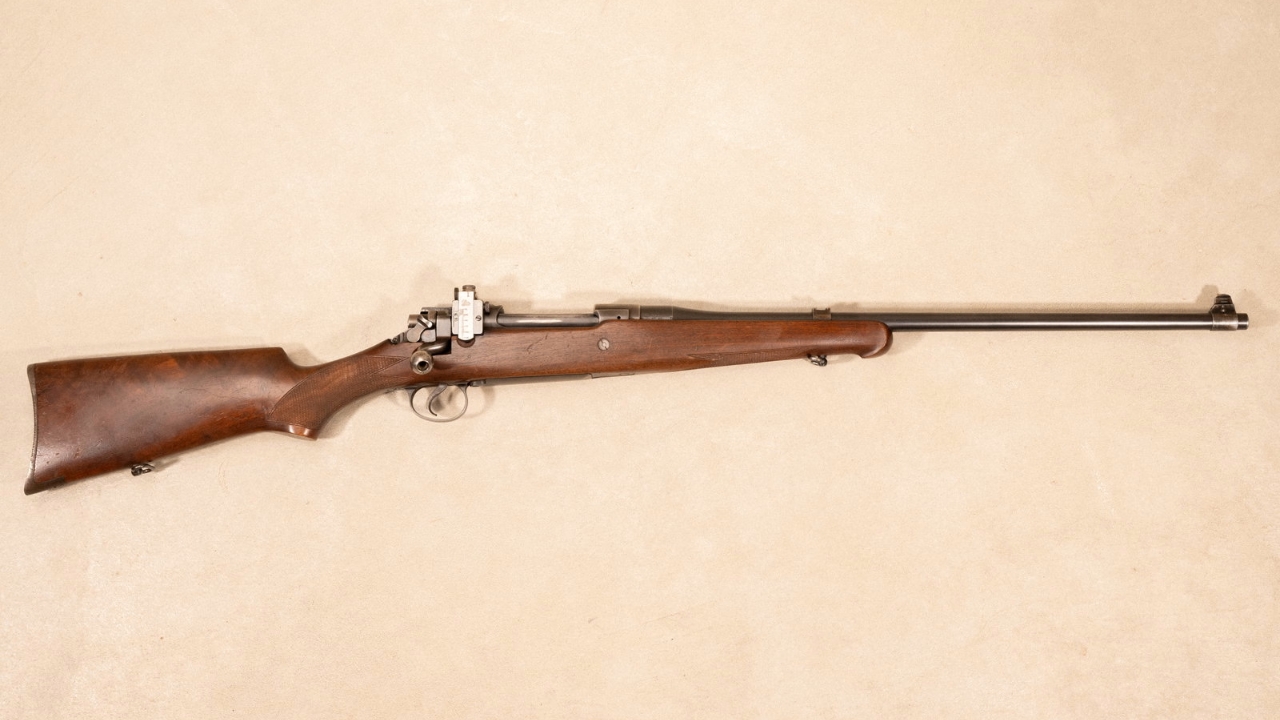
The Model 30 grew out of the same basic action lineage as the U.S. Model 1917 military rifle, but Remington transformed it into a civilian sporting arm. That connection alone makes it a fascinating collectible.
The Express versions are especially appealing because they show how manufacturers repurposed wartime production knowledge into commercial rifles. They are heavy by modern standards, but the actions are strong and the rifles have tremendous period character. Many have been altered, which makes original examples with correct stocks and sights much more desirable. Collectors interested in the transition from military to sporting rifles should be paying much closer attention to them.
Krico Model 600
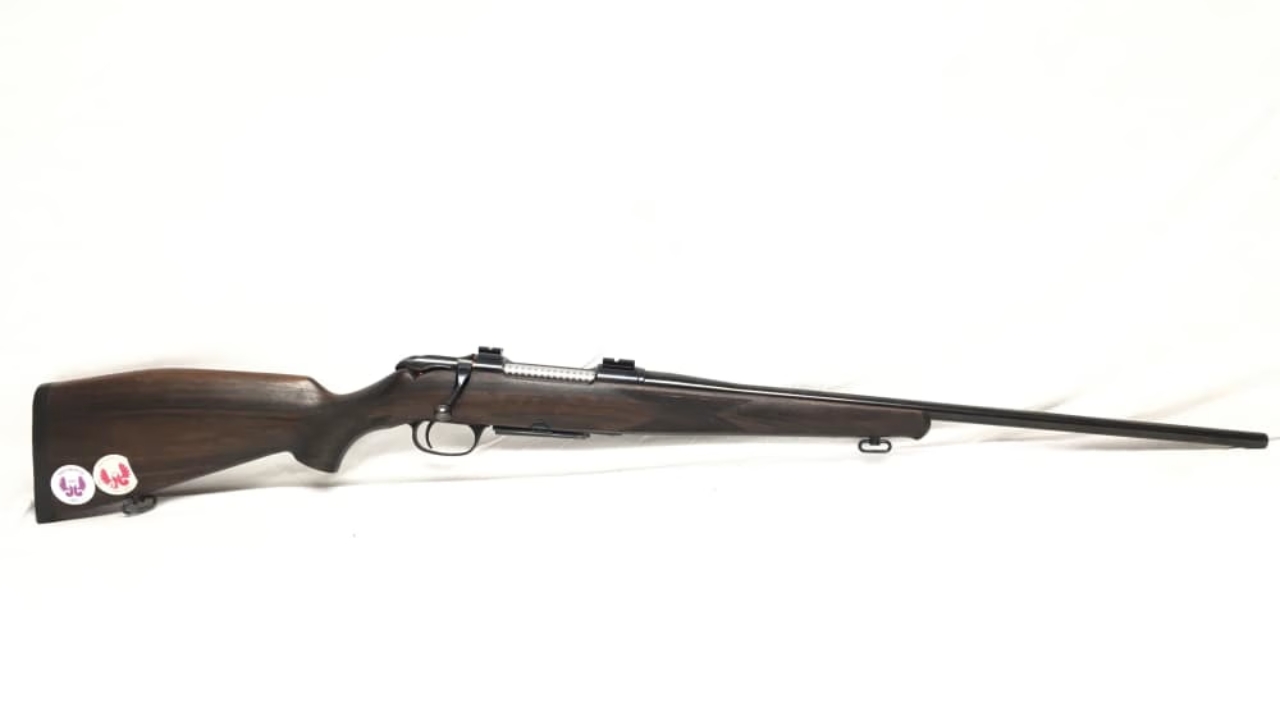
Krico rifles have never achieved broad recognition in the United States, which is surprising considering how well many of them were made. The Model 600 is a good example of a German sporting rifle that offers excellent machining without a famous-name premium.
These rifles tend to have smooth actions, good triggers, and tasteful stocks. The obscurity is actually part of the appeal because collectors can still find interesting examples without immediately competing with everyone chasing Sako or Steyr. Parts availability is not as easy as with mainstream rifles, so originality matters. As a collectible rather than a hard-use hunting platform, though, the Model 600 has a lot going for it.
Voere Titan II
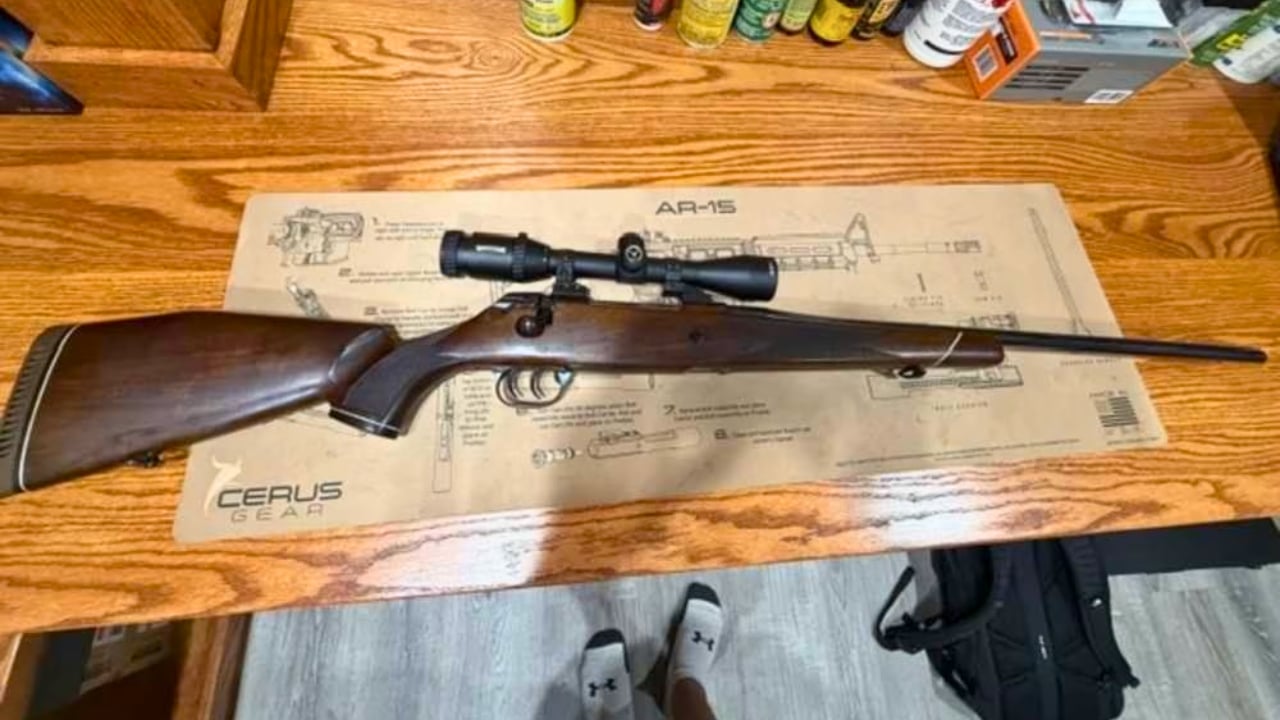
The Titan II is another European rifle that tends to get ignored because the name does not carry much weight with American collectors. Mechanically, however, it is much more interesting than the market often gives it credit for.
Voere produced rifles with good machining and distinctive European styling, and the Titan II represents the kind of relatively obscure sporting arm that can become desirable once collectors run out of cheaper examples from more famous brands. Condition is especially important because replacement components are not everywhere. A clean rifle in an original chambering offers scarcity, quality, and character, which is usually a pretty good recipe for long-term collector interest.
Sauer 80
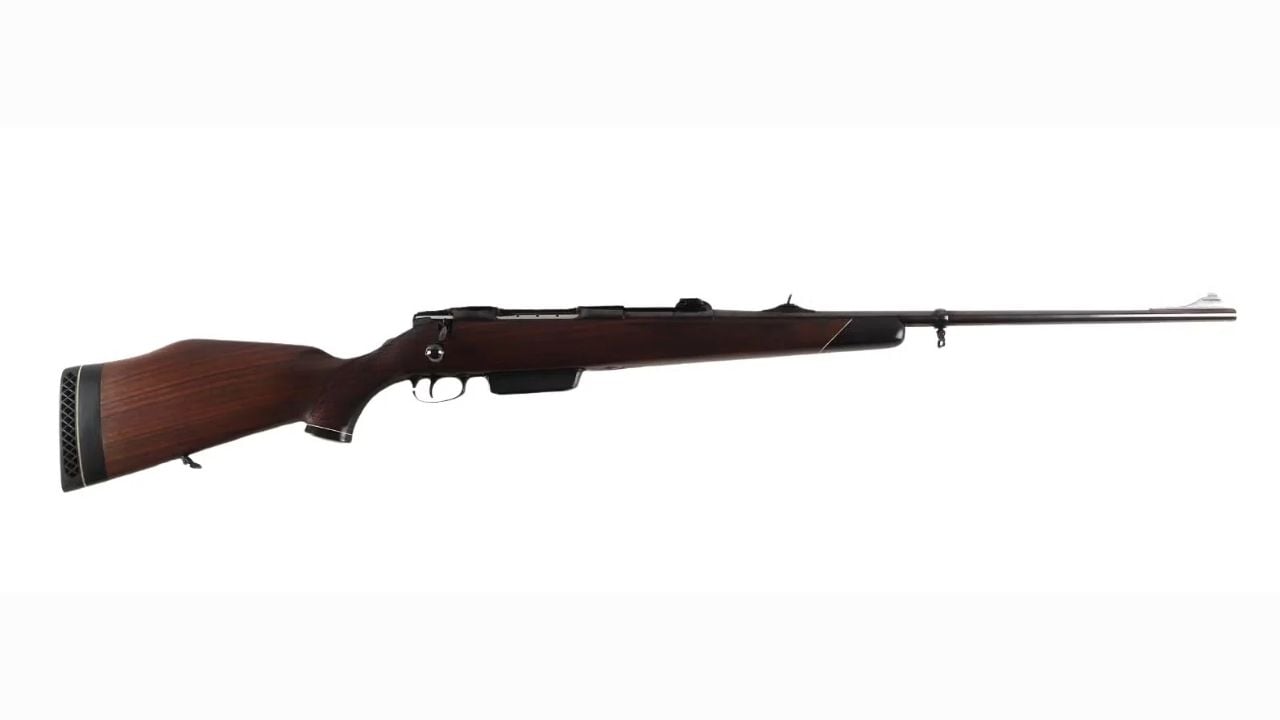
The Sauer 80 has a strong reputation among people who know European rifles, yet it still falls behind better-known Sauer models in collector conversations. That seems strange once you handle one.
The action is extremely smooth, the machining is excellent, and the rifle has a substantial, refined feel that clearly came from a different manufacturing era. These rifles were expensive and built to last, but they never became common enough in the United States to develop broad recognition. That leaves collectors with an opportunity. A clean Sauer 80 offers serious mechanical quality without the premium attached to more fashionable German sporting rifles.
Musgrave Model 98
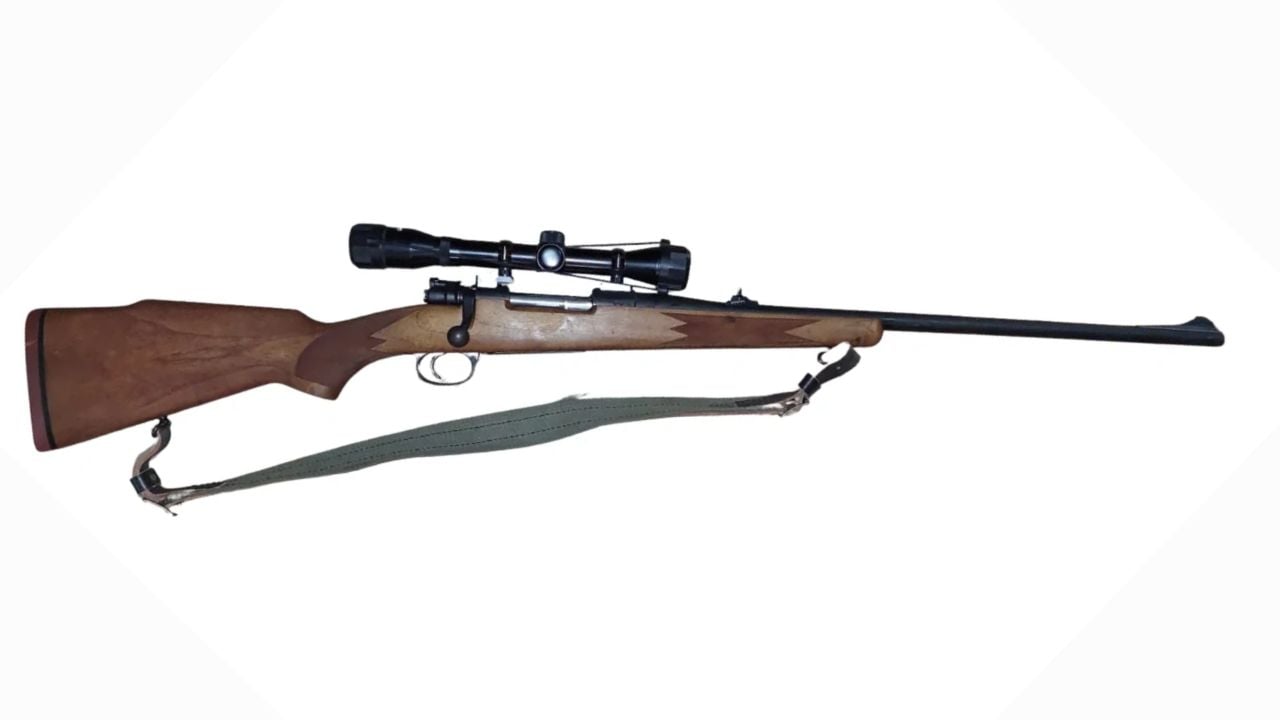
South African Musgrave rifles are rarely encountered in the United States, which makes them especially interesting for collectors who want something different. Many were built around Mauser-pattern actions and intended for hard hunting use.
That practical origin gives them authenticity. These were not decorative rifles made solely for export appeal. They were working sporting rifles from a country with a serious hunting culture. Original examples in African and traditional sporting chamberings can be particularly interesting. Because the brand remains obscure outside southern Africa, prices may not fully reflect the history or scarcity involved.
Parker-Hale 1100 Lightweight
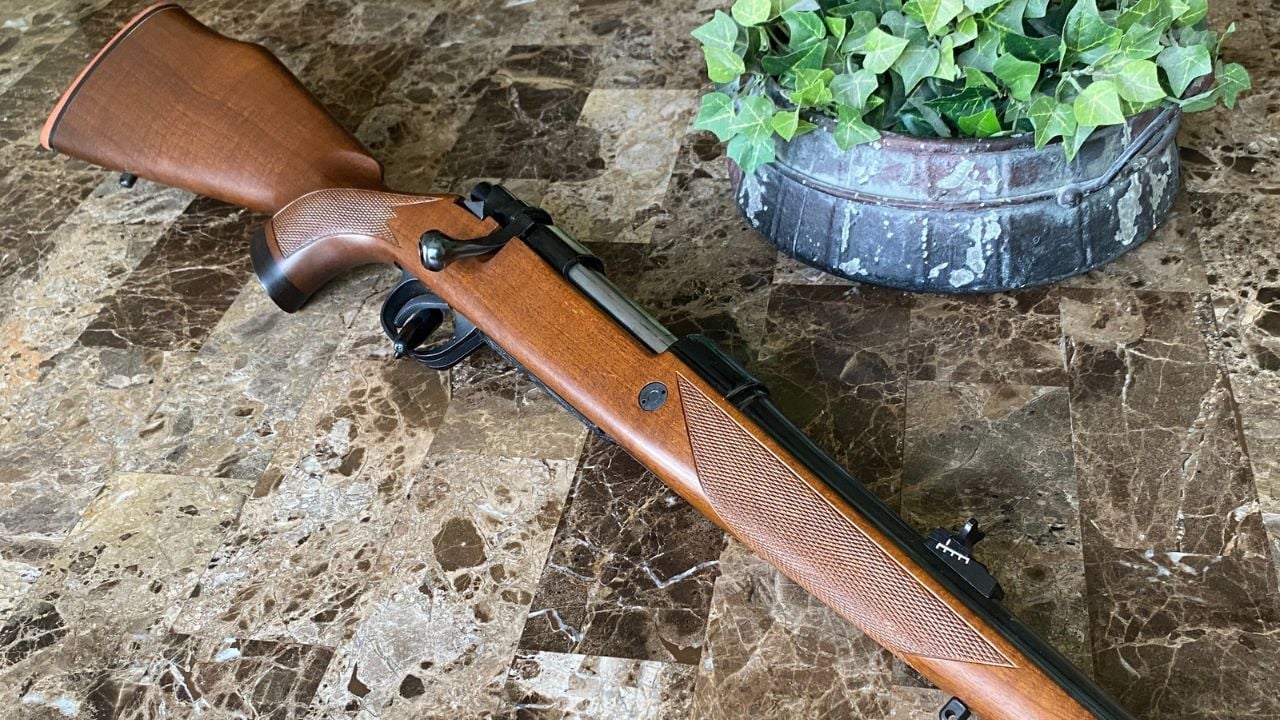
The Parker-Hale 1100 Lightweight is easy to walk past because it looks like an ordinary older hunting rifle. That is exactly the kind of rifle collectors often regret ignoring once good examples disappear.
Built around Mauser-derived actions and traditional British sporting styling, the 1100 offered practical quality without luxury branding. The Lightweight versions are especially appealing because they combine classic construction with more manageable field weight. Many were used hard, modified, or refinished, so untouched rifles are becoming less common. They may never bring the money of famous Continental rifles, but as affordable examples of postwar British sporting-rifle production, they deserve far more collector interest.
Like The Avid Outdoorsman’s content? Subscribe to our newsletter so you never miss an article.
Here’s more from us: