Photo credit: Thompson/Center Arms/YouTube
There’s nothing that drains confidence faster than a rifle that won’t stay put. You confirm zero on a calm day, pack it carefully, then show up to hunt or train and your first group is somewhere else. A lot of the time it’s not magic. It’s movement. Action screws settling, a stock flexing on a sling, a scope mount that wasn’t torqued evenly, or a design that’s more sensitive to being taken apart and put back together.
Some rifles make this easier to trigger than others. Takedowns, barrel-band carbines, ultralight synthetics, and bargain setups with budget rings can all nudge your point of impact around. The fix usually isn’t complicated, but it does mean paying attention to torque, bedding contact, and the little parts that quietly loosen over miles of road and a few range sessions.
Ruger 10/22 Takedown

The 10/22 Takedown is built to come apart, and that convenience can come with a price. If the barrel-to-receiver fit isn’t set consistently, the point of impact can shift when you reassemble it. Even small changes in how tight the interface feels can move groups enough to make you second-guess yourself.
It also tends to wear in over time. As parts settle, you may find you’re chasing the same adjustments again unless you keep the takedown tension set the same way every trip. Add in a light rimfire optic and rings that weren’t torqued evenly, and you’ve got a perfect recipe for “it was dead on last month.” Treat it like a system, not a single part, and it behaves far better.
Ruger Mini-14 Ranch Rifle

The Mini-14 can be dependable, but it’s not built like a heavy bench gun. The gas system, thin barrel profile, and how the stock interacts with the barrel can all influence point of impact. If your stock fit is inconsistent or your hardware is loosening, you’ll see it as wandering groups and a zero that feels like it comes and goes.
Optics can add another variable. The Mini’s mounting solutions work fine when they’re solid, but any slight movement in rings, rail, or screws shows up fast on paper. Heat can also change what the rifle wants to do, especially if you’re shooting strings. A careful mount job, good torque, and consistent support make the difference between “good enough” and “why am I re-zeroing again.”
Marlin 336

Barrel-band lever guns carry well and look right in the woods, but barrel bands can influence point of impact. Any change in band tension, stock swelling, or pressure where the fore-end meets the barrel can move groups. You’ll notice it after a season of temperature swings, long drives, and the rifle riding in a scabbard.
The 336 also uses a two-piece stock setup, and that means more contact points that can shift slightly over time. If screws back out even a little, the rifle can feel “off” without showing anything obvious. None of this means a 336 can’t be accurate. It means it’s sensitive to consistent hardware tension and consistent fore-end pressure, especially with a scope mounted high over the receiver.
Winchester Model 94 Carbine

The Model 94 is a classic, and it’s also a carbine designed for practical hunting ranges. Many 94 carbines use barrel bands or fore-end arrangements that can change pressure on the barrel. If that pressure changes—humidity, wood movement, screw tension—your point of impact can shift enough to make you chase it.
Add optics into the equation and you stack variables. Side mounts and receiver setups can work, but they introduce more screws and more leverage. Even iron sights aren’t immune if the rifle takes hard knocks in a truck rack. The 94 tends to do best when you keep it set up consistently and treat fastener tension like part of routine maintenance. It will hold zero far better when nothing is gradually walking loose.
Henry Big Boy Steel Carbine

The Big Boy Steel Carbine is solidly built, but like other lever carbines it can be sensitive to fore-end pressure and how the barrel is supported. Barrel bands and tight wood-to-metal contact can change slightly with weather, and that’s enough to move your point of impact, especially if you’re shooting from different rests trip to trip.
Scopes can magnify the issue because you notice small shifts more quickly. A lever gun that prints a couple inches different at 100 yards is still a deer killer, but it makes range confirmation feel like a chore. Keeping screws torqued, watching band tension, and using the same support method when you confirm zero helps a lot. The rifle usually isn’t “losing” accuracy, it’s reacting to changing pressure and hardware tension.
Mossberg Patriot Synthetic

The Patriot is a budget-friendly hunting rifle, and many of the synthetic-stock versions can be sensitive to stock flex. If the fore-end flexes into the barrel under sling tension or when you load a bipod, the rifle’s point of impact can shift. That shows up as “it’s zeroed on bags, then it’s off in the field.”
Action screws can also settle in softer stocks. If torque changes over time, your bedding contact changes, and your groups move. Pair that with entry-level rings that weren’t installed carefully, and you’ve got multiple small problems that look like one big one. The Patriot can shoot well, but it rewards a careful setup: solid rings, correct torque, and a stock that isn’t touching the barrel when pressure is applied.
Savage Axis II

The Axis II often shoots better than its price suggests, but the factory stock can be a weak link for zero stability. A flexible fore-end can alter barrel contact depending on how you hold the rifle, what rest you use, or how hard you pull into a sling. That changing pressure can move your point of impact enough to make every trip feel like a re-zero.
The other usual suspect is action screw torque. When a rifle lives on the edge of “good enough,” small changes matter. A screw that backs out slightly can turn a decent rifle into a frustrating one. None of this is exotic gunsmithing. It’s basic setup discipline. Correct torque, decent rings, and a stock that keeps the barrel free from contact under pressure will make an Axis II far more consistent.
Remington 783

The 783 can be a solid shooter, but it’s also a rifle where small setup issues show up quickly. If the stock bedding area shifts, or the action screws aren’t kept consistent, point of impact can drift. Synthetic stocks in this class can also flex enough to touch the barrel depending on how you rest it, which turns your zero into a moving target.
Optics are another common culprit. Many 783s get paired with starter scopes and budget mounts, and those mounts often become the weak link. A base that wasn’t torqued and secured properly can make you think the rifle is the problem. The 783 usually behaves when the hardware is treated seriously. Torque specs, quality rings, and consistent support during zero checks will do more than swapping ammo ever will.
Winchester XPR

The XPR is capable, but it sits in that category where the rifle is often fine and the setup is what bites you. Lightweight sporters can be sensitive to how they’re rested and how much pressure you put on the fore-end. If the stock flexes into the barrel, your point of impact can shift between “bench zero” and “field hold.”
The XPR also often wears economical mounts, and any movement in bases or rings shows up as “my zero moved.” It’s not a dramatic failure; it’s a slow creep that becomes obvious when you check at 100 yards. Keep the fasteners properly torqued, avoid resting the barrel, and confirm that the barrel stays free under sling or bipod load. When those basics are handled, the XPR can stay consistent trip after trip.
Ruger American Predator

The Ruger American Predator is popular because it tends to shoot well for the money, but it can still make you chase zero if the stock and fasteners aren’t treated carefully. Some factory stocks flex enough that fore-end pressure changes point of impact, especially when you shoot off a bipod or hard rest.
The American line also depends on consistent action screw torque for repeatable bedding contact. If you remove the action, change components, or let screws loosen over time, groups can shift. It’s also common to see these rifles wearing budget rings, and ring slip looks exactly like a wandering zero. The Predator usually responds well to a disciplined setup: proper torque, quality mounts, and making sure your shooting support method stays consistent when you confirm zero.
Howa 1500

The Howa 1500 action is respected, but the soft Hogue-style stocks can introduce their own issues. Those stocks can flex under pressure, and the fore-end can touch the barrel depending on how you load a bipod or pull into a sling. That changing contact point is a classic way to move point of impact without changing ammo or scope settings.
Action screw torque matters here as well. A softer stock can compress and relax over time, which changes how the action sits. The rifle might print one way after a range session and another way after a few weeks of riding around. The cure is straightforward: keep torque consistent and make sure the barrel stays free under real shooting pressure. When the stock stops influencing the barrel, the rifle stops feeling unpredictable.
Tikka T3x Lite
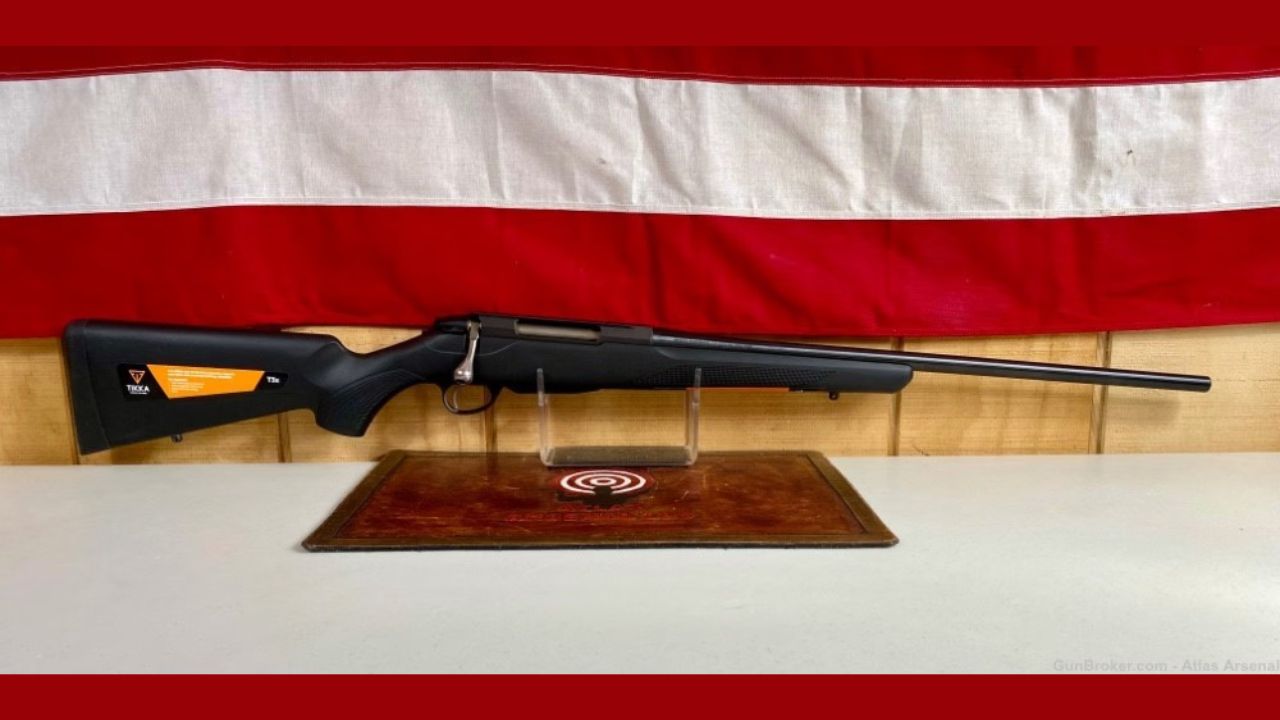
The T3x Lite has a strong reputation, but ultralight hunting rifles are more sensitive to variables. A light barrel heats faster, and heat can change point of impact in ways that make “quick confirmation” groups misleading. If you zero with slow, cool shots and then fire a fast string later, you may see a different result.
Lightweight stocks also make shooting technique matter more. Different rests, different sling tension, and different grip pressure can show up on target. That’s not a flaw unique to Tikka; it’s a reality of light rifles. The T3x Lite stays consistent when you treat zero checks the same way every time and keep your hardware torqued. It’s a rifle that rewards a calm pace and a repeatable process, not rushed groups and mixed support methods.
Kimber Montana
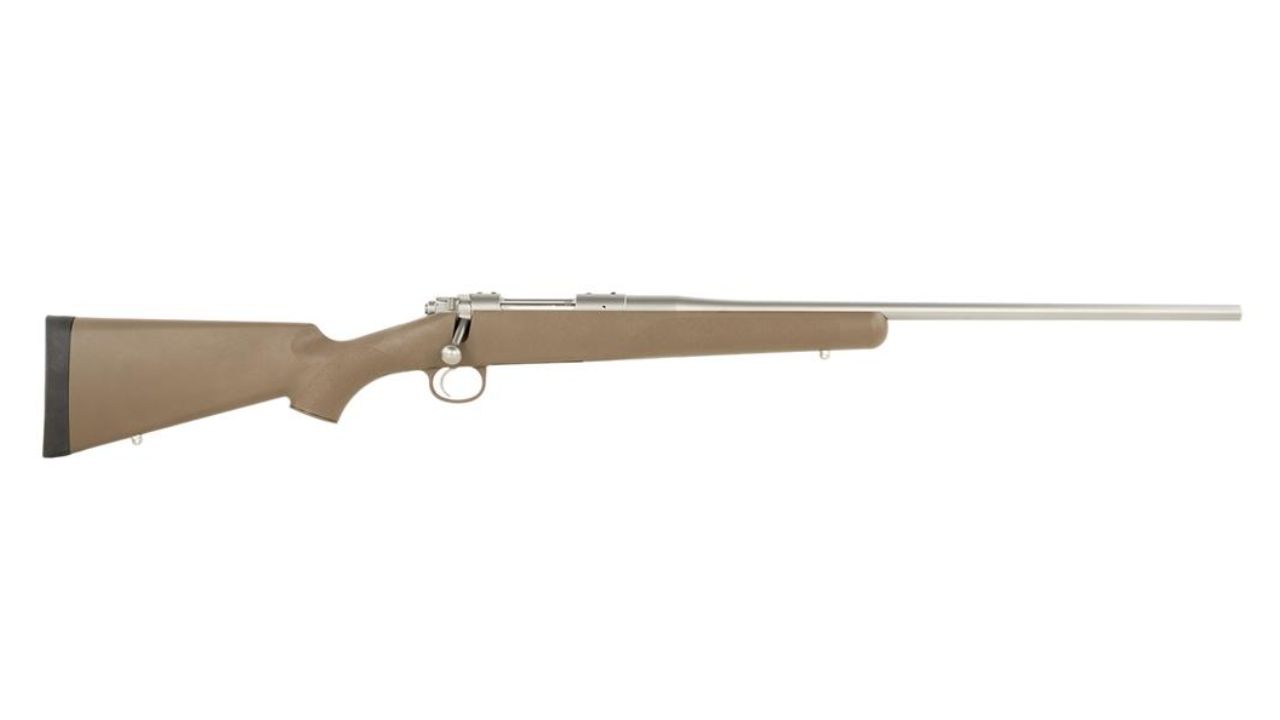
The Kimber Montana is built for carry, and light rifles can expose setup and technique issues fast. If action screws aren’t torqued consistently, or bedding contact changes, point of impact can drift. Lightweight rifles also react more to how you hold them and how you rest them, which can turn “my zero moved” into a training problem instead of a mechanical one.
Barrel heat is another factor. Thin barrels warm quickly, and point of impact can shift during strings. A hunter who fires one cold shot at a deer may never notice, but a shooter confirming zero with multiple fast groups often will. The Montana can be a very capable hunting rifle, but it likes consistency: consistent torque, consistent rests, and a zero check process that mirrors how you’ll actually shoot in the field.
Browning X-Bolt Speed
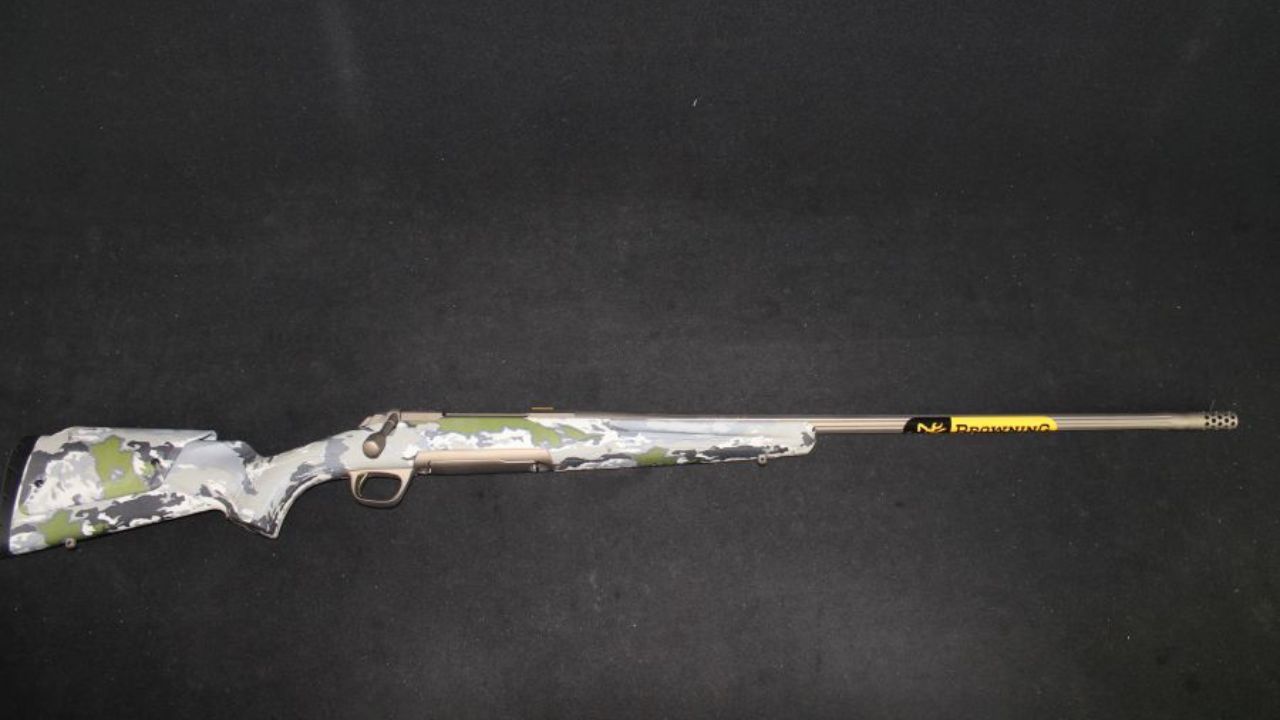
The X-Bolt Speed is another lightweight hunting setup that can feel different from trip to trip if you mix variables. A light barrel and a light stock mean pressure changes matter. Sling tension, bipod load, and even how the rifle sits on a bag can shift point of impact enough to make you think the scope got bumped.
Hardware still rules the day. If your base screws or ring screws aren’t properly torqued, you’re going to chase your tail. Lightweight rifles also get carried hard—on slings, through brush, in vehicles—so they tend to take more knocks. That’s not a criticism; it’s their job. The X-Bolt Speed usually stays steady when the mount job is done right and you confirm zero with the same pace and support you’ll use while hunting.
Weatherby Vanguard Synthetic
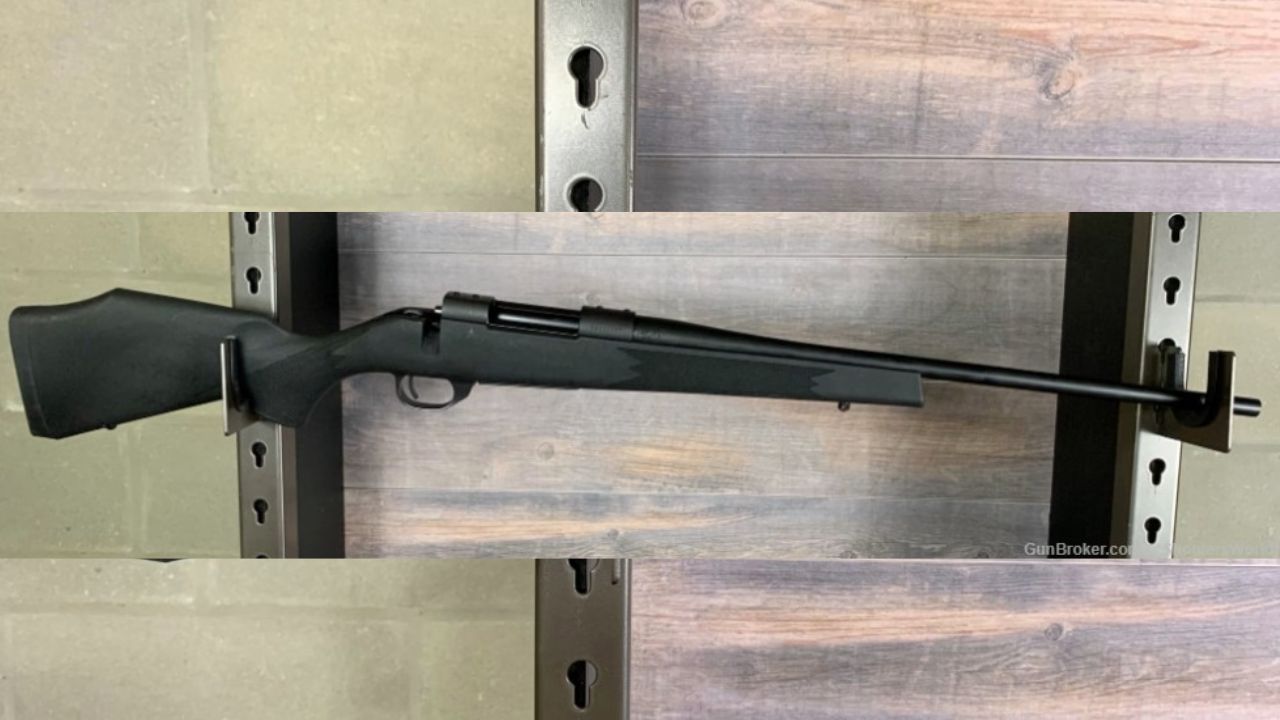
The Vanguard action is known for strength, but the common synthetic-stock setups can be sensitive to pressure and torque. If the stock flexes into the barrel or action screws settle, point of impact can move enough to create that “again?” feeling at the range. It often shows up when you switch from bench bags to a bipod or sling-supported shooting.
A Vanguard also tends to get scoped and left alone, which is fine until a screw slowly loosens or the rifle rides around for months. The shift you see then feels sudden, but it’s usually gradual. Keeping action screws properly torqued and using solid rings helps a lot. The Vanguard isn’t a rifle that wants constant attention, but it does respond well when you treat the stock and fasteners like critical parts of the accuracy system.
Bergara B-14 Ridge

The B-14 Ridge has a reputation for accuracy, yet any rifle can feel like it’s “losing zero” if the interface points are moving. A hunting rifle that gets carried hard can see subtle changes in fastener tension, scope ring bite, or stock contact that become obvious on paper. Even a good rifle becomes frustrating when the mount job isn’t locked down correctly.
The Ridge also often gets shot in different roles—range work, hunting, occasional positional shooting. Different support methods can change point of impact if you’re loading the fore-end differently each time. That’s especially true when people chase tiny groups with mixed technique. The B-14 Ridge tends to stay honest when you keep your torque consistent and confirm zero the same way every time. The rifle usually isn’t drifting on its own; the system around it is.
CVA Scout V2

Break-action rifles like the Scout V2 can be very accurate, but they can also be sensitive to how the optic is mounted and how the action locks up. If there’s any inconsistency in lockup tension or hinge wear over time, point of impact can shift. It doesn’t take much movement to show up at 100 yards.
The other issue is that these rifles are often set up as “handy” tools that get tossed in a truck, carried a lot, and shot less. That lifestyle is rough on mounts and screws. A single loose screw can look like a wandering barrel. The Scout V2 tends to behave when you keep the hinge and lockup clean, watch fastener tension, and avoid questionable bargain mounts. Treat it like a precision system, not a disposable tool, and it’s far less likely to surprise you.
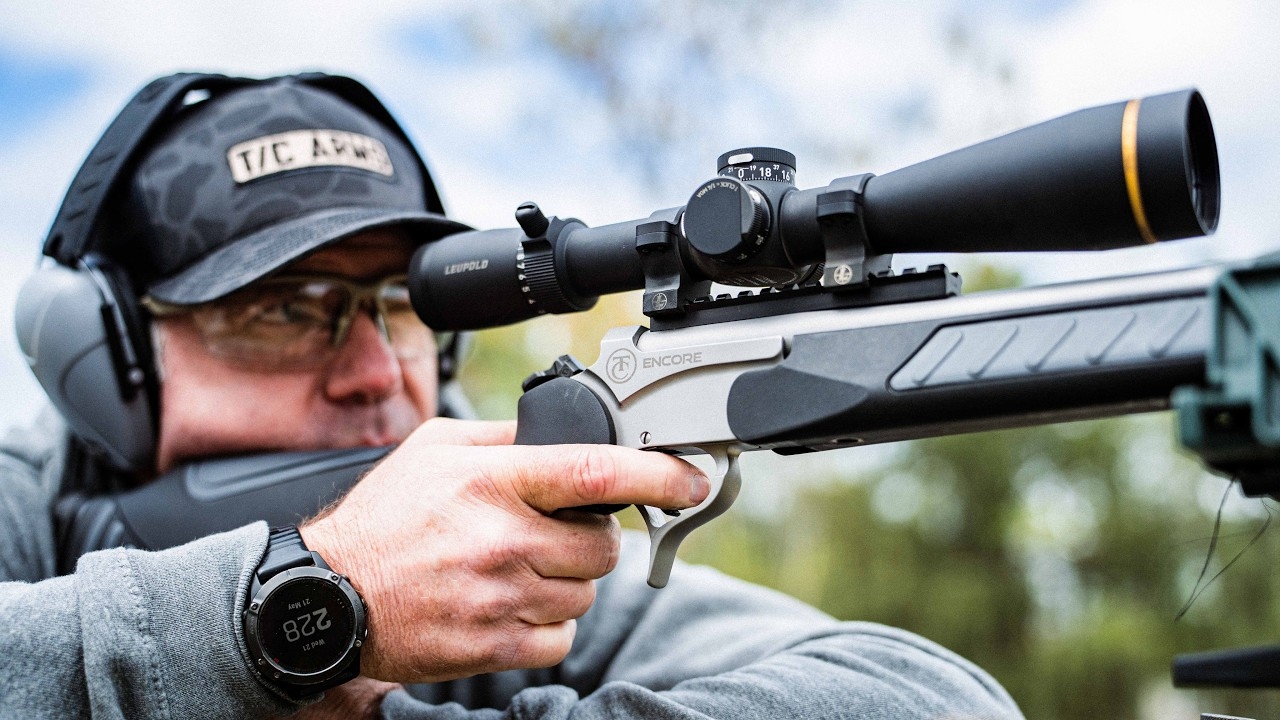
Thompson/Center Encore Pro Hunter

The Encore Pro Hunter is modular, and modular systems can introduce repeatability challenges. Swapping barrels, removing optics, or even re-tightening components with slightly different tension can shift point of impact. The system can be very accurate, but it likes consistency more than most bolt guns do.
Even when you aren’t swapping barrels, the Encore’s hinge and lockup are critical. Any change in how the action closes, or how the fore-end pressure interacts with the barrel, can alter where the rifle prints. This is where torque discipline matters. Keep your fasteners consistent, keep your fore-end fit consistent, and avoid changing components right before a trip. The Encore rewards a stable setup. When you treat it like something you can reconfigure casually, it can turn into a rifle that makes you confirm zero more often than you want.
Like The Avid Outdoorsman’s content? Subscribe to our newsletter so you never miss an article.
Here’s more from us: