Photo credit: NRApubs/YouTube
Some cartridges don’t just shoot fast—they consume fast. They burn a lot of powder, they run hot, and they make you pay for every trigger pull. That doesn’t mean they’re bad rounds. Plenty of them are flat-shooting, hard-hitting, and genuinely useful for the right hunting or long-range role. The problem is what happens when you shoot them like a normal guy who likes range time. Barrels heat quickly, throat erosion shows up sooner, and the cost of factory ammo can make you start doing math you didn’t want to do.
These are the rounds that tend to drain wallets because they’re overbore, high-pressure, or simply expensive by design. Some are niche, some are magnums, and some are modern speed demons that promise laser trajectories. You can run them smart and keep the burn rate under control—but you’ll never mistake them for cheap fun.
.264 Winchester Magnum

The .264 Win. Mag. has been torching powder and throats since the day it showed up. It pushes 6.5 bullets fast, and that speed is the whole point. The cost is heat and erosion. If you shoot it a lot, you’re going to notice that it doesn’t tolerate endless range sessions the way milder cartridges do.
Factory ammo also isn’t something you buy casually everywhere, and it’s rarely priced like a common deer round. If you handload, you can manage cost and tune loads, but you still can’t escape what the cartridge is. It’s a high-velocity 6.5 magnum that runs hard. The .264 is cool, it’s capable, and it can shoot flat—but it’s not a round you pick if you want to practice all summer without thinking about barrel life.
7mm Remington Magnum

The 7mm Rem. Mag. is popular for a reason, but it’s also a classic “burns powder like it’s free” cartridge. It uses a big case to do what it does—push sleek bullets fast and stay flat. That adds up to more powder per shot, more heat, and more wear if you’re the type who likes long range days.
It’ll also run your ammo bill up if you buy factory loads regularly. The popularity helps availability, but it doesn’t always help the price. If you shoot a couple boxes a year to confirm zero and hunt, it’s fine. If you like to practice a lot, the 7mm mag can make you start rationing your trigger pulls. It’s a great hunting round, but it’s not friendly to high-volume shooters.
.300 Winchester Magnum

The .300 Win. Mag. is another cartridge that does its best work by burning a lot of powder. It’s powerful, it’s versatile, and it’s everywhere. But if you shoot it like a range cartridge, you’ll feel the cost in more ways than one. Factory ammo isn’t cheap, and the powder charge per round adds up fast if you handload.
The other issue is heat. A .300 Win. Mag. will warm a barrel quickly, and hot strings are hard on accuracy and long-term barrel health. If you’re disciplined—slow strings, cool-down time, realistic practice—you can keep it reasonable. If you’re ripping through boxes, it becomes a money pit. The .300 Win. Mag. is a workhorse for hunting and serious shooting, but it’s never going to be a budget-friendly habit.
.300 Remington Ultra Magnum
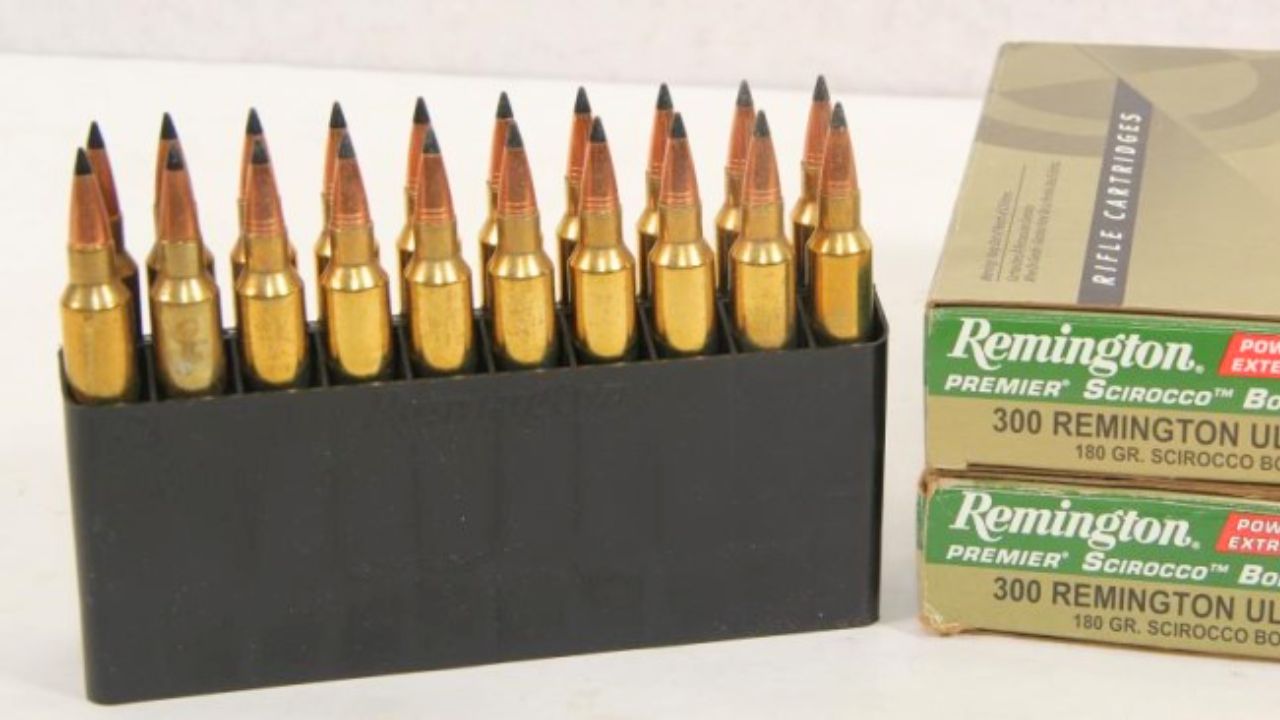
The .300 RUM is what happens when you look at a magnum and decide it still isn’t enough. It’s a huge case that burns huge powder charges, and it does it with authority. It’s great at pushing heavy bullets fast, and it’s brutal on your wallet if you shoot it often. Factory ammo is expensive and not always easy to find, and every trigger pull feels like you’re spending more than you wanted to.
It can also be hard on barrels, because you’re running a lot of hot gas through the throat. This isn’t the cartridge you pick for casual range days. It’s for the guy who needs top-end performance and accepts the cost. If you’re shooting it for fun, you either have deep pockets or you’re about to become a handloader who watches barrel temperatures like a hawk.
.300 Weatherby Magnum

The .300 Weatherby is a classic speed cartridge, and Weatherby cartridges tend to come with Weatherby bills. You get velocity and flat shooting, and you pay for it in powder consumption and ammo cost. Factory loads are often priced higher than common magnums, and the rifle world around it tends to encourage premium everything.
Like other fast .30-cal magnums, it runs hot and it can wear throats faster than milder rounds if you shoot a lot. The .300 Weatherby isn’t a problem if your “practice” is a handful of shots before season. But if you’re dialing turrets and shooting steel every weekend, you’ll notice the cost quickly. It’s a serious hunting cartridge that rewards restraint. If you treat it like a plinking round, it’ll punish you financially.
28 Nosler

The 28 Nosler is a modern speed demon. It’s built to push 7mm bullets very fast with a big case, and that recipe brings heat, powder burn, and barrel wear. It shoots flat and hits hard, but it’s not a cartridge that tolerates endless shooting without consequences. It’s overbore, plain and simple.
Factory ammo is expensive, and even handloading isn’t cheap when you’re burning large charges and often choosing premium bullets. If you’re the guy who hunts hard and shoots a little, it’s manageable. If you’re the guy who shoots constantly to “stay sharp,” the 28 Nosler will test your budget and your patience. It’s a cartridge for performance, not economy, and it makes sure you remember that.
26 Nosler

The 26 Nosler takes the overbore concept and turns it up. It’s incredibly fast, and it gets there by burning a lot of powder. That means heat. That means throat erosion. And that means you don’t shoot it casually unless you like paying for barrels and ammo.
Factory ammo pricing alone can make you blink, and availability isn’t as steady as mainstream rounds. Handloading helps, but you’re still feeding a hungry cartridge. The 26 Nosler is the kind of round that looks amazing on a ballistics chart and can absolutely perform in the field. It’s also the kind of round that makes you slow down and think about whether you really need that much speed. If you do, fine. If you don’t, there are easier ways to live.
6.5-300 Weatherby Magnum

If you want a cartridge that screams, the 6.5-300 Weatherby is it. It’s built to push 6.5 bullets at extreme velocity, and it does so with a lot of powder and a lot of heat. You’re in the land of serious overbore, and that means barrel life is a real consideration if you shoot frequently.
It’s also not a cheap cartridge to feed. Factory ammo is premium-priced, and you’re usually pairing it with premium rifles and optics, which tends to shape the whole “this isn’t a budget setup” reality. In the field, it can be spectacular. On the range, it’s the kind of round that makes you shoot fewer rounds per session and take cooling seriously. If you want to burn powder fast and money faster, this one is always ready.
.257 Weatherby Magnum

The .257 Weatherby is a flat-shooting deer and antelope favorite, and it gets that reputation honestly. The downside is what it costs to keep it running. It burns a healthy powder charge, it’s often loaded with premium components, and factory ammo tends to be priced accordingly.
It also runs fast enough that barrel heat and throat wear can become real issues if you do a lot of shooting. Many .257 Weatherby owners are “few shots to confirm, then hunt” types, which is a smart way to own the cartridge. If you’re the guy who wants to shoot it all summer, you’ll quickly notice the bill. It’s a great round for open-country hunting, but it’s not a friendly choice for high-volume practice unless you’re committed to handloading and careful range habits.
.22-250 Remington
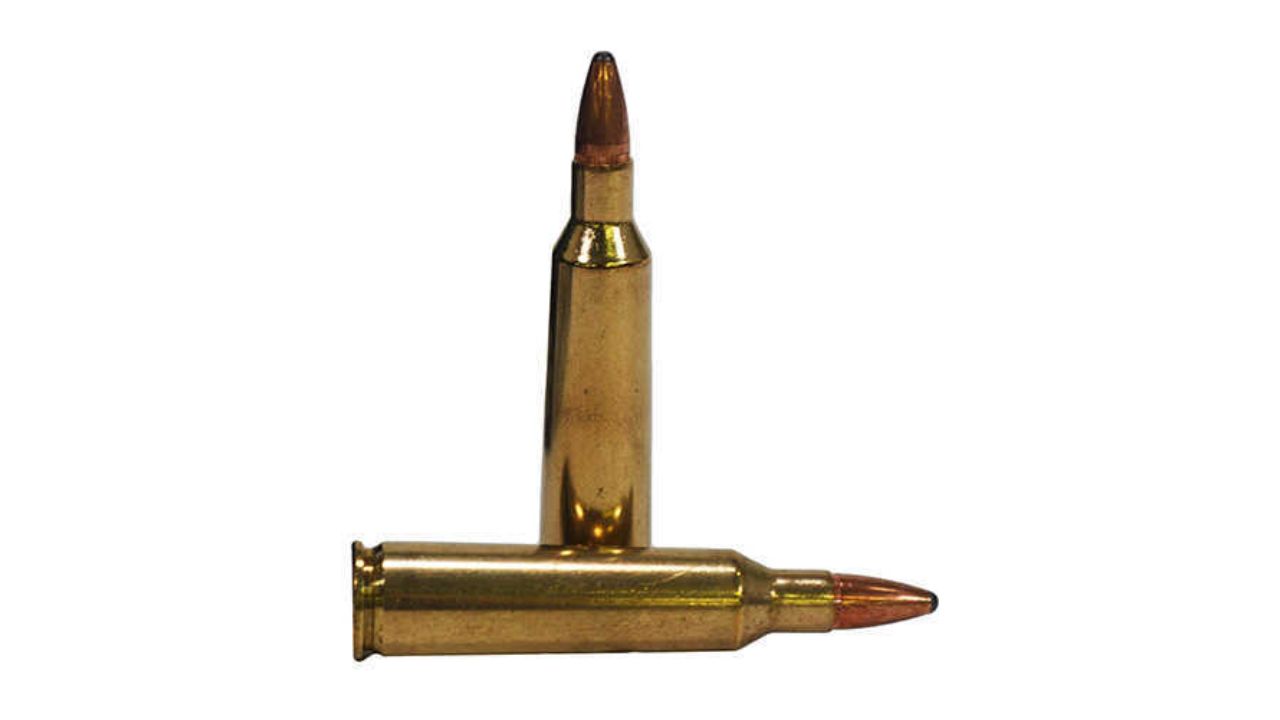
The .22-250 isn’t a magnum, but it absolutely burns through powder and barrels when you shoot it hard. It’s a classic varmint round for a reason—fast, flat, and effective. That speed also means it runs hot, and long strings on prairie dogs can make the barrel temperature climb fast.
The “wallet” side depends on how you shoot. Factory ammo can still add up, especially if you’re buying quality varmint loads. Handloaders love the .22-250, but even then you’ll go through bullets quickly if you’re doing high-volume varmint work. It’s not the worst offender on this list, but it’s one of the most common rounds that makes people realize heat management matters. Shoot it smart and it’s great. Shoot it nonstop and it’ll start costing you.
.220 Swift
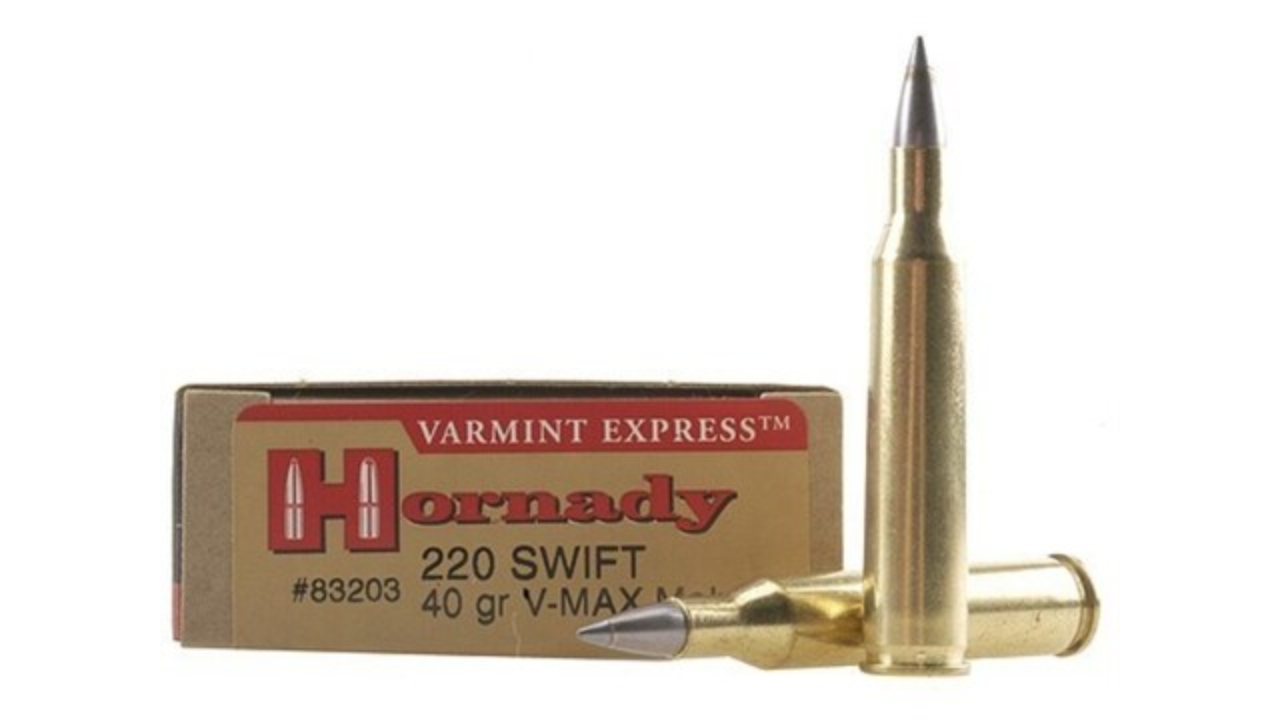
The .220 Swift has been famous for speed forever, and speed costs powder. It’s overbore, it’s hot, and it has a long-standing reputation for being hard on throats when shot heavily. Modern barrels are better than the old days, but the physics haven’t changed. You’re still dumping a lot of hot gas into a small bore.
Ammo also isn’t as cheap or as common as .223, and that’s where the wallet pain shows up. Even if you handload, you’re still feeding a cartridge that likes to run fast, and fast equals wear and consumption. The Swift is excellent for long-range varmints and open-country shooting when you want flat trajectory. It’s also a cartridge that rewards a disciplined shooter who watches barrel temp and doesn’t treat it like a mag-dump toy.
6mm Creedmoor

The 6mm Creedmoor isn’t a giant magnum, but it can still burn money quickly because of how people use it. It’s popular in the match world, and match shooting means volume. When you’re sending high-BC 6mm bullets at speed, you’re dealing with meaningful throat wear over time, and barrels don’t last forever in that role.
Factory ammo can be expensive, especially quality match loads, and the bullets themselves aren’t cheap if you handload. The cartridge is extremely shootable, which encourages you to shoot more, and that’s part of the “wallet faster” problem. It’s not a bad round—far from it. It’s a round that tends to get used hard by people who train and compete. If you shoot it a lot, you’re going to pay for that habit.
6.5 PRC

The 6.5 PRC sits in that sweet spot where it’s flatter and harder-hitting than a Creedmoor, but not as extreme as the big speed freaks. Still, it burns more powder than Creedmoor, it runs higher performance, and factory ammo costs reflect that. It’s a cartridge that invites you to stretch distance, and stretching distance usually means more practice.
Barrel life is generally better than the worst overbore rounds, but it’s still a step up in heat and consumption compared to mild cartridges. If you’re a hunter who shoots a moderate amount, it’s a great tool. If you’re a high-volume shooter who wants to train constantly, you’ll notice the cost. The PRC is a “pay to play” round. It performs, but it’s not cheap.
7mm PRC
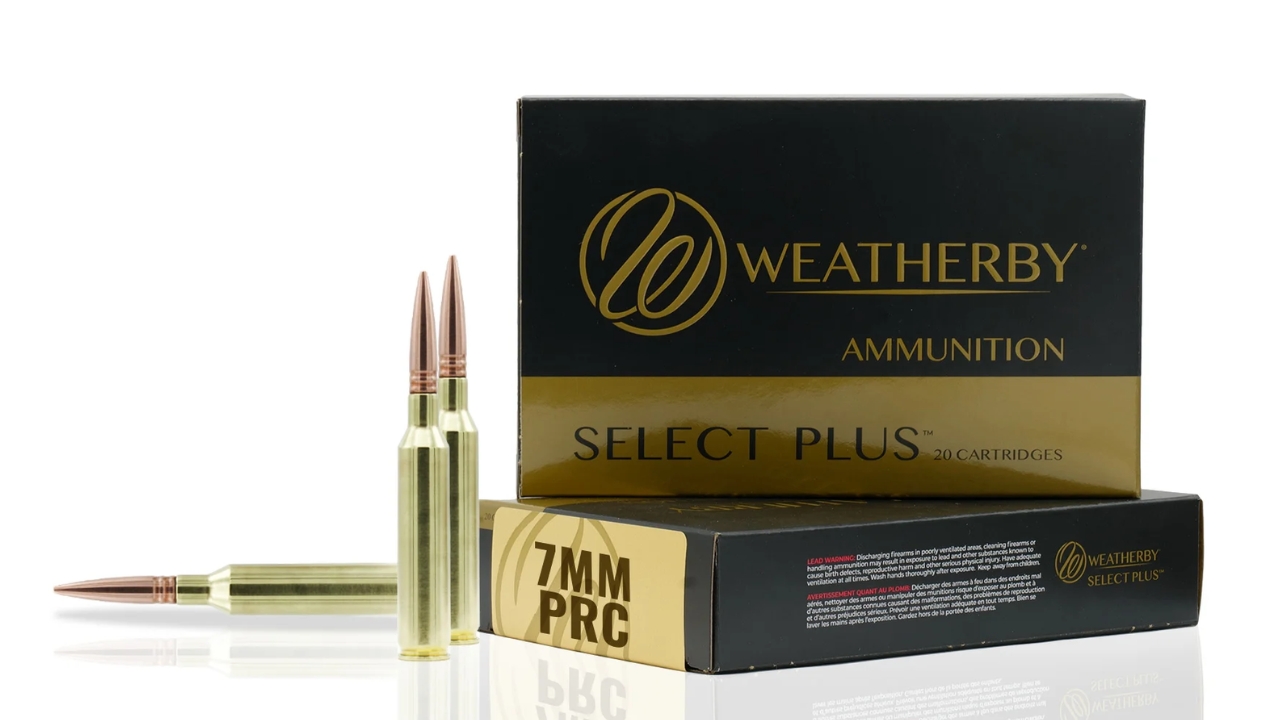
The 7mm PRC has quickly become a serious player because it pushes heavy, sleek bullets in a modern, efficient package. But it’s still a magnum-class cartridge, and that means magnum-class powder consumption and magnum-class ammo prices. It’s not a round you casually burn through without thinking about your budget.
Because it’s new and popular, a lot of factory ammo sits in the premium tier. That can settle over time, but it’s still not going to be bargain bin ammo. The other reality is how people use it—long-range practice, dialing, verifying drops—which drives volume. It’s a strong hunting cartridge, and it’s built for performance. If you shoot it a lot, it’ll remind you that performance has a price tag attached.
.338 Lapua Magnum

The .338 Lapua is the king of “that was awesome… and expensive.” It’s designed for extreme range performance, and it does that by burning a lot of powder behind heavy bullets. Factory ammo is expensive, components are expensive, and the rifles themselves tend to be expensive. Every shot feels like you’re spending real money, because you are.
It also runs hot, and while you’re not typically shooting it in high-volume strings like a .223, barrel wear is still part of the ownership equation if you actually train with it. The Lapua makes sense for a narrow slice of shooters who need or want that capability. For most people, it’s a novelty that becomes a safe queen because feeding it hurts. It’s hard to own as a “fun” gun unless your definition of fun includes lighting cash on fire.
.50 BMG

The .50 BMG doesn’t burn powder. It burns piles of powder. It’s in a category where the cartridge is so large that everything about it becomes a financial commitment—ammo, components, range access, and the rifle itself. Even one box of factory ammo can feel like a budget event.
It’s also a round that people don’t shoot casually unless they have a very specific reason. You’re dealing with heavy recoil management, serious muzzle blast, and a level of wear and tear that makes you check hardware regularly. The wallet part is obvious. The less obvious part is how quickly “I’ll shoot it all the time” becomes “I’ll take it out a few times a year.” The .50 is incredible. It’s also the definition of expensive shooting.
Like The Avid Outdoorsman’s content? Subscribe to our newsletter so you never miss an article.
Here’s more from us: