Photo credit: hickok45/YouTube
Some guns refuse to die, and it’s not because people are sentimental. It’s because certain designs keep doing their job in mud, heat, cold, salt air, and neglect—long after newer stuff shows up with better marketing. “Still in service” doesn’t always mean front-line infantry, either. A lot of these live on in reserve units, ceremonial details, armored vehicles, prisons, police armories, and training pipelines where reliability matters more than being trendy.
If you’re the kind of shooter who thinks everything old is obsolete, this list will mess with that. These are the workhorses that keep popping up in official inventory lists, unit photos, and dusty racks around the world, doing real work in 2026 the same way they did decades ago.
Browning M2 .50 BMG

The M2 is one of those guns that makes you wonder if engineers peaked early. It’s heavy, loud, and unapologetic, and it’s still riding on trucks, boats, helicopters, and fortified positions because nothing else fills the same role with the same long-running track record.
You see it because it still solves problems: long reach, barrier penetration, and sustained fire that doesn’t fall apart when conditions turn ugly. When a weapon keeps working across wars, climates, and continents, the bureaucracy doesn’t rush to replace it. You can update mounts, optics, and ammo, but the core gun keeps earning its spot.
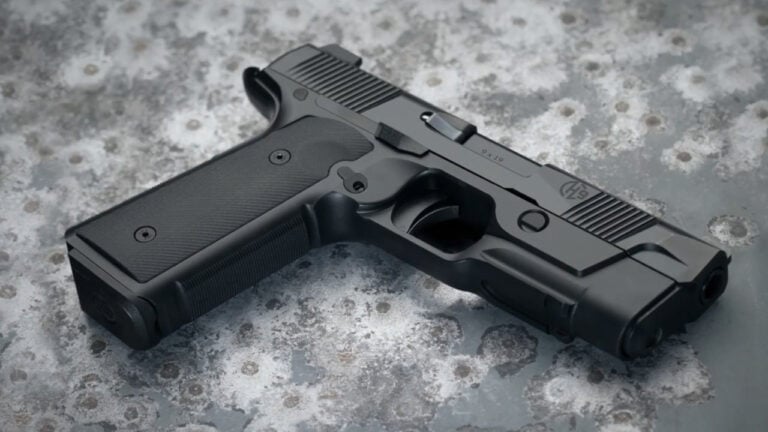
Colt M1911

Yes, the 1911 is still in service in certain corners, even if it isn’t the default sidearm it once was. You’ll still find it in specialized roles, ceremonial use, and in inventories where existing guns, parts, and institutional familiarity carry real weight.
You’re looking at a design that people can keep running for a long time, with a trigger that still makes good shooters look better. Modern pistols have advantages, but the 1911’s staying power comes from the fact that it can be maintained, rebuilt, and kept relevant with sights and small updates without changing what made it effective in the first place.
Browning Hi-Power

The Hi-Power refuses to vanish because it checks boxes that matter: thin profile, good ergonomics, and a reputation that made agencies hang onto them long after newer pistols arrived. You still see them in service and reserve use in parts of the world where proven pistols don’t get tossed out lightly.
When you handle one, you understand why it lingered. It points naturally, it carries flat, and it shoots like a “real” pistol instead of a compromise. Even with modern striker guns dominating, the Hi-Power keeps showing up in armories and holsters because it’s hard to argue with a sidearm that’s been dependable for generations.
Beretta 92 / M9

The Beretta 92 series is no longer the newest thing, but it’s still out there in official use. Plenty of agencies and units keep them in service because they already have the guns, the training programs, the holsters, and the maintenance know-how.
You also don’t have to be a Beretta fan to admit it’s an easy pistol to shoot well. The weight, the sight radius, and the overall balance help you stay controlled when you’re moving fast. A lot of newer pistols are lighter and smaller, but that doesn’t automatically make them easier to run. The 92 sticks around because it still performs in the hands of regular people.
Heckler & Koch MP5
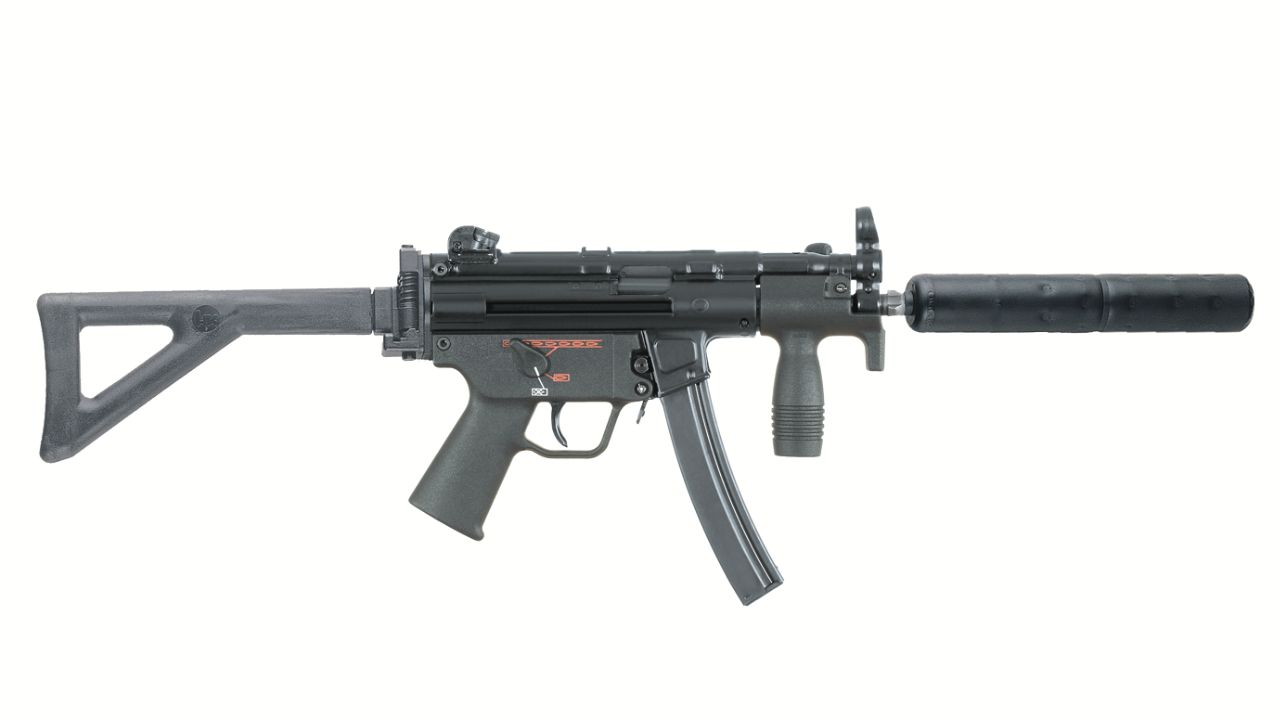
If you’ve ever wondered why the MP5 won’t retire, it’s because it still does its job extremely well. It’s compact, controllable, accurate, and friendly to shoot in a way that makes training easier and performance more consistent.
You’ll still find MP5s in service with police and specialized units worldwide because close-quarters work doesn’t always demand the newest platform. In environments where over-penetration concerns exist and shooting precisely matters, the MP5 keeps its value. Newer guns exist, but the MP5’s reputation wasn’t built on hype—it was built on decades of real use where function matters more than fashion.
AK-47 / AKM Pattern Rifles

The AK’s continued service isn’t a mystery. It’s rugged, widely distributed, and supported by an ocean of parts and magazines. Entire countries built their logistics around it, and that kind of infrastructure doesn’t disappear because a newer rifle is available.
You still see AK-pattern rifles in regular military service across the globe, and you also see them in secondary roles where durability matters more than refinement. The design tolerates rough handling, questionable maintenance, and harsh environments better than many shooters want to admit. When a rifle works for decades and you can keep it fed and repaired almost anywhere, it stays relevant.
PKM
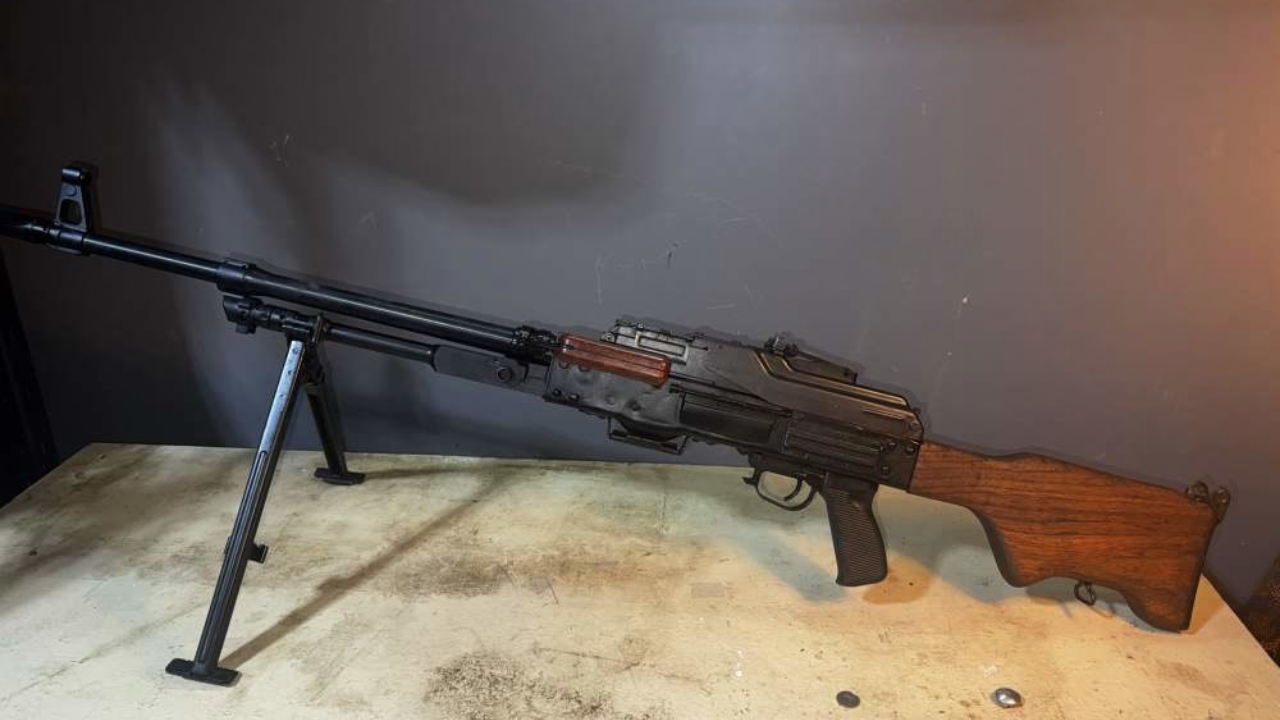
The PKM is one of the most influential machine guns ever fielded, and it’s still a staple in many militaries. It offers a hard-to-beat mix of reliability, controllability for its class, and a reputation for running in miserable conditions.
You’ll see it because belt-fed guns are not where you experiment lightly. Units keep what they trust, especially when the weapon is expected to provide sustained fire in dust, rain, and neglect. The PKM also benefits from massive global adoption, meaning parts, mounts, and support are everywhere. When a gun becomes the standard in so many places, it doesn’t fade—it becomes a permanent tool.
Dragunov SVD
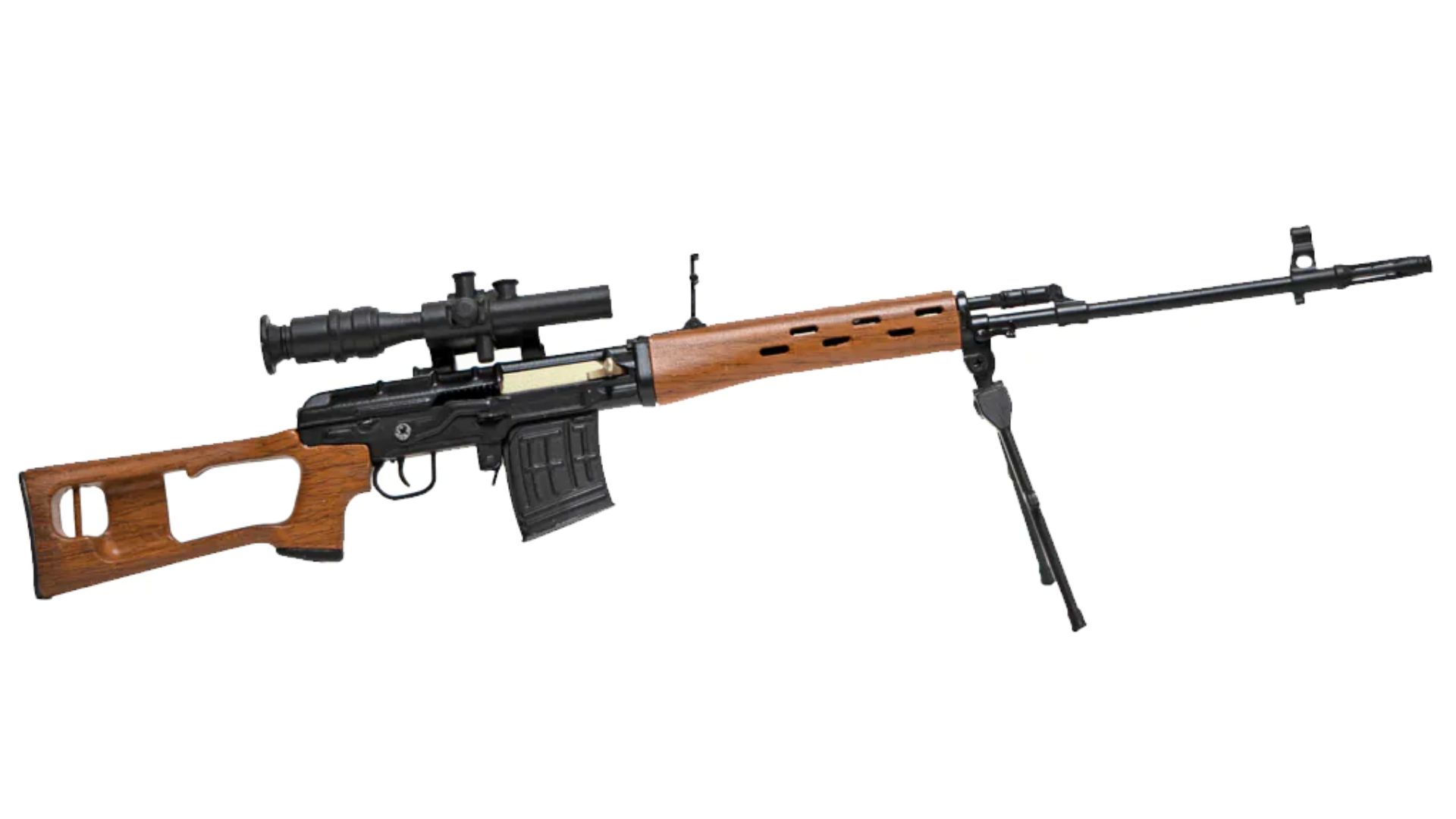
The SVD is still in service because it fills a practical role that armies still need: designated marksman work inside typical combat distances. It’s not a precision bench rifle, and it was never meant to be. It was meant to put accurate fire downrange reliably, quickly, and with minimal drama.
You still see SVDs because they’re durable, familiar, and widely issued. In a lot of real-world contexts, the ability to reach farther than a standard rifle and hit effectively matters more than half-minute groups. When your job is to extend a squad’s reach and keep the gun running in field conditions, the SVD’s old-school design keeps paying rent.
FN MAG / M240

The FN MAG—known to many Americans as the M240—keeps showing up because it’s a belt-fed that people trust when their lives depend on it. It’s been mounted on vehicles, carried by infantry, and dragged through every environment you can name.
You don’t keep a general-purpose machine gun in service this long unless it delivers. The MAG is known for being durable, consistent, and dependable under sustained use. Newer options exist, but replacing a platform like this isn’t only about performance—it’s about logistics, training, mounts, spare parts, and institutional confidence. The M240 family stays in service because it’s already proven where it counts.
M16

The M16 isn’t the default rifle for every unit anymore, but it’s still in service around the world in one form or another. You’ll find it in military inventories, police use, training roles, and in places where existing rifles are still completely serviceable.
A lot of people forget how well the M16 can shoot. That longer sight radius and barrel length help you make hits at distance, and the platform has decades of refinement behind it. The reason it sticks around is practical: there are a lot of them, they still work, and they still meet the needs of many organizations. When a rifle remains accurate and supportable, it doesn’t vanish overnight.
M14

The M14 is the definition of “still useful in a narrow lane.” You still see it in service in designated marksman roles, ceremonial use, and in inventories that value a hard-hitting 7.62 platform without reinventing the wheel.
You carry one and you understand why it never fully disappeared. It has reach, it hits with authority, and it can be configured with optics and modern stocks to stay relevant. It’s not light, and it’s not the easiest rifle to run fast, but it fills roles that don’t require a brand-new design. When you need a reliable semi-auto 7.62 option and you already have the guns, the M14 keeps getting pulled back out.
Remington 870
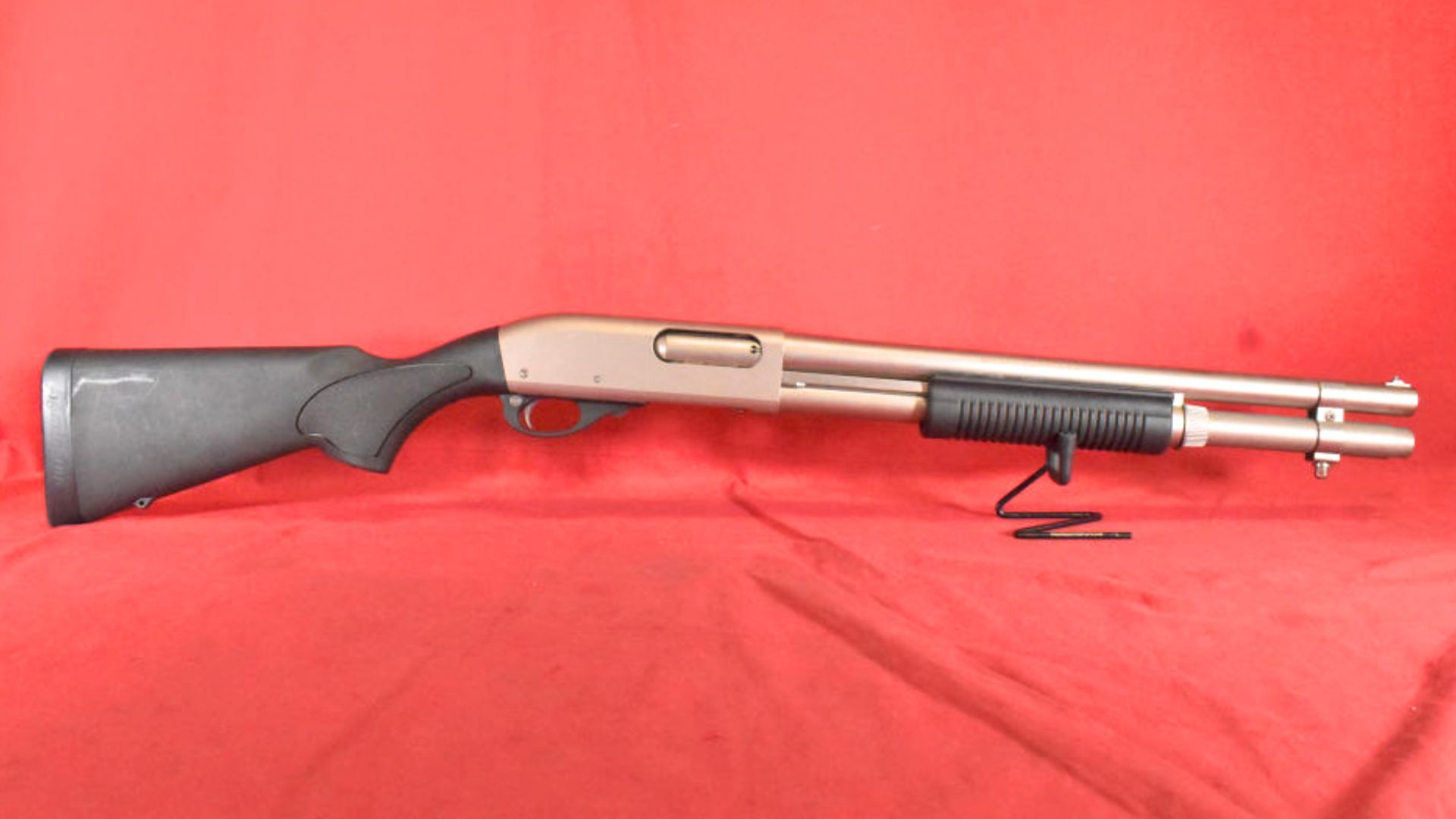
The 870 is still in service because shotguns still solve problems that rifles and pistols don’t. Door breaching, less-lethal use, close-range power, and general utility keep the pump shotgun relevant, and the 870 has been one of the most common choices for decades.
You still see them in police armories and institutional settings because they’re straightforward to train on and easy to maintain. A pump gun doesn’t care about magazine springs or picky feeding as long as you run it correctly. The 870’s continued presence isn’t nostalgia—it’s practicality. When a department has racks of them that still work and a staff that knows how to keep them running, they stay in the mix.
Mossberg 500 / 590

Mossberg pump guns are still in service for the same reason the 870 is: they do the job, they’re durable, and they’re cost-effective at scale. You’ll find the 500 and 590 series in military and law enforcement roles where ruggedness and simplicity are valued.
A lot of this comes down to real-world handling. These shotguns are built to be carried, banged around, and kept ready. Controls are straightforward, the guns are easy to strip and clean, and they tolerate hard use. When you’re looking at institutional equipment, “good enough and dependable” wins more often than “newest and coolest.” That’s why Mossberg pumps keep showing up in service year after year.
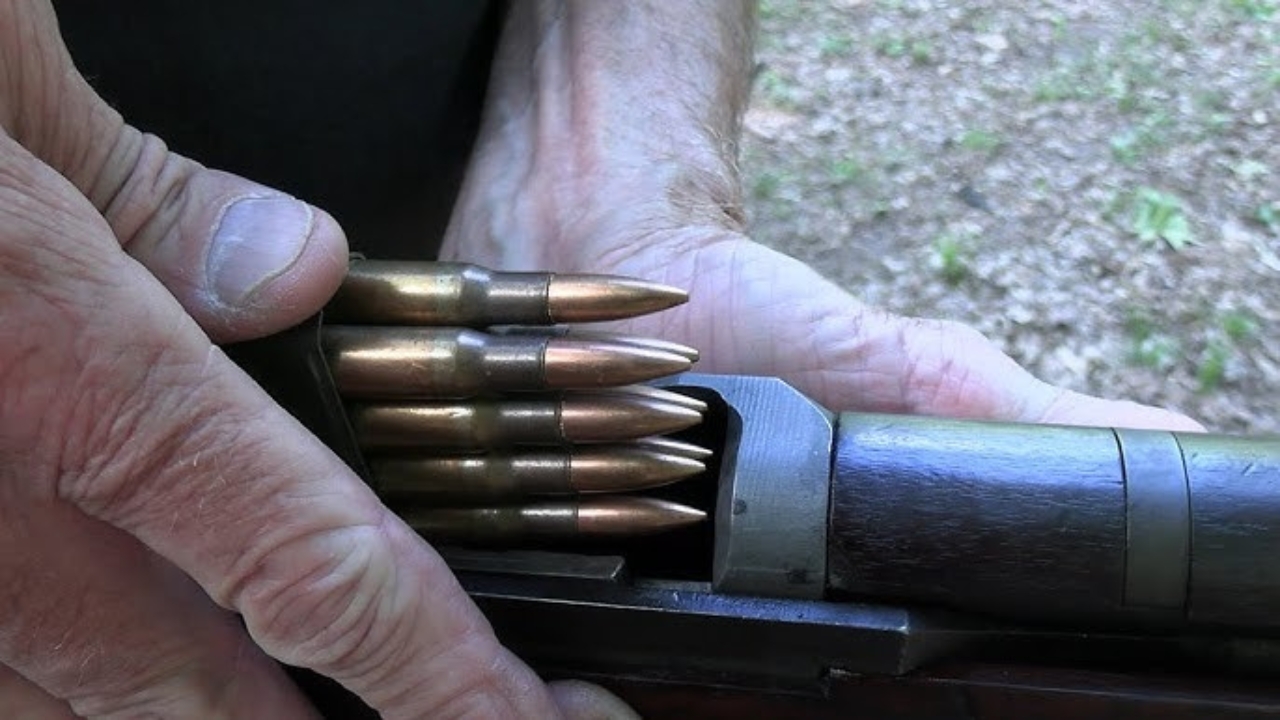
M1 Garand (Ceremonial Service)

The M1 Garand still shows up in service today in ceremonial roles, and if you’ve ever watched a proper honor guard detail, you understand why. The rifle is iconic, the manual of arms is well established, and it carries a presence that modern rifles don’t replicate.
This isn’t about fighting with an 80-year-old design. It’s about tradition, reliability, and the fact that the rifles can still be maintained and used safely in the role they’re assigned. Ceremonial service is still service, and the Garand remains one of the most recognized military rifles ever issued. When you see it in a rack today, it’s a reminder that some designs outlast their era.
Lee-Enfield (Ongoing Global Use)
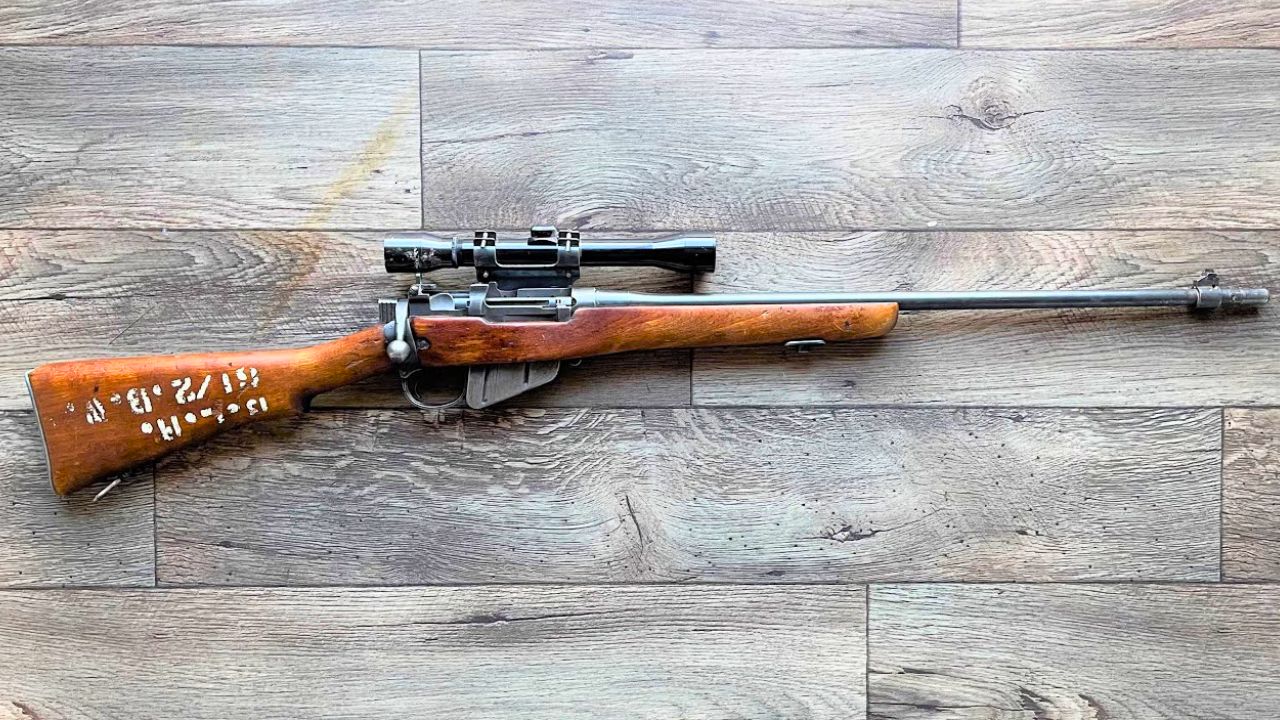
The Lee-Enfield’s continued service surprises people, but it shouldn’t. Large numbers were produced, many countries kept them for decades, and some organizations still use them in limited roles where a rugged bolt-action rifle meets the requirement.
You’re not seeing it as a mainstream front-line rifle in 2026, but you can still find Enfields in service for reserve, police, training, or ceremonial purposes in parts of the world. The action is fast for a bolt gun, magazines can be managed efficiently, and the rifles were built for harsh conditions. When a country already has rifles, ammo, and institutional familiarity, older bolt guns can stick around longer than you’d expect.
Like The Avid Outdoorsman’s content? Be sure to follow us.
Here’s more from us: