Photo credit: txking/Shutterstock.com
When things get close and ugly, handgun talk gets real in a hurry. You’re not shooting slow groups off a bench. You’re trying to make solid hits fast, manage recoil, keep the gun running, and avoid surprises like shallow penetration or a load that chokes behind a heavy jacket. In that kind of moment, caliber matters less than shot placement and decision-making, but it still matters. Some rounds are easier to control. Some are easier to carry more of. Some give you better performance through barriers or at awkward angles.
The “useful” calibers are the ones that hold up under stress with common, proven defensive loads. They offer enough penetration, reliable expansion in modern ammo, and recoil you can actually manage. Here are the handgun calibers that keep earning their place when distances shrink and the situation turns chaotic.
9mm Luger
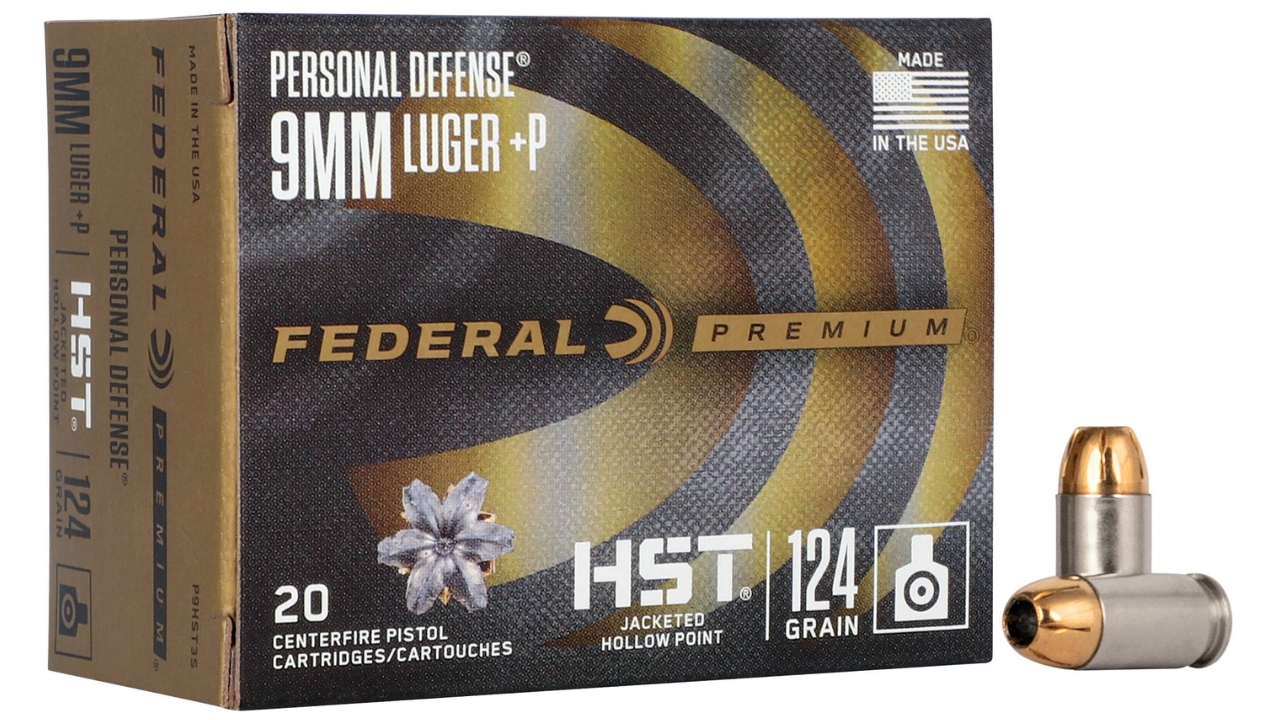
9mm stays useful up close because it’s controllable, common, and supported by a massive variety of proven defensive loads. You can usually run it fast without the gun beating you up, and that matters when you’re trying to make multiple hits while the target is moving or you’re moving. Mag capacity is another practical advantage, especially in compact pistols you’ll actually carry.
Modern 9mm ammo has come a long way. With quality hollow points, you can get consistent penetration and expansion in a wide range of handguns. You also get more practice for your money, which shows up when your hands are shaking and you’re trying to work the trigger cleanly. If you want one caliber that’s hard to argue against for real-world distances, 9mm keeps checking boxes.
.45 ACP

.45 ACP stays useful up close because it hits with authority at modest velocity and tends to do its job without relying on extreme speed. In many pistols, the recoil is more of a push than a snap, which some shooters manage well. It also has a long track record in defensive use, and there are plenty of proven loads built around its strengths.
The tradeoff is capacity and gun size. Many .45 carry pistols are thicker, heavier, or lower capacity than their 9mm counterparts, and that affects what you’ll realistically carry all day. Still, if you shoot .45 well, it can be a very practical close-range round. It’s especially appealing when you want a larger diameter bullet and you’re comfortable with fewer rounds and a slightly slower split time between shots.
.40 S&W

.40 S&W stays useful in close work because it offers a noticeable step up in bullet weight and energy compared to 9mm, while still fitting into many duty-size pistol designs. It can perform well through intermediate barriers with the right loads, and it has a deep catalog of proven defensive ammunition thanks to years of law enforcement use.
The downside is recoil. In compact pistols, .40 can feel snappy, and that can slow your follow-up shots if you aren’t training regularly. Up close, your ability to keep hits in the right place matters more than raw power, so you have to be honest about how you shoot it. If you can control it, .40 remains a serious option that doesn’t require a huge pistol. It’s a round that rewards disciplined practice and solid grip work.
.357 Magnum

.357 Magnum stays useful up close because it can deliver deep penetration and strong terminal performance, especially from longer barrels. In revolvers, it’s also a reliable system that doesn’t depend on slide cycling, which can matter when you’re shooting from awkward positions or dealing with contact-distance problems where the gun can get pushed out of battery.
The truth is that .357 Magnum can be loud and harsh, particularly from short barrels. Blast and recoil can slow you down, and that matters when you’re trying to make fast, accurate follow-ups. Many people carry .357 revolvers loaded with .38 +P for control, then practice with both. If you can handle the recoil and choose a load that performs in snub barrels, .357 remains one of the most capable close-range handgun rounds available.
.38 Special +P

.38 Special +P stays useful because it gives you practical defensive performance in a carry revolver without punishing recoil for most shooters. In a snub, you’re trading capacity and reload speed for simplicity and reliability, and .38 +P fits that role well. It’s also a round with a lot of real-world history and a wide selection of defensive loads made specifically for short barrels.
The key is load choice. You want ammunition designed to expand at snub-nose velocities, and you want enough penetration to reach vital areas from imperfect angles. A .38 +P snub is also a skill gun, so trigger time matters. If you can run a double-action trigger smoothly, .38 +P can be extremely effective at close distances, especially when carried in a revolver that won’t snag and will fire from inside a pocket if your life gets messy.
10mm Auto

10mm Auto stays useful when things get close and ugly because it brings serious penetration potential and heavy-bullet performance. It’s a popular choice for people who want a defensive handgun that can also serve in the woods, and at close range it can hit hard with loads that keep driving straight. In full-size pistols, it can be surprisingly manageable with the right grip and practice.
The downside is that 10mm performance varies wildly by ammo. Some loads are mild. Some are legitimately stout. If you choose a heavy, fast load in a light pistol, recoil can slow your follow-up shots. Up close, that matters. If you run a 10mm you can control and you choose a load designed for defensive use, it can be a very capable close-range caliber, especially when penetration is a priority.
.380 ACP
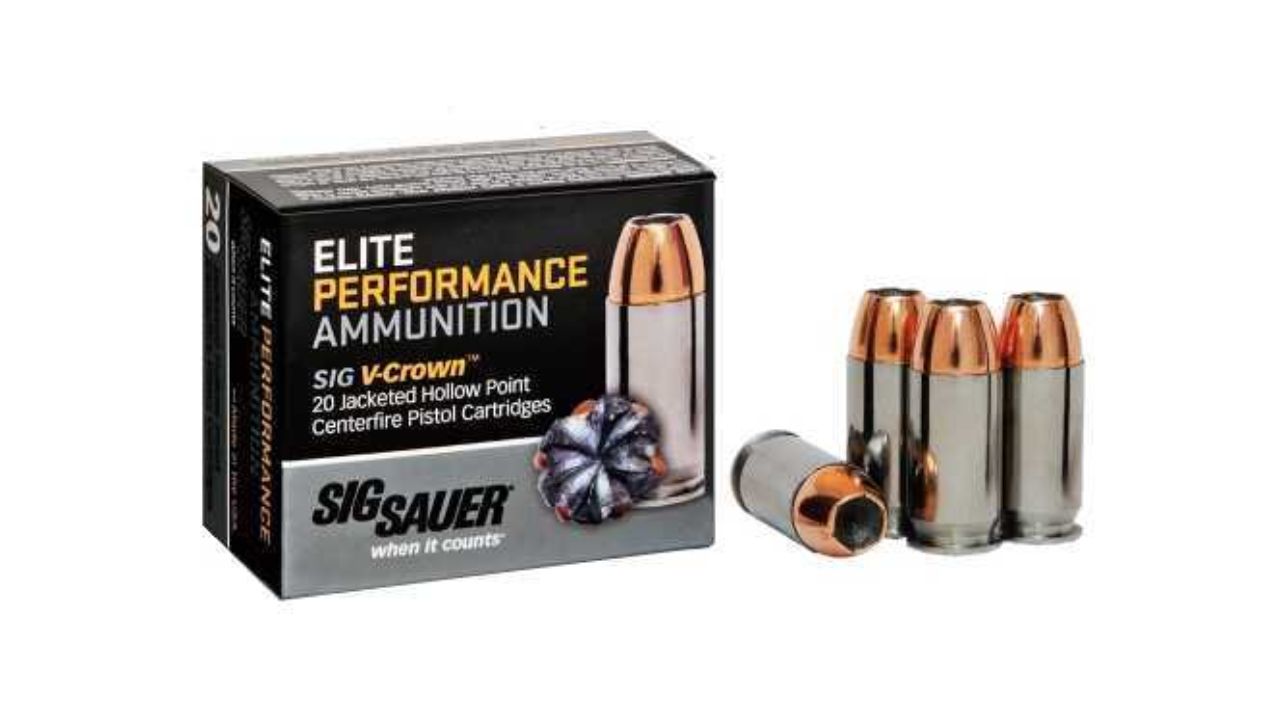
.380 ACP stays useful in close-range defense mainly because it comes in pistols you’ll actually carry. When a gun is thin, light, and comfortable, it ends up on your body more often, and that’s the first hurdle. In many micro pistols, .380 can also be more controllable than 9mm, which helps you make faster hits when your nerves are spiking.
The tradeoff is performance margin. .380 has less energy than larger service calibers, so ammo choice and shot placement matter even more. You want modern defensive loads that balance penetration and expansion, and you need to confirm reliability in your specific pistol. Inside real-world distances, a .380 you carry every day and shoot well is more useful than a bigger caliber left in the glove box. The caliber works when you treat it seriously.
.32 ACP

.32 ACP stays useful up close for the same reason .380 does, and sometimes even more so: it can be very controllable in small guns. In a true pocket pistol, recoil management matters because tiny frames can make bigger calibers hard to run fast. .32 often allows quicker follow-up shots, and that can translate into better real-world accuracy under stress.
You’re still working with a smaller, lower-energy round, so you don’t get the same penetration and expansion margin as service calibers. Many .32 loads are FMJ-focused, and some people lean that way for penetration in short barrels. The practical advantage is carry and control. If you can put multiple accurate shots where they need to go, .32 ACP can remain a viable close-range defensive caliber, especially for shooters who struggle with sharper recoil in micro pistols.
.357 SIG

.357 SIG stays useful in close-range fights because it tends to feed reliably and can perform well through certain barriers with the right loads. It pushes lighter bullets fast, and that can produce consistent expansion in many duty-size pistols. It also has a reputation for functioning well in platforms built around it, which matters when you’re running hard and the gun is dirty or dry.
The downsides are cost, muzzle blast, and availability compared to 9mm. It can be loud, and it can feel snappy, especially in compacts. You also need to make sure you can source quality defensive ammo and practice enough to stay sharp. If you already own a .357 SIG you can run well, it remains a capable close-range caliber with a strong track record in duty roles. It’s not trendy, but it’s still effective.
.44 Special

.44 Special stays useful up close because it delivers a big, heavy bullet at moderate speed, often with manageable recoil in the right revolver. It can be a good answer for people who want a larger diameter bullet without the full blast of .44 Magnum. In defensive loads, it can offer deep penetration and a wide wound path when placed correctly.
The tradeoff is capacity and carry. Most .44 Special defensive revolvers are larger-frame guns, which affects concealment and comfort. Reload speed is also not on the level of a semi-auto, and you need to practice if you want to run it well under stress. Still, at close distances, a .44 Special can be very effective when you can control it and carry it. It’s an old-school choice that still holds value when you prioritize a heavy, steady-moving projectile.
.44 Magnum

.44 Magnum stays useful up close primarily in contexts where deep penetration is the priority, such as defense against large animals, or when you’re carrying a revolver for both field and personal protection. It brings power that few handgun rounds match, and with heavy bullets it can drive through tough tissue and bone in a way smaller calibers can’t.
For typical concealed carry defense, it’s often more than you need, and it can be harder to shoot quickly and accurately. Blast, recoil, and muzzle rise can slow down follow-up shots, which matters in close-range human threats. Many .44 Magnum revolver owners carry .44 Special for controllability, then keep magnums for specific situations. The caliber stays useful because it’s capable, but it demands honesty. If you can’t run it fast and keep hits where they belong, power doesn’t help.
.45 Colt

.45 Colt stays useful up close because it can launch a large, heavy bullet at moderate velocity, often with a controllable recoil impulse in the right revolver. In modern defensive loads, it can perform well and penetrate deeply, especially from strong, well-built revolvers designed to handle it safely. It also has a wide range of ammunition, from mild to heavy, depending on the platform.
The major caveat is that .45 Colt performance is not uniform across all loads and all revolvers. You need ammunition suited to defensive use, and you need to know your gun’s limitations. Carry-wise, many .45 Colt revolvers are larger and heavier, which affects concealment. Still, up close, a well-chosen .45 Colt load can be very effective, especially for people who prefer revolvers and want a big-bore option that doesn’t rely on high speed.
.327 Federal Magnum
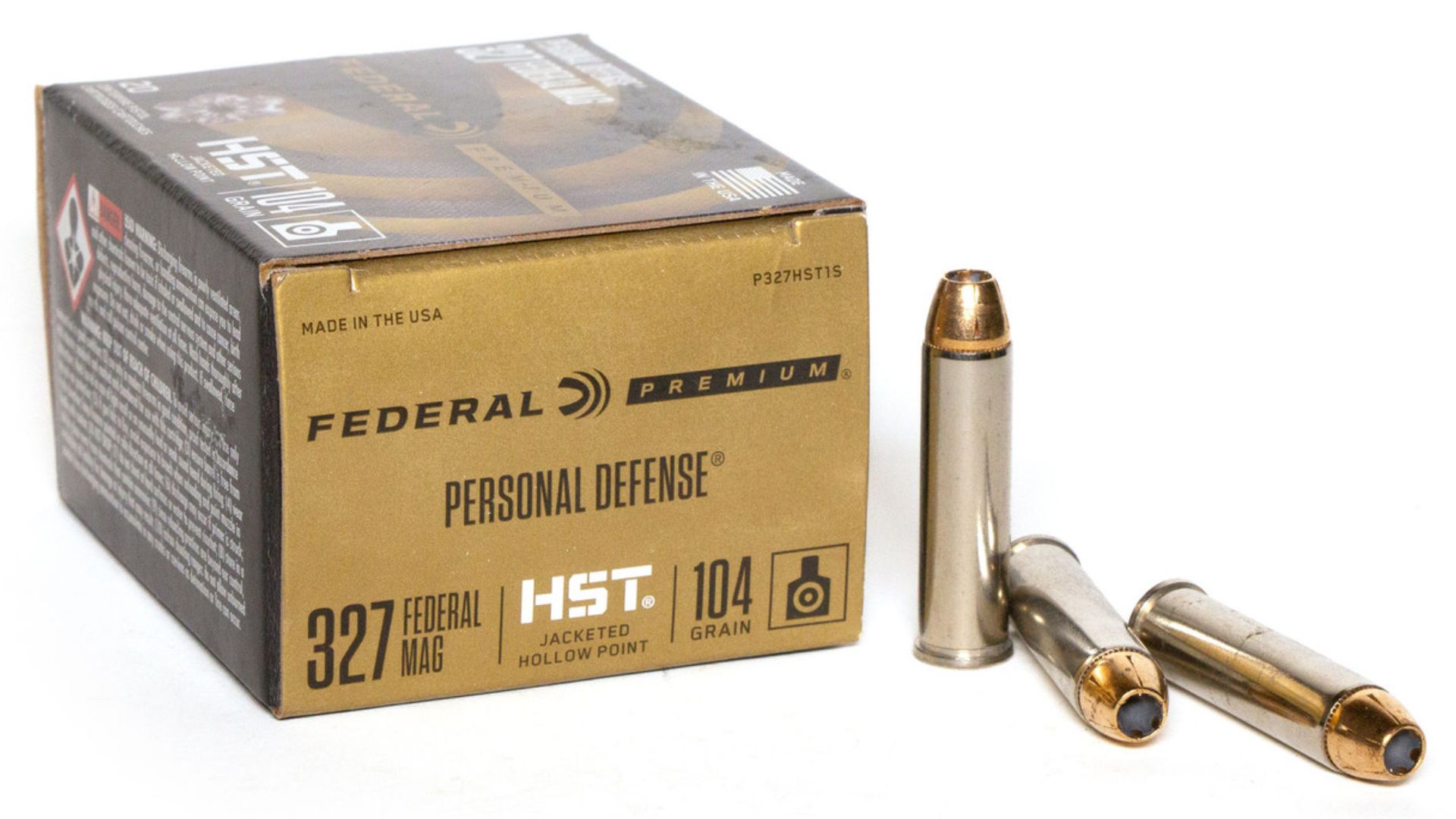
.327 Federal Magnum stays useful up close because it can give you an extra round in small revolvers while still offering real defensive performance. In many compact guns, you can get six shots where a .38/.357 revolver gives you five. That extra round is not a gimmick when you’re dealing with stress and imperfect shooting.
It can be loud and sharp, especially in short barrels, so recoil management and blast tolerance matter. The upside is flexibility. You can practice with lighter .32-family loads and carry .327 defensive ammo, tailoring the setup to your comfort level. If you want a small revolver with more capacity and you’re willing to put in the practice, .327 Federal can be a very practical close-range caliber. It doesn’t get the mainstream attention, yet it offers a smart balance of capacity, penetration, and shootability.
5.7×28mm
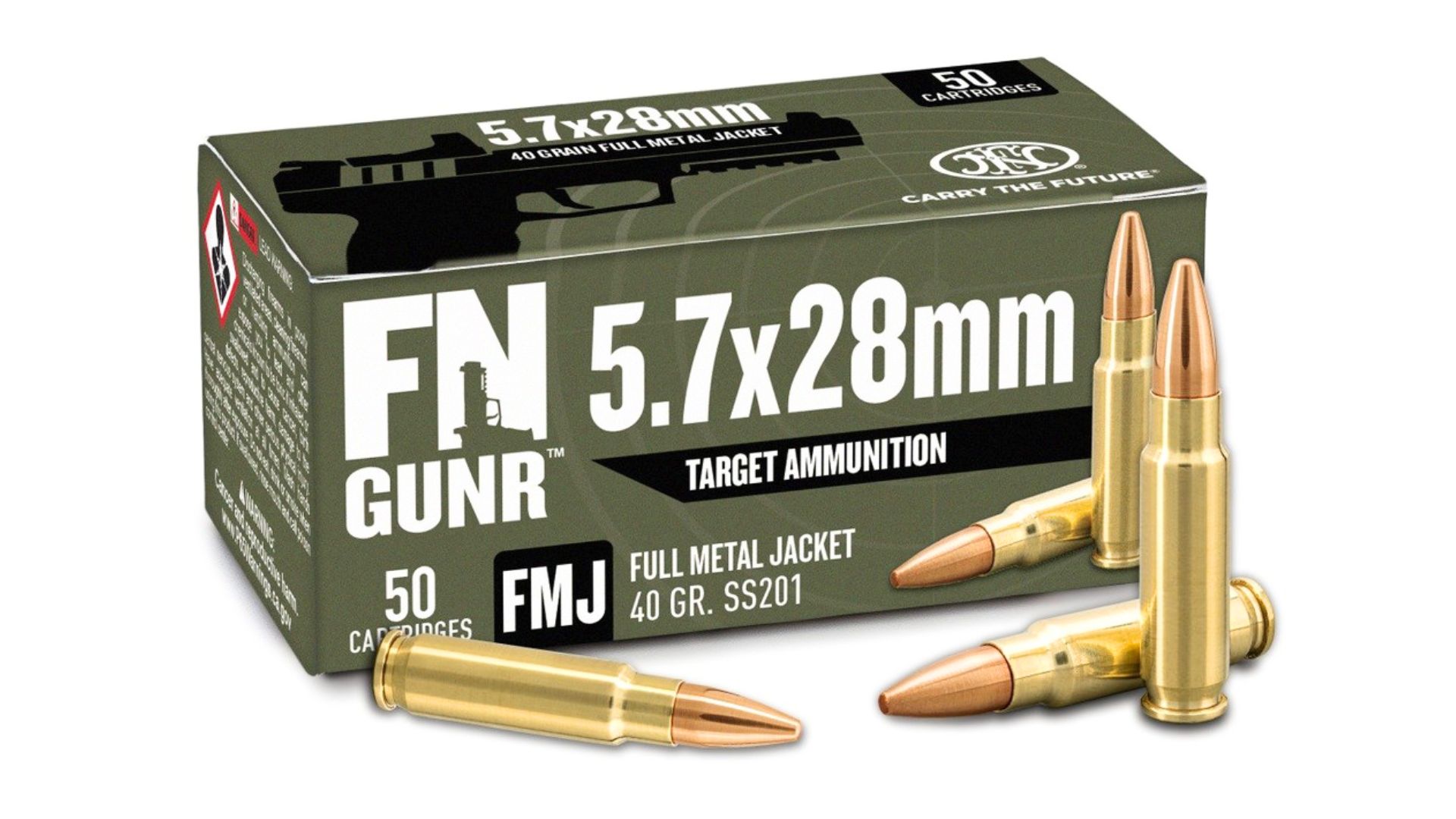
5.7×28mm stays useful up close largely because it’s low recoil and easy to shoot fast, especially in the pistols chambered for it. That can help you keep hits on target during rapid strings, and in close-range defensive situations, controllability is a major advantage. The platforms also tend to offer high capacity, which is another practical point.
The tradeoff is that performance depends heavily on specific ammunition choices and what loads are available on the commercial market. You also need to be realistic about barrier performance and terminal behavior compared to more traditional service calibers with a long history of defensive loads. If you choose quality ammo and you can shoot it well, 5.7 can remain a useful close-range option because it lets you stay accurate and fast. It’s not a magic round, but it can be very shootable.
.30 Super Carry

.30 Super Carry stays useful up close because it’s built around a practical idea: more capacity in a similar-sized gun, with recoil that many shooters find manageable. In theory and in many real carry pistols, that gives you an extra round or two without jumping to a thicker grip, and that can matter when your hands are sweaty and your fine motor skills are fading.
The real-world consideration is support and availability. It’s not as common as 9mm, and ammunition options can be narrower depending on where you live and shop. Defensive performance is tied to modern ammo design, and you want proven loads that penetrate adequately while expanding reliably. If you’re willing to source the ammo and you like the capacity advantage in a carry-size pistol, .30 Super Carry can stay useful at close distances because it helps you shoot fast, carry more, and keep the gun compact.
Like The Avid Outdoorsman’s content? Subscribe to our newsletter so you never miss an article.
Here’s more from us: