Photo credit: Mitch Cox Photo/ShutterStock.com
Some cartridges carry all their energy up front. They give you a quick burst of speed and then fade fast—long before your barrel ever starts to warm. These are the loads that look good on paper at close range but start dropping, slowing, or losing authority once you stretch them even a little.
If you’ve spent time chasing accuracy across different distances, you’ve probably seen how quickly the weaker rounds run out of gas. They can punch clean groups inside 50 yards, but the moment you ask for more, the trajectory and terminal performance fall apart. These are the calibers that simply quit before the rifle does.
.22 Long Rifle

The .22 LR is perfect for practice and small game, but it sheds velocity almost immediately after leaving the barrel. You get strong performance inside 50 yards, yet as soon as you stretch it farther, the round drops quickly and loses energy fast. Even high-velocity loads fall off long before your rifle settles into sustained heat.
Because the bullet is so light, wind can push it around with almost no effort. That makes the .22 LR excel in controlled conditions but struggle the moment you introduce distance or unpredictable weather. It’s hard to find a caliber that runs out of steam sooner.
.17 Mach 2

The .17 Mach 2 delivers impressive speed for its size, but the tiny bullet burns through its energy almost instantly. It starts strong inside 75 yards, then dives in velocity and stabilization before your barrel even warms. Many shooters notice accuracy falling off rapidly as distance increases.
With such a light projectile, the round struggles with wind drift and inconsistent impact at anything past close range. While it’s fun and accurate for short-range plinking or pest control, it simply doesn’t hold onto its speed long enough to be useful beyond that tight window.
.25 ACP

The .25 ACP has very limited energy from the start, and it drops off even faster once it leaves the muzzle. Even out of a small pistol, you’re watching velocity slip away almost immediately. It’s known for shallow penetration and poor energy retention, running out of steam well before any firearm gets warm.
This round was never intended for anything beyond extremely close range. It loses authority so quickly that any attempt to stretch it reveals just how little is left downrange. If you’re looking for a caliber that quits early, the .25 ACP is one of the clearest examples.
.32 S&W Long
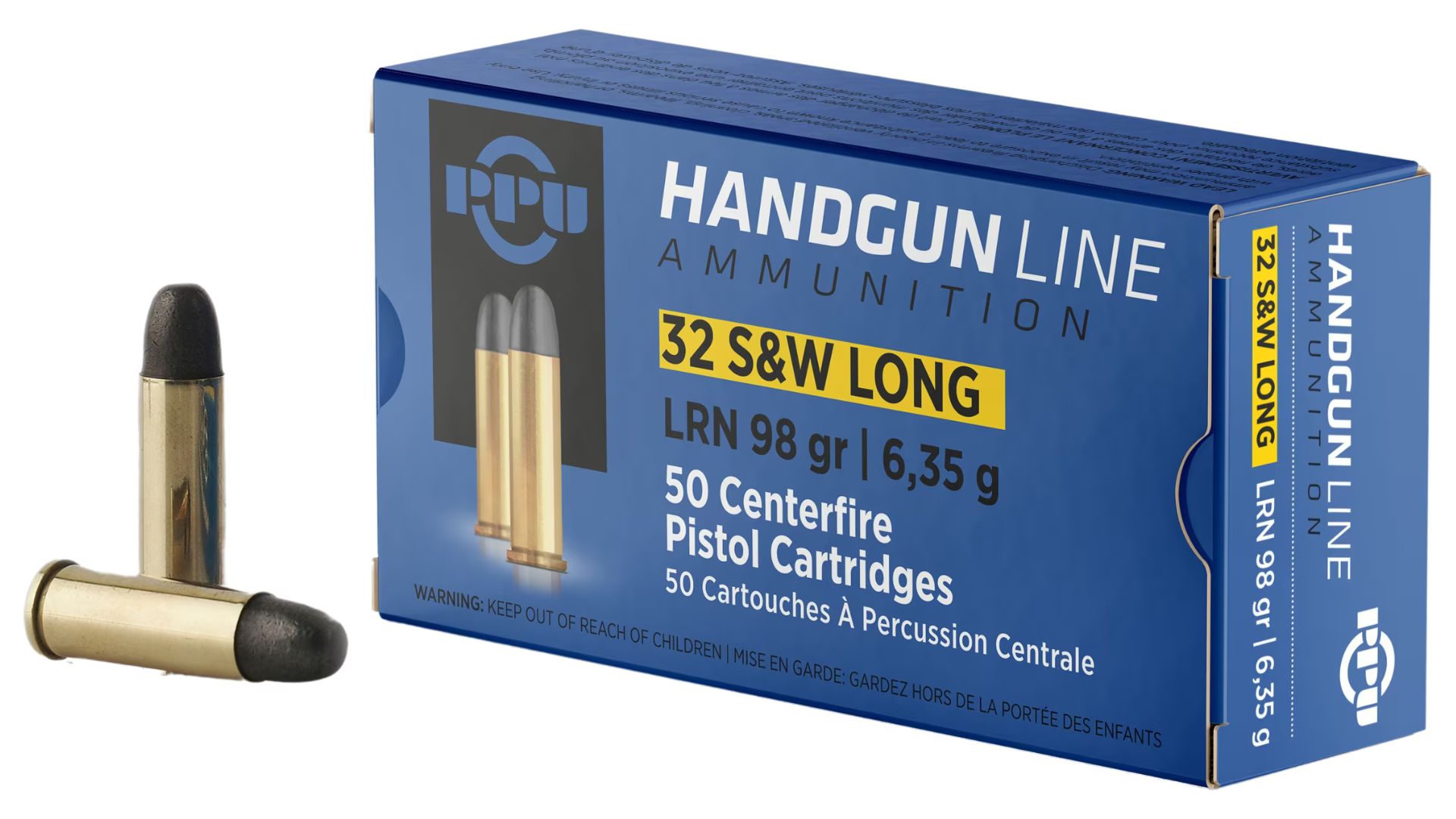
The .32 S&W Long is soft-shooting and accurate at short distances, but it doesn’t maintain velocity for long. The bullet is slow from the start, and as soon as it reaches past 25–30 yards, it begins to drop and shed its limited energy. Your barrel hasn’t even had time to warm up before the round is already losing steam.
For target shooting at controlled distances, it’s a pleasant caliber. But for anything requiring staying power past short range, it’s simply outmatched. The round fades too quickly to offer reliable performance beyond its small comfort zone.
.380 ACP
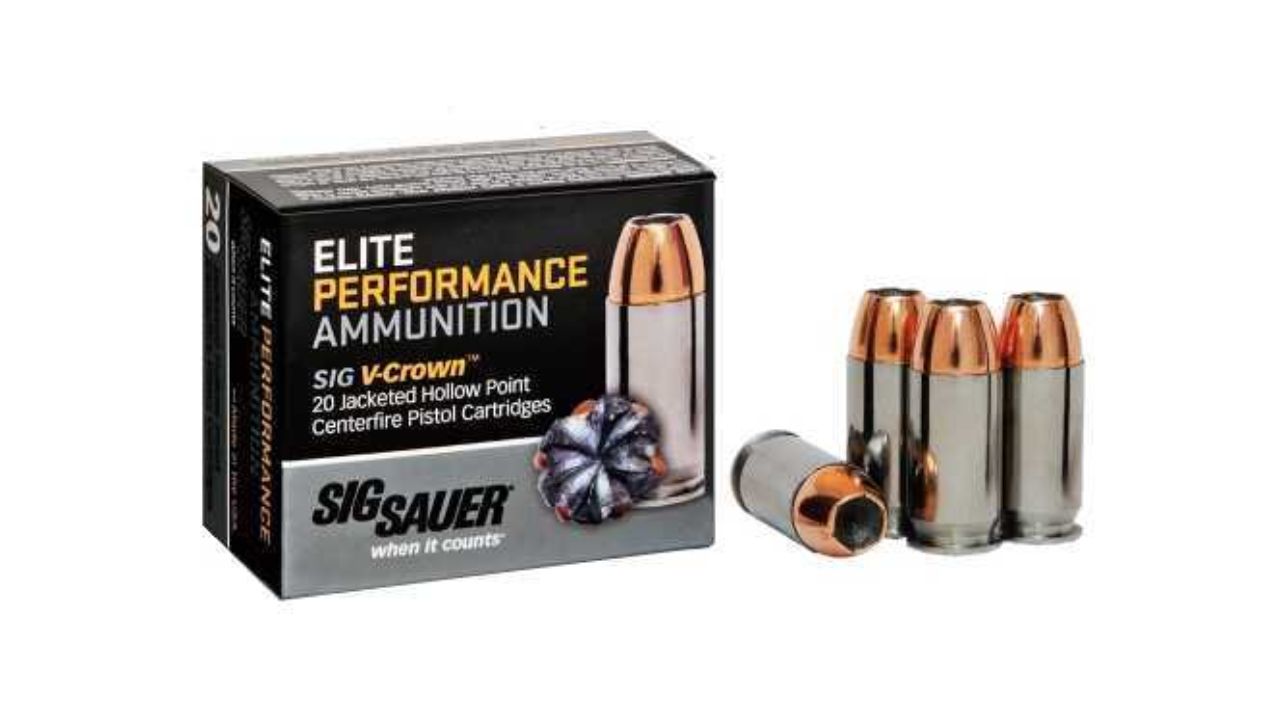
The .380 ACP performs well inside defensive ranges, but its velocity falls off steeply as soon as you move past 20–25 yards. It carries modest energy to begin with, and once it starts losing speed, performance drops sharply. Your barrel won’t even get warm before the round has already slowed down significantly.
The combination of small case capacity and lightweight bullets limits how long it can stay effective. While useful for compact carry guns, it’s not a caliber you can push far. Its energy curve falls off long before most shooters expect.
.30 Carbine (out of short barrels)

Out of a full-length M1 Carbine, the .30 Carbine holds velocity reasonably well. But once it’s fired from a shorter barrel, it bleeds speed almost immediately and loses the energy it was designed for. In compact platforms, the round fades quickly—often before heat builds in the barrel.
Because the cartridge depends heavily on velocity for performance, any loss hits hard. Past moderate ranges, accuracy and penetration taper off, leaving you with a round that looks impressive in theory but runs out of steam surprisingly early outside its ideal setup.
.38 Special (standard pressure)

Standard-pressure .38 Special loads start slow and don’t pick up much energy downrange. Inside close distances, they’re predictable and accurate, but they shed velocity rapidly, limiting their usefulness once you step back even slightly.
Even out of a longer barrel, the energy curve stays shallow. The round simply doesn’t have the horsepower to stay effective beyond short range, and it hits its limits long before your gun gets warm. For controlled practice or mild recoil, it’s great. For sustained performance, it just runs out of breath early.
.410 Bore (birdshot)

The .410 with birdshot delivers a tight, fast pattern up close, but those tiny pellets lose velocity almost instantly. They fall off so quickly that beyond 20 yards, energy and penetration drop to nearly nothing. Your barrel stays cool while the round has already given up all its effectiveness.
This makes the .410 great for close-range pests but unreliable once distance increases. Even premium loads can’t fight the limitations of small shot mass and low pellet count. It’s a round that shines briefly and then fades fast.
.44-40 Winchester

The .44-40 is a historic cartridge with mild recoil and pleasant handling, but its blackpowder roots mean it never carried much energy to begin with. Modern smokeless loads help, yet the round still loses velocity quickly and begins dropping sooner than comparable pistol cartridges.
In lever guns, it performs well inside traditional cowboy distances. But stretch it farther, and it falls off fast, often before your rifle has even started to build heat. For nostalgia and close shooting, it’s great. For range, it simply runs out of steam early.
.45 Colt (cowboy loads)

Cowboy-action .45 Colt loads are intentionally mild, producing light recoil and slow velocities. They’re perfect for close-range steel work but run out of steam the moment distance increases. Those soft loads drop sharply and lose striking power quickly, often within the first 40–50 yards.
Because they’re tuned for consistency rather than energy, the bullets simply can’t maintain speed long enough to stretch their legs. Your gun will still be cool to the touch while the round has already reached the end of its effective range.
.32-20 Winchester

The .32-20 offers flat shooting at close range, but its light bullets bleed velocity fast. Past 75 yards, the round drops quickly and begins to lose stability, especially in older rifles with slower twist rates.
It’s a great small-game caliber, but it doesn’t hold energy long enough for anything more demanding. Even moderate wind has a noticeable effect, and by the time you’d expect a barrel to warm up, the .32-20 has already hit its performance ceiling.
.17 HMR (lightweight loads)

The .17 HMR starts with blistering speed, but the light bullets lose energy rapidly once distance increases. Inside 100 yards, it’s excellent. But push the round farther and its velocity falls fast enough that it feels like it’s running out of breath early.
Because the projectile is so light, it also struggles to buck wind, which accelerates its slowdown. The round delivers great close-range accuracy but doesn’t carry energy long enough for sustained performance when conditions get rough.
.22 Magnum (lightweight loads)
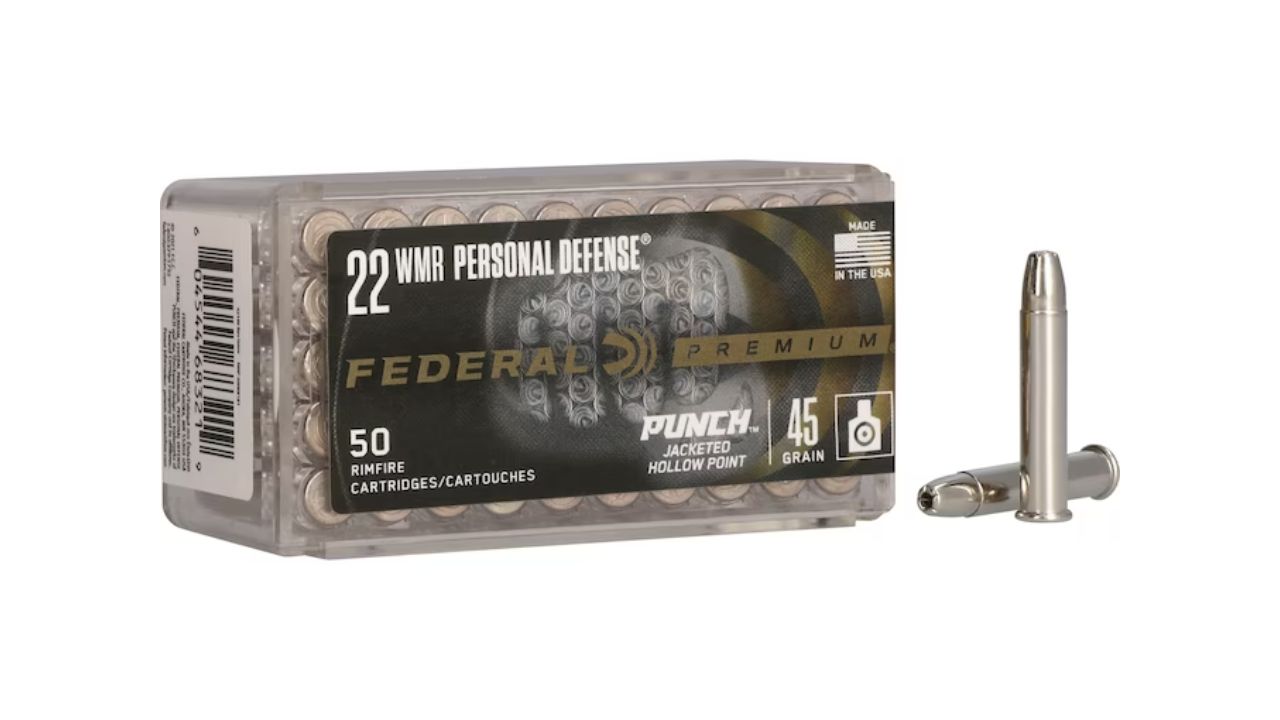
Light .22 WMR loads hit hard for their size but fade quickly once they pass the 75–100-yard mark. They start fast but don’t hold onto that velocity long enough for extended shooting sessions or windier days.
Heavier loads do better, but the lightweight versions are known for shedding energy and dropping earlier than expected. You feel the limitations long before your barrel gets warm, especially if you’re shooting at mixed distances.
9mm Luger (from micro barrels)
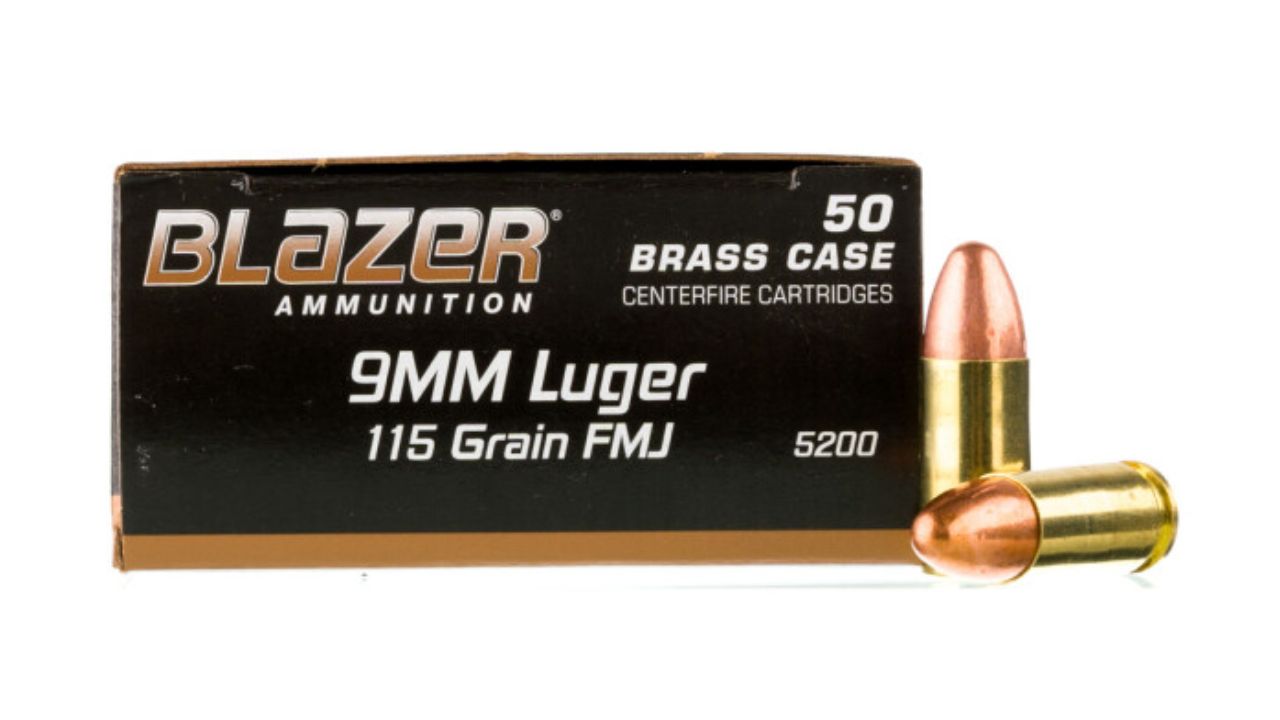
Full-size pistols maintain respectable velocity with 9mm, but micro-compact guns bleed speed quickly. With barrels in the 3-inch range, the round loses energy so fast that performance drops sharply at moderate distances.
Short barrels also introduce more variation in expansion and penetration. The round simply doesn’t have the runway it needs to stay strong, and it runs out of steam while you’re still inside early warm-up strings.
.45 GAP
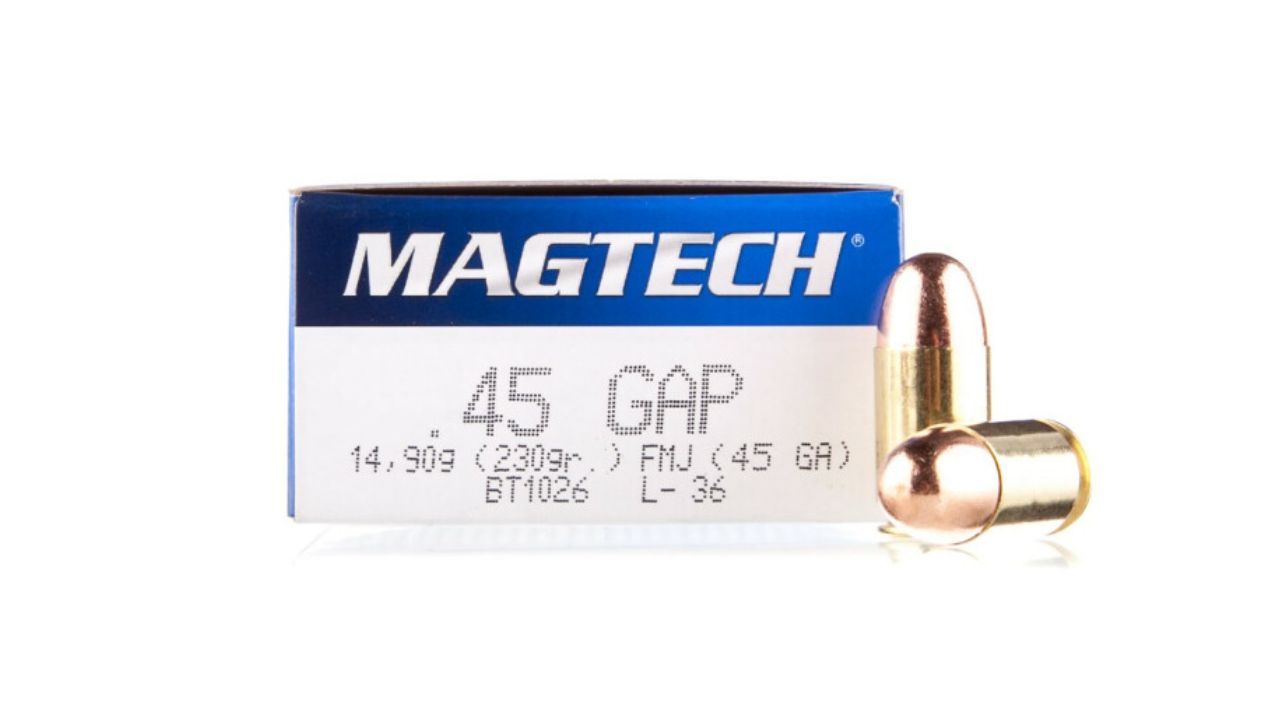
The .45 GAP never carried much energy advantage, and its abbreviated case limits powder capacity even further. As a result, it loses velocity quickly and struggles to stay effective past close range.
Even out of full-size pistols, the round fades early. Its narrow performance window becomes obvious long before the firearm heats up. While it offers manageable recoil, it simply doesn’t retain the energy needed to stay competitive with other defensive calibers.
Like The Avid Outdoorsman’s content? Subscribe to our newsletter so you never miss an article.
Here’s more from us: