Photo credit: All Outdoors/Youtube
I like small guns. I like handy guns. I like the kind of carry piece that disappears under a flannel when you’re running to town for fence staples or dragging kids through a gas station. But “small” and “beginner-friendly” are not the same thing, and the internet reviews don’t always tell you what happens when a brand-new carrier is nervous, gripping too hard, short on practice, and trying to do everything right.
So here’s my line in the sand: these are carry guns I would not put in a beginner’s hands, even if the comment section swears they’re perfect. Some of them are fine guns in the right role. Some are straight-up headaches. All of them stack the deck against a new shooter in ways that show up fast on a cold range day.
1. SIG Sauer P238

The P238 is a neat little pistol and it can be accurate. It’s also tiny, light, and snappy for what it is, with small controls that punish sloppy handling. New shooters tend to ride the safety wrong, fumble the slide, or get surprised by how “busy” the manual of arms feels.
It’s not that it can’t work. It’s that a beginner needs repetitions, and this gun’s size and controls make those reps harder than they need to be. If you’re already a 1911-type shooter, fine. If you’re new, start somewhere more forgiving.
2. SIG Sauer P938
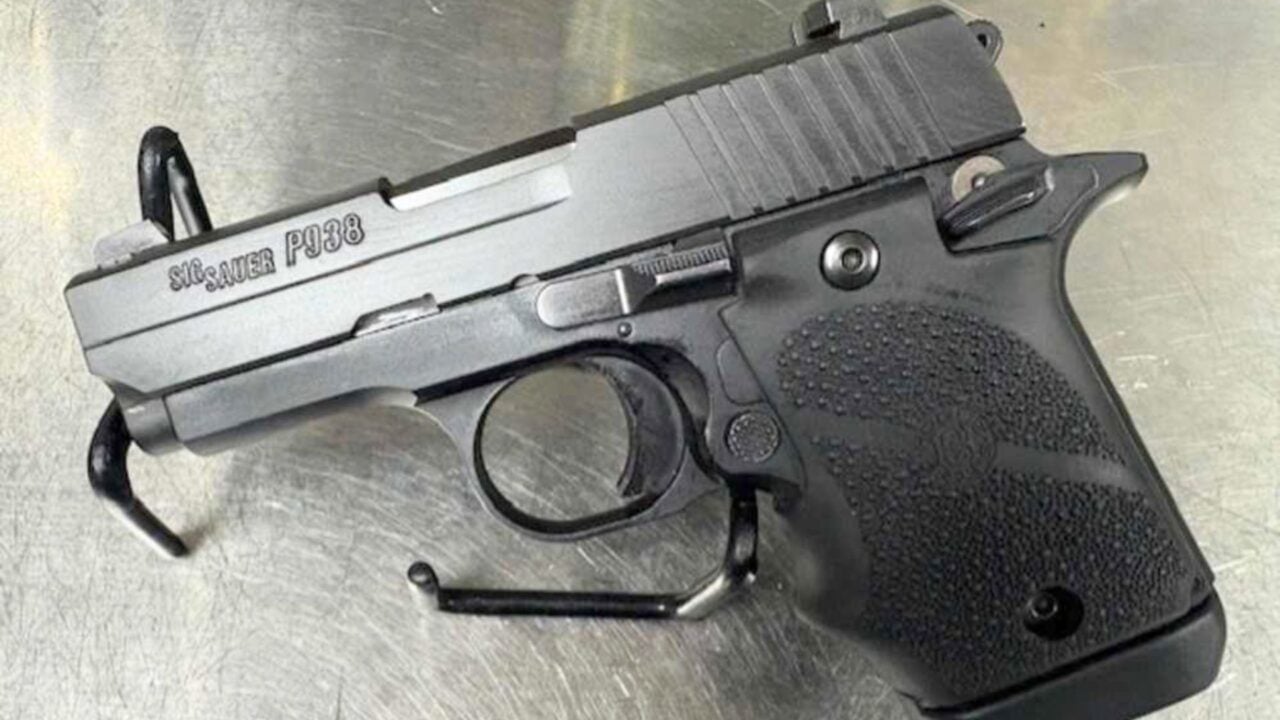
Same family, same problem, just in 9mm. It’s a sharp little pistol that shoots better than it “should,” but it’s still a micro 9 with a manual safety and short grip. Beginners often end up with low-left hits, limp-wrist malfunctions, and a general feeling that they “can’t shoot.”
Ask me how I know. I’ve watched confident new shooters get humbled in one magazine. Confidence matters early on, and this one can steal it.
3. Kimber Micro 9
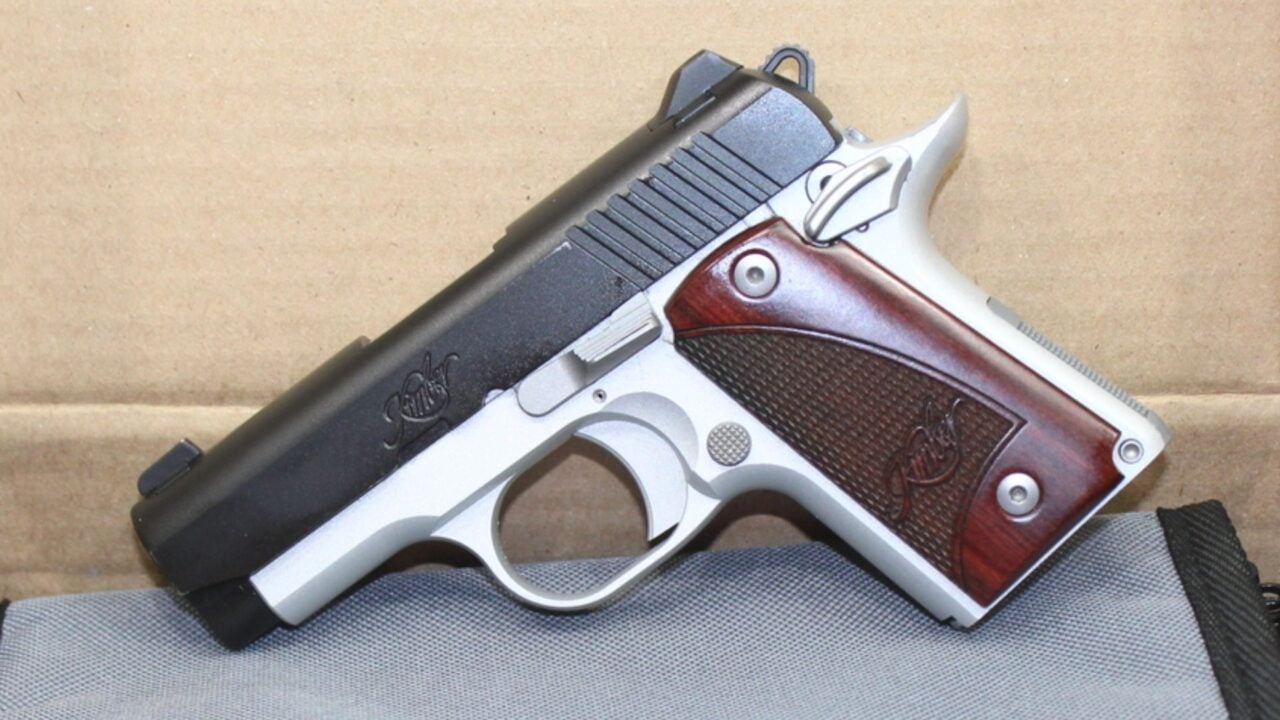
Kimber makes good-looking guns, and the Micro 9 has a lot of fans. For a first carry gun, though, it’s too easy to turn into a finicky project. Tighter little guns can be ammo-sensitive and grip-sensitive, and a new shooter doesn’t need to wonder if the issue is them, the mag, or the pistol.
Add in the small sight radius and small controls, and you’ve got a pistol that demands a careful operator. Beginners deserve a simpler on-ramp.
4. Smith & Wesson M&P Bodyguard .380 (original)

I get why it sold well. It’s thin, light, and it fits in places bigger guns don’t. The long, heavy trigger on the original Bodyguard .380 is what makes me keep it away from beginners. New shooters fight that trigger so hard their sights wander, and they start slapping instead of pressing.
It can be carried safely, sure. But a first gun should teach good habits, not force you to overcome the gun just to hit a paper plate at seven yards.
5. Ruger LCP (original)
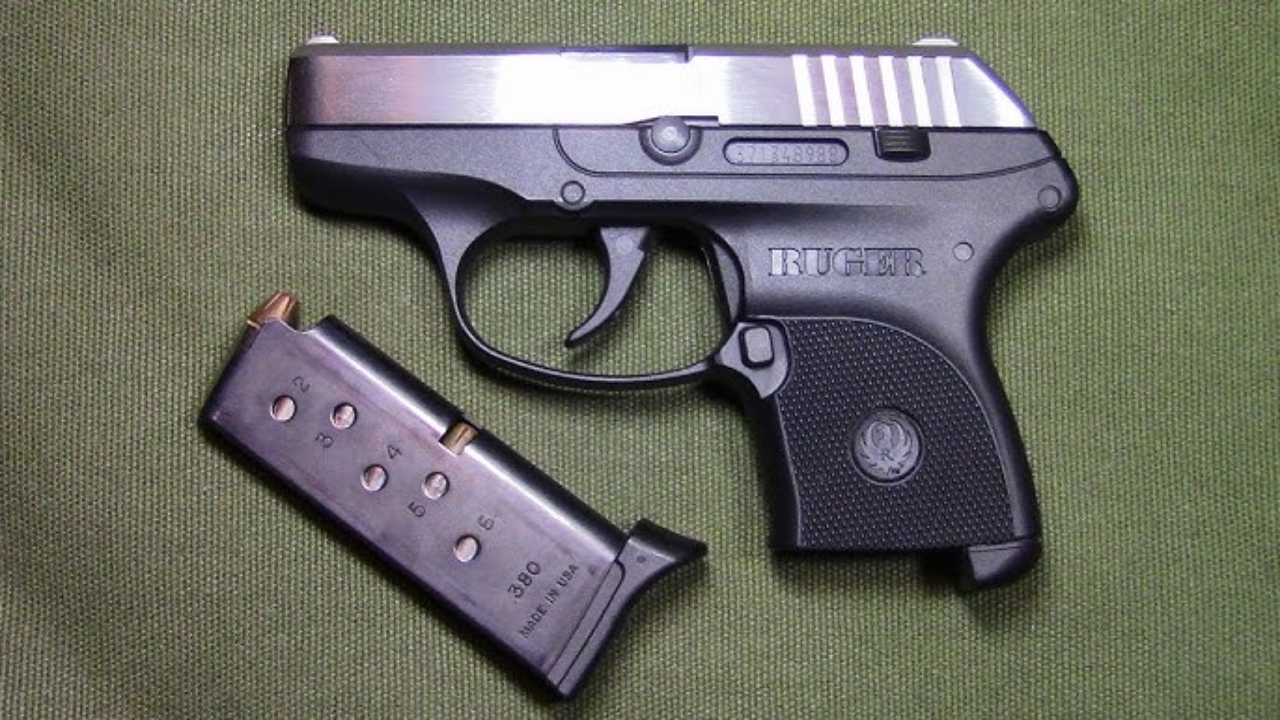
The original LCP is a true “always” gun. It’s also a harsh teacher. Tiny grip, tiny sights, tiny everything, and recoil that feels bigger than the caliber suggests. New shooters end up with sore hands and a flinch they didn’t have when they started.
As a deep-concealment second gun for an experienced carrier, it makes sense. As a first handgun, it’s a shortcut to bad shooting and frustration.
6. Kel-Tec P-3AT
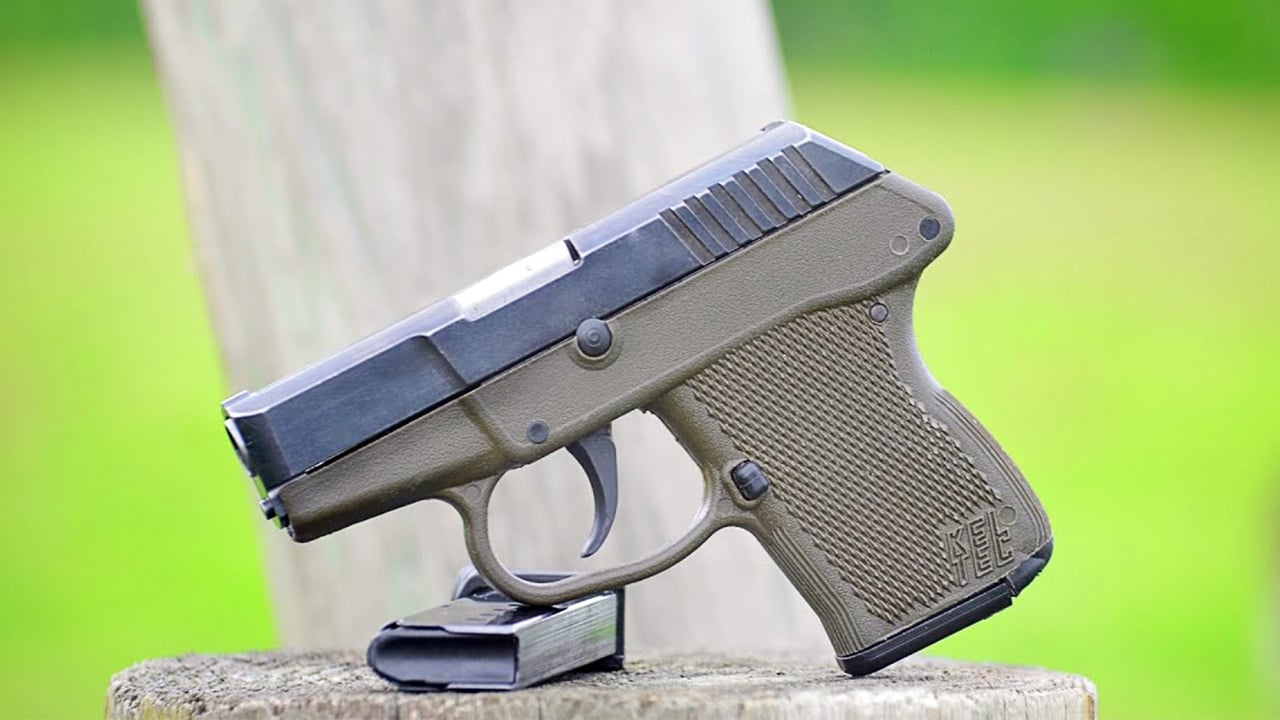
The P-3AT is another featherweight .380 that helped define the pocket-gun craze. It’s also the kind of pistol that can be unpleasant enough that beginners don’t practice. And if you don’t practice, your carry gun becomes a talisman instead of a tool.
Kel-Tecs can run, and some run great. But a beginner needs consistency and comfort more than they need “smallest possible.”
7. Taurus Spectrum
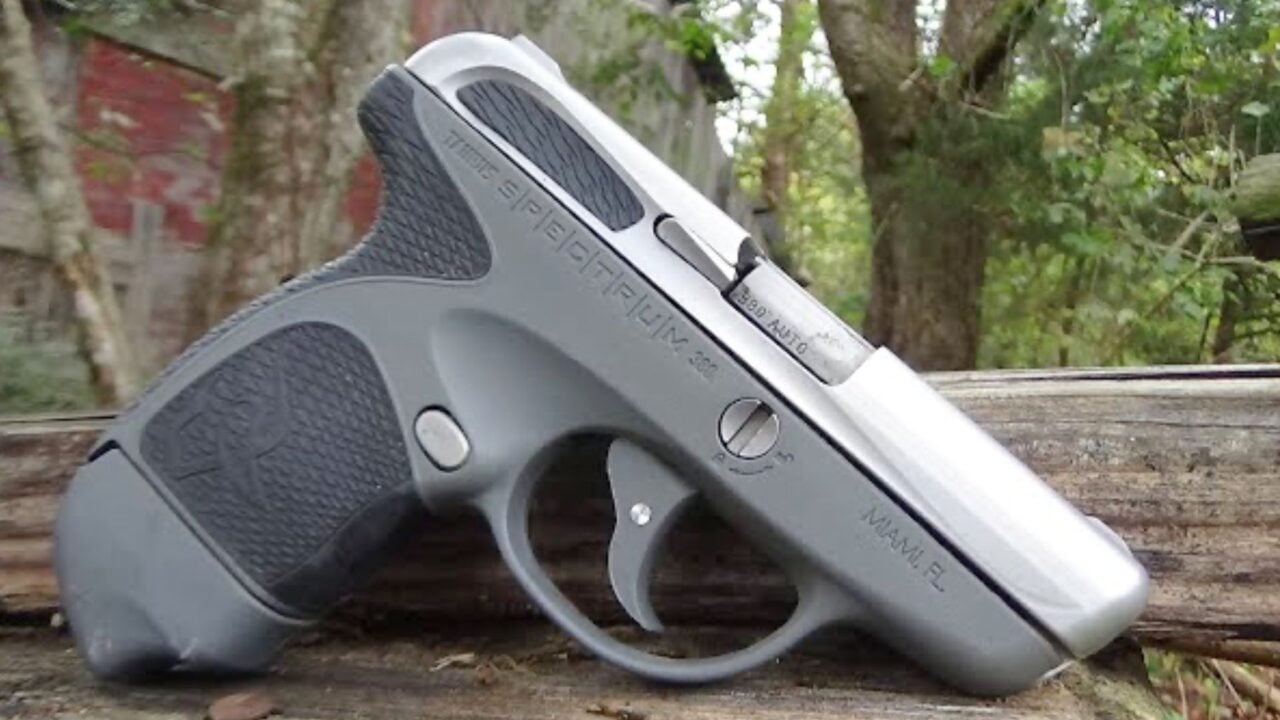
The Spectrum looks friendly on a counter. In the hand, it’s often the opposite. The trigger feel, the tiny grip, and the overall “toy-like” vibe can lead new shooters to treat it like a gadget instead of a firearm that demands attention.
I’ve also seen enough spotty experiences with reliability and magazine quirks that I wouldn’t make it somebody’s first line of defense. Beginners need boring reliability.
8. Remington RM380

The RM380 is a slick little design with a smooth profile, and there are folks who swear by them. Parts and support, though, are not where I want them for a brand-new carrier. A beginner is going to need mags, maybe springs, maybe help finding a holster that actually fits.
If your first carry gun turns into a scavenger hunt, it’s a bad start. Simple logistics matter more than most reviews admit.
9. Kahr PM9
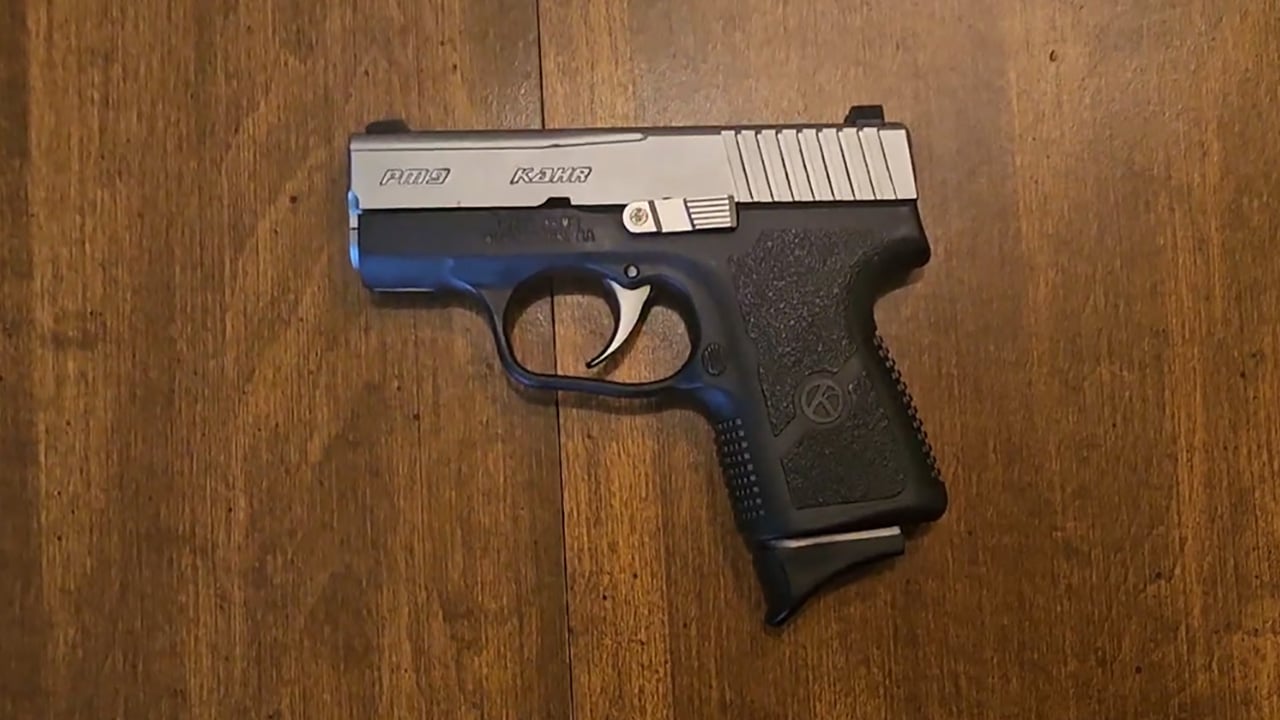
Kahr makes slim pistols that carry well, and the PM9 is a classic in that lane. The problem is the combination of light weight, small grip, and long, revolver-like trigger. That trigger can be nice once you understand it, but it’s not “easy” for a beginner.
Also, small 9mms magnify grip issues. Beginners who don’t have their grip locked in can get stoppages and blame themselves into the ground.
10. Kahr CM40
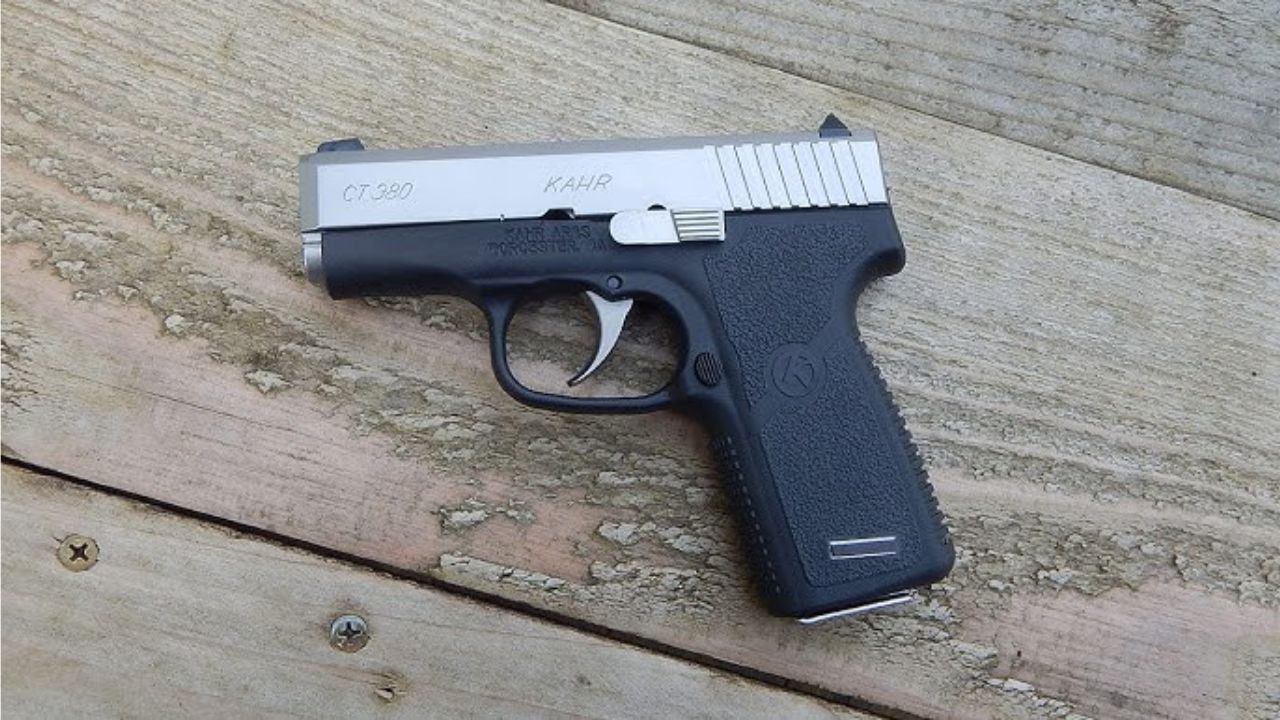
Take the slim Kahr concept and push it into .40 S&W, and you’ve got a recipe for misery as a first carry gun. The recoil impulse is sharp, and the little frame doesn’t give you much to hold onto. It’s the kind of pistol that makes new shooters rush shots just to be “done” with the string.
.40 can be effective, no argument. But in a small gun for a beginner, it’s usually a step backward.
11. Glock 43 (as a first pistol)

I’m not here to bash Glocks. They work. The Glock 43, though, is a compact that a lot of new shooters buy because it’s a “Glock” and it’s “easy to carry.” Then they discover it’s harder to shoot fast and well than a slightly larger gun.
Short grip means less control, and less control means slower learning. A beginner is better served with a mid-size they can actually run, then go smaller later.
12. Glock 42 (for brand-new shooters with weak grip)
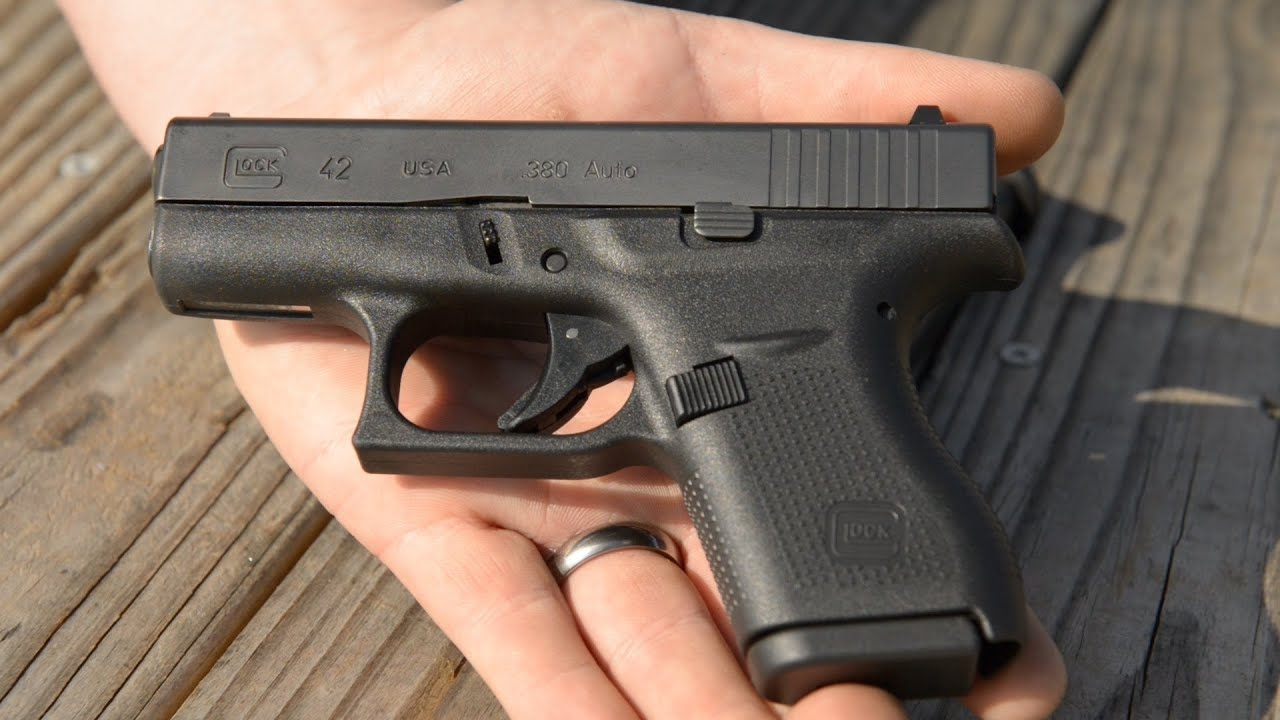
The Glock 42 can be a soft shooter for a .380, and I actually like it for certain folks. But I’ve seen beginners struggle to cycle the slide and to maintain consistent grip pressure, especially when they’re nervous. If they’re already worried about handling the gun, fighting the slide doesn’t help.
There are better “starter” options with easier manipulation and more forgiving ergonomics, especially if hand strength is a concern.
13. Springfield Armory Hellcat (first-gun hype pick)

The Hellcat is a good micro-compact, and it earned its popularity. My issue is the way beginners get talked into micro-compacts as their first and only pistol. The Hellcat’s short grip and brisk recoil make it less friendly than the marketing makes it seem.
It’s also easy to start chasing aftermarket parts and band-aids instead of building fundamentals. For a first gun, I’d rather see a slightly bigger platform that doesn’t punish imperfect grip.
14. SIG Sauer P365 (same micro-compact trap)
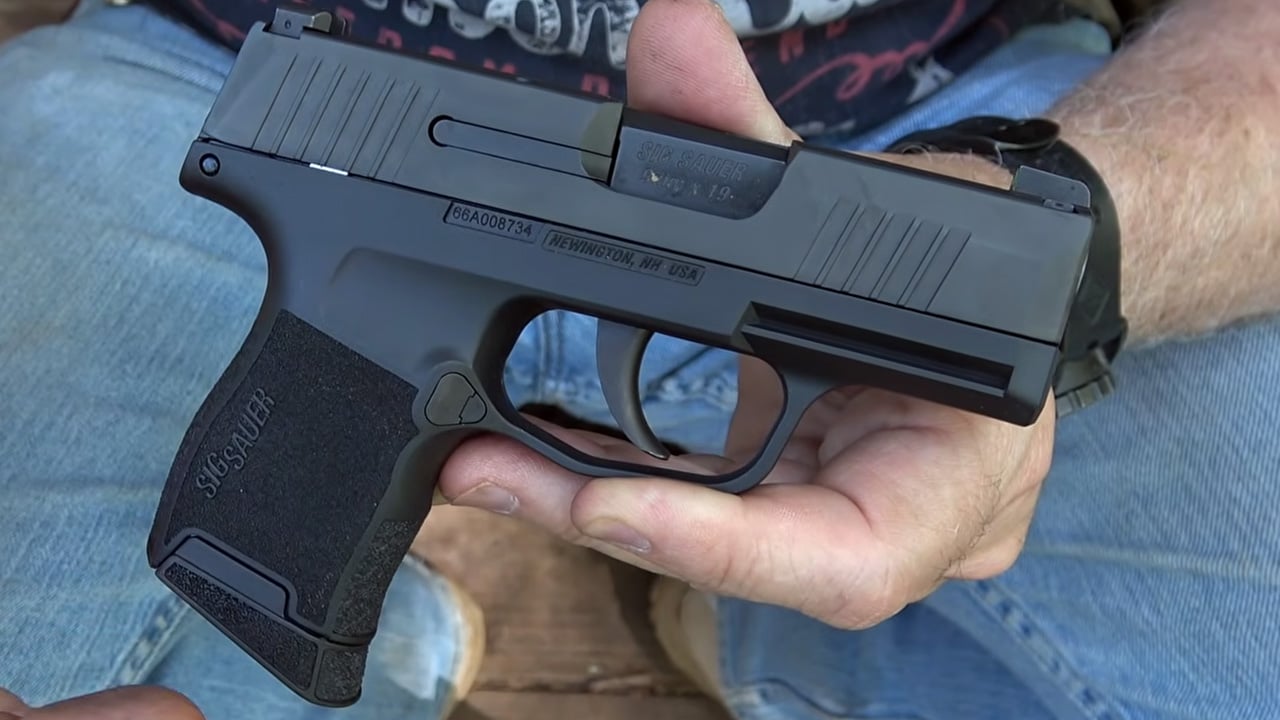
The P365 changed the carry world, no doubt. It’s also still a small gun. New shooters often do okay with slow fire, then fall apart once they try to draw, shoot pairs, or do anything with pace. The gun is light, so your mistakes show up on target.
If you’re already practiced, it’s a great carry piece. As a first handgun, it can make training feel like work instead of progress.
15. Smith & Wesson M&P Shield 9 (first-gen, for true beginners)
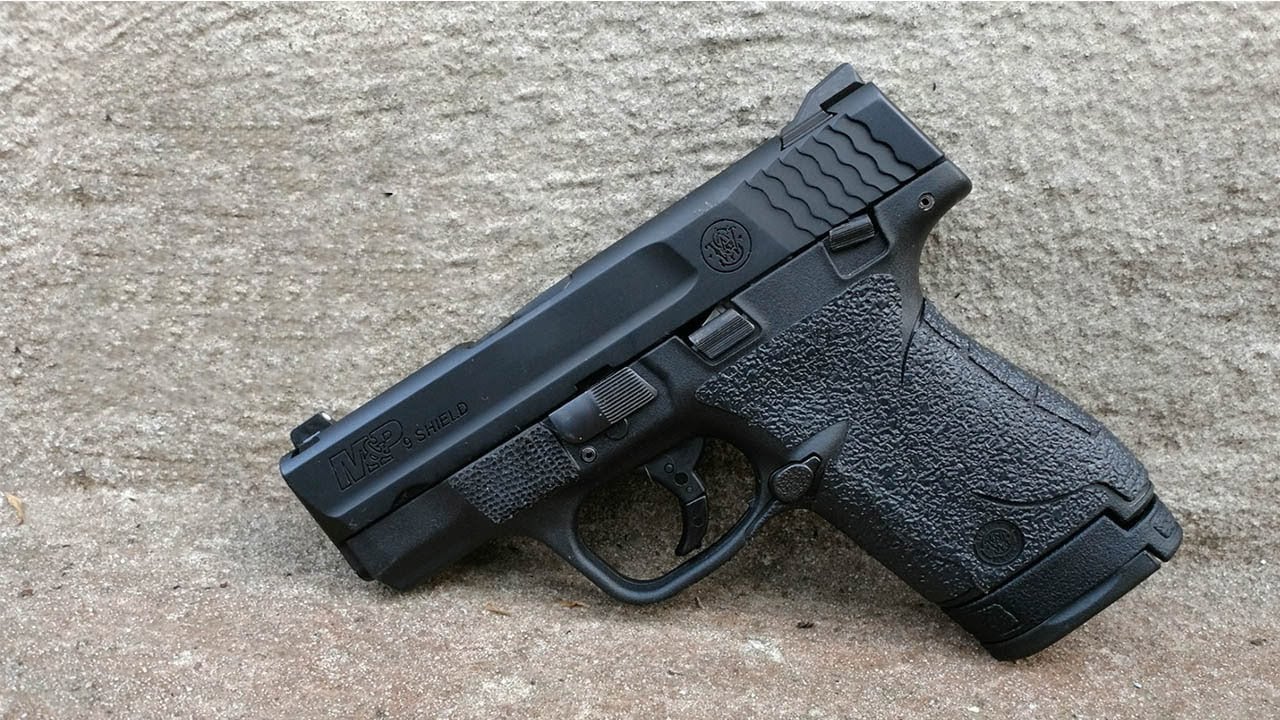
Plenty of folks learned on a Shield and did fine. I’m talking about the brand-new shooter who’s still sorting out stance, grip, sight picture, and recoil management. A thin single-stack can be less comfortable, more “flippy,” and harder to keep consistent than a compact double-stack.
It carries great. It just doesn’t always teach great, especially for someone who only shoots a couple boxes of ammo a year.
16. Springfield Armory XD-S Mod.2 (especially in .45 ACP)
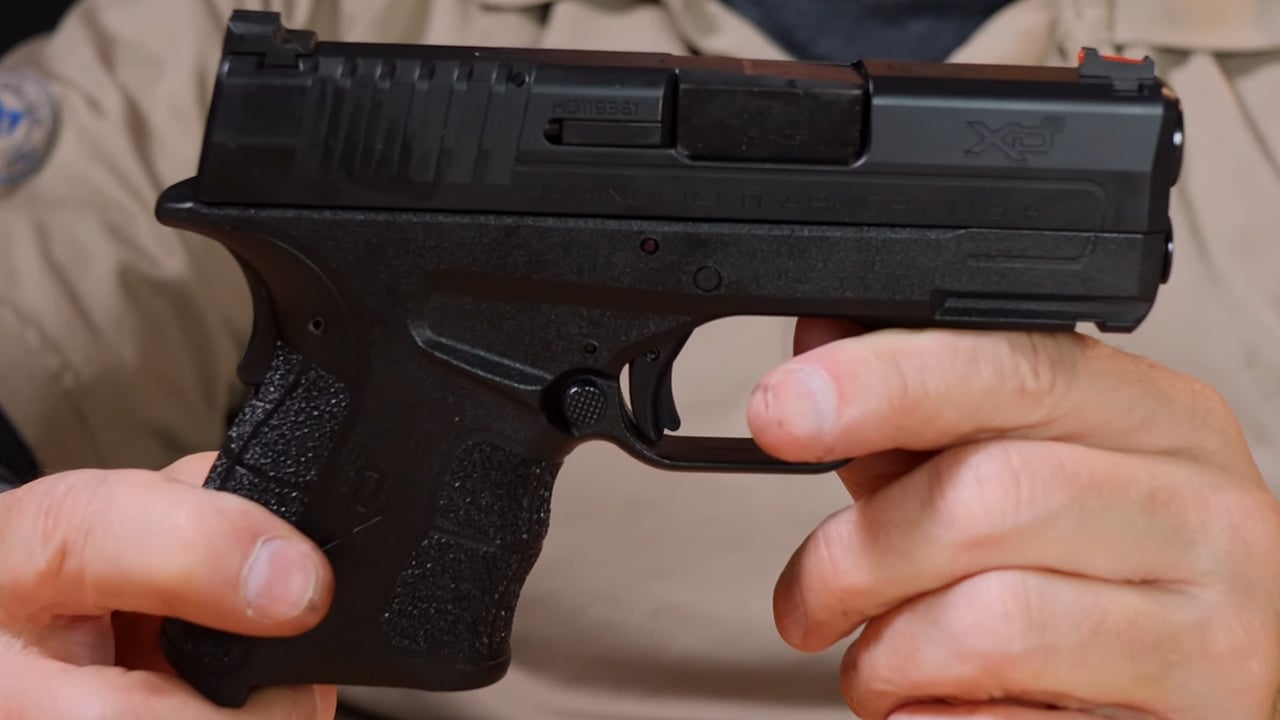
The XD-S in .45 is one of those guns that looks perfect in a display case. Then you shoot it. Thin, light .45s are not friendly, and the grip safety adds one more variable for a beginner to mess up under pressure.
I’ve watched new shooters fail to fully depress the grip safety during awkward draws and reloads. In a calm class, that’s a learning moment. In real life, it’s a problem.
17. Smith & Wesson 340PD (Scandium J-frame)
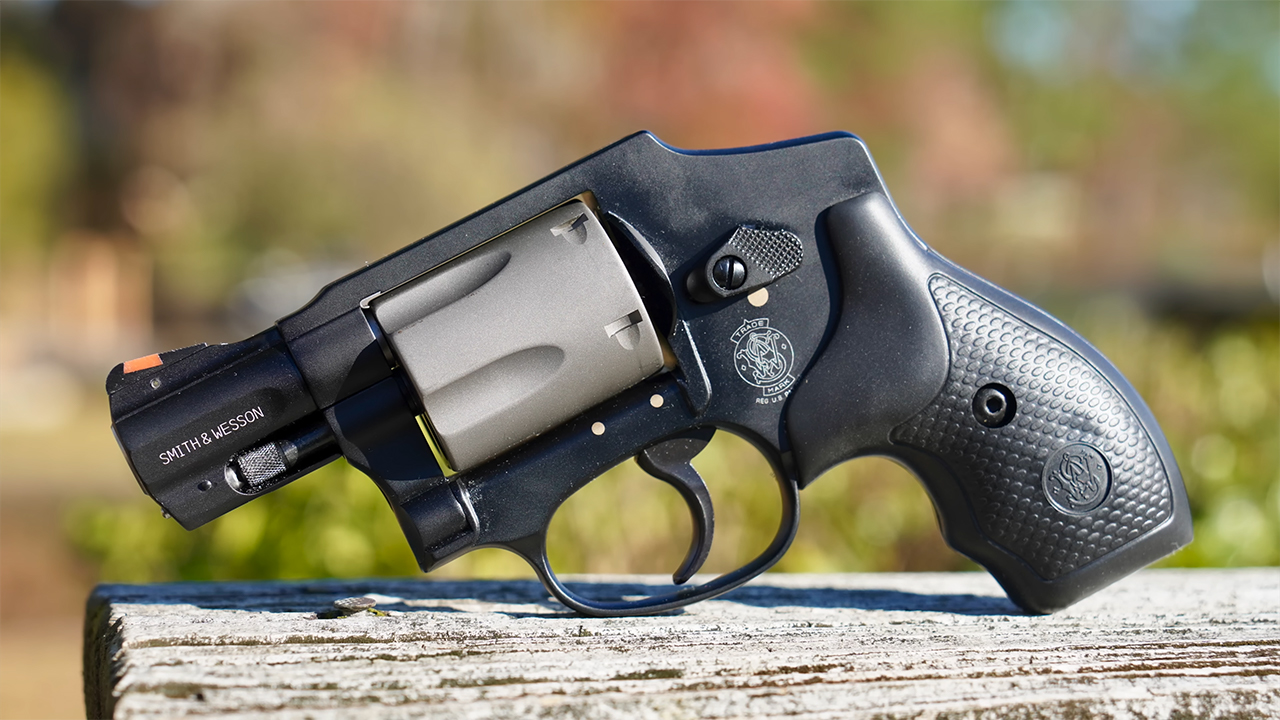
Super light, super easy to carry, and absolutely brutal to shoot with real defensive ammo. The 340PD is the kind of revolver experienced folks buy because they know exactly what they’re signing up for. Beginners don’t.
Lightweight snub revolvers turn recoil into a lesson you don’t forget. The downside is you might not want to practice enough to get good, and with a snub, “good” takes work.
18. Ruger LCR in .357 Magnum

The LCR is a solid revolver. In .357, it’s also a handful, especially in the lightweight versions. Beginners hear “revolver equals simple,” then they meet a long trigger pull, a small grip, heavy recoil, and slow reloads.
Could you load it with .38 and call it good? Sure. But beginners rarely stay disciplined with that plan, and the first time they touch off full-house .357, their training day can go sideways.
19. Bond Arms Texas Defender (or similar derringer)
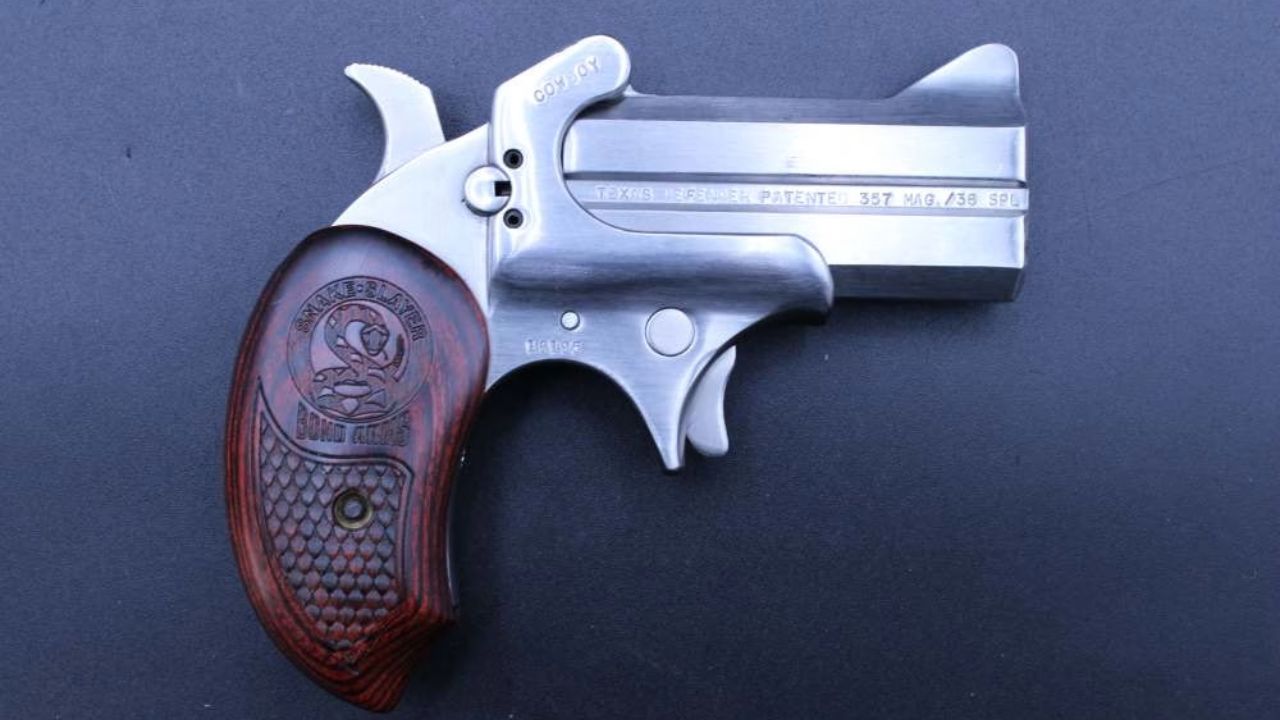
Derringers are cool in a nostalgia kind of way. They are not beginner carry guns. Heavy trigger, tiny grip, limited capacity, slow reloads, and recoil that can surprise you depending on the chambering.
They also tend to encourage “close enough” thinking. A beginner needs a carry gun that supports accuracy and repeatable handling, not a novelty that rides on vibes.
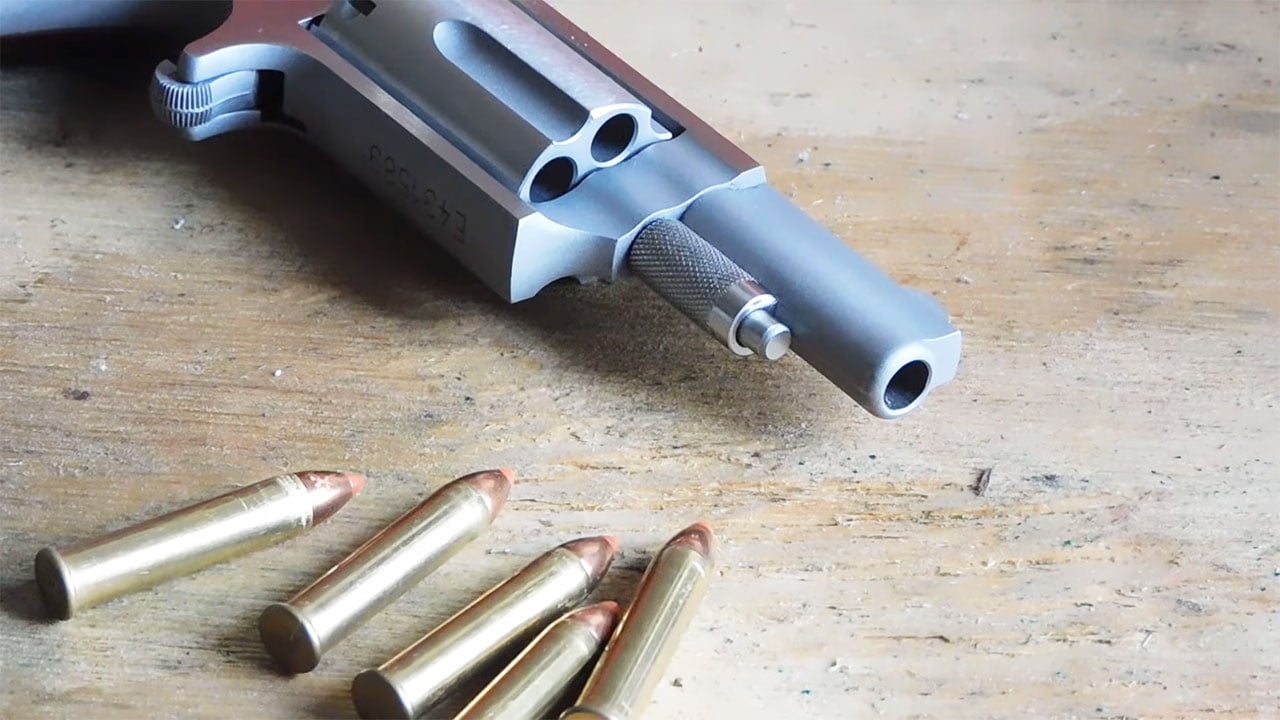
20. North American Arms .22 Magnum Mini-Revolver
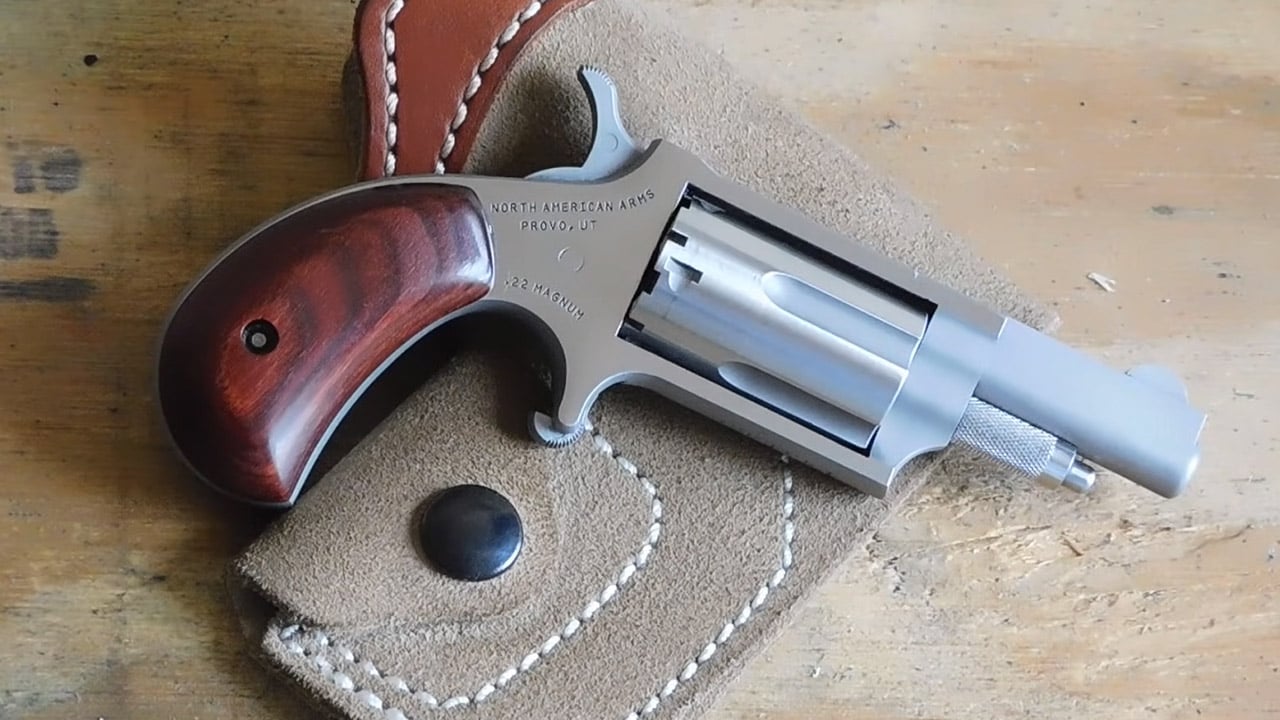
This one always stirs up arguments. The NAA minis are well-made for what they are, and they disappear in a pocket. But they’re hard to shoot well, hard to reload, and easy for a beginner to mishandle simply because they’re so small and different.
As a last-ditch, deep concealment tool for someone who already understands carry and trains within the limits, fine. As a first carry gun, no. Not even close.
Here’s the real lesson: beginners don’t need the smallest gun, the lightest gun, or the one that looks best in a photo. They need a pistol they can grip, a trigger they can manage, sights they can see, and a platform they’ll actually practice with. Start with something you can shoot well, carry it in a good holster, and earn your way down to the tiny stuff later.
Like The Avid Outdoorsman’s content? Subscribe to our newsletter so you never miss an article.
Here’s more from us: