Photo credit: THE GUN SHOP/Youtube
Rural life has a way of making you honest about what you actually use. When the power blinks off in an ice storm, when coyotes start working the calf lot, when a truck stops at the far gate after dark, you do not rise to the occasion—you fall back on what you already have, already know, and already keep fed.
This is not a fantasy list. It is a “tools that solve problems” list. Some of these are for putting meat in the freezer, some are for snakes and pests, some are for teaching kids and new shooters, and some are for the kind of worst-day stuff nobody likes to talk about. The common thread is boring reliability, common ammo, common parts, and guns you can live with for decades.
1. Ruger 10/22 Carbine
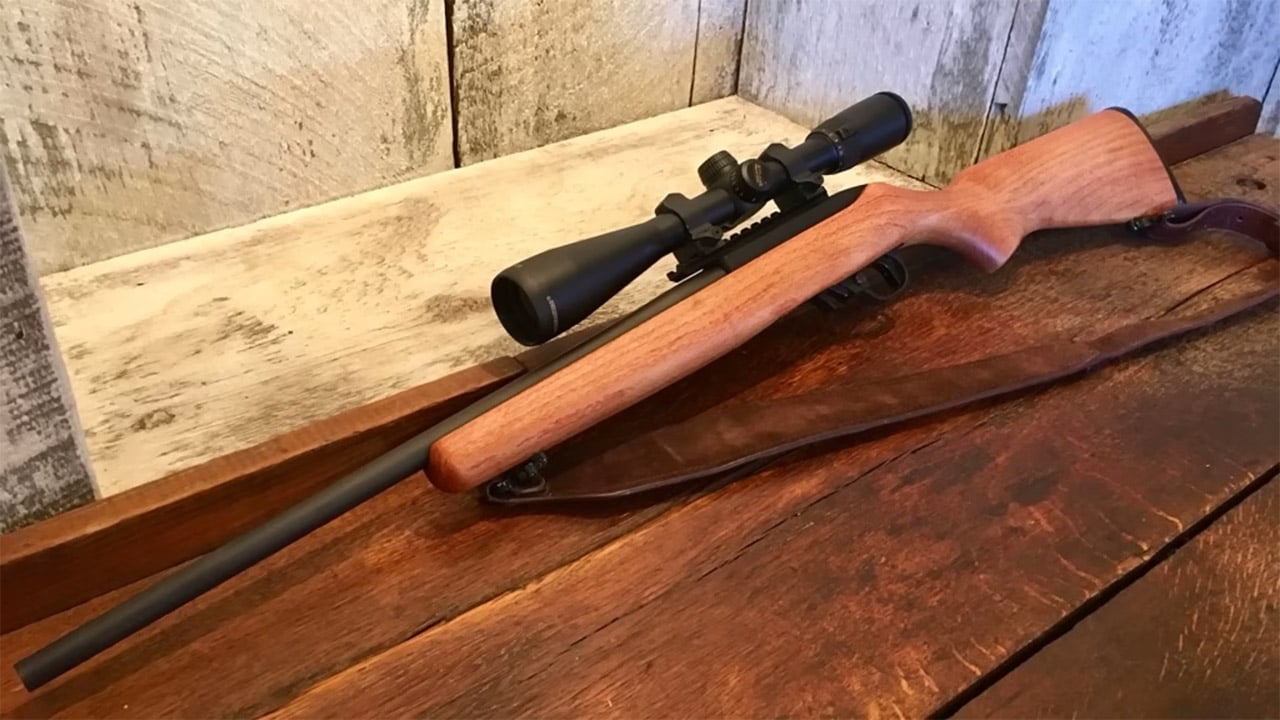
If a rural family only owns one rifle at first, it ought to be a .22 that runs and runs. The 10/22 is the one that shows up at farmhouses because it is easy to shoot, easy to maintain, and it works on everything from tin-can practice to rabbits in the garden.
It also builds shooters. Trigger time is cheaper, recoil is basically nothing, and you can teach safe handling without flinching or noise fatigue. Magazines are everywhere, parts are everywhere, and if you wear one out, you were doing something right.
2. Marlin Model 60

Tube-fed .22s do not get the internet love they used to, but they still make a ton of sense. A Model 60 lives behind a kitchen door or rides in a tractor toolbox (in a case, unloaded) because you do not need to keep up with magazines, and it carries slim.
It is also the kind of rifle a grandparent bought, used, and never stopped using. Keep it clean, keep decent ammo in it, and it will quietly handle pests and small game without drama.
3. Savage Mark II FV
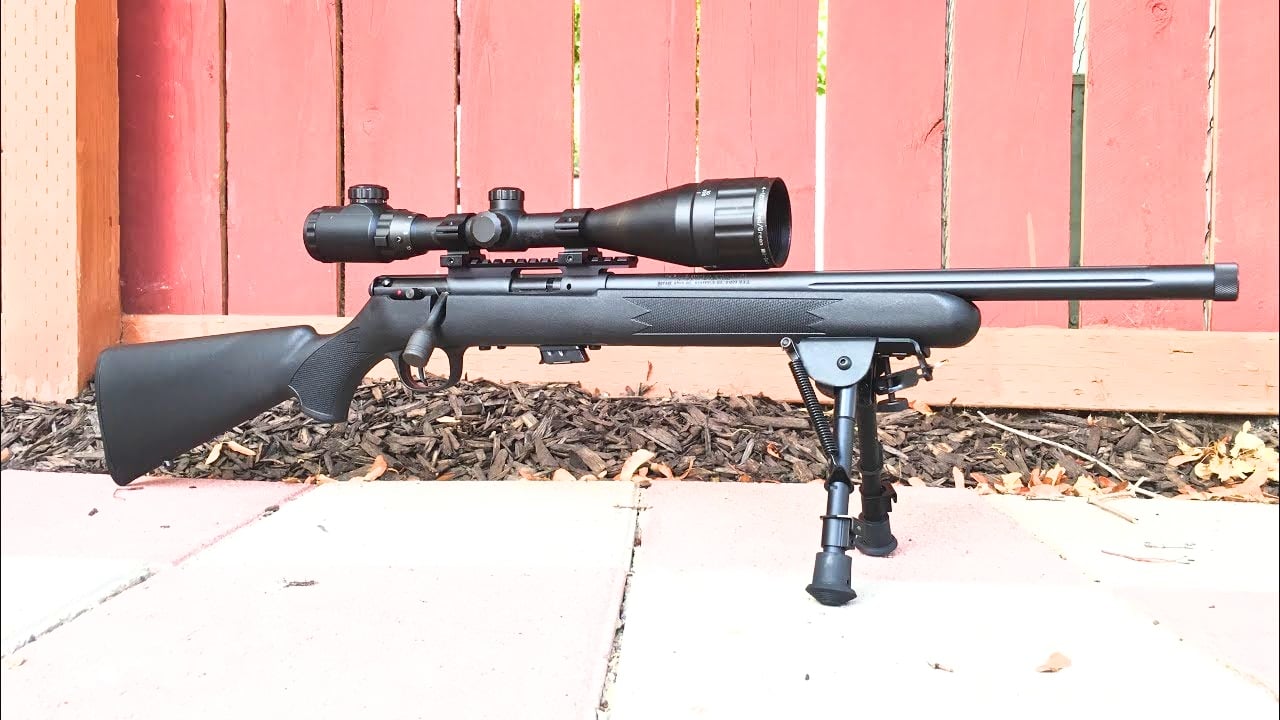
When you want a .22 that shoots like a “real rifle,” a bolt gun does that. The Mark II series has put a lot of accurate .22s into everyday hands without costing “match rifle” money.
It is a great trainer for kids who will eventually hunt with bolt-action centerfires. Working the bolt builds habits—muzzle control, keeping fingers off triggers, deliberate shooting—that transfer cleanly to bigger rifles.
4. Mossberg 500
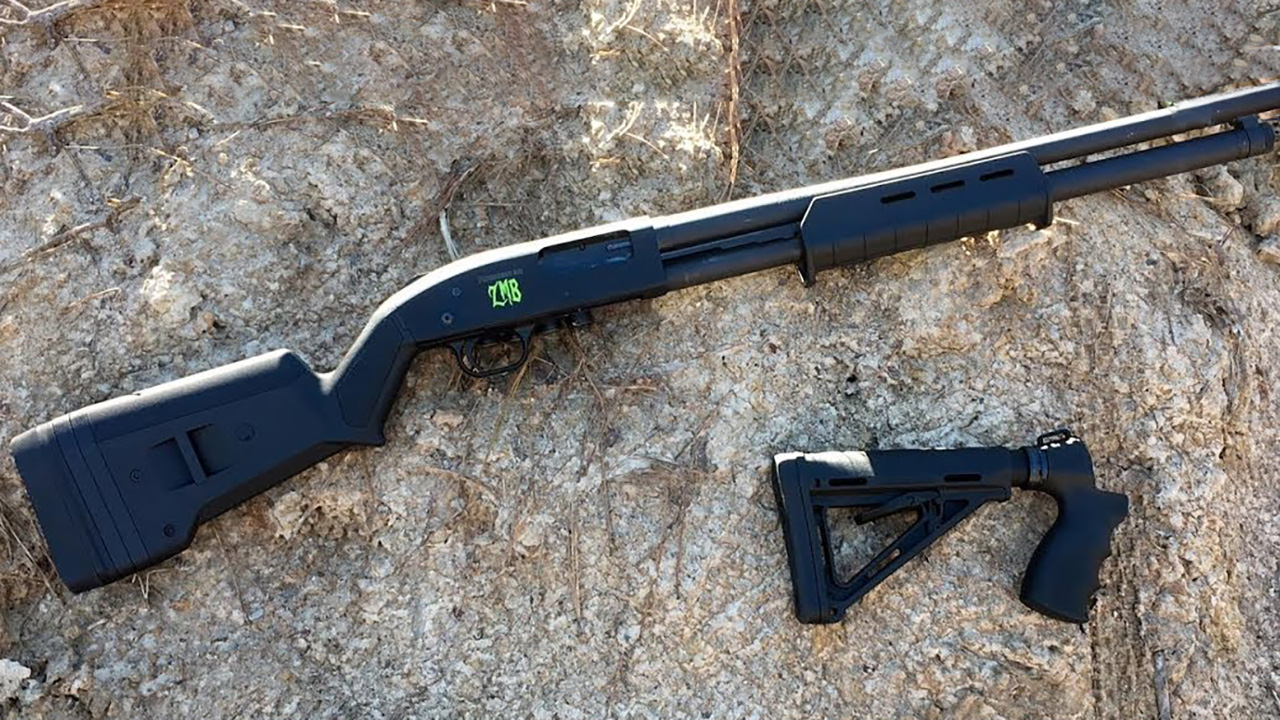
There is nothing fancy about a Mossberg 500, and that is kind of the point. It is the shotgun that sits in the closet and does the job—birds, buckshot, slugs, and everything in between.
Stocks, barrels, and parts are easy to find. If you only keep one 12-gauge around, it should be one you can repair in a small town without waiting on some boutique shipment.
5. Remington 870 Express

Everybody has an opinion on “old Remington” versus “new Remington,” and I get it. Still, the 870 design itself is proven, and a decent Express that runs is worth hanging onto.
It points naturally, it carries well, and it is one of the easier pump guns to learn. If you find one that cycles smooth and patterns well with your loads, you stop shopping and start practicing.
6. Benelli Nova

For the family that is hard on gear, the Nova is a real answer. It is ugly to some eyes, the fore-end feels different, and it is not a classic. But it handles cold, mud, and neglect better than most folks want to admit.
It is a “leave it in the truck during hunting season” shotgun that keeps working. If you live where weather is a bully, that matters.
7. Winchester Model 94 (in .30-30)

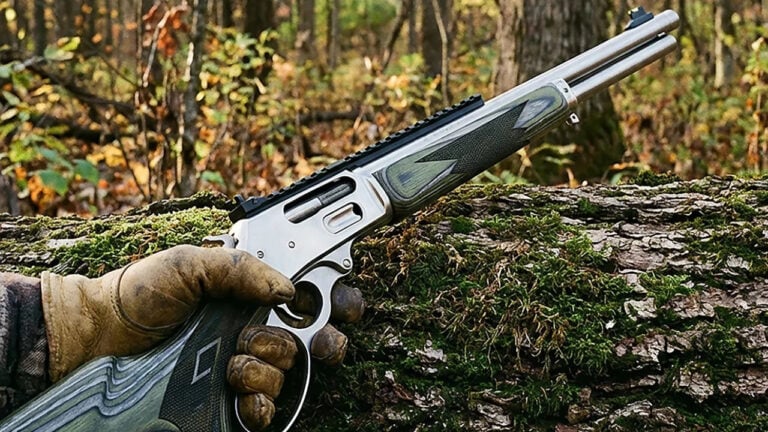
A .30-30 lever gun is still one of the most sensible deer rifles ever made for thick country. A Model 94 carries flat, comes to the shoulder quick, and does not snag like a long bolt rifle when you are slipping through brush.
Ammo is common and effective, recoil is manageable, and the rifle itself is handy around a property. It is not a 400-yard solution, but most real rural shots are not 400 yards anyway.
8. Marlin 336 (in .30-30)

If you like lever guns but want a little more “solid” feel, a 336 has earned its spot. The action tends to feel tight, the balance is good, and plenty of them have accounted for a whole lot of deer.
This is also one of those guns families regret selling when times get tight. Replacing a good one later hurts, especially if it has already been sighted in and proven in your woods.
9. Ruger American Rifle (in .308 Winchester)
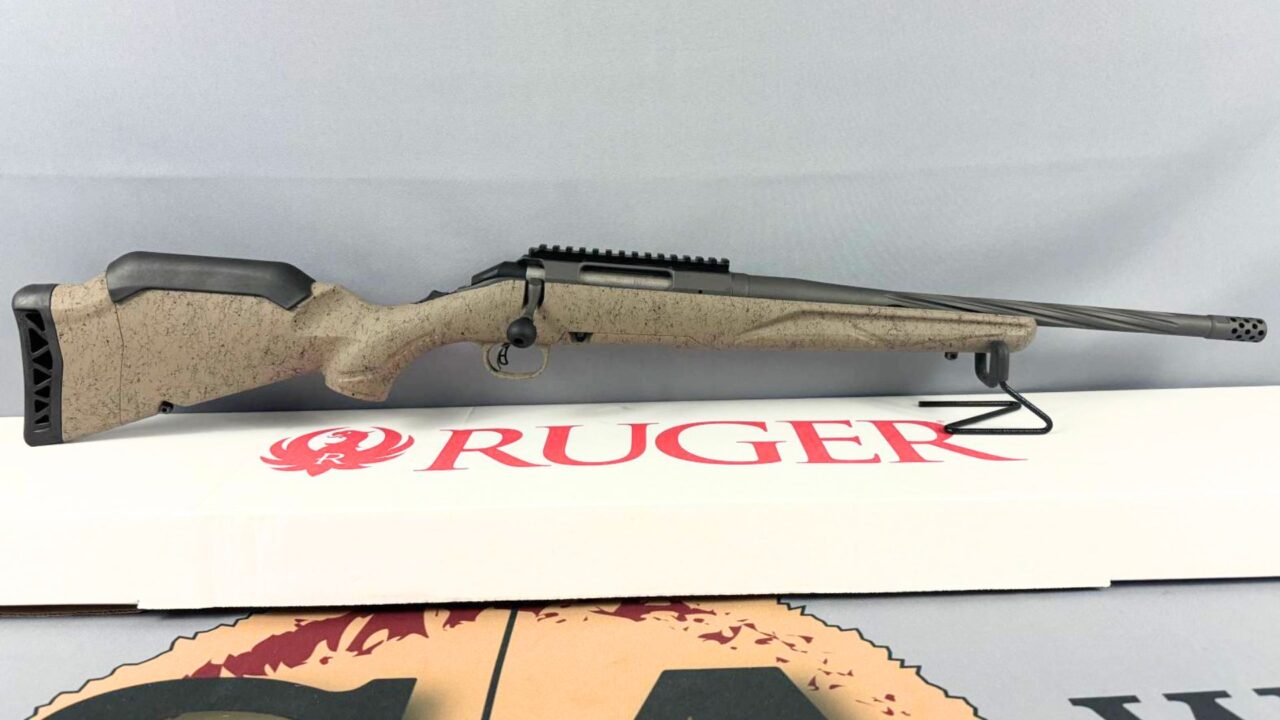
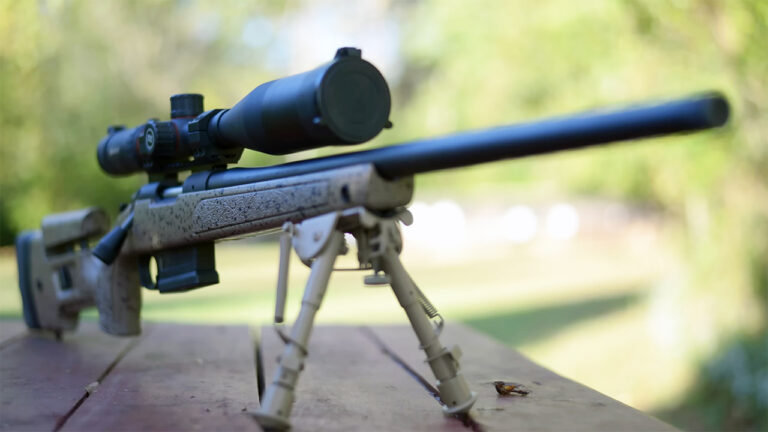
Boring rifles are often the best rifles. The Ruger American is not glamorous, but it is accurate enough for real hunting, light enough to carry, and affordable enough that you can put money into ammo and practice.
.308 is everywhere, and it covers a wide slice of rural needs—deer, hogs, and the occasional “bigger than expected” critter that shows up. With a basic scope and a good zero, it is the kind of rifle that just stays ready.
10. Tikka T3x Lite (in .270 Winchester)
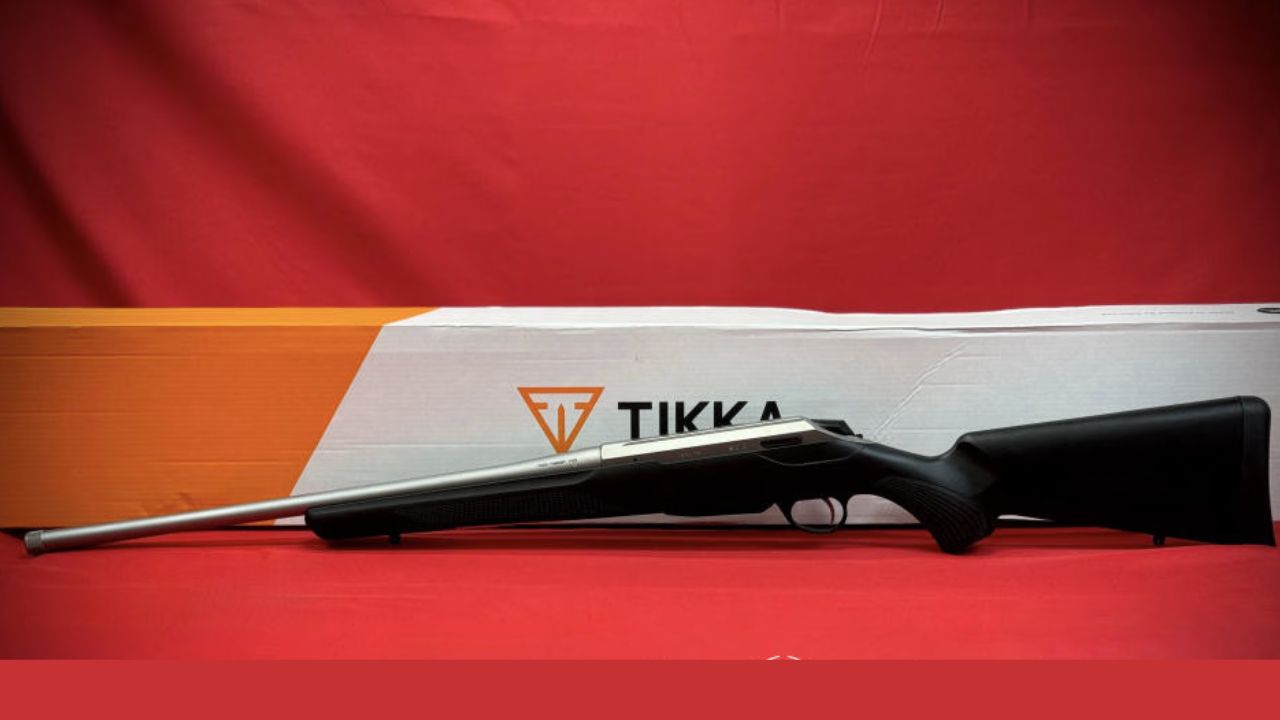
If you have ever worked a Tikka bolt and felt how smooth it is, you know why it shows up in hunting camps. The T3x Lite is easy to carry all day, and it tends to shoot well with off-the-shelf ammo.
.270 Winchester is not trendy, but it is a freezer filler. Flat enough, mild enough, and effective on deer-sized game without beating up new shooters the way some magnums do.
11. Remington 700 (in .30-06 Springfield)
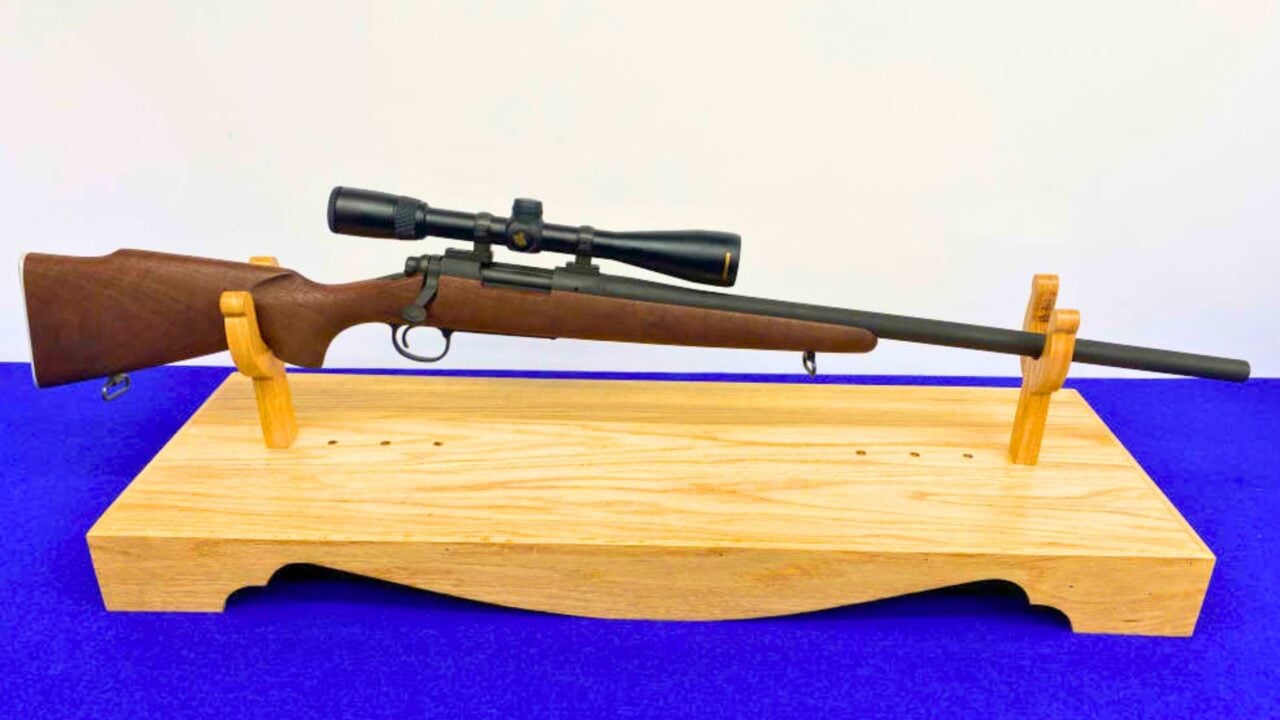
A rural family rifle rack should probably include at least one .30-06, and the 700 is the classic platform a lot of folks already know. This is the “one rifle for most of North America” idea, and it is not a bad idea.
The downside is that the 700 world can turn into a rabbit hole of aftermarket parts and “build culture.” You do not need all that. You need a reliable rifle that feeds, shoots, and holds a zero year after year.
12. Ruger M77 Hawkeye (in .30-06 Springfield)
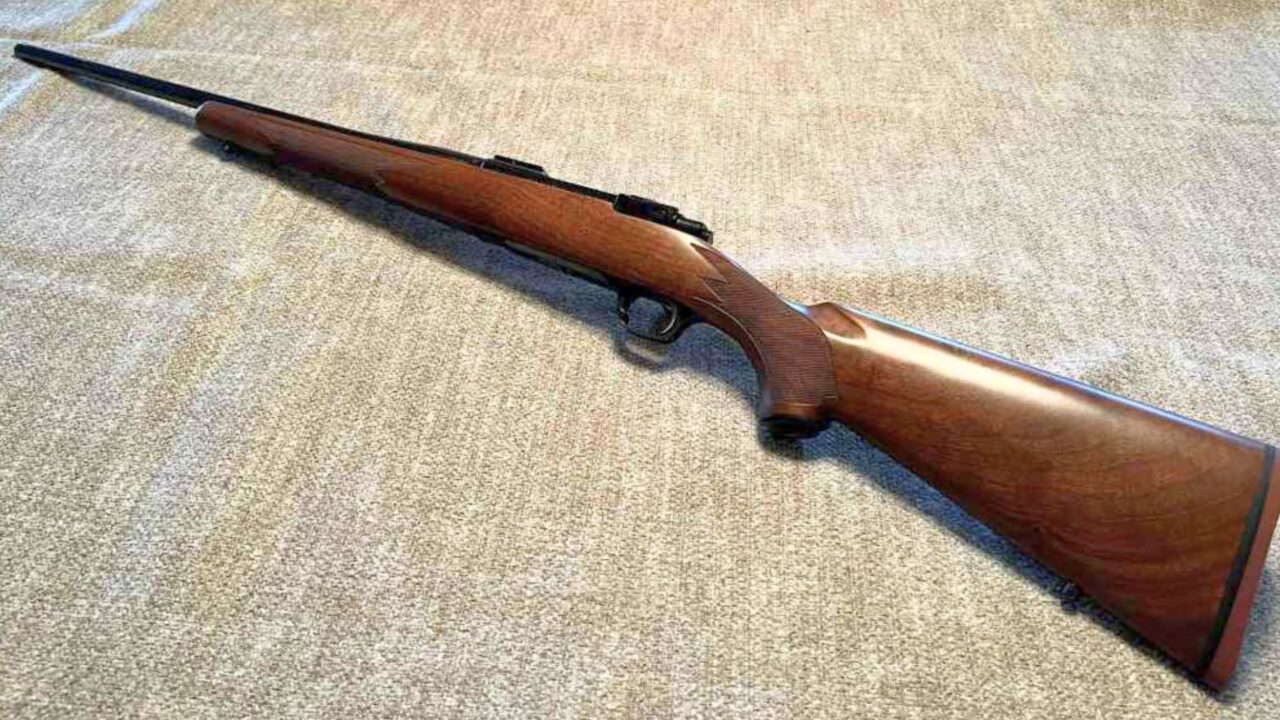
The M77 Hawkeye is for the person who wants a traditional, tough hunting rifle with a controlled-round-feed feel. It is not the cheapest option, but it is the kind of gun you hand down.
It rides well in a scabbard, it tolerates weather, and it does not feel delicate. In the rural world, delicate is a bad personality trait for a tool.
13. Henry H001 Classic Lever Action (.22 LR)

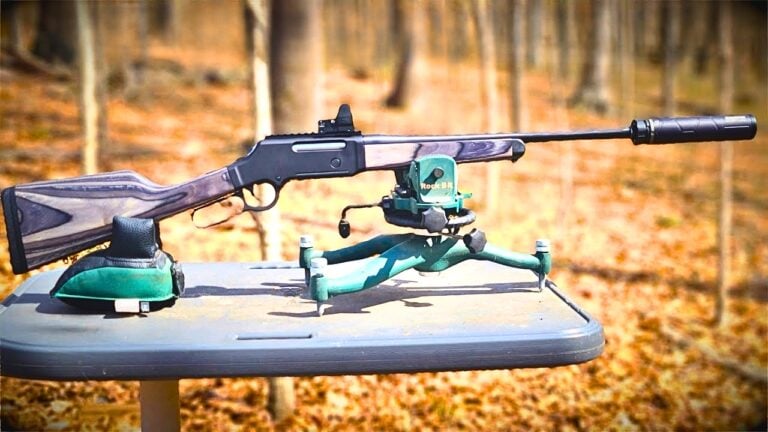
A .22 lever gun is pure rural joy, and it is also genuinely useful. The Henry H001 is smooth, friendly, and it makes new shooters smile instead of tense up.
It also teaches good habits with a manual action, and it is quiet enough (with proper hearing protection, still) that you can do a lot of low-stress practice. If you keep one “fun gun” that is also a working gun, this is a strong pick.
14. Ruger Wrangler (.22 LR revolver)
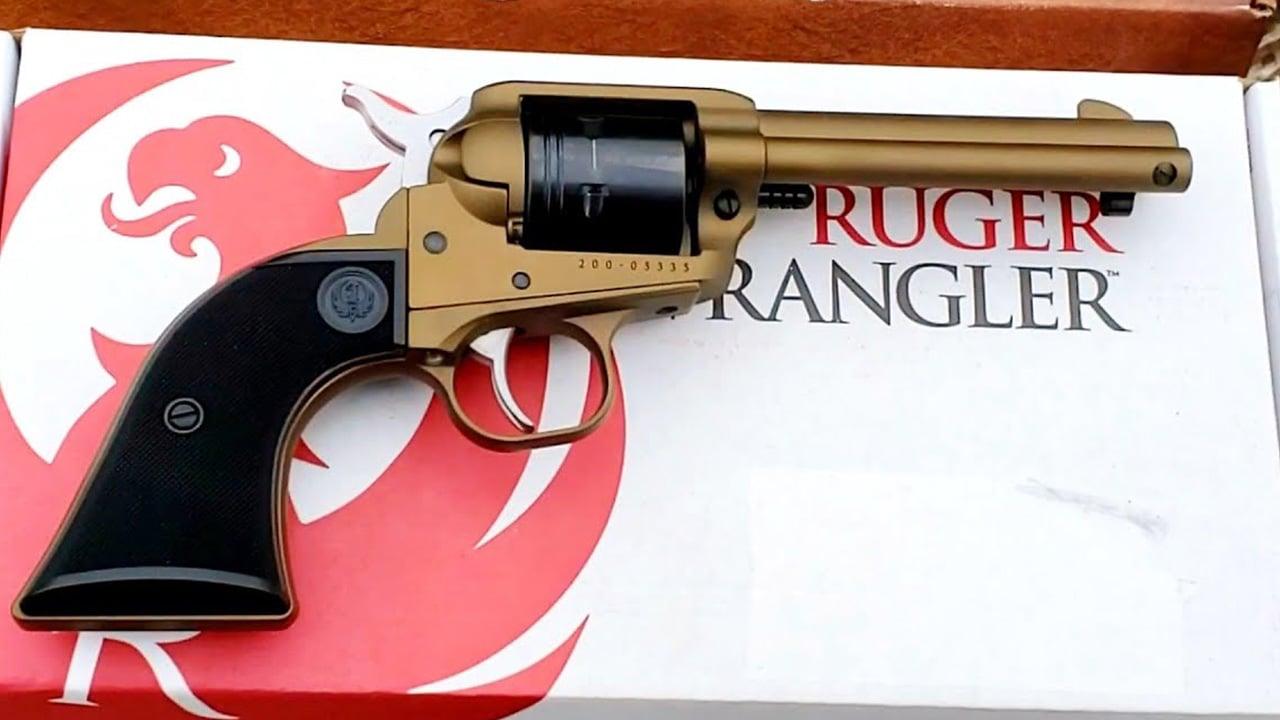
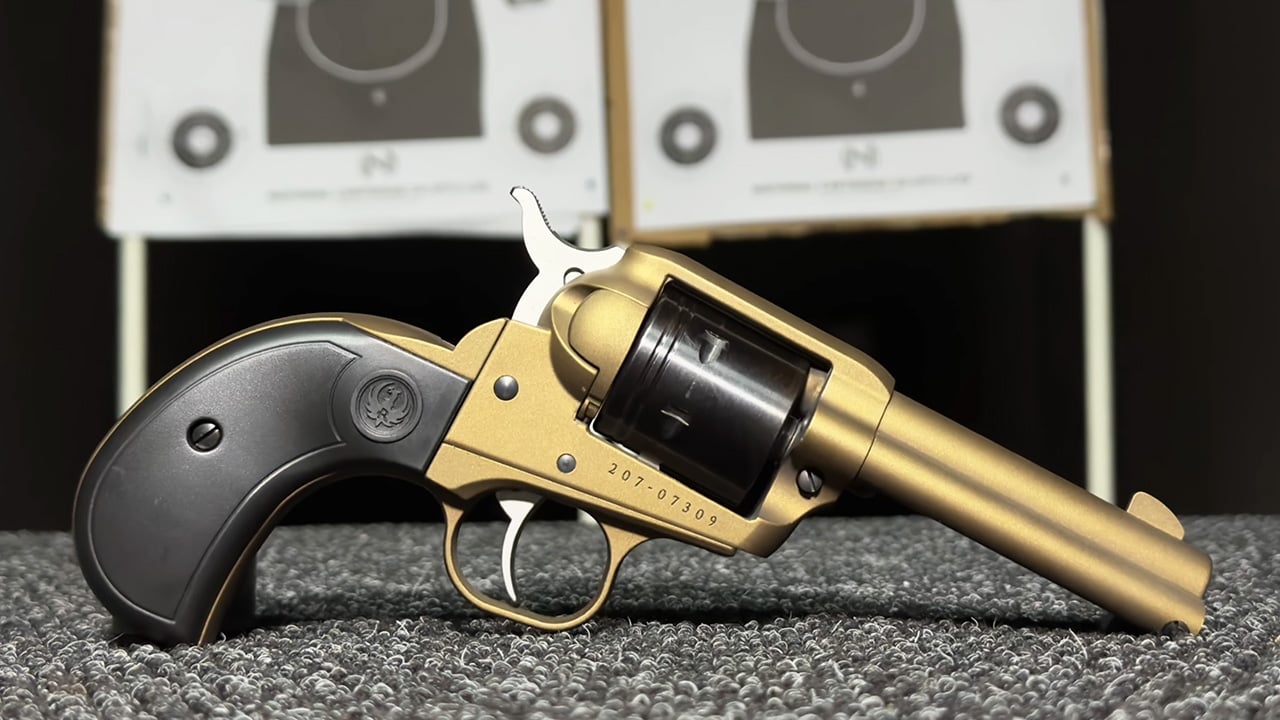
Every rural family ends up wanting a simple .22 handgun for pests and plinking. The Wrangler is cheap enough to actually buy, tough enough to ride around, and simple enough that it does not get complicated.
Is it fancy? No. The sights are basic and the finish is utilitarian. But it is the kind of gun you do not worry about, and that means it gets used.
15. Smith & Wesson Model 686 (.357 Magnum)

A good .357 revolver is one of the most practical “do a lot of things” handguns ever made. The 686 is not small, but it is comfortable to shoot, easy to run well, and built to last.
.357 handles serious work, and .38 Special makes practice easy and less punishing. For the person who does not want to chase magazines, optics plates, and the latest micro trend, a solid revolver is refreshing.
16. Ruger GP100 (.357 Magnum)

The GP100 is the revolver you buy when you want overbuilt. It is not a dainty carry gun, but it is an excellent house and property handgun—especially when you want something that will handle a steady diet of real .357 loads.
The grip options are good, the gun is forgiving, and it inspires confidence. If you live where two-legged problems are not the only concern, a rugged .357 makes sense.
17. Glock 19 (9x19mm)
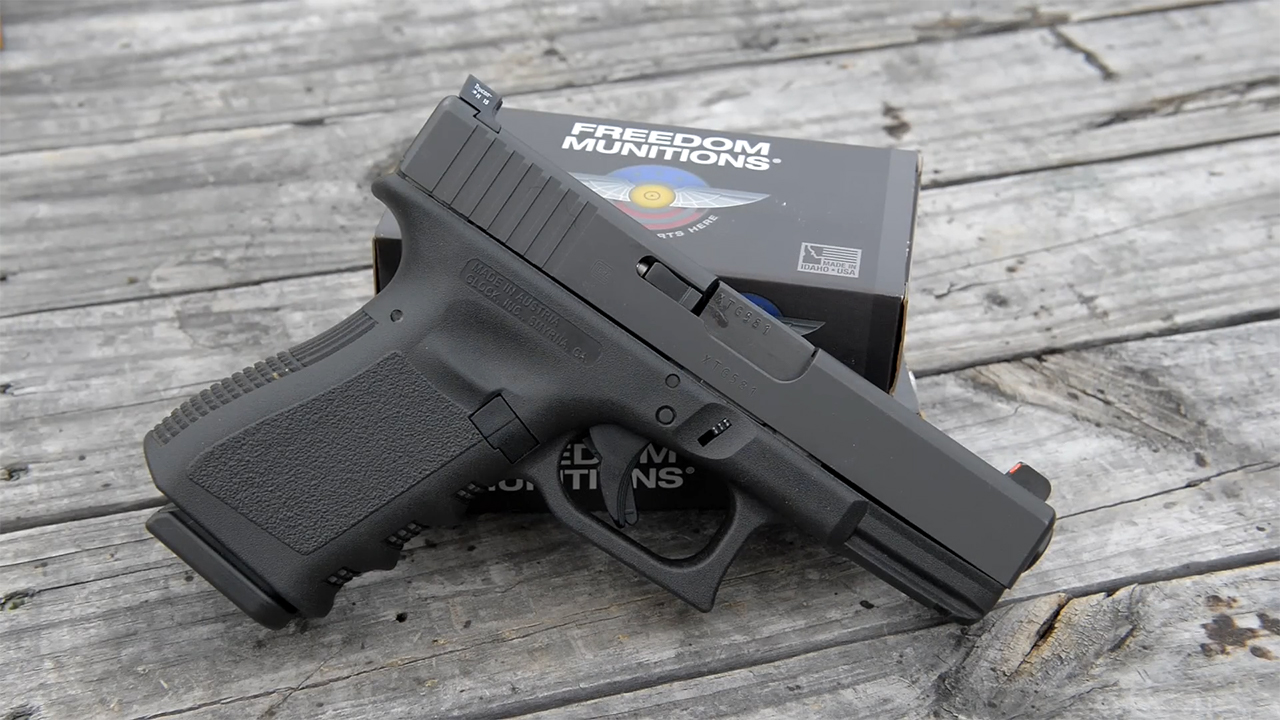
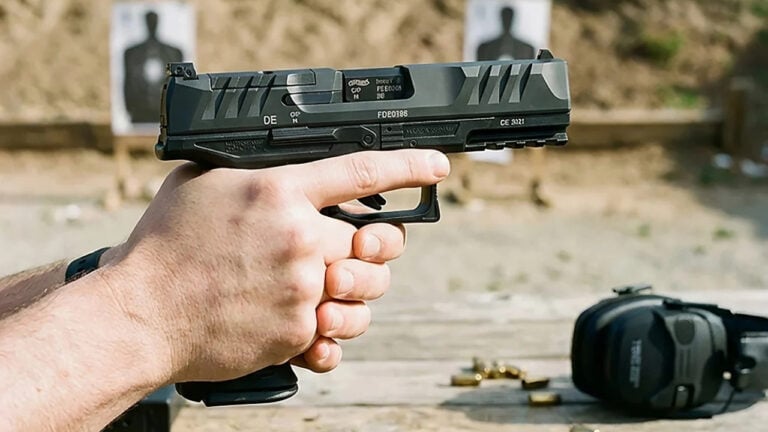
There are flashier pistols, better triggers, and prettier finishes. The Glock 19 keeps earning its spot because it is the right size for a lot of hands, it is easy to maintain, and it runs with minimal fuss.
9mm ammo is common, magazines are everywhere, and holster support is endless. If the family is going to standardize on one defensive handgun, this is an easy one to build around.
18. Smith & Wesson M&P 2.0 Compact (9x19mm)
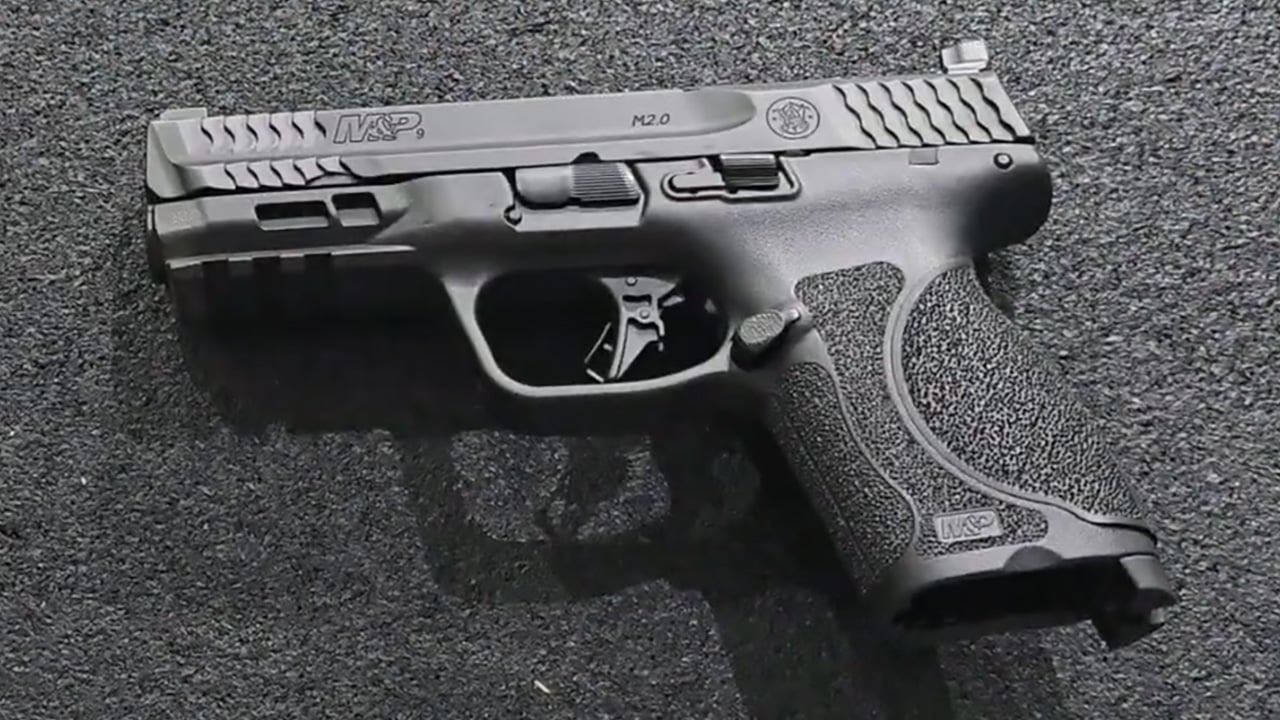
The M&P 2.0 Compact is a serious working pistol with ergonomics a lot of shooters prefer. The grip texture is aggressive, the gun tracks well, and it tends to be reliable across a wide range of ammo.
It is also a good “house gun that can still carry” size. If you have folks in the family who cannot get comfortable with a Glock grip angle, the M&P fixes that fast.
19. Colt LE6920 (5.56 NATO)

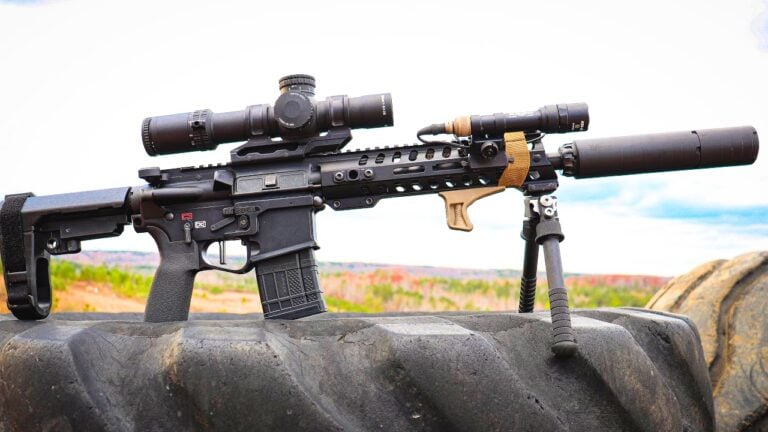
An AR-15 is not a farm fantasy anymore; it is a practical rifle for the rural world. The LE6920 has long been a baseline “known quantity” rifle—nothing exotic, just a solid example of the pattern.
5.56 is common, recoil is light, and the rifle is easy to set up with a simple sling and an optic that holds zero. It is also one of the easier rifles for smaller-stature shooters to run well.
20. Ruger AR-556 (5.56 NATO)
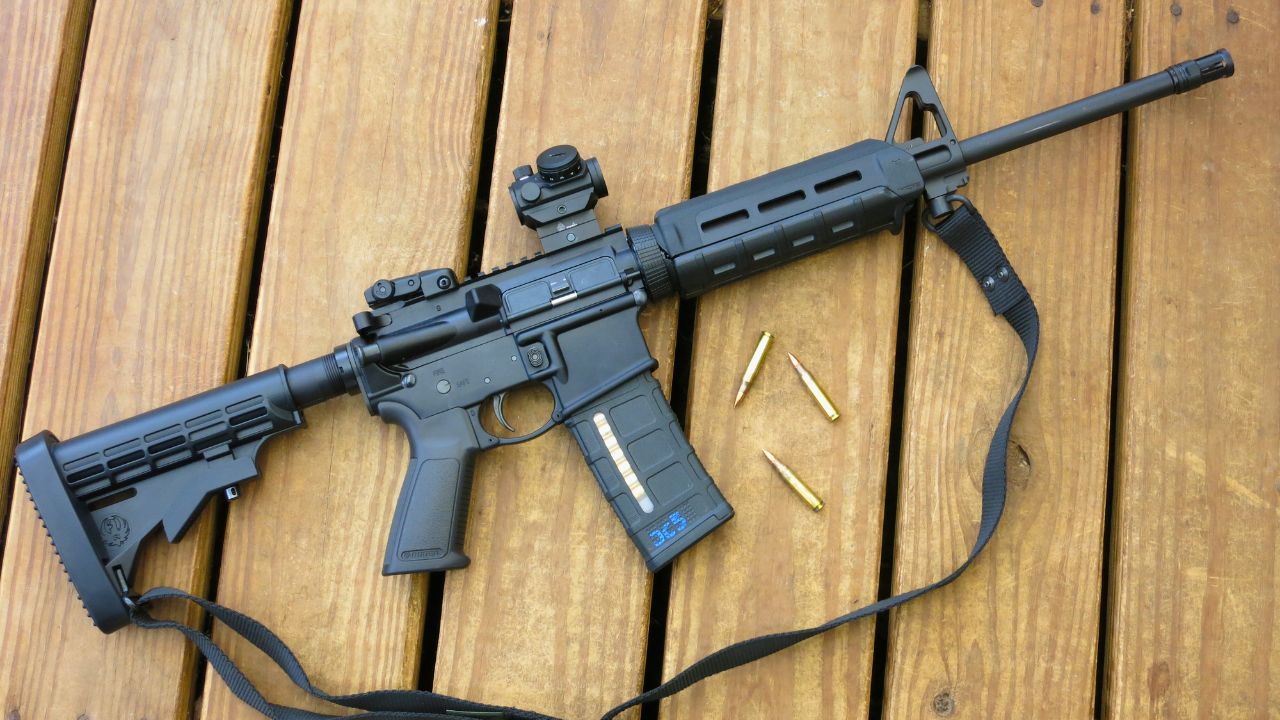
If the Colt feels like more money than you want to park in the safe, the AR-556 is a straightforward alternative that gets a lot of families into a dependable AR without going broke. This is the rifle that ends up riding in the truck to check fence lines (stored safely), guarding the chicken coop from night visitors, or standing in for a general “just in case” long gun.
What matters is not the brand loyalty. What matters is that you buy a decent AR, verify it runs with the magazines and ammo you plan to keep, and then actually practice with it. Ask me how I know.
Could you live with fewer than twenty? Sure. Most families do. But if you build a rural battery over time around common ammo and proven models, you end up with options instead of panic. The key is buying guns you will shoot, keeping them maintained, storing them securely, and putting in enough range time that none of them feel unfamiliar when you really need them.
Like The Avid Outdoorsman’s content? Subscribe to our newsletter so you never miss an article.
Here’s more from us: