Photo credit: Smith & Wesson/YouTube
Some pistols get a strange kind of loyalty. People talk them up, explain away their flaws, and act like criticism comes from ignorance instead of experience. Then you notice something funny: they do not actually shoot them much. The gun gets posted, praised, carried around in conversation, and treated like a smart purchase, but it rarely seems to get the kind of range time that would really prove the love is justified.
That is usually a sign. A pistol people truly enjoy tends to get used. A pistol people mostly defend tends to come with caveats. It is “great for what it is,” or “mine has been flawless,” or “you just have to understand the platform.” Maybe so. But when a handgun needs that much explanation, there is a good chance the owner is protecting the purchase more than enjoying the shooting. Here are 15 pistols buyers often defend harder than they ever actually run.
Kimber Solo

The Solo is one of the clearest examples of a pistol people wanted to love so badly that they kept defending it long after the shine wore off. It looked premium, carried the Kimber name, and seemed like the refined answer to the small 9mm carry question. Buyers did not pick it because they wanted a rough, finicky carry gun. They picked it because they thought they were getting something sleek and upscale.
That is exactly why the defenses got so strong. Once reliability complaints and ammo sensitivity became impossible to ignore, a lot of owners did not respond by shooting the gun more and proving the critics wrong. They responded by explaining it. That is usually the tell. A pistol that gets more speeches than range time is rarely living up to the original promise.
Taurus Judge

The Judge has been defended for years because the idea sounds better than the reality. A revolver that can chamber .410 and .45 Colt gives buyers the feeling they own something versatile, hard-hitting, and different enough to justify itself immediately. It makes for a great gun-counter conversation and an even better “you know this thing can also shoot…” type of purchase.
But a lot of Judge ownership lives in theory more than practice. Buyers love talking about what it can do, what role it fills, and why critics do not get it. What they often do not love nearly as much is putting a lot of range time into a bulky, compromise-heavy revolver that never really shines in one clear lane. That is how a pistol ends up getting defended much harder than it gets shot.
Remington R51

The R51 built a strange kind of defensive loyalty because people wanted the story to work. Slim profile, old-school design roots, and the promise of something more thoughtful than the usual carry pistol made buyers feel like they were backing an underappreciated idea. That kind of emotional investment can make people protect a gun long after it starts disappointing them.
And that is exactly what happened. Once the pistol’s problems became obvious, a lot of the conversation shifted from enthusiasm to explanation. Owners started talking about later runs, good examples, bad press, and misunderstood design choices. What you did not see nearly as much was people shooting them heavily and letting performance settle the issue. The R51 became a pistol people argued for more than they used with confidence.
Walther P22
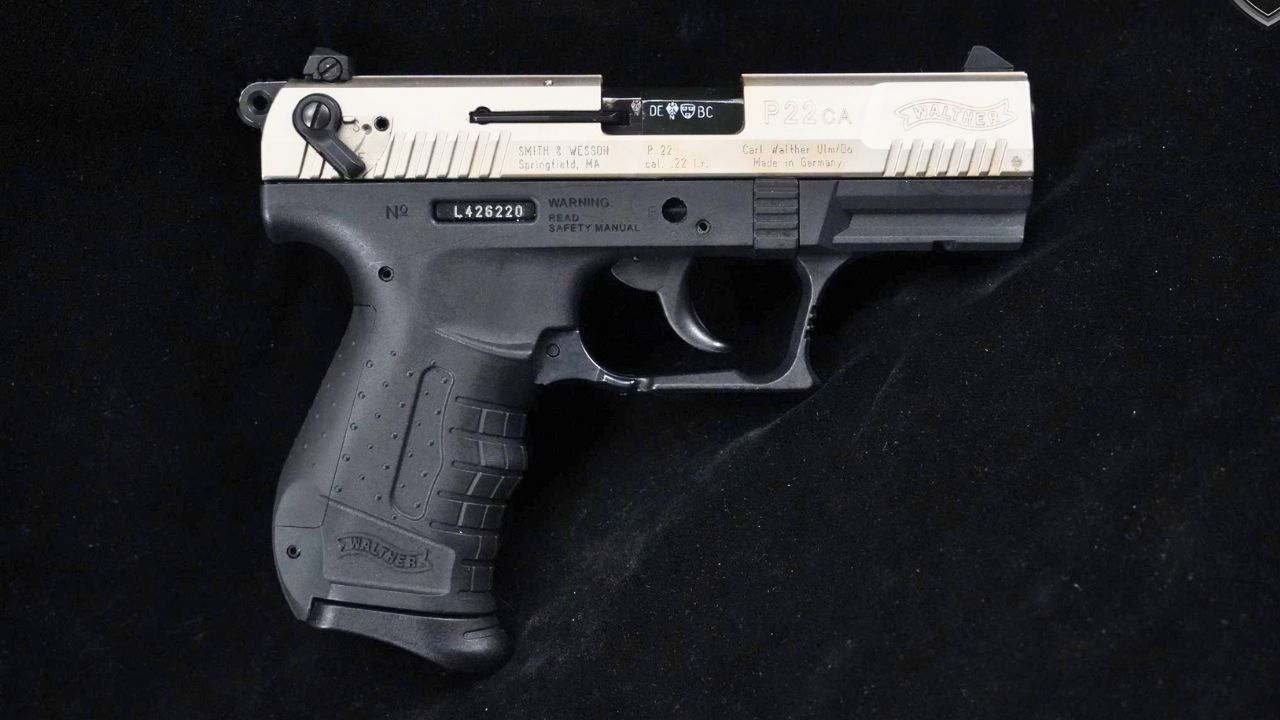
The P22 gets defended because it is easy to want. It looks right, feels approachable, and seems like the sort of little rimfire that should be an easy win. Buyers often stay emotionally attached to that first impression, even after the actual ownership experience starts becoming more conditional than they expected.
That is why so many defenses of the P22 sound familiar. People talk about using the right ammo, keeping it clean, understanding rimfire quirks, and not expecting too much. Maybe all of that is fair to some extent. But pistols people truly love usually get dragged to the range constantly. The P22 too often becomes something owners explain lovingly while spending more time actually shooting better .22s.
SIG Sauer Mosquito

The Mosquito had the benefit of wearing the SIG name, which bought it a lot of patience it probably did not deserve. Buyers liked the idea of a rimfire trainer that looked and felt like part of the SIG family, and that was enough to create a lot of loyalty before the pistol really proved itself in long-term use.
Now it mostly survives through defense language. Fans say it is fine with the right ammo, fine after break-in, fine once you understand it. That may be true for some examples, but it is still telling. Pistols that really earn affection usually get praised through use, not through disclaimers. The Mosquito built a reputation for being explained away, and that is never the same thing as being genuinely enjoyed.
Bond Arms Rowdy
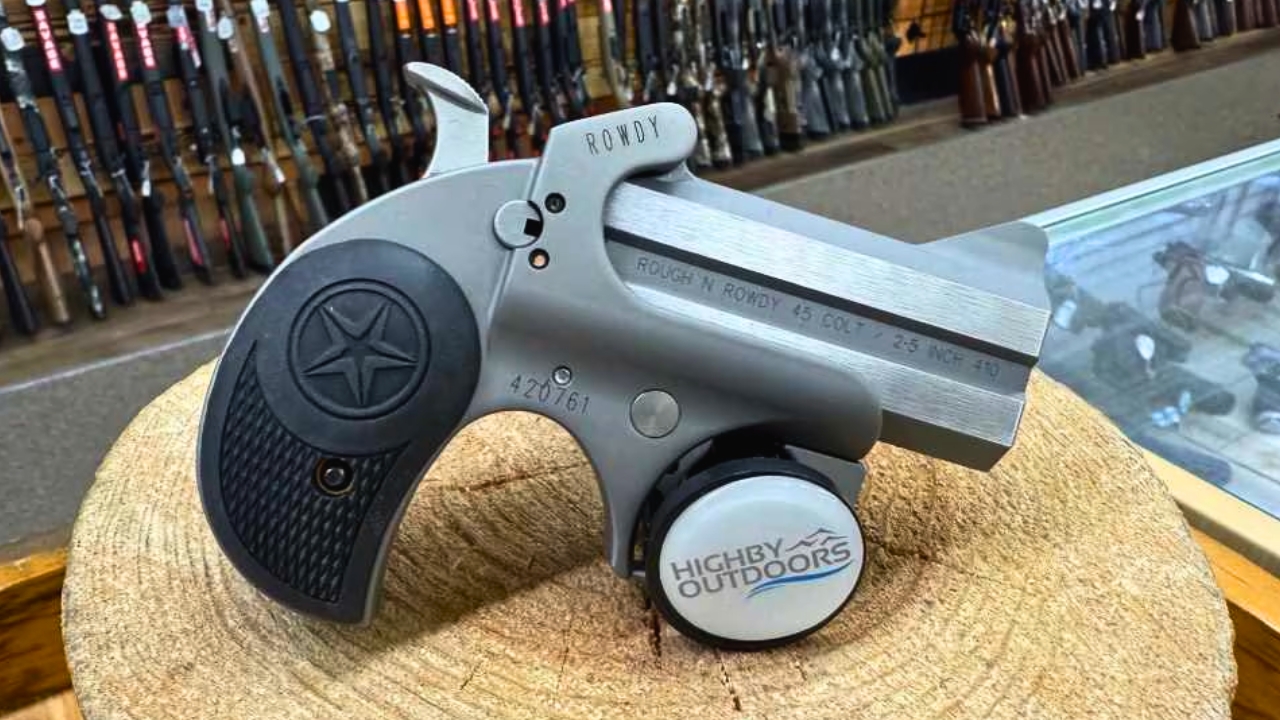
The Rowdy is the kind of pistol people buy because it feels tough, looks memorable, and gives them something unusual to talk about. Heavy little derringers like this create instant owner attachment because they feel so distinct. Buyers like the heft, the look, and the sheer attitude packed into a small package.
That same attitude carries the conversation long after the shooting experience gets old. Most people are not running a Bond derringer hard or often. They are admiring it, showing it off, and defending the idea of it. When a pistol gets treated more like a statement piece than something you actually want to burn ammo through on a regular basis, that usually tells you where the real loyalty lives.
North American Arms Pug
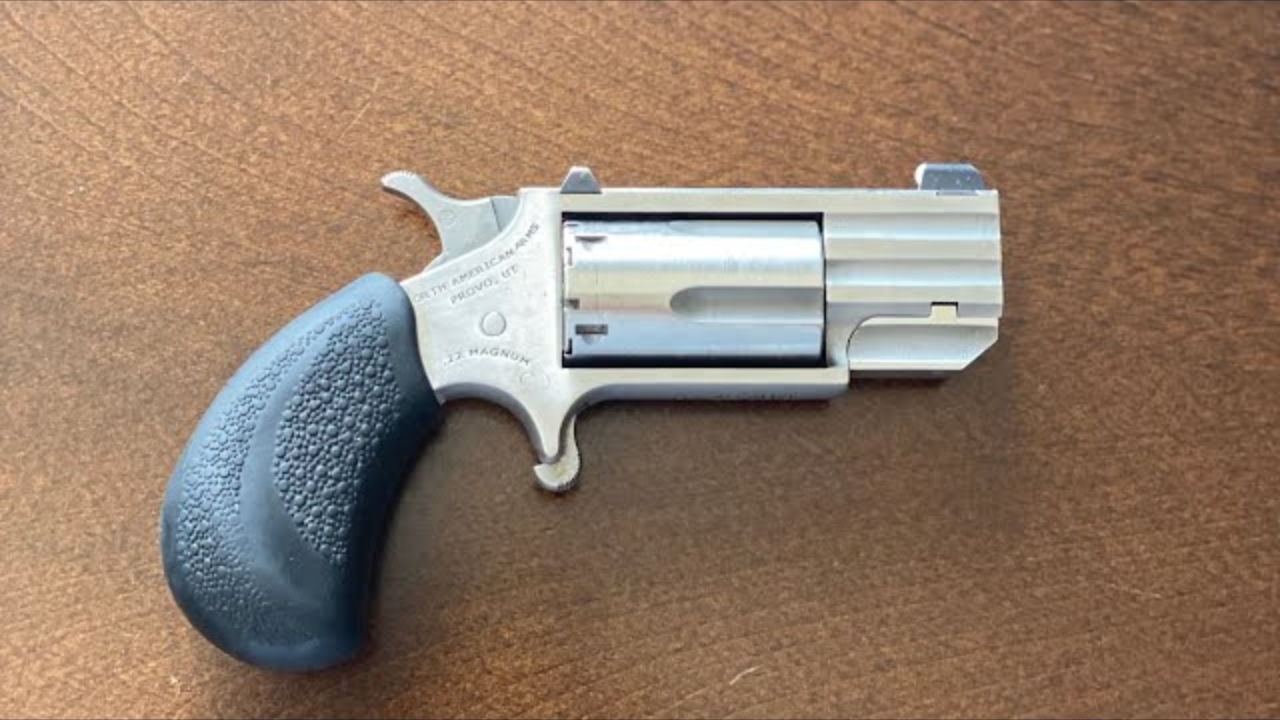
The Pug gets defended because mini revolvers trigger a very specific kind of owner pride. People love the size, the novelty, and the feeling that they own something tiny but still serious. It is the sort of pistol people enjoy pulling out just to watch someone else react to how small it is.
That novelty turns into defense fast, because once somebody buys into the mini-revolver idea, they usually want it to mean more than “interesting little oddball.” The problem is that most owners are not spending real, meaningful range time with these. They are talking about concealability, convenience, and backup-gun logic while the actual shooting side remains the weak link everybody politely dances around.
Chiappa Rhino
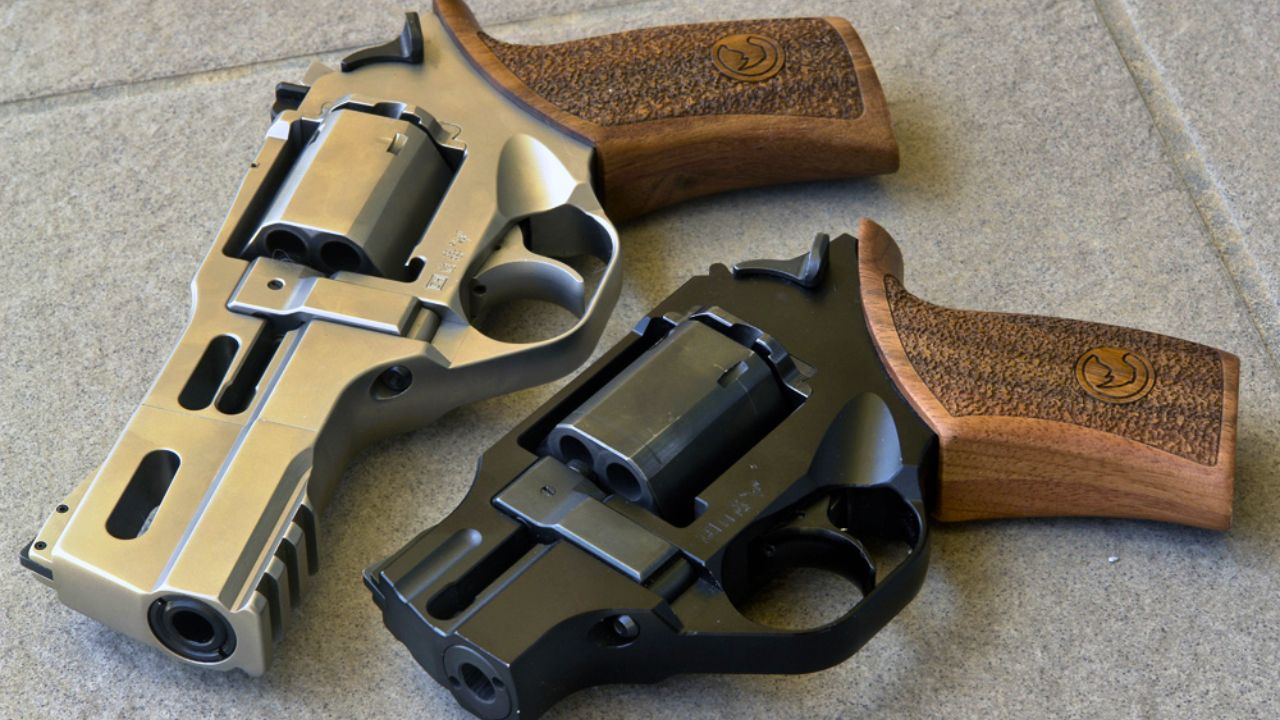
The Rhino gets defended because buyers fall in love with the concept. Low bore axis, futuristic shape, and the feeling that they bought the revolver for people who know better than to settle for conventional choices all combine into a pretty strong identity purchase. It makes owners feel clever, and clever purchases are hard to admit regret over.
That is why the Rhino often gets explained so passionately. Owners talk about the engineering, the recoil impulse, and why traditional revolver shooters “just do not get it.” What you do not always see is the same level of enthusiasm for simply shooting the thing in volume. It is one of those pistols where the idea often gets defended more fiercely than the actual day-to-day ownership experience.
Taurus PT-111 Millennium

The PT-111 Millennium built defensive loyalty because buyers wanted to believe they had beaten the market. It looked like a practical carry gun, it was cheaper than the bigger names, and it gave owners the chance to feel like they had found a smart budget answer that other people unfairly overlooked.
That is exactly the kind of purchase people tend to protect. Even when they moved on to something else later, plenty of owners kept defending the PT-111 as “good for the money” or “totally fine if you got a good one.” That is often another way of saying the gun inspired more justification than devotion. A truly beloved pistol gets used constantly. A pistol like this often gets defended after the owner has already mentally replaced it.
KelTec PMR-30
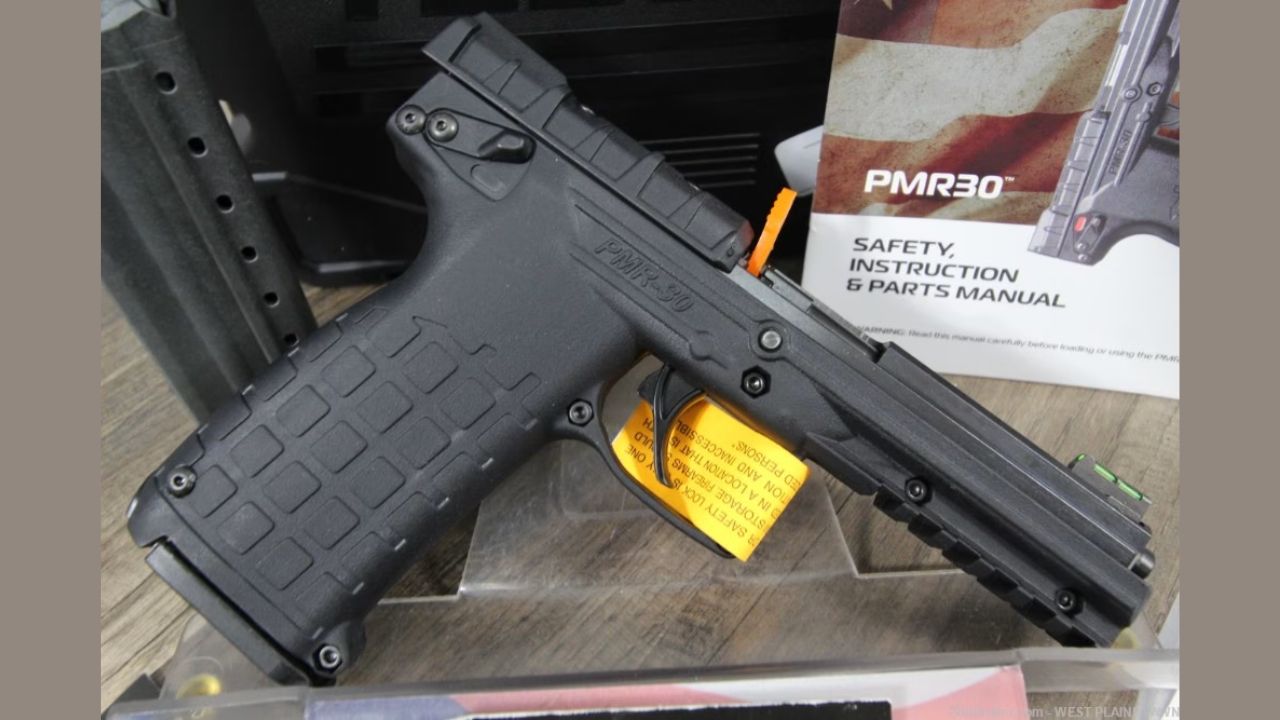
The PMR-30 gets defended because the idea is so attractive. Thirty rounds of .22 Magnum in a lightweight pistol sounds like one of those genius concepts gun people are supposed to appreciate. Buyers like feeling like they bought something clever, unusual, and a little ahead of the usual crowd.
That makes it harder to admit when the novelty carries more of the experience than the actual shooting does. Owners talk about the capacity, the caliber, and the uniqueness of the package more than they talk about pounding through case after case without a second thought. The PMR-30 often lives as a conversation piece with a range function, not as a true high-use favorite.
AMT Hardballer

The Hardballer gets defended because it looks like it should have been better than it often was. Stainless 1911 styling, strong visual presence, and enough pop-culture baggage to make it feel cooler than the average old pistol all helped buyers get emotionally invested in the idea. That sort of visual confidence can last a long time.
What often does not last as well is the enthusiasm for shooting it regularly. Once function, fit, and real-world performance enter the picture, the tone shifts. Owners start talking about good examples, tuned examples, and the fact that not all of them were bad. That kind of explanation is a dead giveaway. When a pistol’s defenders spend more time arguing for its reputation than demonstrating their own affection through use, the balance is off.
Kimber Micro 9

The Micro 9 gets defended because it looks like a classy answer to the small-carry question. Buyers like the metal-frame feel, the Kimber branding, and the sense that they stepped above the polymer crowd into something a little more refined. That sort of self-image is hard to give up once the gun is in hand.
So when the compromises show up, the response often becomes defensive instead of enthusiastic. Owners start talking about break-in, certain magazines, certain ammo, or the fact that small pistols are “all picky to some degree.” Maybe. But a lot of those same owners do not seem eager to shoot them heavily for fun. They mostly defend the purchase because it still looks and feels like something that ought to have been a better idea than it was.
Walther CCP
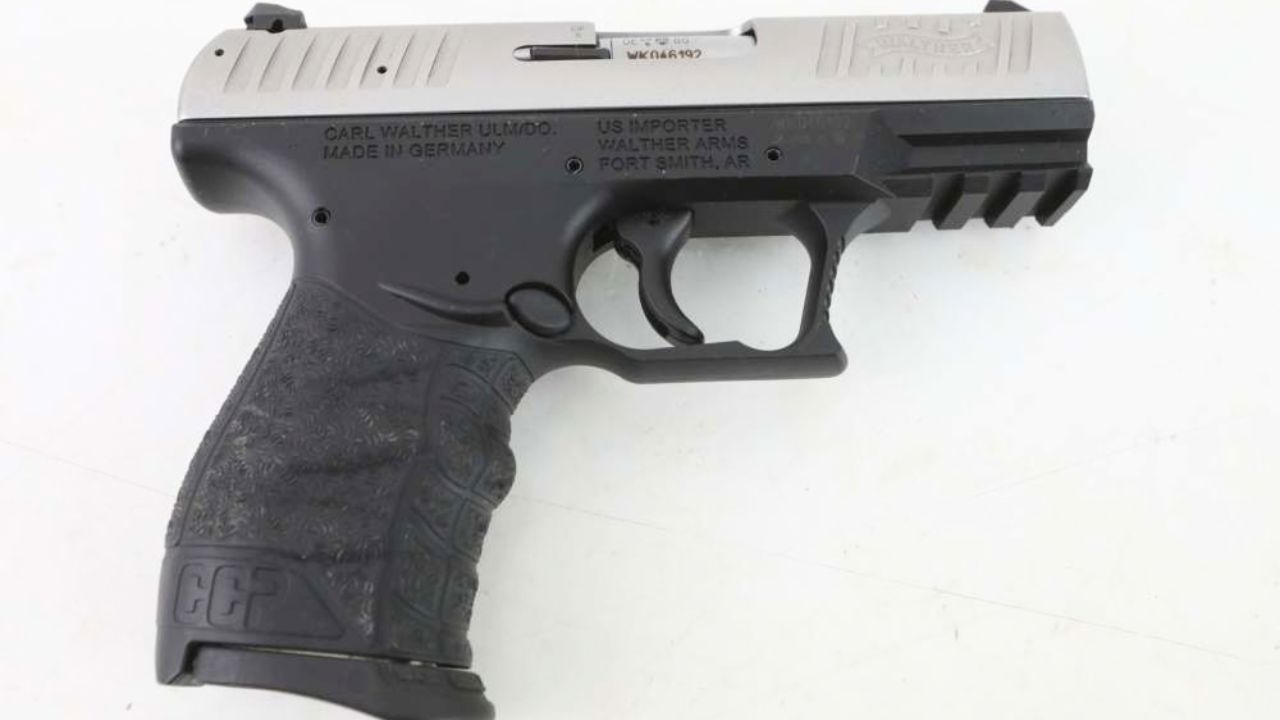
The CCP drew buyers in because it sounded thoughtful. Easier slide operation, softer-shooting concept, and a more approachable feel made it seem like a pistol designed to solve real problems for real people. Buyers who liked the premise tended to become very invested in defending that premise.
That is why the CCP often gets explained through intention rather than performance. People talk about what it was trying to do, who it was meant for, and why critics are judging it wrong. What they do not always do is shoot it enough to make it seem like a genuine long-term favorite. It became one of those pistols where the idea earned stronger loyalty than the actual shooting experience.
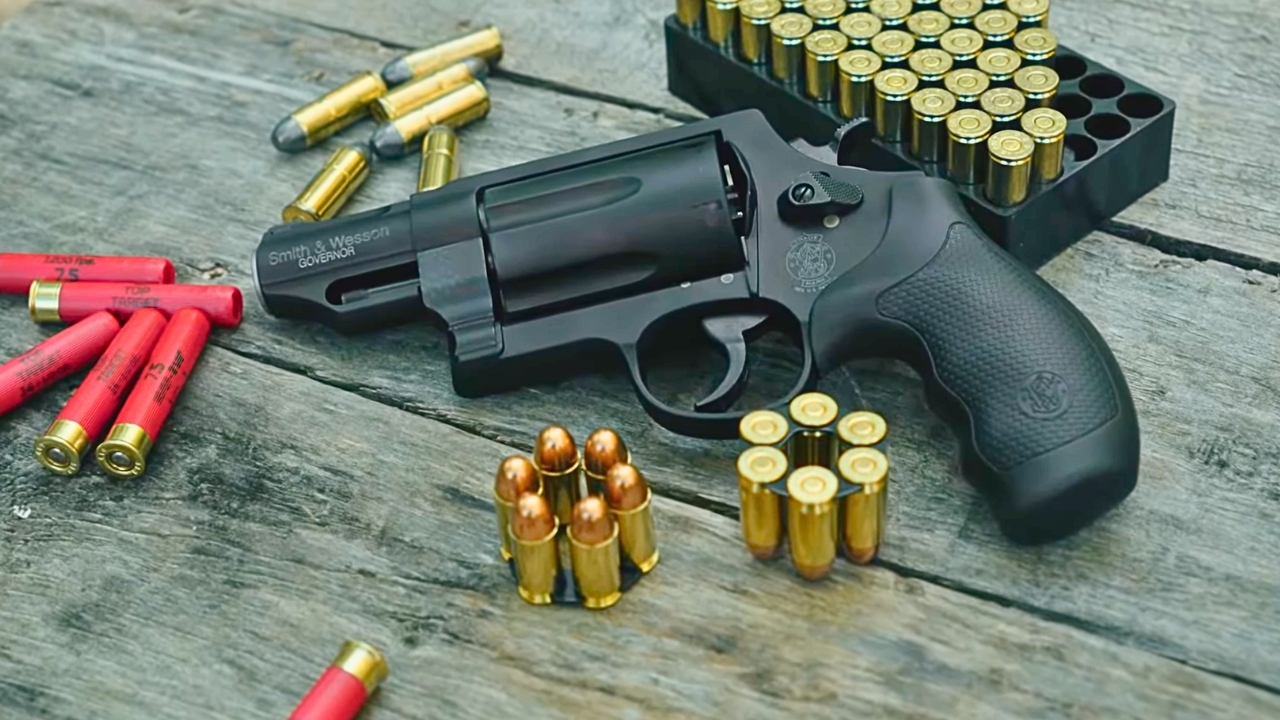
Smith & Wesson Governor

The Governor benefits from the same dynamic as the Judge, with the added protection of a stronger brand badge. Buyers can tell themselves they bought the more legitimate version of the .410 revolver concept, and that makes the defense feel more respectable from the start. It is easier to argue for a questionable format when Smith & Wesson stamped its name on it.
That still does not make it a high-use pistol for most owners. The Governor inspires plenty of explanation about versatility and niche usefulness, but not nearly as much enthusiasm for sustained range time. The gun gets talked through, defended, and justified more than it gets worked. That pattern tends to say more than the owner ever intends.
Desert Eagle Mark XIX

The Desert Eagle may be the king of this whole category. People buy it because it is iconic, oversized, and impossible to ignore. Once they own one, defending it becomes part of owning it. They will remind you it was never meant to be practical, that critics do not understand it, and that it is supposed to be ridiculous in the first place.
And all of that may be fair. But it also hides the reality that most owners do not actually want to shoot one nearly as much as they want to own one. The Desert Eagle gets admired, displayed, posted, and defended constantly. The actual high-round-count love affair is a lot rarer. It is one of the clearest cases of a pistol that gets protected as an image long after the shooting excitement settles down.
HK VP70

The VP70 gets defended because it carries history, oddity, and the HK name. Buyers do not usually land on one because they want the smoothest, most satisfying pistol they can shoot regularly. They buy one because it is unusual, meaningful in a collector sense, and different enough to make ownership feel like a mark of deeper taste.
That kind of purchase almost always invites defense. Owners talk about what the pistol represents, why it matters, and how misunderstood it is. What they usually are not doing is shooting it enough to make it a true working favorite. The VP70 gets defended as an artifact and an idea. That is not the same thing as being loved as a shooter.
Like The Avid Outdoorsman’s content? Subscribe to our newsletter so you never miss an article.
Here’s more from us: