Photo credit: dotshock/Shutterstock.com
A lot of pistols sound good when people are standing around the counter or typing in comment sections. That is easy. Real shooting has a way of cleaning up the conversation fast. Once the timer starts, the round count climbs, or the target gets moved past easy distance, certain handguns stop being theory and start becoming a test. That is where some shooters look better, and some excuses start falling apart.
The truth is, some pistols are honest in a way people do not always like. They reward solid grip, decent trigger control, consistent practice, and real familiarity. They also expose bad habits, lazy fundamentals, and people who know how to talk way more than they know how to shoot. Here are 15 pistols that separate the people who actually put in range time from the ones who mostly just sound like they do.
Glock 19

The Glock 19 exposes people because it does not give them much to hide behind. The trigger is usable but not magical, the grip angle is familiar to many but not flattering to everybody, and the gun asks for real consistency if you want clean, fast shooting. It is one of those pistols that rewards repetition more than opinion.
Shooters who actually train tend to do very well with it because they have built the habits the gun responds to. People who mostly talk often act like the Glock 19 should somehow do the work for them. It does not. It is a practical pistol, not a shortcut, and that is exactly why it reveals so much once live fire starts.
J-frame revolver

A lightweight J-frame will humble people in a hurry. On paper, a snub-nose revolver sounds simple enough. In the hand, especially under speed or at real defensive distances, it becomes obvious very quickly who has actually practiced with one and who is just repeating old revolver-guy talking points.
The short sight radius, heavier double-action pull, and smaller grip leave very little room for sloppy fundamentals. Shooters who truly put in time with a J-frame earn respect fast because shooting one well is real work. People who only talk about them usually get exposed by the first cylinder.
1911 Government Model

The full-size 1911 exposes a different kind of shooter. A lot of people love talking about 1911s because they like the history, the trigger, and the image attached to them. But when it is time to actually run one well, reload it cleanly, and manage a platform with more manual involvement than a striker-fired pistol, the gap starts showing.
Good shooters usually do very well with a 1911 because the trigger rewards control and the gun points naturally. But it also exposes the people who confuse admiration with ability. Owning one and quoting John Browning is not the same thing as running one hard and running it clean.
Glock 26
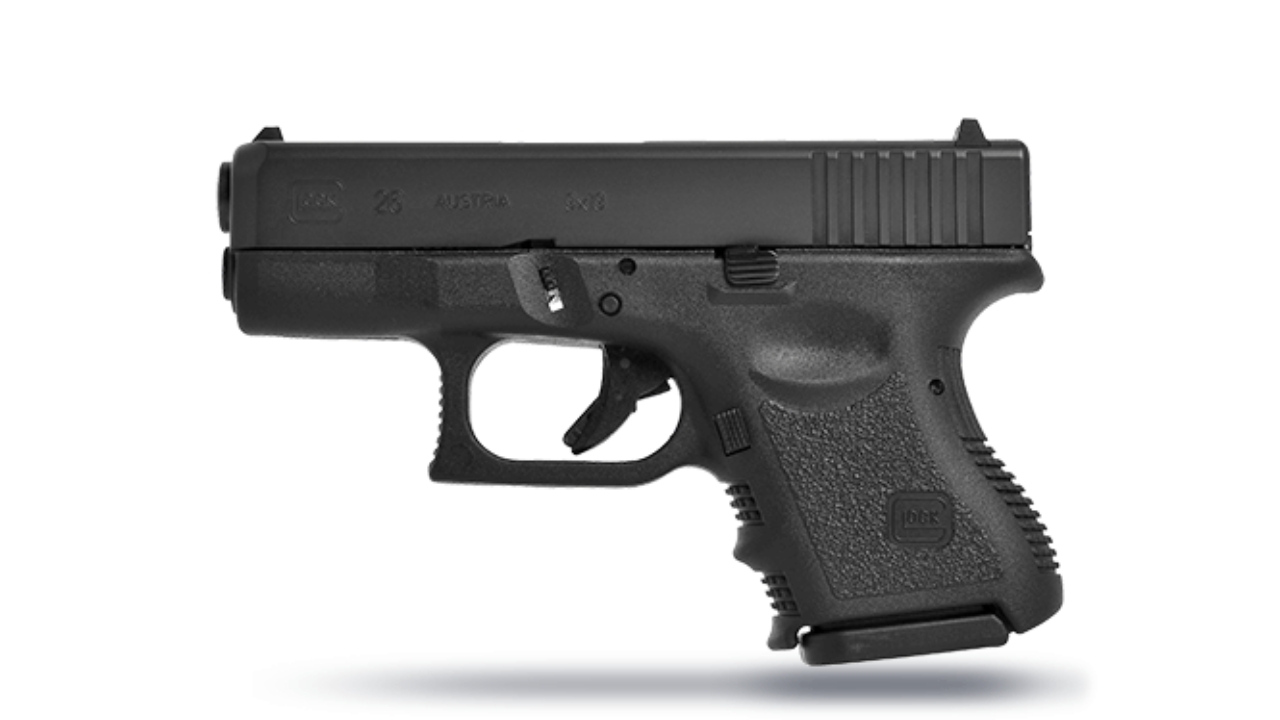
The Glock 26 reveals whether someone actually shoots because it sits in that awkward zone where a lot of people assume it should behave like a full-size gun just because it is a Glock. It does not. The shorter grip and chunkier little frame can get interesting fast once people start trying to shoot it with speed and consistency.
Shooters who really practice with subcompacts know how to lock in their grip and work around the size. Talkers usually start blaming the gun almost immediately. The 26 is not impossible to shoot well, but it absolutely punishes lazy technique harder than many people expect.
SIG Sauer P365

The P365 exposes shooters because it gives them real capability in a very small package. That sounds great until somebody tries to run it quickly and discovers that high capacity does not magically make a micro-compact easy to master. These little pistols still demand discipline, especially when recoil control and grip consistency start mattering.
People who train with small carry guns usually adapt and get strong results. People who mostly talk about carrying them often find out that owning a popular micro-compact is not the same thing as being good with it. The P365 can perform, but it will also tell the truth about your practice habits.
Ruger LCP Max

The LCP Max is one of those pistols that instantly exposes whether somebody understands the difference between carrying a gun and shooting a gun. A lot of people love discussing pocket pistols as if the only skill involved is dropping one in a pocket holster and feeling prepared.
Then range time starts. Tiny grip, light weight, and a fast-moving little gun mean you either know how to control it or you do not. Shooters who put in real time with pocket pistols earn that skill. Everybody else usually discovers that convenience and competence are not the same thing.
Beretta 92FS

The Beretta 92FS exposes people because it is a big, soft-shooting pistol that should be easy to run well if the shooter is actually competent. That is exactly why it can be so revealing. If somebody struggles badly with a full-size 9mm that has decent sights, mild recoil, and a stable platform, the problem is usually not the gun.
It also exposes people who only shoot modern striker guns and never learned to manage a double-action first pull correctly. Good shooters transition cleanly and keep moving. People who mostly talk often start making excuses about the trigger system instead of admitting they never really learned it.
Smith & Wesson Shield

The Shield exposes shooters because it sits right in that space where a lot of people buy it for carry, shoot it once in a while, and assume that is enough. It is slim, practical, and easy to recommend, but being easy to recommend is not the same thing as being forgiving under pressure.
Once somebody starts shooting for speed or accuracy, the slim frame and smaller grip make it clear who has built real control and who has not. It is not brutal, but it is honest. Shooters with real reps do fine. People with mostly opinions usually start looking less impressive pretty fast.
CZ 75
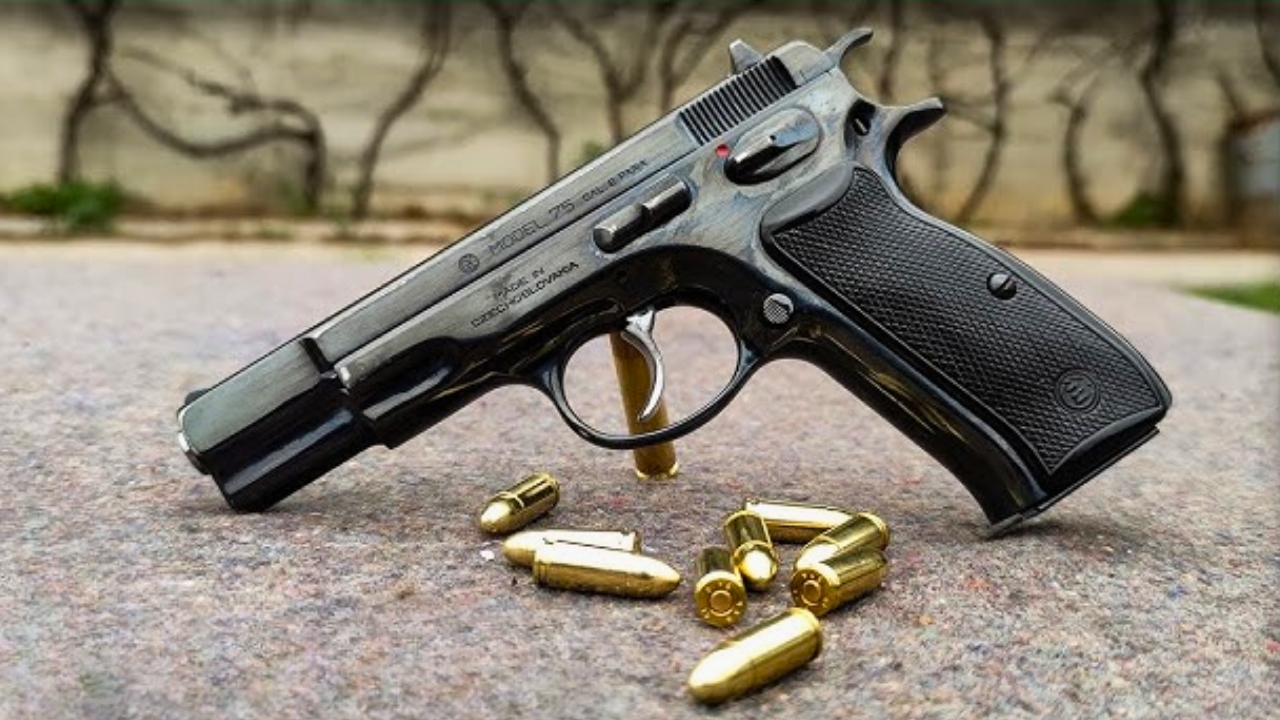
The CZ 75 exposes people in a quieter way. It is the kind of pistol a lot of gun people praise because it feels great in the hand and has a loyal following. That praise is deserved, but the gun still expects the shooter to know what they are doing, especially when working through a DA/SA trigger system with any real speed.
Shooters who actually practice transitions, grip pressure, and sight tracking will usually make a CZ sing. People who mostly praise it because the internet told them it has “great ergonomics” often look pretty average once shooting begins. A pistol can feel great in the hand and still demand skill on the clock.
Glock 34

The Glock 34 exposes people who think buying a longer pistol makes them a better shooter. A lot of talkers love pistols like this because they can point to the longer sight radius and competition-ready reputation as if that settles the matter. But a bigger pistol only helps if the shooter knows what to do with it.
Good shooters usually run a 34 extremely well because they can take advantage of what the pistol offers. Weak shooters often look disappointingly ordinary with it, which is exactly why it is revealing. A longer slide does not hide poor trigger work or lazy follow-through.
Springfield Hellcat
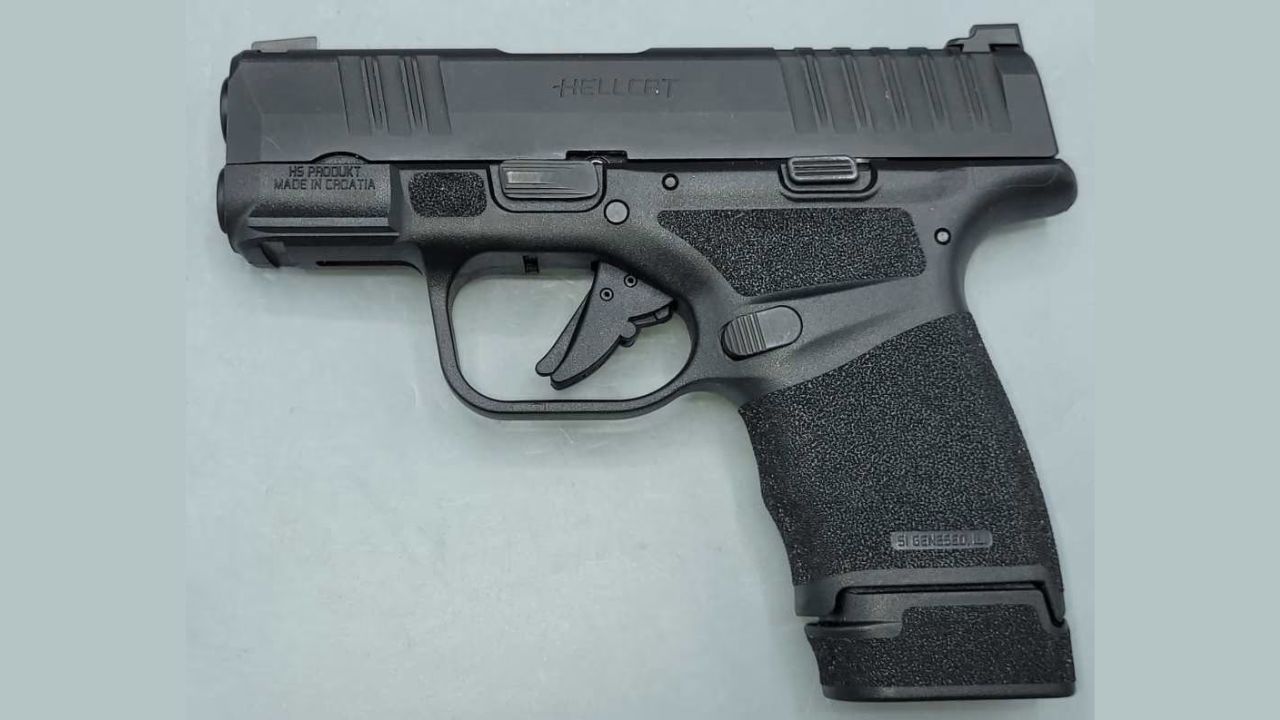
The Hellcat exposes shooters because it tempts them into believing capacity solved the hard part of small-gun shooting. It did not. You still have a compact, lively pistol that needs a disciplined grip and decent recoil control if you want fast, repeatable hits instead of sloppy noise.
Shooters who really practice with carry guns can run a Hellcat effectively. People who mostly talk about specs and capacity often find themselves fighting the gun more than expected. It is a capable pistol, but it does not flatter lazy shooters, and that makes it a very honest test.
Colt Detective Special
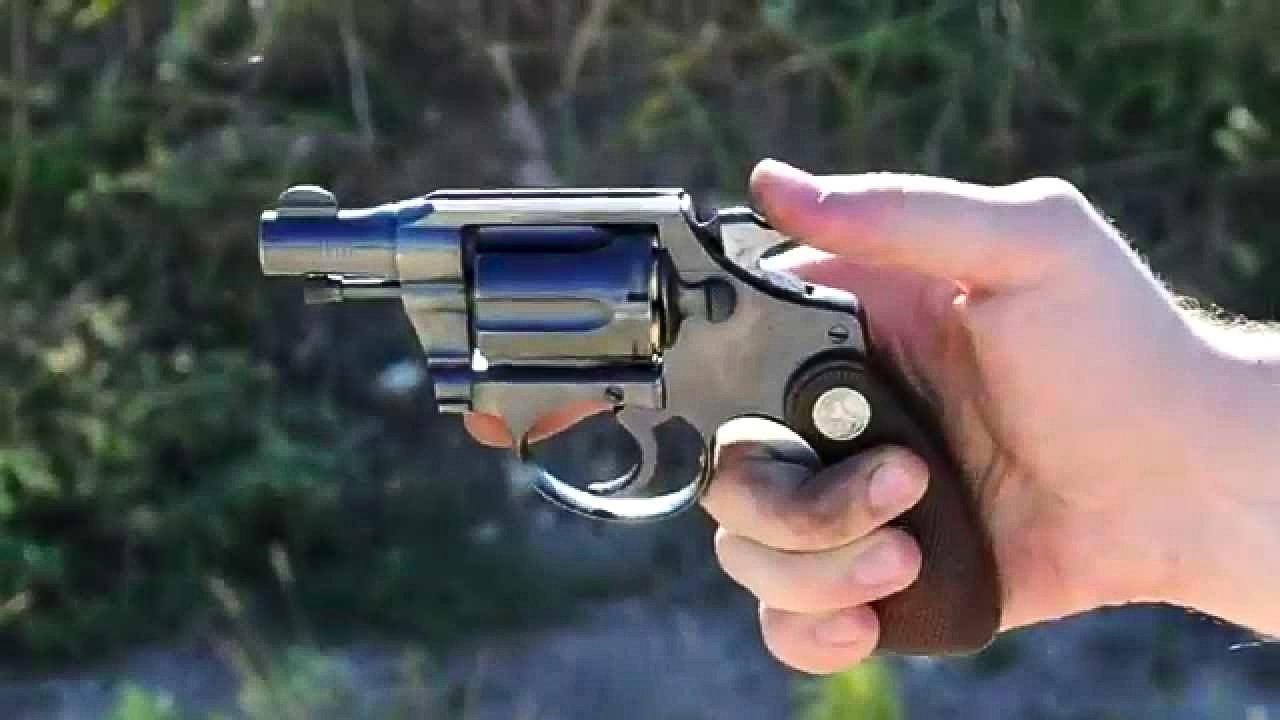
The Detective Special exposes shooters because old-school carry revolvers do not let people fake familiarity for long. Plenty of people like the romance of classic snub guns, and plenty like talking about them like they are simple, instinctive little carry pieces that anybody can master.
Then real double-action shooting starts, and the truth shows up fast. A small-frame revolver still requires real trigger control, discipline, and follow-through. Good shooters understand that immediately. Everybody else starts sounding nostalgic instead of competent.
Staccato P

The Staccato P exposes a very specific kind of shooter: the one who thinks an expensive pistol can buy skill. It is a very capable handgun, and in skilled hands it absolutely performs. But that is exactly why it can be so revealing. If somebody spends that kind of money and still shoots like a tourist, the gun only makes the gap more obvious.
Competent shooters can really take advantage of what the platform offers. Talkers often expect the price tag to carry more of the performance than it actually does. It does not. A premium pistol can refine strong shooting. It cannot create it.
Walther PDP

The PDP exposes shooters because it has the kind of trigger and shootability that should let a trained person perform very well. That makes it one of those pistols where weak shooting starts standing out more, not less. When the gun is giving you a good trigger and a modern, capable setup, there are fewer places to hide.
Good shooters usually look smooth with it. People who mostly talk often discover that owning a well-reviewed modern pistol does not automatically tighten groups or clean up splits. The PDP is a strong handgun, but it is still only a mirror. What it reflects depends on the shooter.
Ruger Mark IV

The Mark IV exposes shooters because rimfire pistols tell the truth in a way centerfire handguns sometimes do not. You cannot rely on recoil noise and bigger muzzle blast to make mediocre shooting feel more dramatic than it is. A good .22 pistol makes you deal with sight picture, trigger press, and follow-through more honestly.
Shooters with real fundamentals usually look excellent with a Mark IV. People who mostly shoot fast and sloppy often discover that their precision is not nearly what they thought. It is a very useful pistol that also happens to be a brutally fair judge of actual handgun skill.
Full-size double-action revolver
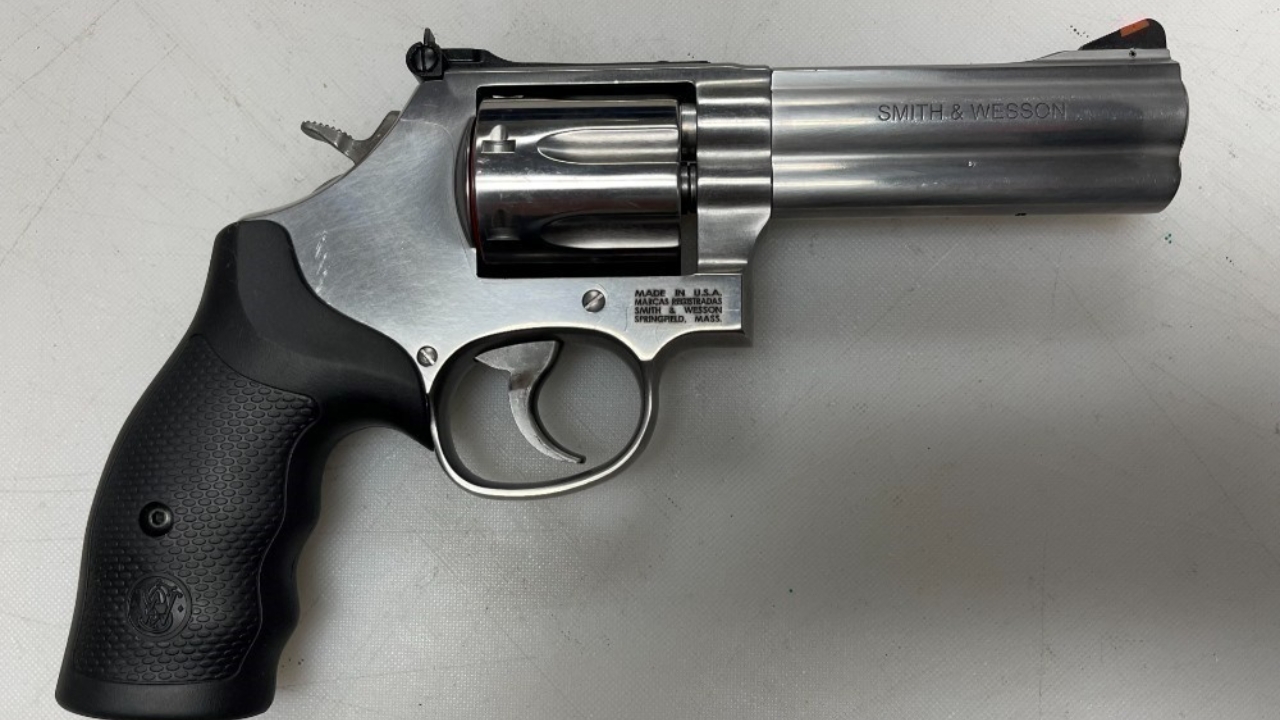
A good full-size double-action revolver exposes nearly everybody, just in different ways. It reveals trigger control, reveals who really understands follow-through, and reveals who can shoot accurately without relying on striker-fired familiarity to carry them through. Lots of people love talking about wheelguns until they have to shoot one well in front of other shooters.
That is why the revolver remains such a strong test. Good shooters respect it because it makes skill visible. Talkers usually discover that talking about smooth double-action pulls and actually managing them are two very different things.
Like The Avid Outdoorsman’s content? Subscribe to our newsletter so you never miss an article.
Here’s more from us: