Photo credit: Savage Arms
Long-range shooting has a dirty secret: you don’t get good at it by shooting five rounds a month. You get good by sending enough rounds downrange that your body stops panicking, your eyes learn to read mirage, and your brain starts seeing wind like a living thing. That’s hard to do if your cartridge beats you up, rattles your teeth, or turns every range session into a flinch clinic.
The good news is you don’t need a huge magnum to make real hits at distance. Plenty of cartridges carry well, drift reasonably, and stay consistent without punishing recoil. The best “friendly” long-range rounds let you spot impacts, stay on the gun, and practice longer. That’s the whole point. These are rounds that reach out without making you pay for every trigger press.
6.5 Creedmoor

6.5 Creedmoor remains the easiest on-ramp to real distance shooting. Recoil is mild enough that you can stay in the scope, see your impact, and make corrections without losing your rhythm. That matters more than most people admit, because feedback is how you learn fast.
It also shoots slick, high-BC bullets that behave well in wind for the recoil level you’re dealing with. You’re not getting magnum speed, but you’re getting efficiency. Add wide ammo availability and strong rifle options, and it’s easy to understand why so many shooters build their skills around it. If you want a cartridge that lets you train hard without feeling punished, this is still the standard answer. It’s friendly, consistent, and very hard to outgrow.
6mm Creedmoor

6mm Creedmoor is even softer shooting than 6.5, and it can feel like cheating on steel. You get high-BC bullets moving fast enough to keep time of flight down, and recoil stays low enough that watching hits becomes routine. That makes wind learning easier because you can see what the wind actually did.
The tradeoff is that 6mm Creedmoor tends to be harder on barrels than the mild classics, especially if you shoot a lot. Still, for the shooter who wants a “practice more, learn faster” round, it’s a great choice. It’s also a sweet spot for match shooting and for anyone who wants distance performance without a shoulder tax. When you can stay relaxed behind the rifle, your fundamentals improve quicker.
6.5×55 Swedish

The 6.5×55 Swede is an old cartridge that still feels modern when you shoot it. Recoil is gentle, accuracy potential is strong, and it handles efficient 6.5mm bullets that carry well at distance. It doesn’t need extreme speed to be useful because the bullets fly clean.
For the shooter who wants a long-range-capable round that’s easy on the body, the Swede is hard to dislike. In a modern rifle, it can be a steady performer that encourages long practice sessions. The only real downside is that ammo selection can vary more than the mainstream choices, depending on where you live and what your local shelves look like. But if you can feed it, it’s a calm, capable cartridge that doesn’t beat you up.
.260 Remington

.260 Remington is another mild-recoiling 6.5 that rewards good shooting habits. It’s easy to control, easy to stay on target with, and it can be extremely accurate in a well-set-up rifle. At distance, it holds its own because it throws efficient bullets without demanding big recoil.
The reason it fits this list is how comfortable it is to train with. You can shoot it for hours and still feel sharp, which is exactly what you want when you’re trying to build skill. Ammo availability isn’t as strong as 6.5 Creedmoor, so it’s not always the easiest to keep stocked unless you plan ahead. Still, performance-wise, it’s a practical long-range round that doesn’t feel harsh. It’s one of the better examples of “enough gun, not too much.”
6mm ARC

6mm ARC is a small cartridge that punches above its weight at distance, especially for how little it kicks. It was designed with efficient 6mm bullets in mind, and those bullets can carry surprisingly well in wind for the recoil you’re dealing with. It’s a round that feels calm on the gun.
What makes it appealing is that you can practice without fatigue, and you can still learn real ballistic lessons. It won’t match the speed of larger cartridges, but it doesn’t need to if your goal is consistent hits and a lot of reps. It also fits into compact rifles, which is useful for shooters who want a handy setup. If you want distance capability without a loud, punishing experience, ARC keeps things practical.
.223 Remington with heavy match bullets

A lot of shooters underestimate what a well-set-up .223 can do at distance. With heavy match bullets, the cartridge can stay stable, predictable, and accurate much farther than most people expect. Recoil is almost nothing, which makes it perfect for learning fundamentals without developing bad habits.
You do have to respect wind. The .223 is more sensitive to wind drift than the bigger cartridges, and that’s not a flaw. It’s a teacher. When you learn to read wind on a .223, every other cartridge feels easier afterward. It’s also affordable to practice with, and that matters because long-range skill comes from volume. If you want a cartridge that lets you shoot all day, spot your shots, and build real data, .223 is still one of the smartest tools.
.243 Winchester

.243 Winchester is often pigeonholed as a light deer round, but it can be a very friendly long-range trainer in the right rifle. Recoil is mild, it shoots flat, and modern 6mm bullets can carry well enough to make distance work feel smooth. When the rifle is accurate, it becomes a confidence builder.
The key is using bullets that fit the job and a barrel twist that stabilizes them well. In a setup built for modern bullets, .243 can be remarkably effective for steel and practical distance shooting without punishing you. It’s also a cartridge that encourages good habits because it doesn’t hide mistakes behind recoil. You’ll see what you did, and you can fix it. For a shooter who wants a soft-shooting round that still reaches, .243 still belongs on the shortlist.
7mm-08 Remington

7mm-08 is a classic “do a lot, kick a little” cartridge. It isn’t the first thing people think of for long-range work, but it can be very practical when set up with efficient bullets. Recoil stays manageable, and the cartridge carries enough performance that distance doesn’t feel like a gimmick.
It also shines for shooters who want one rifle that can do hunting and distance practice without turning into a heavy magnum rig. The recoil level makes it easier to stay consistent, and consistency is what matters when you’re building data and learning wind. Ammo isn’t always as plentiful as .308 or 6.5 Creedmoor, but it’s common enough to be realistic. If you want a cartridge that stays friendly while still feeling serious, 7mm-08 is a smart middle lane.
.308 Winchester

.308 doesn’t feel “soft” in the same way as .223 or 6.5 Creedmoor, but it’s still manageable for most shooters, and it rewards patience and discipline. It has predictable ballistics, excellent barrel life, and wide ammo availability. That makes it a great cartridge for long-term skill building.
It’s also a cartridge that teaches you wind and elevation without being unstable or fussy. You can shoot it in almost any condition and get useful feedback. The recoil is enough to remind you to stay honest with your fundamentals, but it typically doesn’t beat you up unless the rifle is too light. For the shooter who wants a dependable long-range round with endless support and a track record that won’t fade, .308 remains a practical choice that doesn’t punish you the way magnums can.
6.5 PRC
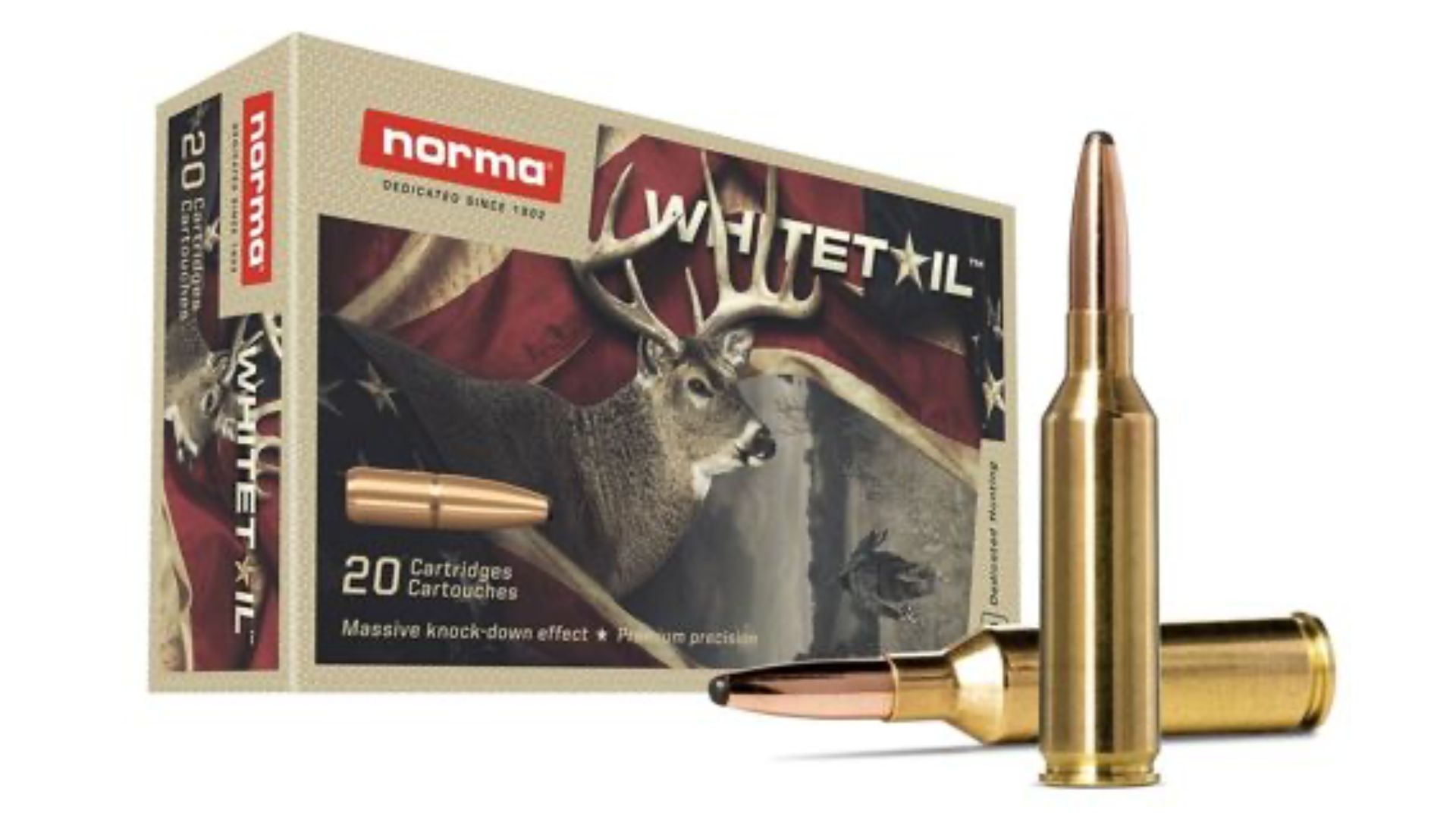
6.5 PRC gives you more speed than Creedmoor without jumping into brutal recoil. It’s a good option when you want a little more margin in wind and drop but still want a cartridge you can practice with. In a sensibly weighted rifle, it stays comfortable enough for real range time.
The trick is keeping the whole setup practical. If you build an ultra-light rifle, the PRC can feel sharper than it needs to. In a normal rifle, it’s a great balance of reach and shootability. It carries efficient bullets well, and it keeps you from feeling underpowered at distance. If 6.5 Creedmoor feels like it’s running out of steam for your goals, PRC is a logical step that still respects your shoulder and your training time.
6.8 Western

6.8 Western was built around heavier, high-BC bullets, and it can be a very practical “reach without wrecking yourself” cartridge in the right rifle. It offers strong downrange performance and good wind behavior while staying more manageable than the biggest magnums many hunters gravitate toward.
Recoil isn’t light, but it’s not the kind of punishment that stops you from practicing if your rifle has decent weight and fit. It also makes sense for shooters who want a crossover round for both longer hunting shots and steel work. The cartridge’s whole point is efficiency, and efficiency helps you at distance without forcing you into extreme recoil. If you want a modern option that sits between mild and magnum, this one can make a lot of sense.
7mm PRC

7mm PRC is a modern distance-friendly cartridge that can still be surprisingly shootable. It’s not mild, but it often feels more manageable than people expect when the rifle is set up properly. The payoff is excellent bullet efficiency, good wind behavior, and strong downrange performance.
What keeps it from being “punishing” is that it does not require you to run the hottest, most abusive loads to get useful results. You can shoot it at a level that stays comfortable and still enjoy the ballistic benefits of a sleek 7mm bullet. It’s also a good choice for shooters who want one rifle that can hunt big game and still play the distance game. With smart rifle weight and recoil management, it gives you reach without making practice miserable.
6.5 Grendel

6.5 Grendel isn’t a classic “1,000-yard cartridge” in the same way as Creedmoor, but it can reach farther than most people assume, and it does it with mild recoil. It’s a cartridge that stays comfortable in lightweight rifles, and that comfort encourages practice.
Its strength is efficient bullets and a calm shooting experience. You won’t get magnum speed, and you do have to respect wind and drop at longer ranges. But as a practical trainer and a cartridge that can make real hits at distance without beating you up, it’s a solid option. It’s also useful for shooters who like compact rifles and want a cartridge that carries well in the field. If you care about shooting often and staying fresh, Grendel has real appeal.
.224 Valkyrie

.224 Valkyrie can be a very pleasant distance cartridge when it’s set up correctly. Recoil is minimal, and the design was meant to push long, sleek .22-caliber bullets that carry better than traditional .223 loads. That can make distance shooting feel smoother without increasing recoil.
The catch is that it’s not a universal solution, and it can be more sensitive to rifle setup and ammo choice than some mainstream cartridges. Still, when it’s running right, it offers a light-recoiling way to stretch your skills. It’s especially appealing if you like watching impacts and staying on the gun. If your goal is learning, not punishment, a cartridge like this can make a lot of sense. Low recoil means more rounds, and more rounds means more skill.
25 Creedmoor

25 Creedmoor sits in a really comfortable place for shooters who want something different without paying a recoil penalty. You get a good mix of speed, efficient bullets, and manageable recoil that makes long sessions realistic. It can offer a flatter, wind-friendly experience compared to some older “in-between” rounds.
It’s not as common on shelves as Creedmoor or .308, so feeding it can take more planning. But as a concept, it’s exactly what many shooters want: reach with comfort. It also gives you a cartridge that feels modern in how it handles bullets and ballistics without forcing you into magnum recoil. If you’re building a rifle primarily for distance practice and you want something that stays fun to shoot, this is one of the newer options that fits the “doesn’t punish you” mission well.
Like The Avid Outdoorsman’s content? Be sure to follow us.
Here’s more from us: