Photo credit: By US gov – US gov, Public Domain, /Wikimedia Commons
Precision rifles live and die by consistency, and the wrong caliber can throw that out the window. Some rounds might look good on paper or promise impressive ballistics, but when you start shooting for tight groups, they make life harder. Maybe it’s inconsistent factory ammo, maybe it’s too finicky to handload, or maybe the design just can’t deliver the stability you need. If you’ve spent time chasing accuracy with any of these, you know how frustrating it is to watch a precision setup turn into a guessing game.
.22 Magnum
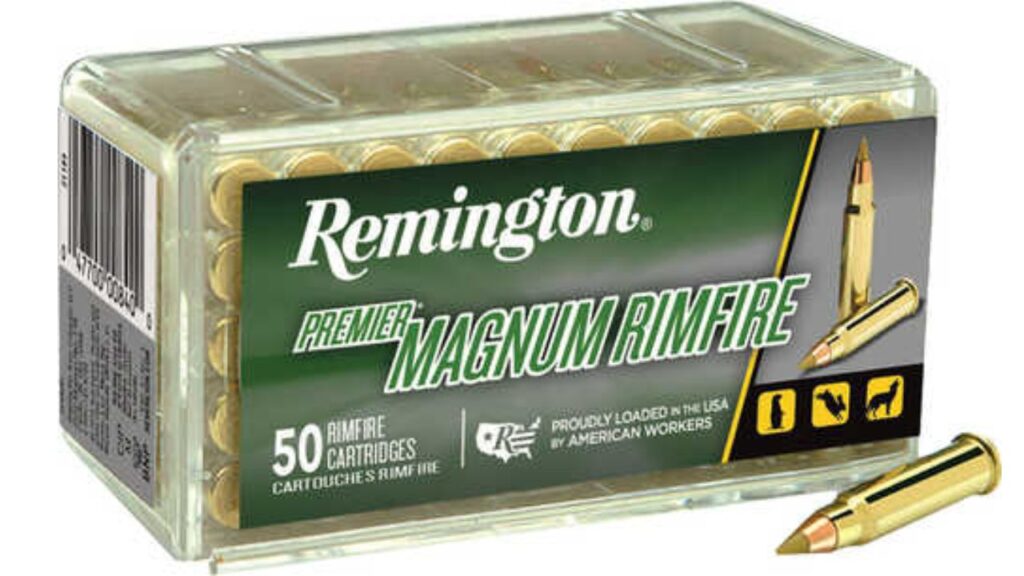
The .22 Magnum is a fun varmint and plinking round, but expecting precision rifle accuracy from it will leave you disappointed. It’s more susceptible to wind drift than you’d think for its speed, and the rimfire design limits consistency. Factory ammo can vary in velocity enough to throw off tight groups, especially past 100 yards. While it’s great for pest control, ringing steel, or casual shooting, using it for fine precision work will have you constantly chasing your zero and wondering why your groups keep opening up.
5.45x39mm
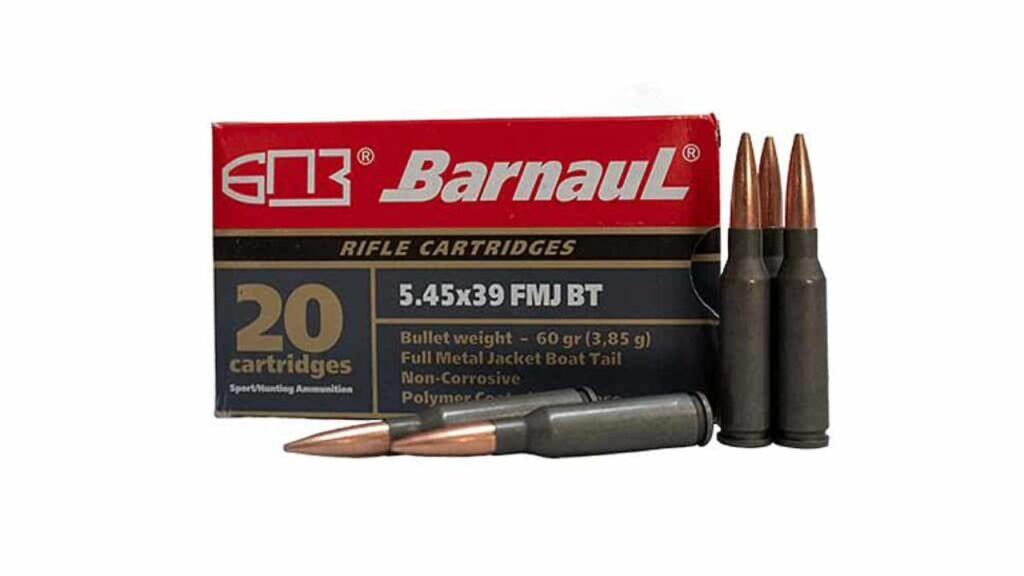
The 5.45x39mm has a reputation for flat shooting in AK platforms, but precision accuracy isn’t its strong point. Surplus ammo is often the most available option, and quality control varies widely. Even with match barrels, you’ll fight against inconsistent powder charges and bullet weights. While it can be accurate enough for combat distances, precision shooters looking for repeatable sub-MOA groups will be frustrated. It’s a caliber that performs well for its intended purpose but isn’t the right tool for ringing out your rifle’s full potential.
.300 Blackout (Supersonic)
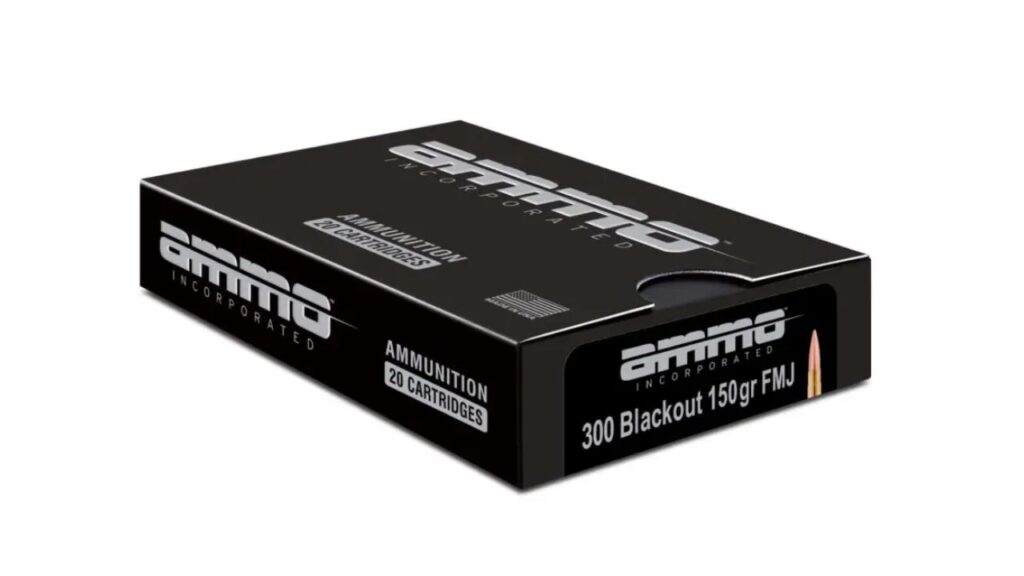
Supersonic .300 Blackout is versatile, but precision shooters often find it lacking. The short, stubby bullets and relatively slow velocities make it sensitive to drop and wind at longer ranges. Even with quality match ammo, it’s tough to keep groups tight past 200 yards without significant environmental corrections. While it excels in short-barreled and suppressed setups, it’s not the round to lean on when you’re stretching things out and looking for laser-like consistency from a precision rifle platform.
7.62x39mm
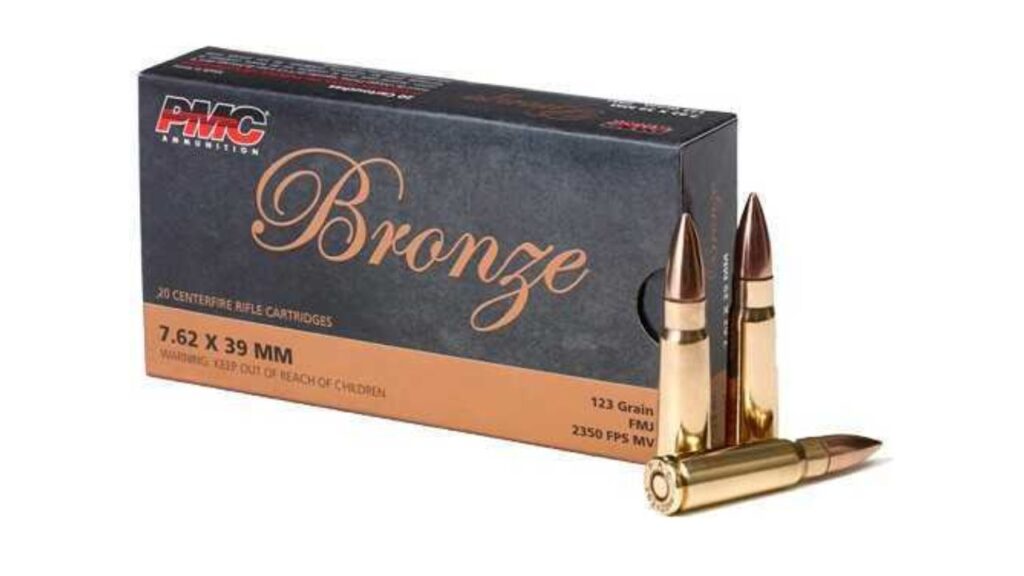
The 7.62x39mm is reliable and proven for utility shooting, but it’s rarely a precision shooter’s friend. Most factory ammo is made for combat-level accuracy, not tiny groups. The bullet shape and moderate velocity give it a pronounced arc past 200 yards, and surplus ammo often varies widely in performance. Even with a custom bolt gun or match-grade barrel, you’ll quickly find the limits of this caliber. It’s dependable for its intended role, but it’ll leave you fighting to tighten groups in a precision setup.
.17 HMR

The .17 HMR is often praised for being fast and flat, but precision shooters know it’s heavily influenced by wind. At 100 yards on a calm day, it can be a tack driver, but introduce even a light breeze and groups start to spread. Like other rimfires, it also suffers from ammo consistency issues. If you’re shooting small varmints in good weather, it’s great. But if you’re pushing for consistent precision across varying conditions, the .17 HMR can quickly go from surgical to sloppy.
.450 Bushmaster
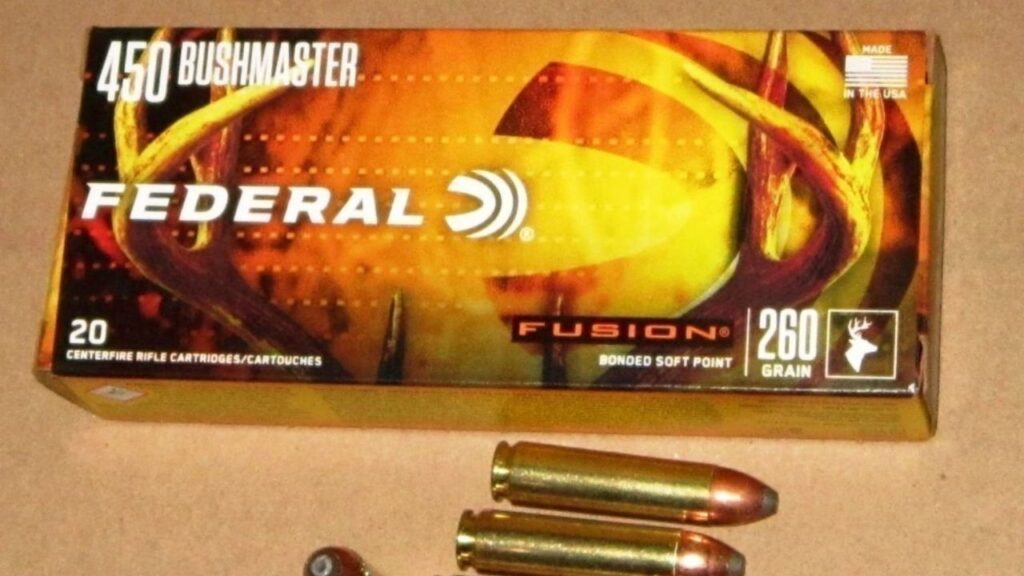
The .450 Bushmaster delivers big-bore power for hunting, but precision isn’t its calling card. The heavy bullets drop fast, and the recoil makes it harder to maintain a consistent sight picture for follow-up shots. Most factory ammo is geared toward hunting, not long-range group shooting, so you won’t find the same match-grade consistency you get in precision-oriented calibers. For close-range stopping power, it’s excellent—but if you’re working on precision drills, it’ll feel like you’re constantly compensating for its quirks.
5.56 NATO (M855 Green Tip)
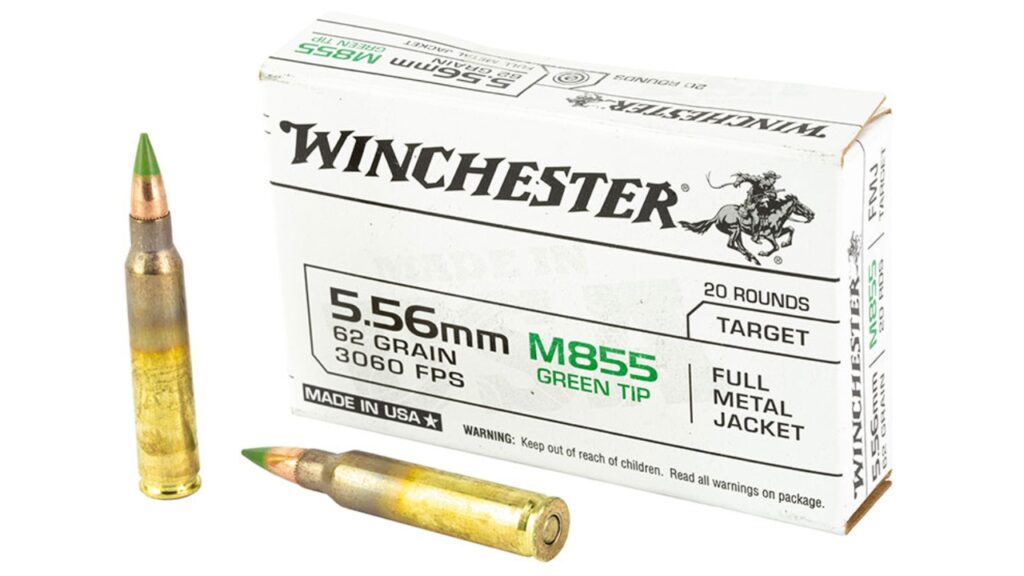
While the 5.56 NATO can be an accurate round in the right load, M855 green tip isn’t the one to bet on for precision. The steel penetrator core makes it inconsistent in weight distribution, and groups often open up past 200 yards. It’s great for barrier penetration and military applications, but if you’re used to match-grade .223 Rem loads, M855 will feel unpredictable. It’s not that the caliber itself is bad—it’s that this particular load makes precision work more guesswork than science.
.308 Winchester (Cheap Bulk Ammo)
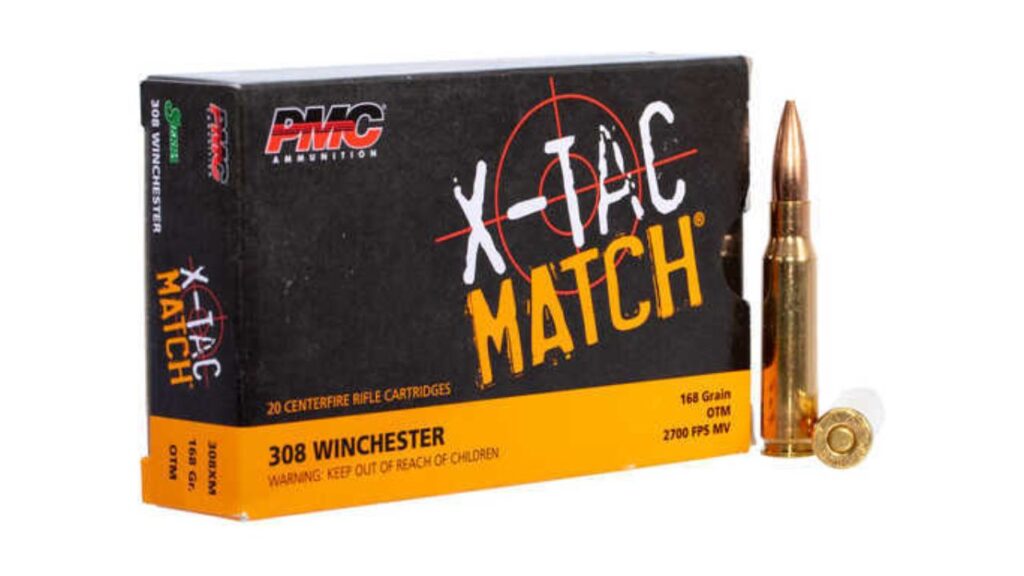
The .308 is a proven precision caliber, but pairing it with cheap bulk ammo is a recipe for frustration. Lower-cost loads often have inconsistent powder charges, less uniform bullets, and wider velocity spreads. The result? Groups that wander from session to session. A quality precision rifle in .308 can perform extremely well, but you have to feed it the right ammo. If you stick to bargain rounds, you’ll spend more time trying to figure out why your groups aren’t lining up than actually shooting.
6.5 Grendel (Steel Case)
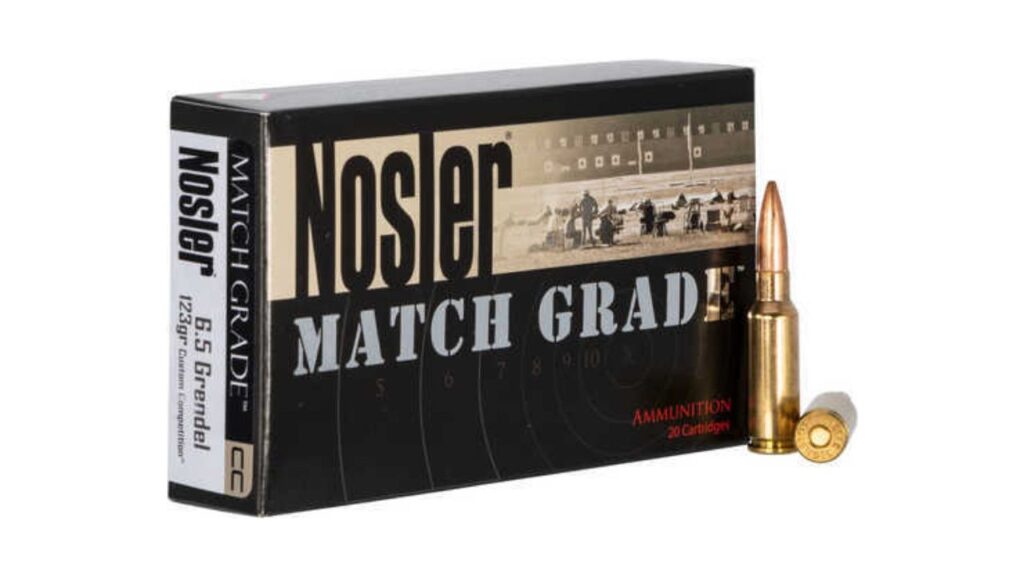
The 6.5 Grendel has great potential, but steel-cased ammo robs it of consistency. While it’s fine for training or casual shooting, the accuracy gap between steel case and quality brass loads is noticeable. You’ll often see larger velocity spreads and less consistent bullet construction, which makes tight groups harder to achieve. The caliber can absolutely shine, but if you run it on bargain steel, your precision rifle won’t be showing its true capabilities—and you’ll keep chasing a perfect group that never quite happens.
12 Gauge Slugs
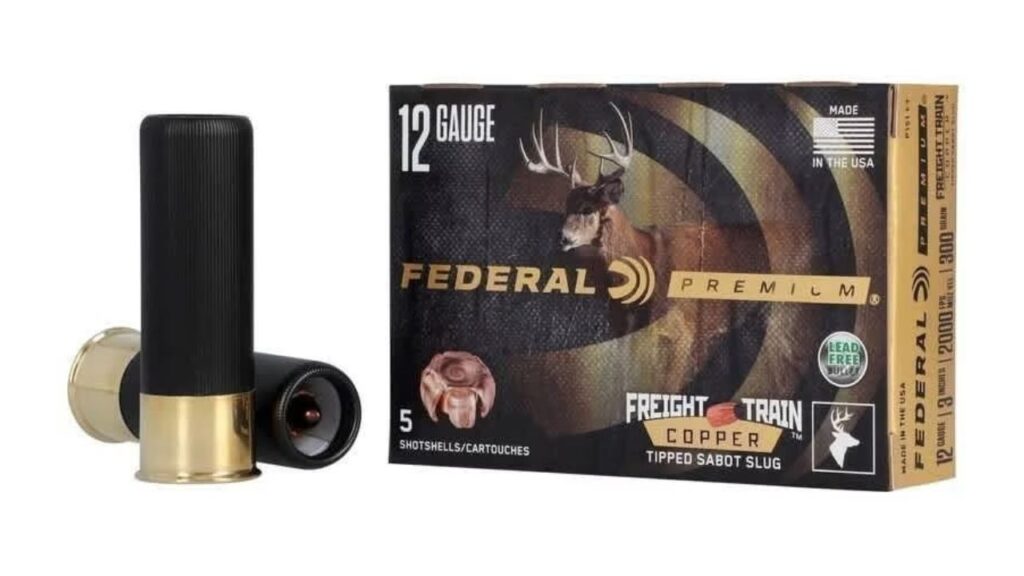
Slugs bring a lot of punch, but they’re far from precision-friendly. Even with rifled barrels and premium sabot slugs, you’ll see noticeable group spread past 100 yards. Environmental conditions, barrel heating, and slug design all play into it. While they’re excellent for close-range big game hunting, they’re not the tool for tight clusters on paper at distance. If you’ve ever tried to “precision” a shotgun slug setup, you know it’s more about managing limitations than finding pinpoint accuracy.
*This article was developed with AI-powered tools and has been carefully reviewed by our editors.