Photo credit: ironwas/Shutterstock.com
A gun show can make bad decisions feel smart for about ten minutes. You are walking aisles, handling guns, hearing fast talk, and staring at price tags that seem lower than what you saw last week online. That atmosphere makes it easy to confuse movement with value. A table crowded with rifles, parts, and “cash only” signs can create pressure that pushes you into buying before you have slowed down enough to think clearly.
The problem is not that gun shows are full of bad guns. Plenty of worthwhile firearms and fair sellers are there. The trouble starts when a deal looks good only because it is sitting in front of you. A lower price on the front end can hide repair costs, missing parts, weak resale value, or a rifle or pistol that will need work before it earns your trust. These are the gun show “deals” that often cost more after you get them home.
Cheap sporterized military surplus rifles
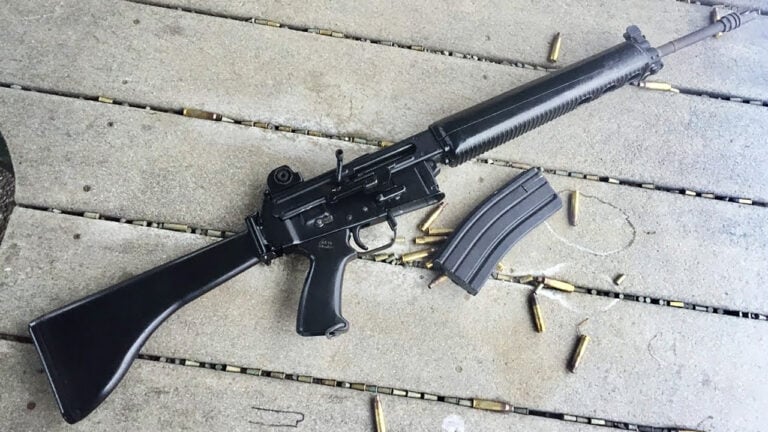
A cut-down military surplus rifle can look like a bargain when you first see the tag. The price is lower than a clean original, the rifle still has some old-world steel and walnut appeal, and the seller may frame it as a practical shooter instead of a collector piece. If you like surplus guns, it can be easy to talk yourself into one because it feels like a way to own history without paying collector money.
Then the real cost shows up. Sporterizing often kills collector value, and many of these rifles were altered in ways that are hard to reverse correctly. Bad scope mounts, chopped stocks, worn bores, and questionable trigger work can turn a “cheap shooter” into a money pit fast. By the time you fix the issues or try to restore it, you could have bought a better rifle to begin with. What seemed like affordable entry into surplus ownership often becomes a lesson in buying someone else’s old decisions.
Mystery-bag parts guns
Parts guns can look tempting because the price tag often seems far lower than what a clean factory-original firearm would bring. A seller may describe it as a custom build, a project that runs fine, or a lightly upgraded gun put together with “good parts.” If you are scanning tables quickly, it is easy to see the lower price and assume you found a practical way into a model you wanted without paying full freight.
The problem is that mystery always gets expensive once malfunctions start. Mixed internals, unknown springs, poor fitment, and uneven wear can turn a lower-priced gun into something that eats ammo, time, and patience before you ever trust it. If the build quality is questionable, you may end up replacing major components or paying a gunsmith to sort out what should have been obvious from the start. A true factory gun with a clear history usually costs more upfront, but it often saves you from the slow bleed that comes with a slapped-together parts special.
Bargain optics with “free” mounts
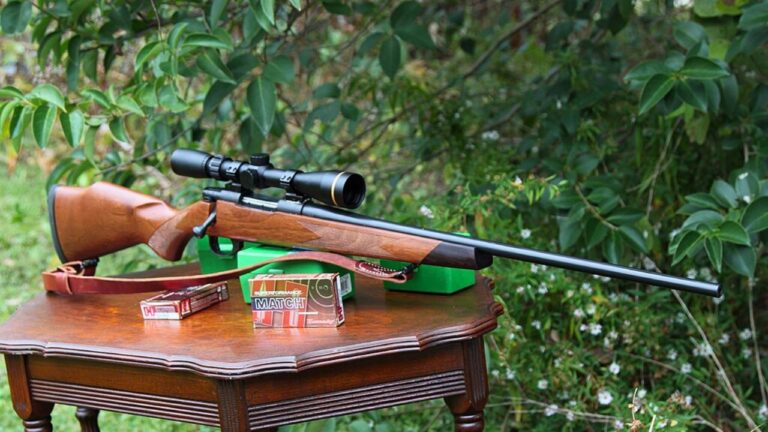
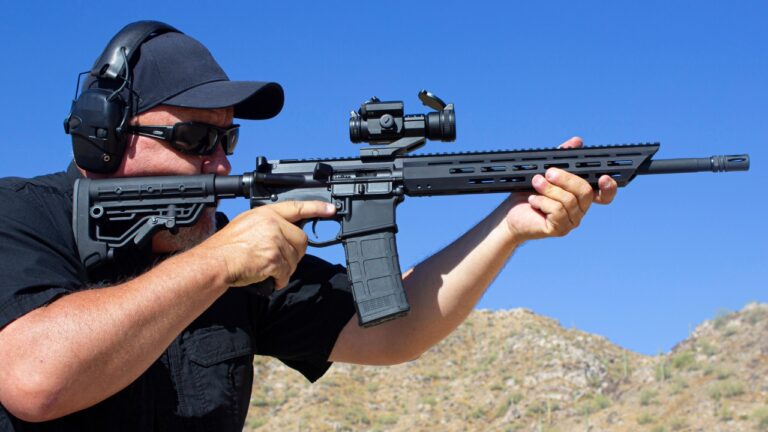
A low-priced optic with rings or a mount thrown in can feel like a good way to stretch your money. At gun shows, these setups often get sold as complete solutions. The box looks respectable, the magnification numbers sound useful, and the seller may swear it holds zero fine. For a buyer trying to leave with everything needed in one trip, that kind of package can look efficient and practical.
Then range time starts costing you. Cheap optics often fail where it matters most: tracking, clarity, durability, or holding zero. The “free” mounts are frequently soft, poorly fitted, or not matched well to the rifle. That means you are not only replacing the optic, but often the rings and base too. Add wasted ammo from chasing a shifting zero, and the cheap scope becomes one of the most expensive “savings” you can make. Good glass is not cheap, but bad glass is often worse because it charges you twice.
Used magazines sold as “just needs a spring”
A box of cheap used magazines can look like easy money, especially if you shoot a platform where magazines matter and the table price is well below retail. Sellers know that too, which is why you will often hear the same pitch: they only need a spring, a follower, or a quick cleaning. That kind of small fix sounds harmless when the base price is low enough.
The trouble is that magazine problems are rarely as minor as they are described. Feed lips may be bent, bodies may be worn, and internal parts may be mismatched or damaged beyond what a spring swap will fix. Then you start buying replacement parts, troubleshooting malfunctions, and spending range time trying to figure out which magazine is causing the issue. If the magazines are for a defensive gun, the risk is even harder to justify. Cheap used magazines often stop being cheap the minute you try to make them trustworthy again.
“Lightly used” holsters that never fit quite right
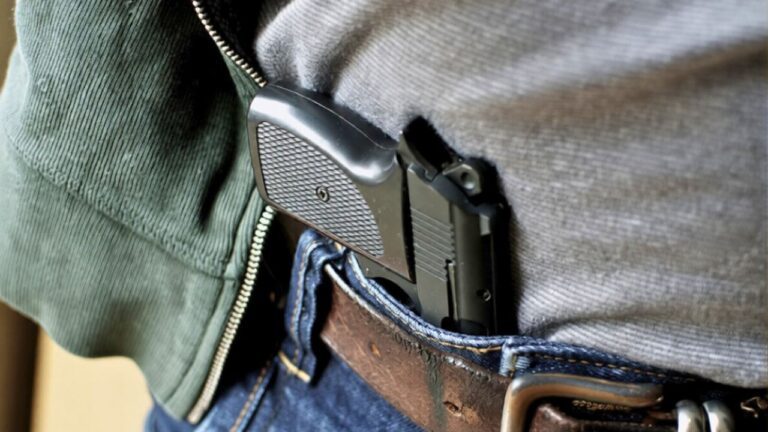
A used holster at a gun show can seem like a smart add-on buy. The price is usually low, it looks close enough to your pistol, and the seller may insist it fits a wide range of similar models. That sounds good when you are already spending money on a firearm and want to leave with a carry setup that feels mostly complete. The low cost makes it easy to overlook the details.
Those details are where the regret begins. Holsters that are the wrong fit, badly worn, or built around slightly different slide lengths, sights, or controls can become frustrating fast. Retention may be poor, draw angle may feel awkward, and comfort often suffers more than you expect during actual wear. Then you buy the correct holster anyway, and the “deal” becomes a wasted purchase sitting in a drawer. A holster that only kind of fits usually costs more in the long run because it delays buying the one you needed in the first place.
Old ammo in loose bags or mixed boxes
Loose ammunition on a gun show table can seem like a low-risk way to save money. Maybe it is in zip bags, maybe it is mixed into half-full factory boxes, maybe the seller says it came from an estate and was stored fine. If the caliber is one you shoot often, the discount can feel worth the gamble. Ammo is never getting cheaper, so the temptation makes sense.
The problem is that unknown ammo carries unknown problems. Age, moisture, improper storage, mixed bullet weights, old reloads, and uncertain powder condition can all turn a “cheap” pile of cartridges into unreliable or unsafe range fodder. Best case, it shoots inconsistently and wastes your time. Worse case, it creates pressure signs, misfires, or damage. Then the savings disappear in the cost of lost range time, pulled bullets, or a repair bill. Cheap ammo only helps if you know exactly what you are buying and how it has been handled.
Police trade-ins that were “carried a lot, shot a little”
That phrase has sold a lot of guns, and sometimes it is true enough to be useful. Police trade-ins can offer real value when the base gun is solid and priced fairly. That is why buyers keep hunting them. The trouble starts when the phrase becomes a shield that excuses anything. Heavy external wear, unknown maintenance history, and worn internals can hide behind that same line if you are too eager to believe the story.
A trade-in that needs new sights, fresh springs, replacement magazines, and internal cleanup can stop being a bargain very quickly. Cosmetic wear alone is not the issue. The issue is buying on the slogan instead of the condition. If you end up sending it for service or replacing multiple parts before trusting it, your low entry price starts climbing toward what a cleaner example would have cost from the start. A real trade-in deal exists, but a tired one dressed up with familiar sales language can get expensive fast.
“Custom” triggers done by unknown hands
A gun show table full of used rifles and pistols will always have a few sellers proudly mentioning a trigger job. To a buyer, that can sound like a bonus. A lighter, cleaner trigger is usually seen as an upgrade, and if the gun is priced below a comparable factory model, it may even feel like you are getting extra value. That is exactly why the pitch works so well.
What matters is who did the work, and most tables cannot answer that clearly. An unknown trigger job can mean reduced sear engagement, unreliable reset, inconsistent pull weight, or a rifle that becomes unsafe under rough handling. Then you are paying a competent smith to inspect it, correct it, or replace parts entirely. If the gun is for hunting or defensive use, that uncertainty matters even more. A clean factory trigger you understand is usually a better buy than a mystery “upgrade” that sounds good until you have to fix it.
Bulk accessory tables full of “close enough” parts
Those bargain bins of slings, scope rings, stocks, grips, mounts, and small hardware can drain your wallet faster than the gun tables do. Everything looks inexpensive on its own, and the parts often seem close enough to what you need. That phrase gets buyers in trouble all day long. At a gun show, “close enough” can feel practical because the buy is cheap and immediate.
Then you get home and realize the ring height is wrong, the mount does not hold, the sling hardware does not line up, or the stock fit is worse than it looked under fluorescent lights. Now you are buying the correct part anyway, plus eating the cost of the bargain-bin mistake. These small purchases add up quickly because each one feels minor in the moment. But enough of them can turn a gun show trip into a pile of mismatched parts and wasted cash. The cheapest accessory on the table is often the one that makes you buy it twice.
Like The Avid Outdoorsman’s content? Subscribe to our newsletter so you never miss an article.
Here’s more from us: