Photo credit: Gun Fanatics/YouTube
When you get tired of experimenting, you usually stop looking for the rifle that sounds interesting and start reaching for the one that removes doubt. That usually means a rifle with a proven action, familiar controls, practical weight, and a reputation for doing what it is supposed to do without asking for constant second-guessing. The current market still reflects that mindset. Ruger continues to build out the American Gen II line, Tikka still leans hard on the T3x family, Weatherby still backs the Vanguard with a sub-MOA guarantee, and Winchester still keeps the Model 70 front and center as a core hunting rifle.
That matters because hunters do not stay loyal to a rifle family for decades by accident. They do it because some rifles keep solving the same field problems year after year: they carry well, shoot where you expect, hold up in bad weather, and stop feeling like an experiment after the first season. When you have had enough of chasing the new answer, these are the kinds of rifles you keep coming back to.
Ruger American Rifle Generation II Standard
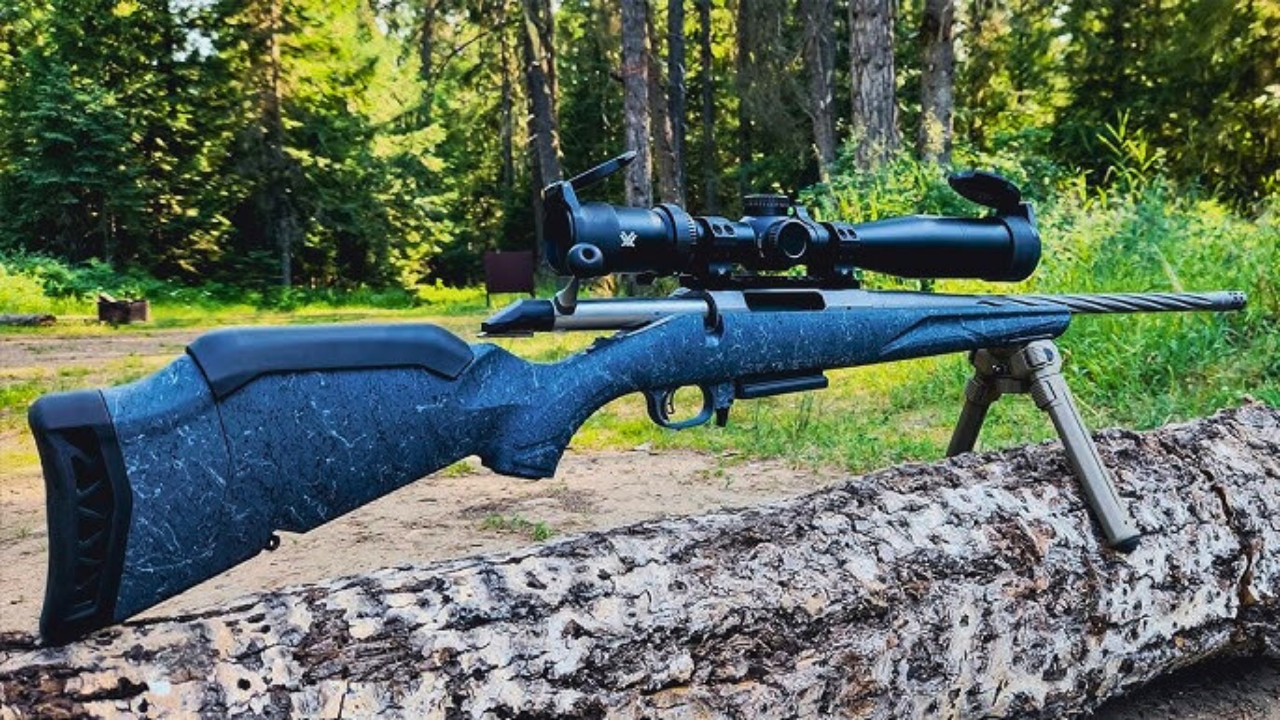
The Ruger American Gen II Standard is the kind of rifle hunters reach for when they want a tool, not a discussion. Ruger describes the Gen II as an update to the American-made rifle that has been a benchmark for accuracy, durability, and performance in bolt-action rifles for over a decade. The standard trim also gets a Cerakote barreled action and a textured stock built for grip and control in the field, which tells you the rifle is aimed at real use, not safe-queen handling.
That is exactly why it makes sense when you are done experimenting. You get a rifle that is current, weather-minded, and built around the same practical idea that made the original American line so common in camps and trucks. It is not trying to reinvent what a hunting rifle is. It is trying to keep the rifle useful, affordable, and easy to trust, which is usually what matters most once novelty wears off.
Ruger American Rifle Generation II Ranch

The Gen II Ranch has a slightly different role, but it fits the same mindset. Ruger’s current Ranch page says these models use a Cobalt Cerakote finish, a Flat Dark Earth stock with black splatter texture, and shorter 16-inch barrels that make them lighter and more compact. That is a practical setup for hunters who want a handier rifle in tighter cover or from vehicles and blinds.
What makes the Ranch easy to keep reaching for is that it cuts size without drifting into gimmick territory. It is still built on the same American Gen II platform, still aimed at field use, and still shaped around simple handling more than brochure drama. When you are tired of trying every new “do-it-all” rifle and want one that carries cleanly and works without fuss, a compact bolt gun like this starts making a lot of sense.
Tikka T3x Lite

The T3x Lite is one of the first rifles many experienced hunters mention when they are done chasing complicated answers. Sako describes the T3x Lite as combining high performance with lightweight ease, and specifically notes that the synthetic stock is easy to care for and that the rifle offers out-of-the-box accuracy. That is almost a perfect summary of what a practical hunting rifle is supposed to be.
The reason hunters keep going back to it is easy to understand. Lightweight rifles can sometimes feel cheap or twitchy, but the T3x Lite built its name on being light without giving up confidence. When you are walking a lot, hunting in rough weather, or simply want a rifle that feels sorted from day one, the T3x Lite keeps earning its place because it stays focused on what matters and skips the distractions.
Tikka T3x Hunter

The T3x Hunter appeals to a slightly different kind of traditionalist, but it still fits this theme. The T3x series page positions the Hunter as a model that combines traditional principles with modern innovation, giving hunters a high-quality option within the same proven family. That means you still get the T3x reputation, but in a format that feels more classic in the hands and in the field.
That matters when you are tired of experimenting because sometimes “done experimenting” does not mean you want synthetic and matte everything. Sometimes it means you want a rifle that feels familiar, balanced, and steady without being old-fashioned in the bad ways. The T3x Hunter keeps making sense because it sits in that lane cleanly: proven mechanics, familiar handling, and no real need to explain why it is still in the rotation.
Weatherby Vanguard Weatherguard

The Vanguard Weatherguard is built for the kind of hunter who would rather trust one rifle in bad conditions than keep changing directions every season. Weatherby’s current Weatherguard page still leans on the Vanguard’s sub-MOA guarantee, cold hammer-forged barrel, and adjustable two-stage trigger. Those are the kinds of features hunters tend to appreciate more as they get older, not less.
That is why it becomes a fallback rifle for a lot of people. A weather-resistant Vanguard with a real accuracy guarantee is the sort of rifle you carry when you want less uncertainty, not more. Once you stop looking for novelty and start caring more about what still works after rain, recoil, and repeated seasons, the Weatherguard starts looking like exactly the kind of practical answer hunters keep returning to.
Weatherby Vanguard Obsidian
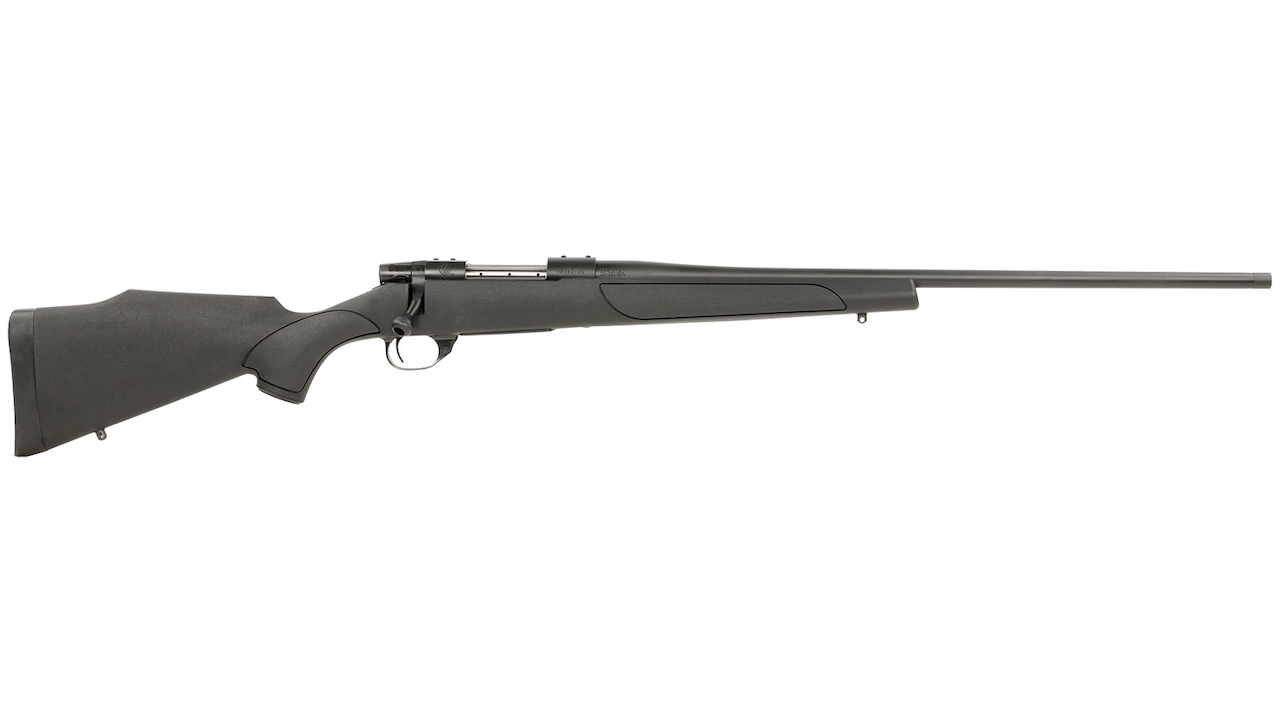
The Vanguard Obsidian stays in the same family, but it makes the point a little differently. Weatherby’s Obsidian page again emphasizes the Vanguard’s sub-MOA guarantee, cold hammer-forged barrel, and match-grade trigger, with a package clearly aimed at practical field use rather than premium showpiece styling. That matters because the basic Vanguard idea has always been strongest when it stays straightforward.
Hunters keep reaching for rifles like this because they remove excuses. The Obsidian is built around the same action and same accuracy promise that made the Vanguard line so dependable in the first place. When you are done trying rifles that need extra justification, a rifle that shows up with a real accuracy standard and familiar controls starts feeling like the smarter long-term choice.
Winchester Model 70

The Model 70 remains one of the classic “I’m done messing around” rifles because it never stopped being a serious sporting rifle. Winchester still describes it as a legendary bolt-action sporting rifle that has been a favorite of hunters and shooters for over 80 years. That kind of staying power is not about nostalgia alone. It is about a rifle that kept enough practical value to stay relevant for generation after generation.
Once a hunter reaches the point where reliability, familiarity, and proven field manners matter more than whatever is new this year, the Model 70 becomes an easy rifle to understand. It has history, yes, but it also has a long-running identity as a rifle people hunt with on purpose. When you are tired of experimenting, a rifle with that kind of track record is often exactly where you land.
Winchester Model 70 Featherweight

The Model 70 Featherweight is one of the easiest versions of this idea to defend. Winchester’s current page describes it as a lightweight bolt-action hunting rifle with classic looks. That is about as honest as it gets. You are not being sold a strange concept. You are being handed a lighter Model 70 built for hunters who still want a traditional rifle that carries well.
That is why hunters so often come back to rifles like this. A Featherweight gives you the familiar Model 70 feel in a handier package, which means less carrying burden without giving up the identity people already trust. If you have spent enough time learning that extra features do not automatically make a rifle better in the field, the Featherweight starts looking like the kind of clean, sensible choice you should have stuck with from the beginning.
Winchester Model 70 Super Grade
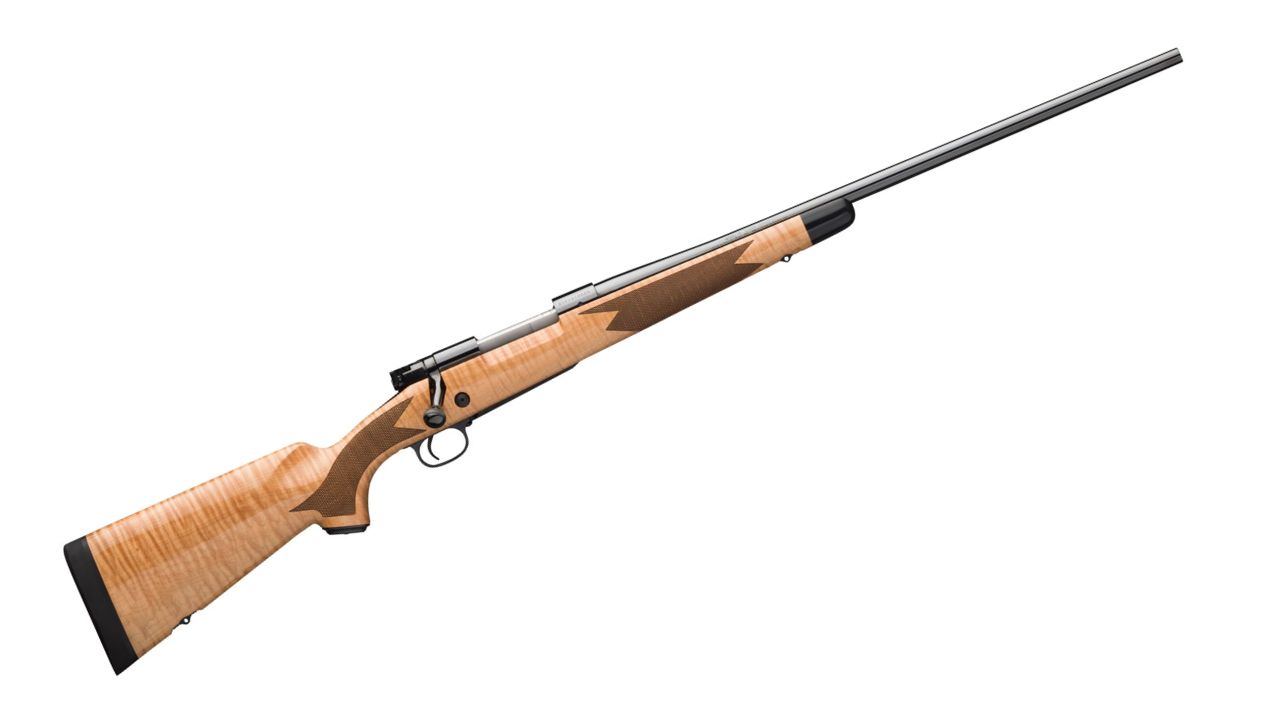
The Super Grade takes the same action in a more refined direction, but it still belongs here because some hunters stop experimenting by settling into quality rather than minimalism. Winchester’s page calls it the classic bolt-action rifle that all others aspire to be, with its traditional upgraded walnut and finish work. That is a fancier package, but it is still wrapped around the same long-running Model 70 identity.
There is a reason rifles like this stay in the conversation. Once you know the action, trust the handling, and appreciate the balance, some hunters decide they would rather carry a refined version of what already works than keep gambling on something new. The Super Grade is not the answer for everyone, but it is exactly the sort of rifle a hunter settles into after deciding that proven design matters more than fresh marketing.
Savage 110

The Savage 110 belongs here because it is one of the longest-running examples of a hunting rifle that keeps adapting without losing its core appeal. Savage says the new Model 110 family blends decades of proven performance with modern design, smoother operation, and precision you can trust. That is exactly the kind of message that resonates with hunters who want something current, but not experimental.
What keeps the 110 in camp is that it has never needed to become something radically different to stay useful. It has simply kept evolving around the same practical strengths: bolt-gun familiarity, broad configuration choices, and a reputation for accuracy that stays accessible. When you are done chasing every new platform and want something with a deep bench of real-world use behind it, the 110 remains a very easy rifle to keep picking up.
Savage 110 Trail Hunter Lite V2

The 110 Trail Hunter Lite V2 is a more specific expression of that same idea. Savage’s model search results currently list it as an all-around hunting rifle meant to stand up to the elements, no matter the conditions. That is a very practical mission statement, and it tells you exactly why a rifle like this appeals to hunters who have already spent enough time testing what they do not need.
A lighter, field-oriented 110 makes sense because it stays close to what hunters actually ask of a rifle: weather resistance, portability, and dependable bolt-gun manners. Once you get tired of trying rifles that look more interesting than they hunt, the appeal of a purpose-built “all-around hunting rifle” becomes a lot stronger. That is where guns like this keep winning people back to basics.
Browning X-Bolt 2

The X-Bolt 2 is a modern hunting rifle, but it still fits the “done experimenting” mindset because Browning built it as a refinement, not a reinvention. Browning says the X-Bolt 2 delivers the performance of the award-winning X-Bolt plus smoother bolt operation, more barrel options, and the option of a fully customizable stock. That is what an established rifle line looks like when a company is trying to improve a known quantity instead of replace it with something unproven.
That matters in the field. Hunters who have grown tired of constant change often appreciate a rifle that evolves in sensible ways while keeping the handling and reputation that made the original line popular. The X-Bolt 2 stays attractive because it feels like a mature hunting rifle platform, not a gamble. When you want a modern bolt gun without the feeling that you are beta-testing a new idea, this is exactly the kind of rifle you end up trusting.
Browning X-Bolt

The original X-Bolt still makes this list because plenty of hunters are not looking for the newest version of a good idea—they are looking for the version they already know. Browning’s X-Bolt overview still leans on features like the adjustable Feather Trigger, X-Lock system, and optional recoil-reducing muzzle brake options on many models. That has long been part of the rifle’s appeal: practical upgrades wrapped around a familiar bolt-action hunting format.
That is why the X-Bolt keeps showing up in the hands of hunters who are done experimenting. It offers a modern feel, broad model selection, and a reputation built over enough seasons that most buyers know what they are getting. Once a rifle line has been this settled for this long, it becomes very easy for hunters to stop browsing and simply reach for what they already know works.
Remington Model 700 SPS
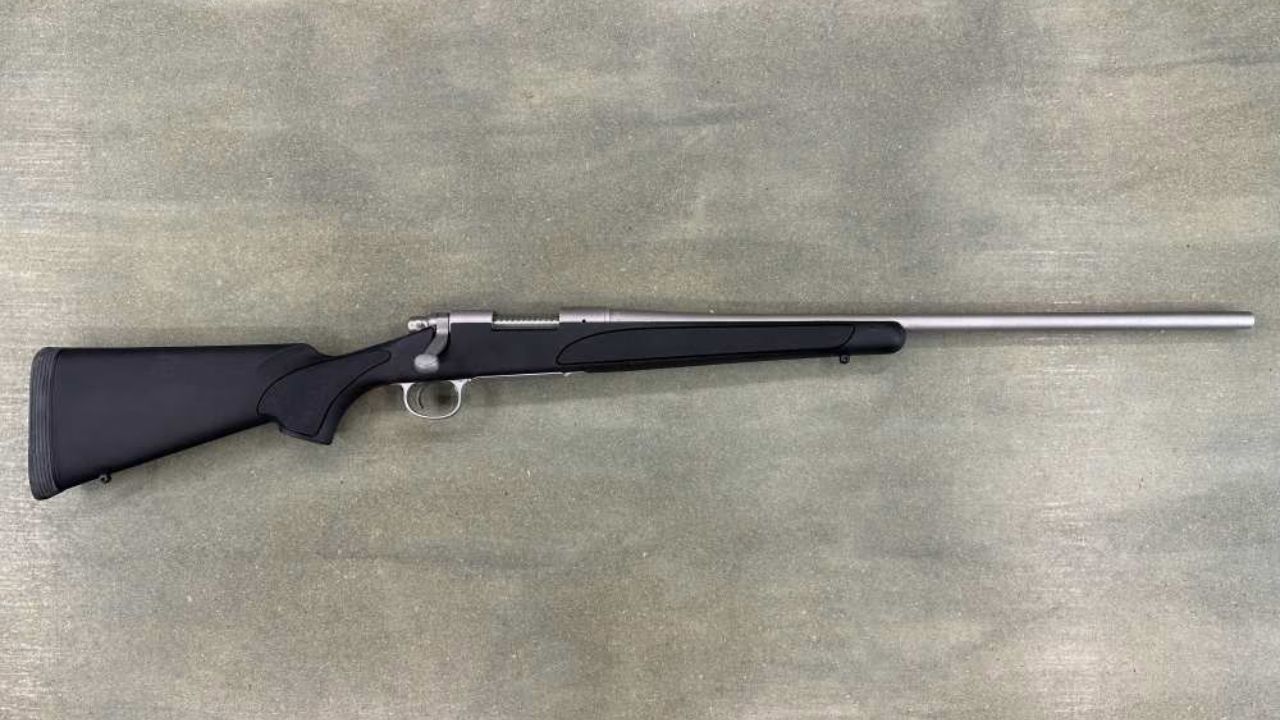
The Model 700 SPS still makes sense because it puts one of the most recognizable bolt-action actions in a very practical hunting format. RemArms’ current Model 700 SPS listing points to a matte black carbon steel build, synthetic stock, drilled-and-tapped receiver, and a receiver machined from solid steel bar stock. That is a strong, straightforward field setup built around a platform hunters have trusted for a long time.
That is exactly the kind of rifle hunters come back to when they are done trying to outthink the problem. A Model 700 in a synthetic, workmanlike trim is not trying to be romantic or cutting-edge. It is trying to be familiar, accurate, and durable enough to hunt with confidence. When the new stuff starts feeling like noise, a rifle built around that kind of established action still has a very strong pull.
Remington Model 700 Alpha 1 Hunter
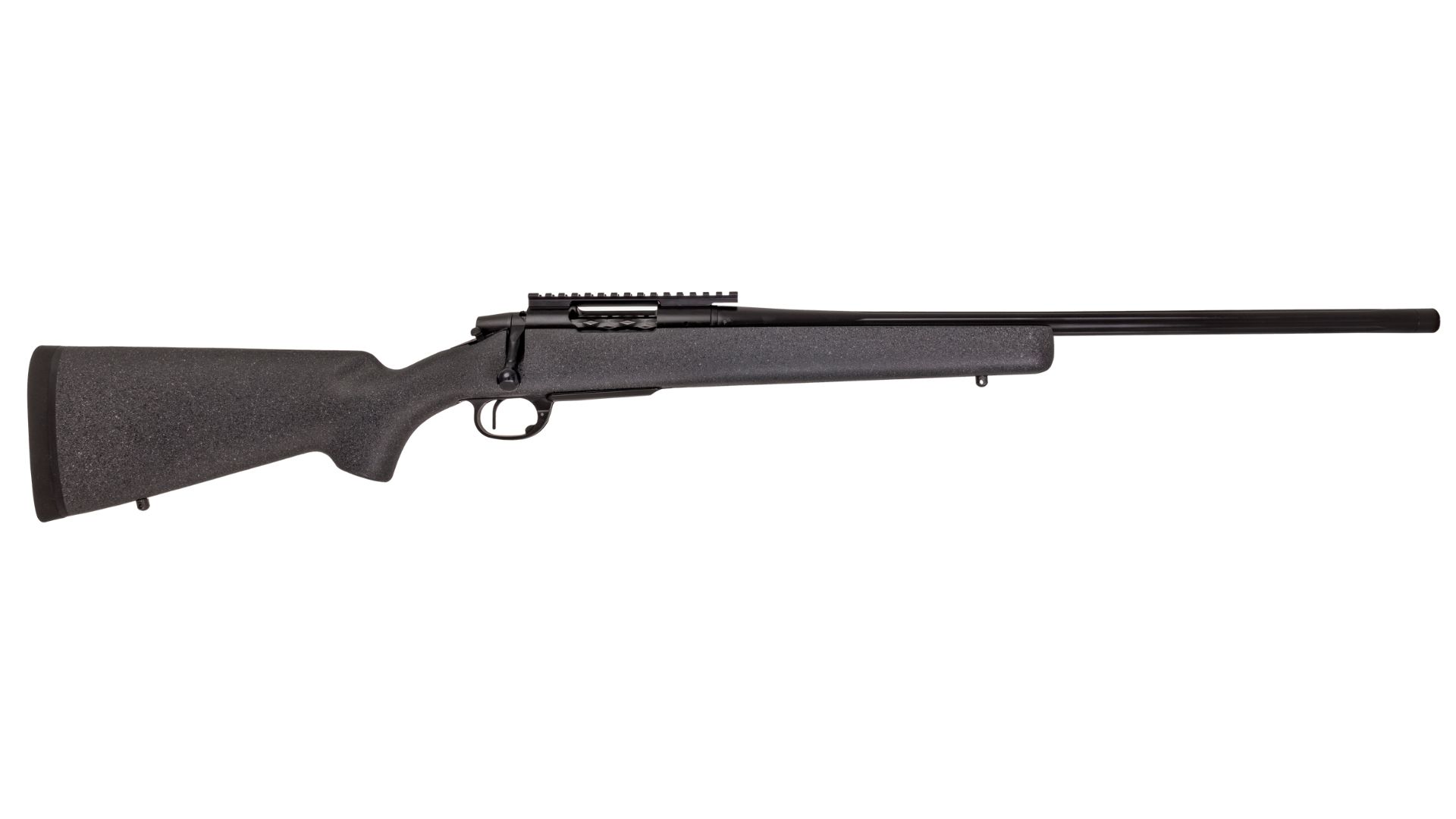
The 700 Alpha 1 Hunter fits the same pattern from a more updated angle. RemArms is currently pitching it as a modernized hunting model within the larger Model 700 line, which tells you the company still sees the 700 as a platform hunters want to keep using, not replace outright. That is important. Mature rifle families usually survive by refining what already works.
That is why hunters who are tired of experimenting often end up in rifles like this. You still get the familiar 700 lineage, but in a model built to feel current enough without asking you to abandon the core reason people bought into the line in the first place. When you want something newer, but not unfamiliar, a rifle like the Alpha 1 Hunter starts making a lot more sense than a completely unproven alternative.
Howa 1500
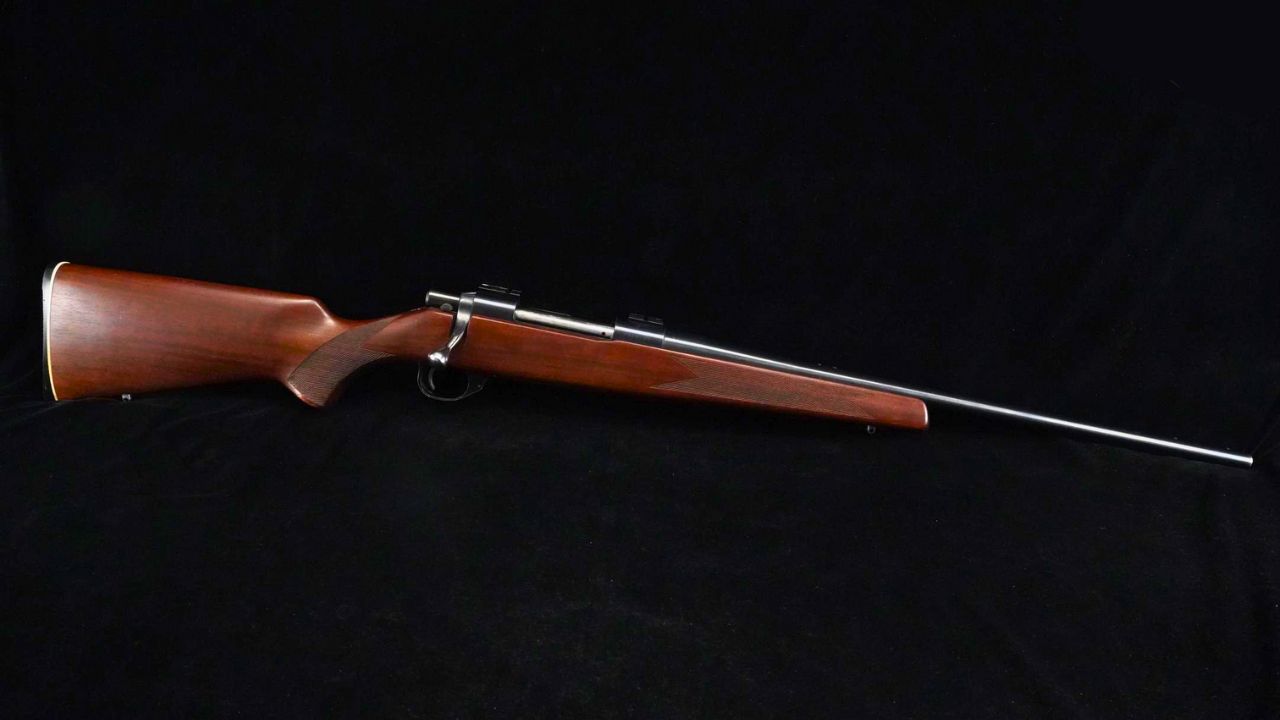
The Howa 1500 is one of the strongest “best kept secret” answers in this conversation because it built a reputation on quiet competence instead of constant noise. Howa USA still describes the 1500 barreled actions as legendary for precision, pointing to the cold hammer-forged barrels, one-piece receiver with integral recoil lugs, forged steel bolt, and M16-style ejector and extractor. That is serious mechanical substance for a rifle line that often avoids the spotlight.
That is exactly why hunters who are tired of experimenting keep coming back to it. A Howa 1500 is the sort of rifle you settle into once you care more about repeatable performance than brand drama. It has been exported for decades, and even Howa’s own company page leans on its long history of sporting-rifle production. When a rifle has that kind of quiet staying power, it becomes very easy to trust.
Howa Hogue Rifle

The Howa Hogue Rifle is a specific version of that same practical idea, and it appeals for exactly the reasons you would expect. Howa’s rifle catalog still keeps the Hogue Rifle as a current option, which matters because it means the company continues offering a hunting-focused build that leans into grip, field comfort, and straightforward use rather than pure cosmetic appeal.
When you are done experimenting, rifles like this become easier to appreciate. A proven action in a field-friendly stock is not an exciting idea, but it is often the right one. Hunters who have already tried a few “interesting” rifles usually end up appreciating the ones that feel settled, predictable, and easy to live with. The Hogue Rifle version of the Howa line fits that mindset perfectly.
Like The Avid Outdoorsman’s content? Subscribe to our newsletter so you never miss an article.
Here’s more from us: