Photo credit: Underten reviews/YouTube
Revolvers still have plenty going for them. They can be simple, durable, and satisfying in ways a lot of semi-autos never quite match. But some wheelguns get praised far beyond what daily ownership really supports. At the counter, they sound great. In conversation, they sound even better. Then you actually carry them, feed them, clean them, try to reload them with any speed, and start living with all the little compromises people kept pretending were “part of the charm.”
That is where these revolvers live. Some are interesting. Some are handsome. A few are even genuinely good in a narrow lane. But they also ask the owner to overlook bulk, recoil, cost, awkward handling, or plain old inconvenience that would get a semi-auto laughed out of the room. These are the revolvers that only make sense if you agree in advance not to be too honest about what they ask from you.
Taurus Judge

The Taurus Judge only sounds like a smart idea if you keep the whole conversation theoretical. In the store, it gets sold as a snake gun, truck gun, bedside gun, trail gun, and all-purpose problem solver. That is a lot of fantasy packed into one revolver. People hear .410 and .45 Colt and start imagining versatility so broad it excuses every compromise built into the gun.
Then actual ownership begins. It is bulky for what it does, awkward to carry, slow to reload, and not especially elegant in any real handgun role. Once you stop imagining niche scenarios and start judging the revolver like a real sidearm, the whole thing gets harder to defend. The Judge works best when the buyer is willing to ignore how much compromise was required to make the concept exist at all.
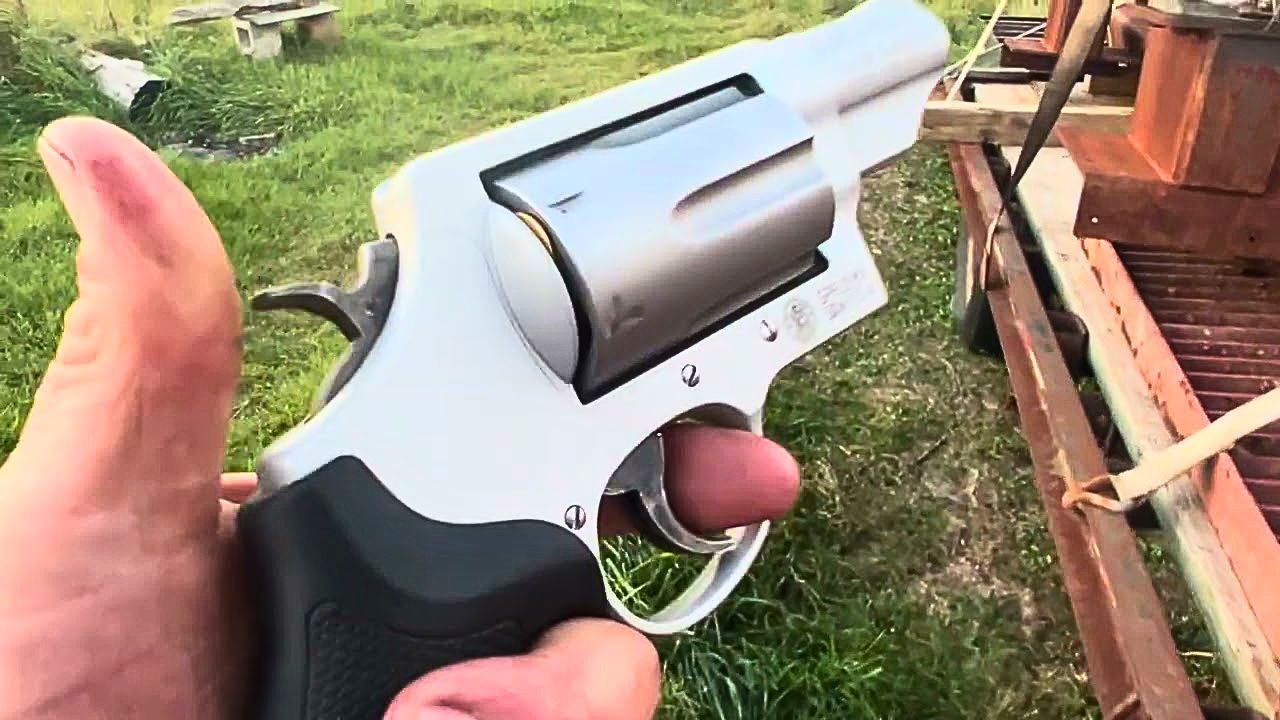
Smith & Wesson 329PD

The 329PD makes sense only if you agree not to dwell on what full-house .44 Magnum feels like in an ultra-light revolver. On paper, it sounds brilliant. A light, packable big-bore revolver for the woods sounds exactly like the sort of thing practical outdoorsmen should want. Then you shoot it enough to stop romanticizing it.
That is where the inconvenience starts getting loud. Recoil is not only sharp, it is memorable in the wrong way. Training with it is less pleasant than owners usually admit, and a revolver that punishes practice tends to create problems for the guy carrying it. The 329PD appeals to people who love the idea of carrying power without weight. It becomes harder to love once the trigger gets pulled enough times to make honesty unavoidable.
Colt Single Action Army
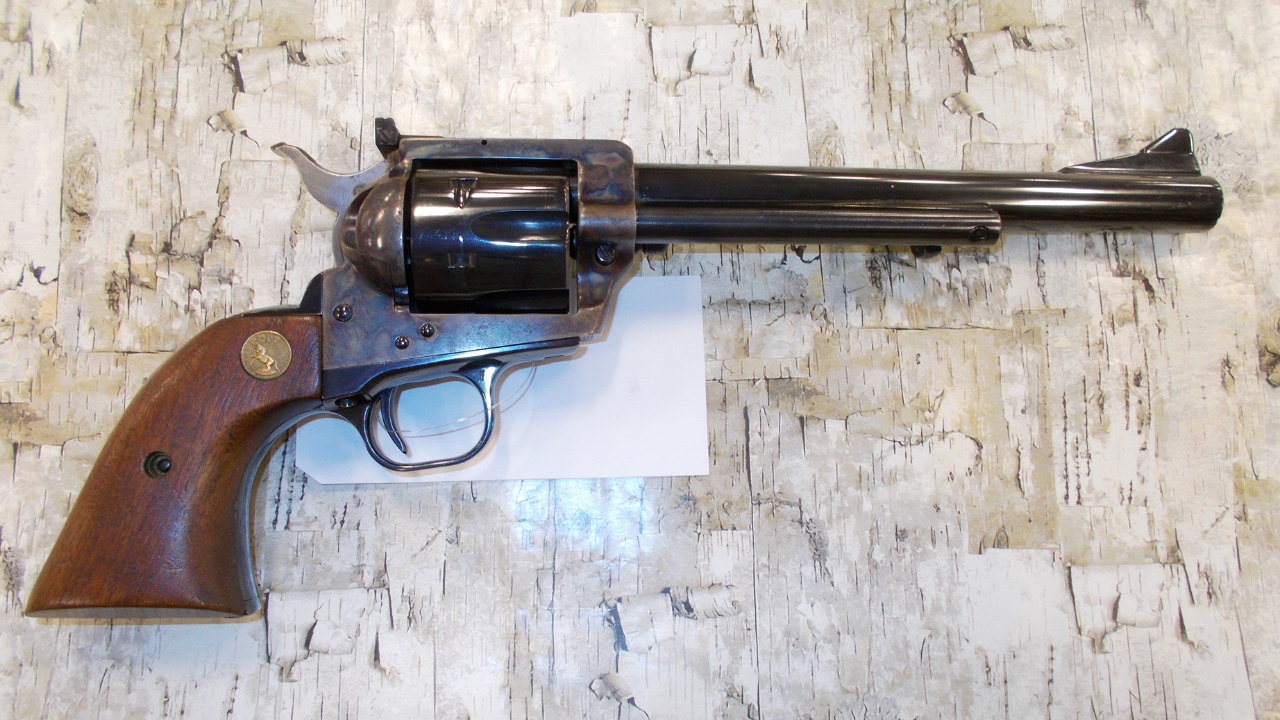
The Colt Single Action Army only makes sense if you ignore every modern inconvenience and then call the result tradition. There is no denying the history, the balance, or the visual appeal. The problem is that buyers often speak about it like the romance of the thing should settle all practical questions before they are even asked.
Once you judge it by anything close to modern standards, the inconveniences line up fast. Slow loading, slow unloading, limited capacity, and a manual of arms that asks the user to accept a lot in exchange for aura. That can be fine if the owner wants history and knows that going in. But when people start pretending it is broadly sensible in the present, they are usually choosing myth over convenience on purpose.
Ruger LCR in .357 Magnum

The LCR in .357 Magnum sounds smart because it combines light weight and magnum chambering in one carry-friendly package. That is the sort of pitch people love because it feels like a practical win. Then real shooting starts, and the whole “lightweight magnum revolver” fantasy begins collecting bruises.
A tiny, light revolver chambered in .357 often turns into a gun owners admire more than they practice with. That is a real inconvenience, because carry guns that discourage practice are often all theory and very little comfort. The LCR itself is not the issue. The issue is pretending that packing magnum recoil into something that light does not change the ownership experience in a big, ugly way.
North American Arms Mini Revolver
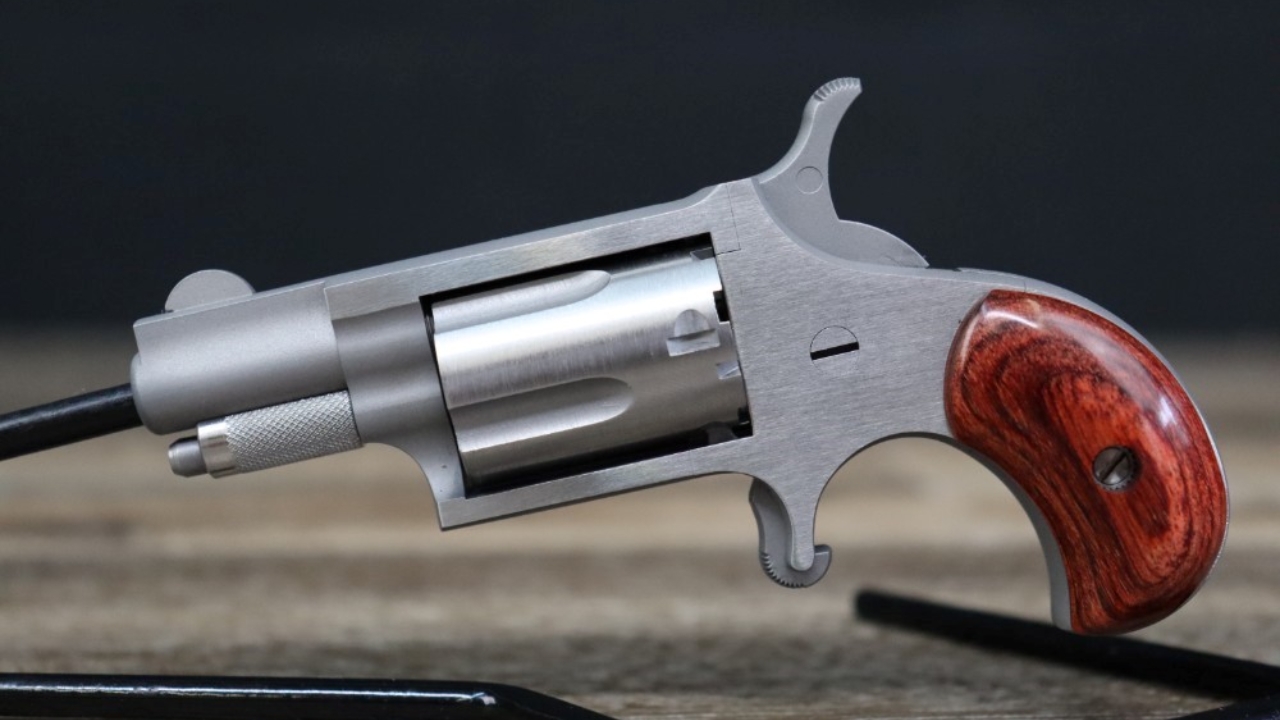
The NAA mini revolver makes sense only if you are willing to ignore how little revolver you are actually getting. People buy them because they are tiny, novel, and easy to talk about like some clever backup solution. In the hand, they feel like an answer to a question nobody else thought to ask.
Then everything about using one reminds you why nobody else asked it. Tiny grip, tiny sights, tiny capacity, very limited practical speed, and the sort of loading process that stops feeling cute almost immediately. The whole platform depends on the buyer deciding that extreme concealability excuses nearly every other inconvenience. That is a hard bargain once you stop evaluating it like a novelty.
Chiappa Rhino

The Chiappa Rhino makes sense only if you really want to believe unusual automatically means improved. The low bore axis and odd profile create instant curiosity, and a lot of buyers enjoy the feeling that they found a revolver smarter than the old-school crowd understands. That is a powerful sales pitch.
Then the ownership experience has to carry more than curiosity. The shape is unconventional, the manual familiarity many shooters expect from revolvers is not really there, and the whole thing demands a level of tolerance for weirdness that people do not always admit up front. It is not that the Rhino cannot work. It is that many buyers have to ignore a lot of awkwardness to keep calling it obviously worth the trouble.
Charter Arms Bulldog

The Bulldog only makes broad sense if you agree that a compact .44 Special revolver is enough of a cool idea to make you overlook everything else. That idea has always sold well. A big-bore snub has attitude, and attitude carries a lot of weight at the counter. It sounds like old-school practicality with a little edge.
But the reality is more cramped. Capacity is limited, recoil is not free, reloads are still revolver reloads, and the whole platform asks you to accept a lot of handgun inconvenience in exchange for a chunky bullet from a small frame. Some owners are fine with that. A lot of the praise, though, only works if everybody agrees not to compare it too hard against more efficient ways to solve the same problems.
Ruger Redhawk in .44 Magnum with long barrel

A long-barreled Redhawk in .44 Magnum makes sense only if you ignore how much revolver you are choosing to carry around. As a shooting tool, it can be strong, durable, and impressive. As an everyday practical answer, it asks for a lot of patience. Once the barrel length stretches and the weight climbs, you are no longer pretending convenience is part of the deal.
That is the part enthusiasts soften with words like “serious” and “capable.” Both can be true. It can also still be a large, heavy revolver that quickly stops feeling realistic outside certain uses. The Redhawk is not the problem. The problem is when people talk like that much steel and that much revolver bulk should be treated like ordinary practicality instead of a very specific commitment.
Smith & Wesson Governor

The Governor only makes sense if you ignore the fact that multi-caliber novelty is still novelty, even when Smith & Wesson does it. It gets sold on versatility the same way the Judge does, except with extra prestige layered on top. That prestige helps people feel like they bought the refined version of a weird idea.
But refined weirdness is still weirdness. It is big, awkward, and forced into a role where compromise is doing most of the engineering. Carry it, reload it, or compare it honestly to more conventional handguns, and the convenience case falls apart quickly. The Governor works best when the owner wants the concept badly enough to forgive every practical irritation it drags along.
Colt Cobra

The modern Colt Cobra makes sense only if you are willing to ignore how much you are paying for a small revolver that still comes with the ordinary small-revolver inconveniences. Colt name power does a lot of work here. Buyers want a compact wheelgun with history attached, and the snake branding makes it easier to justify the emotional markup.
Then the owner is still living with five rounds, revolver reload speed, snub-length handling, and the familiar truth that small revolvers are harder to shoot well than many buyers admit. The Cobra is not a bad revolver. It is simply one of those guns where the name makes people much more tolerant of inconvenience than they would be with a less romantic logo on the side.
Kimber K6s

The Kimber K6s makes sense only if you ignore how much of its appeal is built around being the “nicer” small revolver. That works on buyers who want something more polished than the usual carry snub, and Kimber was smart enough to know that. The gun looks sharp, feels upscale, and sounds like the answer for people who want refinement in a pocket-sized wheelgun.
Then the reality of a small revolver shows up and does not care how nicely the gun was presented. Capacity is still limited, recoil can still be sharp depending on the load, and training speed still runs into all the same small-revolver realities. A lot of buyers are really paying for the right to experience those inconveniences in a more premium-looking package.
Ruger Super Redhawk Alaskan

The Super Redhawk Alaskan makes sense only if you decide “bear defense” covers a lot of practical sins. That is exactly how most owners defend it. It is built for hard backup use in serious places, and within that narrow lane it can be justified. The problem is that many people buy the idea of that lane without ever truly living in it.
Then they are left with a chunky, heavy revolver chambered for serious recoil, carrying serious bulk, and offering all the usual revolver limitations on top of that. It feels sensible only if the buyer keeps mentally placing himself in the one scenario where all of that suddenly becomes worth it. Outside that scenario, the inconveniences get very hard to ignore.
Smith & Wesson Model 29

The Model 29 makes sense only if you agree not to count convenience among the things that matter much. It has history, looks, and the kind of big-bore charisma that makes buyers forgive almost anything. The problem is that owning one like a real user instead of a movie fan means living with weight, recoil, slow reloads, and all the usual revolver tradeoffs.
That is the bargain people keep pretending is no bargain at all. A lot of the love surrounding the Model 29 is tied to what it represents. Once you strip away the image, you still have a beautiful, powerful revolver that asks the owner to tolerate a lot of practical inconvenience modern pistols solved a long time ago. Some buyers are happy to make that trade. Many just do not say it that plainly.
Taurus Public Defender Poly

The Public Defender Poly makes sense only if you ignore how much of its appeal is built around “what if” scenarios. It gets sold as compact power, weird versatility, and a carryable answer to problems most people are not actually facing with any regularity. The lightweight frame helps the pitch, but it also introduces its own set of tradeoffs.
Once you shoot it honestly, carry it honestly, and compare it honestly, the compromises pile up in a hurry. Recoil is not gentle, the shape is not elegant, the capacity is still limited, and the whole revolver depends on the owner believing the concept excuses the clumsiness. That is usually how these guns survive criticism: by making the idea sound more valuable than the experience.
Freedom Arms Model 83

The Freedom Arms Model 83 makes sense only if you are willing to ignore every kind of practical inconvenience in exchange for immense revolver quality and serious power. To be fair, the quality is real. So is the power. The problem is that people sometimes talk about it as though that ends the discussion.
It does not. The revolver is large, heavy, specialized, expensive, and built around a style of ownership that only makes broad sense for a pretty narrow slice of shooters. As a masterpiece, it can be defended. As a practical answer for most people, it becomes much harder. A lot of the praise only works if everyone agrees not to mention how much effort and compromise are required to own it in any ordinary way.
Like The Avid Outdoorsman’s content? Subscribe to our newsletter so you never miss an article.
Here’s more from us: