Photo credit: Savage Arms
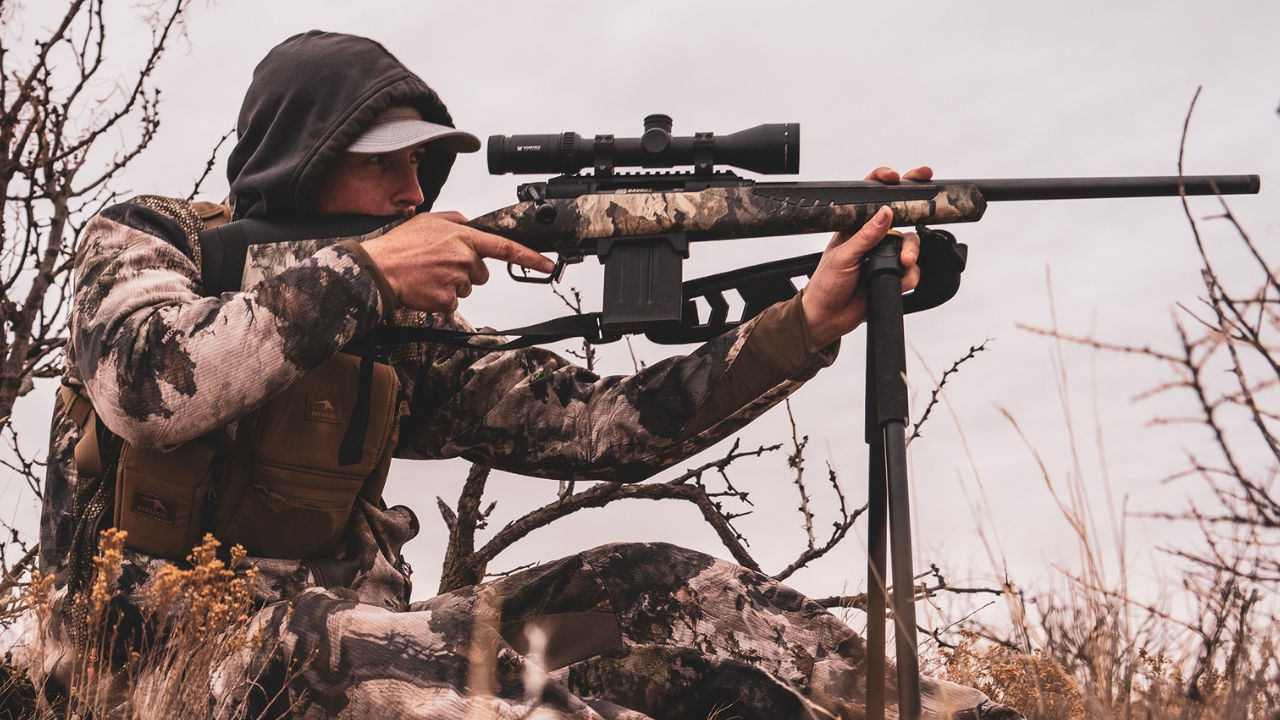
Hogs have a way of turning clean plans into rushed shots. They show up bunched tight, moving fast, half-hidden in grass, and you’re trying to thread a bullet through shoulder shield, gristle, and angled ribs before they hit the next brush line. That’s why “forgiving” matters. You want a cartridge that penetrates when the angle isn’t perfect, breaks bone when it needs to, and still leaves you a usable blood trail when placement is a touch high or back.
No round fixes bad hits, and bullet choice matters as much as headstamp. But some cartridges give you more margin when you’re shooting at a tough animal that rarely stands still. These are the hog rounds that tend to hold together, drive deep, and keep working when the shot happens fast.
.308 Winchester

The .308 is forgiving on hogs because it’s easy to shoot well and it hits with enough bullet weight to keep driving when the angle isn’t clean. When you rush a shot and clip shoulder, you want a bullet that doesn’t come apart early. The .308’s typical hunting bullets give you that steady penetration without requiring magnum speed.
It also helps that the cartridge runs well in handy rifles. Off sticks or offhand, you can stay in control and get a follow-up out fast. On big boars, put a tough 150–180 grain bullet where it needs to go and you’ll usually get a deep wound path that doesn’t depend on a perfect broadside.
.30-06 Springfield
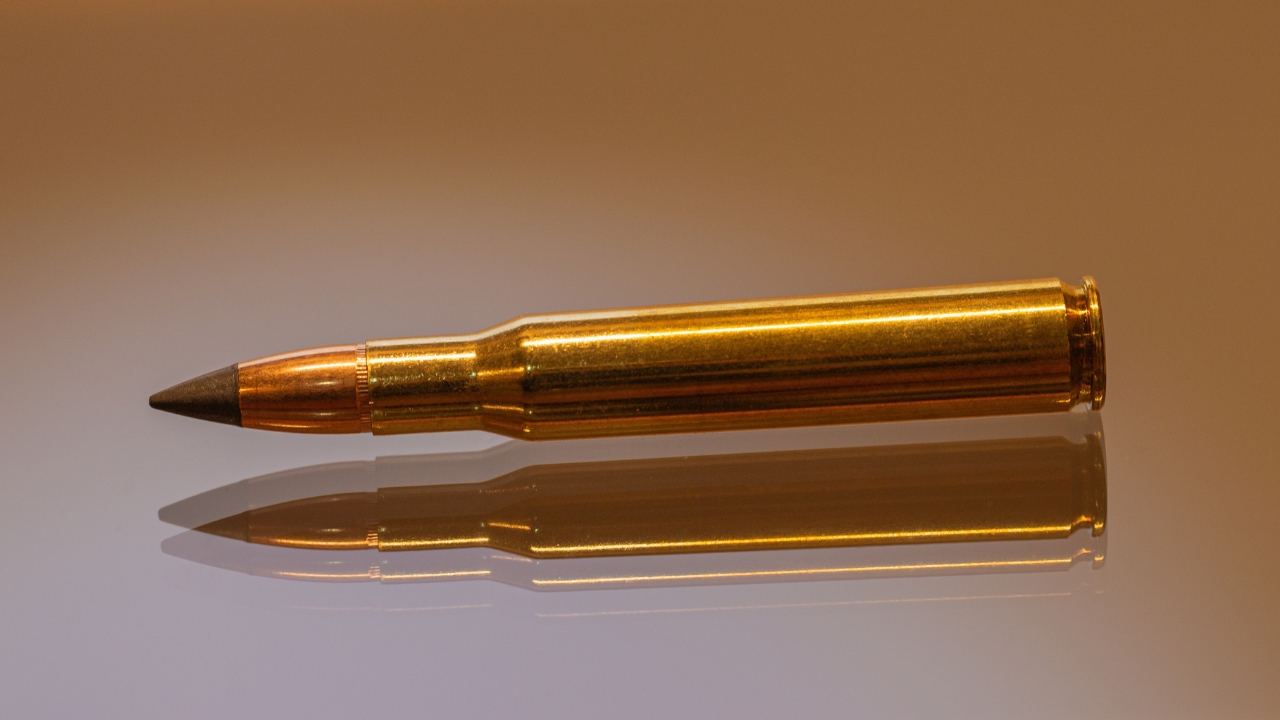
The .30-06 earns its keep on hogs when things get hectic. You’ve got extra case capacity over .308, which lets you push heavier bullets with authority. That matters when you hit thick shoulder plate or catch a hard quartering angle and need the bullet to keep going.
In the field, the .30-06 also gives you flexibility. You can run 165s for a good balance, or step up to 180s and lean into penetration without making the rifle unbearable. When shots are rushed, the cartridge’s real advantage is that it tends to break more stuff on the way in and still reach vitals. That’s a good recipe for short recoveries.
.35 Remington

The .35 Remington doesn’t get talked about enough in hog country, but it’s a very practical “get through the mess” round. The heavier, wider bullets tend to punch straight and keep working when you hit gristle, shoulder, and ribs in quick succession. On rushed shots, that straight-line penetration is your friend.
It also shines in the kind of rifles people actually carry in thick cover—light lever guns and woods rifles that come up fast. You’re not trying to laser a boar at 350 yards. You’re trying to stop one now, in palmettos, with a quick sight picture. The .35 Rem does that job well, especially with a controlled-expansion hunting bullet.
.30-30 Winchester
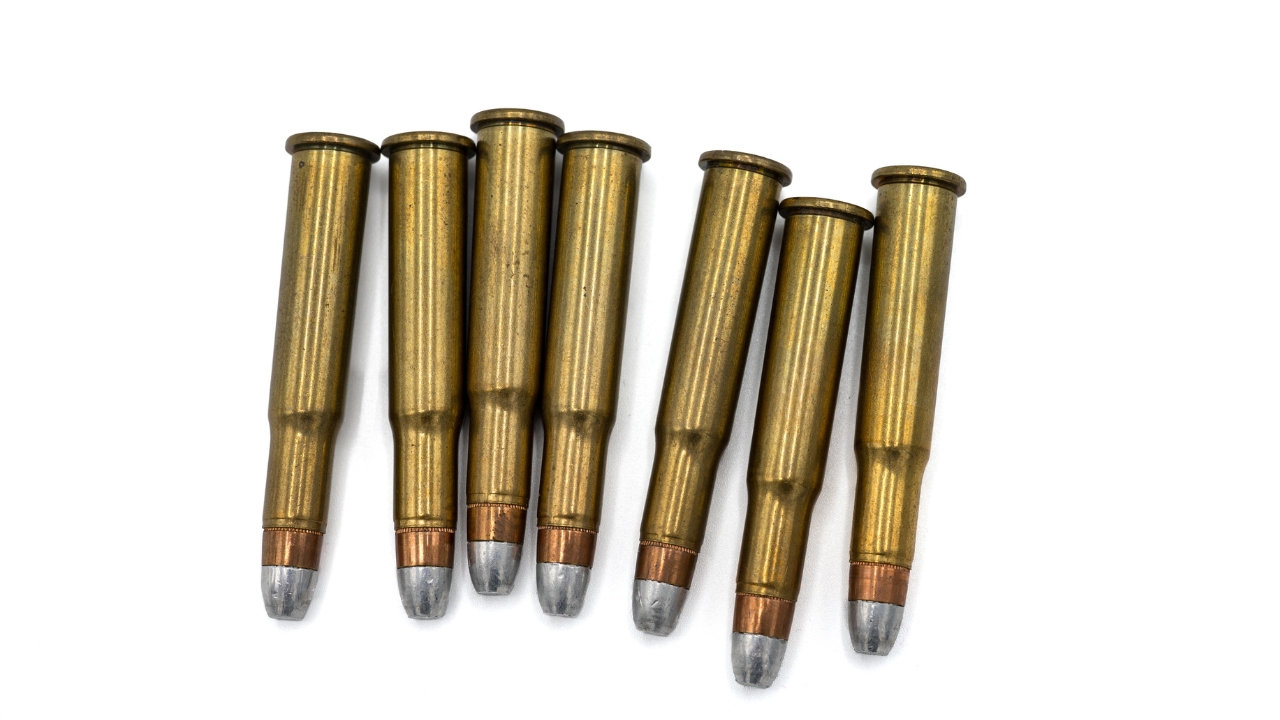
A .30-30 is forgiving on hogs inside its lane because it’s quick to handle and the bullets do useful work at woods ranges. When you’re shooting fast and your position isn’t perfect, a lever gun that points naturally can save you seconds you don’t have. That alone can be the difference between a clean hit and a bad angle.
Terminally, you want the right bullet—something built for deeper penetration, not a fragile design. With that, the .30-30 can break shoulders on average hogs and still reach vitals on quartering shots. It won’t match magnum reach, but in real hog distances it’s steady, controllable, and far less fussy than people assume.
7.62×39 (with hunting loads)
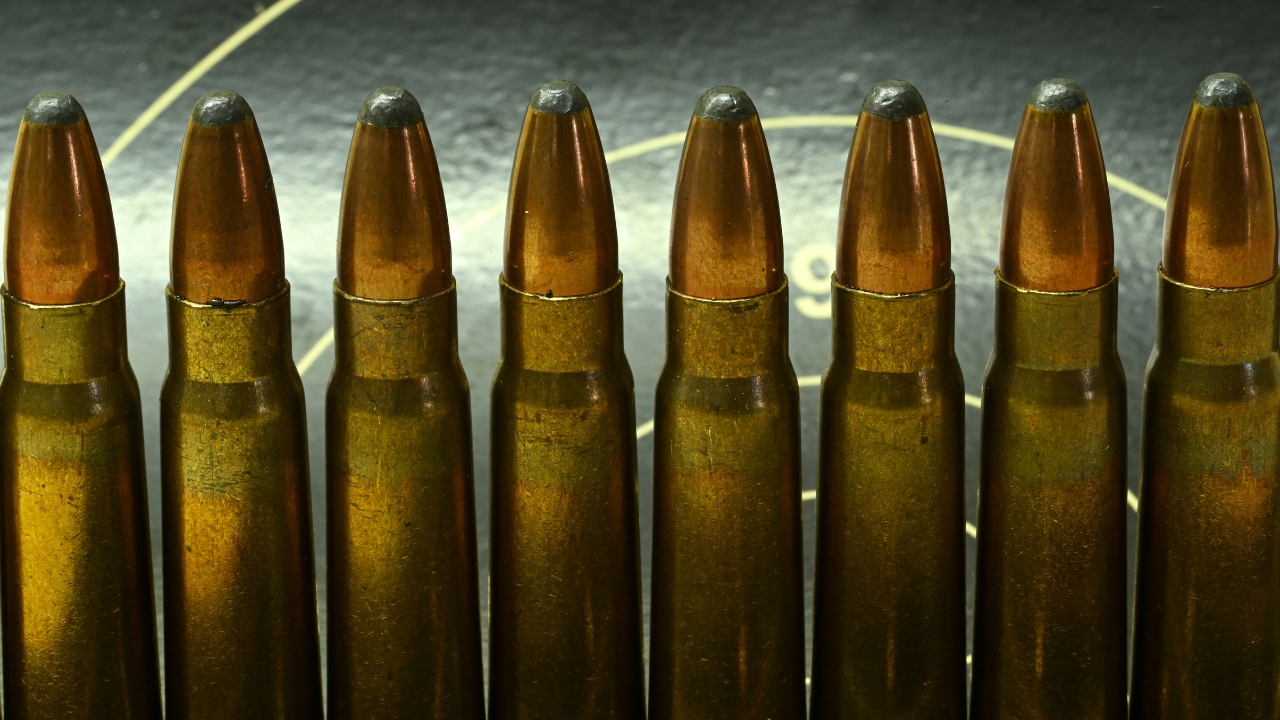
With proper hunting ammo, 7.62×39 is more capable on hogs than its reputation suggests. It throws a reasonably heavy bullet at moderate speed, which often helps penetration and keeps bullet behavior predictable. When shots are rushed and you hit more bone than planned, predictable beats flashy.
The other advantage is platform. In an AR-style rifle or a light bolt gun, you can shoot fast, stay on target, and send a second round without losing your sight picture. That’s valuable when hogs are moving as a group and you need follow-ups. Keep expectations realistic on range, pick a true hunting soft point, and the x39 can be a very forgiving brush-country hog tool.
.300 Blackout (supersonic)

Supersonic .300 Blackout is built for the kind of hog hunting where things happen close and quick. In a short, handy rifle, recoil is mild and you can keep the gun moving with the animal. That helps when the shot comes as the boar is slipping through gaps in cover.
For forgiveness, bullet choice is everything. You want a bullet designed to expand at Blackout velocities and still penetrate. When you get that right, the cartridge can make solid, straight wound paths on hogs at reasonable distances. It’s not a long-range hammer, but for rushed shots inside 100–150 yards, it’s controllable, fast, and more effective than many people expect.
6.5 Grendel
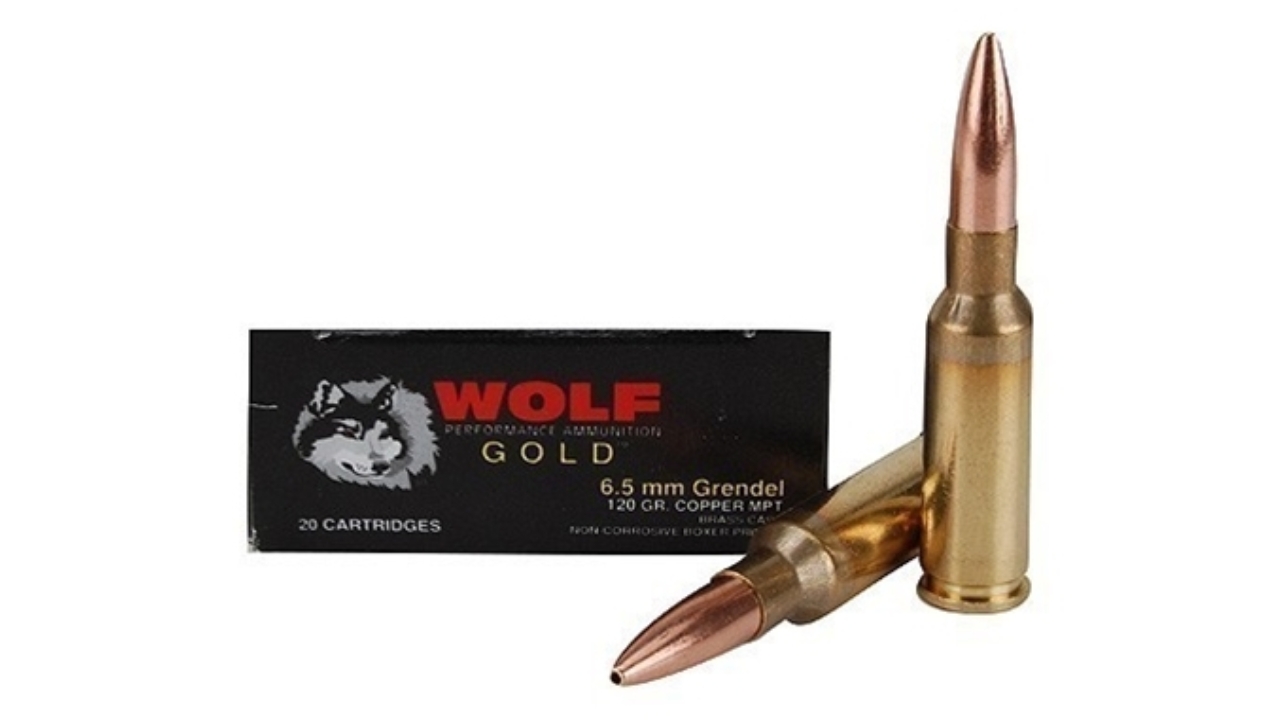
The 6.5 Grendel is a good “stay on the gun” hog cartridge because it balances recoil and downrange performance. In an AR, you can spot hits, correct quickly, and run follow-ups without the rifle yanking you off target. That matters when the first shot lands a little back and you need to anchor the animal before it reaches cover.
With tough hunting bullets, the Grendel tends to penetrate well for its size, especially compared to smaller, lighter-bullet options. It won’t replace a big-bore when you’re aiming at heavy shoulder plate on a giant boar, but it gives you more margin than .223-class rounds while staying easy to shoot fast. For many hunters, that’s the sweet spot.
6.8 SPC
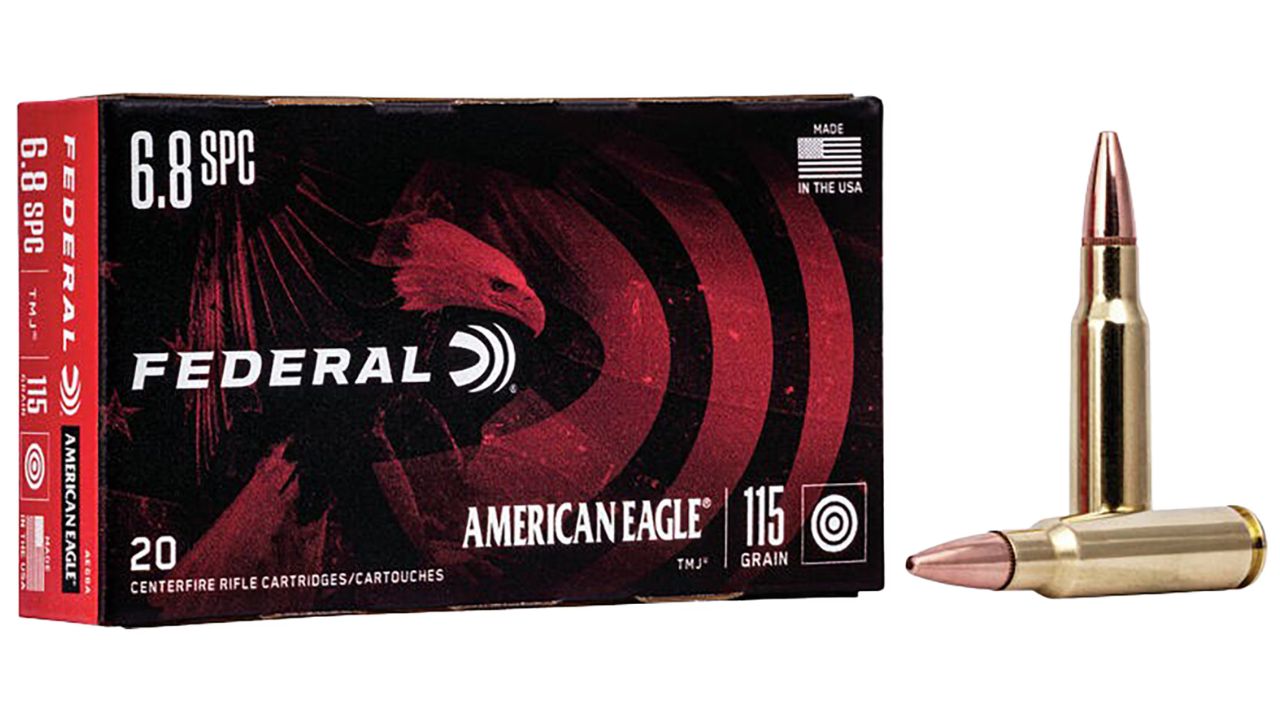
The 6.8 SPC is a close-to-midrange hog cartridge that does a lot right when shots are rushed. You get more bullet diameter and weight than the small bores, but recoil stays mild enough that you can keep your shooting together from awkward positions. That’s exactly what you want when hogs break and run.
With good hunting bullets, the 6.8 tends to make a wider wound channel than .223/5.56 and it often penetrates better on tough angles. It’s not magic, but it gives you more “hit quality” when your shot placement is a little less than perfect. In an AR platform, it’s also quick to run, which helps you finish the job if the first shot wasn’t ideal.
.350 Legend

The .350 Legend has become a serious hog option because it hits harder than its recoil suggests. In many rifles, it feels more like a firm shove than a punch, which helps you shoot fast from field positions. When shots are rushed, controllability keeps you from spraying rounds and hoping.
On impact, .350 bullets tend to drive deep and carry enough frontal area to do useful damage even when the hit isn’t perfectly centered. It’s especially effective in thick cover where most shots are inside 150 yards and angles can be weird. The cartridge isn’t built for long-range work, but it’s forgiving in the ranges where hog hunts usually turn chaotic.
.450 Bushmaster
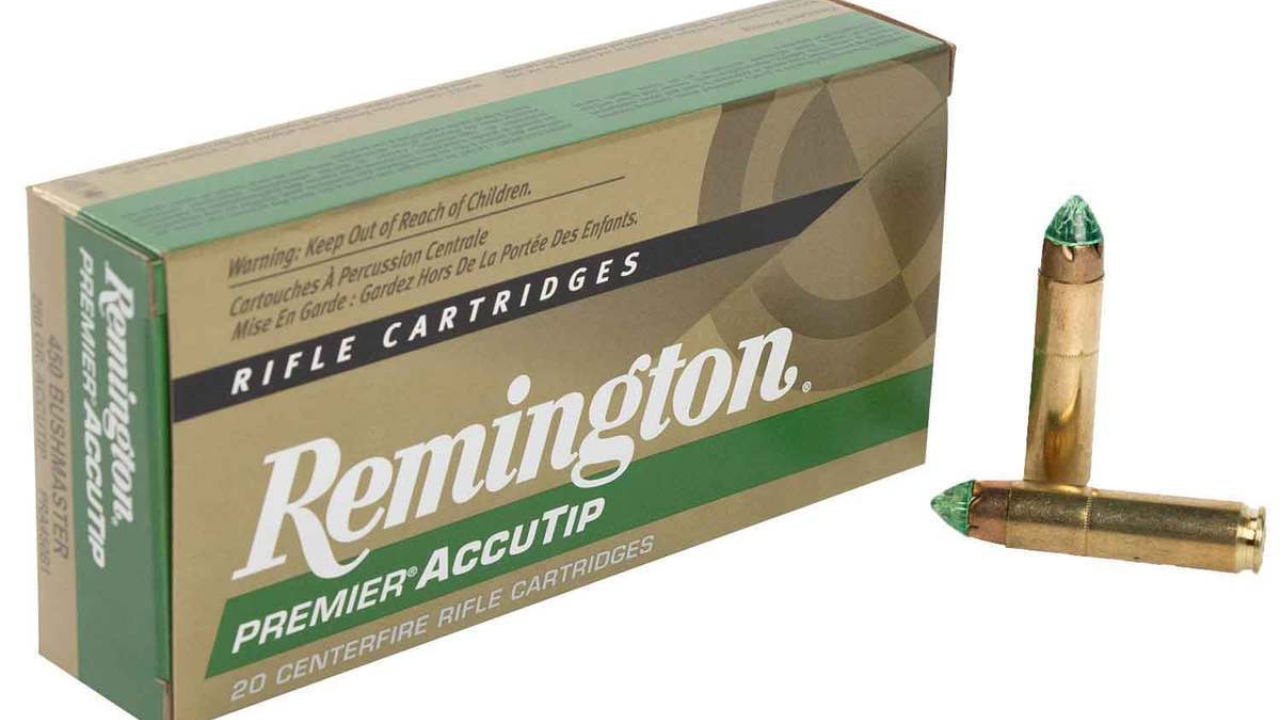
If you want forgiveness on tough boars at close range, .450 Bushmaster deserves a spot. Big bullet, big frontal area, and plenty of momentum mean it can break heavy bone and still reach vitals when your shot comes at a bad angle. That’s the kind of margin that matters when you’re shooting fast and the hog is already leaving.
The tradeoff is recoil, but in many modern rifles it’s manageable, and the “one good hit” potential is real. In brush, you’re not trying to thread a needle through ribs. You’re trying to put the animal down before it disappears. With a solid hunting load, the .450 tends to make obvious holes and shorter tracking jobs, even when the hit isn’t surgical.
.45-70 Government
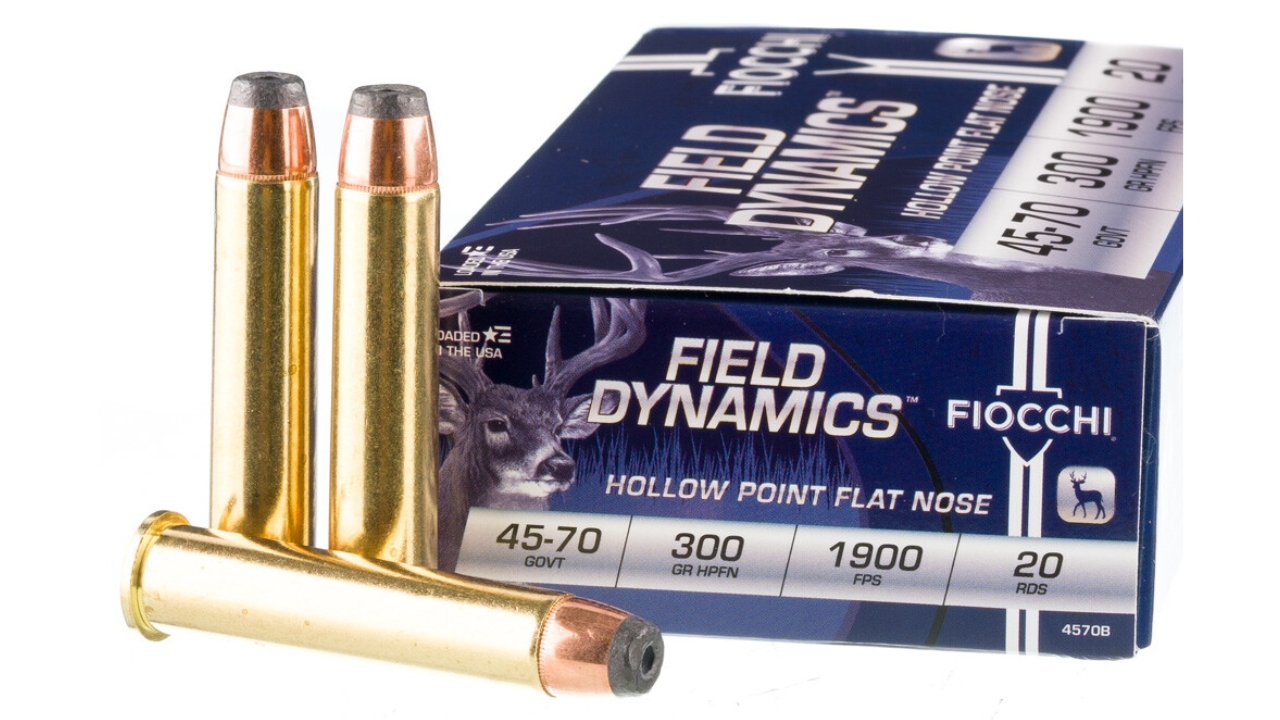
The .45-70 has been stopping tough animals for a long time, and hogs fit the profile. When a rushed shot lands forward and you hit shoulder plate, a heavy .45-70 bullet can keep pushing and do real structural damage on the way through. That helps you anchor boars that might shrug off lighter hits and make it into the nastiest cover around.
In a lever gun, it also handles fast. You can carry it all day, mount it quickly, and stay aggressive on follow-up shots. Recoil is there, but the cartridge’s payoff is deep penetration and a big wound channel at practical hog distances. When the woods are tight and the shots are quick, that’s exactly the kind of forgiveness you want.
.44 Magnum (carbine)
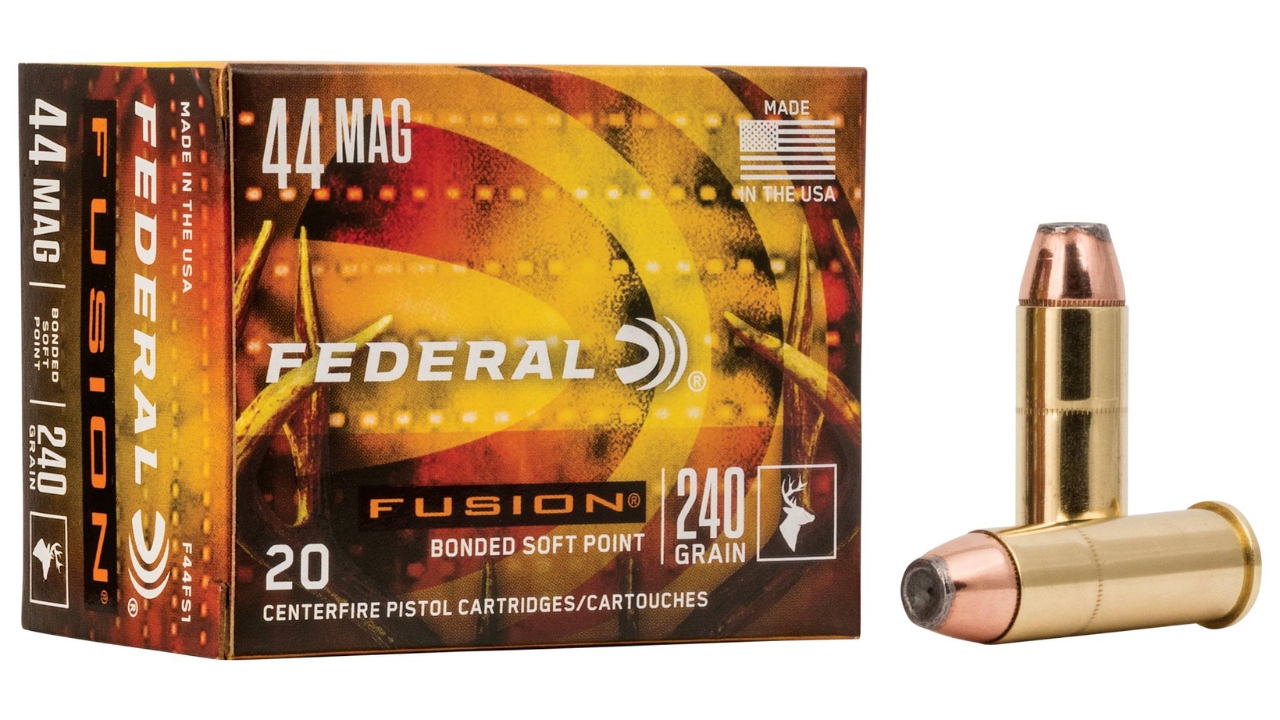
A .44 Mag carbine is a very practical “run it fast” hog setup. The rifle handles quickly, recoil is manageable, and the cartridge throws a big bullet that can do honest work up close. When shots are rushed, being able to get on target and press a clean shot matters more than having the flattest trajectory.
With the right hunting load, .44 bullets can penetrate well and break shoulders on average hogs. You’re still working inside moderate ranges, but that’s where most hogs get shot anyway. The carbine format also helps you shoot from awkward angles without feeling like the rifle is fighting you. For quick, close encounters, it’s forgiving in the ways that count.
.458 SOCOM
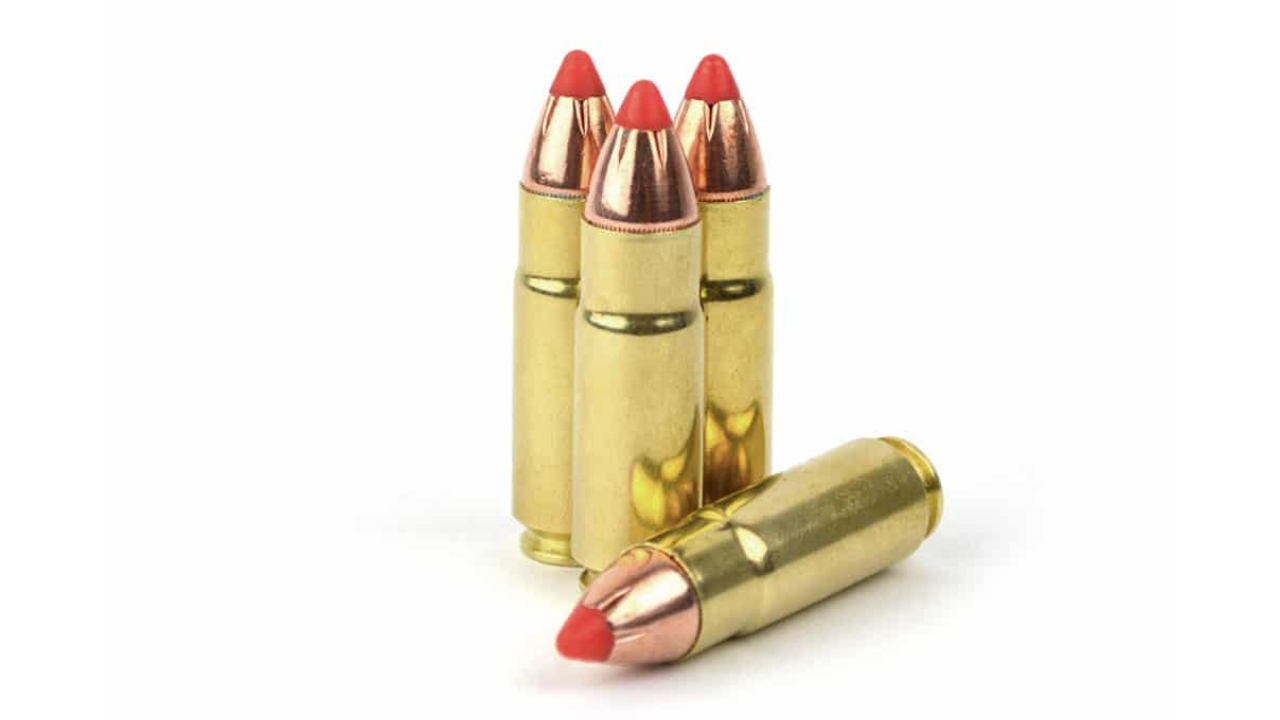
The .458 SOCOM exists for a reason: big bullets in an AR platform for close-range authority. When shots are rushed and angles are ugly, the cartridge gives you a lot of frontal area and momentum. That can translate into better penetration through gristle and heavier tissue, especially on big boars.
It’s also helpful that the platform stays familiar. If you run ARs well, you can keep the rifle flat, track moving hogs, and deliver fast follow-ups. Recoil is more of a shove than a snap in many setups, but you still need to respect it. With proper hunting bullets, the .458 SOCOM can be very forgiving inside its distance limits, particularly when you’re trying to anchor hogs quickly.
12-gauge rifled slugs
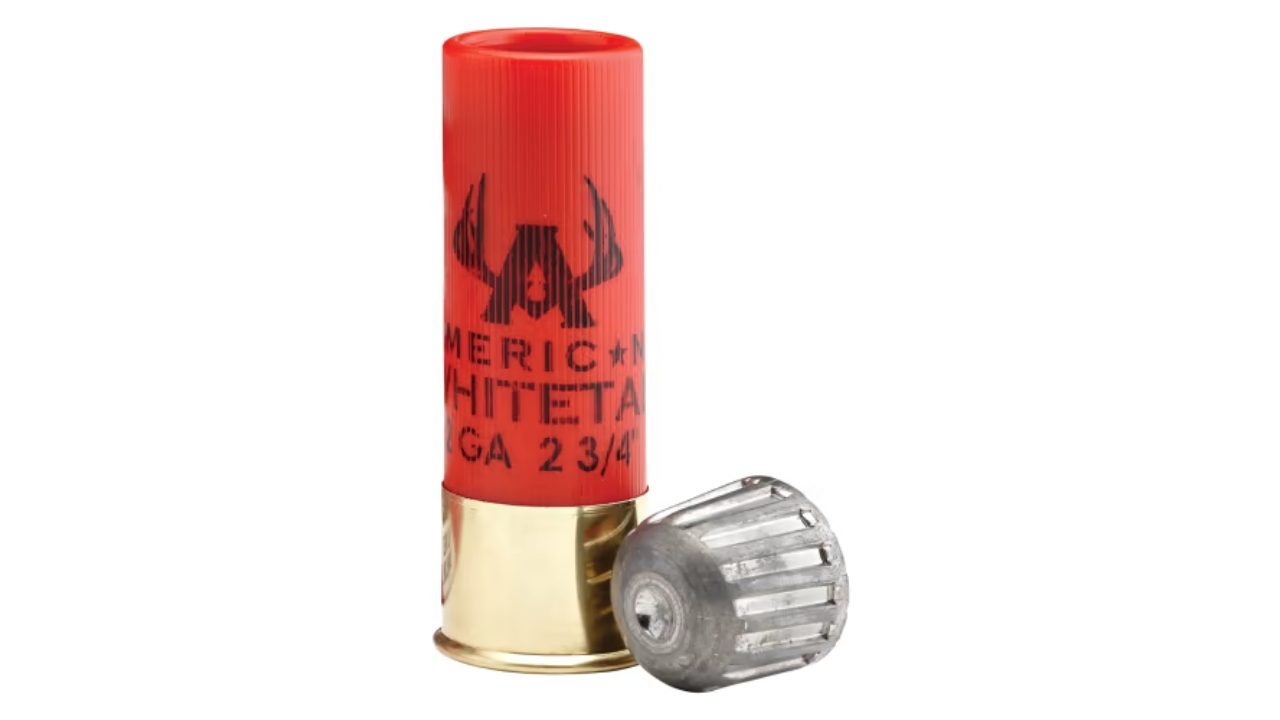
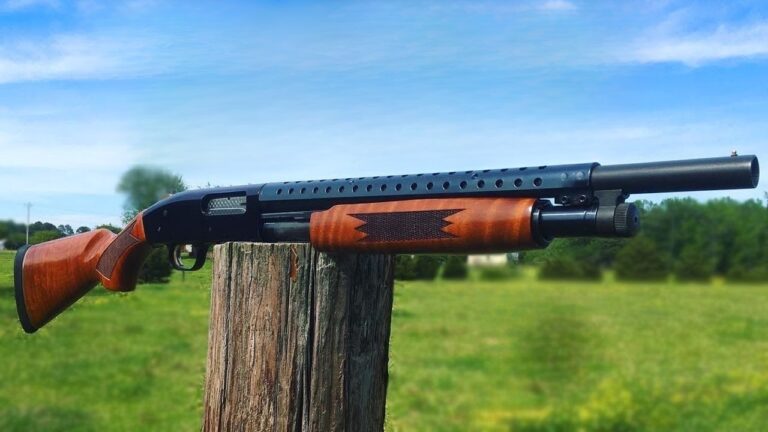
A 12-gauge slug is one of the most forgiving options when you’re dealing with thick cover and rushed shots. At typical hog ranges, slugs hit hard, penetrate well with the right design, and tend to break heavy bone in a way smaller bullets sometimes don’t. That’s valuable when the boar is quartering and you don’t have time to wait for perfect presentation.
The downside is recoil and limited reach, but hog hunting often happens inside 75 yards where that doesn’t matter much. What matters is putting a heavy projectile through the front half of the animal and ending the chase early. If you practice enough to manage recoil and keep your gun moving smoothly, slugs can give you a lot of margin when the moment is messy.
.30-06 with 180–200 grain bullets

The .30-06 deserves a second mention because bullet weight changes its personality on hogs. When you move into 180–200 grain controlled-expansion bullets, you get a setup that’s more forgiving on hard angles and shoulder hits. That’s exactly where rushed shots tend to land when hogs are moving.
Heavier bullets also tend to track straighter through dense tissue, which matters on big boars with thick shields. You still need to place the shot well, but the cartridge gives you more “keep going” when the hit isn’t clean. In a solid hunting rifle, it’s a dependable choice for hunters who want one cartridge that can handle pigs, deer, and larger game without feeling specialized.
.308 Winchester with bonded or monolithic bullets
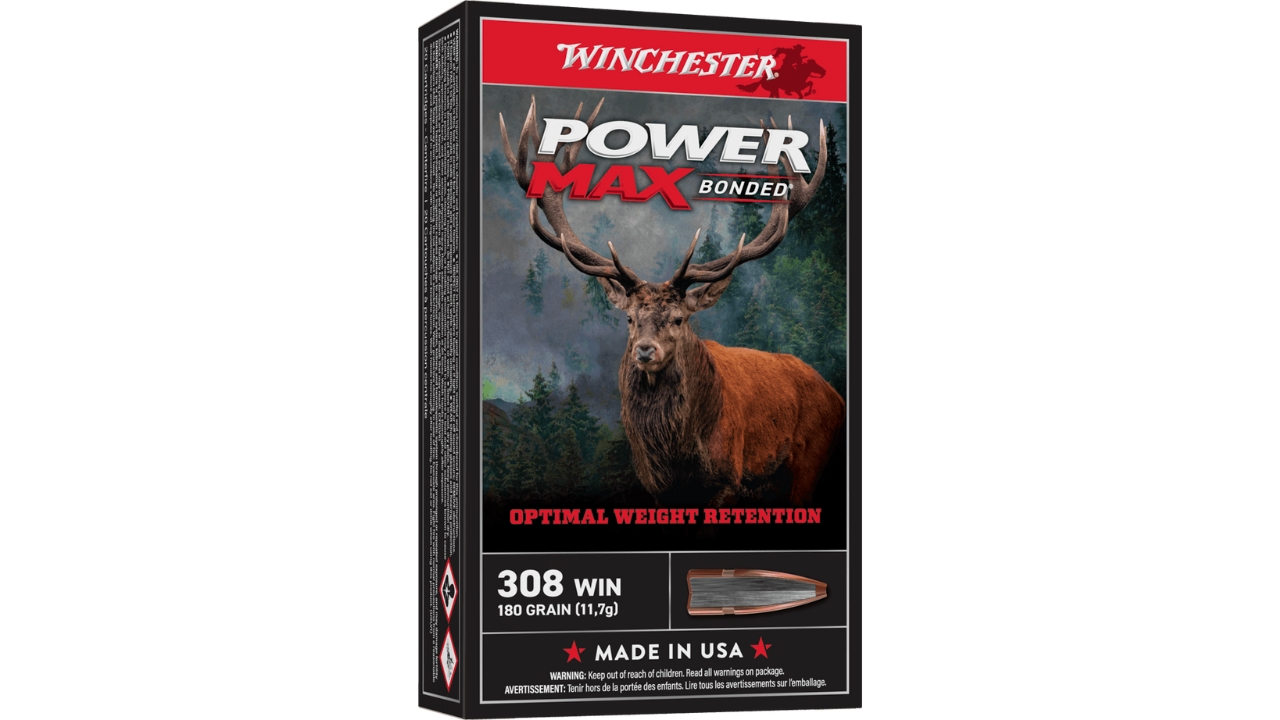
The .308 becomes even more forgiving on hogs when you pair it with bullets that hold together. Bonded bullets and monolithic copper designs tend to retain weight, drive deep, and break bone without shedding the front half of the projectile. That matters when the shot is rushed and you hit shoulder instead of ribs.
It also helps your blood trails. When a bullet exits reliably, you’re more likely to get a low hole that leaks early, which makes recovery easier in thick cover. You’re not relying on a perfect broadside lung shot every time. The .308 won’t cover every mistake, but with the right bullet it gives you a wide, practical margin while staying easy to shoot fast and accurately.
Like The Avid Outdoorsman’s content? Subscribe to our newsletter so you never miss an article.
Here’s more from us: