Photo credit: OddBallSchtuff/Youtube
Every time gun prices go sideways, I think back to 2010. Not because everything was perfect back then, but because a lot of solid, working-man guns were sitting on shelves for normal money. The kind you could buy, shoot hard, hunt with, toss in a scabbard, and not feel like you needed a loan to replace if something happened.
Now, when prices spike, the same models come up in camp, at the range, and at the gun counter. Not all of them are rare collectibles. Most are just guns that turned out to be better than their reputation, or guns that got discontinued, or guns that are “suddenly” cool again. Here are 20 that I could have bought in 2010 and still hear about whenever folks start talking prices.
1. Marlin 336 (JM-stamped)
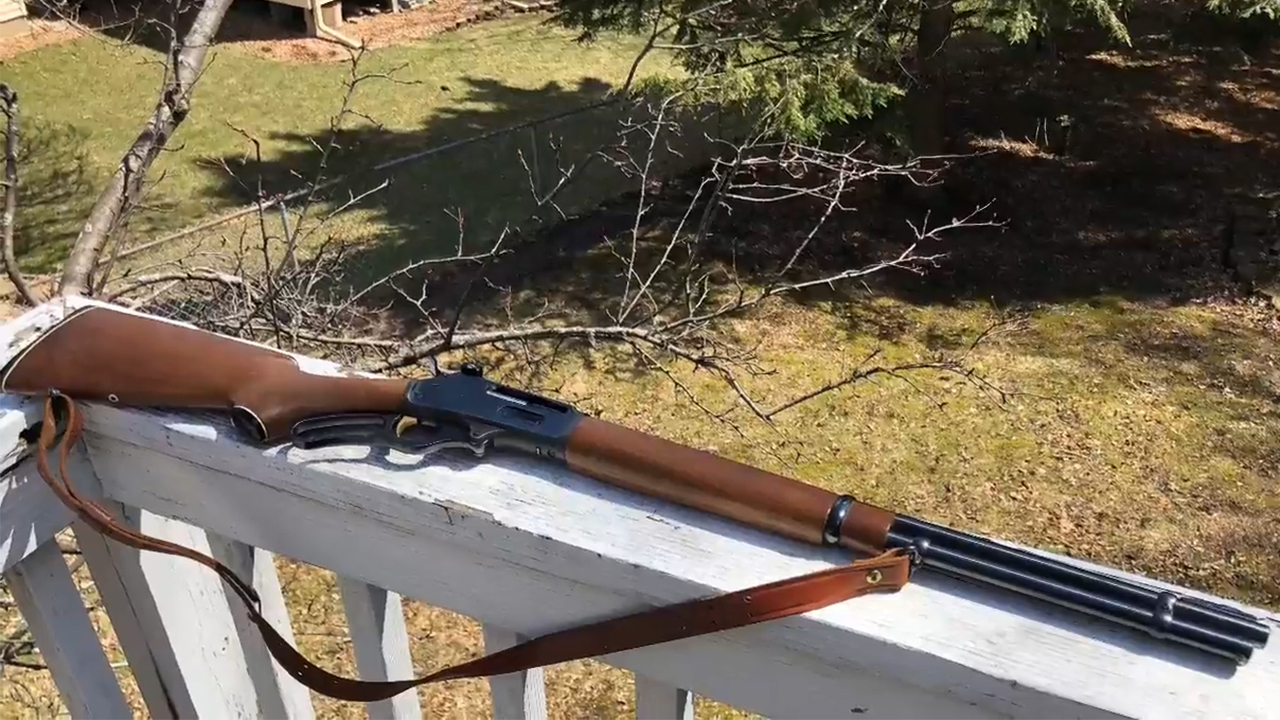
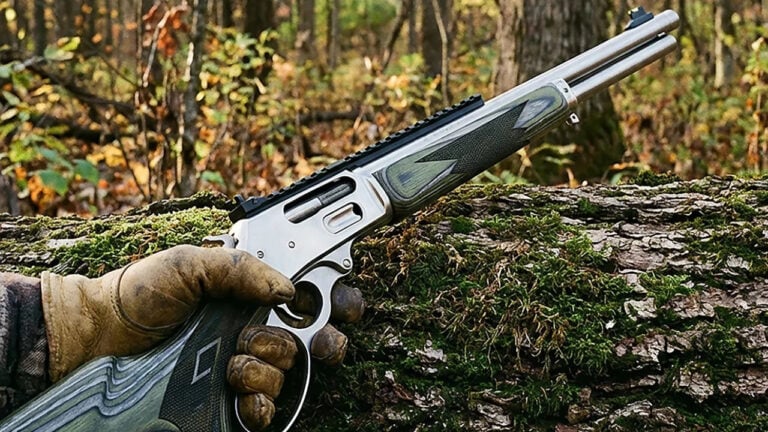
Back then, lever guns were everywhere, and a clean 336 wasn’t a “case queen” purchase. It was a deer rifle you leaned in the corner and wiped down with an oily rag when you remembered.
The older JM-marked guns have a feel to them—slick lever throw, honest bluing, and wood that doesn’t look like it came off a pallet. They point fast in the timber, carry flat in the hand, and they just keep working. Watching what these go for now, compared to what they were, is one of those slow-burn regrets.
2. Ruger GP100 (4-inch stainless)
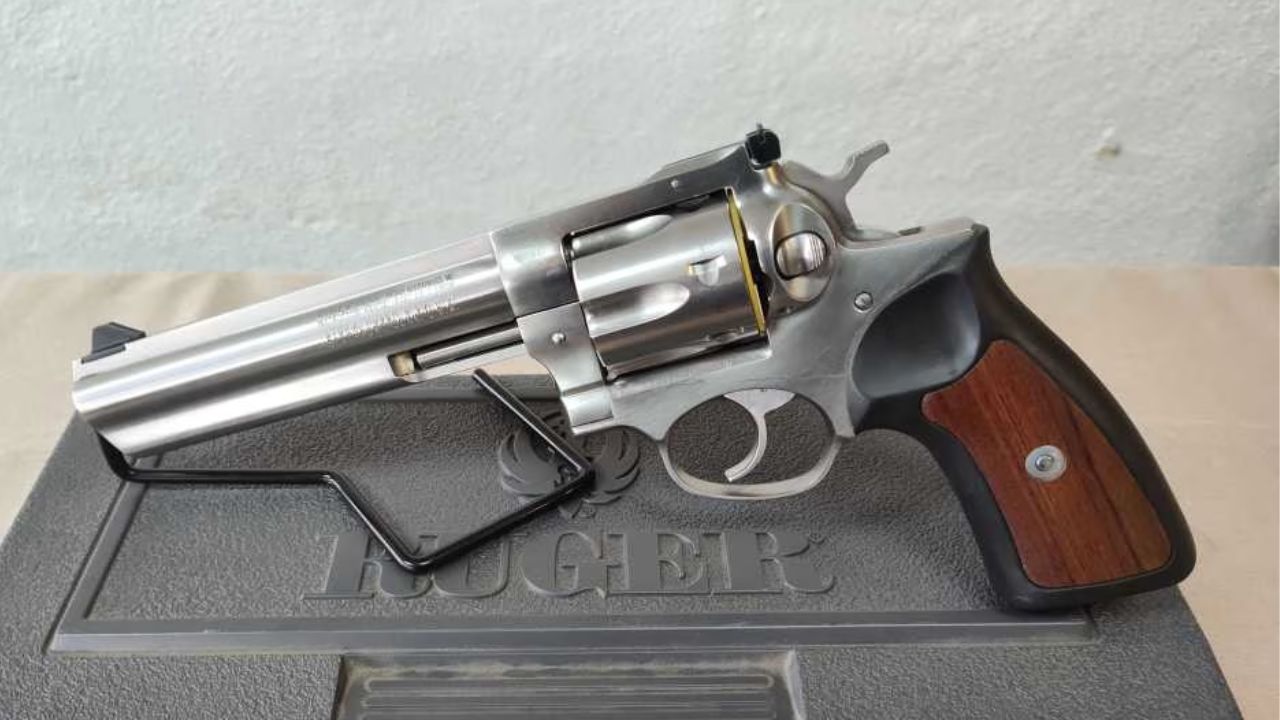
In 2010 you could still treat a GP100 like a tool. Buy it, shoot it a lot, maybe stuff it in a chest holster while checking fence or running a trapline, and not worry about “collector value.”
They’re heavy, sure, but that weight is why they shoot .357 the way it’s supposed to feel—firm, not punishing. Parts and grips are easy, and they don’t get finicky when they’re dusty or cold. A GP100 is boring in the best possible way.
3. Smith & Wesson Model 686 (no-lock examples)

I get why the 686 is a “prices go up” talking point. A good L-frame is the sweet spot: enough gun for real .357 use, but still sane to carry if you’ve got a proper belt.
The older no-lock guns are what everyone starts hunting when the market gets weird. Timing is usually solid, triggers can be excellent, and they’re the kind of revolver you keep for life if you’re smart. That one hurts because they used to be “just a 686.”
4. Glock 19 Gen3
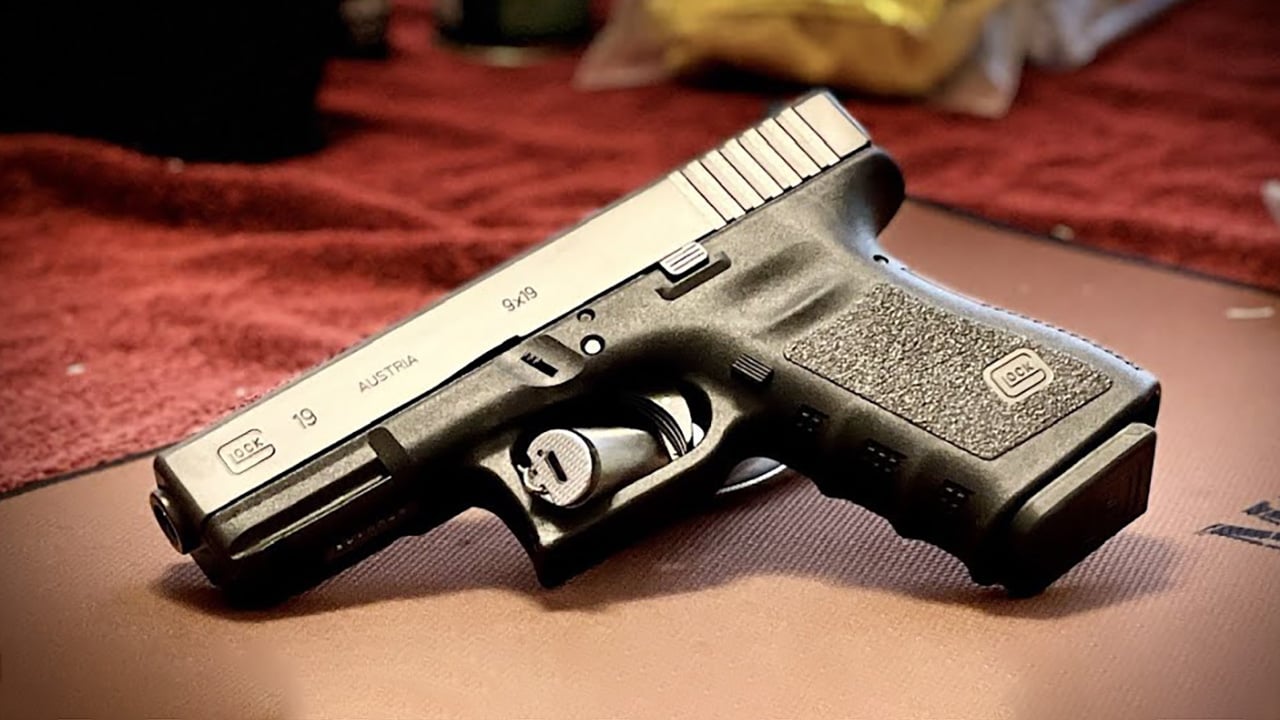
There are fancier pistols, and there are pistols with nicer triggers out of the box. The Glock 19 doesn’t care. It’s still the pistol that rides easy, shoots flat, and has magazines everywhere.
In 2010 the Gen3 was a no-drama purchase. Now it’s the reference point: what does it cost, what do mags cost, how hard are parts to find, and will it run when it’s dirty? When prices jump, folks suddenly remember how nice “common” really is.
5. Colt LE6920

For a long time the 6920 was the AR you bought when you didn’t want to guess. Not because it was magical, but because it had a track record and it usually ran the way a basic carbine should.
Every time AR prices go nuts, the same sentence comes out: “I should’ve bought a Colt when they were reasonable.” It’s not the only good AR, but it’s one of the clearest yardsticks, and that matters when panic-buying starts.
6. Ruger 10/22 Carbine (older basic models)
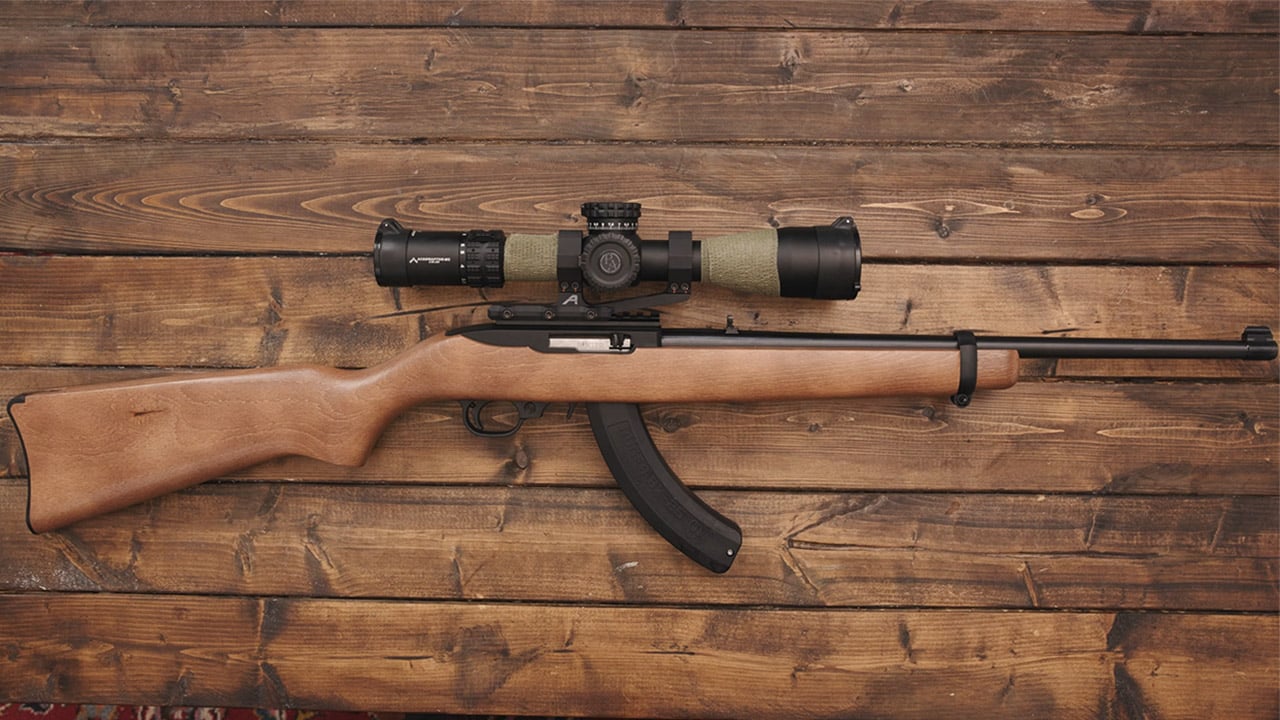
In 2010, a 10/22 was almost an afterthought. You’d grab one for squirrels, tin cans, and teaching kids. Then you’d realize it somehow ate half a brick of .22 every range trip.
They’re still around, but the old plain-jane carbines are what I miss—simple sights, light weight, and nothing “tactical” about them. Magazines are still everywhere, and they still do 90% of what a .22 rifle needs to do.
7. Remington 870 Wingmaster
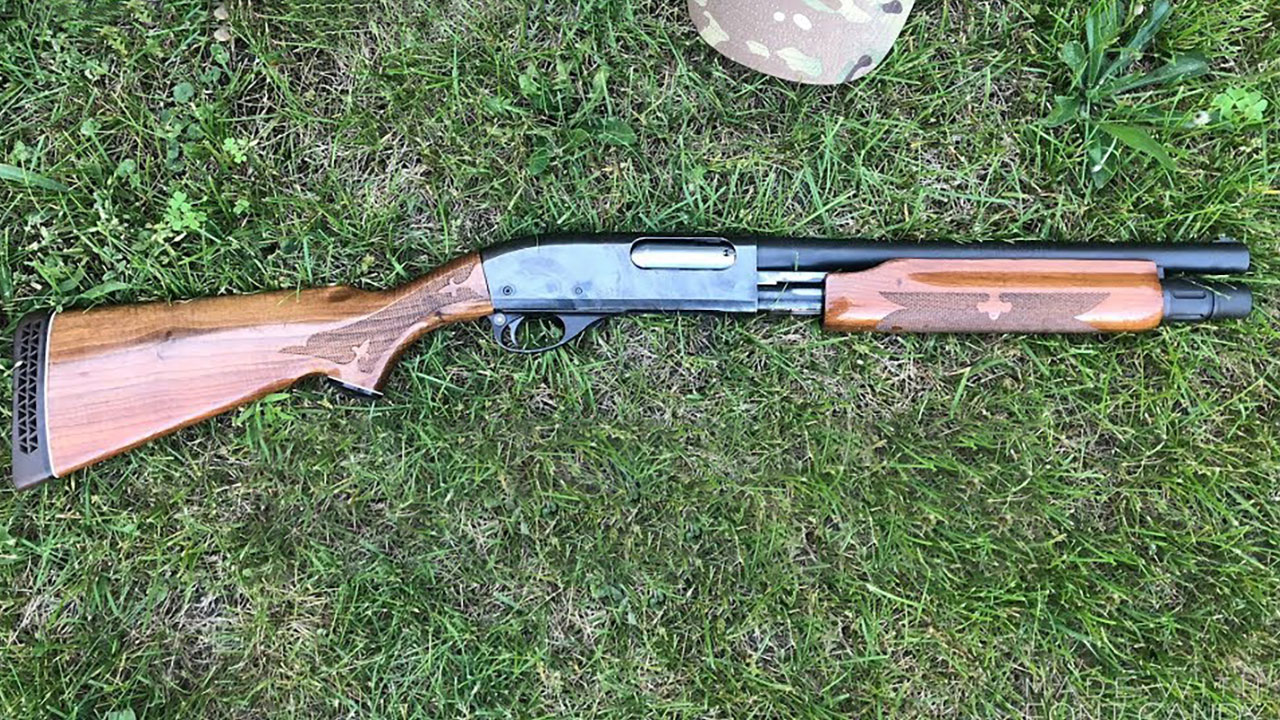
I’m not talking about the bargain-bin years. I’m talking about a real Wingmaster with that smooth pump stroke that feels like it’s on rails.
It’s the shotgun you can hunt with all morning and not feel like you’re dragging a fence post. They take abuse, they clean up easy, and there’s a reason so many old 870s are still riding in truck racks and leaning behind doors. When prices go up, people stop taking them for granted.
8. Mossberg 590A1
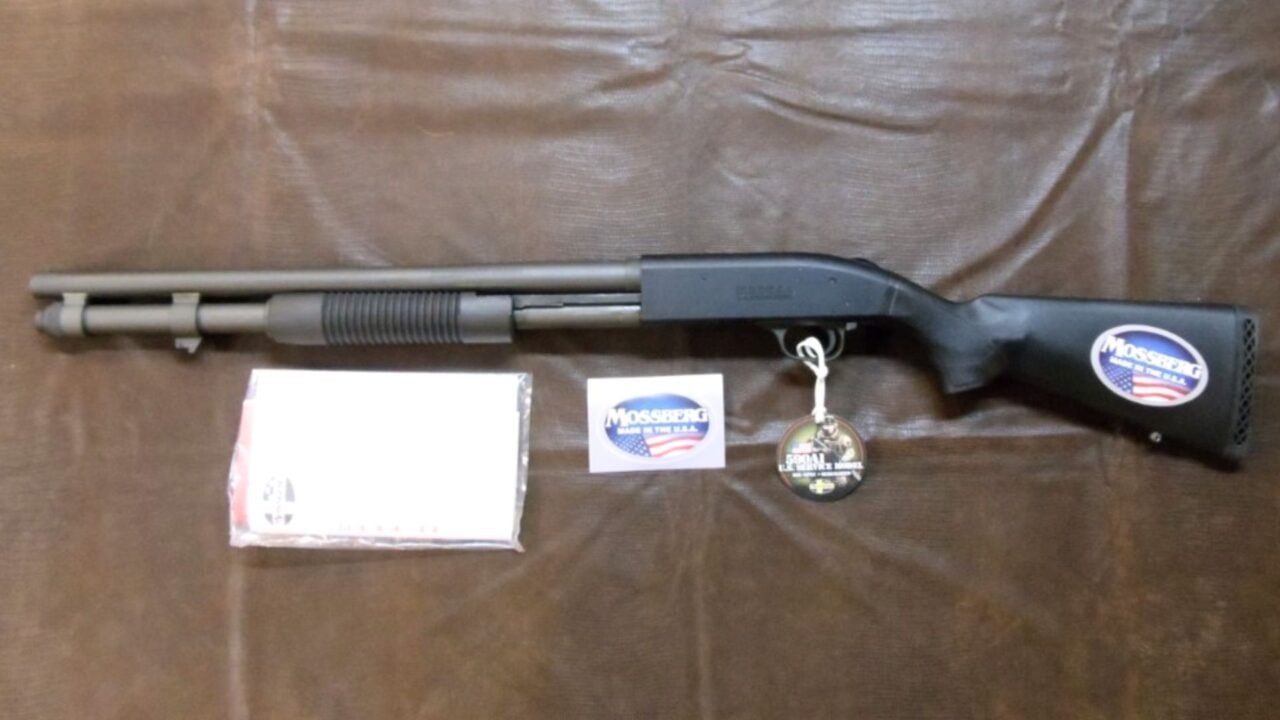
The 590A1 has never been “pretty,” and that’s fine. It’s a working pump gun with a safety you can run with gloves and an attitude that says it doesn’t care about your feelings.
In a world where everything gets branded and upsold, the 590A1 is refreshingly straightforward. When shotgun prices spike, this model stays on the short list because folks trust it to feed, fire, and not fall apart if it rides behind a seat for years.
9. Ruger Mini-14 (580-series and up)

There was a time the Mini-14 was just the ranch rifle you bought because it handled nice and didn’t look like anything scary. Then the world changed, and suddenly everyone wanted one yesterday.
The later 580-series guns shoot better than the old pencil-barrel reputation suggests. They carry like a dream, balance well one-handed, and they’re handy in a truck. The sting is magazines: factory mags aren’t cheap, and when demand hits, they vanish fast.
10. Norinco SKS (Type 56)
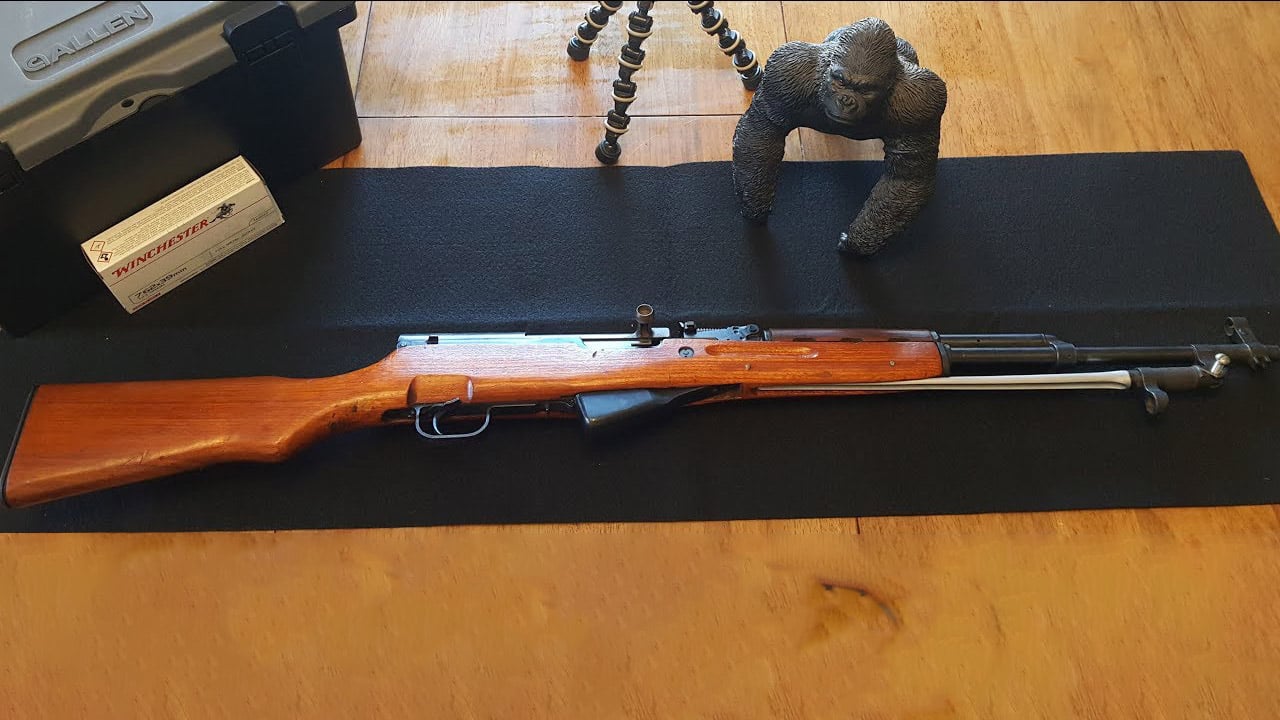
If you were around in 2010, you saw SKSs stacked like cordwood. Not pristine, not fancy, just honest surplus with cheap ammo and a fixed magazine that kept things simple.
Now the same rifles are treated like “investments.” The SKS is still a chunky, reliable carbine with mild recoil and decent accuracy for what it is. What changed is the supply and the mood of the market.
11. Century Arms WASR-10

WASRs used to be the AK you bought because you wanted an AK and you didn’t want to baby it. Some were rough, some had canted sights, and you learned to inspect before you paid.
Even with the rough edges, a good WASR runs. Mags are common, parts are common, and it’s the rifle that keeps chugging when it’s filthy. When prices jump, folks remember the days of grabbing one and a case of ammo without sweating it.
12. Ruger SP101 (2.25-inch)
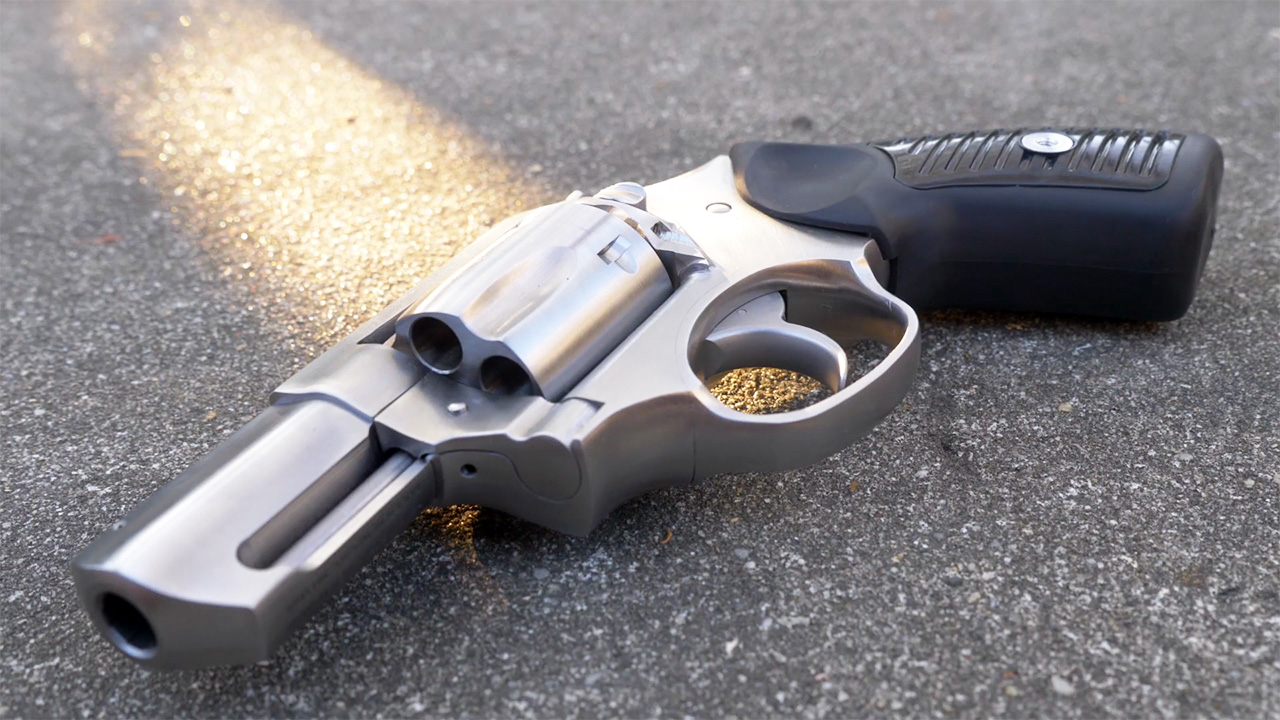
This is one of those guns that doesn’t impress anyone on the internet. Then you actually carry it. It’s small enough to live on your belt, but stout enough that .357 isn’t a joke.
The SP101 is also the revolver you can hand to somebody without a long speech. It’s simple, safe, and built like a little tank. They aren’t rare, but the “I should’ve bought one when they were cheaper” talk never goes away.
13. Smith & Wesson Model 10 (police trade-ins)
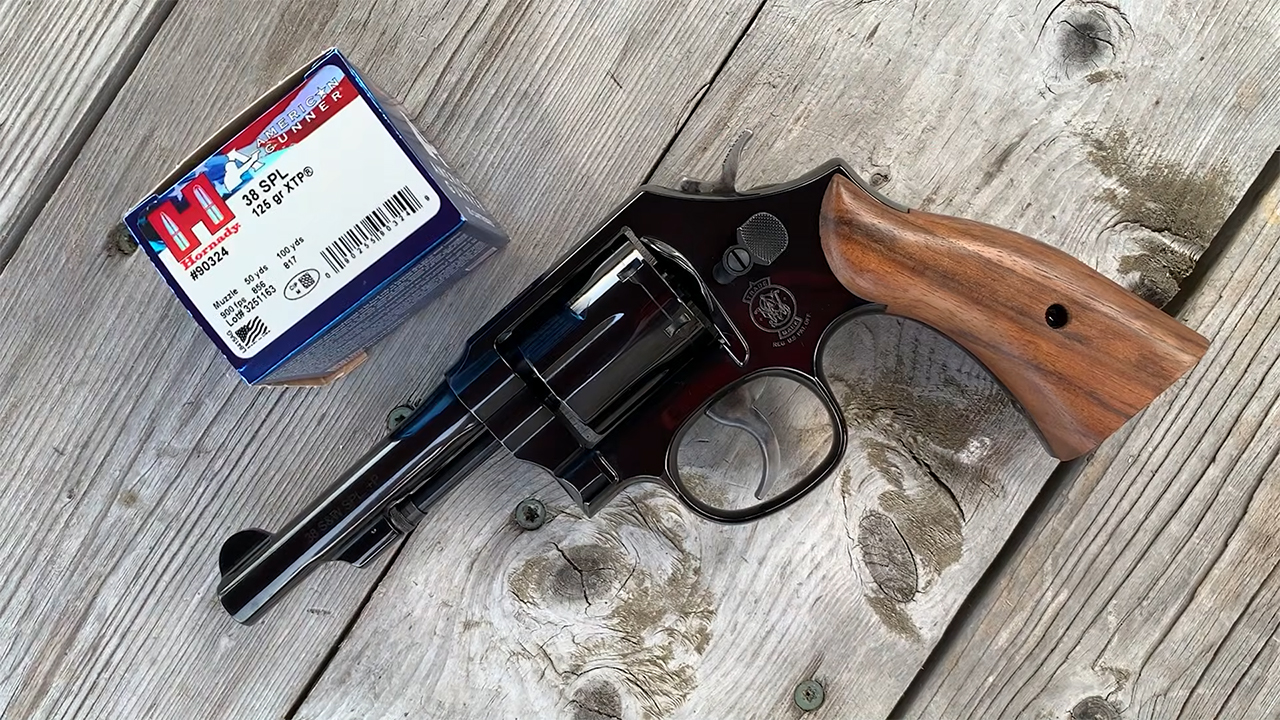
Those old trade-in Model 10s were one of the best buys going. Worn holster bluing, smooth actions, and they shot better than they looked.
You could put a set of grips on one, feed it .38s, and you had a solid nightstand gun or trail-side companion. Now, even beat-up examples get scooped up fast because folks finally realized what they were: honest revolvers from a time when everything didn’t feel disposable.
14. CZ 75B

The CZ 75B is a shooter’s pistol that somehow stayed a “secret” for years. It fits hands well, points naturally, and the steel frame soaks up recoil like it was designed by somebody who actually shoots.
In 2010 they were a smart buy for the money. Now they’re still not outrageous, but they climb whenever the market tightens. Magazines are usually easy, accuracy is solid, and if you like DA/SA, it’s hard not to respect what CZ did here.
15. SIG Sauer P226 (German-frame or early U.S.)
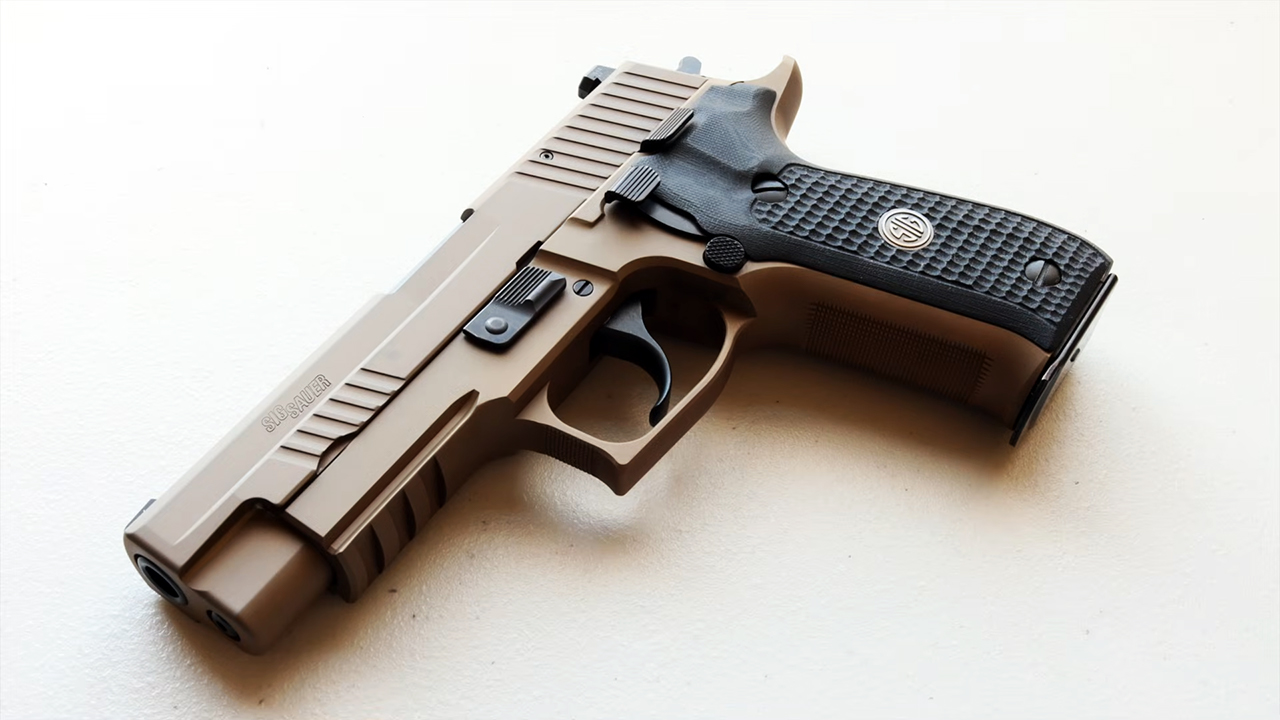
There’s a reason the P226 has a reputation. The slide rides smooth, it tracks well in recoil, and it feels like a duty pistol from the days when duty pistols were built to last.
When prices get goofy, folks start looking at what’s “worth it,” and the P226 always makes the conversation. Not because it’s light—it isn’t—but because it’s dependable and easy to shoot well if you put in the reps.
16. Beretta 92FS

I’ve watched guys swear they don’t like the 92, then shoot it and quietly change their mind. The recoil impulse is soft, it cycles smooth, and it’s forgiving when your grip isn’t perfect.
It’s big, and the safety/decocker isn’t everybody’s favorite. Still, when the market gets tight, the Beretta stays relevant because magazines and parts are everywhere and the guns run a long time. The current prices make old “I’ll grab one later” decisions feel real dumb.
17. Springfield Armory M1A Standard
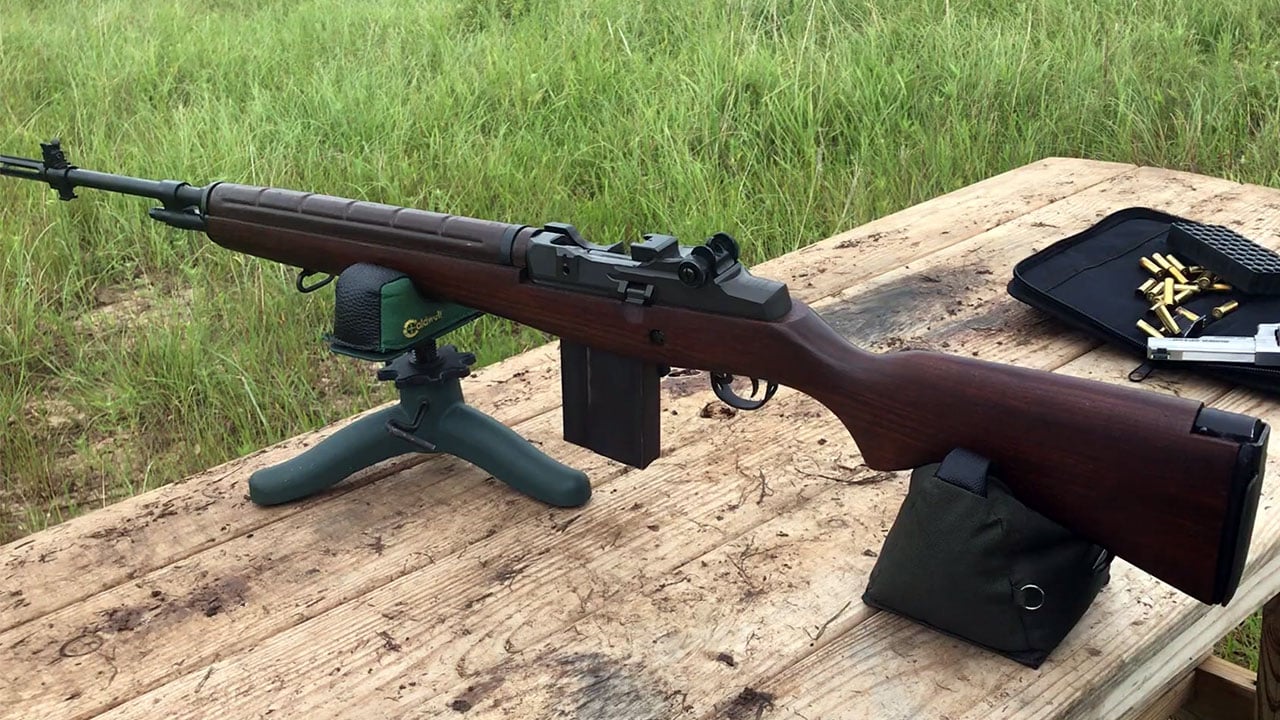
The M1A isn’t a light rifle and it isn’t cheap to feed. But it’s one of those rifles that makes you slow down and shoot like you mean it.
Back in 2010, you could find a standard model without feeling like you were buying a museum piece. Now, every time .308 rifles get talked about, the M1A comes up along with the sticker shock. There’s nostalgia in it, sure, but it’s also just a capable rifle with a feel you can’t fake.
18. Savage Model 10/110 (basic hunting configurations)

The Savage rifles of that era weren’t glamorous. They were the guns you bought because you wanted accuracy without paying for a fancy rollmark.
AccuTrigger or not, a lot of them shot lights-out with regular hunting ammo. They’re easy to live with, easy to mount optics on, and they kill deer just as dead as anything wearing a designer stock. When prices climb, the “plain rifle that shoots” becomes everybody’s friend.
19. Tikka T3 Lite

That Tikka bolt lift is slick, and if you’ve carried one up a ridge all day, you understand why folks like them. Light enough to hunt hard with, accurate enough that you don’t have to make excuses.
In 2010, they were a smart buy that some guys overlooked because they weren’t loud about it. Now the word is out. When prices rise, it’s one of the first “if you see one, don’t wait” rifles I hear mentioned.
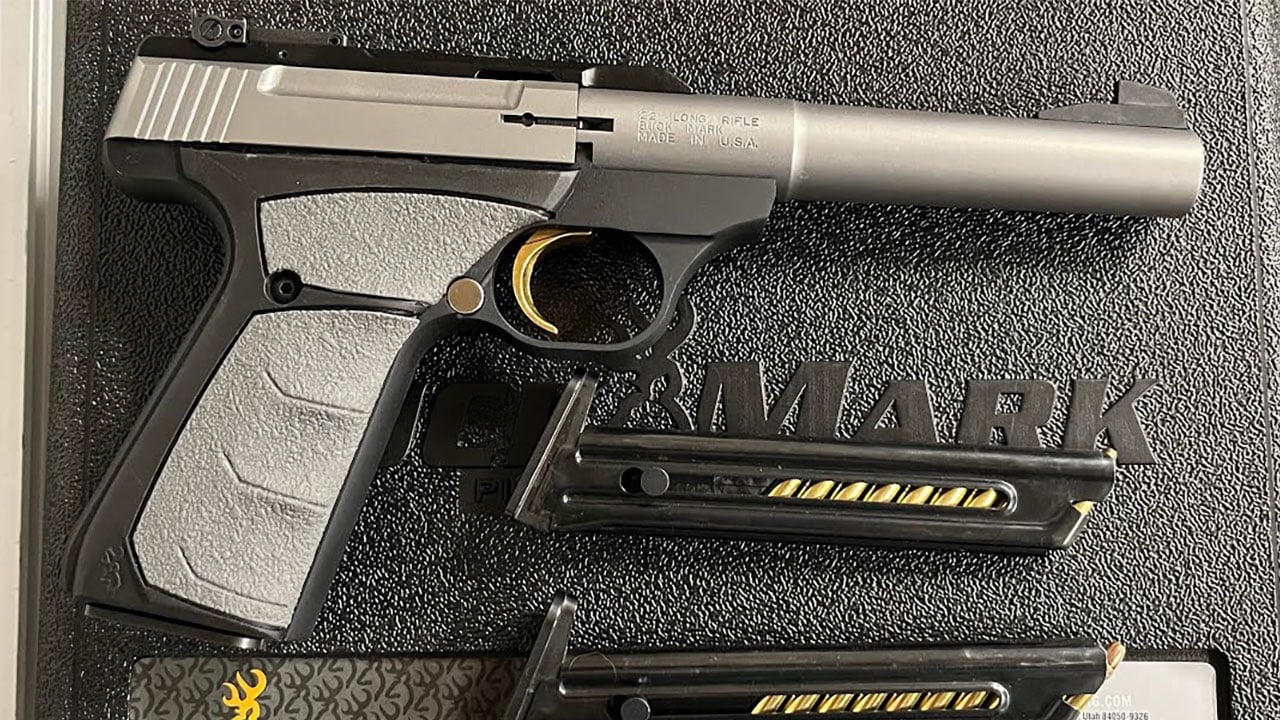
20. Browning Buck Mark (Camper/Standard models)
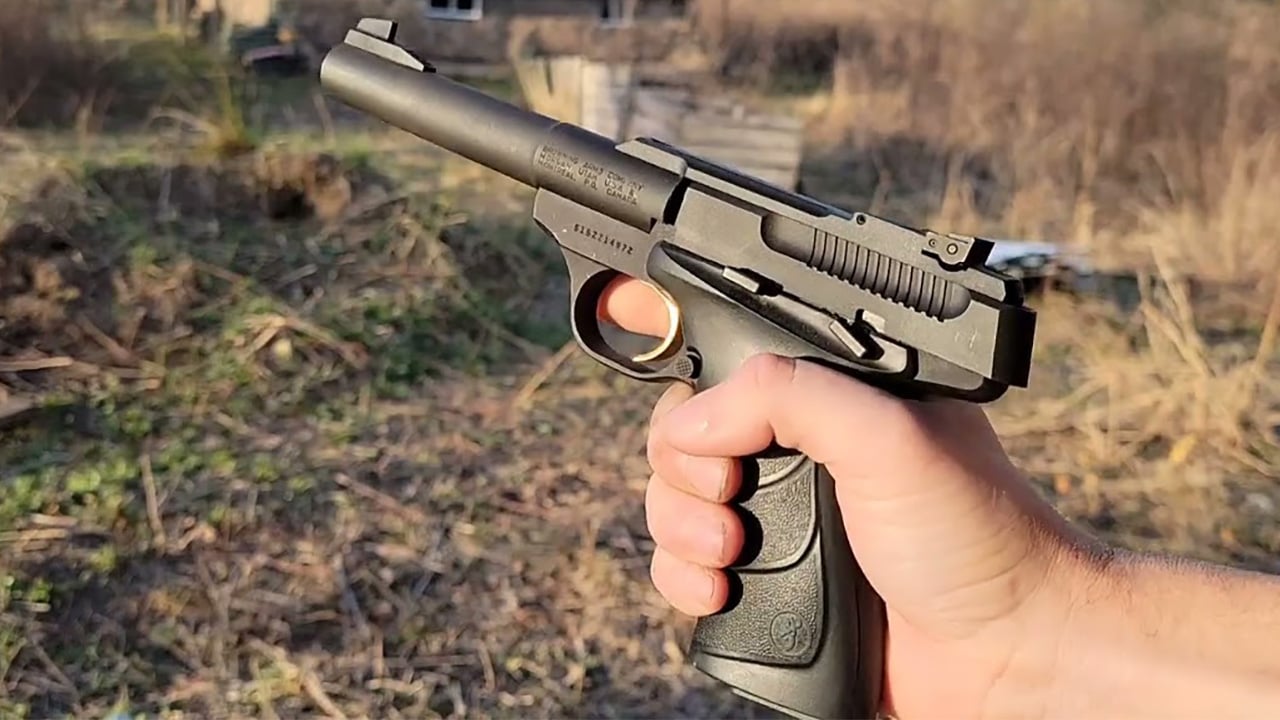
The Buck Mark has always been one of those .22 pistols that just works. Good trigger, good balance, and it will make you look like a better shot than you are on a lazy afternoon.
It’s not the newest hotness, and it doesn’t need to be. When .22 pistols start creeping up in price, the Buck Mark gets brought up because it’s a real shooter, not a novelty. If you’ve ever gone looking for one right when everyone else is looking, you know how fast they disappear.
If you notice a pattern here, it’s not “buy whatever is trendy.” It’s that the boring, proven stuff becomes exciting when it’s scarce. If you’ve got one of these and it runs, take care of it, feed it decent ammo, and don’t be too quick to trade it off for something shiny. Ask me how I know.
Like The Avid Outdoorsman’s content? Subscribe to our newsletter so you never miss an article.
Here’s more from us: