Photo credit: mixup98/Youtube
You can learn a lot about a shotgun from a clean range day and a slick little video. You can also learn the wrong lesson. The real test is cold rain blowing sideways, gloves on, shells damp from living in a pocket too long, and a dog shaking water on everything you own.
This isn’t a “these guns are junk” list. A bunch of these are solid shotguns in the right lane. The problem is when a gun looks like a star on a sunny day and then turns picky, sluggish, or downright miserable once the weather turns and the pace picks up.
1. Mossberg 590 Shockwave

It films great. Short, loud, and “tactical” in a way that makes folks want to buy one just because it looks handy. In real weather, a lot of guys find out quick that it’s harder to control with wet hands and layers than it is on the indoor lane.
Add cold fingers and a stiff action, and you’re not cycling it like you thought you would. It can be reliable, sure, but the format isn’t forgiving when you’re not perfectly braced and perfectly focused.
2. Remington 870 Express (rough-chamber years)

There are 870s that have earned a lifetime of respect. Then there are certain Express guns that start acting like they don’t want to let go of a fired hull once things get damp or dirty. Ask me how I know.
When it’s dry, you don’t notice much besides a gritty feel. When it’s wet and you’ve fired a few boxes, that sticky extraction becomes the whole story, and the “simple pump gun” suddenly isn’t simple.
3. Turkish M4-style clones (various import brands)

These are the kings of “looks awesome on camera.” Big controls, rail space, ghost rings, and the vibe of a serious semi-auto for a fraction of the price. Then the temperature drops and the gas system gets finicky with bargain birdshot.
Parts support and consistency are the real issue. Some run, some don’t, and when they don’t, it’s always when you’re cold and rushed and trying to get back on a flock or finish a muddy walk to the truck.
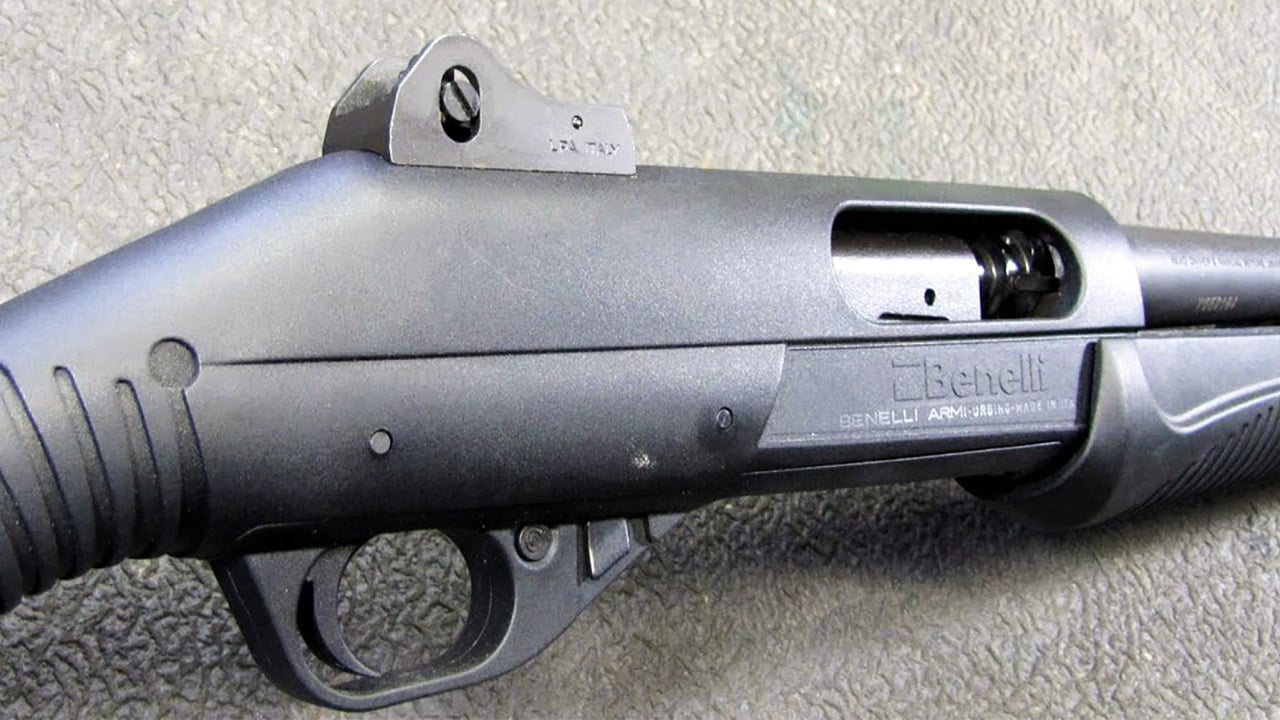
4. Benelli SuperNova Tactical (with lots of add-ons)
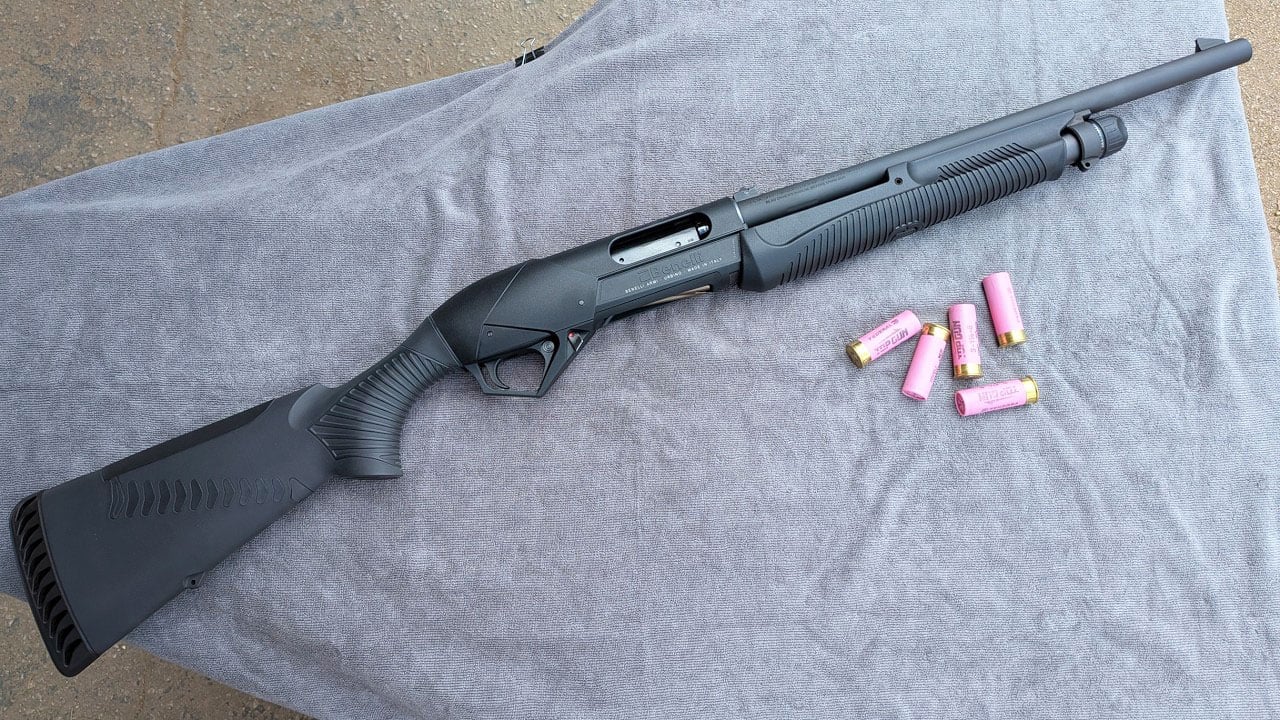
The SuperNova is tough, and I’m not calling it fragile. But the “video build” version with side saddles, big lights, and extra weight forward can turn into a different gun in freezing rain. Everything feels heavier, slower, and more awkward with gloves.
That long pump stroke isn’t a problem until you’re bundled up and your sling and jacket keep catching. It’s not failure like “it broke,” it’s failure like “it’s a chore now.”
5. Winchester SXP (waterfowl versions with tight tolerances)
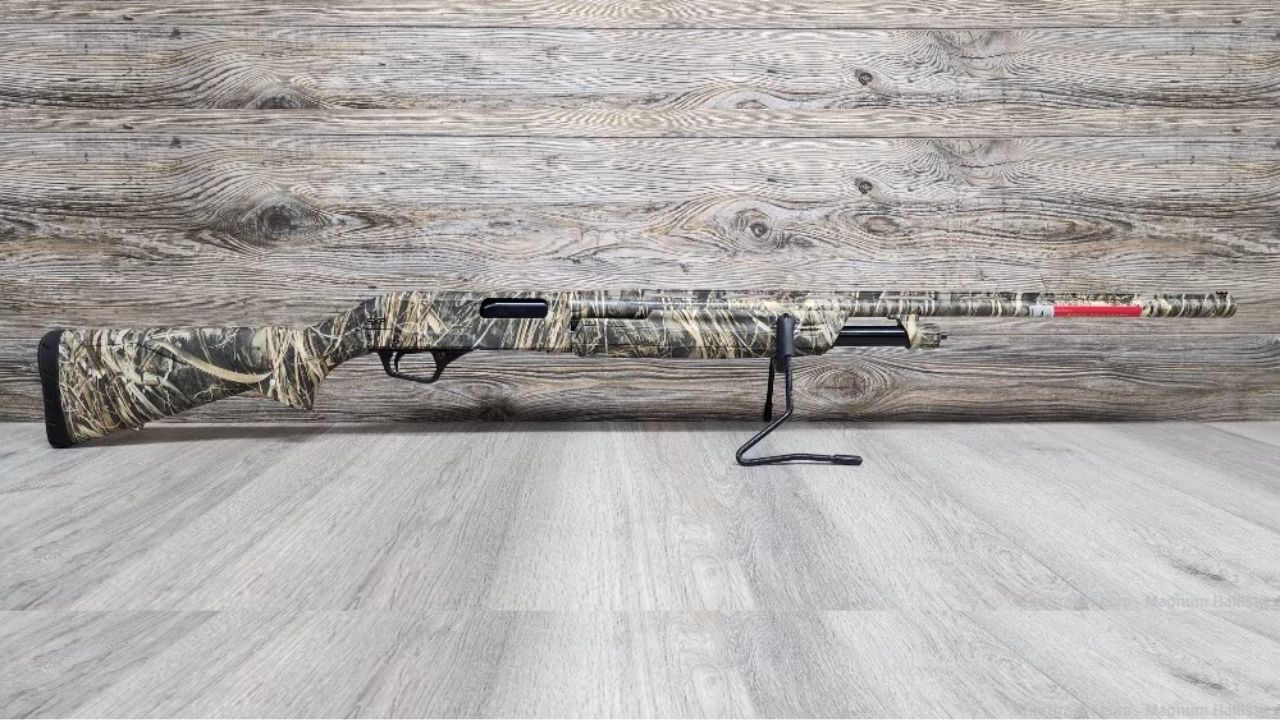
The SXP is fast, and that speed sells it. In nasty conditions, that same fast action can feel a little less controlled when you’re running it with wet gloves and trying not to short-stroke.
I’ve seen them start feeling “gravelly” after a muddy sit in the blind. Keep it clean and it’ll do fine, but if you’re the guy who treats a shotgun like a shovel, this one can punish that habit.
6. Beretta A300 Outlander (neglected in cold, wet hunts)

The A300 line has a good reputation, and it’s earned. The problem is that a lot of owners treat it like a magic semi-auto that doesn’t need attention. Cold rain, unburnt powder, and a gummy bolt can make it run sluggish.
Light loads plus a dirty gun in cold air is a bad mix. When it’s running, it’s smooth. When it isn’t, you’ll wish you’d brought the plain pump you left in the safe.
7. Remington Versa Max (great… until it’s full of grit)

When these are clean, they’re soft shooting and easy to like. They also have a reputation for being more maintenance-sensitive than some folks admit, especially when the marsh is throwing sand into every moving part you own.
The gas system can take a lot, but it doesn’t like being ignored. If your hunts involve crawling into layout blinds and eating windblown grit all morning, keep up with it or it’ll make you pay.
8. Franchi Affinity (stiff in the cold for some shooters)

The Affinity carries nice and points quick, which is why it shows up in so many “best shotgun” clips. In cold weather, some shooters notice the inertia system can feel less forgiving with very light loads, especially if their mount gets sloppy in heavy clothing.
It’s not that it can’t run. It’s that the margin shrinks when you’re layered up and not locking it into your shoulder the same way you do on a September dove field.
9. Benelli M2 (set up too light for real weather)
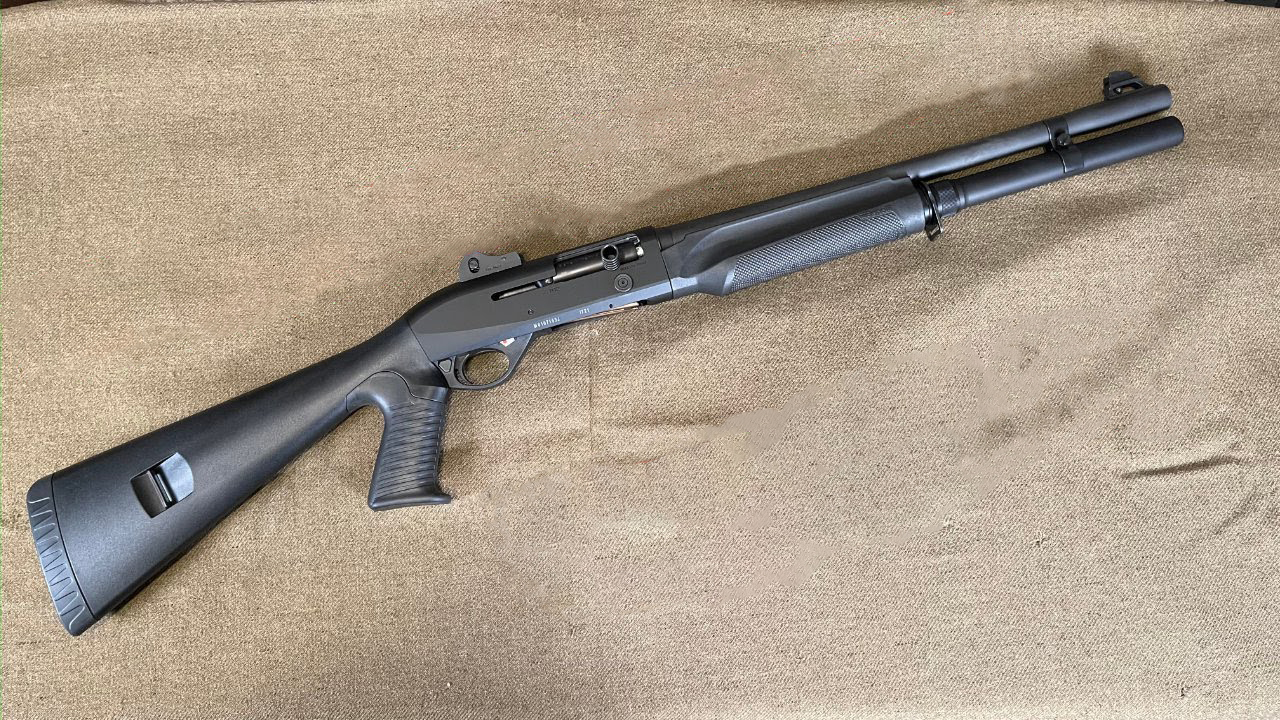
The M2 is a workhorse. The issue is what people do to it chasing a certain look and feel—super light components, extended controls, and “competition” setups that are fun until the rain comes and everything is slick.
When your hands are numb, tiny changes in how you shoulder an inertia gun matter. If your setup depends on perfect form, it’s going to humble you in a sleet storm.
10. Stoeger M3000 (hit-or-miss when it’s truly cold)

I get why these sell. They’re affordable, they look like the guns everyone wants, and some of them run for years. But I’ve watched enough of them get sluggish with light loads in cold weather to be cautious.
If you keep it wet and dirty and then expect it to cycle bargain shells when it’s 20 degrees, you might get a one-shot semi-auto for the morning.
11. CZ 1012 (when the “simple” gas system gets sticky)
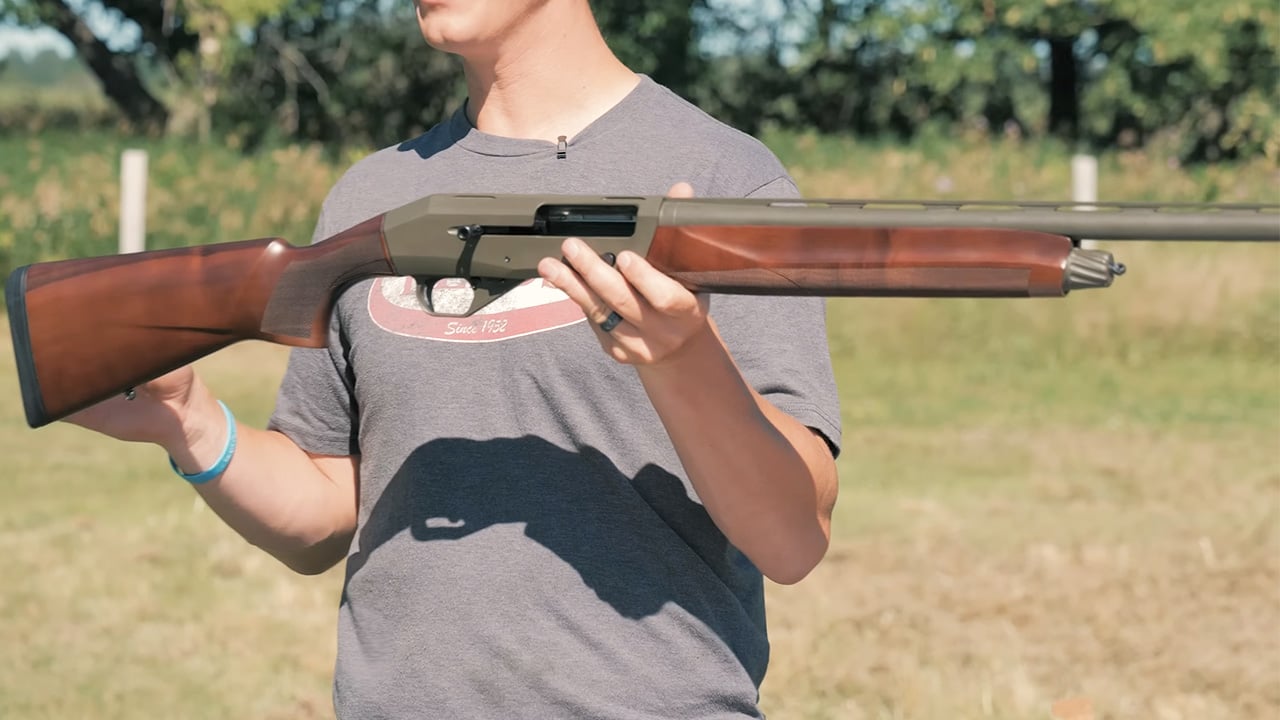
The 1012 has a following, and plenty of them do fine. But I’ve seen a few that didn’t love wet, dirty hunting—especially once moisture and crud mixed into a paste inside the action.
On video, it’s smooth and modern. In the field, you find out whether your cleaning habits match your hunting habits. If not, you’ll be clearing issues instead of calling shots.
12. Browning A5 (inertia gun, great until the mount changes)
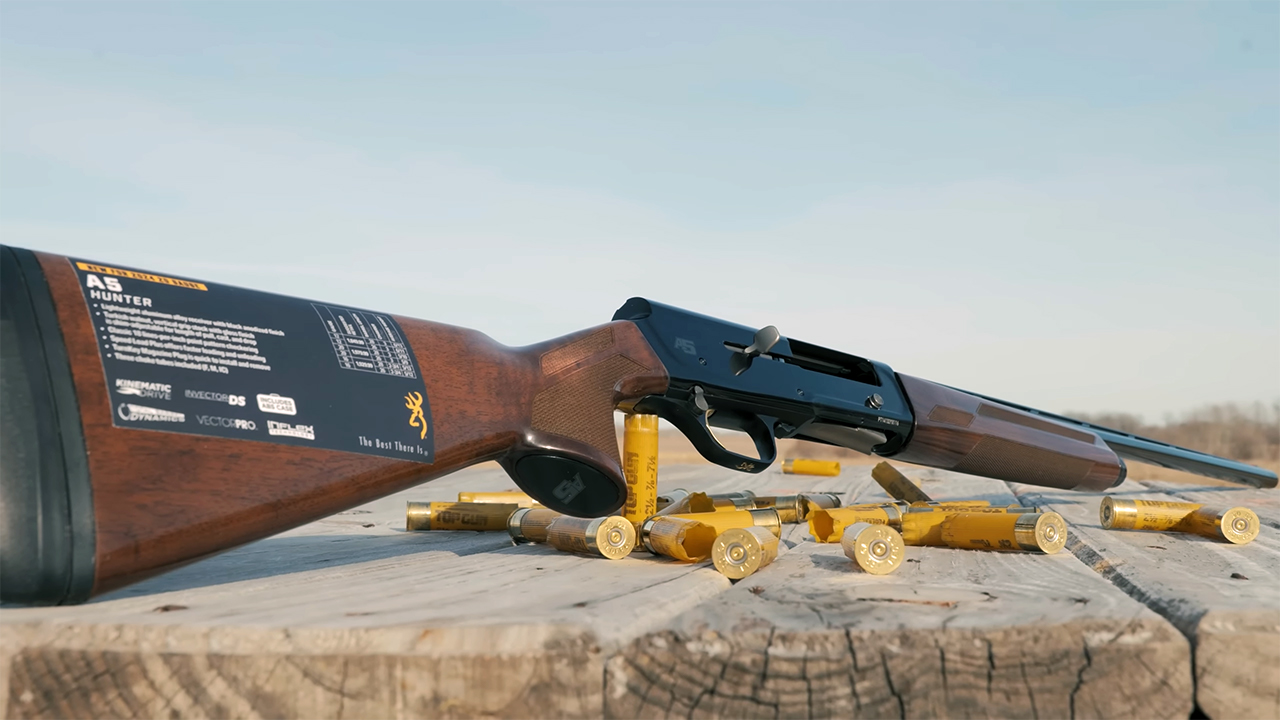
The new A5 is slick, and it’s a dream to carry. The catch is the same inertia reality: you need a solid mount. Heavy coats, awkward shooting angles, and rushing a follow-up shot can turn “runs forever” into “why didn’t it cycle?”
This isn’t a design flaw so much as a real-world mismatch. If you’re always shooting from odd positions in thick cover, you might prefer a gun that doesn’t care how you’re braced.
13. Weatherby Element (budget inertia expectations vs. wet reality)
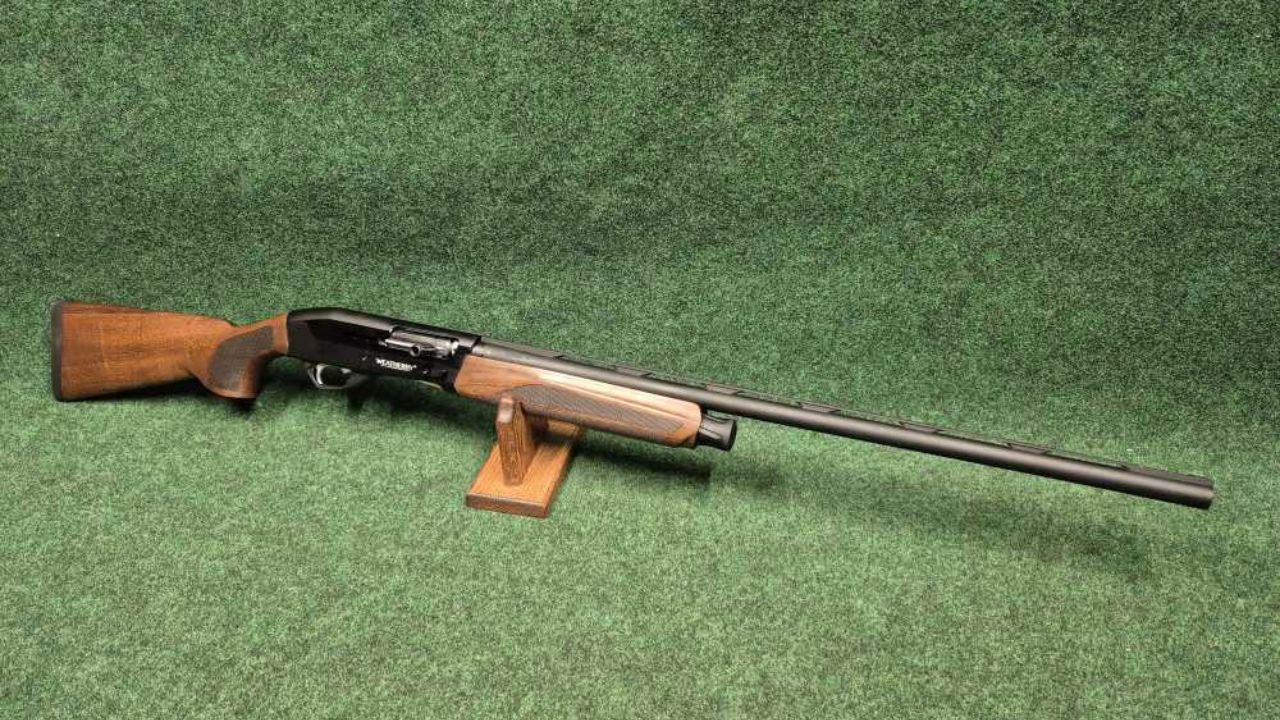
The Element is another one that looks like a lot of shotgun for the money. In decent weather, it can feel like you got away with something. When it’s cold and your ammo is light, the bargain inertia formula can show its limits.
Also, some of these ships with a “needs break-in” personality. That’s fine if you actually break it in before season. If you don’t, the first bad day outside becomes your break-in session.
14. Winchester SX4 (when the fancy coatings don’t save you from maintenance)
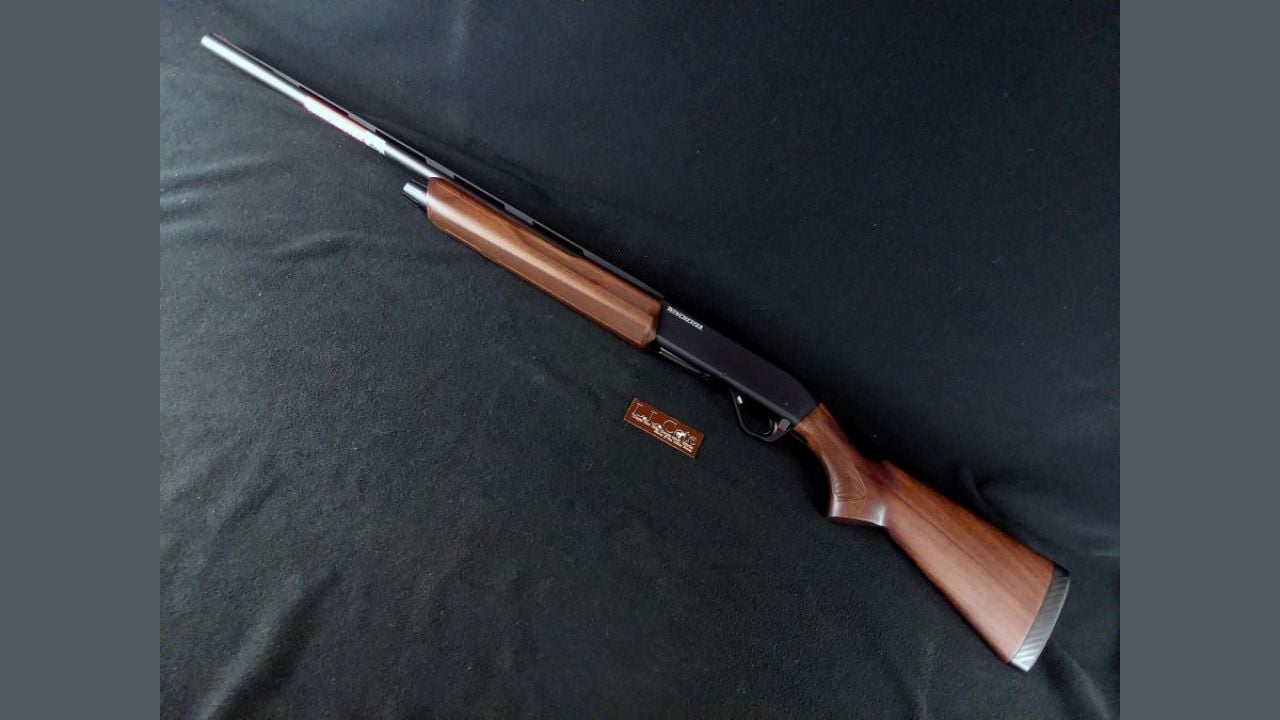
SX4s are popular for a reason—they’re soft shooters and they flat work when they’re kept right. The trap is thinking that coatings and marketing make them immune to freezing muck.
Wet snow that melts and refreezes around moving parts can slow any semi down. If you’re going to hunt hard weather, learn where the gunk collects and keep a basic field routine.
15. Beretta 1301 Tactical (fast gun, real weather exposes setup choices)
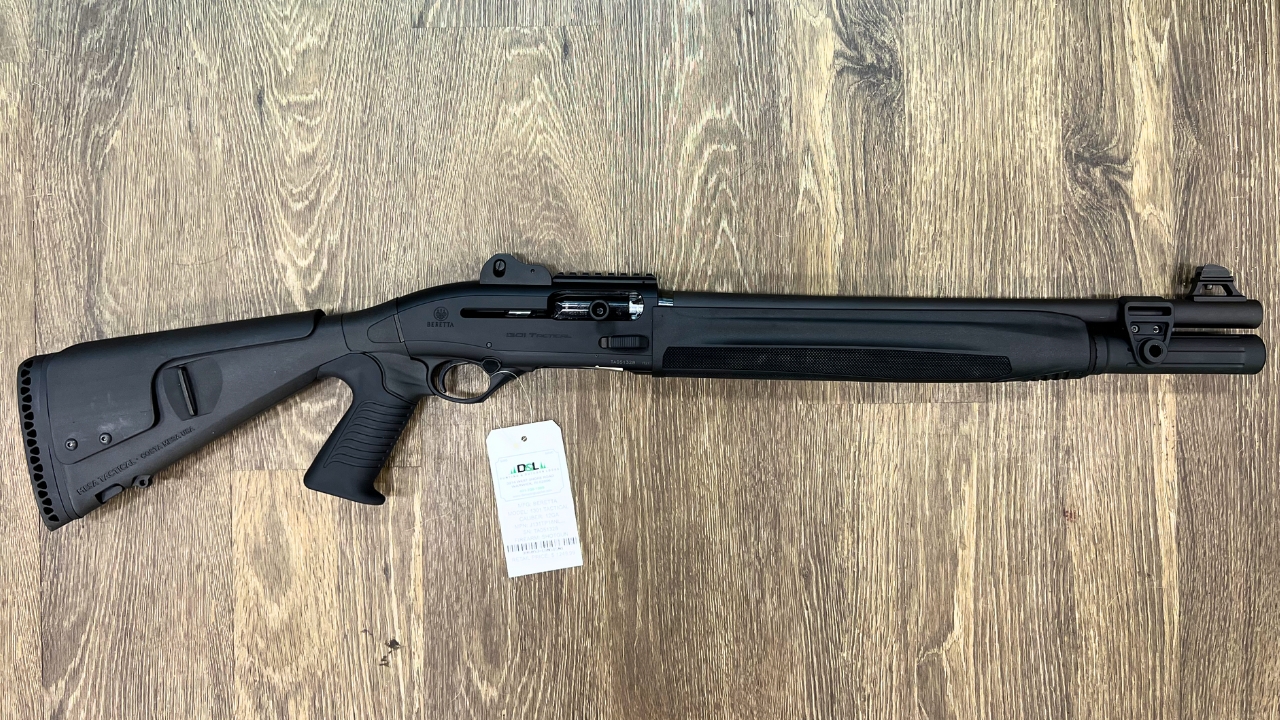
This one surprises people because the base gun is excellent. The “fails” part usually comes from the way folks set them up: oversized charging handles, tall optics, cheap mounts, and accessories that loosen when they get bounced around in a truck and soaked.
The shotgun is running fine, but your dot is flickering, your mount shifted, and your sling is tangled in your light cable. In bad weather, simple wins.
16. Mossberg 930 (O-rings, grime, and cold mornings)
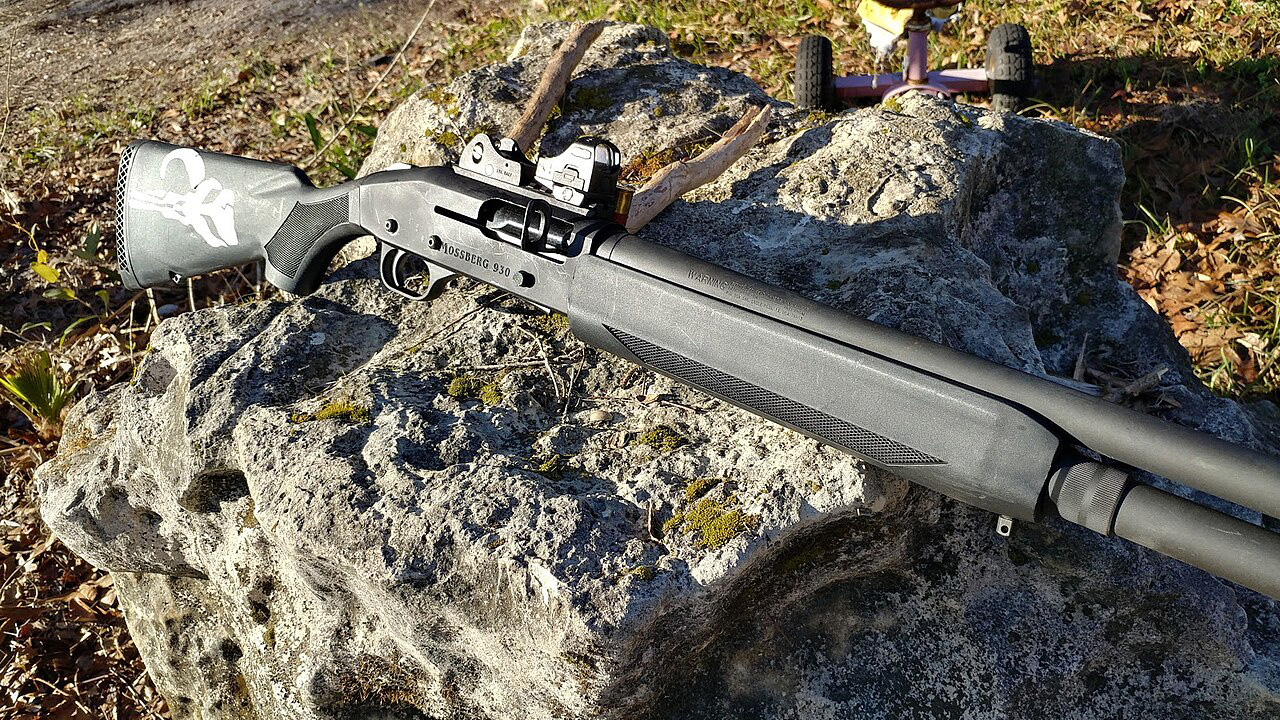
I’ve hunted with 930s that ran great. I’ve also seen 930s turn into single-shots because the owner didn’t stay ahead of the gas system and small wear parts. Cold mornings are where marginal maintenance gets exposed.
If you want a 930 to be dependable, it’s not rocket science, but it does require paying attention. Ignore it and it’ll pick the worst time to act up.
17. Remington V3 (runs soft, but doesn’t like being treated like a pump)

The V3 is a pleasant shooter, and it can be very reliable. The issue is when guys drag it through the same mud they’d drag an 870 through and then act surprised when a semi-auto feels the effects.
Moisture and grit in the action rails will slow things down. It’s a good shotgun, but it’s not a shovel, and the weather will remind you of that.
18. Charles Daly AR-12 / similar mag-fed semi-auto shotguns
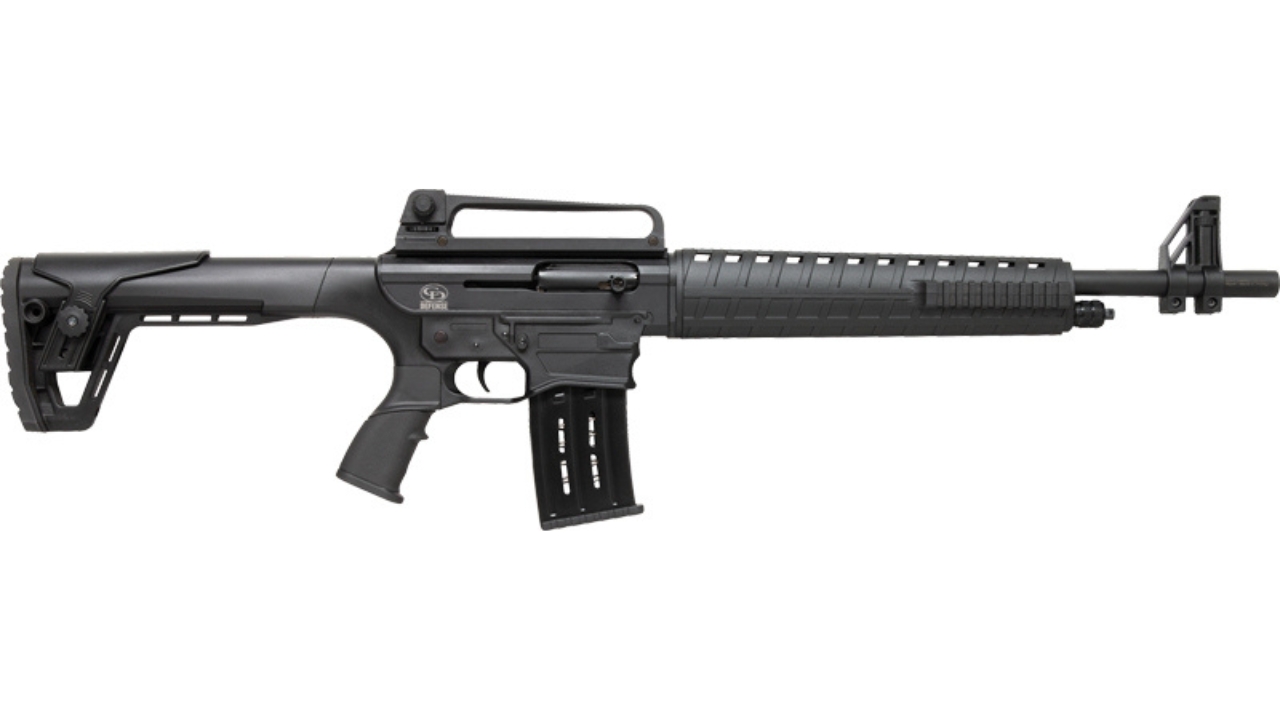
Mag-fed shotguns get clicks. They also bring a new set of problems once you add cold, wet hands and mud. Seating magazines fully, dealing with swollen shells, and keeping feed lips clean is a real thing.
On a dry range, you’ll think you’re set. In rain, you’ll learn why so many experienced bird hunters stick with tube guns that don’t care if your spare ammo got damp.
19. Kel-Tec KSG (cool design, not always cool to run in gloves)
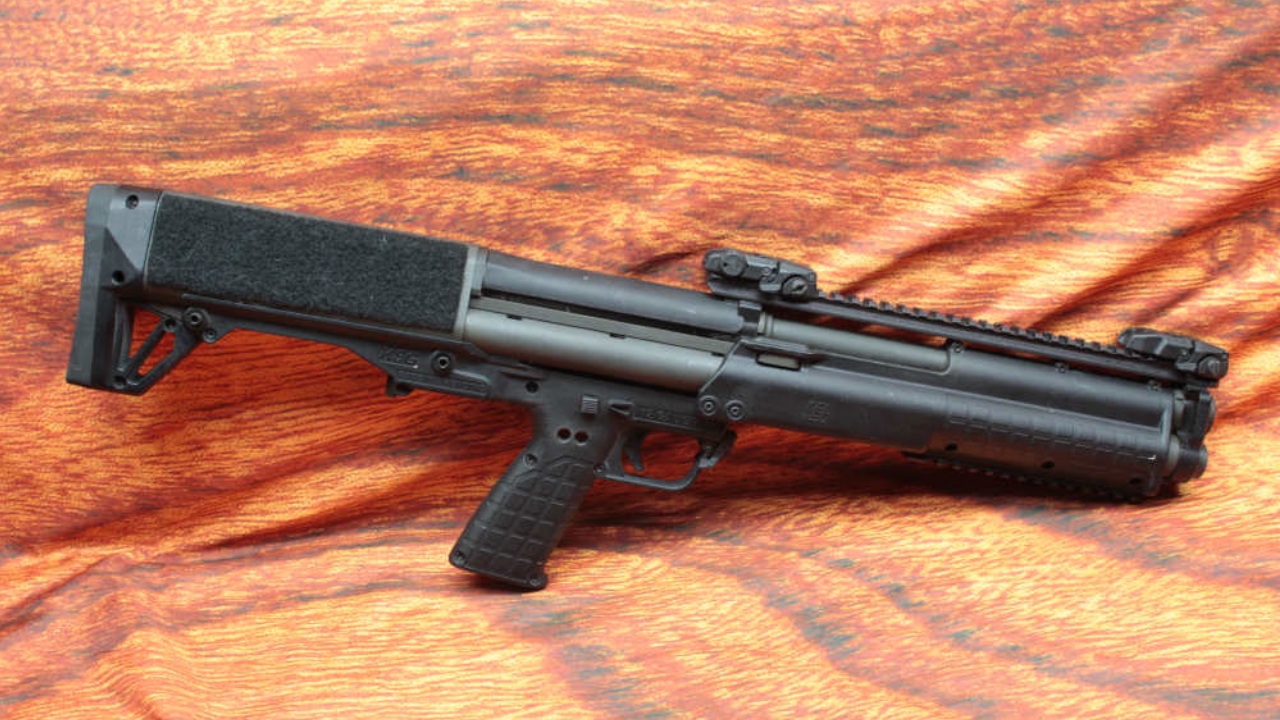
The KSG is one of the most “video-famous” shotguns ever made. Dual tubes, compact package, and it looks like it belongs in a movie. In real weather, the manual of arms can get clumsy, especially with thick gloves and cold fingers.
It’s also a gun where user-induced issues show up fast if you don’t run the pump hard and straight. When you’re tired and wet, perfect technique is harder to come by.
20. IWI TS12 (big, clever, and weather makes it feel even bigger)
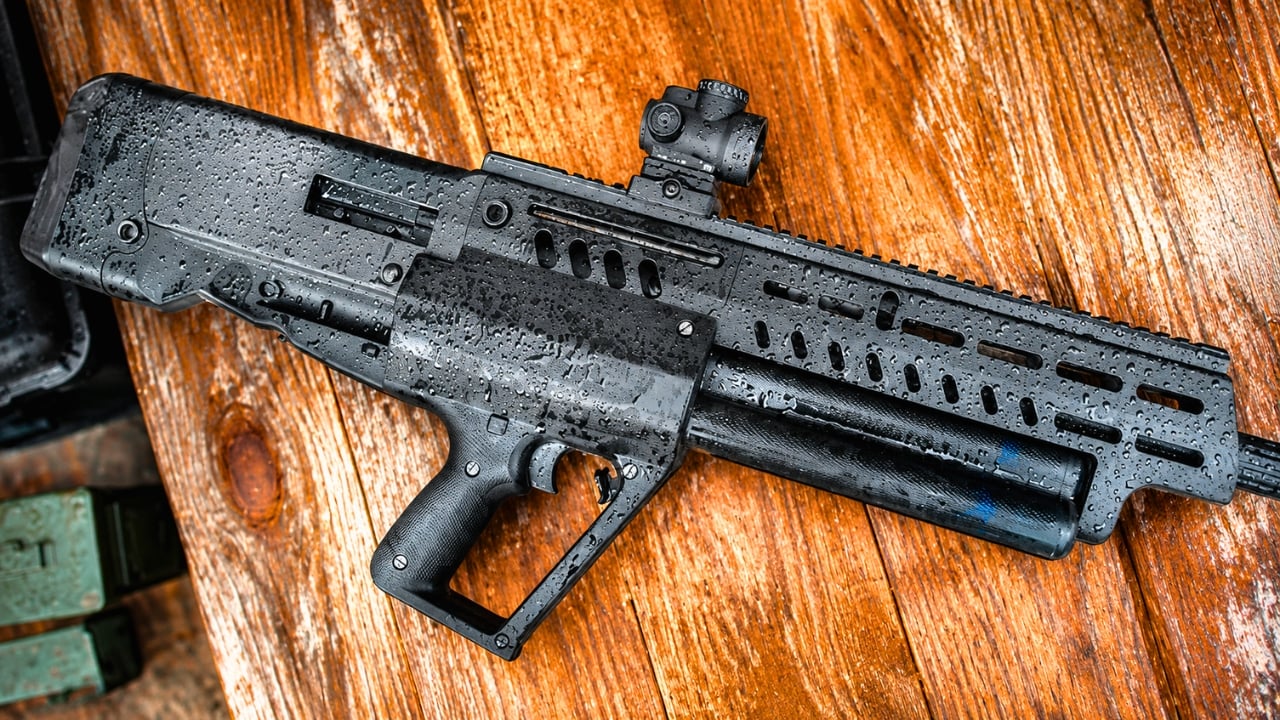
The TS12 is a neat concept, and it’s built better than most “space gun” shotguns. But the bulk is real, and bad weather makes bulk worse. Heavy coats, rain gear, and awkward footing all amplify how much gun you’re handling.
When it’s slick outside, simple controls and natural pointing matter more than capacity and cleverness. This is one of those guns that’s fun to own, but it doesn’t automatically become your best tool when conditions get ugly.
If there’s a theme here, it’s that weather doesn’t just test reliability. It tests handling, maintenance habits, and whether your setup is practical when you’re cold, wet, and trying to keep things safe. A shotgun that “runs” in perfect conditions can still be the wrong choice when you’re knee-deep in mud and the birds finally show up.
Like The Avid Outdoorsman’s content? Subscribe to our newsletter so you never miss an article.
Here’s more from us: