Photo credit: Jordi Mora/Shutterstock.com
Every hunter has at least one rifle that looked perfect in the store but quickly turned into dead weight in the gun safe. Sometimes it’s because the gun doesn’t live up to its reputation in the field, and sometimes it’s because the design is better suited for marketing than for hunting. Either way, there are rifles that get bought, tested for a season, and then quietly shelved. They may be too heavy, too finicky, or simply not worth the trouble when more reliable options are available. Here are rifles that many hunters admit they only carried once before moving on for good.
Mossberg 464

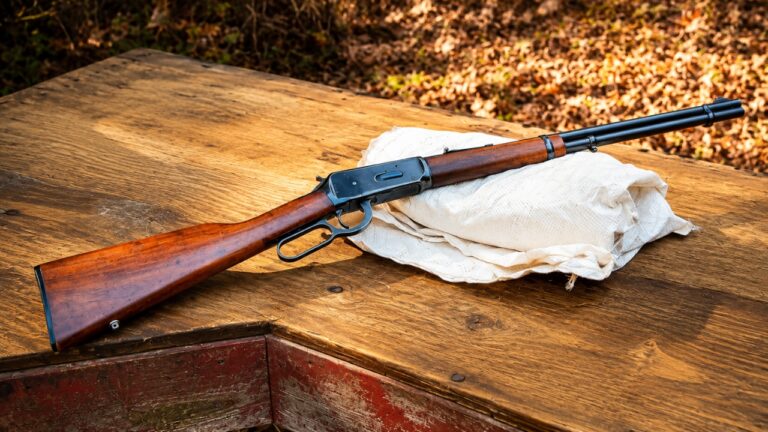
The Mossberg 464 was Mossberg’s answer to lever-action fans, but it didn’t win many hunters over. Compared to Winchester and Marlin lever rifles, the action feels clunky and less refined. Feeding issues are not uncommon, and accuracy isn’t on par with what most hunters expect from a rifle in this category.
The 464 also lacks the smooth cycling and handling that make lever-actions so popular for brush hunting. Hunters often gave it a chance for a season, then returned to more established models. While it had the right look, its performance left many first-time buyers disappointed enough to move on quickly.
Remington 742 Woodsmaster

At first glance, the Remington 742 Woodsmaster seems like an attractive semi-auto hunting rifle, but it has a long history of problems. The bolt rails wear quickly, leading to cycling failures that only get worse over time. Gunsmiths have even refused to work on them because the issues are so common.
Hunters who gave the 742 a try often ended up sidelining it after a frustrating season. Once the bolt rails are worn, there’s little that can be done without expensive repairs. As a result, the Woodsmaster is one of those rifles that might see the woods once before ending up permanently in storage.
Winchester Super Shadow

The Winchester Super Shadow looked promising with its synthetic stock and lightweight design, but many hunters found it underwhelming. The rifle’s finish wasn’t particularly durable, and accuracy varied widely between rifles. Some would shoot decent groups, while others struggled to keep consistent patterns.
The overall fit and feel also left something to be desired. Compared to other budget-friendly bolt-actions, it didn’t stand out in reliability or performance. Many hunters who tried it for a season found themselves moving on to something sturdier and more dependable, leaving the Super Shadow behind after only one hunt.
Remington R-25

The Remington R-25 was built as a hunting version of the AR platform, chambered in calibers like .308. While it attracted buyers who wanted semi-auto capability in the deer woods, its heavy weight and bulky profile made it impractical for many hunting situations.
Hunters often discovered that carrying the R-25 through brush or over long hikes was more trouble than it was worth. Combined with a high price tag and spotty accuracy compared to bolt-actions, the rifle ended up being one many owners only carried once. It’s a rifle that seemed exciting on paper but fell short in real hunting conditions.
Browning BLR Lightweight Takedown

The Browning BLR Lightweight Takedown appeals to hunters who want a portable lever-action in larger calibers, but in practice, it’s not always the best fit. The takedown design adds complexity, and some hunters report accuracy issues after repeated assembly and disassembly.
While the BLR has fans, others found the rifle more hassle than it was worth. The unique rotary bolt and detachable magazine set it apart, but those same features create more moving parts to worry about. For many hunters, it’s a rifle they tried for a season before returning to simpler lever guns that were easier to maintain and more dependable.
Ruger Mini-14 Ranch Rifle

The Ruger Mini-14 is a fun rifle for plinking and varmint control, but it doesn’t always hold up well in the hunting world. Accuracy has long been the biggest complaint, especially with older models. The thin barrels heat up quickly, and groups start to spread after just a few shots.
Hunters who carried the Mini-14 into the field often found themselves frustrated when trying to stretch it beyond short ranges. While reliable in cycling, it doesn’t deliver the kind of accuracy most hunters want for consistent kills. Many gave it a try for a season and then retired it to range use only.
Remington 597

The Remington 597 was supposed to compete with other rimfire semi-autos, but it quickly built a reputation for reliability issues. Feeding and extraction problems were common, and the factory magazines only made things worse. Hunters who wanted it as a small game rifle often ended up disappointed.
Even after aftermarket magazines improved the design somewhat, the rifle’s reputation never recovered. Many hunters bought the 597 expecting it to be a long-term .22 rifle but gave up after a season of jams and frustration. It’s a rifle that seemed like a good idea at first but never lived up to expectations.
Ruger American Rimfire

The Ruger American Rimfire entered the market with strong appeal, but some hunters found it lacking once they put it to use. While affordable and lightweight, its accuracy can be hit-or-miss, and the stock feels flimsy compared to sturdier .22 rifles.
Hunters who expected a solid small-game rifle often found themselves going back to older models like the Ruger 10/22. The American Rimfire isn’t necessarily a bad gun, but it didn’t inspire loyalty either. Many owners gave it a try for a season before setting it aside for something more proven.
Marlin Model 995

The Marlin Model 995 is another rimfire semi-auto that often disappointed hunters. Accuracy is serviceable at best, but reliability suffers with different types of ammunition. Feeding problems and constant cleaning needs made it less enjoyable than other options on the market.
Hunters who picked one up often retired it quickly in favor of more consistent .22 rifles. While affordable, the Model 995 didn’t earn long-term trust, making it a common example of a rifle that gets used once and then forgotten.
Remington 770

The Remington 770 was designed to be an affordable entry-level hunting rifle, but it earned a reputation for cutting too many corners. The action feels rough, and the bolt often binds, making follow-up shots slow and awkward. Accuracy is inconsistent, especially once you move beyond a few boxes of ammo.
Many hunters bought the 770 as a budget option, only to realize quickly that it wasn’t dependable enough for serious field use. The included scope package also left much to be desired, often failing to hold zero. While it got people into the sport, it rarely stayed as a trusted rifle for more than one season.
Winchester 100

The Winchester 100 semi-auto rifle had a short-lived following before safety and reliability issues surfaced. The most infamous problem was a firing pin defect that led to recalls, but even aside from that, the rifle suffered from extraction problems and inconsistent cycling.
Many hunters who tried the Winchester 100 ended up sidelining it permanently. Between its safety concerns and poor reliability, it wasn’t worth the trouble compared to bolt-action alternatives. For many, it was a rifle they bought with hope but only carried once before moving on.
*This article was developed with AI-powered tools and has been carefully reviewed by our editors.